In the rapidly evolving world of digital signage and visual communication, LED displays have become a cornerstone technology. From bustling stock exchanges to vibrant advertising billboards, LED displays deliver crisp, bright, and dynamic content that captures attention and conveys information efficiently. This article delves into the fundamentals of LED displays, with a special focus on the NSE LED display system, exploring its technology, applications, and significance in today’s digital landscape.
Understanding LED Display Technology
Light Emitting Diode (LED) technology forms the backbone of modern digital displays. Unlike traditional display technologies such as LCD or plasma, LED displays utilize tiny semiconductor devices that emit light when an electric current passes through them. This fundamental difference underpins many of the advantages that LED displays offer, including superior brightness, energy efficiency, and durability.
How LED Displays Work
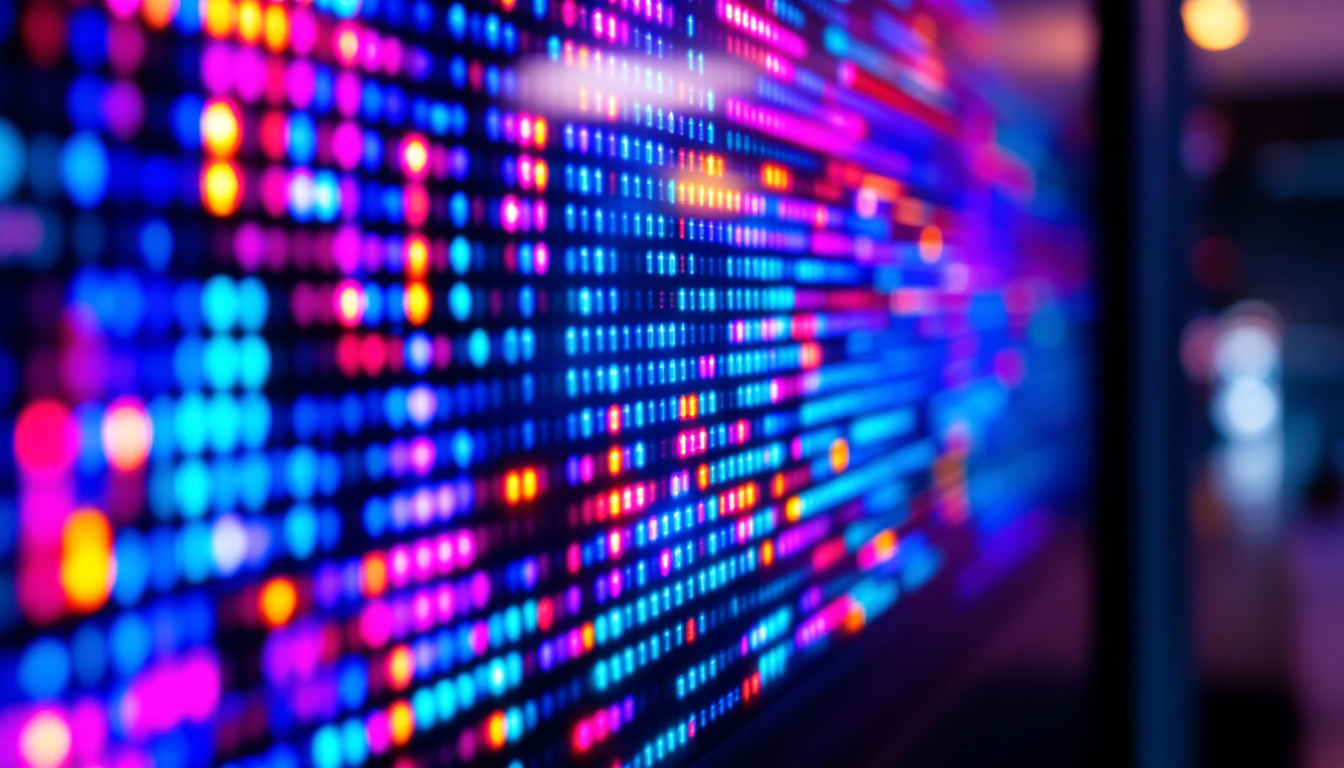
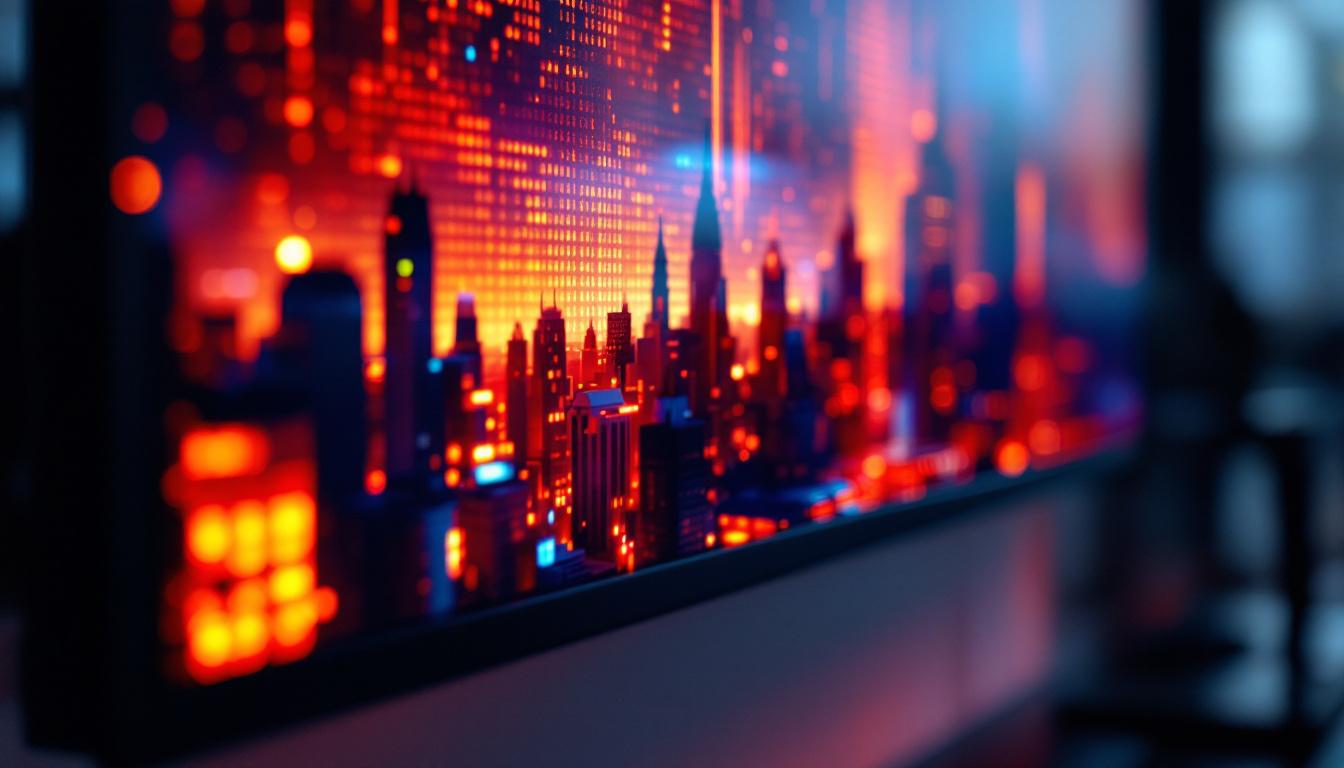
At the core of an LED display are thousands to millions of individual LEDs arranged in a matrix. Each LED acts as a single pixel or part of a pixel, capable of producing red, green, and blue light. By adjusting the intensity of these three colors, the display can render a full spectrum of colors. This process is known as additive color mixing.
The LEDs are controlled by sophisticated electronics that manage the timing and brightness of each diode to create smooth images and video. Modern LED displays often use surface-mounted device (SMD) LEDs, which are compact and provide high pixel density, enabling displays with exceptional resolution and clarity. Furthermore, advancements in technology have led to the development of microLED displays, which promise even greater efficiency and flexibility by using microscopic LEDs that can be arranged in various configurations, allowing for innovative designs and applications.
Types of LED Displays
LED displays come in various forms, primarily categorized into indoor and outdoor types based on their design and brightness levels. Indoor LED displays typically have smaller pixel pitches (the distance between LEDs), allowing for closer viewing distances and finer image detail. Outdoor LED displays, conversely, are designed to withstand harsh weather conditions and offer higher brightness levels to remain visible in direct sunlight. These outdoor displays often incorporate protective features such as waterproofing and UV resistance, ensuring longevity and performance in diverse environments.
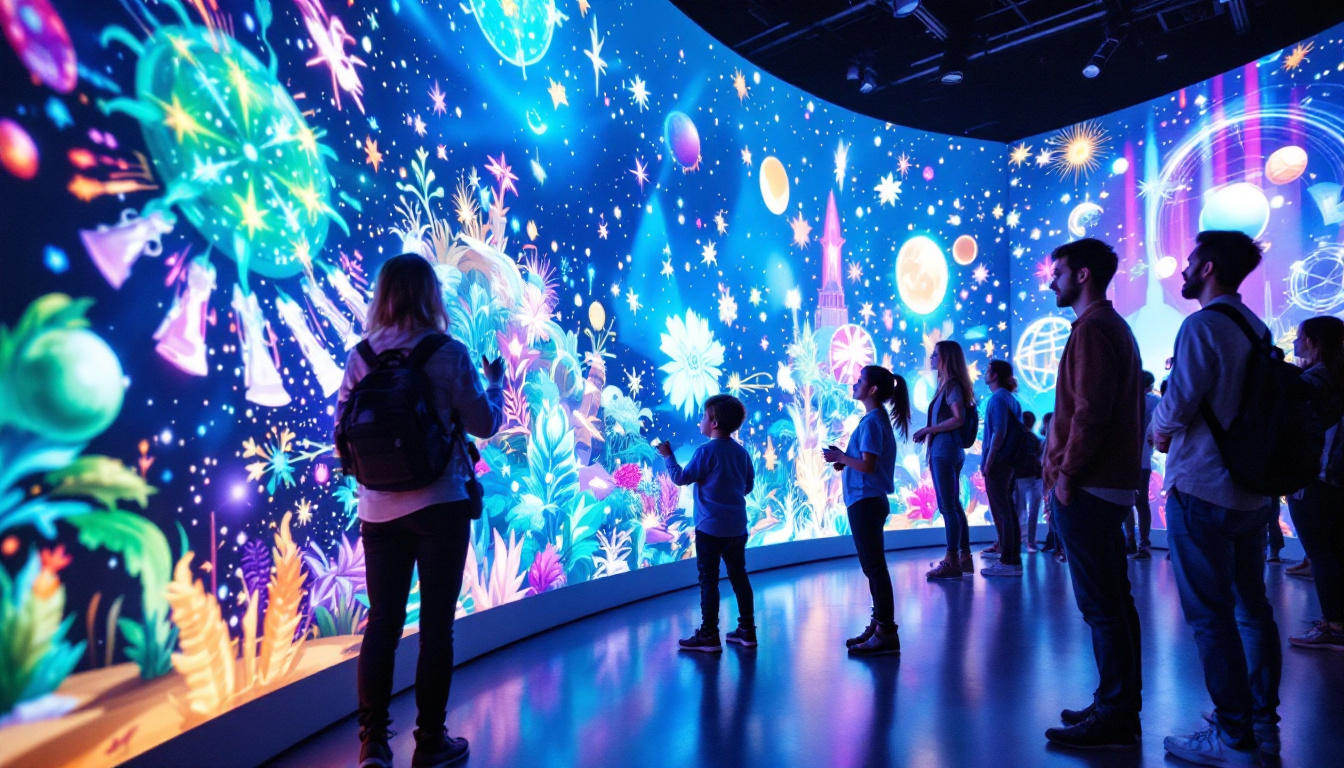
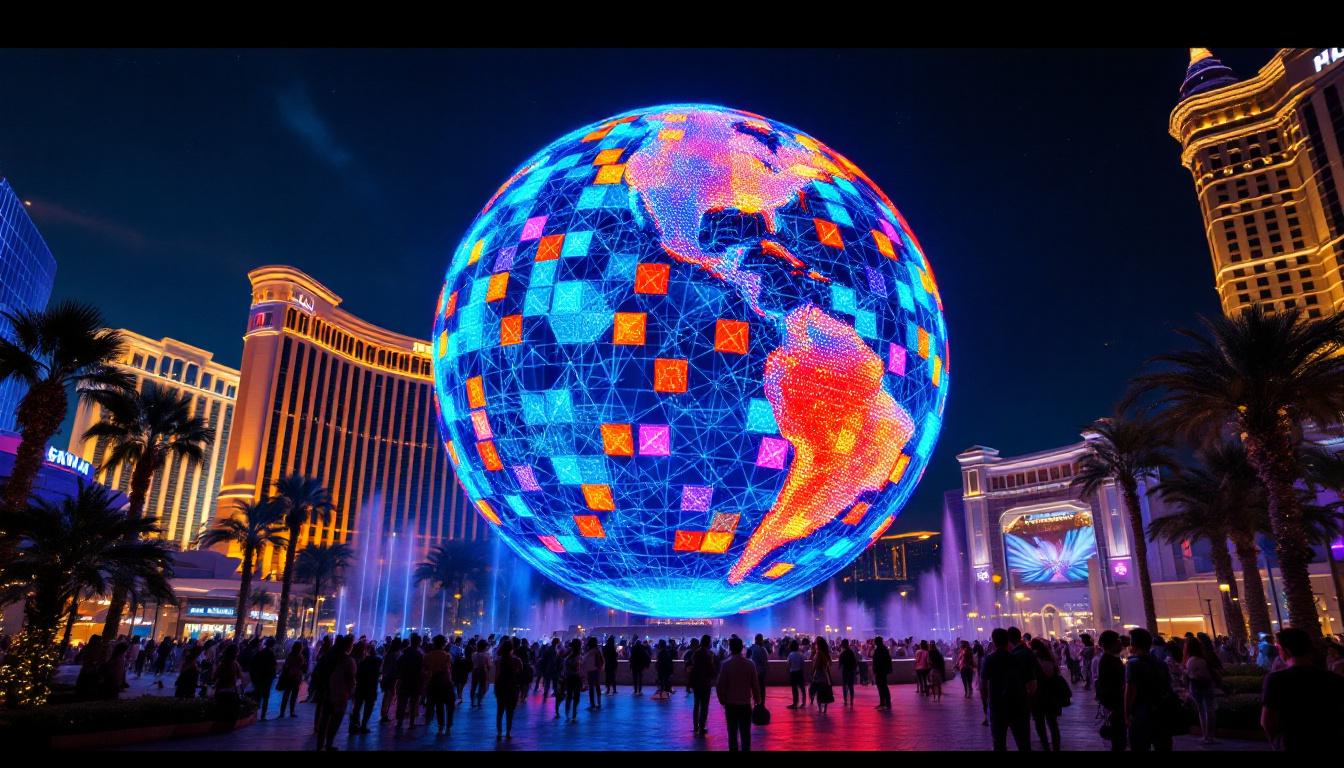
Another important classification is between direct-view LED displays and LED-backlit LCDs. Direct-view LED displays use LEDs as the actual light source and image pixels, while LED-backlit LCDs use LEDs only for backlighting an LCD panel. The former is preferred for large-format digital signage due to its superior brightness and contrast. Additionally, the rise of flexible LED screens has opened up new possibilities in display technology, allowing for curved or even foldable screens that can adapt to various spaces and applications, from retail environments to immersive art installations. This versatility is driving innovation and expanding the potential uses of LED technology across multiple industries.
The NSE LED Display: A Case Study in Financial Communication
The National Stock Exchange (NSE) of India is one of the world’s leading stock exchanges, known for its technological innovation and transparent market operations. The NSE LED display system is a prime example of how LED technology is leveraged to deliver real-time financial data to traders, investors, and the public.
Role and Importance of the NSE LED Display
Financial markets thrive on timely and accurate information. The NSE LED display provides a continuous stream of market data including stock prices, indices, trading volumes, and news updates. Positioned prominently within the exchange and in public spaces, these displays ensure that critical information is accessible at a glance.
The high brightness and resolution of the NSE LED displays allow for clear visibility even in brightly lit environments. This is essential for traders who rely on split-second decisions based on live data. Moreover, the dynamic nature of LED displays enables the presentation of complex data sets in an easily digestible format, using scrolling tickers, color coding, and graphical representations.
Technical Specifications of the NSE LED Display
The NSE LED display utilizes advanced SMD LED modules with a pixel pitch typically ranging between 2.5mm and 4mm for indoor installations, ensuring sharp image quality. Outdoor displays used by the NSE feature pixel pitches from 6mm to 10mm, balancing visibility and cost-effectiveness.
Brightness levels for these displays often exceed 5,000 nits for outdoor units, making them visible even under direct sunlight. The displays are engineered for high refresh rates (above 3,000 Hz), which eliminates flicker and ensures smooth video playback, a critical factor for broadcast and live streaming applications.
Applications and Benefits of LED Displays Beyond NSE
While the NSE LED display exemplifies the use of LED technology in financial markets, the applications of LED displays span a wide array of industries and environments. Understanding these applications highlights why LED displays have become indispensable tools for communication and advertising.
Advertising and Marketing
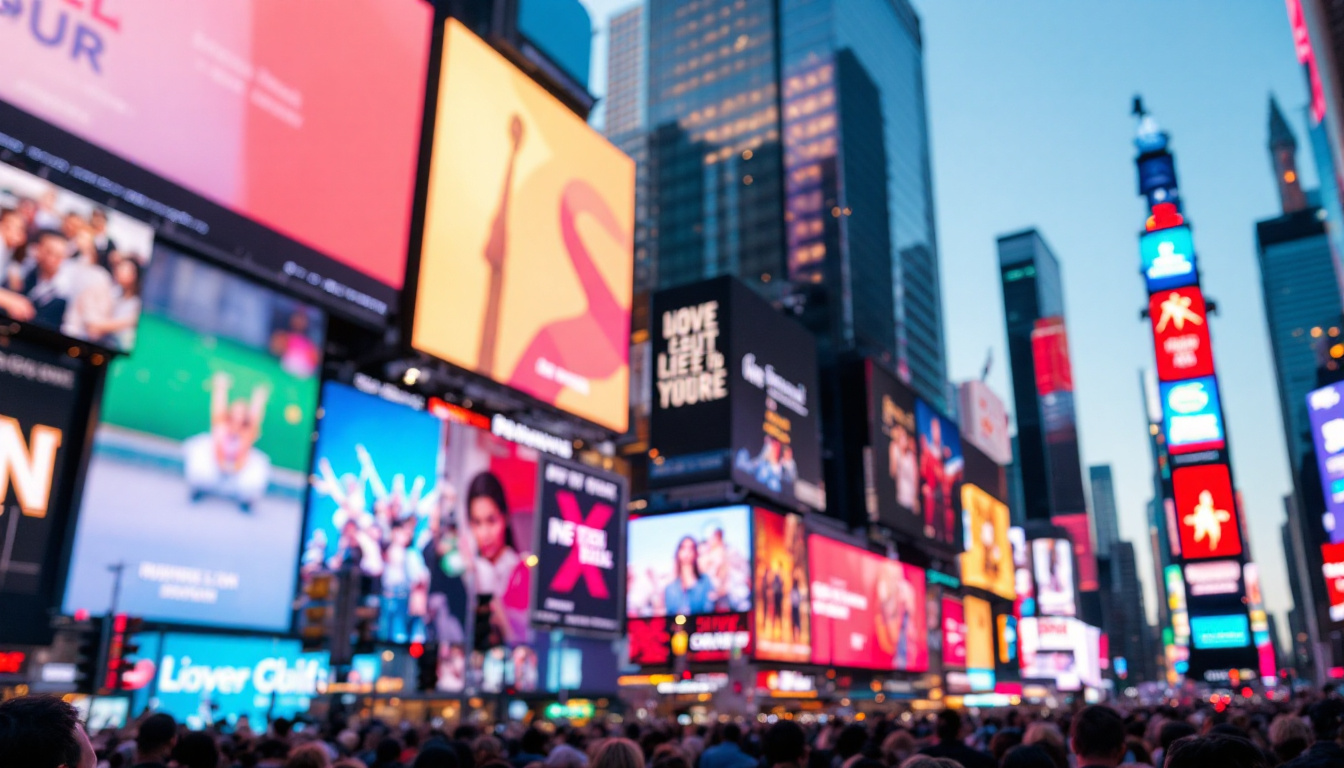
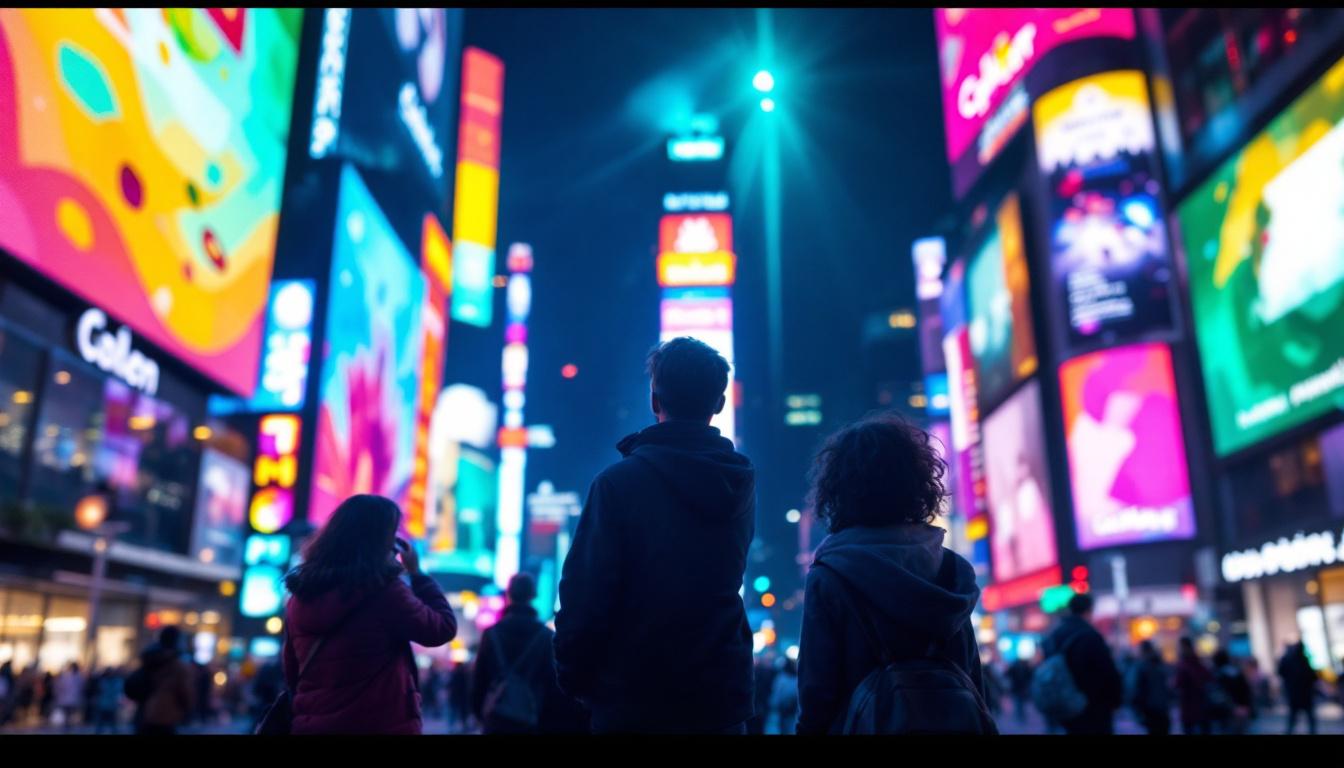
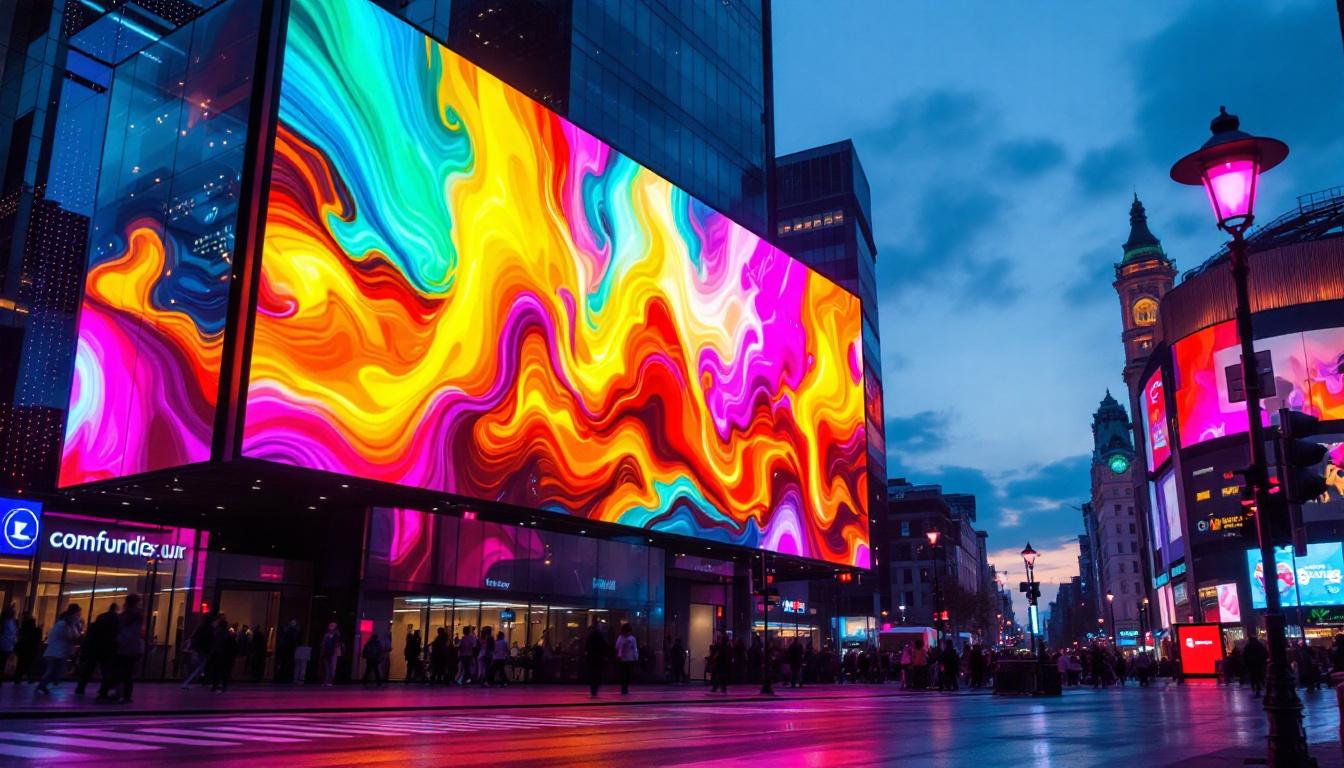
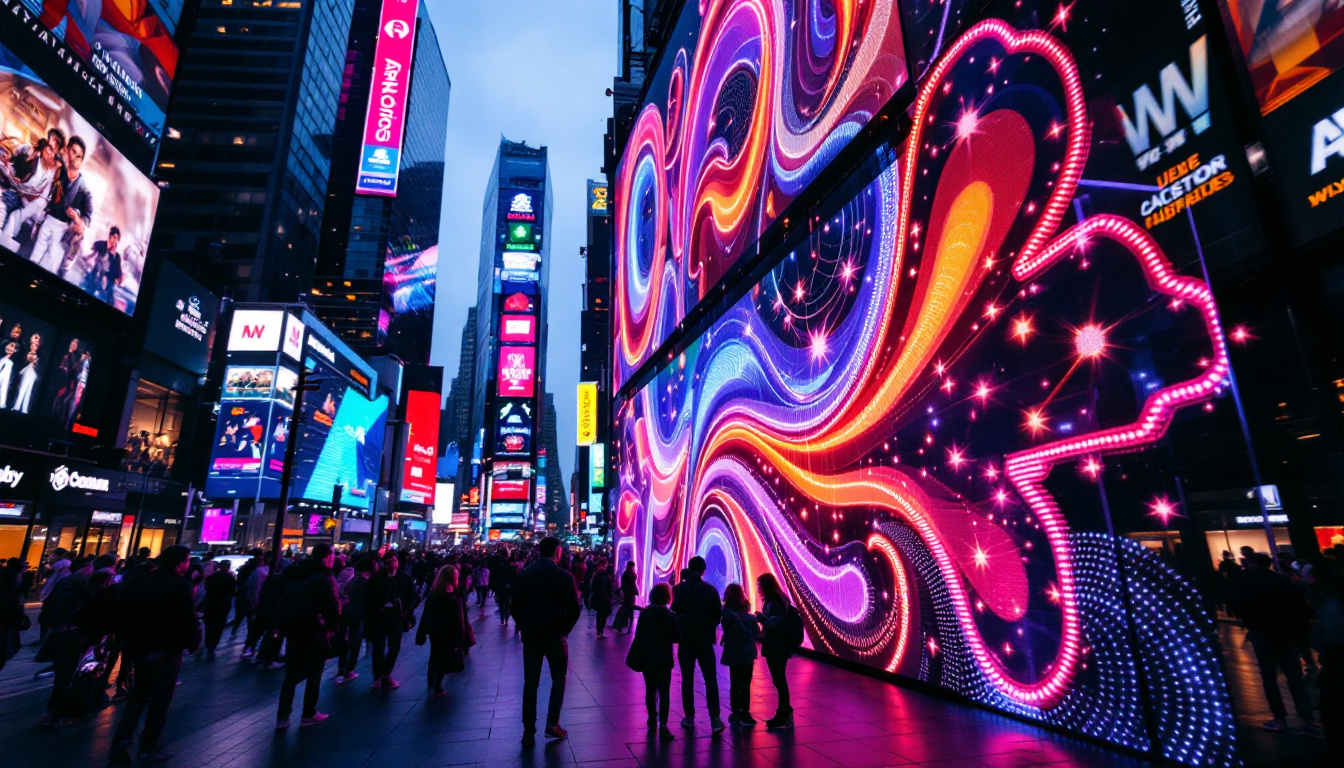
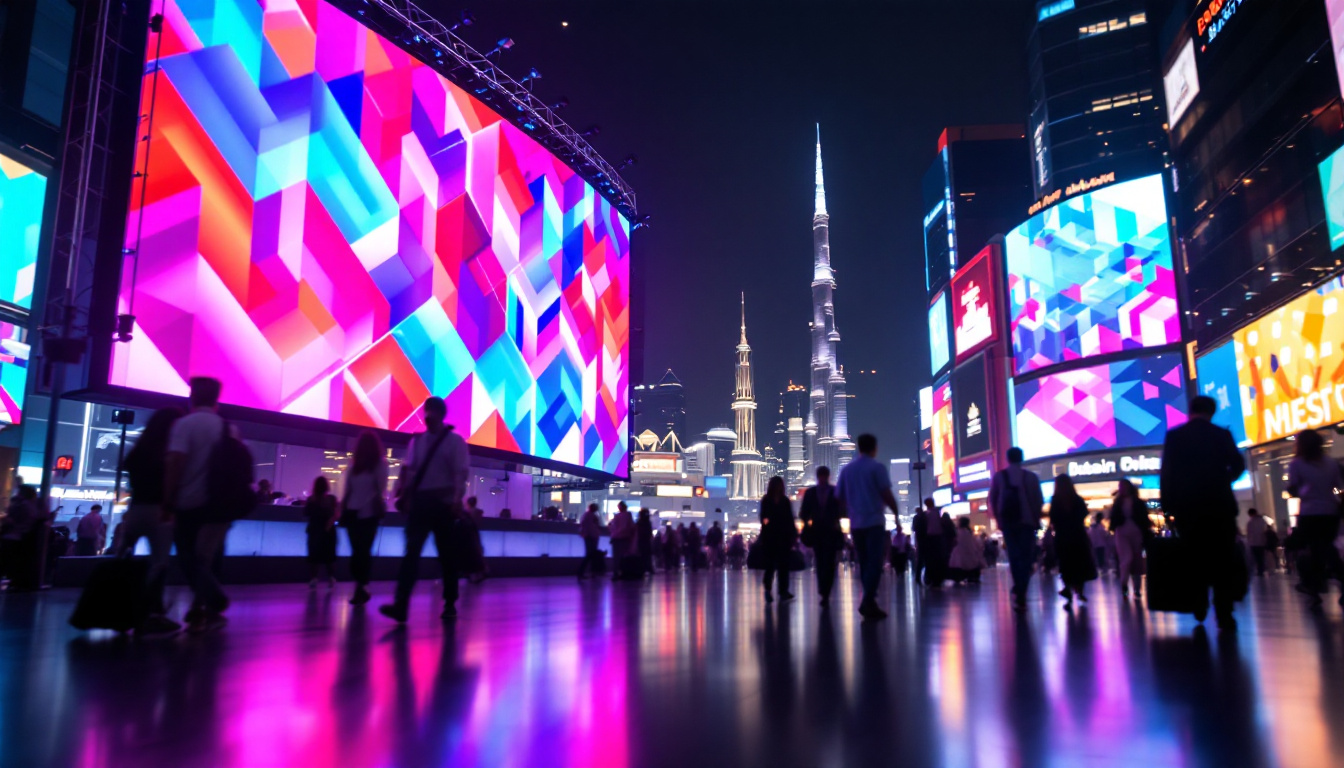
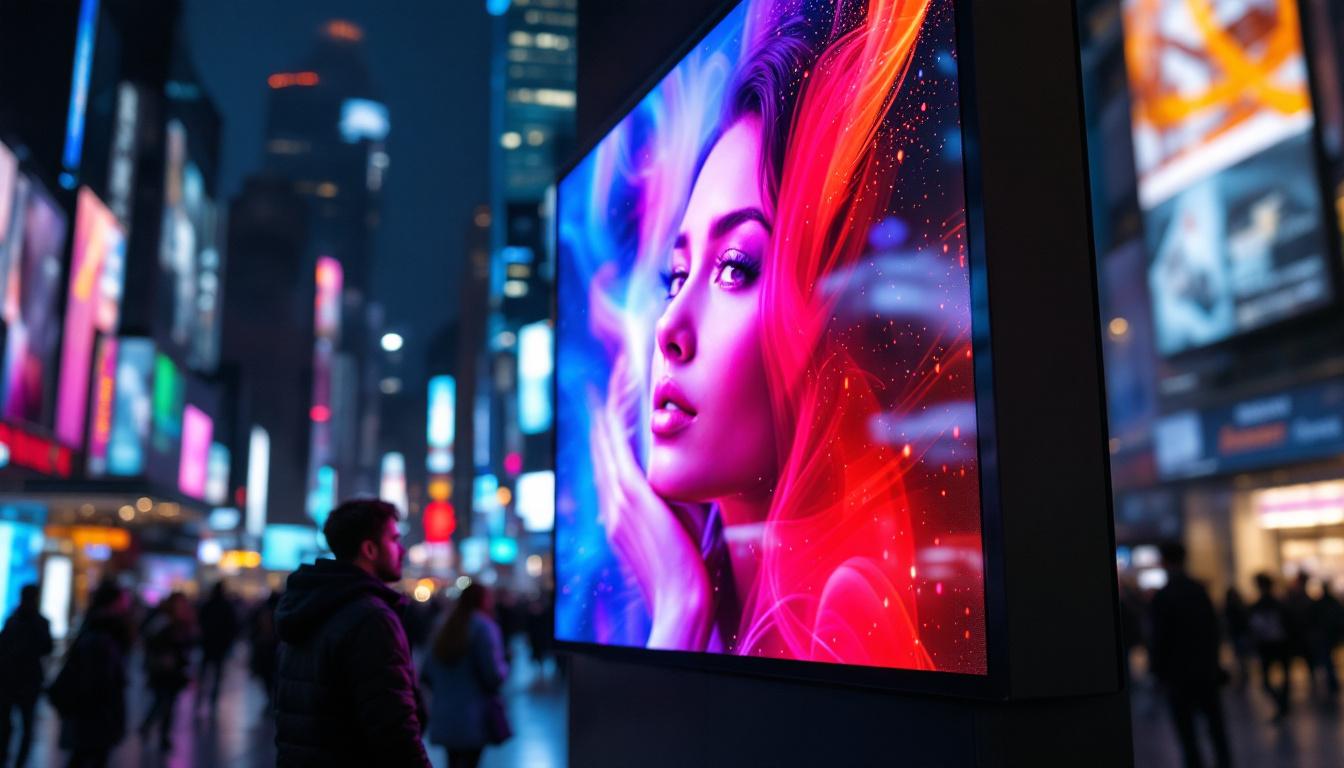
One of the most visible uses of LED displays is in outdoor advertising. Digital billboards equipped with LED technology can display vibrant, eye-catching advertisements that can be updated remotely and frequently. This flexibility allows marketers to tailor messages based on time of day, weather conditions, or audience demographics.
For example, during major events like the FIFA World Cup or the Olympics, LED billboards in host cities showcase dynamic content that enhances the spectator experience and drives brand engagement. The ability to display video, animations, and real-time updates makes LED advertising far more engaging than static posters.
Transportation and Public Information
LED displays play a crucial role in transportation hubs such as airports, train stations, and bus terminals. They provide travelers with real-time updates on schedules, delays, gate changes, and safety information. The clarity and brightness of LED displays ensure that this information is accessible even in crowded or poorly lit environments.
Additionally, many cities use LED displays for public safety announcements and emergency alerts, leveraging their high visibility to disseminate critical information quickly.
Sports and Entertainment Venues
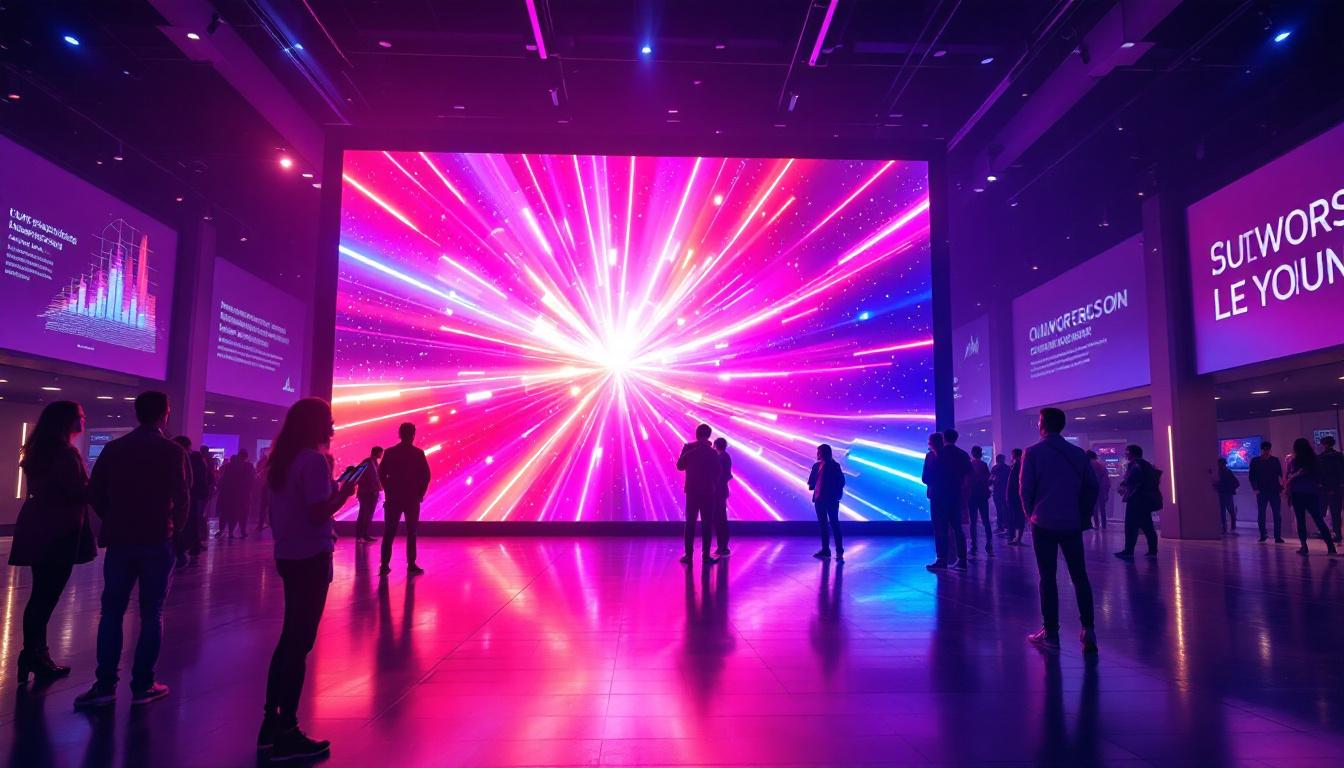
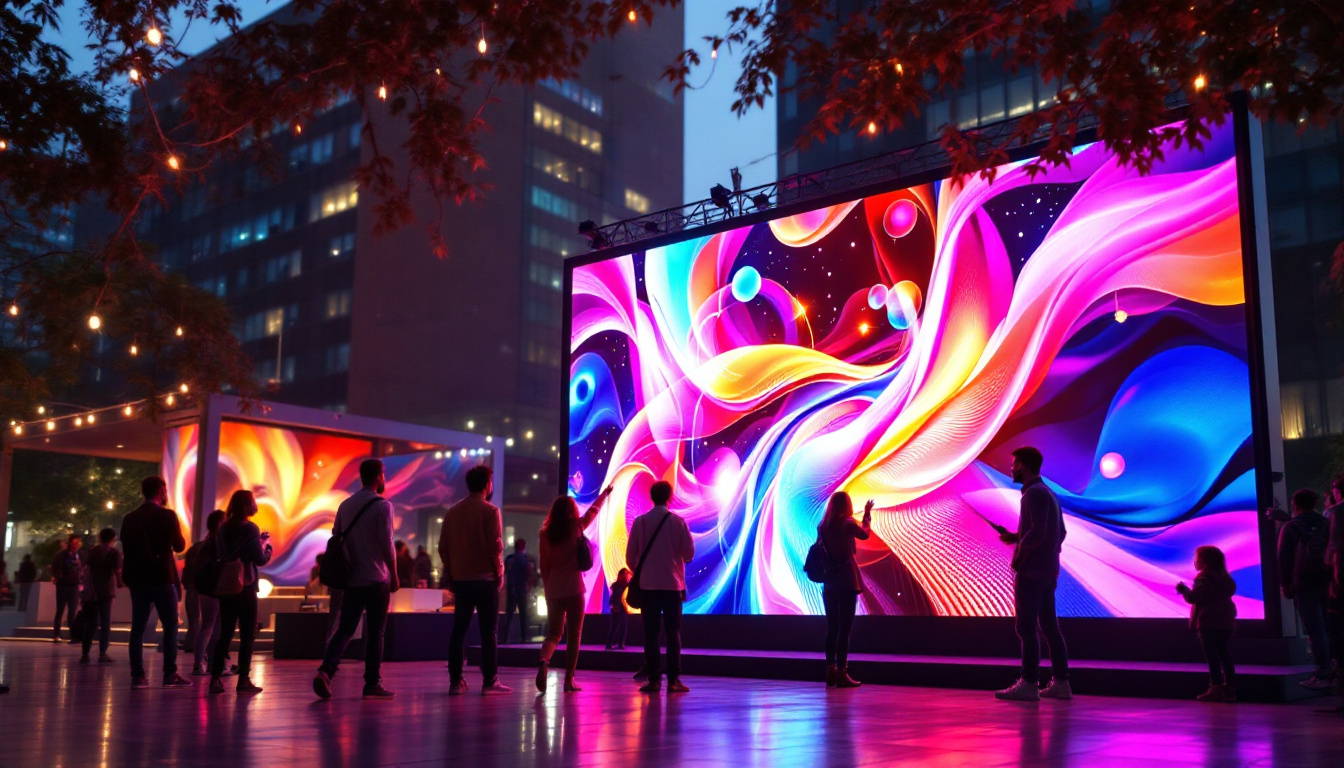
In stadiums and arenas, LED displays enhance the spectator experience by showing live action replays, scores, player statistics, and interactive content. The large size and high resolution of these displays make them ideal for engaging large audiences and creating immersive environments.
LED technology also supports creative lighting effects and synchronized displays that add to the spectacle of concerts, theatrical performances, and other live events.
Advantages of LED Displays Over Traditional Technologies
LED displays offer numerous advantages that have driven their widespread adoption across industries. Understanding these benefits provides insight into why LED technology continues to evolve and dominate the display market.
Energy Efficiency and Longevity
Compared to traditional lighting and display technologies, LEDs consume significantly less power. This energy efficiency translates into lower operating costs and reduced environmental impact. For large installations like the NSE LED display or city-wide advertising networks, these savings are substantial over time.
Moreover, LEDs have a longer lifespan, often exceeding 50,000 hours of operation. This durability reduces maintenance costs and downtime, ensuring consistent performance in critical applications.
Superior Brightness and Contrast
LED displays can achieve brightness levels far beyond what LCD or plasma screens can offer. This makes them ideal for outdoor use where sunlight can wash out other display types. Additionally, LEDs provide excellent contrast ratios, delivering vivid colors and deep blacks that enhance image quality and readability.
Flexibility and Scalability
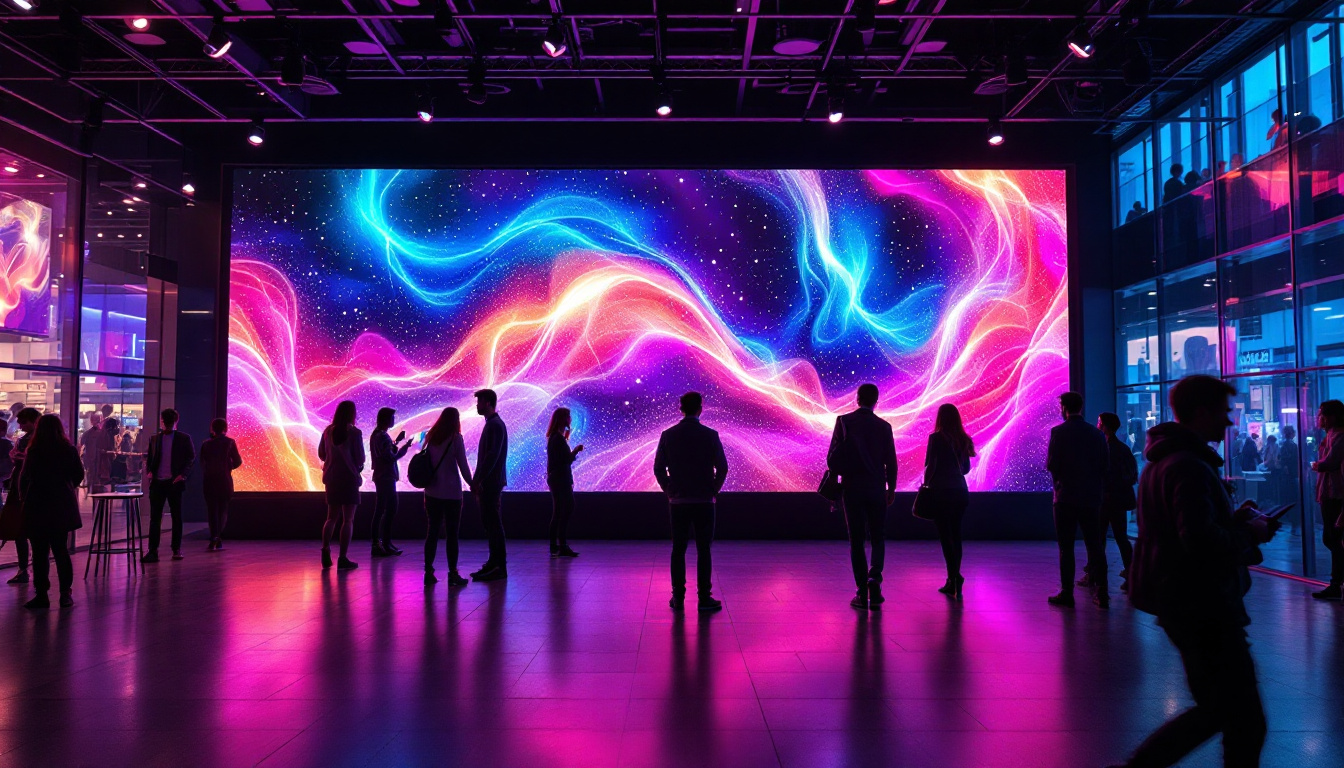
LED displays are highly modular, allowing for custom sizes and shapes. This flexibility enables designers to create unique installations tailored to specific environments and purposes. Whether it’s a massive outdoor billboard or a compact indoor display, LED technology can be scaled accordingly.
Furthermore, LED displays support a wide range of content formats, from static images to high-definition video, interactive graphics, and live data feeds, making them versatile communication tools.
Future Trends in LED Display Technology
The LED display industry continues to innovate, driven by demands for higher resolution, greater energy efficiency, and enhanced interactivity. Several emerging trends are shaping the future landscape of LED displays.
MicroLED and MiniLED Technologies
MicroLED and MiniLED represent the next generation of LED display technology. MicroLEDs are significantly smaller than traditional LEDs, enabling displays with even higher pixel densities and improved image quality. This technology promises to rival OLED displays in terms of color accuracy and contrast while maintaining the durability and brightness advantages of LEDs.
MiniLEDs, while larger than MicroLEDs, offer improved backlighting for LCD panels, enhancing contrast and brightness. Both technologies are expected to find applications in premium televisions, smartphones, and digital signage.
Integration with IoT and Smart Systems
LED displays are increasingly being integrated with Internet of Things (IoT) platforms and smart city infrastructure. This integration allows for real-time data-driven content updates, remote management, and interactive capabilities. For example, smart LED displays can adjust brightness based on ambient light or display targeted advertisements based on audience analytics.
Environmental Sustainability
As sustainability becomes a priority, LED manufacturers are focusing on eco-friendly materials and manufacturing processes. Additionally, the recyclability of LED components and the reduction of hazardous substances in their production are key areas of development.
Conclusion
LED displays have transformed the way information is communicated across various sectors, from financial markets like the NSE to advertising, transportation, and entertainment. Their superior brightness, energy efficiency, and versatility make them indispensable tools in the digital age.
The NSE LED display exemplifies how LED technology can be harnessed to deliver real-time, high-impact information critical to market operations and decision-making. As LED technology continues to advance with innovations like MicroLED and smart integration, the potential applications and benefits will only expand.
Understanding the technology behind LED displays and their practical applications empowers businesses and organizations to make informed decisions about adopting and leveraging this dynamic medium for effective communication and engagement.
Discover Cutting-Edge LED Display Solutions with LumenMatrix
Ready to elevate your visual communication strategy? LumenMatrix, a pioneer in LED display technology, offers a diverse range of innovative products designed to capture your audience’s attention and bring your brand’s message to life. From vibrant Indoor and Outdoor LED Wall Displays to dynamic Vehicle and Sports LED Displays, and even customizable solutions like Floor LED Displays and All-in-One LED Displays, LumenMatrix is committed to revolutionizing the way businesses engage with their customers. Embrace the future of digital signage with our LED Transparent Displays and create unforgettable visual experiences. Check out LumenMatrix LED Display Solutions today and transform your communication into an impactful visual journey.