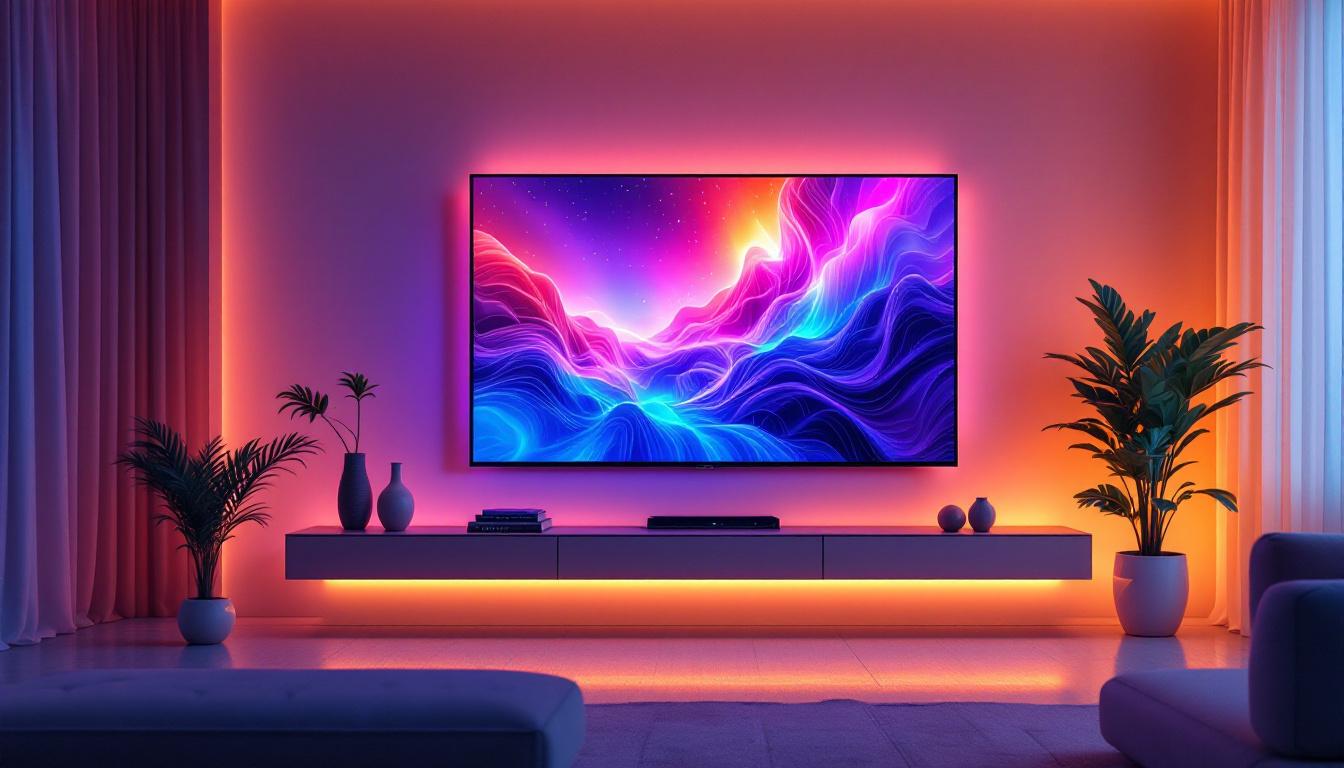
In the rapidly evolving world of home entertainment technology, the 65 inch touch screen TV with LED display stands out as a remarkable blend of size, interactivity, and visual quality. Whether used for immersive movie nights, interactive presentations, or smart home integration, understanding the technology behind these devices is essential for making informed purchasing decisions.
This article delves into the key aspects of 65 inch touch screen TVs, focusing on LED display technology, its advantages, and practical considerations for consumers. By exploring the nuances of LED panels, touch screen integration, and the latest industry trends, readers will gain a comprehensive understanding of what makes these TVs a compelling choice in today’s market.
Understanding LED Display Technology in 65 Inch TVs
What is an LED Display?
LED, or Light Emitting Diode, displays are among the most popular types of screens used in modern televisions. Unlike older LCD screens that rely on cold cathode fluorescent lamps (CCFLs) for backlighting, LED TVs use an array of tiny LEDs to illuminate the screen. This shift has brought significant improvements in brightness, contrast, energy efficiency, and color accuracy.
In a 65 inch LED TV, the screen size offers a large viewing area that enhances immersion, especially in spacious living rooms or home theaters. The LED backlighting ensures that even at this size, the image remains vibrant and sharp, with deep blacks and bright whites.
Types of LED Backlighting: Edge-lit vs. Full-array
When shopping for a 65 inch LED TV, it’s important to understand the two primary types of LED backlighting: edge-lit and full-array. Edge-lit LED TVs position LEDs around the edges of the screen, shining light across the display using light guides. This design allows for slimmer panels and often lower costs but can result in uneven brightness and less precise contrast control.
Full-array LED TVs, on the other hand, have LEDs distributed evenly behind the entire screen. This layout enables local dimming, where specific zones of LEDs can be dimmed or brightened independently, significantly improving contrast ratios and black levels. For a 65 inch TV, full-array with local dimming is generally preferred for superior picture quality, especially in dark scenes.
Quantum Dot and Mini-LED Enhancements
Recent advancements have introduced quantum dot and mini-LED technologies, further elevating the performance of LED displays. Quantum dots are microscopic semiconductor particles that emit precise colors when illuminated by LEDs, resulting in a wider color gamut and more accurate color reproduction. Many premium 65 inch TVs now incorporate quantum dot technology, often branded as QLED.
Mini-LED technology uses thousands of tiny LEDs as the backlight, allowing for even finer local dimming control and higher peak brightness. This innovation bridges the gap between traditional LED TVs and OLED displays, offering excellent contrast and vivid images without the risk of burn-in associated with OLED.
The Touch Screen Feature: Interactivity Meets Entertainment
How Touch Screens Work on Large TVs
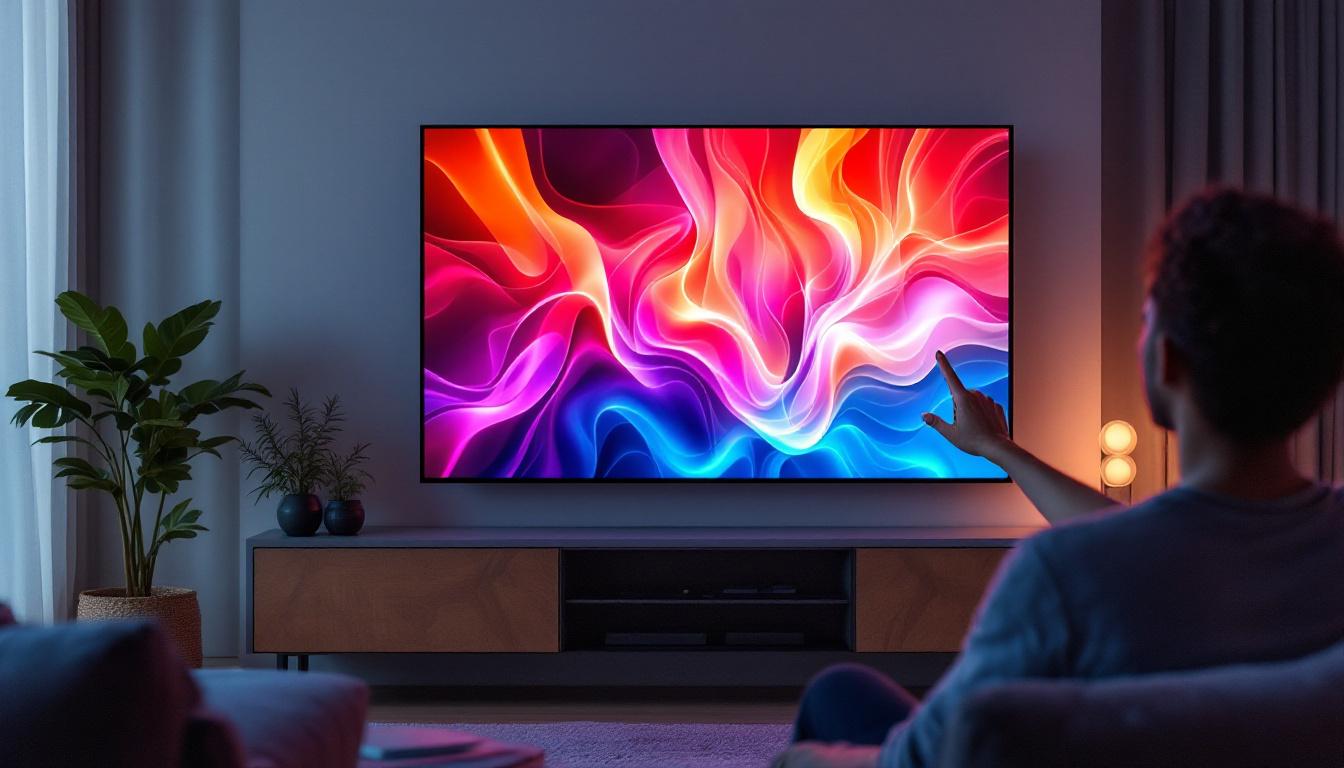
Integrating touch screen capabilities into a 65 inch TV transforms the device from a passive display into an interactive hub. Touch screens on large TVs typically use capacitive or infrared (IR) touch technology. Capacitive touch screens detect electrical signals from the human finger, offering high sensitivity and multi-touch support. IR touch screens use an array of infrared sensors around the screen’s edges to detect touch by interruption of light beams.
For a screen as large as 65 inches, IR touch technology is often preferred due to its scalability and ability to work with gloves or styluses. The touch layer is usually laminated over the LED panel, maintaining image clarity while enabling responsive input.
Applications of Touch Screen TVs
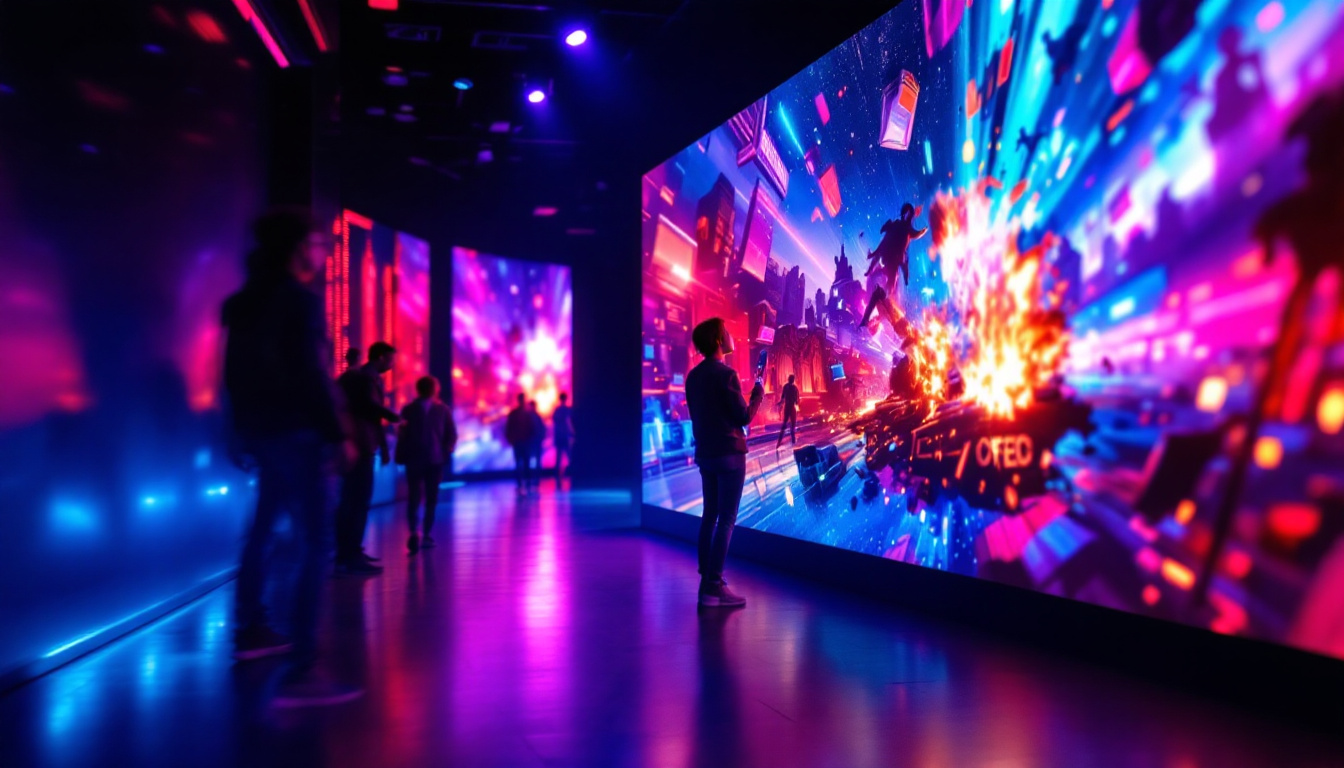
The addition of touch functionality opens up a wide range of applications beyond traditional TV viewing. In educational settings, 65 inch touch screen TVs serve as interactive whiteboards, allowing teachers and students to collaborate dynamically. In corporate environments, these TVs become powerful tools for presentations, brainstorming sessions, and video conferencing.
For home users, touch screen TVs can integrate with smart home ecosystems, enabling direct control of connected devices, apps, and streaming services through intuitive gestures. Gaming on a large touch screen TV also becomes more immersive, especially with touch-enabled games designed for larger formats.
Challenges and Considerations
While touch screen TVs offer exciting possibilities, there are challenges to consider. The addition of a touch layer can sometimes introduce slight reflections or reduce screen brightness. Moreover, touch sensitivity and accuracy must be calibrated carefully to ensure a smooth user experience, especially on such a large surface.
Durability is another factor; the screen must withstand frequent touch interactions without degrading image quality or responsiveness. Therefore, it’s advisable to choose models with reinforced glass and reliable touch technology from reputable manufacturers.
Picture Quality Factors in 65 Inch LED Touch Screen TVs
Resolution and HDR Support
Resolution remains a critical factor in picture quality. Most 65 inch TVs today offer 4K Ultra HD resolution (3840 x 2160 pixels), which provides crisp and detailed images even at close viewing distances. Some high-end models also support 8K resolution, although content availability and price points currently limit widespread adoption.
High Dynamic Range (HDR) technology is equally important, enhancing the contrast and color depth of the display. HDR formats such as HDR10, Dolby Vision, and HLG improve the viewing experience by delivering brighter highlights and more nuanced shadows, making movies and games look more lifelike.
Refresh Rate and Motion Handling
For fast-paced content like sports and action movies, a higher refresh rate reduces motion blur and judder. Most 65 inch LED TVs offer native refresh rates of 60Hz or 120Hz, with some employing motion interpolation technologies to simulate higher frame rates.
When combined with touch screen interactivity, a higher refresh rate also ensures that gestures and touch inputs feel fluid and responsive, enhancing overall usability.
Audio Quality and Integration
While picture quality is paramount, audio performance should not be overlooked. Many 65 inch touch screen TVs come with built-in speakers optimized for clear dialogue and immersive sound. Some models feature Dolby Atmos support or integrate with external sound systems for enhanced audio experiences.
Given the size and interactive nature of these TVs, audio clarity is essential for presentations, video calls, and gaming. Users may also consider pairing the TV with soundbars or home theater systems to complement the visual experience.
Practical Buying Tips for 65 Inch Touch Screen LED TVs
Assessing Your Space and Usage Needs
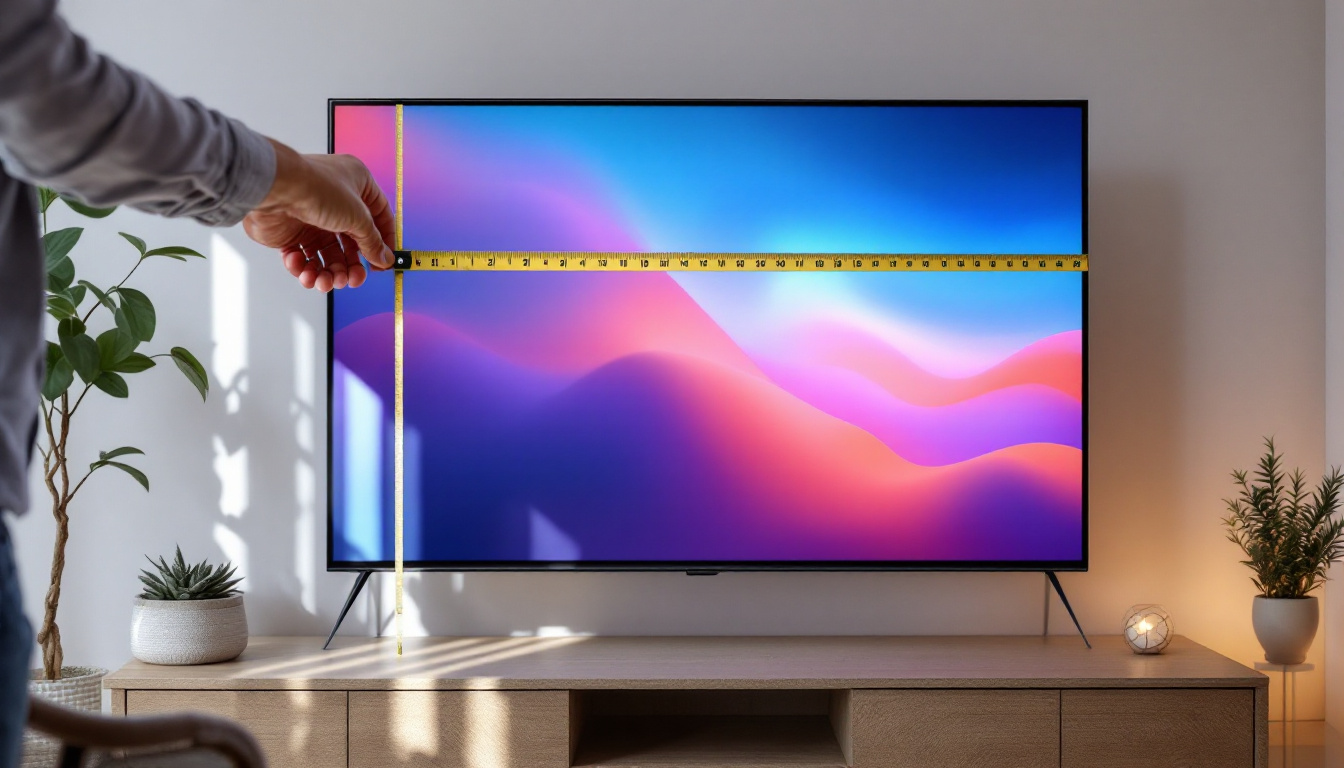
Before purchasing a 65 inch touch screen TV, it’s important to evaluate the intended environment and use cases. The size demands sufficient viewing distance—ideally between 8 to 13 feet—to fully appreciate the screen without strain. Room lighting conditions also influence the choice of display technology; LED TVs with high brightness and anti-reflective coatings perform better in well-lit rooms.
Consider how frequently the touch screen feature will be used. For heavy interactive use, prioritize models with proven touch accuracy and durability. For occasional touch interactions, a standard LED TV with smart remote control might suffice.
Connectivity and Smart Features
Modern 65 inch TVs come equipped with multiple HDMI ports, USB inputs, and wireless connectivity options such as Wi-Fi and Bluetooth. These features enable seamless integration with gaming consoles, streaming devices, sound systems, and smart home gadgets.
Smart TV platforms vary, with popular options including Android TV, Roku, and proprietary operating systems. When touch functionality is involved, ensure the software supports intuitive touch navigation and offers access to a broad app ecosystem.
Budget Considerations and Warranty
Prices for 65 inch touch screen LED TVs can range widely, from around $800 for basic models to over $3,000 for premium versions with advanced features like quantum dots, mini-LED backlighting, and enhanced touch capabilities. Setting a clear budget helps narrow down options and focus on essential features.
Warranty and customer support are crucial, especially for touch screen TVs that combine complex hardware components. Opt for brands with strong reputations and comprehensive warranty coverage to protect your investment.
Future Trends in 65 Inch Touch Screen TV Technology
Integration with AI and Voice Control
The future of 65 inch touch screen TVs lies in deeper integration with artificial intelligence (AI) and voice assistants. Combining touch, voice, and gesture controls will create more natural and versatile user interfaces, allowing users to interact with their TVs in multiple ways simultaneously.
AI-driven content recommendations, automatic picture adjustments, and enhanced accessibility features will further personalize the viewing experience, making these TVs smarter and more user-friendly.
Advances in Display Materials and Energy Efficiency
Emerging display technologies such as microLED and improved quantum dot materials promise even better brightness, color accuracy, and energy efficiency. These advancements will likely trickle down to 65 inch touch screen TVs, offering consumers brighter screens with lower power consumption.
Additionally, flexible and transparent displays may introduce new form factors, enabling innovative designs that blend seamlessly into living spaces.
Expanded Use Cases Beyond Entertainment
As touch screen TVs become more affordable and versatile, their applications will extend beyond traditional entertainment. In smart homes, these devices will serve as central control panels for security, lighting, and appliances. In education and business, they will facilitate remote collaboration and interactive learning.
The convergence of display technology, touch interactivity, and smart features positions the 65 inch touch screen TV as a multifunctional device for the connected lifestyle.
Conclusion
The 65 inch touch screen TV with LED display represents a powerful combination of size, visual performance, and interactive capability. Understanding the underlying LED technology, the nuances of touch integration, and the factors influencing picture and audio quality empowers consumers to choose the right model for their needs.
As technology continues to advance, these TVs will become even more immersive, intelligent, and versatile, shaping the future of home entertainment, education, and work. Whether for cinematic experiences, interactive presentations, or smart home control, the 65 inch touch screen LED TV stands as a compelling centerpiece in modern living spaces.
Explore Cutting-Edge Touch Screen Solutions with LumenMatrix
Ready to elevate your viewing and interactive experiences with the latest in LED display technology? LumenMatrix is at the forefront of innovation, offering a diverse range of LED display solutions that bring your content to life. From captivating Indoor LED Wall Displays to dynamic Outdoor LED Wall Displays and beyond, our mission is to transform your visual communication with unparalleled clarity and impact. Don’t miss the opportunity to enhance your space with our advanced LED displays. Check out LumenMatrix LED Display Solutions today and step into the future of digital signage.