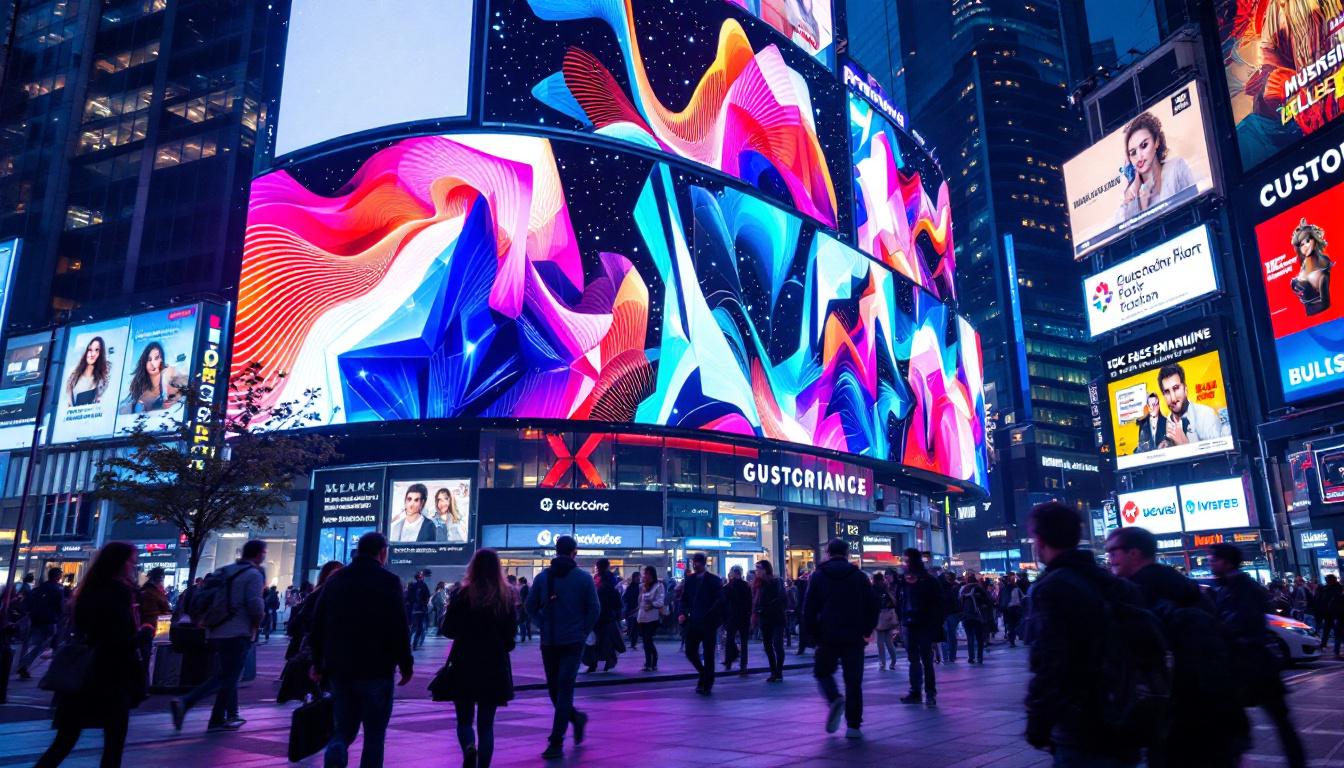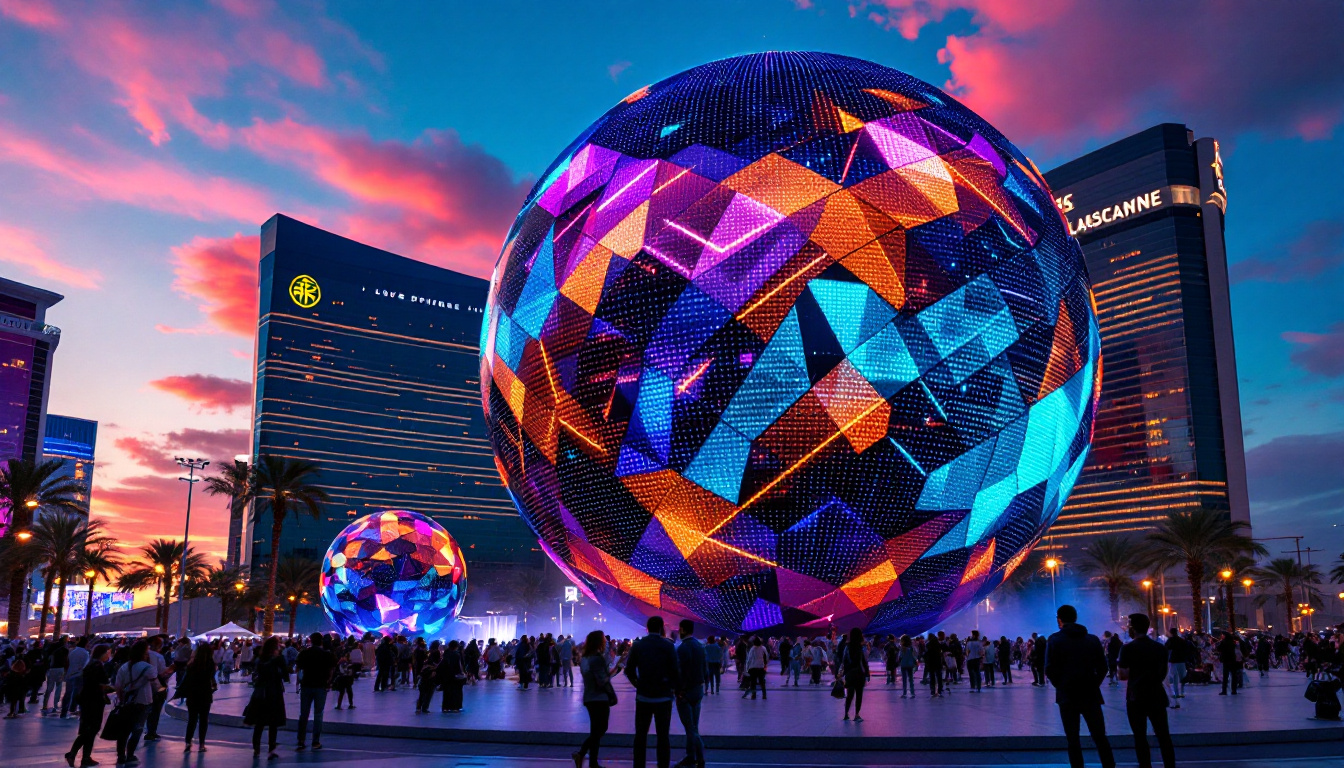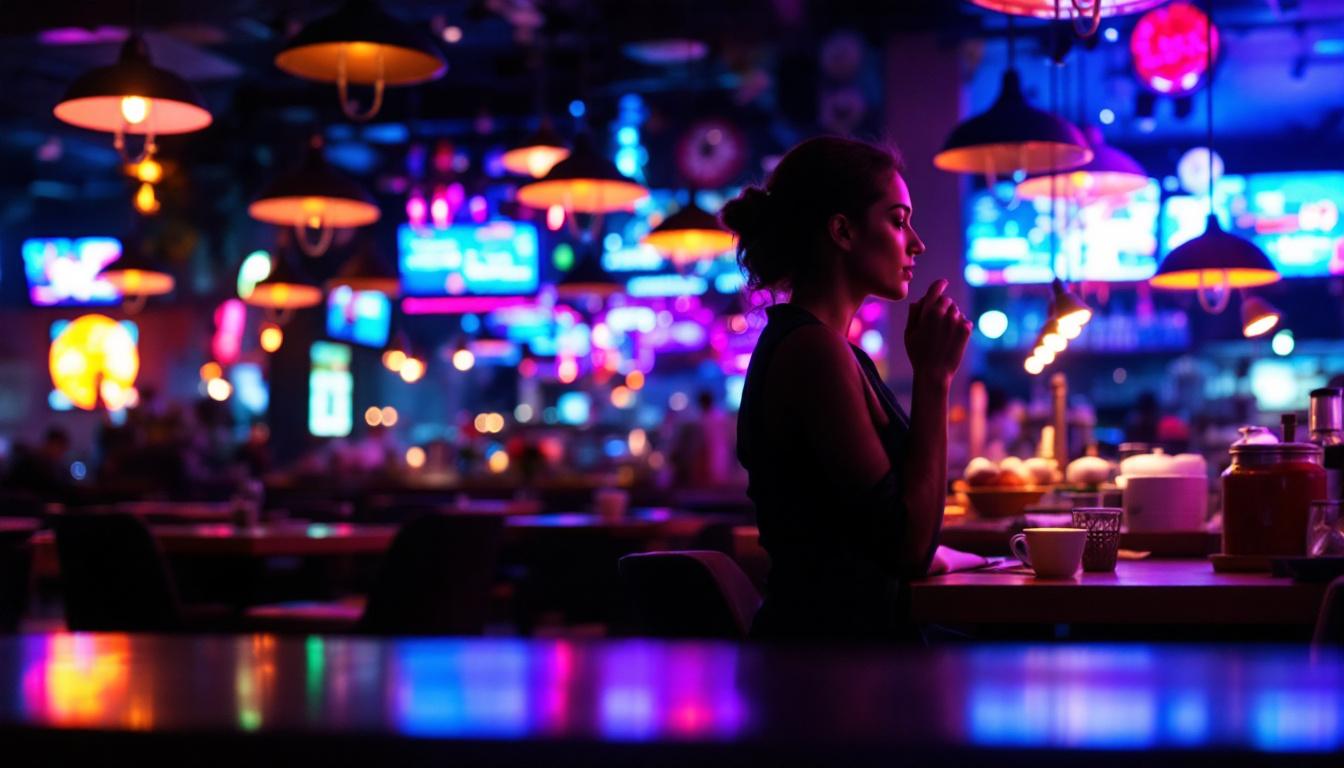
In the fast-paced and visually driven world of the restaurant industry, grabbing customer attention is more challenging than ever. One of the most effective tools for standing out and communicating dynamic content is the LED display. From vibrant menu boards to eye-catching promotional signage, LED displays have transformed how restaurants interact with their audience. This article delves into the essentials of LED displays in the restaurant setting, exploring their technology, benefits, and best practices for implementation.
Understanding LED Display Technology
What is an LED Display?
LED stands for Light Emitting Diode, a semiconductor device that emits light when an electric current passes through it. An LED display is a flat panel that uses an array of these tiny diodes to create images, videos, and text. Unlike traditional LCD or plasma screens, LED displays can be much brighter, more energy-efficient, and durable, making them ideal for both indoor and outdoor use.
In restaurants, LED displays come in various forms — from small digital menu boards behind the counter to large exterior signage that attracts customers from afar. The ability to customize content in real-time makes LED displays a versatile choice for dynamic environments. This adaptability allows restaurants to showcase daily specials, seasonal promotions, or even social media feeds, creating an engaging experience that can influence customer decisions and enhance overall satisfaction.
Types of LED Displays Commonly Used in Restaurants
There are primarily two types of LED displays utilized in the restaurant industry:
- Indoor LED Displays: These are designed for controlled lighting environments and are typically used for digital menu boards, promotional displays, and interactive kiosks. They offer high resolution and vibrant colors suitable for close viewing distances. Indoor displays can also integrate touch-screen technology, allowing customers to place orders directly, which streamlines the ordering process and reduces wait times.
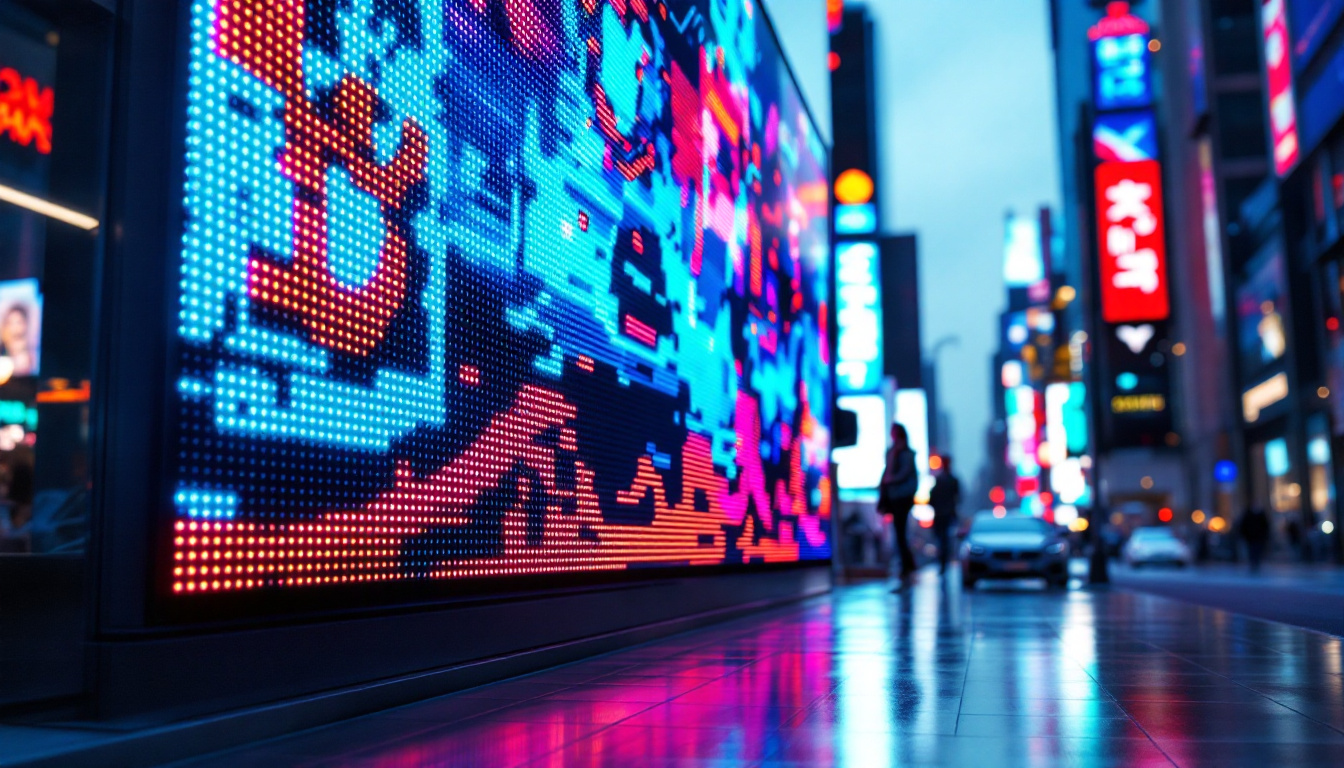
- Outdoor LED Displays: Built to withstand weather conditions, these displays are brighter and more robust. Restaurants use them for storefront signage, drive-thru menus, and event announcements to attract passing traffic effectively. The outdoor displays often feature advanced weatherproofing and UV-resistant materials, ensuring longevity and consistent performance, even in harsh climates.
Understanding the distinction between these types is crucial for selecting the right display that meets the restaurant’s specific needs and environment. Additionally, the choice of LED display can significantly impact the restaurant’s branding and customer engagement strategies. For instance, a well-placed outdoor LED display can serve as a beacon for potential customers, drawing them in with eye-catching visuals and enticing offers. Meanwhile, indoor displays can enhance the dining atmosphere, providing a modern touch that resonates with tech-savvy patrons. As the technology continues to evolve, restaurants are increasingly leveraging LED displays to create immersive experiences that go beyond traditional dining, fostering a connection with their audience that is both memorable and effective.
Why Restaurants Are Investing in LED Displays
Enhancing Customer Engagement and Experience
Modern diners expect more than just good food; they seek an engaging experience. LED displays provide an interactive and visually appealing way to communicate with customers. Digital menu boards, for example, can showcase high-definition images of dishes, highlight specials, and even display nutritional information, helping customers make informed choices quickly.
Moreover, dynamic content such as videos or animations can create a lively atmosphere, encouraging customers to explore more menu options or promotions. According to a 2023 study by the National Restaurant Association, restaurants that implemented digital signage reported a 15% increase in customer engagement and a 12% boost in average order value.
Operational Efficiency and Flexibility
Traditional printed menus and signage require frequent updates, which can be costly and time-consuming. LED displays allow restaurant operators to change content instantly — whether it’s updating prices, adding new menu items, or promoting limited-time offers. This flexibility reduces printing costs and minimizes waste, aligning with sustainability goals.
Additionally, LED displays can be integrated with point-of-sale (POS) systems to reflect real-time inventory changes, helping manage customer expectations and reducing order errors. For busy restaurants, this seamless integration improves operational flow and customer satisfaction.
Energy Efficiency and Longevity
LED technology is known for its energy efficiency compared to older display technologies like neon or incandescent lighting. LEDs consume up to 80% less energy, which translates into lower utility bills for restaurants operating long hours. Their long lifespan — often exceeding 50,000 hours — means fewer replacements and maintenance costs over time.
These advantages make LED displays not only an effective marketing tool but also a cost-effective investment in the long run.
Key Features to Consider When Choosing an LED Display for Your Restaurant
Brightness and Viewing Distance
Brightness is a critical factor, especially for outdoor displays exposed to sunlight. Measured in nits, the brightness level should be high enough to ensure visibility in all lighting conditions. For outdoor signage, displays with 5,000 to 7,000 nits are common, while indoor displays typically require 800 to 1,500 nits.
Viewing distance also influences pixel pitch — the distance between individual LEDs. A smaller pixel pitch means higher resolution and better image clarity at close range, ideal for indoor menu boards. Conversely, outdoor displays often have a larger pixel pitch since they are viewed from farther away.
Resolution and Size
Resolution determines how sharp and detailed the display content appears. Restaurants should select a resolution that matches the display size and viewing distance to avoid pixelation or blurred images. For example, a 55-inch indoor menu board might require a 1080p resolution, while a large outdoor billboard may use a lower resolution but larger size to maintain visibility.
Size selection depends on the restaurant layout and customer flow. Drive-thru lanes benefit from larger, easily readable displays, while indoor dining areas might use smaller, strategically placed screens.
Content Management Systems (CMS)
A user-friendly CMS is essential for managing and scheduling content on LED displays. Many modern LED solutions come with cloud-based platforms that allow remote updates, content scheduling, and analytics tracking. This capability enables restaurant managers to tailor messaging based on time of day, special events, or customer demographics.
Choosing a CMS with intuitive controls reduces the learning curve and empowers staff to keep content fresh and relevant without relying on external technicians.
Best Practices for Implementing LED Displays in Restaurants
Designing Effective Content
Content is king when it comes to digital signage. To maximize impact, restaurants should focus on clear, concise messaging paired with high-quality visuals. Using appetizing images of menu items, highlighting deals, and incorporating brand colors and fonts help reinforce brand identity and entice customers.
It’s important to avoid cluttered screens; too much information can overwhelm viewers. Instead, rotating content in short, digestible segments keeps attention and encourages repeat viewing.
Placement and Installation Considerations
Strategic placement of LED displays ensures maximum visibility and usability. Indoor menu boards should be positioned where customers naturally look while ordering, such as above the counter or near waiting areas. Outdoor signage needs to be visible from key vantage points like parking lots, sidewalks, or drive-thru lanes.
Professional installation is recommended to ensure proper mounting, wiring, and weatherproofing. Additionally, considering ambient light conditions and glare can enhance readability and overall effectiveness.
Maintenance and Support
Regular maintenance extends the life and performance of LED displays. This includes cleaning the screen surface, checking connections, and updating software. Many manufacturers offer maintenance packages and remote diagnostics to quickly address issues.
Training staff on basic troubleshooting and content updates helps maintain smooth operation and reduces downtime.
Case Studies: Successful LED Display Integration in Restaurants
Quick-Service Chains Boost Sales with Digital Menu Boards
Several quick-service restaurants (QSRs) have reported significant improvements after adopting LED digital menu boards. For instance, a national burger chain implemented LED displays across 500 locations, resulting in a 10% increase in upselling of combo meals and a 7% reduction in perceived wait times. The ability to update menus instantly allowed for timely promotions and seasonal offerings.
Fine Dining Enhances Ambiance with Ambient LED Displays
A high-end restaurant incorporated subtle LED displays within its interior design to showcase wine lists and chef specials. The displays blended seamlessly with the décor, adding a modern touch without overpowering the dining experience. Customer feedback highlighted the clarity and elegance of the digital presentation as a positive aspect of the visit.
Drive-Thru Efficiency Improved by Outdoor LED Signage
Drive-thru restaurants have leveraged outdoor LED displays to streamline ordering processes. One chain introduced high-brightness LED menus that adapt to daylight, improving order accuracy and speed. The displays also featured dynamic content to promote limited-time offers, contributing to a 15% increase in drive-thru revenue.
The Future of LED Displays in the Restaurant Industry
Integration with Artificial Intelligence and Personalization
Emerging technologies are set to revolutionize LED displays further. AI-powered systems can analyze customer behavior and preferences to deliver personalized content, such as tailored promotions or menu suggestions. This level of customization enhances customer satisfaction and loyalty.
Interactive and Touchscreen Capabilities
Interactive LED displays are becoming more prevalent, allowing customers to browse menus, customize orders, or even play games while waiting. These features not only improve the ordering experience but also gather valuable data for restaurants to refine their offerings.
Sustainability and Eco-Friendly Innovations
As environmental concerns grow, LED technology continues to evolve with more energy-efficient components and recyclable materials. Restaurants adopting these innovations can reduce their carbon footprint and appeal to eco-conscious consumers.
Conclusion
LED displays have become an indispensable asset for restaurants aiming to enhance customer engagement, improve operational efficiency, and elevate brand presence. By understanding the technology, selecting the right features, and implementing best practices, restaurant operators can harness the full potential of LED displays to create memorable dining experiences and drive business growth.
Investing in LED display technology is not just about keeping up with trends; it’s about embracing a versatile, cost-effective, and impactful communication tool that meets the evolving demands of today’s consumers.
Illuminate Your Restaurant’s Potential with LumenMatrix
Ready to elevate your restaurant’s dining experience and operational efficiency with cutting-edge LED technology? Discover LumenMatrix’s comprehensive range of LED display solutions, from vibrant Indoor and Outdoor LED Wall Displays to innovative Custom and All-in-One LED Displays. Each product is crafted to captivate your audience and amplify your brand’s message with unparalleled clarity and impact. Don’t just keep up with the trends—lead the way with LumenMatrix. Check out LumenMatrix LED Display Solutions today and transform your restaurant into a visual masterpiece.