In recent years, the evolution of display technology has brought about innovative solutions that blend aesthetics with functionality. Among these, translucent LED screens have emerged as a groundbreaking development, revolutionizing how information and visuals are presented in both commercial and architectural settings. This article delves into the world of translucent LED displays, explaining what they are, how they work, their applications, benefits, and future potential.
What Are Translucent LED Screens?
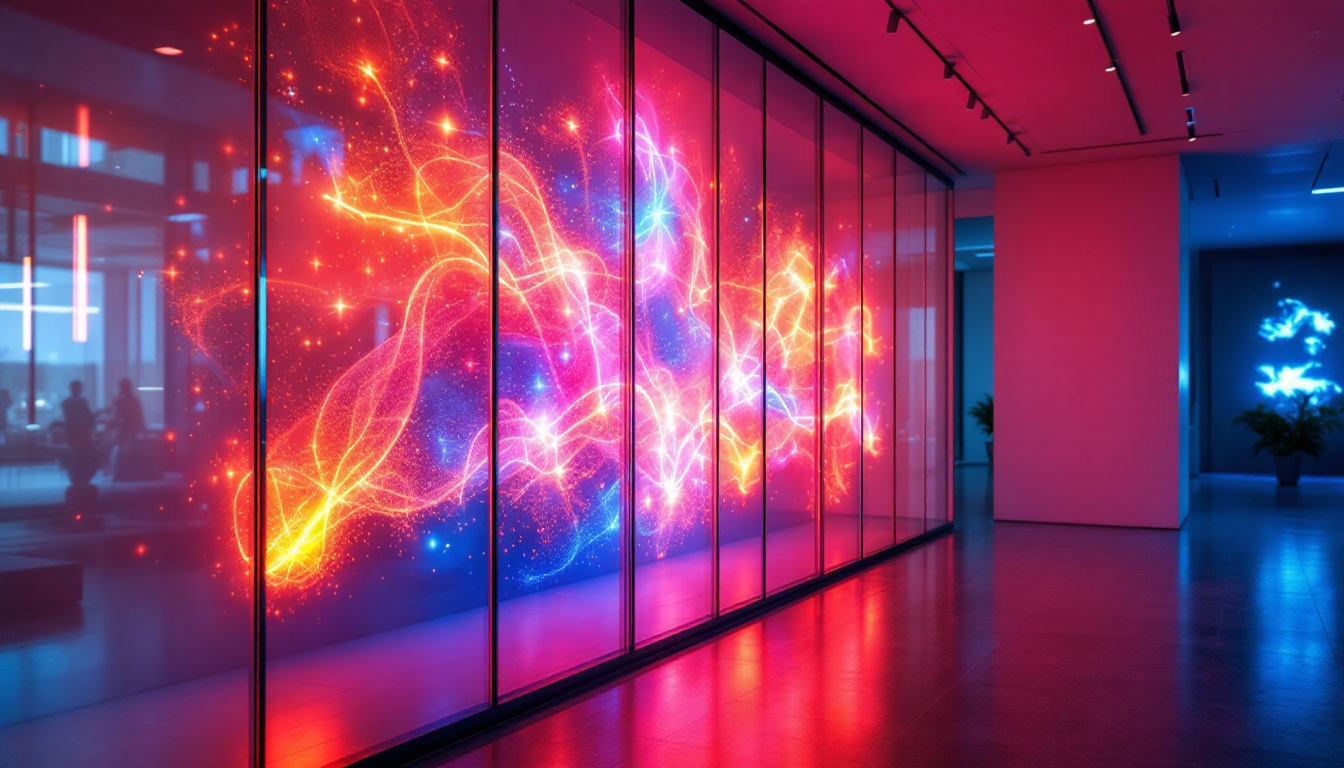
Translucent LED screens, also known as transparent LED displays, are digital screens designed with a unique structure that allows light and images to pass through them. Unlike traditional LED displays that are opaque and block any background view, these screens maintain a level of transparency, enabling viewers to see both the displayed content and the environment behind the screen simultaneously.
Typically, these screens consist of a grid or mesh of LEDs mounted on a transparent substrate such as glass or acrylic. The spacing between individual LEDs, known as pixel pitch, is larger than in conventional LED displays, which contributes to their see-through quality. This design allows for a balance between visibility of the content and transparency, making them ideal for applications where preserving natural light and views is essential. Their aesthetic appeal and innovative design have made them increasingly popular in retail environments, museums, and architectural installations, where they can enhance the overall ambiance while delivering engaging digital content.
How Do Translucent LED Screens Work?
The core technology behind translucent LED screens involves the strategic placement of light-emitting diodes on a transparent surface. Each LED emits light to form images or videos, but because the LEDs are spaced apart, the gaps allow light and visuals from behind the screen to pass through. This creates a layered visual effect where digital content overlays the real-world background. The ability to blend digital displays with physical environments opens up new avenues for creative advertising and artistic expression, allowing brands to interact with consumers in innovative ways.
Modern translucent LED displays use advanced control systems to manage brightness, contrast, and color accuracy, ensuring that the images remain vivid even in brightly lit environments. Additionally, the screens often incorporate anti-reflective coatings and specialized diffusion techniques to optimize visibility and reduce glare. These features are particularly important in outdoor settings or in locations with high ambient light, where traditional displays might struggle. Furthermore, the lightweight and modular design of translucent LED screens enables easy installation and flexibility in various configurations, making them a versatile choice for both temporary and permanent installations.
Key Features and Technical Specifications
Understanding the technical aspects of translucent LED screens is crucial for businesses and designers considering their use. Here are some of the primary features and specifications that define these displays:
Pixel Pitch and Transparency
Pixel pitch refers to the distance between the centers of adjacent LEDs. In translucent screens, pixel pitch typically ranges from 6mm to 20mm, depending on the desired balance between image resolution and transparency. A larger pixel pitch increases transparency but reduces image detail, while a smaller pitch improves image quality but decreases see-through effect.
Transparency levels can vary from 40% to over 80%, meaning that a significant portion of the screen surface allows light to pass through. This transparency is a defining characteristic that sets these displays apart from traditional LED screens. The ability to maintain visibility of the surroundings while showcasing dynamic content creates a unique visual experience, making translucent LED screens ideal for retail environments, exhibitions, and architectural installations.
Brightness and Viewing Angles
To be effective in various lighting conditions, translucent LED screens offer high brightness levels, often exceeding 3,000 nits. This ensures that the displayed content remains clear and vibrant even in direct sunlight or well-lit indoor environments.
Wide viewing angles, typically around 140 to 160 degrees horizontally and vertically, allow the screen to be seen clearly from multiple perspectives. This is particularly important for public installations where audiences may view the screen from different locations. The combination of high brightness and expansive viewing angles ensures that marketing messages and artistic displays can reach a broader audience, enhancing engagement and interaction.
Durability and Installation Flexibility
These screens are engineered to be lightweight and durable, often featuring aluminum or steel frames that support the transparent panels. Their modular design facilitates easy installation on glass facades, windows, or as freestanding structures.
Moreover, many translucent LED displays are weather-resistant, making them suitable for both indoor and outdoor applications. Their ability to integrate seamlessly with architectural elements enhances the overall aesthetic without compromising structural integrity. This adaptability is further complemented by the option for customized shapes and sizes, allowing designers to create unique installations that fit specific spaces and branding requirements. Additionally, the low maintenance needs of these screens ensure that they remain functional and visually appealing over time, making them a cost-effective choice for long-term projects.
Applications of Translucent LED Screens
The unique properties of translucent LED screens have led to diverse applications across various industries. Their ability to combine digital content with natural light and views opens new possibilities for creative and functional display solutions.
Retail and Advertising
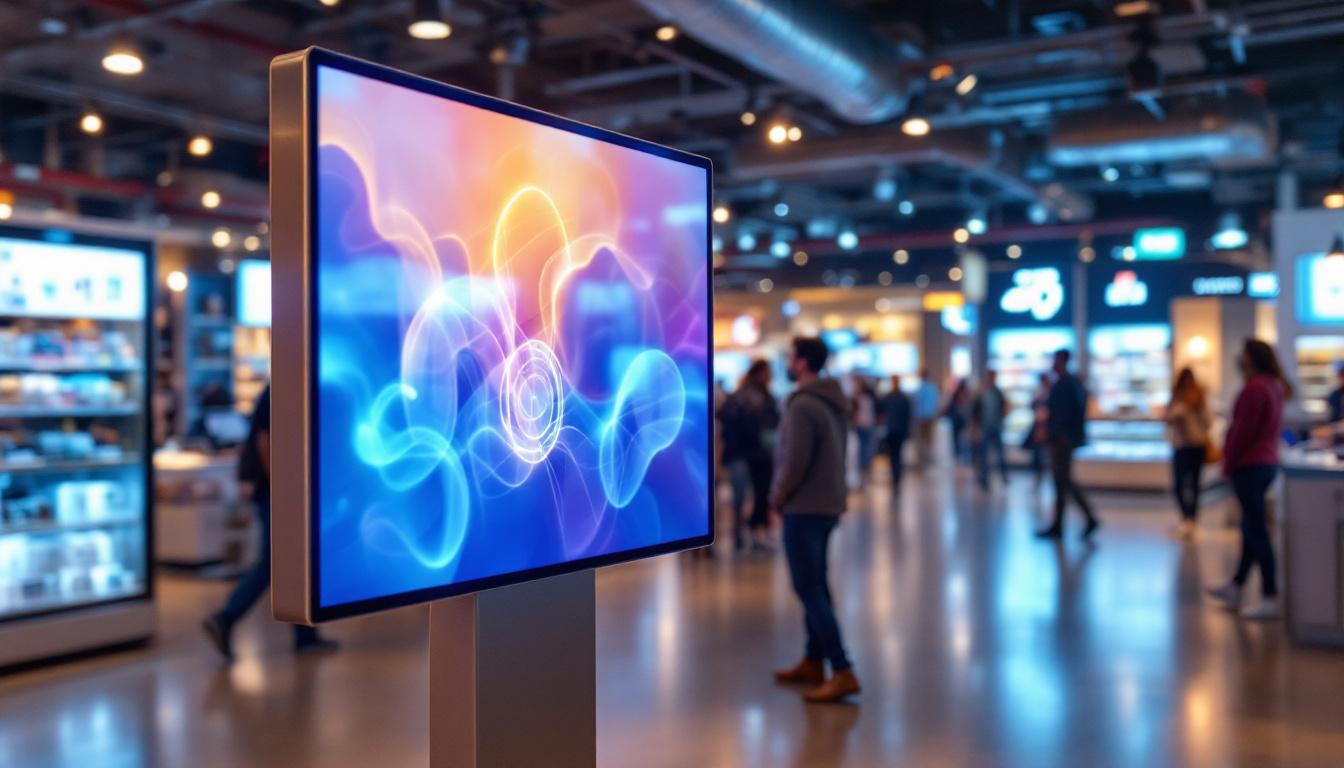
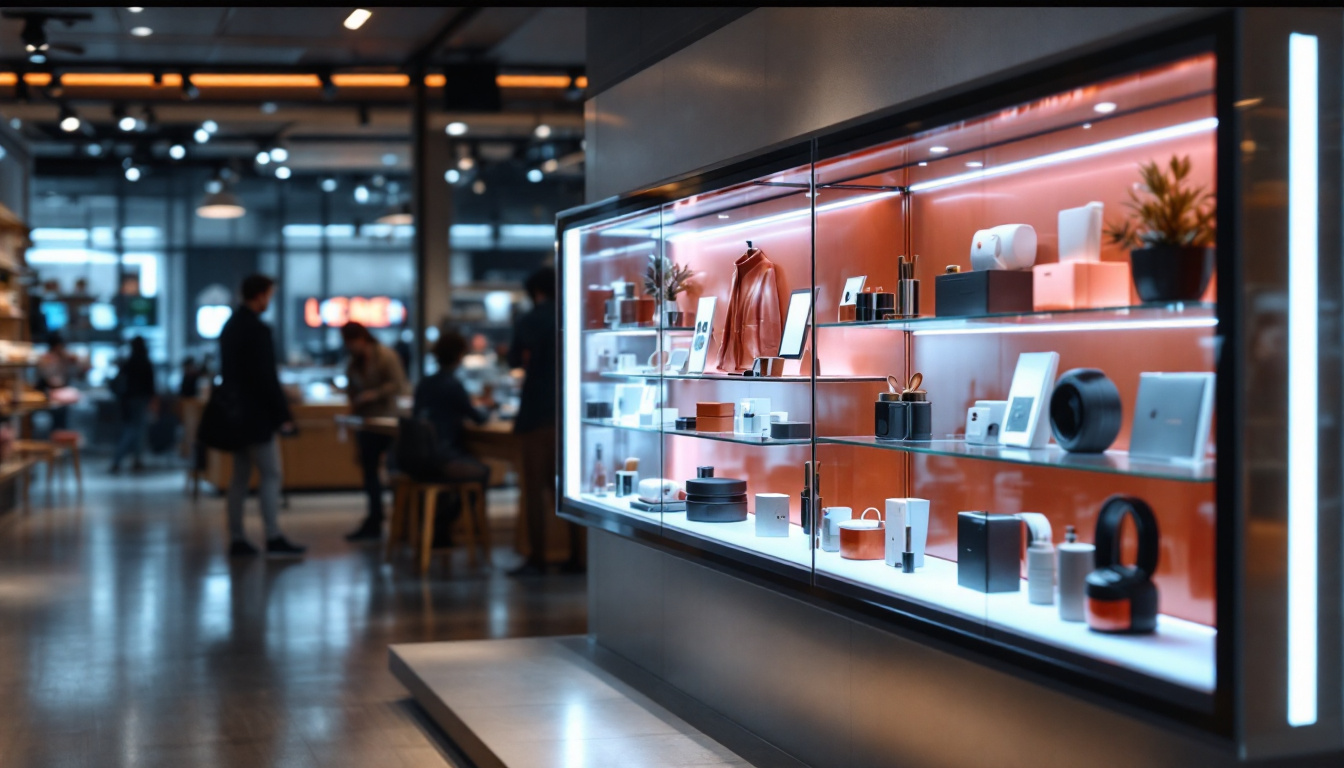
Retailers leverage translucent LED screens to create eye-catching window displays that attract customers without blocking natural light. These screens can showcase dynamic advertisements, promotions, and brand messages while allowing passersby to see inside the store.
For example, luxury brands in major shopping districts often use transparent LED displays to maintain an open and inviting storefront while delivering high-impact visual content. This approach enhances customer engagement and differentiates the store from competitors.
Architectural Integration
Architects and designers incorporate translucent LED screens into building facades, atriums, and interior partitions to blend technology with modern design. These screens can transform glass walls into interactive canvases that display art, information, or ambient visuals, enriching the spatial experience.
One notable example is the use of transparent LED panels in skyscraper lobbies, where they provide dynamic visual storytelling without obstructing natural light or views of the cityscape.
Transportation and Public Spaces
In airports, train stations, and other transit hubs, translucent LED screens serve as informative displays that convey schedules, directions, and advertisements. Their transparency helps maintain open sightlines, reducing the feeling of congestion and enhancing passenger flow.
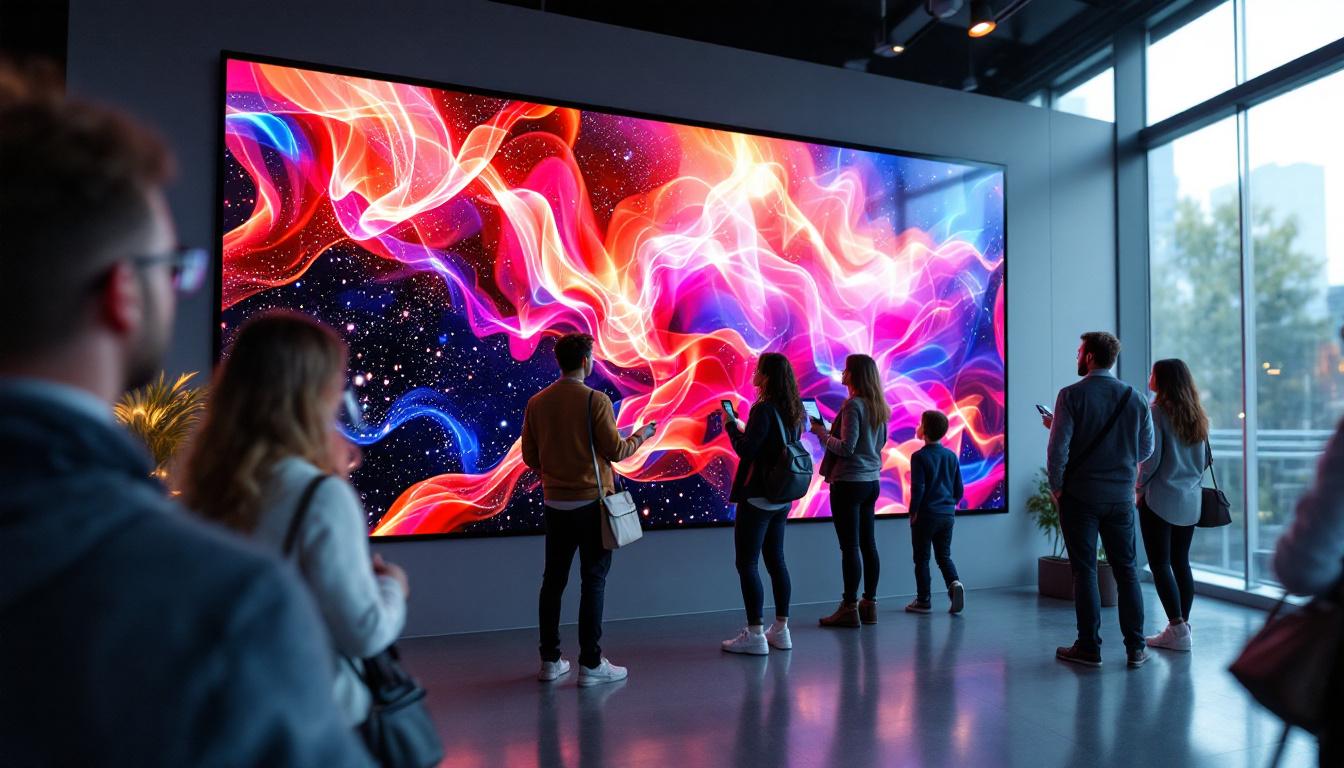
Similarly, in museums and exhibition centers, these screens offer interactive and immersive experiences without detracting from the overall environment.
Benefits of Using Translucent LED Screens
Choosing translucent LED screens over traditional displays offers several advantages that appeal to businesses, architects, and event organizers alike.
Enhanced Aesthetics and Design Flexibility
The transparent nature of these screens allows for innovative design possibilities. They can be integrated into glass surfaces without compromising natural light or views, maintaining the architectural integrity of a space. This flexibility supports creative installations that blend digital content with physical environments seamlessly.
Energy Efficiency and Environmental Impact
By preserving natural light, translucent LED screens reduce the need for artificial lighting, contributing to energy savings. Additionally, many manufacturers prioritize eco-friendly materials and production processes, aligning with sustainability goals.
Improved Customer Engagement
The dynamic and visually striking content displayed on translucent LED screens captures attention more effectively than static signage. This increased engagement can translate into higher foot traffic, better brand recognition, and improved communication of messages.
Space Optimization
Because these displays can be installed on existing glass surfaces, they eliminate the need for additional signage structures, saving valuable space. This is especially beneficial in urban environments where space is at a premium.
Challenges and Considerations
Despite their many advantages, translucent LED screens come with certain challenges that should be carefully evaluated before implementation.
Cost Factors
Transparent LED technology tends to be more expensive than traditional LED displays due to the complexity of design and materials used. Initial investment costs can be high, although the long-term benefits often justify the expenditure.
Image Resolution Limitations
The larger pixel pitch necessary for transparency can result in lower image resolution compared to conventional LED screens. This may affect the clarity of detailed graphics or small text, making them less suitable for applications requiring high-definition visuals at close range.
Installation and Maintenance
Installing translucent LED screens requires careful planning to ensure structural compatibility and optimal performance. Maintenance can also be more complex, especially for large-scale or outdoor installations exposed to environmental factors.
The Future of Translucent LED Technology
As display technology continues to advance, translucent LED screens are poised to become even more versatile and accessible. Innovations in micro-LEDs and flexible substrates promise higher resolution, greater transparency, and enhanced durability.
Integration with smart building systems and augmented reality (AR) applications could further expand their functionality, transforming how information is communicated in public and private spaces. Additionally, ongoing improvements in energy efficiency and manufacturing processes will likely reduce costs, making this technology more widely available.
Industry experts predict that by 2030, translucent LED displays will be a standard feature in commercial architecture, retail environments, and public infrastructure, driving a new era of interactive and immersive visual experiences.
Conclusion
Translucent LED screens represent a significant leap forward in display technology, offering a unique blend of transparency and digital imaging that enhances both aesthetics and functionality. Their ability to maintain natural light and views while delivering dynamic content makes them an attractive choice for a wide range of applications, from retail and advertising to architectural design and public information systems.
While considerations such as cost and resolution exist, the benefits of improved engagement, design flexibility, and energy efficiency make translucent LED displays a compelling investment for forward-thinking businesses and designers. As technology continues to evolve, these screens will undoubtedly play a pivotal role in shaping the future of visual communication.
Discover the Future of Visual Communication with LumenMatrix
Ready to elevate your space with the cutting-edge technology of translucent LED screens? LumenMatrix is at the forefront of LED display innovation, offering a diverse range of solutions tailored to your unique needs. From captivating Indoor LED Wall Displays to versatile Outdoor LED Wall Displays, and from dynamic Vehicle LED Displays to sleek LED Poster Displays, our products are designed to transform your visual communication strategy. Experience the power of LED Sports Displays, interactive Floor LED Displays, and the customization possibilities of Custom LED Displays. Embrace the revolution in digital signage with our All-in-One LED Display and LED Transparent Display options. Don’t miss the opportunity to create unforgettable visual experiences. Check out LumenMatrix LED Display Solutions today and step into the future of engagement and design.