In today’s digital age, screens are everywhere—from smartphones and laptops to televisions and digital billboards. Among the various types of display technologies, LCD and LED screens are the most prevalent. However, many people often confuse the two or use the terms interchangeably. This article aims to clarify what an LCD screen is, explain how LED displays work, and explore the differences between these technologies. Understanding these concepts is essential for making informed decisions when purchasing devices or designing digital signage solutions.
Understanding LCD Screens: The Basics
LCD stands for Liquid Crystal Display, a technology that has revolutionized the way images are rendered on screens. Unlike older cathode ray tube (CRT) monitors, LCDs are flat, lightweight, and consume less power, making them ideal for portable devices and modern televisions. Their slim profile and versatility have allowed them to become the standard in a wide range of applications, from smartphones to large-scale digital signage.
How Does an LCD Screen Work?
At its core, an LCD screen uses liquid crystals that do not emit light on their own. Instead, these crystals manipulate light passing through them to create images. The screen consists of several layers, including polarizing filters, glass substrates, and the liquid crystal layer sandwiched in between. This intricate arrangement allows for precise control over how light interacts with each pixel, enabling the display to produce vibrant colors and sharp images.
When an electric current passes through the liquid crystals, they align in a way that controls the amount of light that can pass through each pixel. This modulation of light intensity produces the images we see on the screen. Because the liquid crystals themselves do not emit light, LCD screens require a separate light source, typically a backlight, to illuminate the display. The quality of this backlight can significantly affect the overall viewing experience, influencing factors such as brightness, color accuracy, and energy consumption.
Types of LCD Backlighting
The backlight is a critical component in LCD technology. Early LCDs used cold cathode fluorescent lamps (CCFLs) for backlighting, which were bulky and consumed more power. Modern LCD screens, however, predominantly use LED backlighting, which is more energy-efficient, offers better brightness, and allows for thinner screen designs. This shift has not only improved the performance of LCDs but also contributed to a reduction in environmental impact, as LED technology is generally more sustainable.
LED backlighting can be implemented in two main ways: edge-lit and direct-lit. Edge-lit LED displays position LEDs along the edges of the screen, using light guides to distribute illumination evenly. This design allows for ultra-slim profiles, making them a popular choice for modern televisions and monitors. In contrast, direct-lit LED displays place LEDs directly behind the screen, offering better brightness uniformity and contrast ratios but often resulting in thicker panels. Additionally, some advanced models utilize local dimming technology, where specific zones of the backlight can be dimmed or brightened independently, enhancing the overall contrast and depth of the images displayed.
Furthermore, the evolution of LCD technology has led to the development of variations like IPS (In-Plane Switching) and TN (Twisted Nematic) panels, each with distinct advantages. IPS panels are known for their superior color reproduction and wider viewing angles, making them ideal for graphic design and professional use, while TN panels are favored for their fast response times, making them popular among gamers. As the technology continues to advance, we can expect even more innovations that will further enhance the capabilities and applications of LCD screens in our daily lives.
What Is an LED Display?
The term “LED display” can be somewhat ambiguous because it is used in two different contexts. It can refer to LCD screens that use LED backlighting, or it can describe displays made entirely of light-emitting diodes (LEDs) that produce their own light without a backlight.
LED-Backlit LCD Screens
Most modern LCD screens marketed as “LED displays” are actually LCD panels with LED backlighting. This terminology has become popular because LED backlighting offers significant advantages over older CCFL backlights, including improved energy efficiency, better color accuracy, and thinner designs.
For example, many laptops and televisions today use LED-backlit LCD technology. These displays combine the liquid crystal technology for image formation with LED backlights for illumination, resulting in sharp, bright images with good color reproduction. The transition to LED backlighting has also allowed manufacturers to create ultra-slim models that are more aesthetically pleasing and easier to transport, making them ideal for both home and professional use.
Additionally, advancements in LED technology have led to features such as local dimming, where specific areas of the backlight can be turned off or dimmed to enhance contrast ratios. This capability is particularly beneficial in scenes with both bright and dark elements, as it allows for deeper blacks and more vivid colors, significantly improving the overall viewing experience.
True LED Displays: Self-Emissive Technology
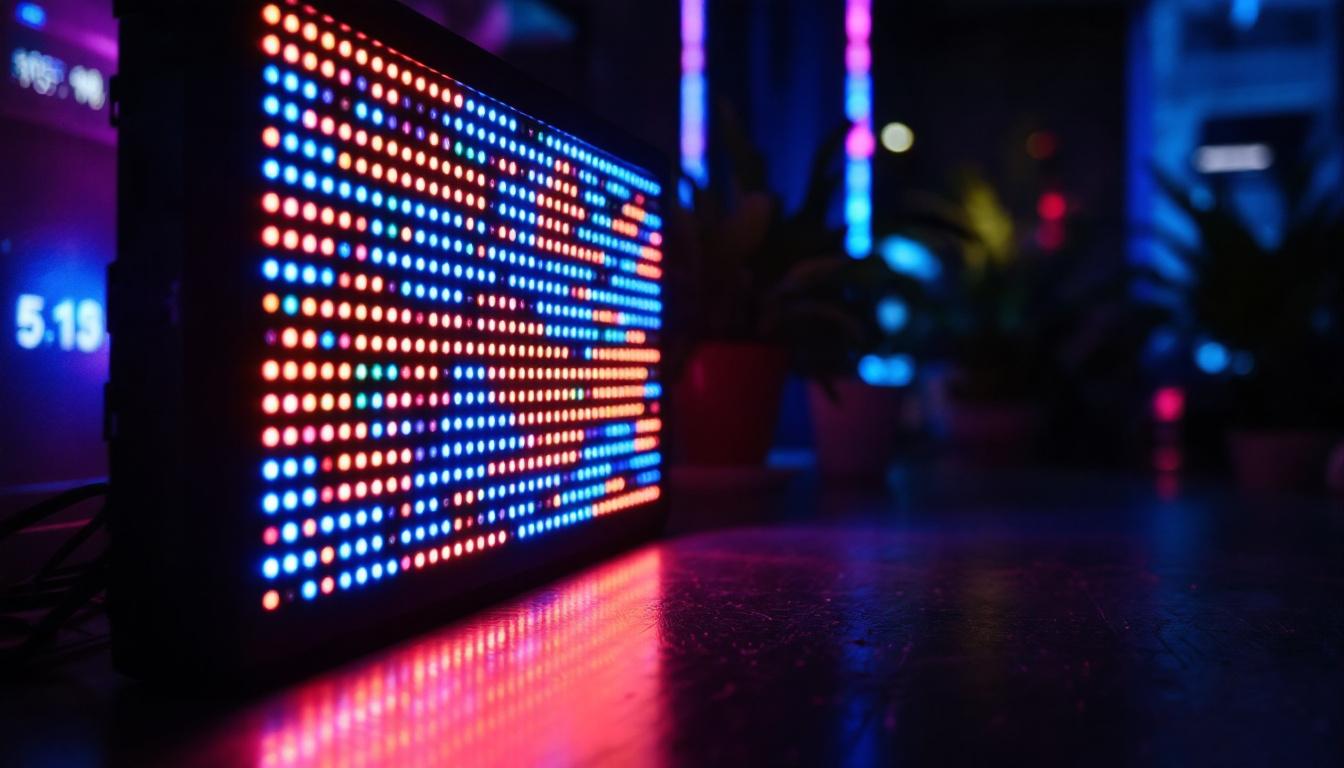
True LED displays, often used in large outdoor screens, digital billboards, and some high-end televisions, consist of arrays of tiny LEDs that emit light independently. Each LED acts as a pixel or subpixel, producing its own light and color. This self-emissive property allows for exceptional brightness, contrast, and color vibrancy.
These displays are particularly effective in environments with high ambient light, such as stadiums or outdoor advertising, where visibility is crucial. They also support flexible designs, including curved or even transparent screens. The modular nature of true LED displays means they can be easily scaled to fit various sizes and shapes, making them a popular choice for creative installations and advertising solutions.
Moreover, true LED technology has evolved to include features like HDR (High Dynamic Range) support, which enhances the overall picture quality by providing a wider range of colors and brightness levels. This advancement allows for a more immersive viewing experience, particularly in content that is designed to take advantage of these capabilities, such as movies and video games that incorporate rich visuals and dynamic lighting effects. As the demand for high-quality visual displays continues to grow, true LED technology is likely to play a pivotal role in shaping the future of digital signage and entertainment.
Comparing LCD and LED Displays: Key Differences
Understanding the differences between LCD and LED displays is essential for consumers and professionals alike. While the terms are often used interchangeably, they refer to different aspects of display technology.
Backlighting vs. Emissive Pixels
LCD screens rely on a backlight to illuminate the liquid crystals, which modulate the light to form images. In contrast, true LED displays consist of pixels that emit their own light, eliminating the need for a backlight.
This fundamental difference impacts various performance characteristics such as contrast ratio, black levels, and viewing angles. For instance, LED displays can achieve true blacks by turning off individual LEDs, whereas LCDs typically struggle with deep blacks due to backlight bleed.
Energy Efficiency and Thickness
LED-backlit LCDs are generally more energy-efficient and thinner than CCFL-backlit LCDs. However, true LED displays, especially OLED (organic LED) variants, can be even more energy-efficient because they only use power for lit pixels.
When it comes to thickness, LED-backlit LCDs have enabled ultra-thin designs for smartphones, laptops, and TVs. True LED displays, especially large-scale ones, tend to be bulkier but offer superior brightness and durability for outdoor use.
Color Accuracy and Brightness
LED-backlit LCDs provide excellent color accuracy and brightness suitable for most consumer applications. Advances in quantum dot technology have further enhanced color performance in LCDs.
True LED displays excel in brightness, often reaching thousands of nits, making them ideal for outdoor visibility. However, their color accuracy can vary depending on the quality of the LEDs used.
Applications of LCD and LED Displays
Both LCD and LED technologies have found widespread applications across various industries, each suited to specific use cases based on their strengths.
Consumer Electronics
LCD screens with LED backlighting dominate the consumer electronics market. Smartphones, tablets, laptops, monitors, and televisions primarily use this technology due to its balance of image quality, energy efficiency, and cost-effectiveness.
Manufacturers continuously innovate within this space, incorporating features like high refresh rates, HDR support, and curved panels to enhance user experience.
Digital Signage and Outdoor Displays
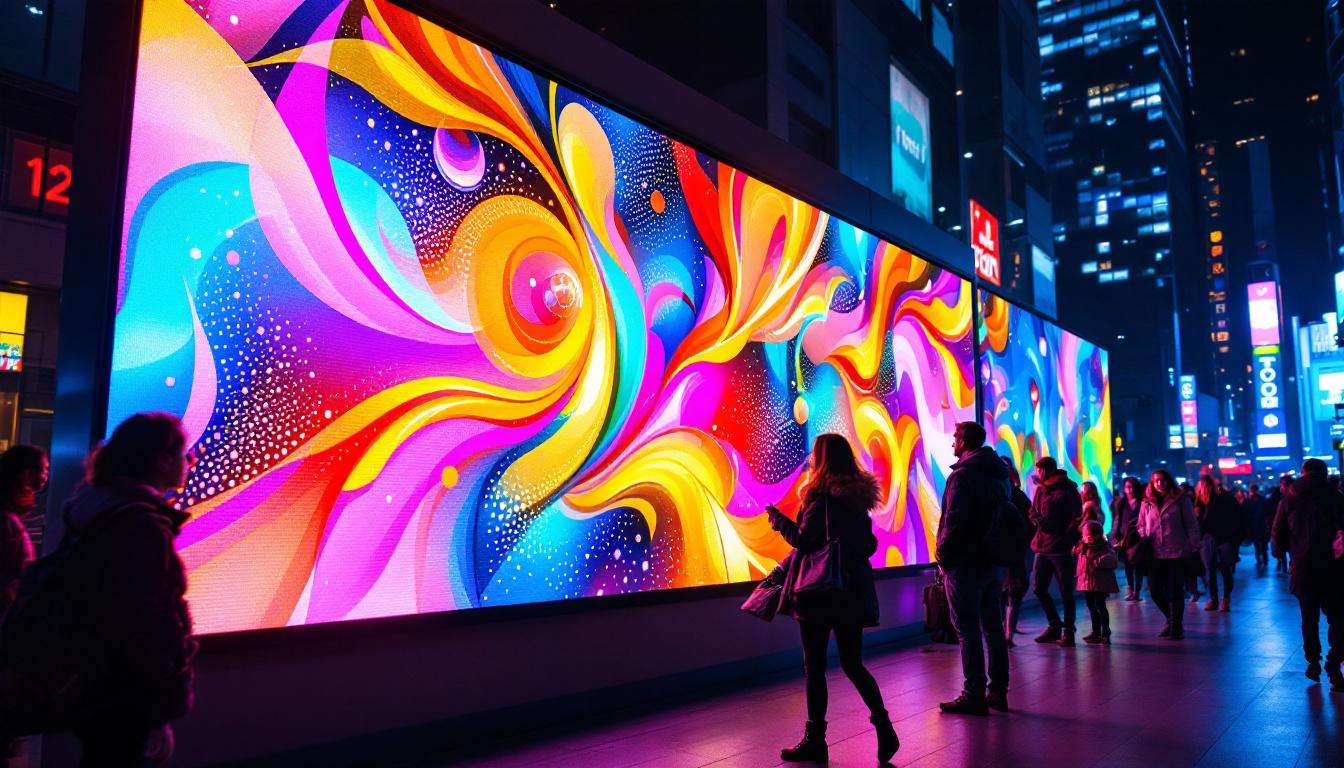
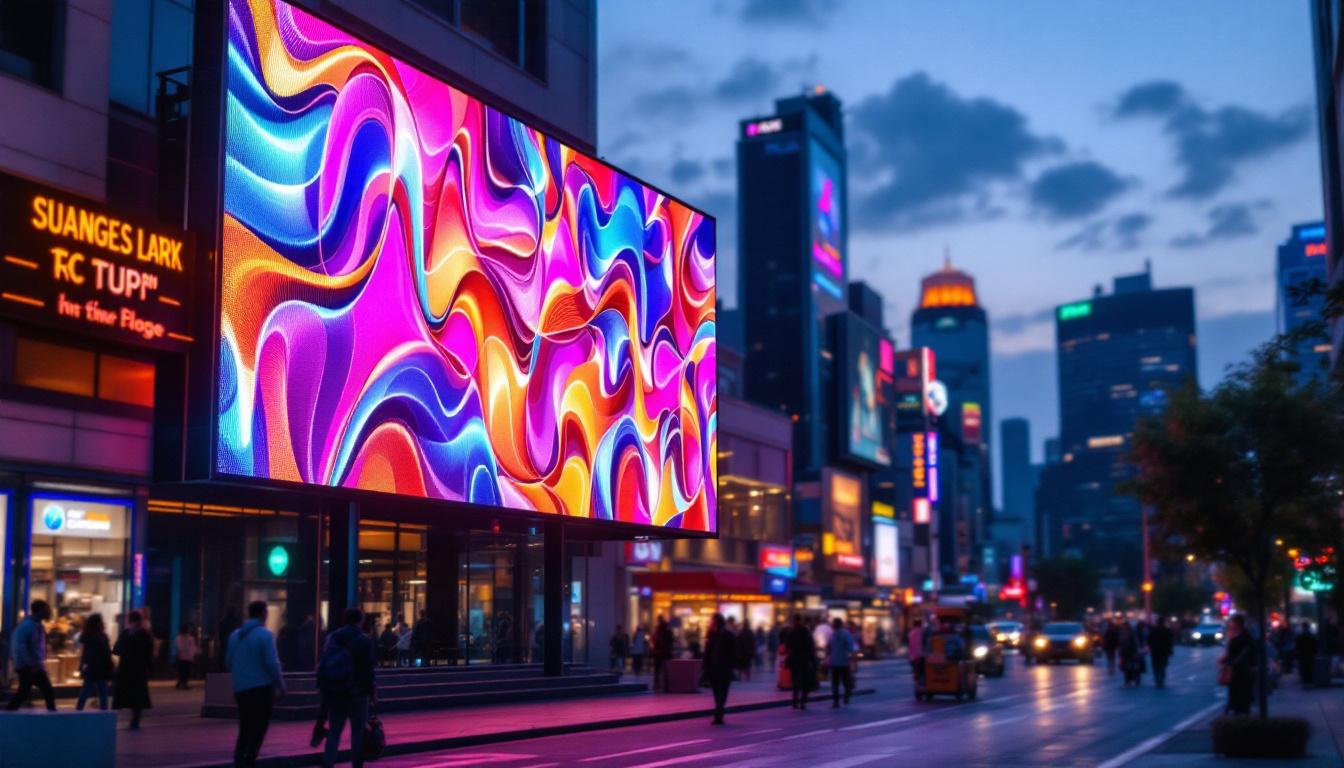
True LED displays are preferred for digital signage, billboards, and large-scale outdoor screens. Their high brightness, durability, and scalability make them ideal for advertising, public information displays, and event venues.
For example, Times Square in New York City features massive LED billboards that captivate millions of visitors daily with vibrant, dynamic content.
Specialized Industrial and Medical Uses
In industrial settings, LCD screens are used for control panels, instrumentation, and monitoring systems due to their clarity and reliability. Medical devices also rely on high-quality LCD displays for imaging and diagnostics.
Meanwhile, LED technology is being explored in specialized applications such as wearable displays, automotive dashboards, and augmented reality devices, where brightness and flexibility are crucial.
Future Trends in Display Technology
The display industry continues to evolve rapidly, with ongoing research and development pushing the boundaries of what screens can do.
Mini-LED and Micro-LED Innovations
Mini-LED technology enhances traditional LED-backlit LCDs by using thousands of tiny LEDs for backlighting. This approach improves local dimming capabilities, resulting in better contrast and black levels. Mini-LEDs are already appearing in high-end laptops and TVs.
Micro-LED displays, on the other hand, consist of microscopic LEDs that serve as individual pixels, combining the benefits of OLED’s self-emissive properties with higher brightness and longevity. Although still in the early stages of commercialization, Micro-LEDs promise breakthroughs in display quality and energy efficiency.
Flexible and Transparent Displays
Advances in materials science have led to the development of flexible and transparent LCD and LED displays. These innovations open new possibilities for wearable technology, foldable smartphones, and heads-up automotive displays.
Such displays offer new ways to integrate screens into everyday environments seamlessly, enhancing both functionality and aesthetics.
Conclusion
Understanding the distinctions between LCD and LED displays is crucial for navigating the modern world of digital screens. While LCD refers to the liquid crystal technology that modulates light, LED can either describe the backlighting method used in LCDs or self-emissive displays made entirely of light-emitting diodes.
Each technology has its unique advantages and applications, from the energy-efficient, high-resolution screens in consumer electronics to the bright, durable displays used in outdoor advertising. As innovations like Mini-LED and Micro-LED continue to emerge, the future of display technology promises even more impressive visual experiences.
When selecting a display, consider factors such as intended use, environment, image quality, and budget. With a clear understanding of LCD and LED technologies, consumers and professionals can make informed choices that best suit their needs.
Discover Cutting-Edge LED Displays with LumenMatrix
Ready to elevate your visual experience with the latest in display technology? Look no further than LumenMatrix, a pioneer in LED innovation. Our comprehensive range of LED display modules, from Indoor and Outdoor LED Walls to specialized solutions like Vehicle and Sports Displays, is designed to capture attention and convey your message with unparalleled clarity. Whether you’re seeking to enhance your brand’s presence or create an immersive environment, LumenMatrix has the perfect LED solution to meet your needs. Check out LumenMatrix LED Display Solutions today and step into the future of visual communication.