In the fast-paced world of sports betting, the sportsbook screen is the central hub where bettors track odds, monitor live games, and make informed decisions. Among the various display technologies available, LED displays have emerged as the preferred choice for sportsbooks worldwide. Their vibrant visuals, high refresh rates, and scalability make them ideal for presenting complex, real-time data in an engaging and accessible manner.
This article delves into the intricacies of sportsbook LED displays, exploring how they work, why they are essential in modern betting environments, and what features make them stand out. Whether you are a sportsbook operator, a technology enthusiast, or simply curious about the behind-the-scenes technology, this comprehensive guide will illuminate the role of LED screens in the sports betting industry.
Understanding LED Display Technology in Sportsbooks
What is an LED Display?
LED stands for Light Emitting Diode, a semiconductor device that emits light when an electric current passes through it. LED displays are composed of thousands to millions of these tiny diodes arranged in a matrix to form images and text. Unlike traditional LCD or plasma screens, LED displays are known for their brightness, energy efficiency, and long lifespan. This technology has revolutionized how information is presented, offering clarity and vibrancy that captures the attention of viewers.
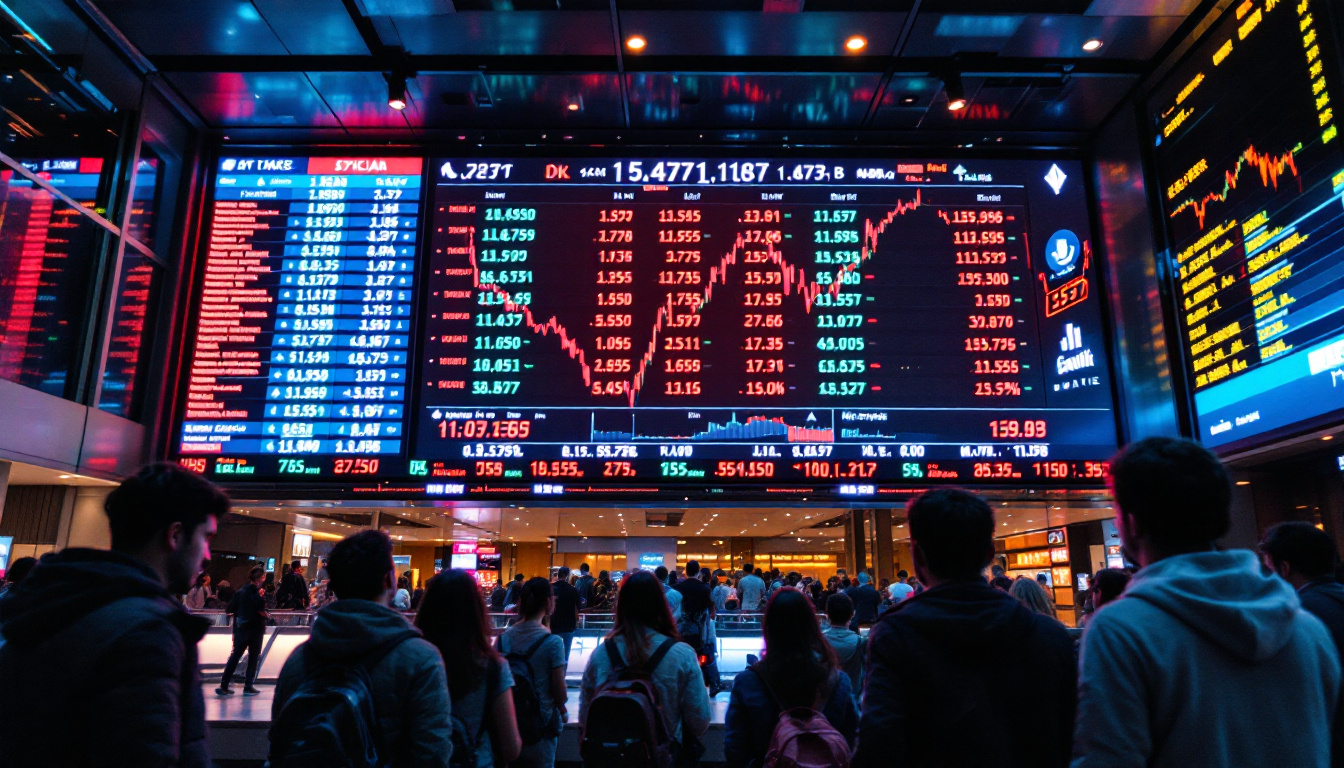
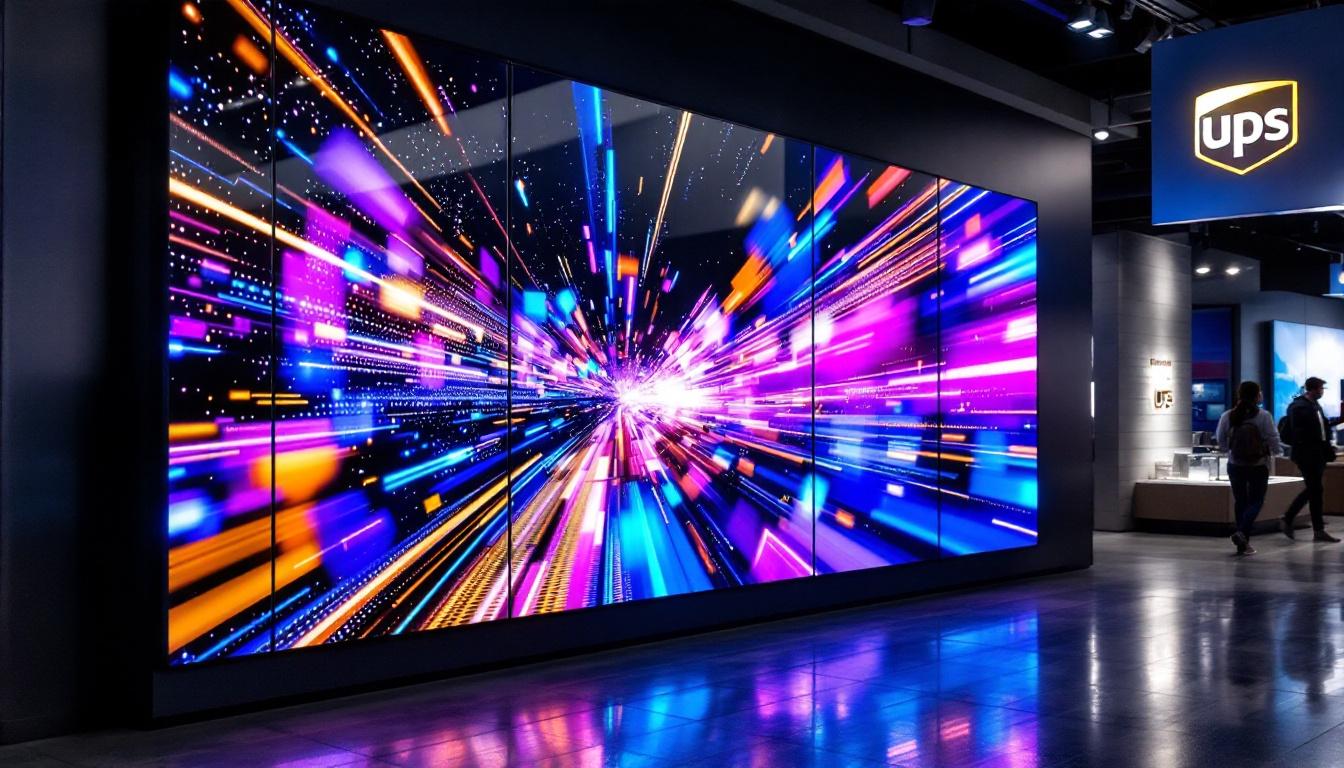
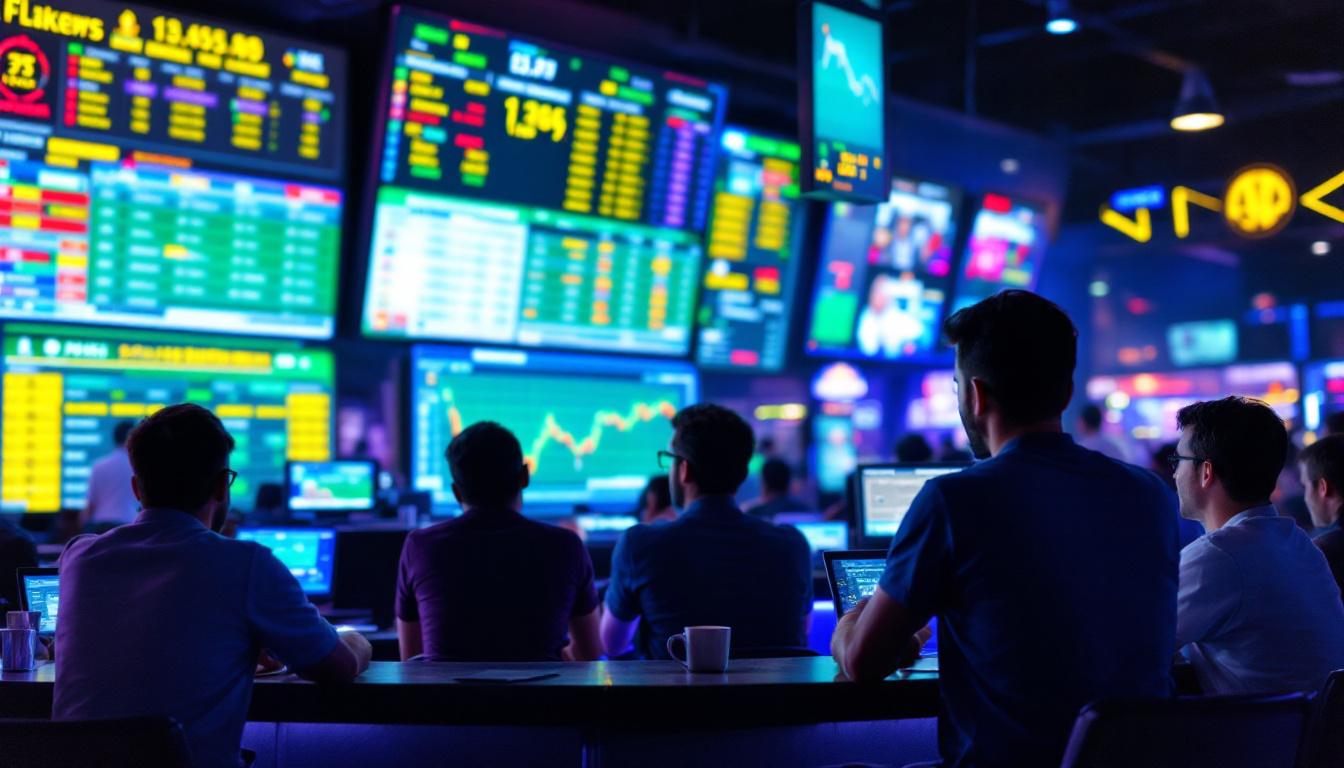
In sportsbooks, LED displays are often large-format screens or video walls that can show multiple feeds simultaneously. This capability is crucial for bettors who need to see live odds, game statistics, player information, and other relevant data all at once. The dynamic nature of these displays allows sportsbooks to provide real-time updates, ensuring that patrons are always informed about the latest developments in their favorite sports. This immediacy not only enhances the betting experience but also creates an electrifying atmosphere that keeps customers engaged and excited.
Types of LED Displays Used in Sportsbooks
Sportsbooks utilize various types of LED displays depending on their size, resolution, and application:
- Indoor LED Displays: These are designed for controlled lighting environments like sportsbook lounges or betting counters. They offer high pixel density for crisp images and vibrant colors, making them ideal for displaying intricate graphics and detailed statistics. The indoor displays often feature advanced technology that allows for smooth video playback, enhancing the overall viewing experience.
- Outdoor LED Displays: Used in stadiums or exterior sportsbook signage, these displays are weather-resistant and have higher brightness levels to combat sunlight glare. They are essential for attracting foot traffic and providing clear visibility of odds and promotions, even in bright daylight. These displays often incorporate advanced features like automatic brightness adjustment, ensuring optimal visibility under varying weather conditions.
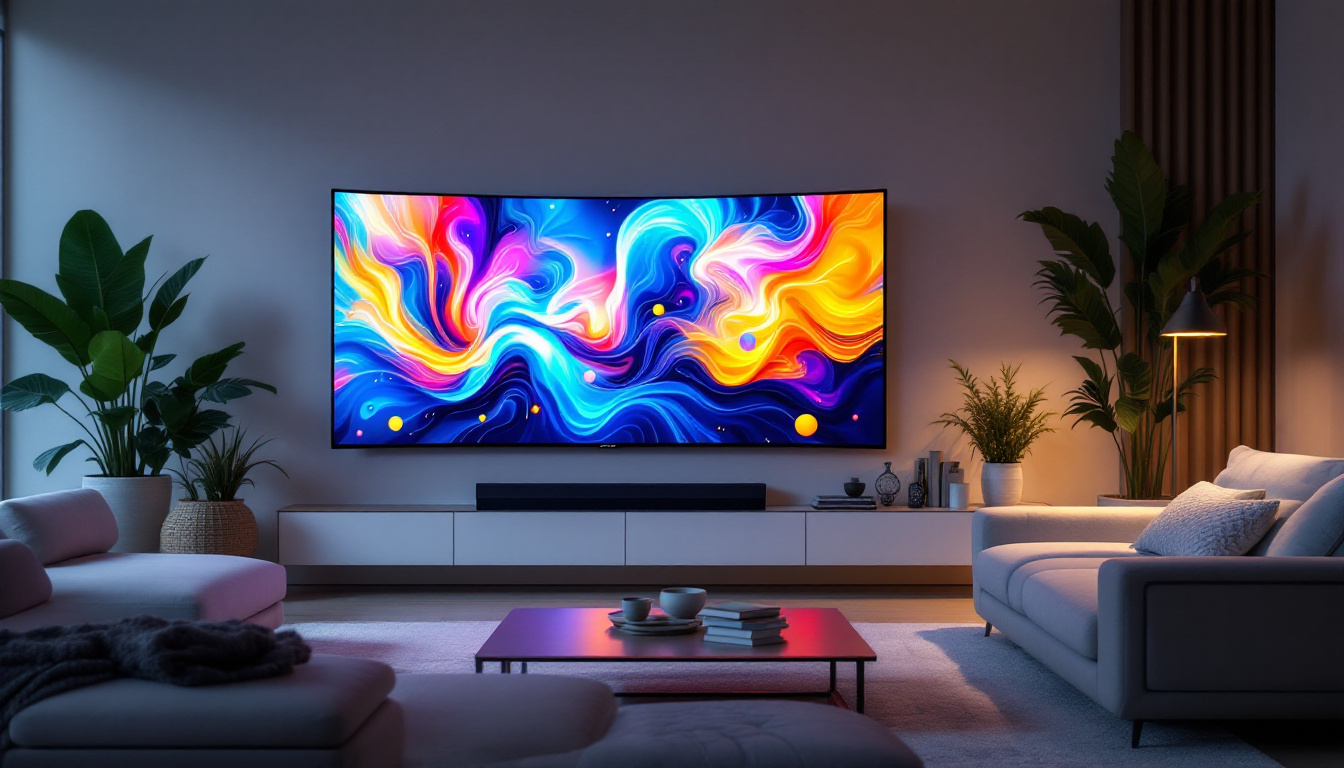
- Flexible and Curved LED Screens: Some sportsbooks incorporate curved or flexible LED panels to create immersive viewing experiences, enhancing the ambiance and engagement. These innovative displays can be tailored to fit unique architectural designs, allowing for a seamless integration into the sportsbook environment. By providing a panoramic view, they help create a more engaging atmosphere that draws in customers and enhances their overall experience.
The choice of display depends on factors such as viewing distance, ambient light conditions, and the amount of information to be displayed. Additionally, the integration of LED displays with advanced software systems allows sportsbooks to dynamically change content, ensuring that patrons receive the most relevant and timely information. This adaptability is crucial in the fast-paced world of sports betting, where odds and statistics can change in the blink of an eye. Furthermore, the use of LED displays can also serve as a powerful marketing tool, allowing sportsbooks to promote special events, bonuses, and new betting options effectively.
Why LED Displays are Essential for Sportsbooks
Real-Time Data Visualization
Sports betting is a dynamic activity where odds and game conditions can change by the second. LED displays excel at presenting real-time data with minimal latency. High refresh rates ensure that bettors see the most current information without delay, which is critical when placing live bets.
For example, during a high-stakes football game, odds for point spreads, money lines, and over/under bets can shift rapidly. LED screens can update these figures instantly, allowing bettors to react promptly and strategically.
Multi-Source Content Integration
Modern sportsbooks often display multiple content streams simultaneously—live game footage, betting odds, player stats, and promotional material. LED video walls can be segmented into various zones, each dedicated to a specific data source. This multi-window capability enhances user experience by consolidating all relevant information in one place.
Moreover, LED displays support high-definition video and graphics, making it easier to interpret complex data such as heat maps, player performance charts, and live scoreboards.
Enhanced Visibility and Engagement
LED displays are renowned for their brightness and contrast, which make them visible even in brightly lit environments. This is particularly important in sportsbooks that are often bustling with activity and ambient noise.
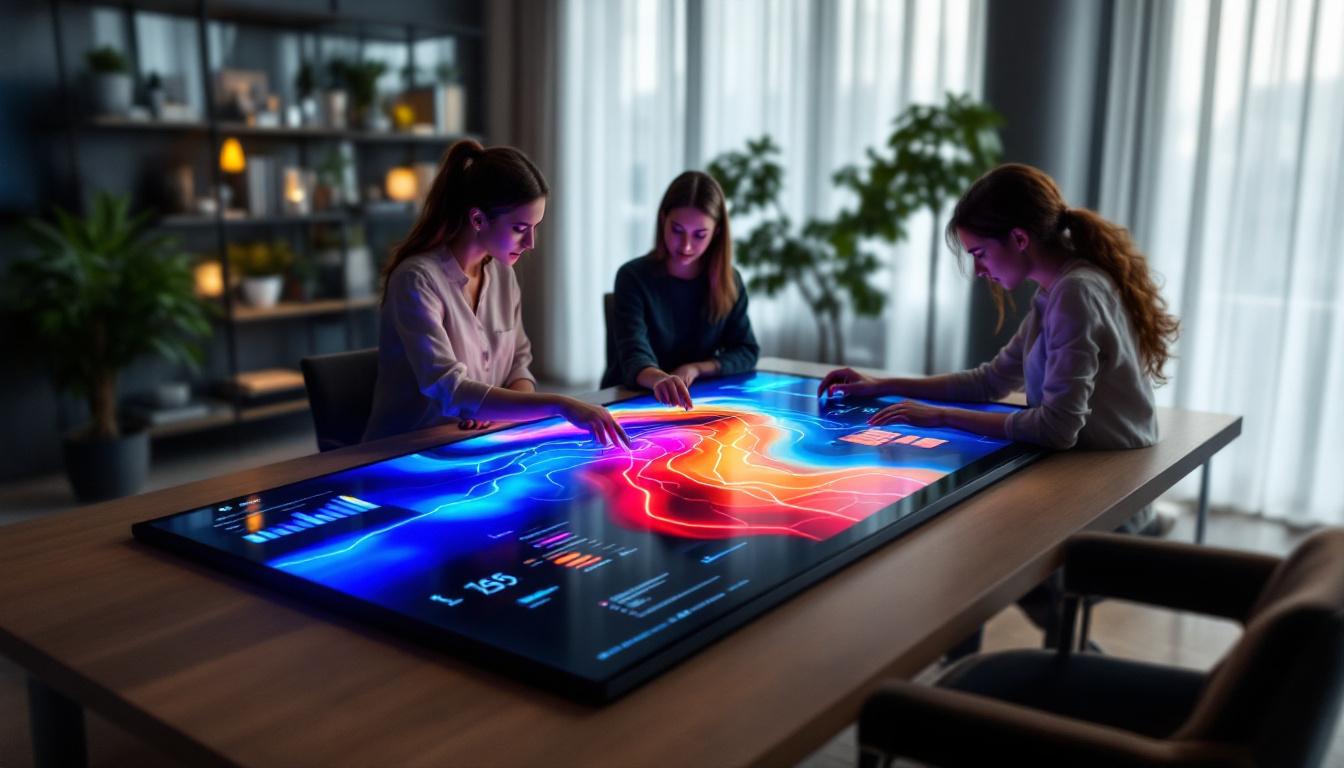
Bright, colorful visuals attract attention and keep bettors engaged longer. Interactive LED walls can also be integrated with touch technology, allowing users to navigate betting options directly on the screen, further enhancing the interactive experience.
Key Features of Sportsbook LED Screens
High Refresh Rate and Low Latency
In sports betting, timing is everything. LED screens used in sportsbooks typically feature refresh rates of 120Hz or higher. This ensures smooth motion display and reduces flicker, which can cause eye strain during extended viewing sessions.
Low latency is equally crucial. The time lag between data transmission and display must be minimized to provide accurate, up-to-the-second information. Advanced LED controllers and processing units help achieve this by optimizing signal flow and synchronization.
Resolution and Pixel Pitch
Resolution determines the clarity of the displayed content. Pixel pitch—the distance between individual LEDs—affects how sharp the image appears, especially at close viewing distances.
Sportsbooks often opt for fine pixel pitch LED panels (1.2mm to 2.5mm) for indoor screens to ensure detailed and legible text and graphics. For larger, more distant displays, a wider pixel pitch is acceptable without compromising visibility.
Scalability and Modular Design
One of the advantages of LED technology is its modularity. LED panels can be combined to create video walls of virtually any size and shape. This scalability allows sportsbooks to customize their display setups according to space constraints and content requirements.
Modular designs also simplify maintenance. Individual panels can be replaced or upgraded without dismantling the entire screen, reducing downtime and operational costs.
Durability and Energy Efficiency
Sportsbooks operate for long hours, often around the clock. LED displays are built to withstand continuous use with minimal degradation. Their solid-state design makes them resistant to shock and vibration, which is beneficial in busy betting environments.
Additionally, LEDs consume less power compared to other display technologies, contributing to lower energy bills and a smaller environmental footprint—an increasingly important consideration for businesses.
Implementing LED Displays in Sportsbook Environments
Design Considerations
When planning LED display installations, sportsbooks must consider several factors:
- Viewing Distance: The pixel pitch and screen size should match the typical distance between the screen and viewers to ensure optimal clarity.
- Ambient Lighting: Brightness levels must be sufficient to counteract ambient light without causing glare or discomfort.
- Content Management: The system should support dynamic content scheduling and integration with betting platforms and data feeds.
- Space Layout: Screens should be positioned to maximize visibility without obstructing foot traffic or other operational areas.
Content Strategy for Maximum Impact
Effective use of LED screens goes beyond technology—it requires thoughtful content planning. Sportsbooks should prioritize clarity and relevance by:
- Highlighting live odds and key statistics prominently.
- Using color coding and animations to signal changes or important events.
- Incorporating promotional offers and upcoming game schedules during downtime.
- Ensuring font sizes and graphics are legible from various angles and distances.
Regular updates and user feedback can help refine the content strategy to better serve bettors’ needs.
Integration with Betting Software and Data Feeds
LED displays in sportsbooks are rarely standalone devices. They are integrated with sophisticated betting software platforms that aggregate data from multiple sources, including sportsbooks, leagues, and live broadcasters.
APIs (Application Programming Interfaces) enable seamless data flow between the betting platform and the LED screen controller, ensuring that odds, scores, and other metrics are synchronized in real time. This integration is vital for maintaining accuracy and trust among bettors.
Future Trends in Sportsbook LED Displays
Higher Resolution and Mini-LED Technology
Advancements in LED technology continue to push the boundaries of resolution and image quality. Mini-LED and micro-LED displays offer even finer pixel pitches and better contrast ratios, which could revolutionize sportsbook screens by delivering ultra-clear visuals and deeper blacks.
Interactive and Touch-Enabled LED Walls
Interactive LED walls are gaining traction, allowing bettors to engage directly with the display. Touch-enabled screens can facilitate quick bet selections, game replays, and personalized content, enhancing the overall user experience.
Augmented Reality (AR) and Data Visualization
Emerging AR technologies may soon be integrated with LED displays to overlay additional data and insights onto live game footage. This could provide bettors with immersive, context-rich information that helps them make smarter wagers.
Energy-Efficient and Sustainable Solutions
As sportsbooks seek to reduce their environmental impact, LED manufacturers are focusing on energy-efficient designs and recyclable materials. Future sportsbook screens will likely balance performance with sustainability considerations.
Conclusion
LED displays have become indispensable in the sportsbook industry, offering unmatched brightness, clarity, and flexibility for presenting complex, real-time betting data. Their ability to integrate multiple content streams, maintain high refresh rates, and scale to various sizes makes them ideal for the dynamic and competitive environment of sports betting.
For sportsbook operators, investing in high-quality LED screens is not just about aesthetics—it’s a strategic move to enhance user engagement, improve information accuracy, and ultimately drive betting activity. As technology evolves, sportsbooks that embrace the latest LED innovations will be well-positioned to offer superior experiences that meet the demands of modern bettors.
Discover the Future of Sportsbook Displays with LumenMatrix
Ready to elevate your sportsbook environment with the latest in LED display technology? Look no further than LumenMatrix, where innovation meets visual excellence. Our comprehensive range of LED display solutions, from Indoor and Outdoor LED Walls to Custom and All-in-One LED Displays, is designed to captivate your audience and enhance your betting space. Experience the future of sportsbook displays and transform your venue into a dynamic, engaging hub for bettors. Check out LumenMatrix LED Display Solutions today and see the difference cutting-edge technology can make.