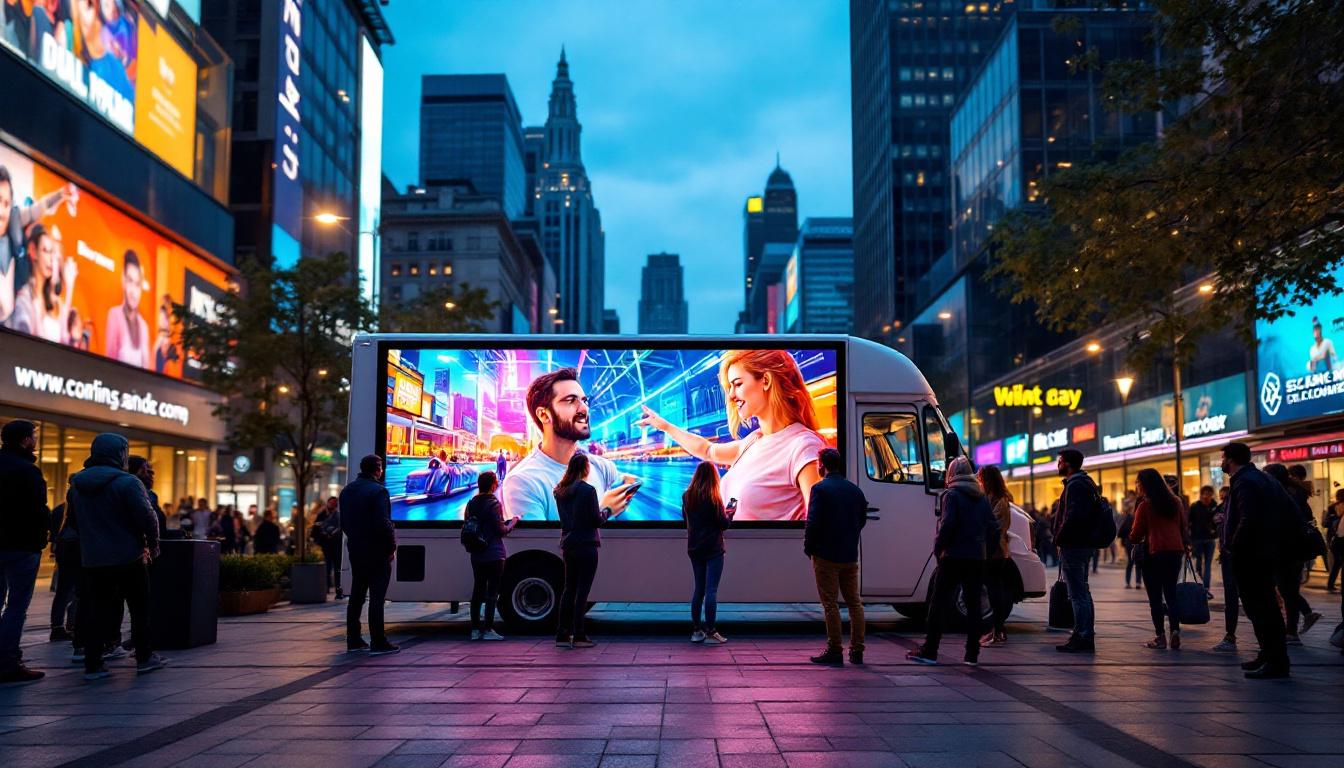
In the evolving world of advertising and event promotion, screen vans equipped with LED displays have become a dynamic and powerful medium. These mobile digital billboards combine the flexibility of transportation with the high-impact visibility of LED technology, making them an increasingly popular choice for marketers, event organizers, and public service campaigns. This article delves into the technology behind LED screen vans, their applications, benefits, and considerations for businesses looking to leverage this innovative advertising tool.
Understanding LED Display Technology in Screen Vans
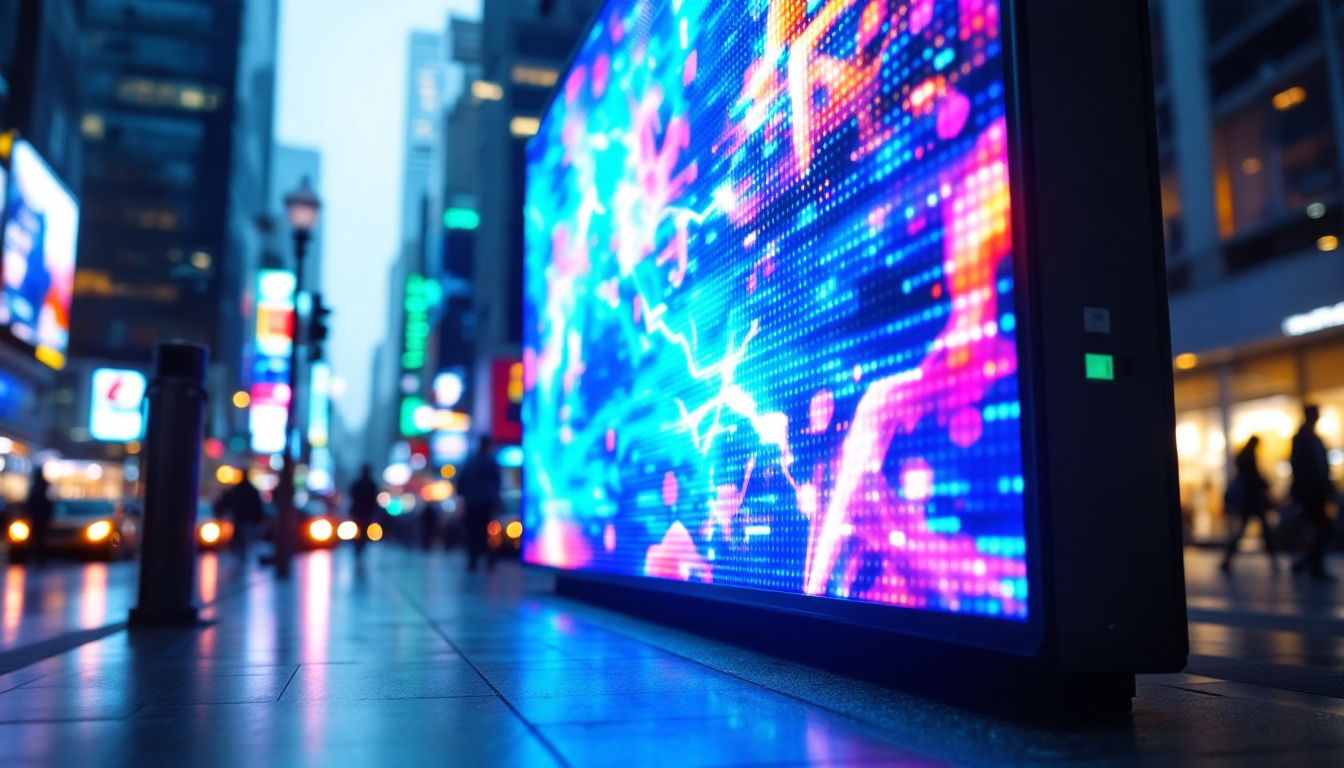
LED, or Light Emitting Diode, technology has revolutionized visual displays in recent years. Unlike traditional LCD or projection screens, LED displays emit their own light, resulting in brighter images, better contrast, and superior visibility even in direct sunlight. This makes LED screens particularly suitable for outdoor applications, such as on screen vans. The ability to maintain clarity and vibrancy in various lighting conditions allows businesses to effectively capture the attention of potential customers, making LED displays a powerful tool in advertising and information dissemination.
How LED Displays Work
LED displays consist of thousands of tiny diodes arranged in a matrix, each diode capable of emitting red, green, or blue light. By varying the intensity of these colors, the screen can produce a full spectrum of colors and display high-resolution images and videos. The modular design of LED panels allows for screens of various sizes and shapes, tailored to fit the dimensions of the van. This flexibility not only enhances aesthetic appeal but also ensures that the content displayed can be customized to suit different marketing campaigns or events, making them highly versatile.
One of the key advantages of LED technology is its energy efficiency compared to older display types. LEDs consume less power while providing brighter and more vibrant visuals, which is crucial for mobile setups where power supply can be limited. Additionally, the longevity of LED lights means that maintenance costs are reduced, as these displays can last tens of thousands of hours before needing replacement. This durability is particularly beneficial for screen vans that are frequently on the move, ensuring they remain operational and effective without frequent downtime.
Types of LED Screens Used in Screen Vans
Screen vans typically use either SMD (Surface-Mounted Device) or DIP (Dual In-line Package) LED modules. SMD LEDs are smaller and offer higher resolution, making them ideal for close viewing distances. DIP LEDs, on the other hand, are more robust and better suited for longer viewing distances due to their higher brightness levels. The choice between these two types can significantly impact the effectiveness of the display, as the right technology can enhance viewer engagement and message retention.
Choosing the right type depends on the intended use of the screen van. For example, a screen van used in crowded urban areas where viewers are close to the display might benefit from SMD technology, while one used for highway advertising might opt for DIP LEDs to ensure visibility from afar. Furthermore, advancements in LED technology have led to the development of flexible and transparent displays, opening up new possibilities for creative advertising solutions. These innovations allow for unique designs that can seamlessly integrate with the van’s structure, providing an eye-catching and memorable experience for audiences. As the competition in outdoor advertising continues to grow, utilizing the latest in LED technology can give businesses a significant edge in capturing consumer attention and conveying their message effectively.
Applications of Screen Vans with LED Displays
Screen vans have found diverse applications across industries, driven by their mobility and visual impact. Their ability to bring digital content directly to target audiences in various locations offers unique advantages over static billboards or traditional advertising methods.
Advertising and Marketing Campaigns
Businesses use screen vans to promote products, services, and events in high-traffic areas. The mobility allows advertisers to reach different neighborhoods, festivals, and public gatherings, maximizing exposure. For example, during product launches or flash sales, screen vans can circulate through shopping districts, displaying dynamic advertisements that capture attention more effectively than static signs.
According to recent industry reports, mobile digital advertising, including screen vans, has seen a growth rate of over 15% annually, reflecting the increasing demand for flexible and engaging marketing solutions. This trend is particularly evident in urban areas where traditional advertising space is limited, pushing brands to innovate with mobile solutions that can adapt to changing consumer behaviors and preferences.
Event Promotion and Live Broadcasting
Screen vans serve as mobile stages for live events, concerts, sports tournaments, and political rallies. They can broadcast live feeds, display schedules, or show sponsor advertisements, enhancing the event experience. The ability to move the display to different locations during an event adds versatility that fixed screens cannot match.
For instance, during large-scale marathons or parades, screen vans can provide real-time updates and entertainment, keeping spectators informed and engaged throughout the event. Additionally, these vans can be equipped with interactive features, allowing attendees to participate in live polls or contests, further enhancing audience engagement and creating a memorable experience.
Public Service and Emergency Communication
Government agencies and emergency services utilize screen vans to disseminate critical information quickly. In disaster zones or during public health campaigns, these mobile LED displays can broadcast warnings, instructions, or updates to communities without relying on fixed infrastructure.
This capability was notably demonstrated during recent natural disasters, where screen vans helped communicate evacuation routes and safety measures, proving their value beyond commercial use. Furthermore, in urban environments, screen vans can play a crucial role in public health initiatives, such as vaccination drives or health awareness campaigns, providing vital information to residents in real-time, thus fostering community engagement and participation in health-related programs.
Benefits of Using Screen Vans with LED Displays
The combination of mobility and LED technology offers several benefits that make screen vans an attractive option for various stakeholders.
High Visibility and Impact
LED screens provide vivid, bright images that stand out in any environment, day or night. Their ability to display full-motion video and vibrant colors creates a captivating visual experience that is difficult to ignore. This high visibility translates into better audience engagement and recall, essential for effective advertising.
Flexibility and Mobility
Unlike fixed billboards, screen vans can be relocated easily to target different demographics or respond to changing campaign needs. This flexibility allows marketers to optimize their reach and frequency by moving displays to where potential customers are most concentrated.
Moreover, screen vans can be deployed quickly for short-term campaigns or emergency communications, providing a versatile solution that adapts to various scenarios.
Cost-Effectiveness Compared to Traditional Advertising
While the initial investment in a screen van with LED technology can be significant, the overall cost-effectiveness becomes apparent when considering the ability to reach multiple locations without additional media buys. Traditional billboard advertising often requires separate contracts for each location, whereas a screen van can cover multiple areas with a single asset.
Additionally, digital content can be updated remotely and instantly, eliminating the costs and delays associated with printing and installing new physical advertisements.
Key Considerations When Choosing a Screen Van
Before investing in a screen van with an LED display, businesses should evaluate several factors to ensure the solution aligns with their goals and operational requirements.
Screen Size and Resolution
The size of the LED screen impacts visibility and the type of content that can be effectively displayed. Larger screens are suitable for wide audiences and long-distance viewing, while smaller screens may be more appropriate for close-range engagement. Resolution affects image clarity; higher resolution is essential for detailed visuals and text readability.
Power Supply and Battery Life
Screen vans rely on onboard power systems, which can include batteries, generators, or connections to external power sources. Understanding the power consumption of the LED display and ensuring sufficient battery capacity is crucial to avoid downtime during campaigns or events.
Content Management and Connectivity
Modern screen vans often feature integrated content management systems that allow remote updates via cellular or Wi-Fi connections. This capability enables real-time content changes, scheduling, and monitoring, enhancing campaign responsiveness and control.
Regulatory Compliance and Permits
Operating a screen van in public spaces may require permits and adherence to local regulations regarding mobile advertising, noise, and safety. It is important to research these requirements to avoid fines or operational interruptions.
Future Trends in Screen Van LED Displays
The screen van industry continues to evolve with advancements in LED technology and digital marketing strategies. Emerging trends suggest even greater potential for this medium.
Higher Resolution and Flexible Displays
Advances in micro-LED and flexible LED panels are enabling screen vans to feature curved or wrap-around displays, creating immersive visual experiences. Higher pixel densities will improve image quality, making content even more engaging.
Integration with Data and AI
Future screen vans may incorporate data analytics and artificial intelligence to deliver personalized content based on location, audience demographics, or real-time events. This targeted advertising approach can increase campaign effectiveness and ROI.
Eco-Friendly Power Solutions
With growing emphasis on sustainability, screen vans are likely to adopt greener power sources such as solar panels and more efficient batteries, reducing their environmental footprint while maintaining performance.
Conclusion
Screen vans equipped with LED displays represent a versatile and impactful advertising and communication tool. Their combination of mobility, high visibility, and digital flexibility makes them ideal for a wide range of applications, from commercial marketing to public service announcements. As technology advances, screen vans will continue to offer innovative ways to engage audiences and deliver messages effectively.
For businesses and organizations considering this medium, understanding the technical aspects, applications, and operational considerations is essential to maximize the benefits of screen van LED displays. With careful planning and execution, screen vans can become a cornerstone of a successful, modern communication strategy.
Illuminate Your Message with LumenMatrix
Ready to transform your advertising strategy with the high-impact visibility of LED screen vans? LumenMatrix is at the forefront of LED display innovation, offering a wide array of solutions tailored to your unique needs. From captivating Indoor and Outdoor LED Wall Displays to dynamic Vehicle LED Displays and beyond, our mission is to revolutionize your visual communication. Elevate your brand’s presence and engage your audience like never before. Check out LumenMatrix LED Display Solutions today and drive your message home with clarity and impact.