In today’s fast-paced digital world, visual communication plays a pivotal role in how companies engage with their audiences. One of the most dynamic and impactful mediums for this purpose is the LED display. World Wide Technology (WWT), a global technology solution provider, leverages cutting-edge LED display technology at its headquarters to enhance communication, collaboration, and innovation. This article delves into the intricacies of LED displays, their significance in corporate environments like WWT’s HQ, and how they are shaping the future of visual technology.
Understanding LED Display Technology
What is an LED Display?
LED stands for Light Emitting Diode, a semiconductor device that emits light when an electric current passes through it. An LED display is a flat panel that uses an array of these tiny LEDs to produce images, videos, and text. Unlike traditional LCD or plasma screens, LED displays provide brighter, more vibrant visuals and are highly energy-efficient. This efficiency not only reduces electricity costs but also contributes to a smaller carbon footprint, making LED technology a more sustainable choice in the long run.
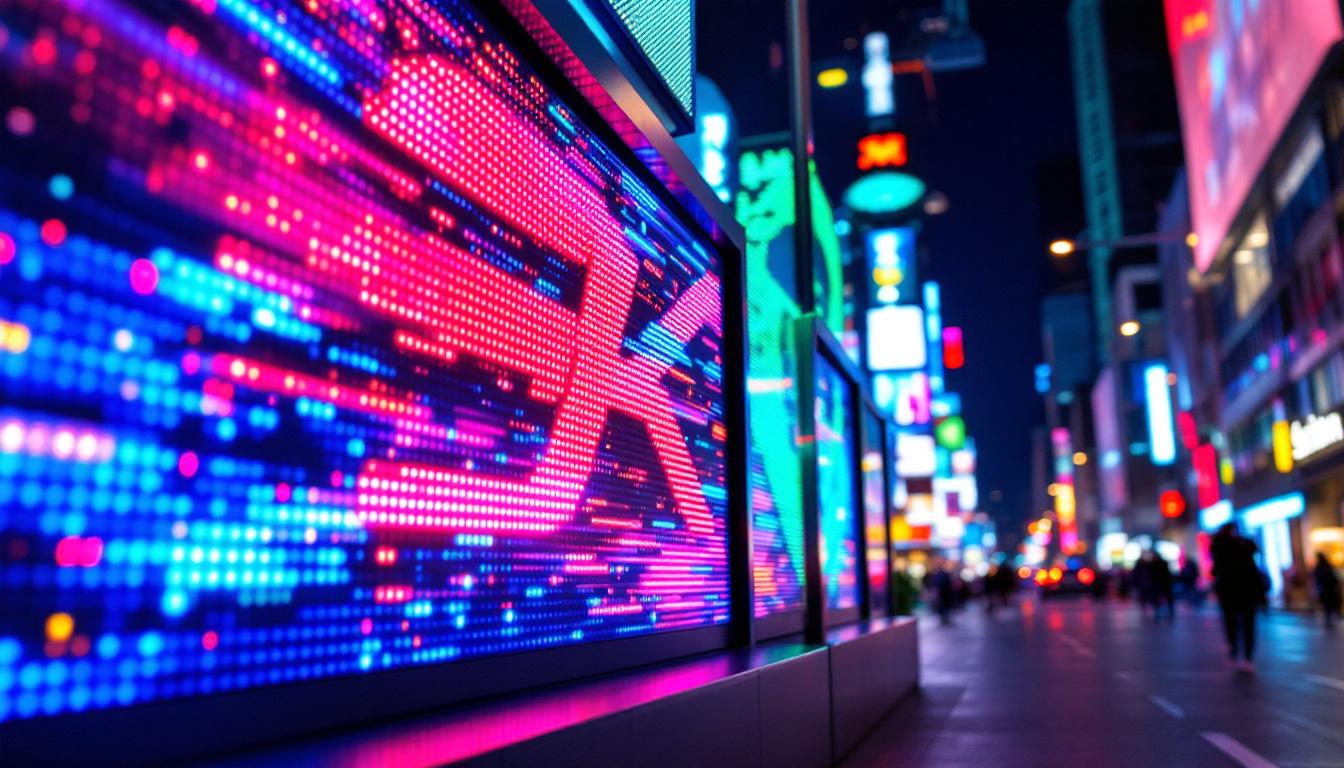
LED displays vary in size, resolution, and configuration, ranging from small indoor screens to massive outdoor billboards. Their modular design allows for flexible installation in various environments, making them ideal for corporate headquarters, stadiums, retail spaces, and public venues. For instance, in retail, dynamic LED displays can attract customers with eye-catching advertisements and promotions, while in stadiums, they enhance the spectator experience with real-time game statistics and instant replays. The versatility of LED technology has transformed how information is conveyed in public spaces, creating immersive experiences that engage audiences like never before.
Key Components of LED Displays
At the core of an LED display are several essential components:
- LED Modules: These are the building blocks, comprising numerous LEDs arranged in a matrix. Modules can be combined to create larger screens, allowing for a range of applications from small digital signage to expansive video walls.
- Driver ICs: Integrated circuits that control the brightness and color of individual LEDs, ensuring uniformity and precision. These chips are crucial for achieving high-quality visuals, as they manage the electrical signals that dictate how each LED behaves.
- Power Supply: Provides the necessary voltage and current to operate the LEDs efficiently. A robust power supply is vital for maintaining performance, especially in large installations where power demands can fluctuate significantly.
- Control System: Manages the input signals, processing video or image data and translating it into LED commands. This system can often be integrated with software that allows for real-time content updates, scheduling, and remote management.
Modern LED displays also incorporate advanced features such as automatic brightness adjustment, weatherproofing for outdoor use, and high refresh rates to minimize flicker and enhance visual comfort. Additionally, many LED displays now support smart technology integration, allowing them to connect to the Internet and utilize cloud-based content management systems. This capability enables users to push updates and changes to their displays from anywhere, making it easier to keep content fresh and relevant. Furthermore, with the advent of interactive LED displays, businesses can engage customers in new ways, such as through touch-sensitive screens that allow for interactive advertising or information retrieval.
The Role of LED Displays at World Wide Technology Headquarters
Enhancing Corporate Communication
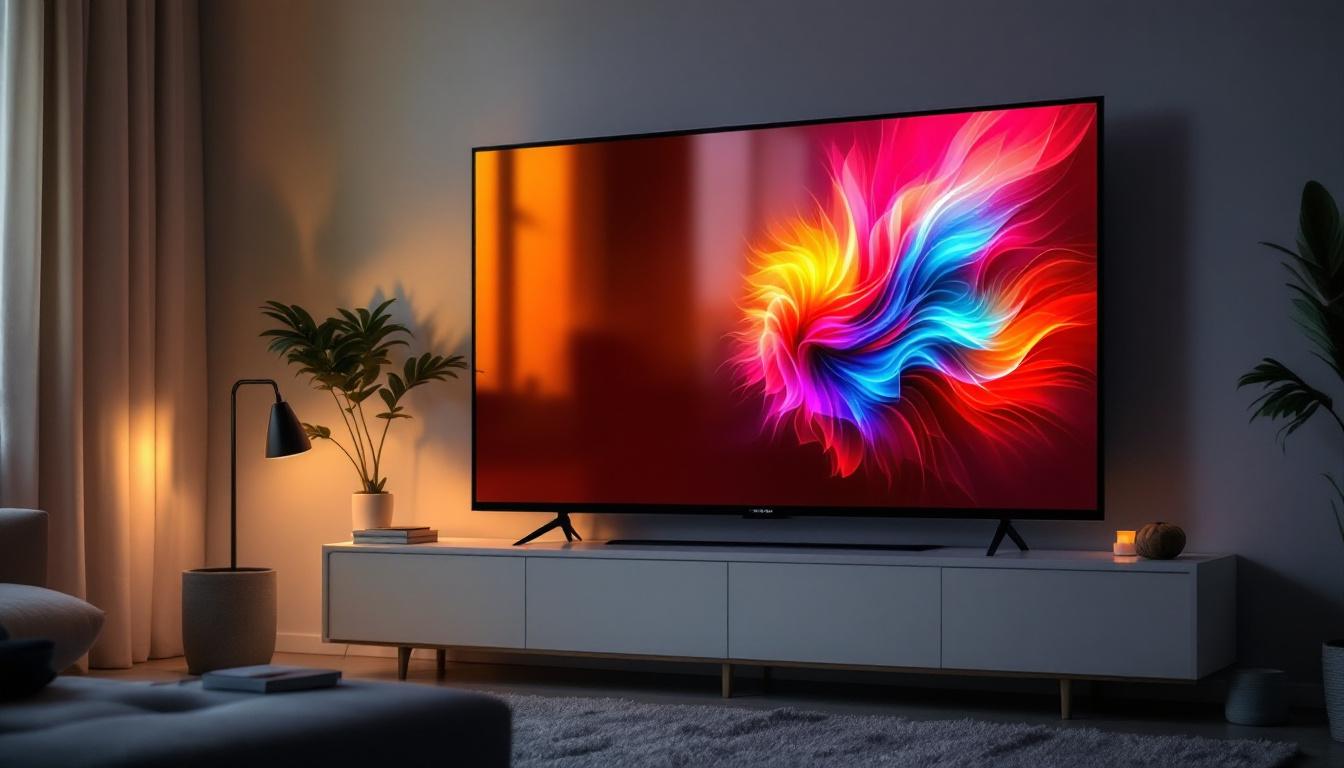
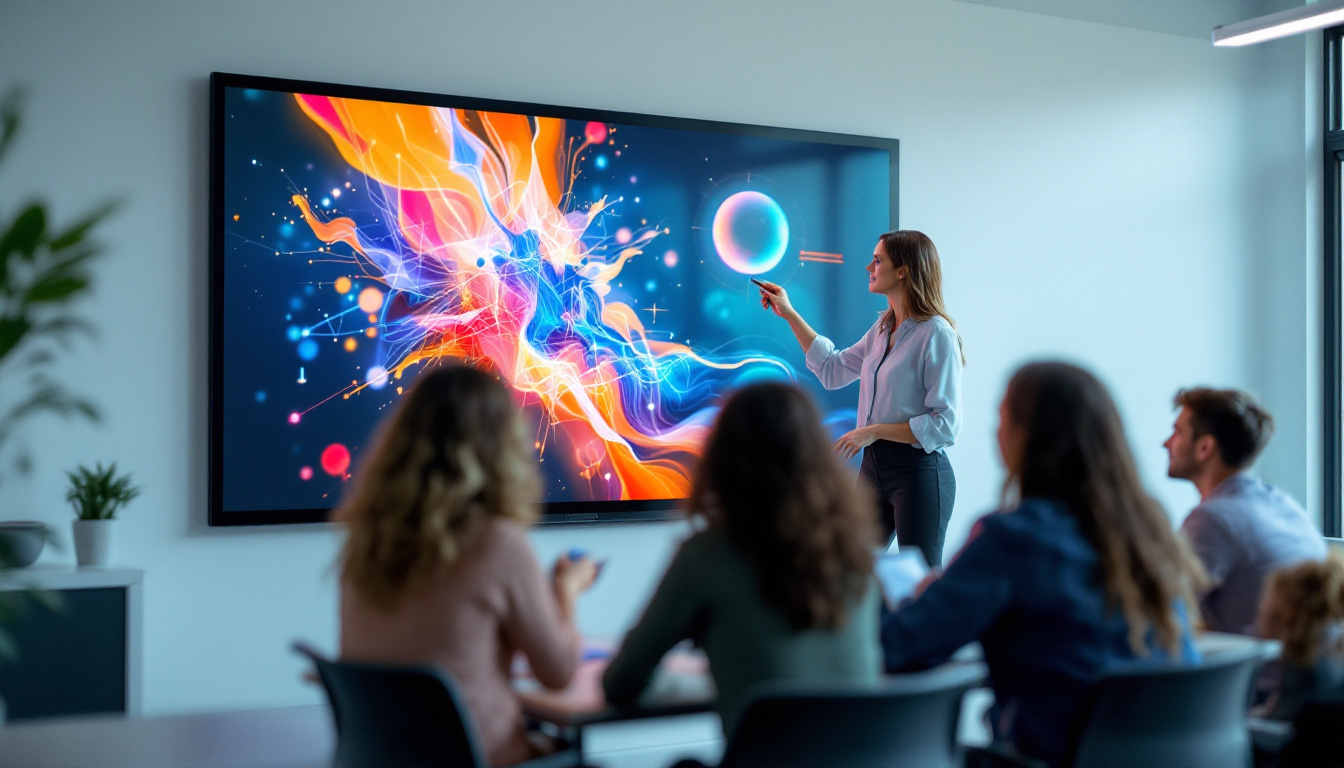
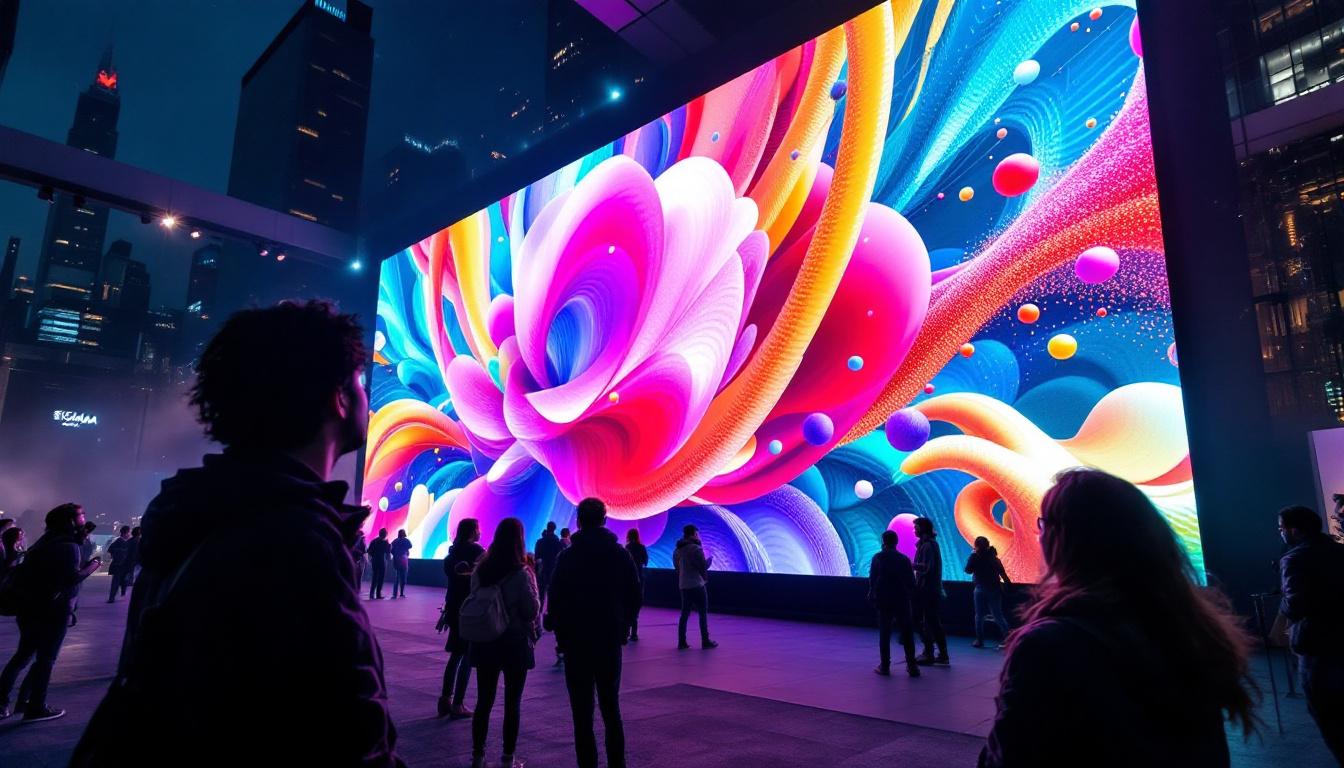
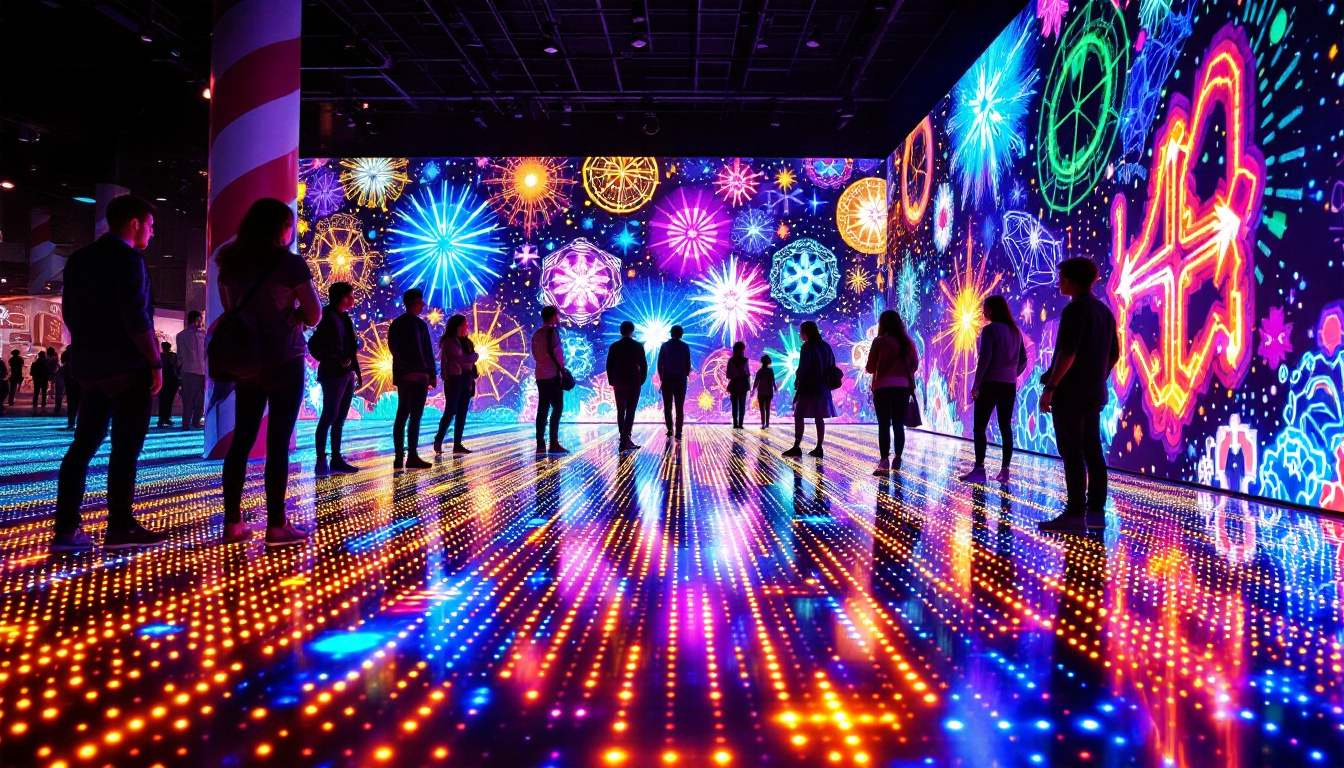
World Wide Technology’s headquarters is a prime example of how LED displays can transform a corporate environment. The company uses large-format LED walls in key areas such as lobbies, conference rooms, and collaboration spaces. These displays serve multiple purposes:
- Real-Time Data Visualization: Displaying live metrics, project updates, and analytics to keep teams informed and aligned.
- Brand Storytelling: Showcasing company achievements, culture, and values through dynamic visual content that engages employees and visitors alike.
- Event Hosting: Facilitating presentations, webinars, and virtual meetings with high-quality visuals that enhance communication clarity.
By integrating LED technology, WWT fosters a connected and informed workplace, promoting transparency and collaboration. The vibrant displays not only captivate attention but also serve as a constant reminder of the company’s mission and vision, reinforcing a sense of belonging among employees. In addition, the strategic placement of these displays ensures that important information is always visible, making it easier for teams to stay aligned with corporate goals and initiatives.
Driving Innovation and Collaboration
WWT’s LED displays are not just for passive viewing; they are interactive tools that encourage innovation. Touch-enabled LED walls allow teams to brainstorm, annotate, and manipulate content in real time. This interactive capability supports agile workflows and creative problem-solving, which are crucial in the technology sector. The ability to visualize ideas and concepts instantly fosters a culture of collaboration, where every team member can contribute their insights and expertise.
Moreover, the scalability of LED displays means that spaces can be customized for different team sizes and purposes, from small huddle rooms to large auditoriums. This flexibility ensures that technology supports the evolving needs of the workforce. In addition to enhancing meetings, these displays can be used for training sessions, where immersive visuals can aid in the learning process, making complex information more digestible. As a result, WWT not only enhances its internal communication but also empowers its employees to take ownership of their roles, driving productivity and innovation throughout the organization.
Technical Advantages of LED Displays Over Other Technologies
Superior Brightness and Visibility
One of the most significant advantages of LED displays is their brightness. LEDs can achieve luminance levels far beyond those of LCD or OLED screens, making them ideal for environments with high ambient light. For example, outdoor LED billboards can reach brightness levels of up to 5,000 nits, ensuring visibility even in direct sunlight.
At WWT’s headquarters, this means that LED screens remain clear and readable throughout the day, whether in sunlit atriums or brightly lit conference rooms.
Energy Efficiency and Longevity
LED technology is renowned for its energy efficiency. LEDs consume significantly less power than traditional lighting and display technologies, which translates into lower operational costs and a reduced carbon footprint. This aligns with WWT’s commitment to sustainability and responsible resource management.
Additionally, LEDs have a longer lifespan, often exceeding 100,000 hours of operation. This durability reduces maintenance requirements and ensures consistent performance over many years.
High Refresh Rates and Color Accuracy
LED displays offer high refresh rates, typically above 1,000 Hz, which minimizes flicker and provides smooth motion rendering. This is particularly important for video conferencing and multimedia presentations, where visual comfort is critical.
Color accuracy is another strength of LED displays. Advanced calibration techniques enable precise color reproduction, which is essential for branding consistency and detailed visual content.
Applications of LED Displays Beyond Corporate Headquarters
Retail and Advertising
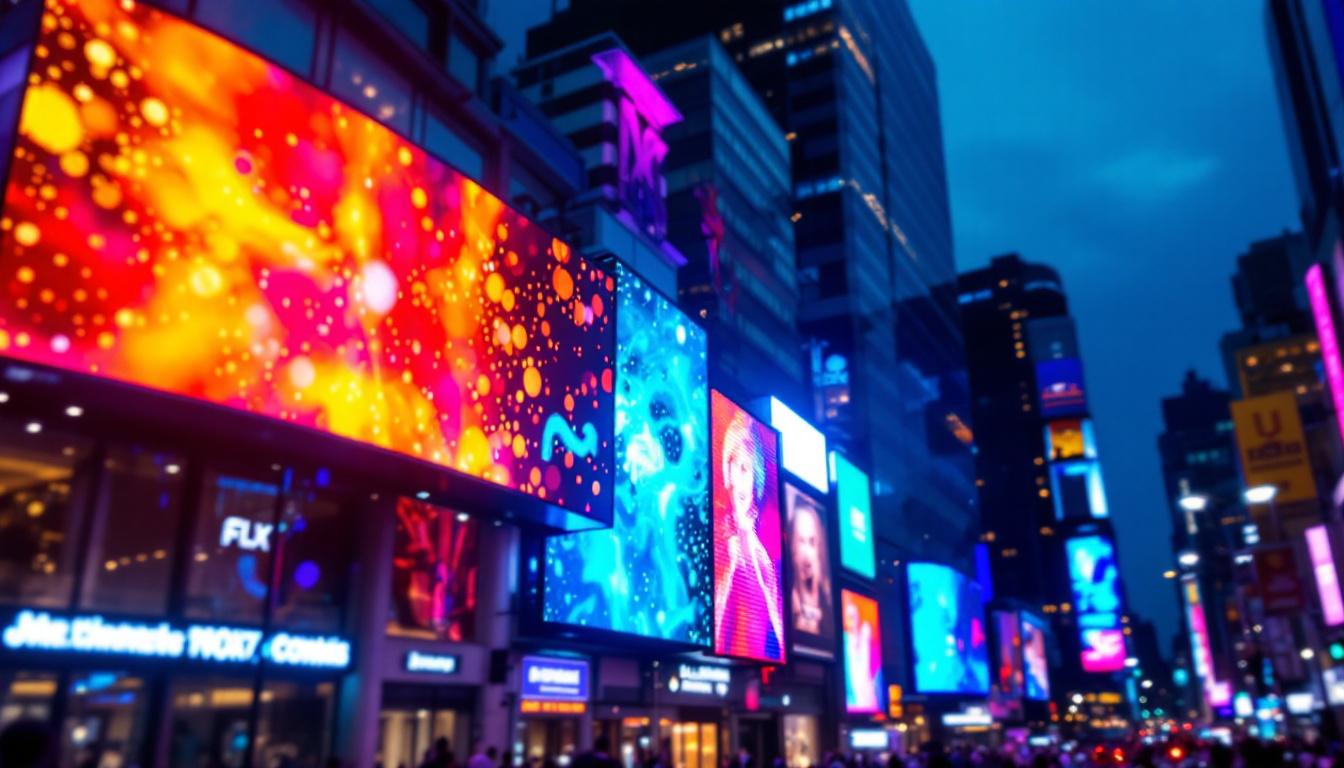
LED displays have revolutionized the retail and advertising sectors by enabling dynamic, eye-catching signage. Digital billboards and in-store displays can be updated instantly to reflect promotions, new products, or seasonal themes. This real-time adaptability drives customer engagement and sales.
For instance, major retailers use LED walls to create immersive shopping experiences, blending digital content with physical environments to captivate consumers.
Sports and Entertainment Venues
Stadiums and arenas utilize massive LED screens to enhance spectator experiences. From live game footage to instant replays and interactive fan engagement, LED technology ensures that every seat has a clear view of the action.
The durability and weather resistance of outdoor LED displays make them suitable for all climates, supporting events worldwide.
Public Information and Transportation
Airports, train stations, and city centers employ LED displays for real-time information dissemination. These screens provide schedules, alerts, and wayfinding assistance, improving traveler convenience and safety.
LED technology’s reliability and clarity are critical in these high-traffic environments where timely communication is essential.
Future Trends in LED Display Technology
MicroLED and MiniLED Innovations
Emerging technologies like MicroLED and MiniLED promise to further enhance display performance. MicroLEDs are smaller than traditional LEDs, allowing for higher resolution, better contrast, and improved energy efficiency. This technology is expected to compete directly with OLED in premium display markets.
MiniLEDs, which use thousands of tiny LEDs as backlighting for LCD panels, offer improved brightness and contrast at a lower cost, making them attractive for both consumer and commercial applications.
Flexible and Transparent LED Displays
Flexibility is becoming a key feature in LED displays. Flexible LED panels enable curved, foldable, or even wearable displays, opening new possibilities for design and functionality. Transparent LED screens allow for see-through displays that can be integrated into windows or glass walls, blending digital content with physical spaces seamlessly.
These innovations are likely to influence how companies like WWT design their offices and communication strategies in the coming years.
Integration with AI and IoT
Artificial Intelligence (AI) and the Internet of Things (IoT) are increasingly integrated with LED display systems to create smarter, more responsive environments. AI can optimize content delivery based on audience behavior, time of day, or environmental conditions, while IoT connectivity allows displays to interact with other smart devices.
This convergence enhances personalization and operational efficiency, providing a more engaging and adaptive user experience.
Conclusion
LED display technology stands at the forefront of modern visual communication, offering unparalleled brightness, versatility, and energy efficiency. At World Wide Technology’s headquarters, these displays are more than just screens—they are integral tools that drive collaboration, innovation, and brand storytelling.
As LED technology continues to advance with innovations like MicroLED, flexible panels, and AI integration, its impact will extend far beyond corporate environments, transforming retail, entertainment, public spaces, and beyond. Understanding the capabilities and applications of LED displays is essential for businesses aiming to stay competitive and connected in an increasingly digital world.
By embracing LED display technology, companies like WWT demonstrate how investing in cutting-edge visual solutions can foster a dynamic, informed, and future-ready workplace.
Discover LumenMatrix’s Innovative LED Solutions
Ready to elevate your visual communication strategy with the latest in LED technology? Look no further than LumenMatrix, where innovation meets impact. From vibrant Indoor and Outdoor LED Wall Displays to specialized solutions like Vehicle and Sports LED Displays, LumenMatrix offers a comprehensive range of products designed to captivate your audience and amplify your message. Whether you seek the flexibility of Floor and Custom LED Displays or the sleekness of All-in-One and Transparent LED options, our mission is to transform your visual engagement. Check out LumenMatrix LED Display Solutions today and step into the future of dynamic digital signage.