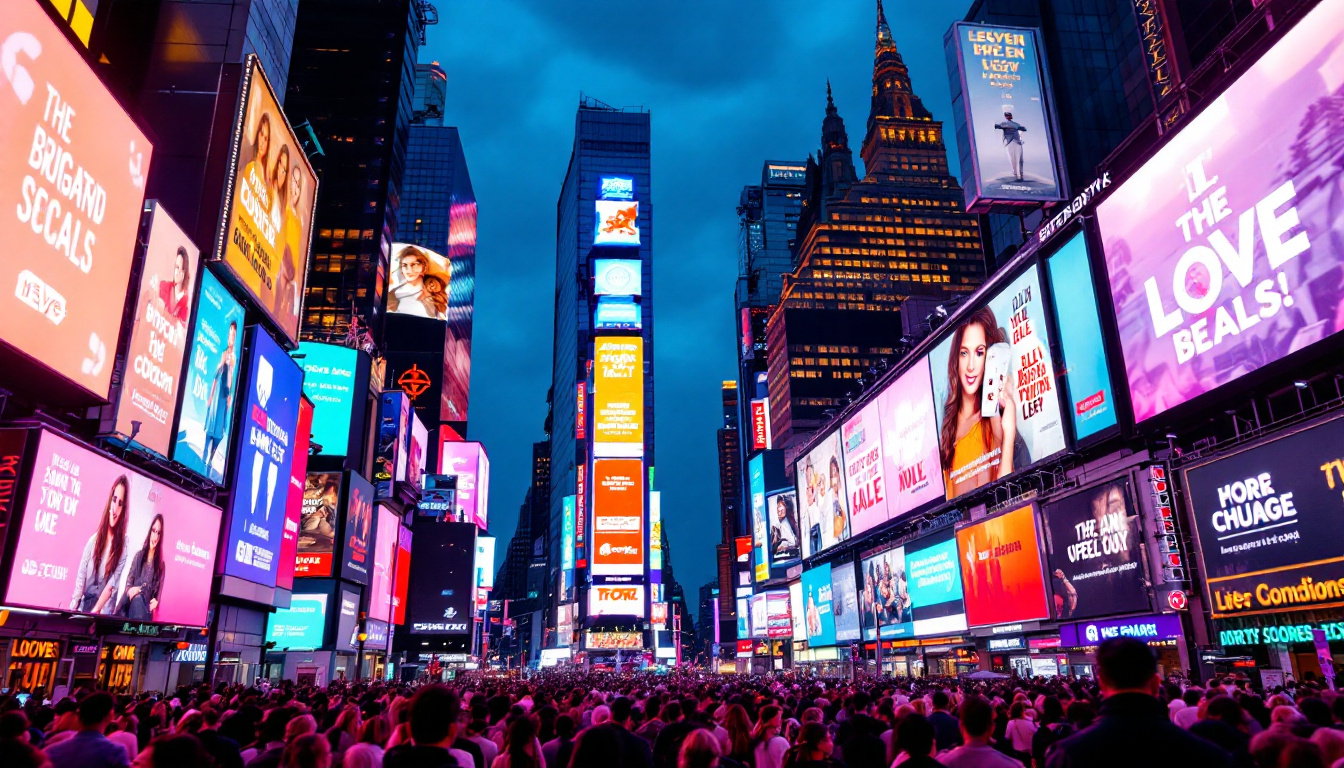
In today’s digital age, LED displays have become an integral part of communication, advertising, and entertainment. From the vibrant billboards in Times Square to the dynamic scoreboards in sports arenas, LED technology powers a vast array of visual displays worldwide. This article delves into the fundamentals of LED displays, exploring how they work, their various types, applications, and the innovations shaping their future. Whether you’re a business owner considering an LED signage solution or a technology enthusiast curious about display technology, this comprehensive guide will illuminate the world of LED displays.
Understanding LED Display Technology
What is an LED Display?
LED stands for Light Emitting Diode, a semiconductor device that emits light when an electric current passes through it. An LED display is a flat panel that uses these diodes as pixels to produce images, videos, or text. Unlike traditional display technologies such as LCD or plasma, LED displays emit their own light, resulting in brighter images and better contrast, especially in outdoor environments.
LED displays can range from small indicators on electronic devices to massive outdoor billboards spanning thousands of square feet. Their modular design allows for scalability, enabling the creation of displays of virtually any size and shape.
How Do LED Displays Work?
At the core of an LED display are individual LEDs arranged in a grid pattern. Each LED acts as a pixel that can be controlled to emit light of varying colors and intensities. Modern full-color LED displays typically use red, green, and blue (RGB) LEDs combined in each pixel. By adjusting the brightness of each color LED, millions of colors can be produced through color mixing.
The control system sends signals to these LEDs to turn on or off or adjust brightness levels rapidly, creating the illusion of moving images or videos. The refresh rate, measured in hertz (Hz), indicates how many times per second the display updates the image, with higher rates providing smoother motion and less flicker.
Types of LED Displays
Indoor vs. Outdoor LED Displays
One of the primary distinctions in LED displays is between indoor and outdoor types, each designed to meet specific environmental and performance requirements.
Indoor LED Displays are optimized for close viewing distances and controlled lighting conditions. They typically have a higher pixel density (smaller pixel pitch), allowing for sharper images and finer detail. Indoor displays are common in conference rooms, retail stores, and event venues.
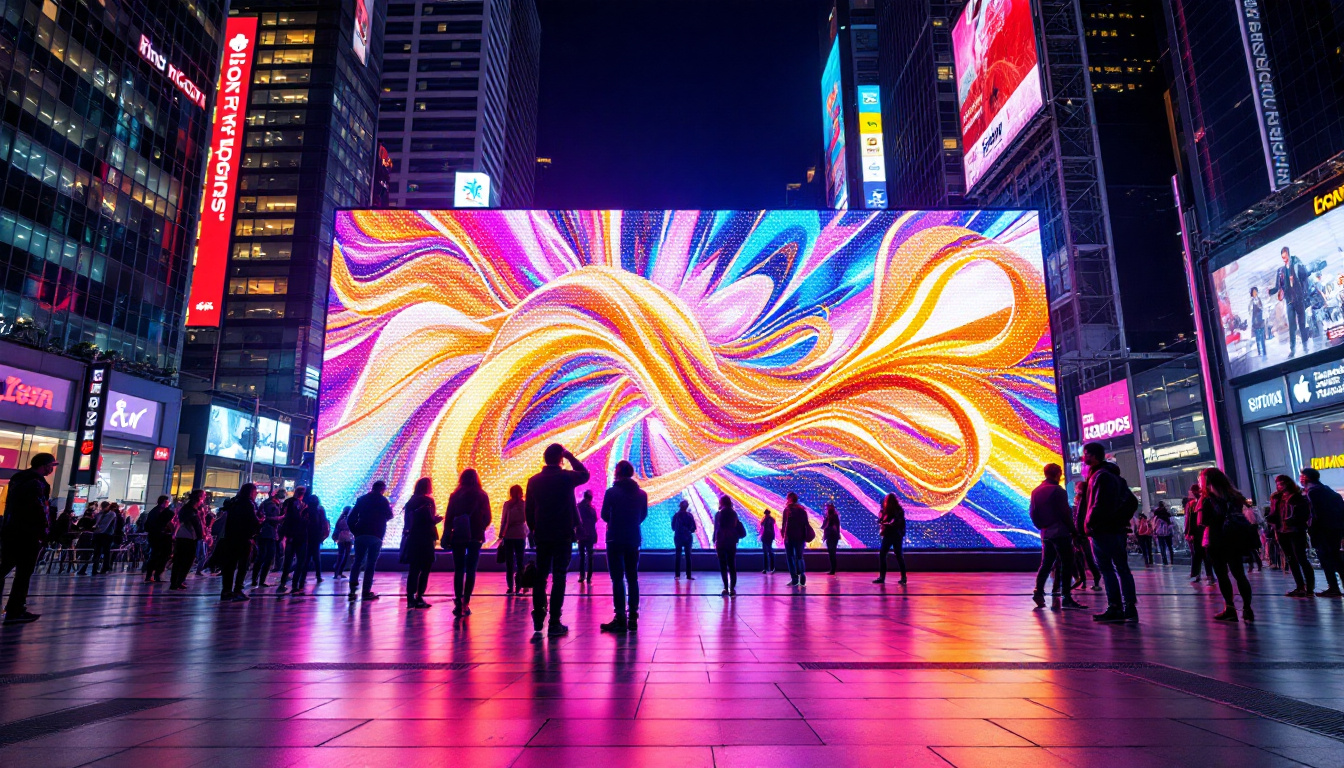
Outdoor LED Displays are built to withstand harsh weather conditions such as rain, wind, and extreme temperatures. They feature higher brightness levels, often exceeding 5,000 nits, to remain visible under direct sunlight. Outdoor displays usually have a larger pixel pitch because viewers are generally farther away, which helps reduce manufacturing costs while maintaining visibility.
Direct View LED vs. LED-Backlit LCD
It’s important to differentiate between direct view LED displays and LED-backlit LCD screens. Direct view LED displays use LEDs as the actual pixels, emitting light directly to the viewer. This technology offers superior brightness, contrast, and viewing angles.
In contrast, LED-backlit LCDs use LEDs only as a backlight behind an LCD panel. While they benefit from LED efficiency and brightness, the image quality depends on the LCD technology itself. Direct view LED displays are preferred for large-scale signage and video walls due to their scalability and superior visual performance.
Flexible and Transparent LED Displays
Recent innovations have introduced flexible and transparent LED displays, expanding the possibilities for creative installations. Flexible LED panels can bend or curve, allowing for unique shapes and immersive environments such as curved walls or wearable displays.
Transparent LED displays integrate LEDs into glass surfaces, enabling see-through screens that can be used on windows or storefronts without obstructing the view. This technology is gaining traction in retail and architectural applications, blending digital content with real-world environments seamlessly.
Key Components and Specifications
Pixel Pitch and Resolution
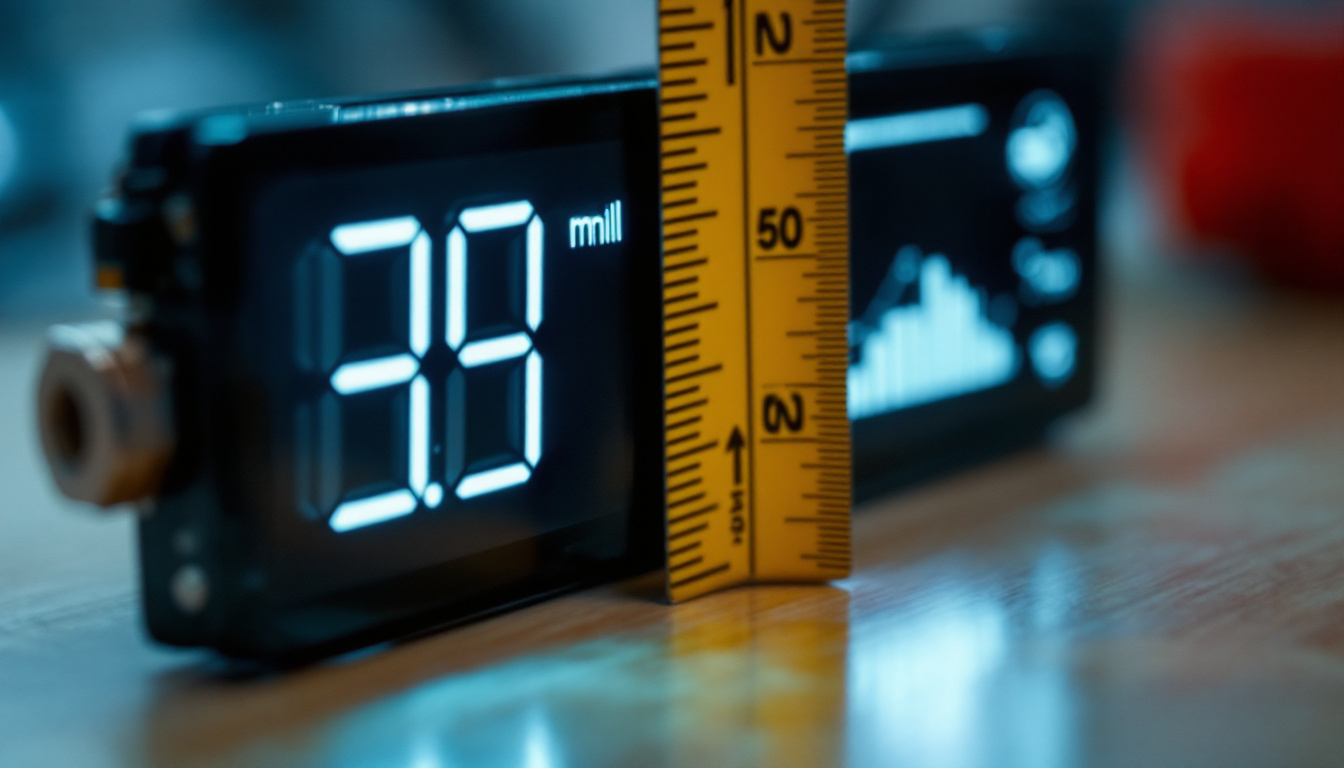
Pixel pitch is the distance between the center of one LED pixel to the next, measured in millimeters. It is a critical factor determining the resolution and viewing distance of an LED display. Smaller pixel pitches mean higher resolution and are suitable for close-range viewing, while larger pixel pitches are ideal for long-distance visibility.
For example, a 1.5mm pixel pitch display offers extremely sharp images for indoor use, while a 10mm pixel pitch is common for outdoor billboards viewed from hundreds of feet away. Choosing the correct pixel pitch ensures optimal image clarity and cost-effectiveness.
Brightness and Contrast Ratio
Brightness, measured in nits, indicates how much light the display emits. Outdoor LED displays often require brightness levels above 5,000 nits to combat sunlight glare, while indoor displays typically operate between 800 and 1,500 nits.
The contrast ratio is the difference between the brightest white and the darkest black the display can produce. High contrast ratios contribute to vivid, lifelike images. LED displays generally offer excellent contrast because LEDs can be turned off completely to produce true blacks, unlike LCDs which rely on backlighting.
Refresh Rate and Color Depth
A high refresh rate reduces flicker and motion blur, which is particularly important for video content and live broadcasts. Standard LED displays have refresh rates of 60Hz or higher, with professional-grade displays reaching 1920Hz or more to ensure smooth visuals.
Color depth refers to the number of colors a display can produce. Most LED displays support 16-bit or 24-bit color depth, allowing for millions of colors and smooth gradients. Accurate color reproduction is essential for branding, advertising, and immersive experiences.
Applications of LED Displays
Advertising and Digital Signage
One of the most widespread uses of LED displays is in advertising. Digital billboards and signage offer dynamic content that can be updated in real-time, enabling targeted marketing campaigns and interactive experiences. According to recent market reports, the global digital signage market is expected to reach over $32 billion by 2028, driven largely by LED technology.
LED displays provide high visibility and impact, making them ideal for retail storefronts, transportation hubs, and public spaces. Their ability to capture attention and convey messages effectively makes them a valuable tool for brands and businesses.
Sports and Entertainment Venues
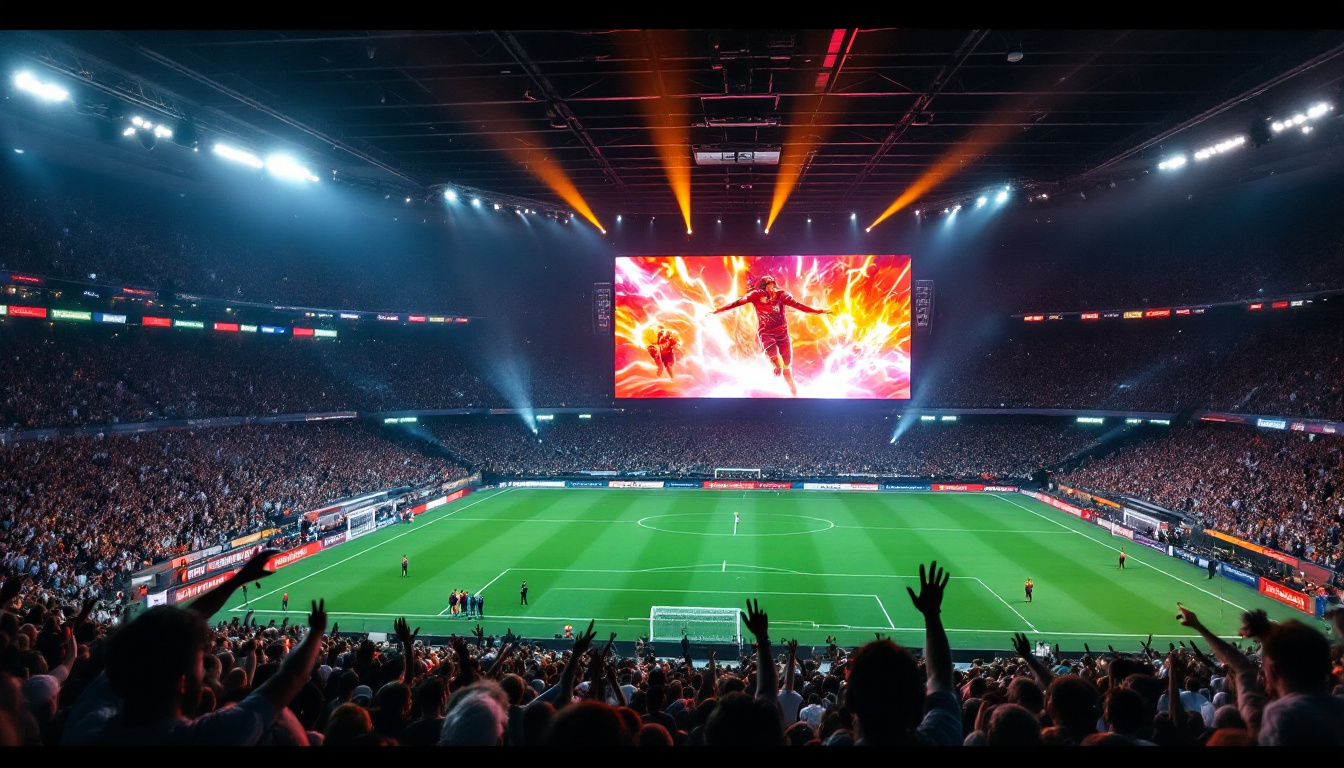
LED displays are ubiquitous in sports arenas, concert venues, and theaters. They serve as scoreboards, video walls, and immersive backdrops that enhance the spectator experience. The flexibility of LED technology allows for large-scale, high-resolution displays that can be tailored to the architecture of the venue.
For example, the AT&T Stadium in Texas features one of the largest high-definition LED video boards in the world, measuring 160 feet wide and 72 feet tall. Such installations demonstrate the capability of LED technology to deliver stunning visuals on a grand scale.
Transportation and Public Information
LED displays are extensively used in transportation systems for real-time information dissemination. Airports, train stations, and bus terminals rely on LED screens to provide schedules, alerts, and wayfinding information. Their brightness and clarity ensure visibility in various lighting conditions.
Additionally, LED traffic signs and variable message signs improve road safety by delivering timely warnings and updates to drivers. The durability and energy efficiency of LED technology make it well-suited for these critical applications.
Maintenance, Energy Efficiency, and Environmental Impact
Durability and Maintenance Considerations
LED displays are known for their long lifespan, often exceeding 100,000 hours of operation. However, maintenance is essential to ensure consistent performance. Factors such as dust accumulation, moisture ingress, and physical damage can affect display quality over time.
Modern LED displays are designed with modular panels that allow for easy replacement of faulty sections without dismantling the entire screen. Routine cleaning and inspection help maintain brightness and color accuracy, extending the display’s useful life.
Energy Efficiency
Compared to traditional lighting and display technologies, LEDs are highly energy-efficient. They consume less power while delivering superior brightness, reducing operational costs and environmental impact. For businesses and municipalities, this translates into significant savings on electricity bills.
Advancements in LED driver technology and intelligent control systems further optimize energy consumption by adjusting brightness based on ambient light conditions and content requirements.
Environmental Benefits and Sustainability
LED displays contribute to sustainability efforts by minimizing energy use and reducing waste. Unlike fluorescent or incandescent lighting, LEDs contain no hazardous materials such as mercury. Additionally, their long lifespan means fewer replacements and less electronic waste.
Many manufacturers now focus on eco-friendly production processes and recyclable materials, aligning LED display technology with broader environmental goals. As demand for digital signage grows, sustainable practices will play an increasingly important role in the industry.
The Future of LED Displays
MicroLED and MiniLED Technologies
Emerging technologies like MicroLED and MiniLED promise to revolutionize the LED display market. MicroLED uses microscopic LEDs to create displays with exceptional brightness, color accuracy, and energy efficiency. This technology offers the potential for ultra-high-resolution screens with superior contrast and durability.
MiniLED, while larger than MicroLED, improves backlighting in LCD displays by using thousands of tiny LEDs, enhancing contrast and brightness. Both technologies are gaining traction in consumer electronics, automotive displays, and professional signage.
Integration with IoT and Smart Technologies
LED displays are increasingly integrated with Internet of Things (IoT) systems, enabling smarter, more interactive signage. Connected displays can adapt content based on real-time data such as weather, traffic, or audience demographics, enhancing relevance and engagement.
Smart LED displays also support remote management, diagnostics, and automated maintenance alerts, reducing downtime and operational complexity. This convergence of display technology and smart systems is shaping the future of digital communication.
Augmented Reality and Immersive Experiences
Innovations in LED display technology are paving the way for augmented reality (AR) and immersive visual experiences. Transparent and flexible LED panels can transform physical spaces into interactive environments, blending digital content with the real world.
From retail windows that showcase virtual products to event stages with dynamic backdrops, LED displays are central to creating captivating, immersive experiences that engage audiences in new and exciting ways.
Conclusion
LED displays have transformed the way information and entertainment are delivered across various industries. Their versatility, brightness, energy efficiency, and scalability make them a preferred choice for applications ranging from advertising and sports to transportation and immersive experiences.
As LED technology continues to evolve with innovations like MicroLED, flexible displays, and smart integration, the possibilities for creative and impactful visual communication are expanding rapidly. Understanding the fundamentals of LED displays empowers businesses and individuals to make informed decisions and harness the full potential of this dynamic technology.
Explore Cutting-Edge LED Display Solutions with LumenMatrix
Ready to elevate your visual communication strategy with the latest in LED display technology? LumenMatrix is at the forefront of innovation, offering a diverse range of LED display modules tailored to your needs. From vibrant Indoor and Outdoor LED Wall Displays to dynamic Vehicle and Sports LED Displays, and even unique solutions like LED Posters, Floor Displays, and Custom configurations, we have the tools to transform your space and captivate your audience. Experience the future of digital signage and create unforgettable visual experiences. Check out LumenMatrix LED Display Solutions today and see your vision come to life.