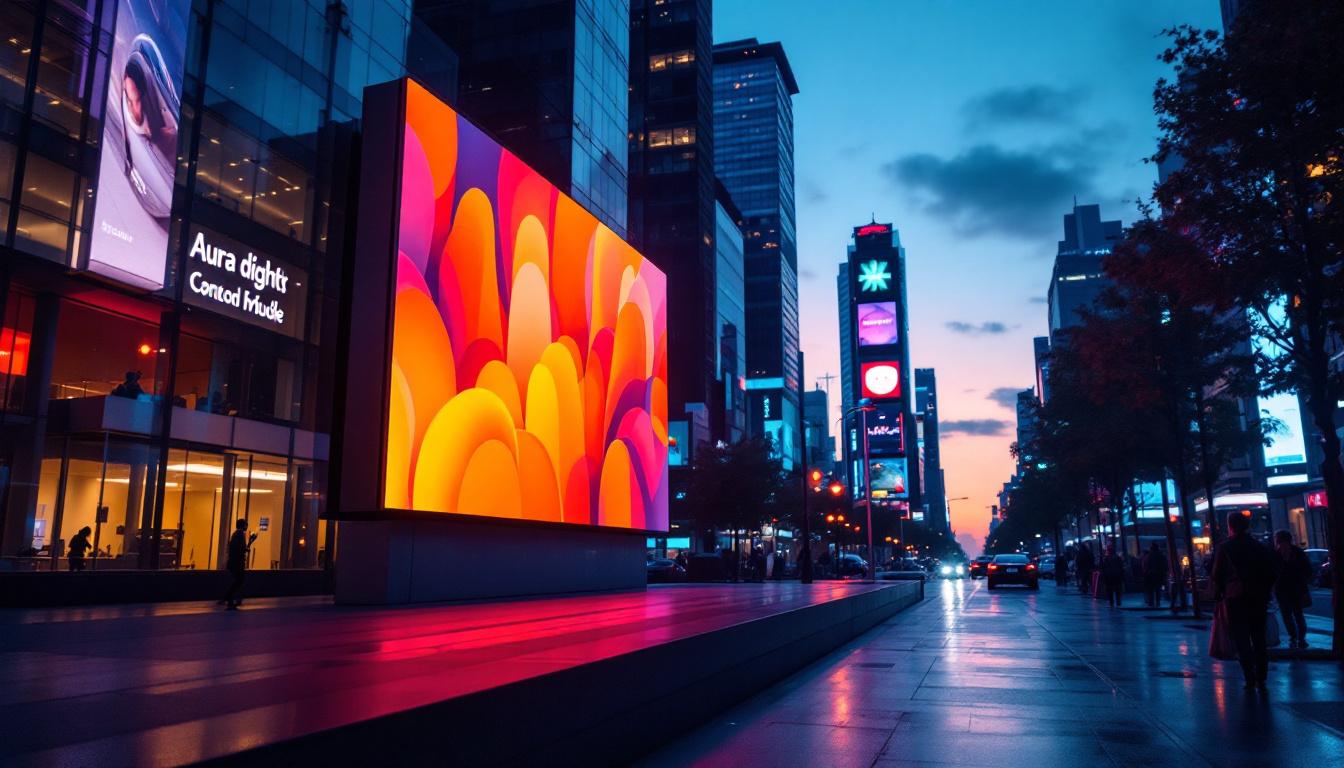
When it comes to LED displays, whether for televisions, computer monitors, or digital signage, one specification often highlighted is the contrast ratio. But what exactly does contrast ratio mean, and why does it matter so much in determining the quality of an LED display? This article delves deep into the concept of contrast ratio, how it impacts your viewing experience, and what to look for when choosing an LED display.
Understanding Contrast Ratio: The Basics
At its core, contrast ratio is a measure of the difference between the darkest black and the brightest white a display can produce. It is expressed as a ratio, such as 1000:1, which means the brightest white is 1000 times brighter than the darkest black.
This ratio is crucial because it directly affects image clarity, depth, and overall picture quality. A higher contrast ratio typically means more vibrant colors, deeper blacks, and a more immersive viewing experience. In practical terms, this means that when watching movies or playing video games, the details in shadows and highlights become more pronounced, allowing viewers to appreciate the full range of visual storytelling.
How Contrast Ratio is Measured
Manufacturers measure contrast ratio by displaying a full white screen and then a full black screen, measuring the luminance of each. The ratio of these two luminance values gives the contrast ratio. However, this method can vary depending on whether the measurement is taken under ideal laboratory conditions or in real-world settings. Factors such as ambient light, screen technology (LCD, OLED, etc.), and even the viewer’s angle can significantly influence perceived contrast.
There are two common types of contrast ratios:
- Static Contrast Ratio: This compares the luminance of the brightest white and darkest black on the screen at the same time.
- Dynamic Contrast Ratio: This measures contrast over time by adjusting the backlight or brightness dynamically to enhance perceived contrast.
Understanding these types is essential for consumers looking to purchase a new display. Static contrast ratios provide a baseline understanding of a screen’s performance under consistent conditions, while dynamic contrast ratios can showcase a display’s ability to adapt to varying content. This adaptability is particularly beneficial for watching fast-paced action scenes or playing video games, where quick changes in brightness can significantly enhance the viewing experience. However, it is important to note that manufacturers may sometimes exaggerate dynamic contrast ratios, leading to potential confusion among consumers.
Additionally, the technology behind the display plays a significant role in how contrast is perceived. For instance, OLED screens are known for their ability to achieve true blacks since they can turn off individual pixels completely, resulting in an infinite contrast ratio. In contrast, traditional LCD screens rely on backlighting, which can lead to light bleed and less effective black levels. As a result, when choosing a display, it’s essential to consider not just the contrast ratio but also the underlying technology that supports it.
Why Contrast Ratio Matters in LED Displays
Contrast ratio is more than just a number; it plays a pivotal role in how images and videos appear on an LED screen. It affects everything from color accuracy to the visibility of fine details in shadows and highlights.
Impact on Image Quality and Viewing Experience
LED displays with higher contrast ratios can produce richer blacks and brighter whites, which leads to more lifelike and engaging images. For example, in a movie scene set in a dark room, a display with a low contrast ratio might render blacks as grayish, washing out details and reducing immersion.
Moreover, in brightly lit environments, a high contrast ratio helps maintain image clarity by ensuring that bright areas don’t bleed into darker regions, preserving the integrity of the picture.
Relevance for Different Use Cases
The importance of contrast ratio varies depending on the intended use of the LED display:
- Home Entertainment: For watching movies or gaming, a high contrast ratio enhances the cinematic experience by delivering deep blacks and vivid colors.
- Professional Work: Photographers, graphic designers, and video editors require displays with accurate contrast ratios to ensure true color representation and detail visibility.
- Digital Signage: In outdoor or brightly lit commercial environments, a good contrast ratio ensures that content remains visible and eye-catching.
Types of LED Displays and Their Contrast Ratios
Not all LED displays are created equal, and the type of LED technology used can significantly influence contrast ratio performance.
Edge-Lit LED Displays
Edge-lit LED displays position LEDs along the edges of the screen, using light guides to distribute illumination. While this design allows for thinner panels and lower costs, it often results in lower contrast ratios because of less precise backlight control.
Typical static contrast ratios for edge-lit LED TVs range from 1000:1 to 3000:1, which is adequate for general viewing but may fall short for demanding applications.
Full-Array LED Displays
Full-array LED displays feature LEDs spread evenly behind the entire screen, allowing for better control of local dimming zones. This technology improves contrast by dimming specific areas of the screen to deepen blacks without affecting bright regions.
Static contrast ratios for full-array LED TVs can reach 5000:1 or higher, with dynamic contrast ratios sometimes advertised as exceeding 1,000,000:1, though these dynamic figures should be viewed with caution.
Mini-LED and Micro-LED Displays
Recent advancements have introduced Mini-LED and Micro-LED technologies, which use thousands or millions of tiny LEDs as backlight sources. These displays offer superior local dimming capabilities and can achieve exceptional contrast ratios.
Mini-LED TVs can boast static contrast ratios above 10,000:1, while Micro-LED displays, still emerging in the market, promise near-OLED levels of contrast with the added benefits of higher brightness and longevity.
OLED vs. LED Contrast Ratios
While OLED (Organic Light Emitting Diode) displays are not LED displays in the traditional sense, they are often compared due to their self-emissive pixels. OLEDs can turn off individual pixels completely, resulting in theoretically infinite contrast ratios.
LED displays, relying on backlighting, cannot achieve true black pixels since some light leakage is inevitable. However, advancements like local dimming and Mini-LED technology have narrowed this gap significantly.
Factors Affecting Contrast Ratio in LED Displays
Several technical and environmental factors influence the contrast ratio of LED displays, impacting real-world performance beyond manufacturer specifications.
Backlight Technology and Local Dimming
As mentioned, the type of backlighting and the presence of local dimming zones are critical. Local dimming allows the display to reduce brightness in dark areas while keeping bright parts illuminated, enhancing contrast.
Displays without local dimming typically have lower contrast ratios because the entire backlight remains uniformly lit, reducing the depth of blacks.
Ambient Lighting Conditions
Contrast ratio measurements taken in dark rooms do not always translate to bright environments. Ambient light can wash out the perceived contrast by reflecting off the screen surface.
Anti-reflective coatings and higher peak brightness can mitigate this effect, helping maintain contrast in various lighting conditions.
Panel Quality and Viewing Angles
The quality of the LCD panel and its technology (such as IPS or VA) also affect contrast. VA panels generally offer higher contrast ratios but narrower viewing angles, while IPS panels provide wider viewing angles at the expense of contrast.
Choosing the right panel depends on the intended use and environment.
Calibration and Settings
Proper calibration of brightness, contrast, and gamma settings can optimize the perceived contrast ratio. Many displays come with presets tailored for different content types, but manual adjustments often yield the best results.
Interpreting Contrast Ratio Specifications: What Consumers Should Know
Contrast ratio numbers can be confusing and sometimes misleading. Understanding how to interpret these specifications helps consumers make informed decisions.
Static vs. Dynamic Contrast Ratio
Static contrast ratio is a more reliable indicator of a display’s inherent ability to produce contrast. Dynamic contrast ratios, often advertised as extremely high numbers, involve software or hardware tricks like dimming the backlight or adjusting image processing to enhance the perception of contrast.
While dynamic contrast can improve viewing experience in certain scenarios, it is not a substitute for a high static contrast ratio.
Manufacturer Variability and Testing Standards
There is no universal standard for measuring contrast ratios, so manufacturers may use different methods, making direct comparisons difficult. Independent reviews and professional testing labs often provide more accurate and comparable data.
Real-World Performance vs. Lab Measurements
Contrast ratios measured in controlled environments may not reflect everyday usage. Factors like room lighting, content type, and display settings all influence how contrast is perceived.
Consumers should consider reviews and hands-on demonstrations alongside specifications.
Choosing the Right LED Display Based on Contrast Ratio
When selecting an LED display, contrast ratio should be one of several key factors considered alongside resolution, color accuracy, refresh rate, and price.
Assessing Your Needs
Identify the primary use of the display. For cinematic viewing or professional color work, prioritize higher contrast ratios and technologies like full-array local dimming or Mini-LED. For general office work or casual viewing, a moderate contrast ratio may suffice.
Balancing Contrast with Other Features
A display with an excellent contrast ratio but poor color accuracy or slow response times may not deliver the best overall experience. It’s essential to balance contrast with other performance metrics.
Budget Considerations
Higher contrast ratio displays often come at a premium. However, mid-range LED TVs with good local dimming can offer excellent performance for most users without breaking the bank.
Future Trends in LED Display Contrast Technology
The display industry continues to innovate, pushing the boundaries of contrast ratio and image quality.
Advancements in Backlighting
Mini-LED and Micro-LED technologies are rapidly evolving, enabling more precise backlight control and higher contrast ratios. These technologies are expected to become more affordable and widespread in the coming years.
Integration with HDR Standards
High Dynamic Range (HDR) content demands displays with high contrast ratios and brightness capabilities. LED displays optimized for HDR deliver more realistic and vibrant images, enhancing contrast perception.
Emerging Display Technologies
While OLED remains a leader in contrast performance, new technologies like QD-OLED and Micro-LED are poised to combine the best of both worlds: exceptional contrast with high brightness and durability.
Conclusion
Contrast ratio is a fundamental specification that significantly influences the quality of LED displays. Understanding what contrast ratio means, how it’s measured, and its impact on image quality empowers consumers to make informed choices. While higher contrast ratios generally translate to better picture quality, it’s important to consider this metric alongside other features and real-world usage conditions.
As LED display technology advances, consumers can look forward to even better contrast performance, delivering more immersive and lifelike visual experiences across a variety of applications.
Explore the Future of Visual Experience with LumenMatrix
Ready to elevate your visual experience with superior contrast ratios and cutting-edge LED technology? Discover LumenMatrix’s innovative range of LED display solutions, designed to bring your content to life with unparalleled clarity and vibrancy. From dynamic Indoor and Outdoor LED Wall Displays to specialized solutions like Vehicle and Sports Displays, LumenMatrix is at the forefront of revolutionizing visual communication. Don’t just take our word for it; check out LumenMatrix LED Display Solutions today and see the difference for yourself!