In today’s digital age, the demand for higher resolution screens continues to grow rapidly. Whether it’s for smartphones, televisions, computer monitors, or large-scale digital signage, consumers and businesses alike seek displays that offer sharper images, richer colors, and more immersive viewing experiences. At the heart of many of these advancements lies LED display technology, a cornerstone in the evolution of screen resolution and visual quality.
This article explores the fundamentals of LED displays, the role they play in achieving higher resolution screens, and why understanding this technology is crucial for anyone interested in modern digital displays.
What Is an LED Display?
LED stands for Light Emitting Diode, a semiconductor device that emits light when an electric current passes through it. An LED display uses these tiny diodes as individual pixels or subpixels to create images. Unlike older display technologies such as LCDs that rely on backlighting, LED displays can emit light directly, which offers several advantages in terms of brightness, contrast, and energy efficiency. This direct emission of light allows for vibrant colors and deeper blacks, making LED displays particularly appealing for both commercial and personal use.
There are different types of LED displays, including:
- Direct LED Displays: These consist of arrays of LEDs that form the entire screen. They are often used in large outdoor screens and digital billboards.
- LED-backlit LCDs: The most common consumer displays, where LEDs provide backlighting behind an LCD panel.
- MicroLED and MiniLED: Emerging technologies that use smaller LEDs to improve pixel density and image quality.
Understanding these distinctions is key to appreciating how LED technology contributes to higher resolution and better display performance. For instance, MicroLED technology is particularly exciting because it allows for individual control of each pixel, resulting in exceptional contrast ratios and color accuracy. This is a game-changer for applications that require precise visual representation, such as medical imaging or high-end gaming. Furthermore, the energy efficiency of LED displays means they consume less power than traditional displays, making them a more sustainable option in an era where energy conservation is increasingly important.
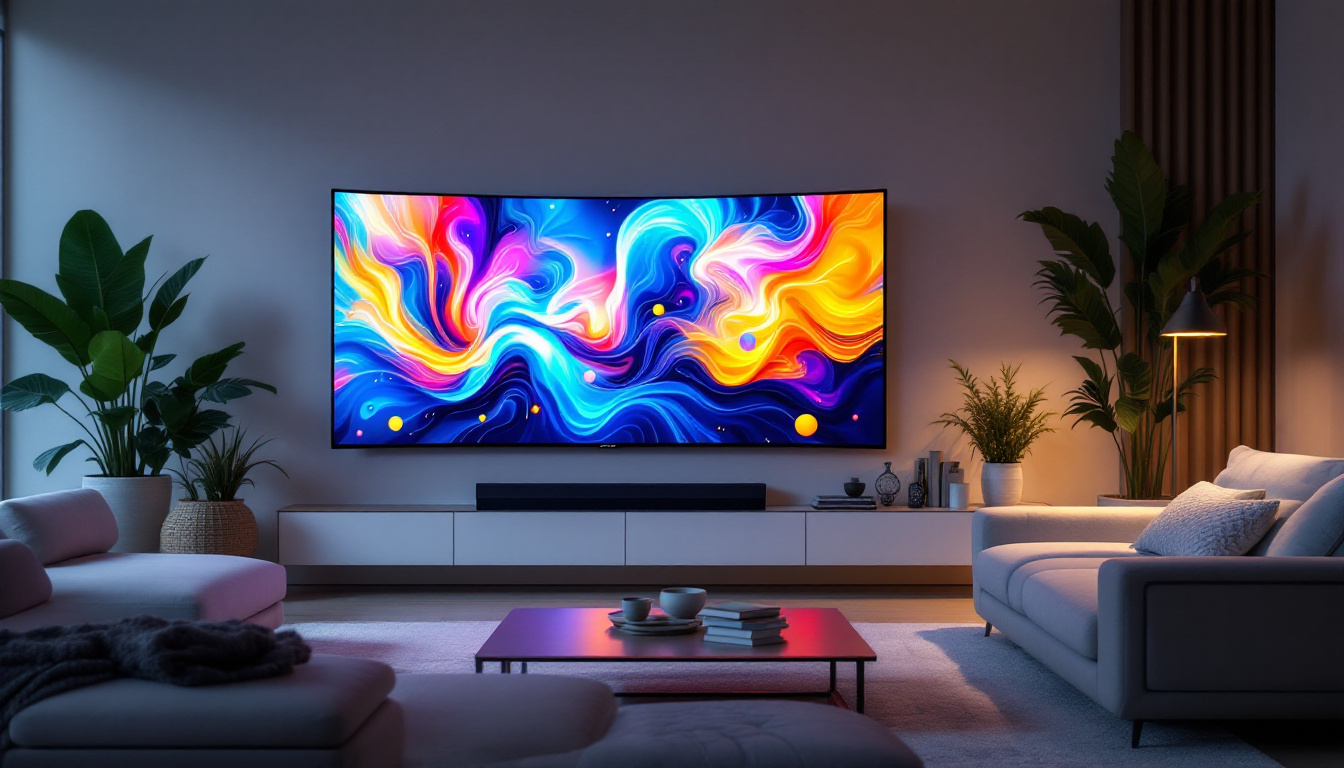
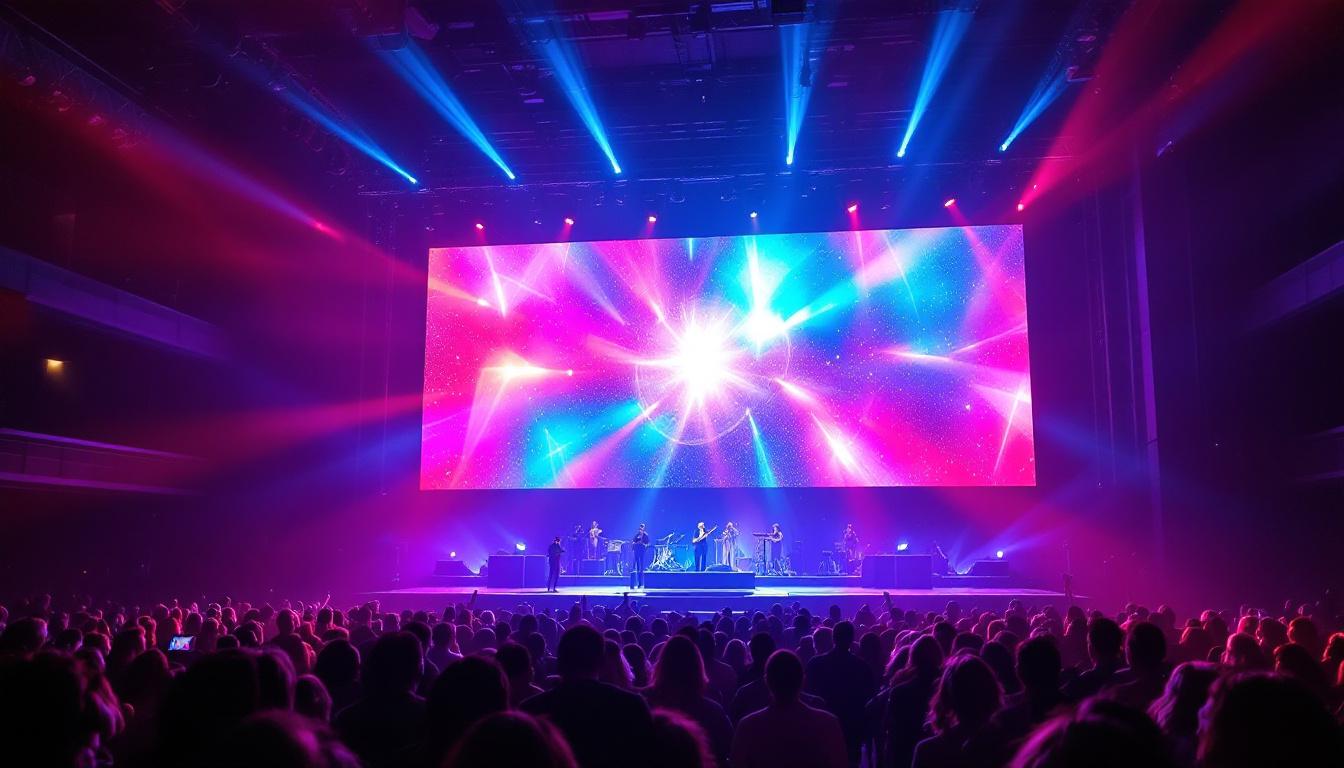
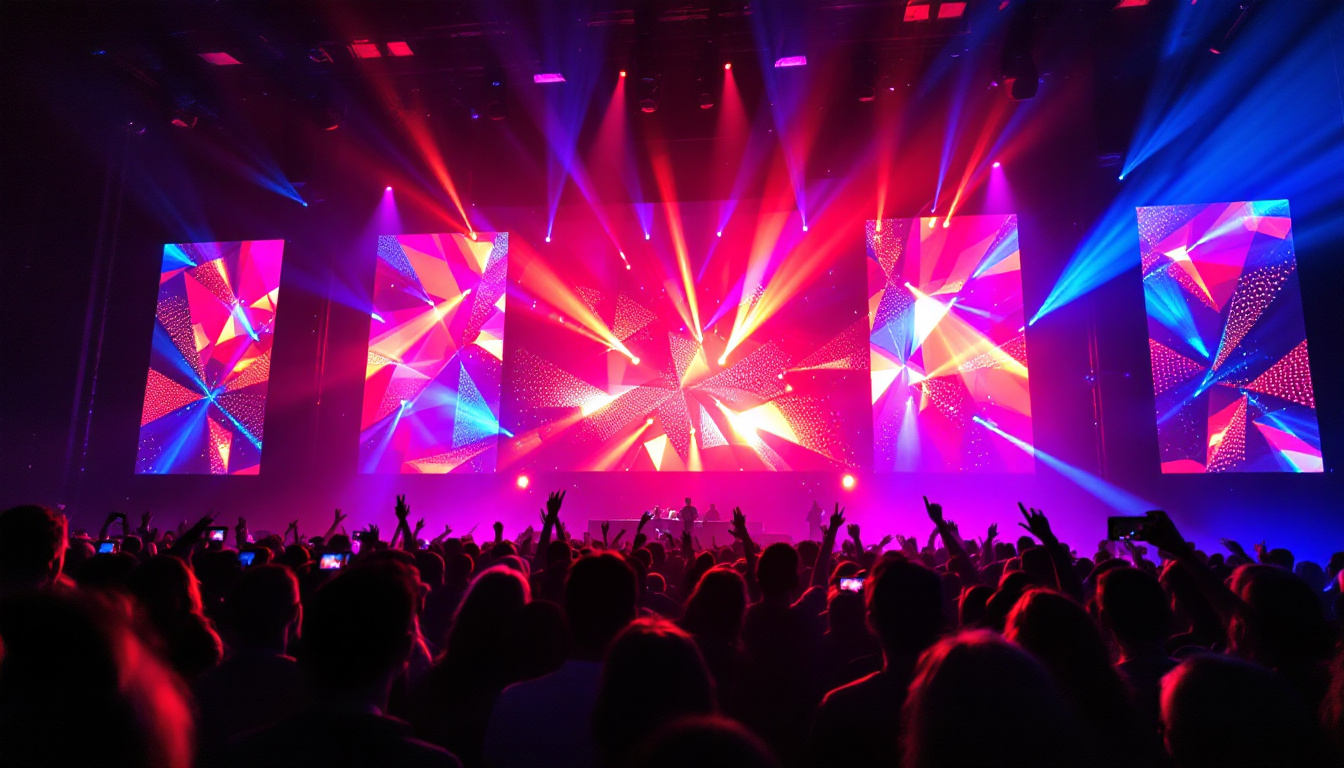
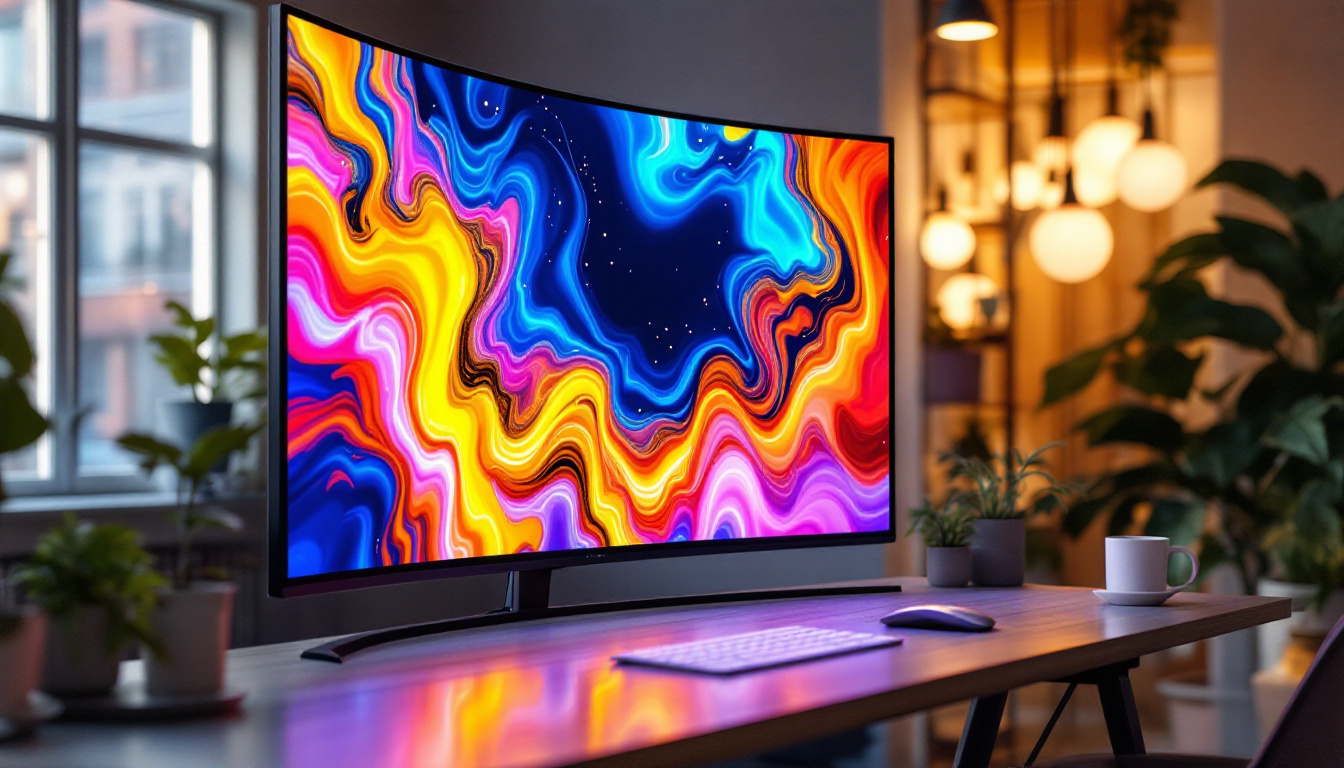
Additionally, LED displays are highly versatile and can be found in a variety of settings, from home televisions to massive stadium screens. Their ability to be configured in various shapes and sizes opens up creative possibilities for artists and advertisers alike. For example, curved LED displays can enhance the viewer’s experience by providing an immersive environment, while modular LED panels can be arranged to create stunning visual installations at events. As technology continues to evolve, the applications for LED displays are likely to expand even further, paving the way for innovative uses in both everyday life and specialized industries.
The Importance of Resolution in LED Displays
Defining Resolution and Pixel Density
Resolution refers to the number of pixels displayed on a screen, typically denoted as width × height (e.g., 1920×1080). Higher resolution means more pixels, which translates to finer detail and sharper images. Pixel density, measured in pixels per inch (PPI), indicates how closely packed these pixels are.
For LED displays, increasing resolution involves packing more LEDs into the same screen area, which can be challenging due to physical size constraints of the diodes and heat dissipation issues. However, advances in LED miniaturization have made it possible to achieve extremely high pixel densities, especially in smaller devices like smartphones and VR headsets. This miniaturization not only enhances the visual experience but also allows manufacturers to create thinner and lighter devices, making them more portable and user-friendly.
Why Higher Resolution Matters
Higher resolution is not just about sharper images; it also enhances the overall visual experience in several ways:
- Improved Clarity: Fine text and intricate graphics become easier to read and more comfortable to view over extended periods.
- Better Color Accuracy: Higher pixel counts allow for more precise color representation, resulting in more lifelike images.
- Enhanced Immersion: In applications like gaming and virtual reality, higher resolution screens reduce the “screen door effect” and increase realism.
As consumer expectations rise, manufacturers compete to deliver displays that push the boundaries of resolution and visual fidelity. This ongoing competition has led to innovations such as 4K and 8K displays, which offer unprecedented detail and clarity. The transition from HD to 4K has been particularly significant in the realm of home entertainment, where viewers can experience movies and shows in a way that feels almost cinematic. Furthermore, the rise of streaming services that support high-resolution content has made it imperative for consumers to invest in displays that can fully utilize these advancements.
Additionally, higher resolution displays are not limited to entertainment; they play a crucial role in professional environments as well. In fields such as graphic design, video editing, and medical imaging, the ability to see fine details clearly can be the difference between a successful project and a flawed one. Professionals rely on high-resolution monitors to ensure that their work is represented accurately, whether it’s the subtle gradients in a digital painting or the intricate details in a surgical image. This necessity has driven demand for displays that not only boast high resolution but also incorporate advanced color calibration technologies to maintain color fidelity across various applications.
How LED Technology Enables Higher Resolution Screens
MiniLED and MicroLED Innovations
Recent breakthroughs in LED technology have focused on reducing the size of individual LEDs to increase pixel density without sacrificing brightness or color quality.
MiniLED technology uses thousands of tiny LEDs as a backlight behind an LCD panel, allowing for more precise local dimming zones. This improves contrast ratios and supports higher dynamic range (HDR) content, which is essential for modern high-resolution displays.
MicroLED takes this a step further by using microscopic LEDs as the actual pixels themselves, eliminating the need for an LCD layer. This results in displays that are brighter, more energy-efficient, and capable of true blacks, similar to OLED technology but with better longevity and no burn-in risk.
Pixel Pitch and Its Role in Resolution
Pixel pitch is the distance between the centers of two adjacent pixels, usually measured in millimeters. Smaller pixel pitch means more pixels can fit in a given area, which directly increases resolution. For example, a 0.5 mm pixel pitch on a large LED video wall will deliver much sharper images than a 2 mm pitch.
Manufacturers have been pushing pixel pitch down to sub-millimeter levels, especially for indoor LED displays used in control rooms, broadcast studios, and high-end retail environments. This miniaturization enables LED screens to rival or even surpass traditional LCD and OLED panels in resolution and brightness.
Applications of High-Resolution LED Displays
Consumer Electronics
Smartphones, tablets, and laptops increasingly feature LED-backlit LCDs or OLEDs with resolutions exceeding 4K. High pixel densities on small screens ensure crisp text and detailed images, which are crucial for user experience. For instance, flagship smartphones often boast pixel densities above 400 PPI, making individual pixels virtually indistinguishable to the human eye.
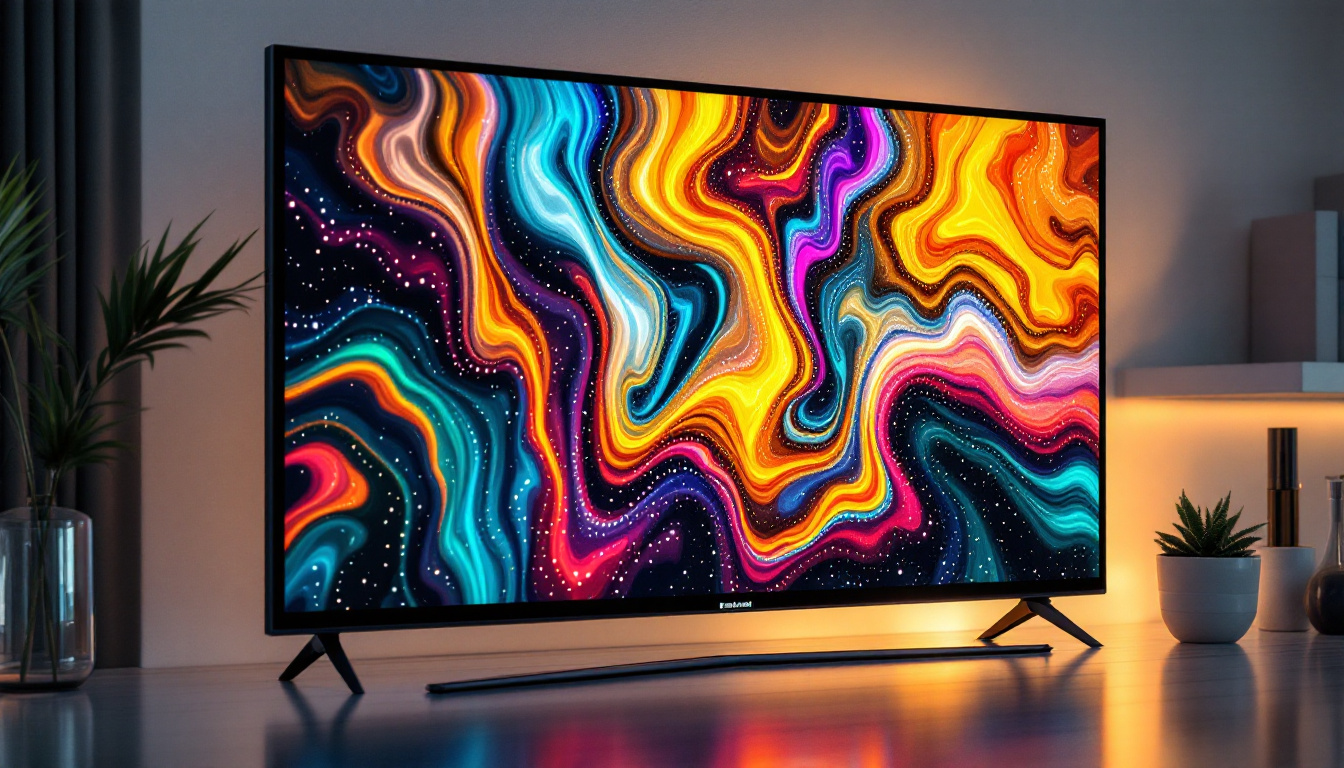
Televisions have also embraced LED technology, with 4K and 8K LED TVs becoming more affordable and widespread. The combination of miniLED backlighting and high resolution delivers stunning picture quality suitable for home theaters and gaming setups.
Commercial and Industrial Displays
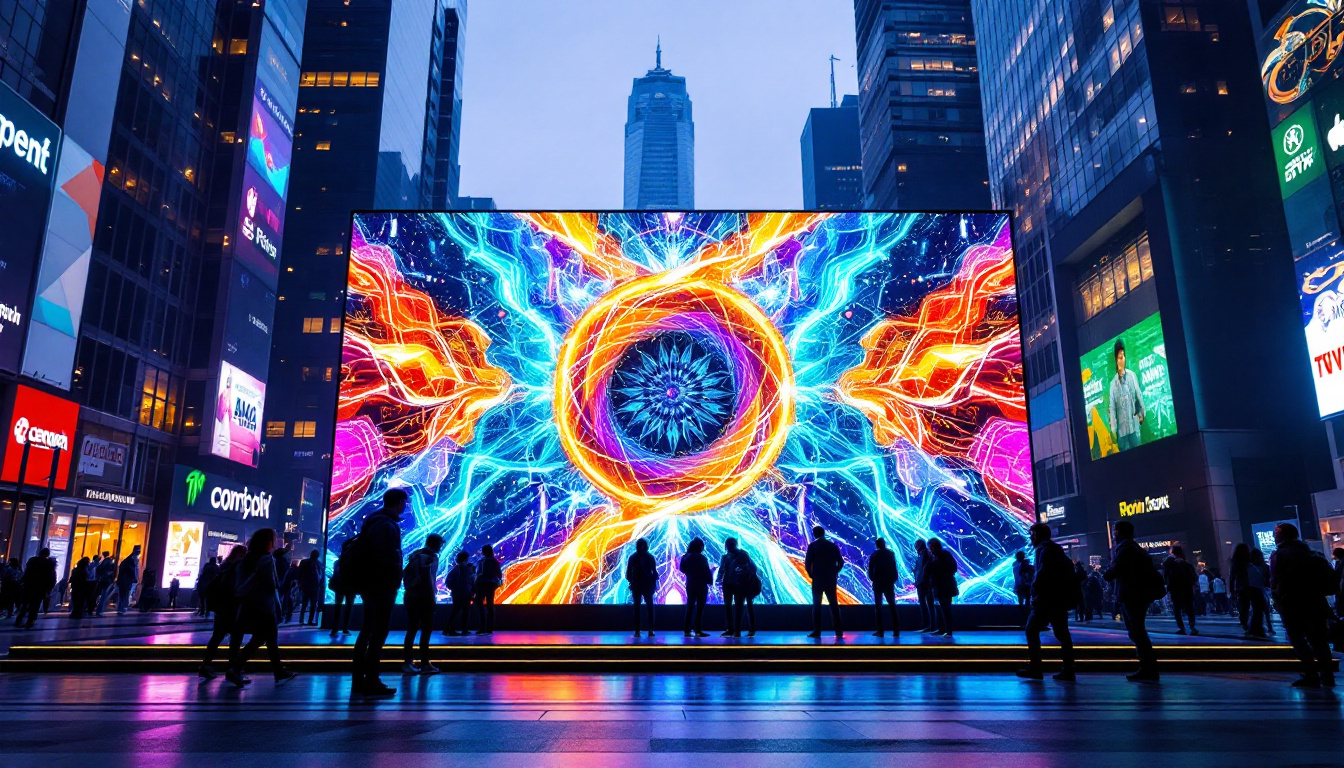
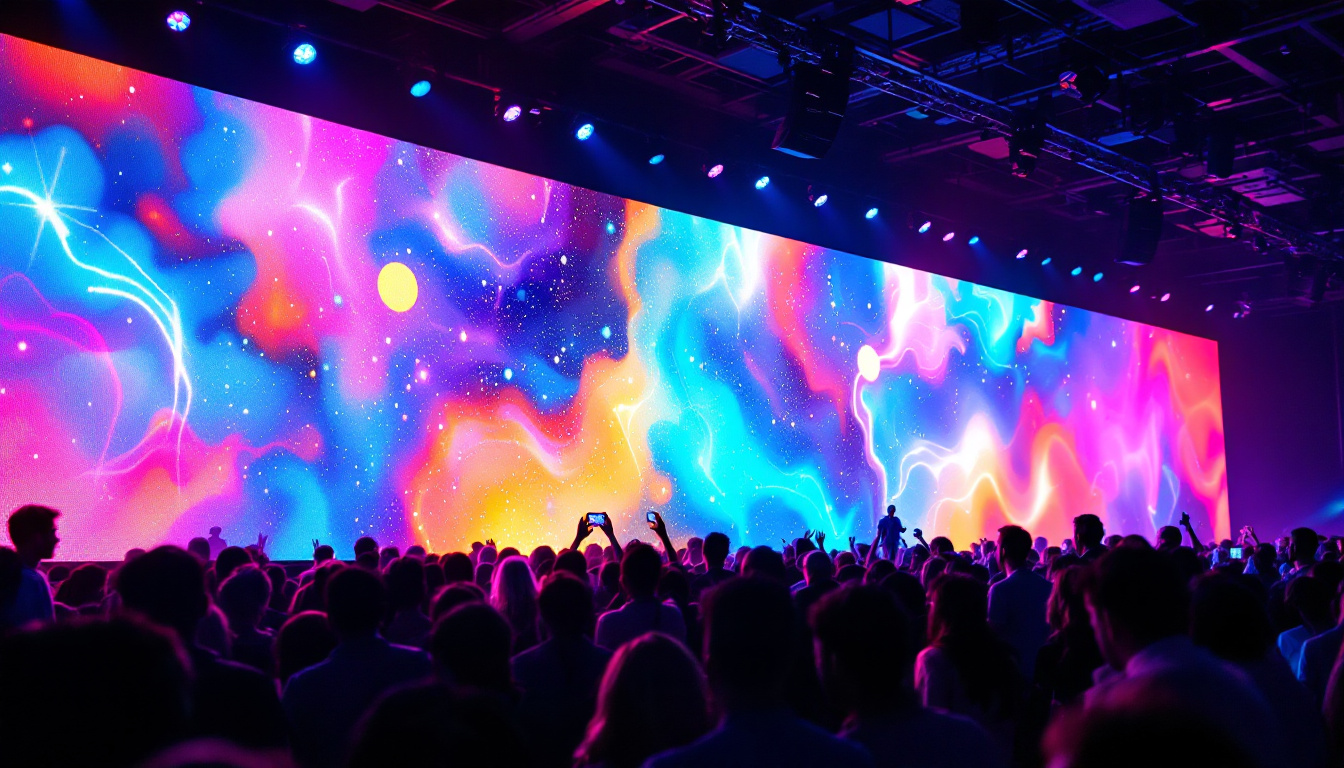
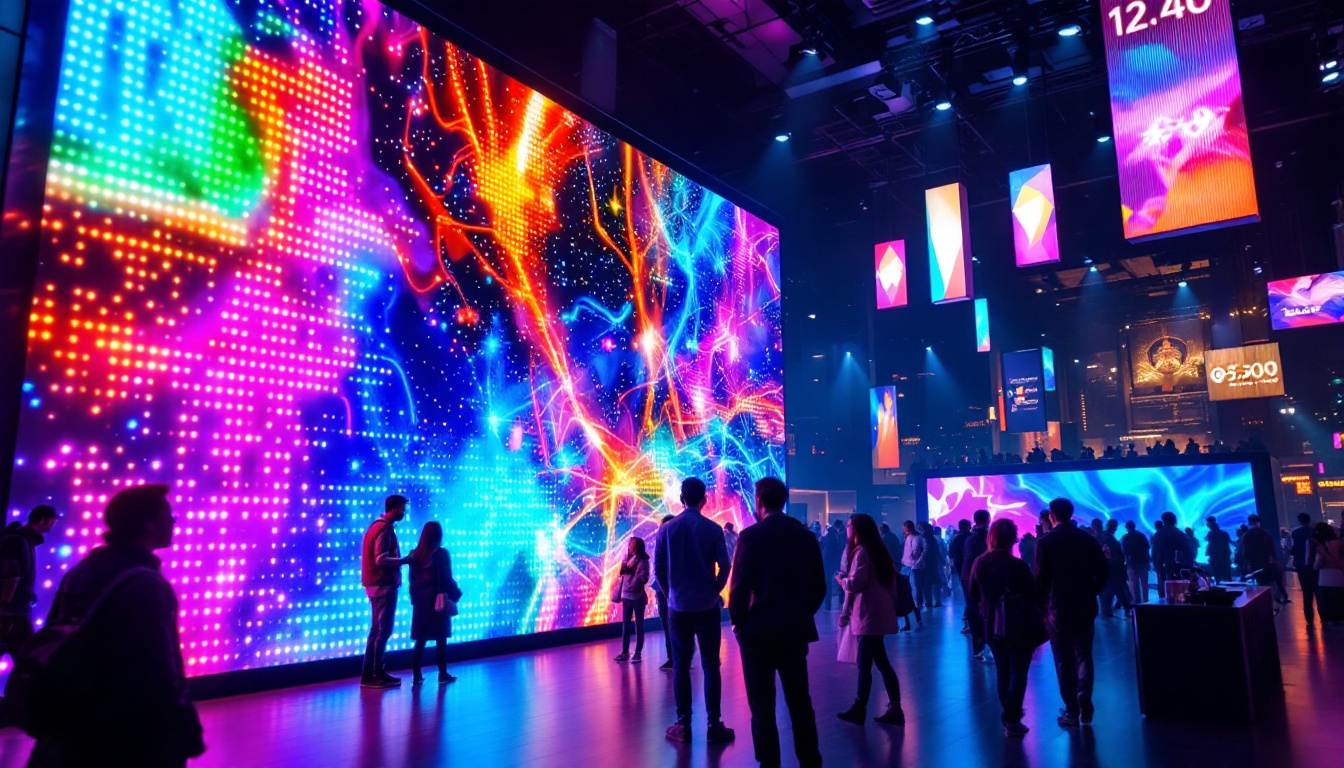
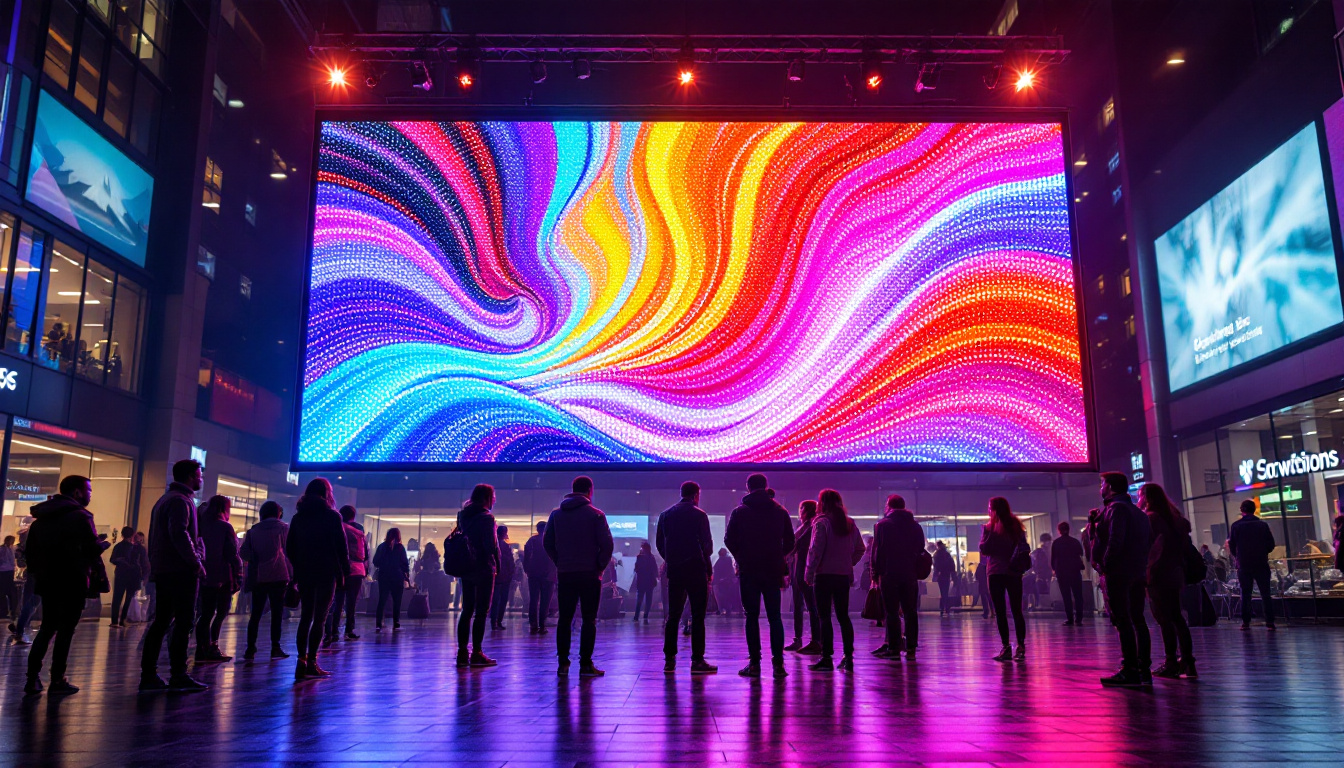
High-resolution LED video walls are common in stadiums, airports, and shopping malls, where visibility from a distance and image clarity are paramount. For example, the AT&T Stadium in Texas features a massive 4K LED screen with a pixel pitch of just a few millimeters, providing spectators with crystal-clear visuals even from the farthest seats.
In control rooms and broadcast studios, ultra-high-resolution LED displays facilitate detailed monitoring and real-time data visualization, improving operational efficiency and decision-making.
Emerging Technologies and Future Trends
Virtual reality (VR) and augmented reality (AR) devices demand extremely high-resolution displays to create immersive experiences without visual artifacts. MicroLED technology is poised to play a significant role here due to its brightness, efficiency, and scalability.
Flexible and transparent LED displays are also emerging, enabling new form factors like rollable TVs and heads-up displays in vehicles. These innovations will rely heavily on advancements in LED miniaturization and resolution enhancement.
Challenges and Considerations in High-Resolution LED Displays
Manufacturing Complexity and Cost
Producing high-resolution LED displays involves precise placement of millions of tiny LEDs, which can be costly and technically challenging. Yield rates during manufacturing can impact prices, especially for cutting-edge microLED panels.
However, as production techniques improve and economies of scale are achieved, costs are expected to decrease, making these displays more accessible to a broader market.
Heat Management and Power Consumption
Higher resolution screens with dense LED arrays generate more heat, which must be managed effectively to maintain performance and longevity. Advanced cooling solutions and energy-efficient LED designs are critical to addressing these issues.
Power consumption is another consideration, especially for portable devices where battery life is paramount. Innovations in LED efficiency help balance brightness and resolution with energy use.
Compatibility and Content Availability
To fully benefit from higher resolution screens, content must be created or upscaled to match the display’s capabilities. This includes video, images, and user interfaces optimized for ultra-high resolutions.
Standards and software support also play a role in ensuring seamless integration of high-resolution LED displays across different platforms and devices.
Conclusion: The Future of High-Resolution LED Displays
LED technology continues to drive the evolution of higher resolution screens, delivering unparalleled image quality across a wide range of applications. From consumer electronics to large-scale commercial installations, the advancements in miniLED and microLED technologies promise brighter, sharper, and more energy-efficient displays.
As manufacturing challenges are overcome and costs decline, high-resolution LED displays will become increasingly prevalent, transforming how people interact with digital content. For businesses and consumers alike, understanding the capabilities and benefits of LED displays is essential to making informed decisions in today’s rapidly advancing visual technology landscape.
Discover the Future of Visual Technology with LumenMatrix
Ready to experience the next level of visual engagement? LumenMatrix is at the forefront of transforming digital interactions with our comprehensive range of LED display solutions. From captivating Indoor LED Wall Displays to dynamic Outdoor LED Wall Displays, and from versatile Vehicle LED Displays to innovative Custom LED Displays, we have the technology to bring your vision to life. Embrace the future with our All-in-One LED Displays and LED Transparent Displays, designed to deliver your message with unparalleled impact and clarity. Don’t just take our word for it; check out LumenMatrix LED Display Solutions today and see how we can illuminate your world.