In the evolving world of digital displays and high-performance computing, connectivity standards play a crucial role in delivering crisp visuals and smooth performance. Among these standards, DisplayPort 1.4 stands out as a significant advancement, especially when paired with LED display technology. This article delves into the intricacies of DisplayPort 1.4 ports, their capabilities, and how they enhance LED displays for a wide range of applications—from gaming and professional graphics to everyday computing.
Understanding DisplayPort 1.4: A Technical Overview
DisplayPort is a digital display interface developed by the Video Electronics Standards Association (VESA). Since its inception, it has become a preferred choice for high-resolution monitors and advanced display setups. DisplayPort 1.4, released in 2016, builds on previous versions by introducing features that support higher bandwidth, better color accuracy, and improved refresh rates.
Key Features of DisplayPort 1.4
DisplayPort 1.4 supports a maximum bandwidth of 32.4 Gbps, enabling it to handle resolutions up to 8K (7680 × 4320) at 60 Hz with HDR (High Dynamic Range). It also supports 4K resolution at up to 120 Hz, making it ideal for gamers and professionals who demand fluid motion and detailed visuals.
One of the standout features is Display Stream Compression 1.2 (DSC), a visually lossless compression technology that allows for higher resolutions and refresh rates without increasing bandwidth requirements. This is particularly important for LED displays, which benefit from high pixel density and color fidelity. DSC ensures that users can enjoy stunning visuals without the drawbacks of increased latency or reduced image quality, making it a game changer for both gaming and professional applications.
Compatibility and Cable Considerations
DisplayPort 1.4 is backward compatible with earlier versions, ensuring it works seamlessly with existing hardware. However, to fully leverage its capabilities, users must use certified DisplayPort 1.4 cables. These cables support the higher data rates and ensure stable signal transmission, minimizing issues like flickering or signal dropouts. Additionally, the use of active adapters can further enhance compatibility with HDMI or DVI displays, allowing users to connect a wide range of devices without sacrificing performance.
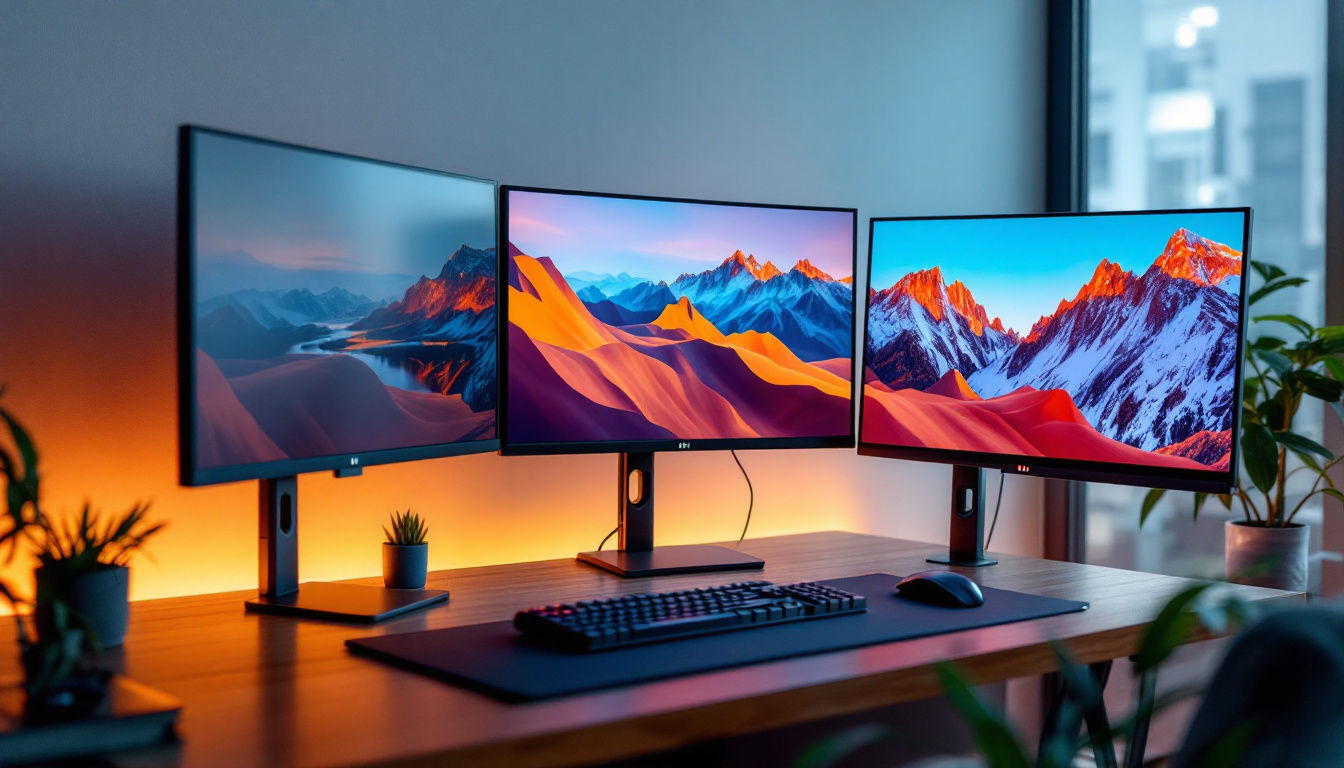
Moreover, DisplayPort 1.4 introduces Multi-Stream Transport (MST), which allows multiple displays to be connected through a single DisplayPort output. This feature is particularly beneficial for professionals who utilize multi-monitor setups for enhanced productivity or immersive gaming experiences. By daisy-chaining monitors, users can create expansive workspaces or gaming environments, all while maintaining high-quality visuals and smooth performance. This capability, combined with the high bandwidth and advanced features of DisplayPort 1.4, positions it as a leading choice for modern display technology.
The Role of DisplayPort 1.4 in LED Display Technology
LED displays have become ubiquitous due to their energy efficiency, brightness, and color accuracy. When paired with DisplayPort 1.4, these displays can achieve new heights in image quality and performance.
Enhanced Color Depth and HDR Support
DisplayPort 1.4 supports up to 10-bit color depth per channel, which translates to over 1 billion colors. This capability is essential for LED displays used in professional photo and video editing, where color accuracy is paramount. Additionally, the support for HDR10 and Dolby Vision standards means that LED displays can render scenes with greater contrast and detail, making images more lifelike. The increased dynamic range allows for deeper blacks and brighter whites, enhancing the viewing experience whether one is watching a blockbuster film or editing a high-resolution photograph. This level of detail is especially beneficial in environments where color grading and precision are critical, such as in film production studios or graphic design firms.
High Refresh Rates for Smooth Visuals
For gamers and video editors, refresh rate is a critical factor. DisplayPort 1.4’s ability to support 4K at 120 Hz or 8K at 60 Hz ensures that LED displays can deliver smooth motion without tearing or stuttering. This is particularly beneficial for fast-paced gaming or high-frame-rate video playback, where every millisecond counts. The increased refresh rates not only enhance the gaming experience but also reduce motion blur, allowing for clearer visuals during rapid movements. This is crucial in competitive gaming scenarios, where split-second decisions can determine the outcome of a match. Furthermore, the low latency associated with DisplayPort 1.4 makes it an ideal choice for eSports enthusiasts who demand the best performance from their setups.
Multi-Stream Transport (MST) for Multi-Display Setups
Another advantage of DisplayPort 1.4 is its support for Multi-Stream Transport, which allows multiple displays to be connected through a single port. This feature is invaluable for professionals who require expansive desktop real estate, such as financial analysts, designers, and content creators. MST enables daisy-chaining of LED monitors, reducing cable clutter and simplifying workspace organization. With the ability to connect up to four 1080p displays or two 4K displays through a single connection, users can create a highly productive multi-monitor setup that enhances workflow and efficiency. This is particularly advantageous in industries where multitasking is essential, allowing users to keep multiple applications open and visible simultaneously, thereby streamlining their processes and improving overall productivity.
Future-Proofing with DisplayPort 1.4
As technology continues to advance, DisplayPort 1.4 serves as a future-proof solution for LED display technology. With support for higher resolutions and refresh rates, it ensures compatibility with upcoming devices and content formats. This forward-thinking approach is particularly important as 8K content becomes more prevalent and as virtual reality applications demand higher performance standards. Additionally, the enhanced bandwidth provided by DisplayPort 1.4 allows for the transmission of uncompressed audio and video, ensuring that users can enjoy high-quality sound alongside stunning visuals. As the demand for immersive experiences grows, DisplayPort 1.4 positions itself as a key player in the evolution of display technology, paving the way for innovations that will shape the future of multimedia consumption.
Practical Applications and Use Cases
The capabilities of DisplayPort 1.4 combined with LED technology have broad implications across different sectors. Understanding these applications can help users make informed decisions when selecting hardware for specific needs.
Gaming and Entertainment
Modern gaming demands high resolution, rapid refresh rates, and accurate color reproduction—all areas where DisplayPort 1.4 excels. Many gaming monitors now feature DisplayPort 1.4 ports to support 4K at 120 Hz or 1440p at even higher refresh rates. LED displays with these specifications provide immersive gaming experiences with vibrant visuals and minimal latency.
Additionally, HDR support enhances visual storytelling in games and movies, delivering deeper blacks and brighter highlights that bring scenes to life. Competitive gamers, in particular, benefit from the low latency and high bandwidth of DisplayPort 1.4, which can provide a competitive edge.
Professional Content Creation
Content creators working in photography, video editing, and 3D modeling require displays that can reproduce colors accurately and handle high resolutions. DisplayPort 1.4’s support for 10-bit color and HDR makes it an excellent choice for LED monitors used in these fields.
Moreover, the ability to connect multiple monitors via MST allows professionals to expand their workspace efficiently. This setup can improve productivity by enabling simultaneous editing, previewing, and referencing across several screens.
Corporate and Productivity Environments
In office settings, DisplayPort 1.4 facilitates multi-monitor setups that enhance multitasking and workflow management. LED displays connected through DisplayPort 1.4 offer crisp text rendering and consistent color, reducing eye strain during long work hours.
Furthermore, the energy efficiency of LED displays combined with the advanced capabilities of DisplayPort 1.4 aligns with corporate sustainability goals, helping organizations reduce their environmental footprint.
Comparing DisplayPort 1.4 with Other Display Standards
While DisplayPort 1.4 is a powerful interface, it is essential to understand how it compares to other prevalent standards like HDMI 2.1 and USB-C with DisplayPort Alternate Mode.
DisplayPort 1.4 vs. HDMI 2.1
HDMI 2.1, released around the same time as DisplayPort 1.4, also supports 8K resolution and high refresh rates. However, DisplayPort 1.4 generally offers higher bandwidth efficiency and better support for MST, making it more suitable for multi-monitor setups.
HDMI 2.1 is more common in consumer electronics like TVs and gaming consoles, whereas DisplayPort 1.4 is favored in PC monitors and professional environments. For users prioritizing multi-display configurations and precise color management, DisplayPort 1.4 remains the preferred choice.
DisplayPort 1.4 and USB-C with DisplayPort Alternate Mode
USB-C ports that support DisplayPort Alternate Mode allow video output through a single, versatile connector. This integration simplifies cable management, especially for laptops and mobile devices. DisplayPort 1.4 can be transmitted over USB-C, enabling high-resolution and high-refresh-rate displays without dedicated DisplayPort connectors.
This convergence benefits users who require portability without sacrificing display performance, such as remote workers and digital nomads.
Future Outlook: DisplayPort 2.0 and Beyond
While DisplayPort 1.4 remains highly relevant, the industry is already moving towards DisplayPort 2.0, which promises even greater bandwidth—up to 80 Gbps. This leap will support 16K resolution and higher refresh rates, pushing the boundaries of what LED displays can achieve.
However, DisplayPort 1.4 will continue to be a staple for many years due to its widespread adoption and compatibility. Understanding its features and benefits is essential for anyone looking to optimize their display setup today.
Conclusion
DisplayPort 1.4 ports represent a critical advancement in display technology, enabling LED displays to deliver stunning visuals with high resolution, color accuracy, and refresh rates. Its support for HDR, Multi-Stream Transport, and Display Stream Compression make it a versatile and powerful interface suitable for gaming, professional content creation, and productivity environments.
Choosing the right display connection can significantly impact user experience, and DisplayPort 1.4 offers a compelling combination of performance and flexibility. As display technology continues to evolve, understanding the capabilities of standards like DisplayPort 1.4 ensures users can make informed decisions that meet their current and future needs.
Explore Cutting-Edge LED Displays with LumenMatrix
Ready to experience the ultimate visual performance that keeps pace with the latest advancements in display technology? LumenMatrix is at the forefront of LED display innovation, offering a wide array of solutions tailored to your unique needs. From captivating Indoor LED Walls to dynamic Outdoor LED Displays, and from versatile Vehicle LED Displays to sleek LED Posters, our products are designed to make your message resonate with brilliance and clarity. Elevate your space with our LED Sports Displays, Floor LEDs, Custom configurations, All-in-One solutions, or Transparent Displays. Don’t just take our word for it; check out LumenMatrix LED Display Solutions today and see how we’re revolutionizing visual communication for businesses like yours.