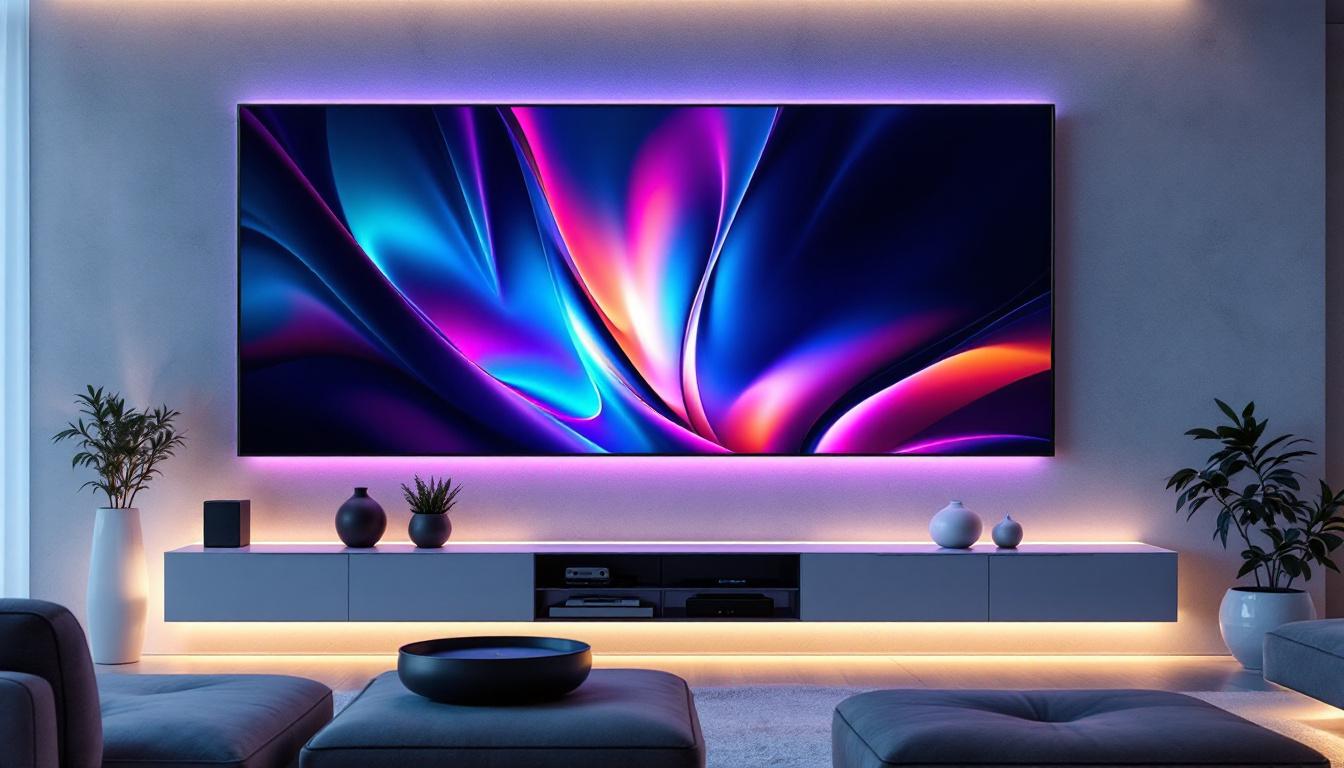
In the rapidly evolving world of digital displays, LED technology has emerged as a dominant force, especially when it comes to TV walls. Whether in corporate lobbies, control rooms, broadcast studios, or retail environments, LED displays have transformed the way visual content is presented, offering unparalleled brightness, flexibility, and scalability. This article delves into the background of TV walls, focusing on LED displays, their technology, benefits, and applications, to provide a comprehensive understanding of why LED is the preferred choice for modern video walls.
Understanding TV Walls and Their Evolution
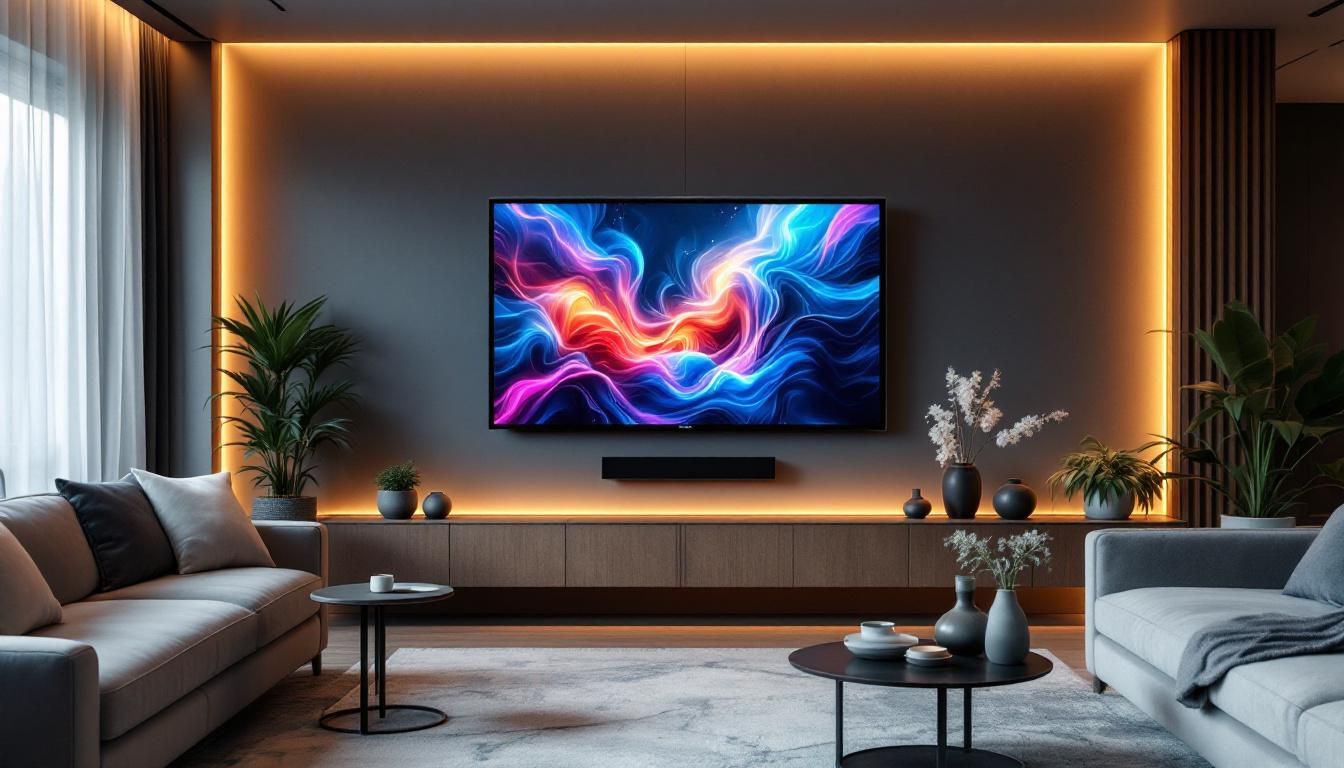
A TV wall, also known as a video wall, is a large display surface composed of multiple screens tiled together to form one cohesive image or multiple images. These walls are designed to provide a high-impact visual experience that surpasses what a single screen can offer. Over the past few decades, TV walls have evolved from bulky cathode ray tube (CRT) units to sleek, high-resolution flat panels.
The transition to flat-panel technologies such as LCD and LED has been pivotal. While LCD video walls gained popularity due to their affordability and availability, they faced limitations in brightness, viewing angle, and bezel size—the black borders around each screen that disrupt the seamlessness of the image. This is where LED technology has made significant strides, offering solutions that overcome these challenges.
The Rise of LED Technology in Video Walls
LED, or Light Emitting Diode, technology uses tiny light sources to create images. Unlike LCD panels, which rely on backlighting and liquid crystals to produce images, LED displays are self-illuminating. This fundamental difference allows LED video walls to achieve higher brightness levels, better contrast ratios, and more vibrant colors.
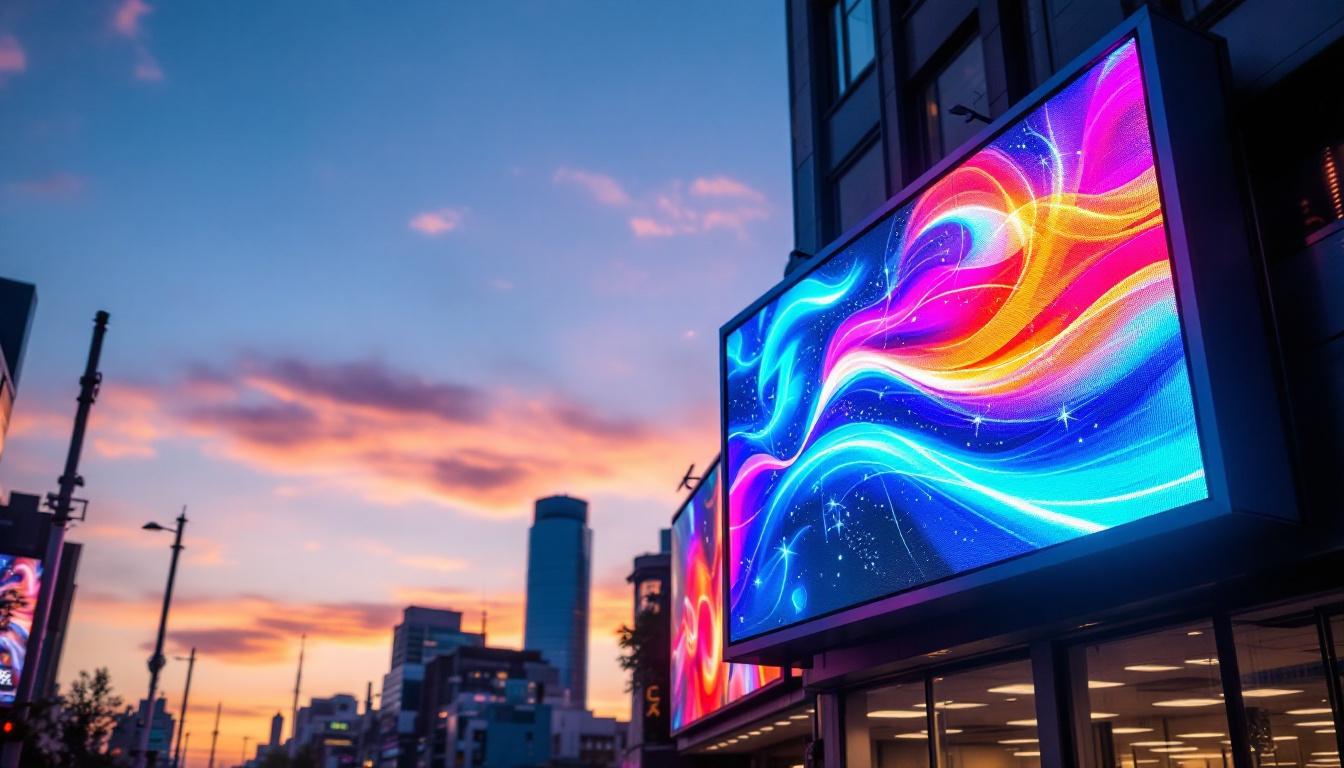
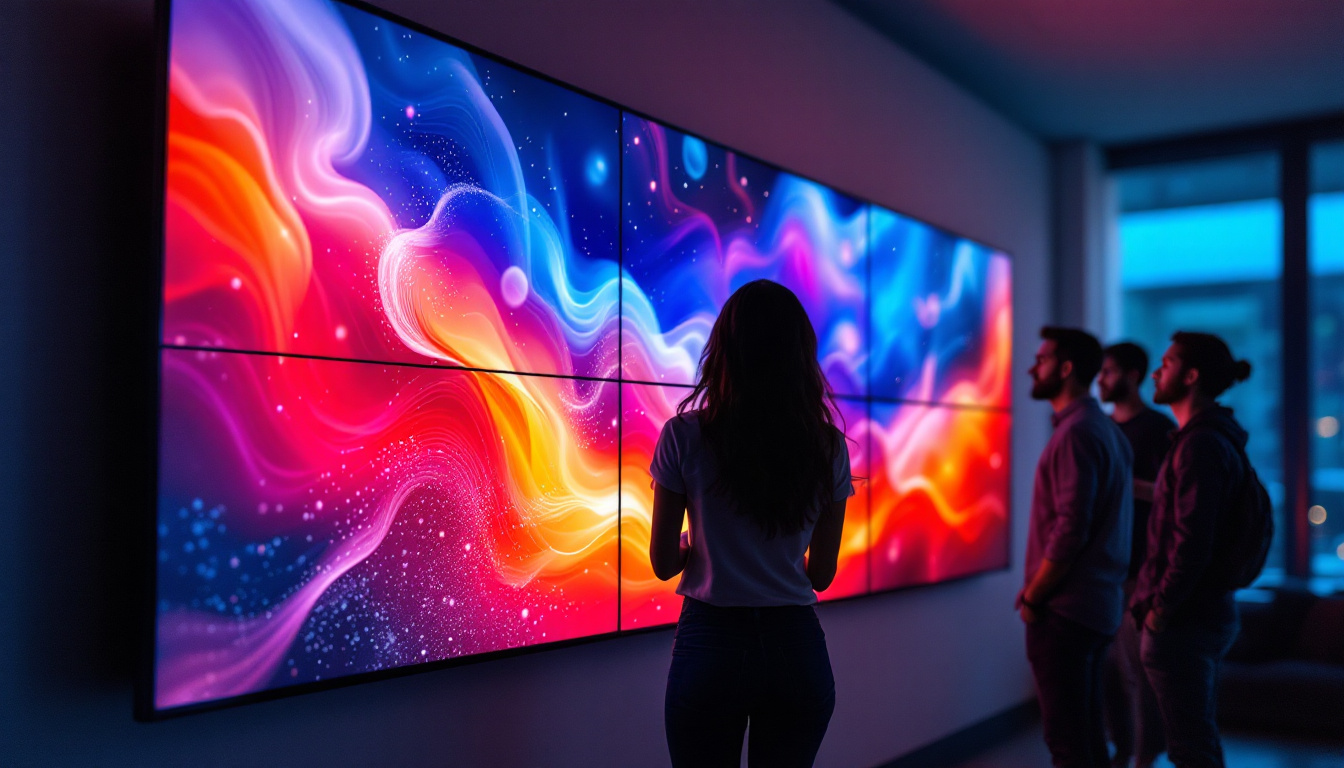
Modern LED video walls are composed of modular panels that can be configured to virtually any size and shape. This flexibility has made them highly attractive for diverse applications, from massive outdoor billboards to intricate indoor installations. The seamless design, with minimal bezels or even bezel-less options, enhances the viewing experience, making LED video walls ideal for environments where visual impact is critical.
How LED Displays Work: The Technology Behind the Brilliance
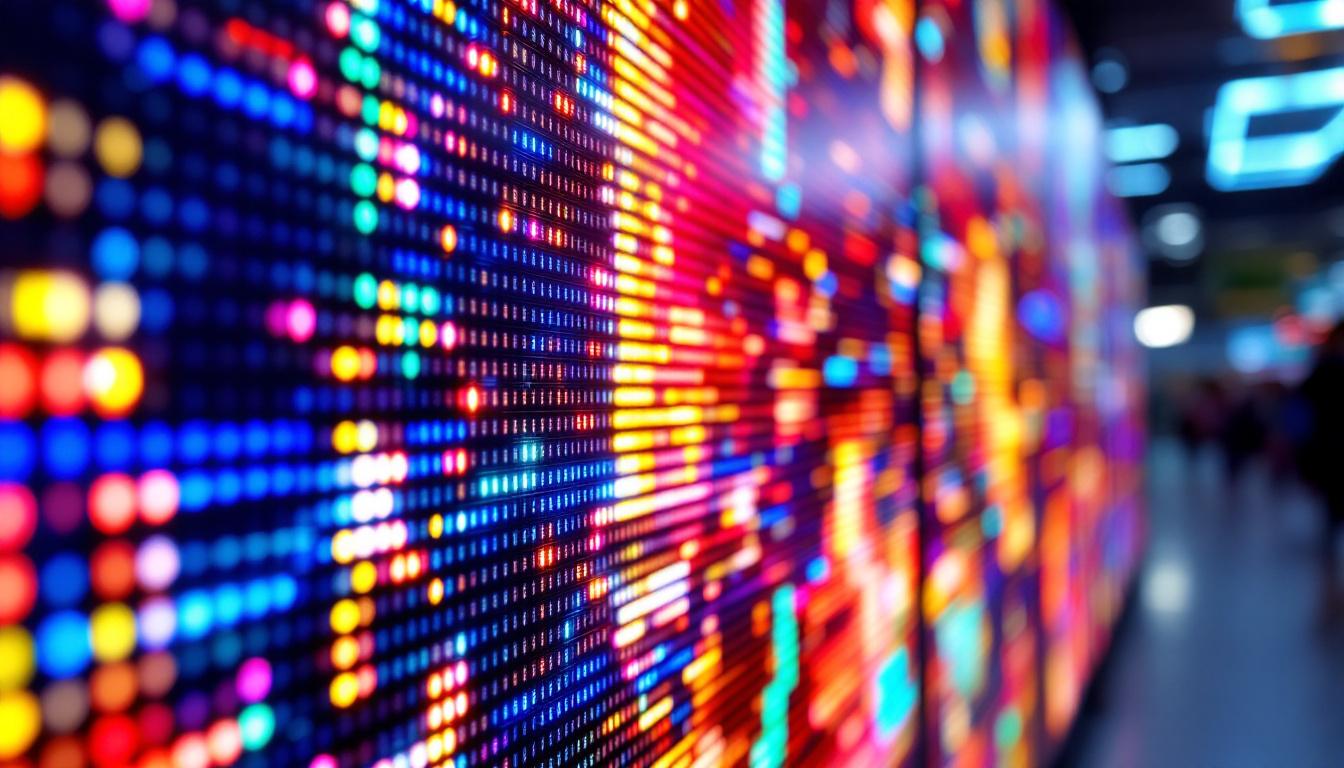
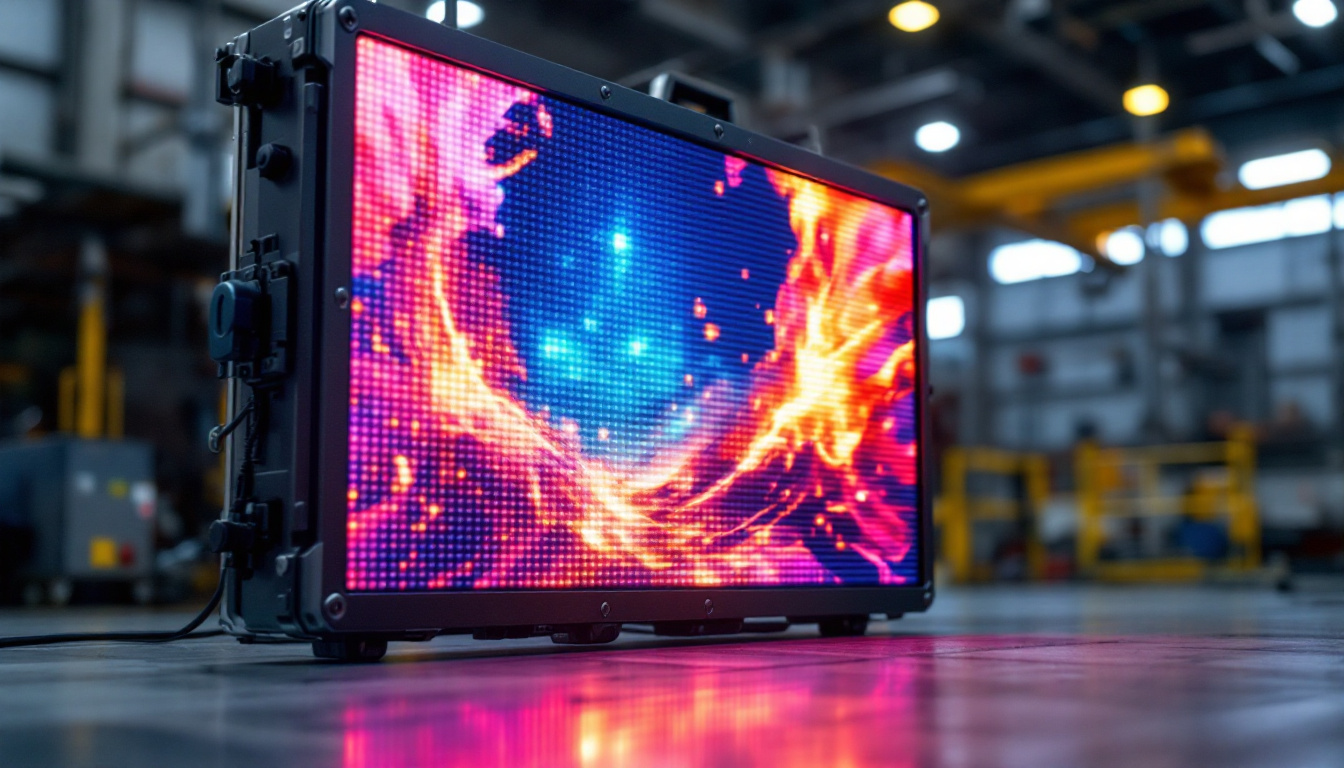
To appreciate the advantages of LED displays in TV walls, it is essential to understand how they function. At the core of an LED display are thousands to millions of tiny LEDs arranged in a grid. Each LED acts as a pixel or part of a pixel, emitting light directly to form images.
Types of LED Displays: Direct View vs. LED-Backlit LCD
It is important to distinguish between two common uses of LED in displays. The first is direct-view LED (DVLED) displays, where the LEDs themselves create the image. The second is LED-backlit LCD screens, where LEDs provide backlighting behind an LCD panel.
For TV walls, direct-view LED displays are the standard because they offer superior brightness, contrast, and viewing angles. LED-backlit LCDs, while common in consumer TVs and monitors, do not provide the same level of performance when scaled up for video walls.
Pixel Pitch and Resolution
One of the critical specifications in LED video walls is pixel pitch, which refers to the distance between the centers of two adjacent LEDs. Measured in millimeters, pixel pitch determines the resolution and viewing distance of the display. A smaller pixel pitch means more LEDs per unit area, resulting in higher resolution and sharper images, suitable for close-up viewing.
For example, a pixel pitch of 1.2mm is considered ultra-fine and is often used in indoor environments where viewers are close to the screen. Larger pixel pitches, such as 6mm or 10mm, are common in outdoor displays where viewers are farther away. Selecting the appropriate pixel pitch is crucial to balancing image quality and cost.
Brightness and Contrast
LED displays are renowned for their brightness, often reaching levels of 1,000 nits or more for indoor models and exceeding 5,000 nits for outdoor installations. This high brightness ensures visibility even in brightly lit environments or direct sunlight, a significant advantage over traditional LCD video walls.
Contrast ratio is another vital factor, representing the difference between the darkest black and the brightest white the display can produce. Direct-view LED displays typically offer superior contrast ratios because LEDs can be turned off individually to create true blacks, enhancing image depth and realism.
Advantages of LED Video Walls Over Traditional Displays
LED video walls offer numerous benefits that make them the preferred choice for many applications. Understanding these advantages helps explain why businesses and organizations invest in LED technology for their TV walls.
Seamless and Scalable Design
Traditional LCD video walls suffer from visible bezels that interrupt the image. Although manufacturers have reduced bezel sizes over the years, they cannot be eliminated entirely. LED video walls, especially those with micro-LED or fine-pitch technology, can achieve near-seamless displays, creating a more immersive viewing experience.
Additionally, LED panels are modular and scalable. This means video walls can be customized to fit any space, from small conference rooms to massive stadium screens. Panels can be added or removed as needed, providing flexibility for future upgrades or reconfigurations.
Durability and Longevity
LED displays are built to withstand various environmental conditions. Outdoor LED video walls are weatherproof, resistant to dust and moisture, and can operate in a wide temperature range. This durability translates to lower maintenance costs and longer operational life compared to other display technologies.
Moreover, LED displays have a long lifespan, often rated between 50,000 to 100,000 hours of operation. This means a well-maintained LED video wall can last over a decade, making it a cost-effective investment in the long run.
Energy Efficiency
Despite their high brightness, LED displays are energy-efficient compared to older technologies. LEDs consume less power because they emit light directly and can be dimmed or turned off at the pixel level. This efficiency reduces operating costs and aligns with sustainability goals, an increasingly important consideration for businesses.
Applications of LED TV Walls Across Industries
LED video walls have found applications in a wide range of industries, each leveraging the technology’s unique strengths to meet specific needs.
Corporate and Control Rooms
In corporate environments, LED video walls are used for presentations, data visualization, and digital signage. The ability to display multiple sources simultaneously allows teams to monitor key performance indicators, collaborate effectively, and impress clients.
Control rooms, such as those in utilities, transportation, and security, rely on LED video walls for real-time monitoring. The high resolution and brightness ensure critical information is visible at all times, enhancing situational awareness and decision-making.
Broadcast and Entertainment
Broadcast studios use LED video walls as dynamic backdrops that can change instantly to suit different programs or events. The seamless design and vibrant colors contribute to engaging visual storytelling.
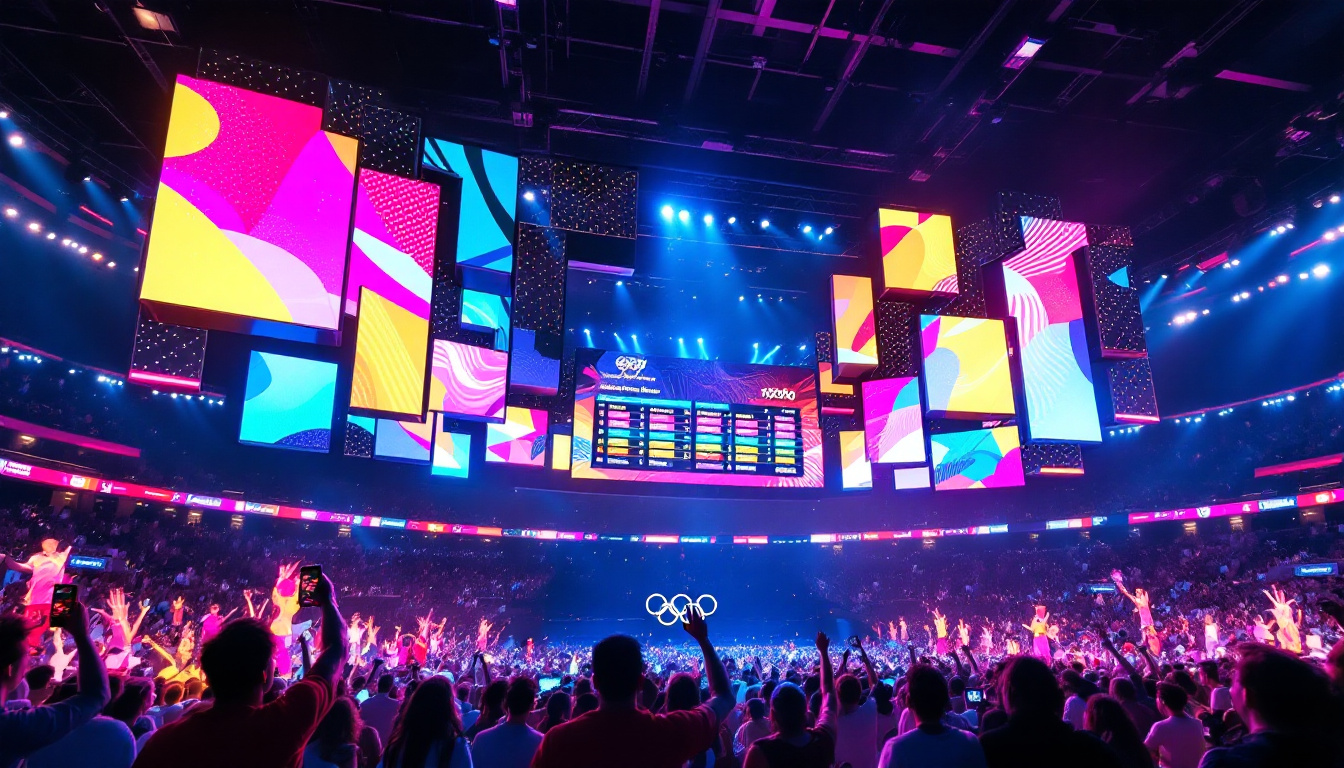
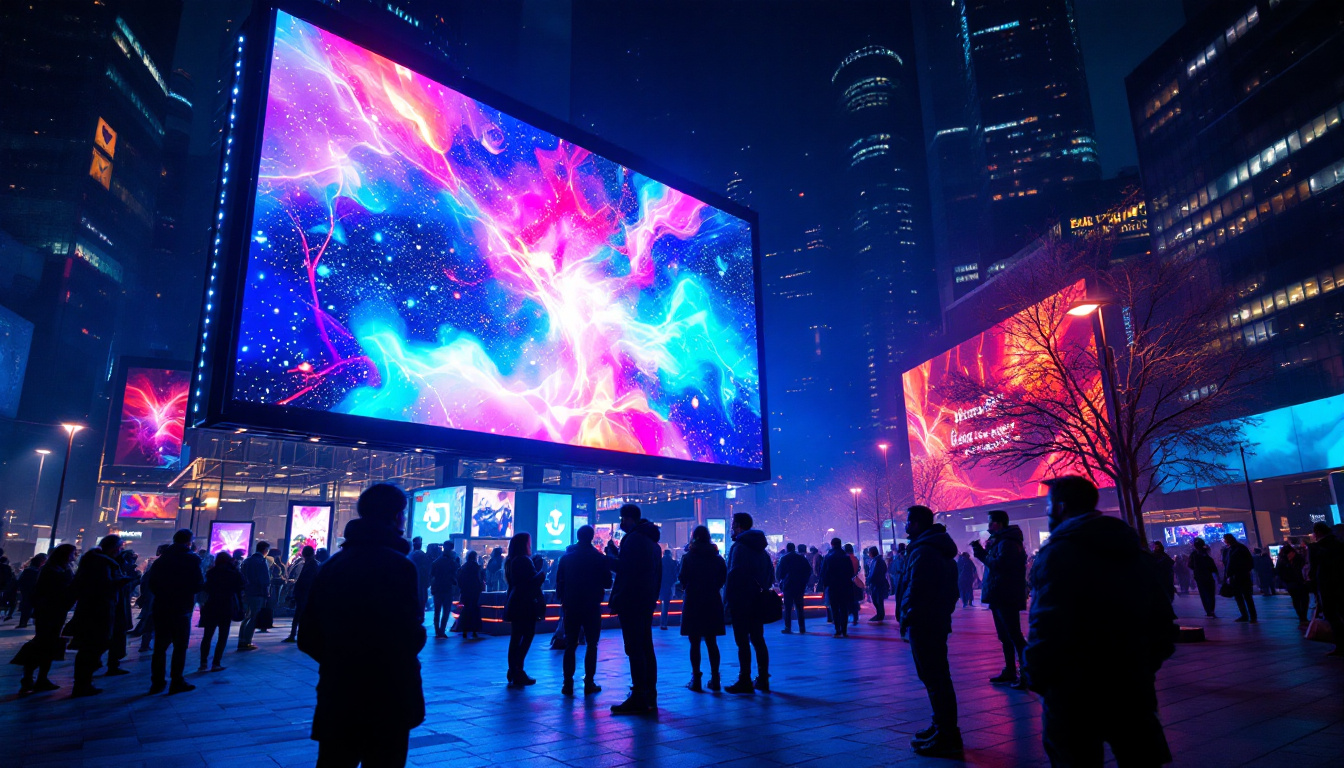
In entertainment venues, LED walls enhance concerts, theater productions, and sporting events by providing immersive visuals that captivate audiences. The scalability of LED displays allows for creative stage designs and large-scale installations.
Retail and Advertising
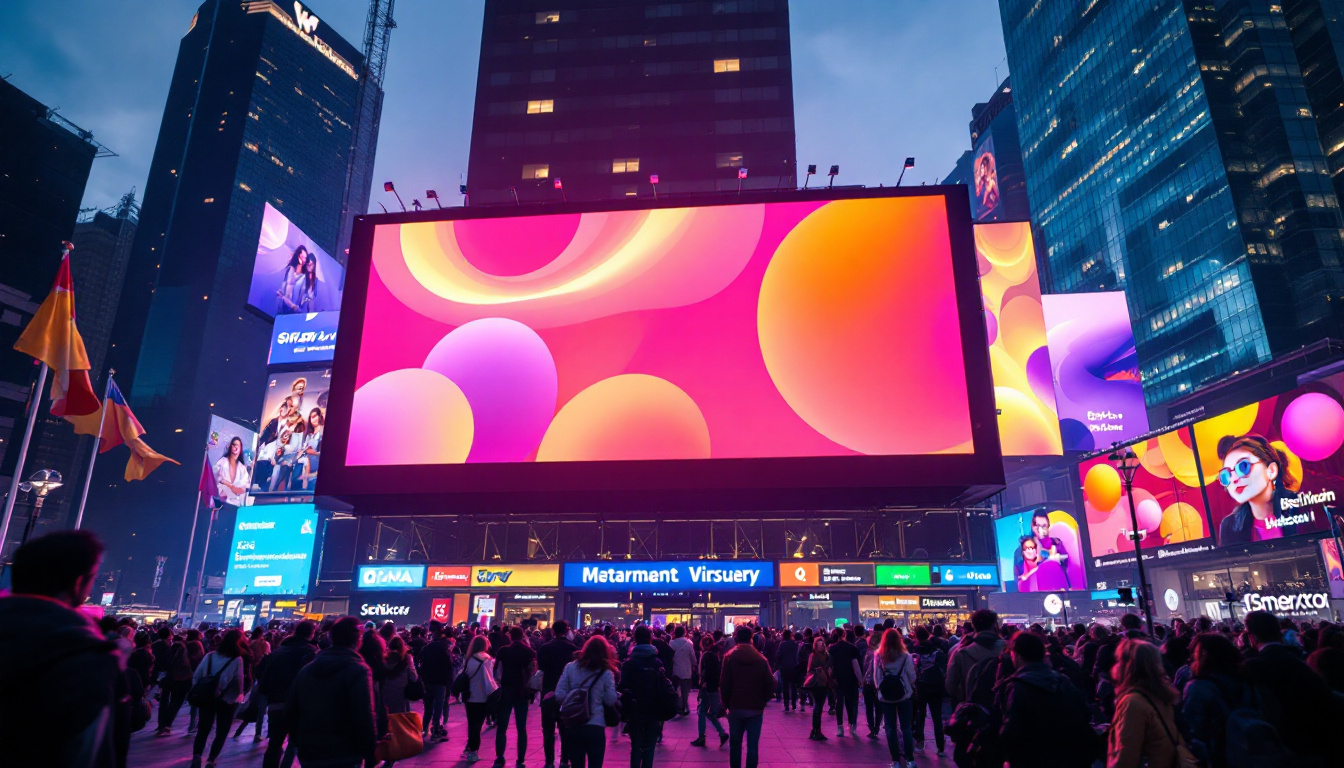
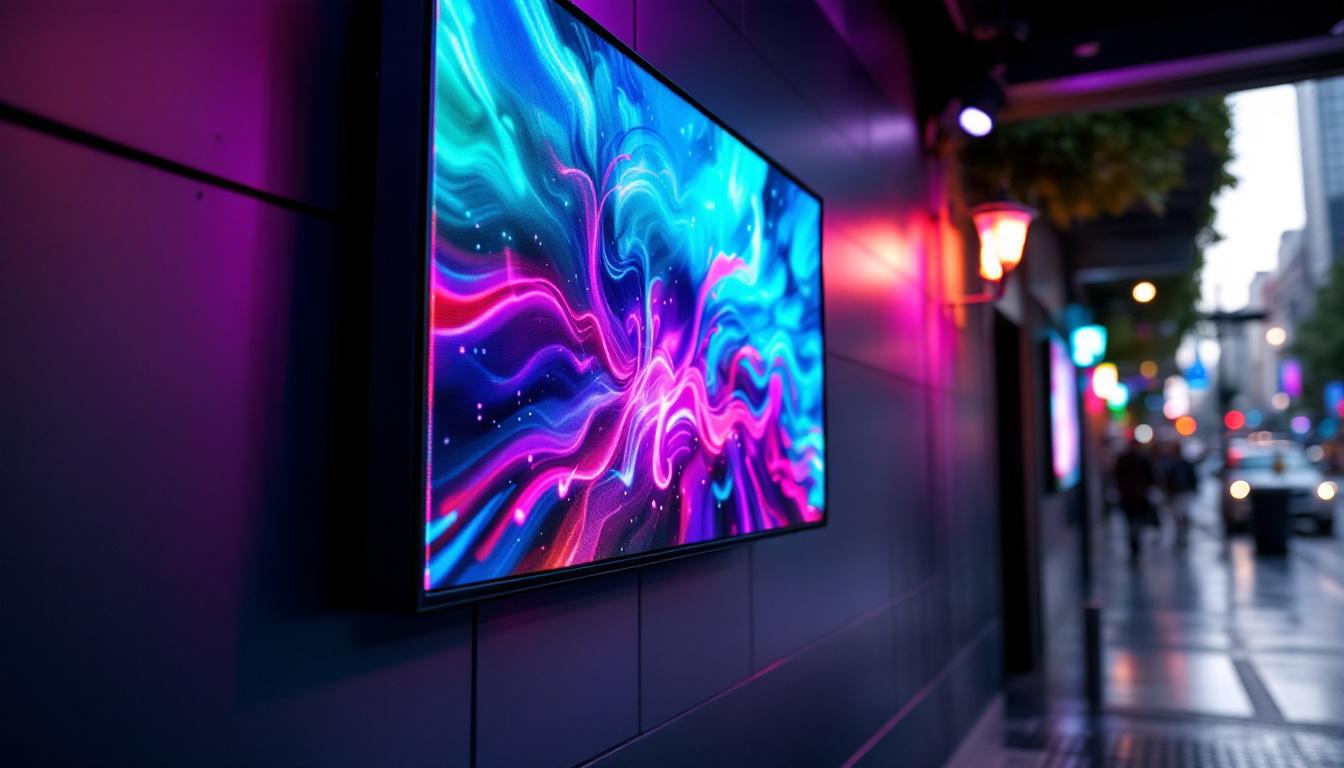
Retailers use LED video walls for digital signage that attracts customers and promotes products. The brightness and clarity of LED displays make advertisements stand out, even in busy or brightly lit environments.
Outdoor LED billboards have become a staple in advertising, offering dynamic content that can be updated remotely and tailored to different times of day or demographics.
Choosing the Right LED Video Wall for Your Needs
Selecting the appropriate LED video wall involves considering several factors to ensure the display meets the intended purpose and environment.
Location and Viewing Distance
The installation environment greatly influences the choice of pixel pitch and brightness. Indoor displays require finer pixel pitches for close viewing distances, while outdoor displays prioritize brightness and weather resistance.
Content and Resolution Requirements
The type of content to be displayed—whether high-definition video, detailed graphics, or text—determines the resolution needed. Higher resolution demands smaller pixel pitches and more advanced processing capabilities.
Budget and Maintenance Considerations
While LED video walls can be more expensive upfront than LCD alternatives, their durability and lower maintenance costs often justify the investment. It is important to factor in installation, calibration, and potential future upgrades when budgeting.
Future Trends in LED Video Wall Technology
The LED display industry continues to innovate, with several emerging trends set to shape the future of TV walls.
Micro-LED and Mini-LED Technologies
Micro-LED and mini-LED represent advancements that allow even smaller pixel pitches and better color accuracy. These technologies promise displays with higher resolution, improved energy efficiency, and longer lifespans, pushing the boundaries of what LED video walls can achieve.
Flexible and Transparent LED Displays
New form factors such as flexible and transparent LED panels are expanding design possibilities. These displays can curve around surfaces or be integrated into glass, opening up creative applications in architecture and retail.
Artificial Intelligence and Content Management
AI-driven content management systems are enhancing the functionality of LED video walls by enabling real-time content optimization, audience targeting, and interactive features. This integration makes LED walls not just display devices but intelligent communication platforms.
Conclusion
LED displays have revolutionized the concept of TV walls, offering unmatched brightness, flexibility, and visual impact. Their modular design, durability, and energy efficiency make them ideal for a wide range of applications, from corporate environments to outdoor advertising. Understanding the technology behind LED video walls and their advantages helps businesses and organizations make informed decisions when investing in digital display solutions.
As LED technology continues to advance, the future holds exciting possibilities for even more immersive and versatile video walls, ensuring that LED remains at the forefront of visual communication.
Discover the Future of Visual Communication with LumenMatrix
Ready to elevate your space with the most advanced LED display technology? LumenMatrix is at the forefront of creating immersive environments with our comprehensive range of LED solutions. From vibrant Indoor and Outdoor LED Wall Displays to innovative Custom and All-in-One LED Displays, our products are designed to captivate and engage. Experience the revolution in visual communication with LumenMatrix and transform your message into a powerful visual experience. Check out LumenMatrix LED Display Solutions and see the difference for yourself.