In the rapidly evolving world of digital signage and visual communication, LED displays have become a cornerstone technology. Among the many technical specifications that define LED screens, the term “105 pitch” often emerges as a critical factor influencing image quality, viewing distance, and overall display performance. This article delves into what 105 pitch means in the context of LED displays, why it matters, and how it compares to other pixel pitches. Whether you are a business owner, event organizer, or technology enthusiast, understanding this concept can help you make informed decisions when selecting LED display solutions.
Understanding Pixel Pitch in LED Displays
What is Pixel Pitch?
Pixel pitch refers to the distance between the centers of two adjacent pixels on an LED display, typically measured in millimeters. It is a fundamental specification that directly affects the resolution and clarity of the displayed image. The smaller the pixel pitch, the closer the pixels are to each other, resulting in a higher resolution and sharper image.
For example, a pixel pitch of 1.5 mm means that each pixel is 1.5 millimeters apart from its neighbor. In contrast, a pixel pitch of 10 mm means the pixels are spaced 10 millimeters apart, which generally leads to a less detailed image when viewed up close. This distinction is crucial for applications where image quality is paramount, such as in high-end video walls or immersive environments, where every detail counts.
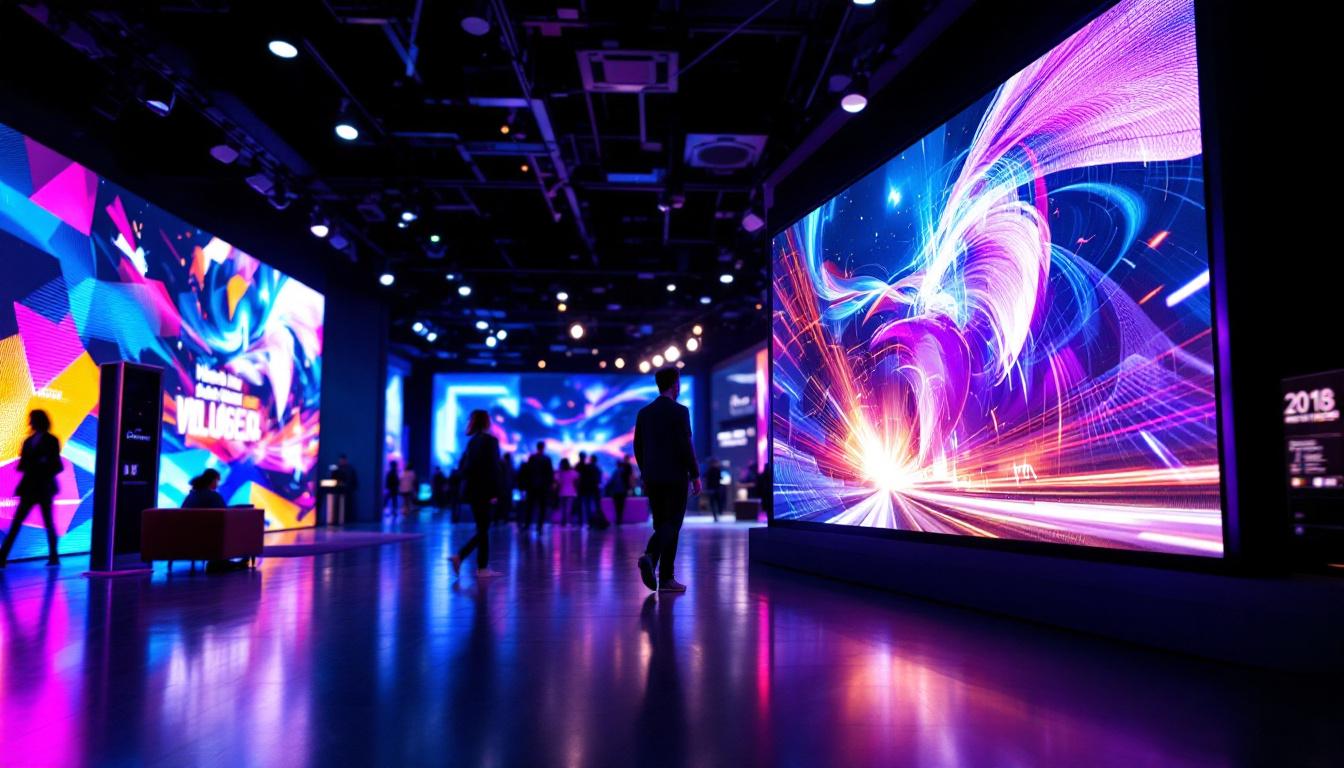
Moreover, pixel pitch not only influences resolution but also impacts the overall viewing experience. Displays with smaller pixel pitches can render finer details and smoother gradients, making them ideal for applications like digital art exhibitions or high-definition video presentations. In contrast, displays with larger pixel pitches might be more suited for simple graphics or text-based content, where high resolution is less critical.
Why Pixel Pitch Matters
The pixel pitch determines the optimal viewing distance for an LED display. Smaller pixel pitches are ideal for close-range viewing environments, such as retail stores, control rooms, or indoor advertising, where viewers are just a few feet away. Larger pixel pitches suit outdoor billboards or stadium screens, where viewers are much farther away. Understanding this relationship helps businesses and organizations select the right display for their specific needs, ensuring that the content is both engaging and effective.
Choosing the correct pixel pitch ensures that the image appears crisp and clear without visible pixelation or blurriness. It also influences the cost and power consumption of the display, as smaller pixel pitches require more LEDs per square meter, increasing manufacturing complexity and energy use. Additionally, smaller pixel pitches can lead to higher maintenance costs due to the increased number of components that may need servicing over time. Therefore, it is essential to consider not only the initial investment but also the long-term operational costs when selecting an LED display.
Furthermore, advancements in technology have led to the development of innovative pixel arrangements and materials that can enhance the performance of LED displays. For instance, some manufacturers are now using microLED technology, which allows for even smaller pixel pitches and improved brightness levels. This evolution in display technology is paving the way for new applications and experiences, such as augmented reality displays and high-resolution video conferencing systems, where clarity and detail are crucial for effective communication.
What Does 105 Pitch Mean?
Clarifying the Terminology
The term “105 pitch” in LED displays typically refers to a pixel pitch of 10.5 millimeters. This means the distance between the centers of adjacent pixels is 10.5 mm. Sometimes, this is abbreviated as “P10.5” or simply “10.5 mm pitch.”
This pixel pitch size is commonly used for outdoor LED displays, such as billboards, large advertising screens, and event backdrops, where viewers are generally positioned at a considerable distance from the screen.
Visual Characteristics of 10.5 mm Pixel Pitch
With a 10.5 mm pixel pitch, the LED display can deliver clear and vibrant images when viewed from approximately 10 to 30 meters away or more. At closer distances, individual pixels may become discernible, resulting in a less sharp image. However, for outdoor environments or large venues, this pixel pitch strikes a balance between visual quality and cost-effectiveness.
Because of the wider spacing between pixels, 10.5 mm pitch displays tend to have lower pixel density, which reduces the number of LEDs required per square meter. This translates into lower production costs and power consumption compared to displays with smaller pixel pitches.
Applications of 105 Pitch LED Displays
Outdoor Advertising and Billboards
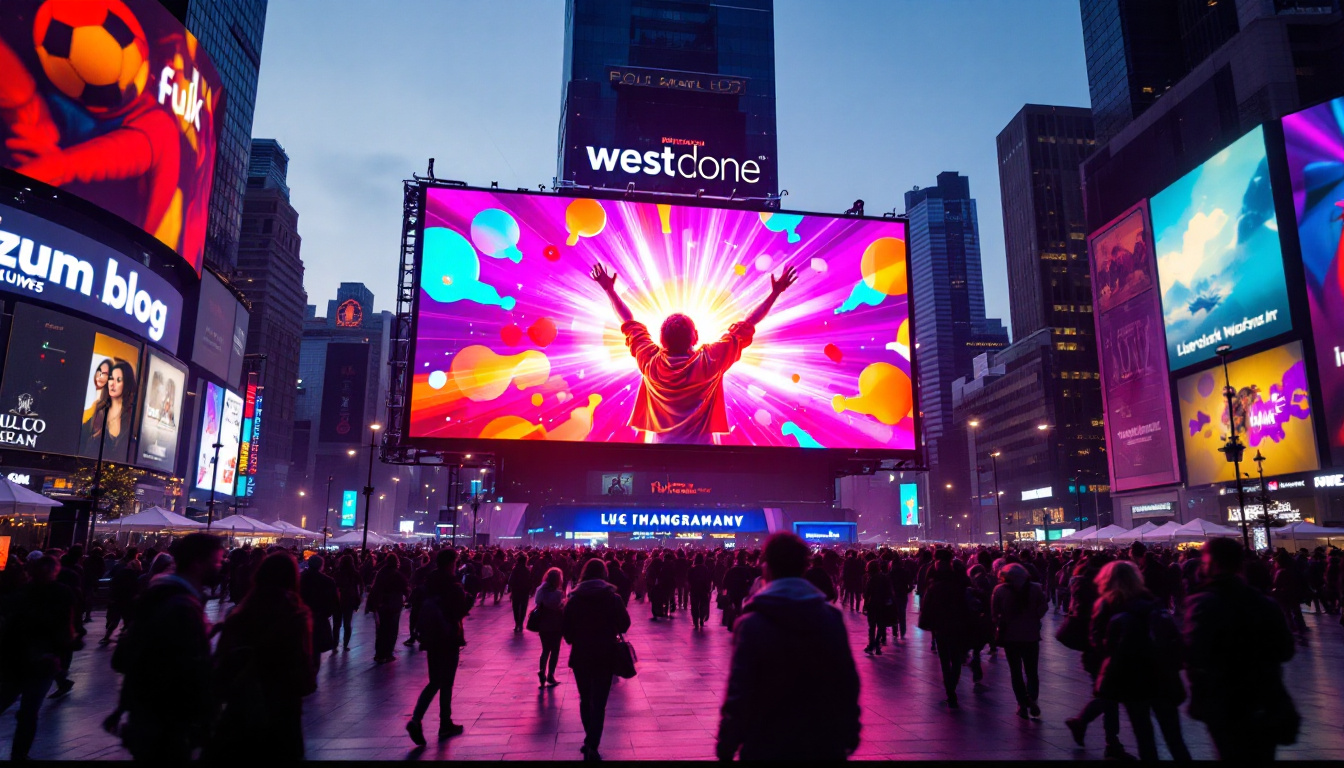
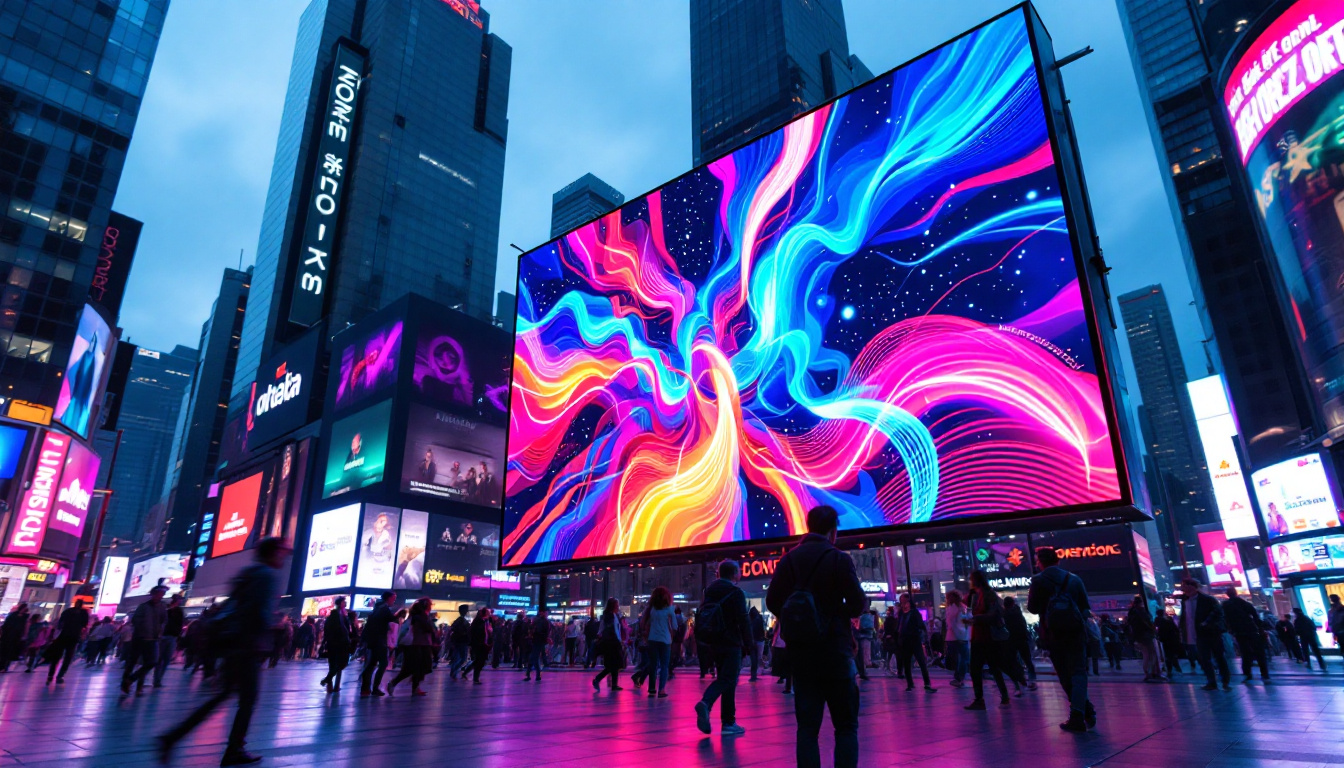
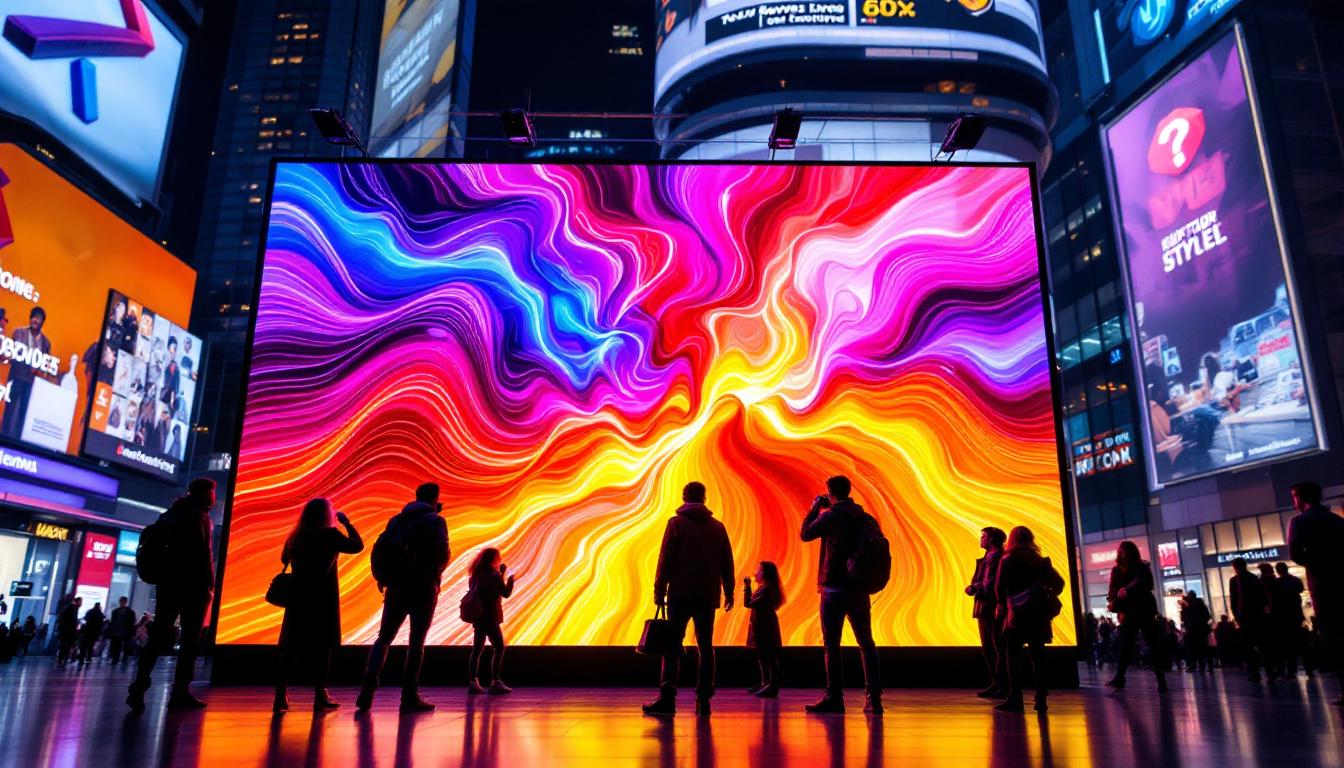
One of the most common uses of 10.5 mm pitch LED displays is in outdoor advertising. Billboards placed alongside highways, busy streets, or atop buildings benefit from this pixel pitch because it provides sufficient image clarity at long viewing distances while keeping costs manageable.
For instance, a highway billboard with a 10.5 mm pitch can effectively display advertisements to drivers and pedestrians from 20 meters or more, ensuring the message is visible without the need for ultra-high resolution.
Event and Stage Backdrops
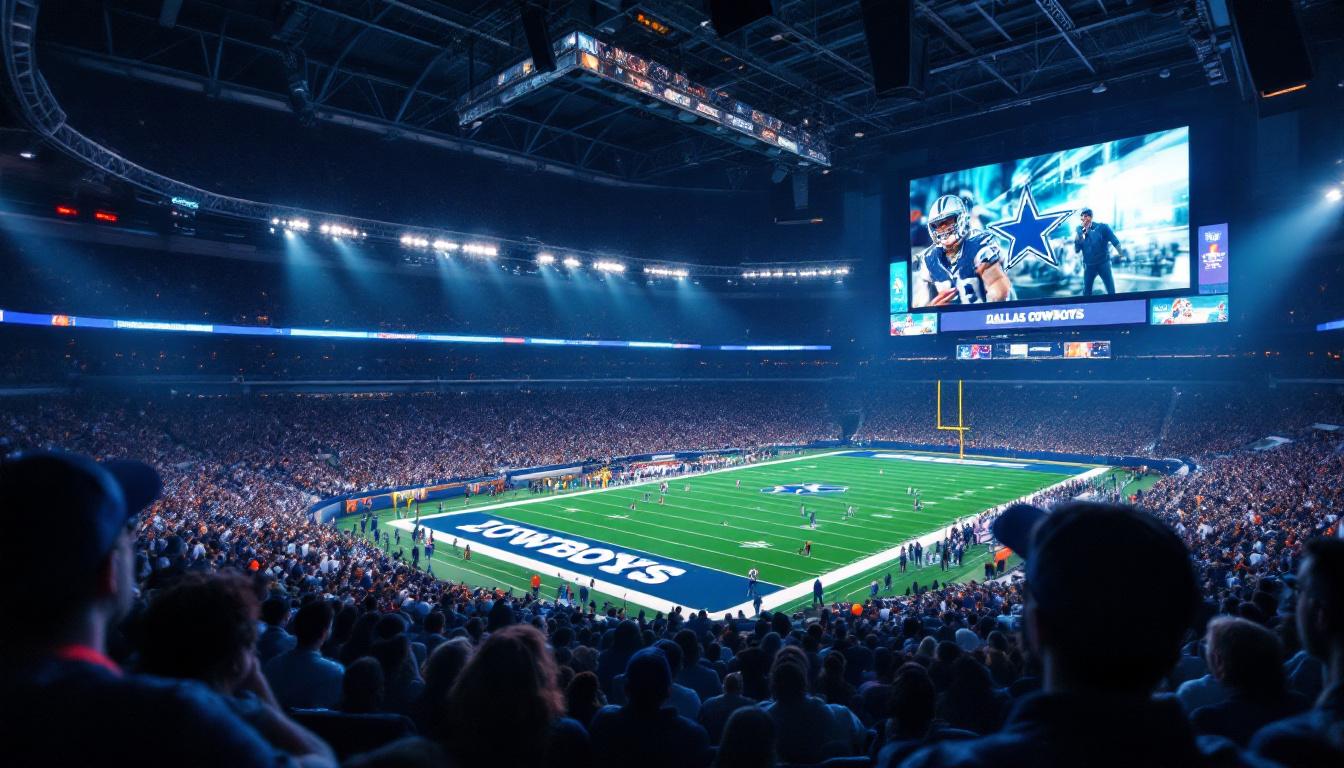
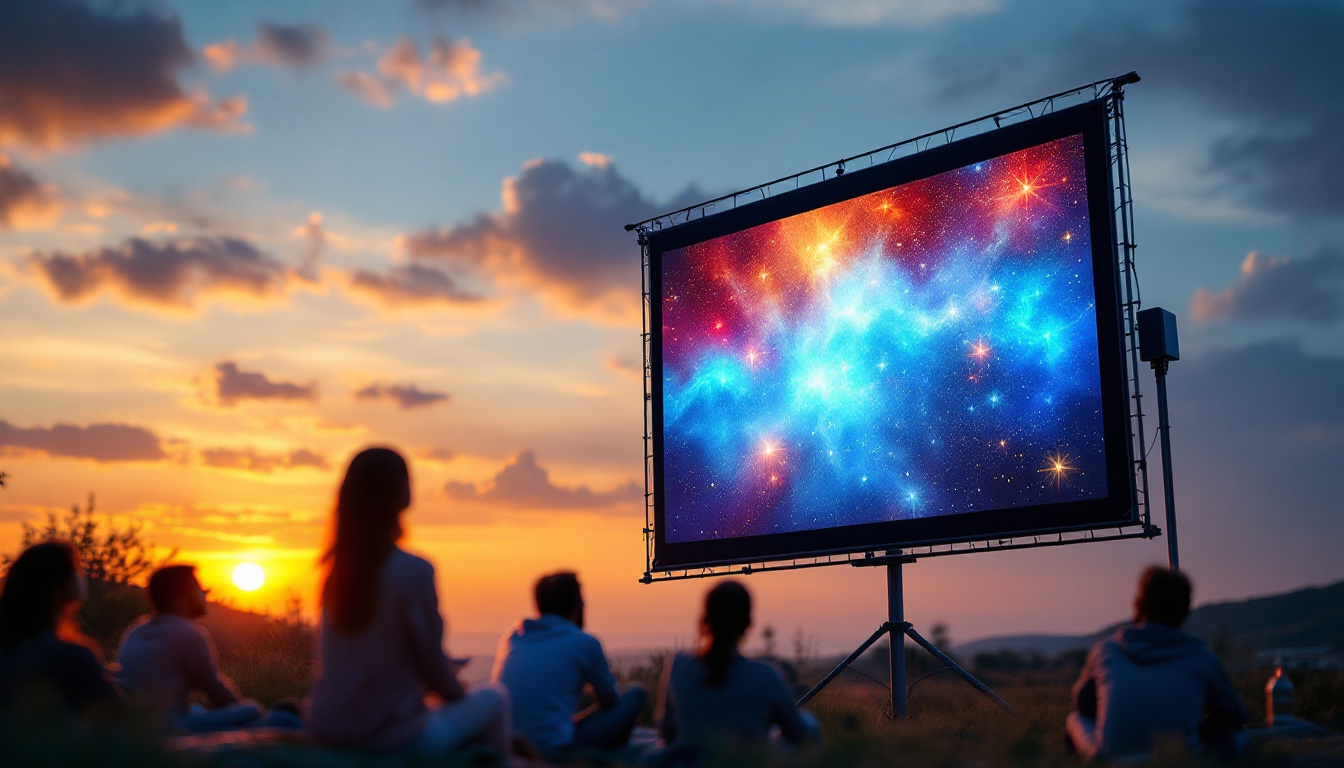
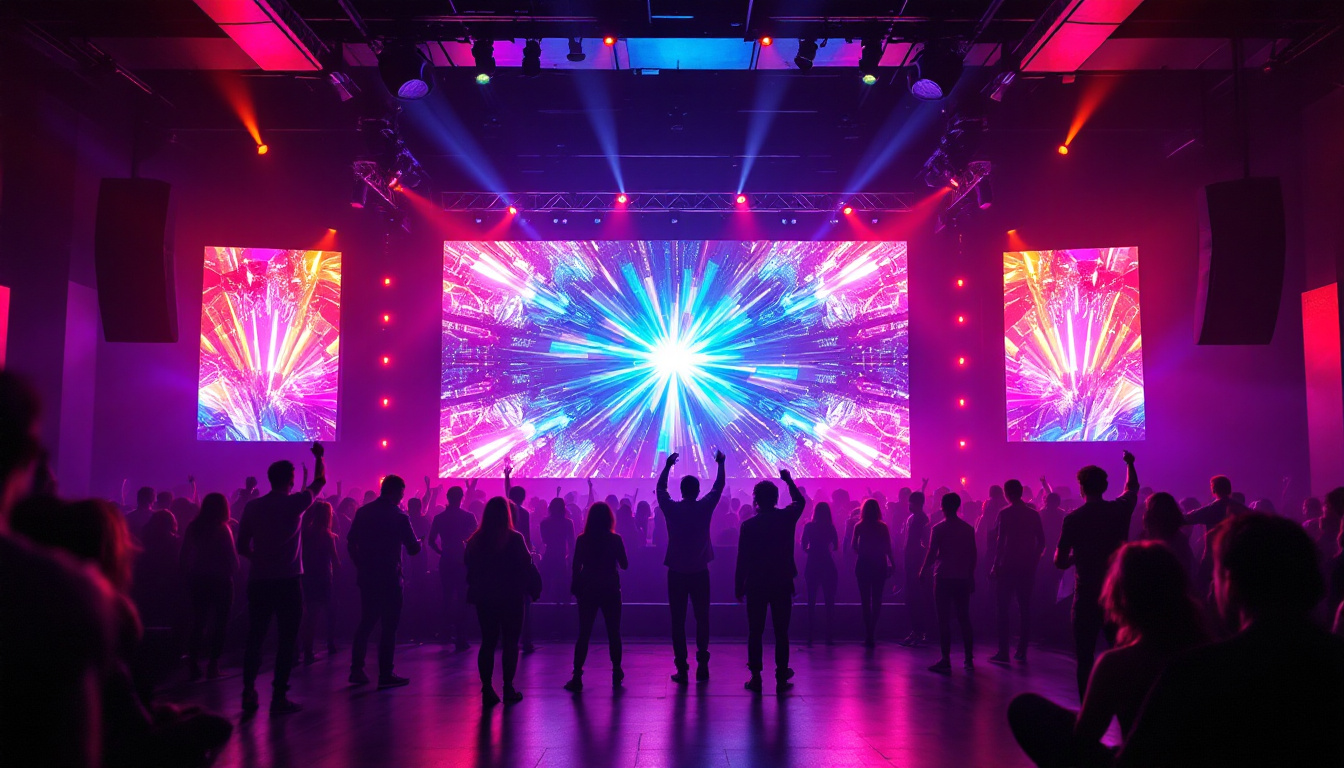
Large-scale events such as concerts, festivals, and sports matches often use 10.5 mm pitch LED screens as stage backdrops or video walls. These displays offer a good balance of size, brightness, and image quality, enabling dynamic visuals that enhance the audience experience.
Because these events typically have audiences seated at varying distances, the 10.5 mm pitch ensures that the content remains legible and engaging even for viewers seated farther from the stage.
Public Information Displays
Municipalities and transportation hubs sometimes deploy 10.5 mm pitch LED displays for public information purposes. These can include digital signage at bus stops, train stations, or city squares, where the display needs to be visible from a moderate distance and withstand outdoor conditions.
Comparing 105 Pitch with Other Pixel Pitches
Smaller Pixel Pitches: 2 mm to 6 mm
Displays with smaller pixel pitches, such as 2 mm, 3 mm, or 4 mm, are typically used indoors where viewers are close to the screen. These screens provide ultra-high resolution and sharp images, suitable for retail environments, control rooms, and conference centers.
However, these displays are more expensive and consume more power due to the high density of LEDs. Additionally, their brightness levels may not be sufficient for outdoor use, where sunlight can wash out the image.
Larger Pixel Pitches: 16 mm and Above
On the other end of the spectrum, pixel pitches of 16 mm, 20 mm, or even larger are used for massive outdoor displays that are viewed from very long distances, such as stadium scoreboards or highway billboards. These screens prioritize size and brightness over image detail.
While cost-effective for large-scale applications, the image quality at closer distances is significantly reduced, making them unsuitable for environments where viewers are near the display.
Where 105 Pitch Fits In
The 10.5 mm pixel pitch occupies a middle ground between high-resolution indoor displays and low-resolution large outdoor screens. It is well-suited for applications requiring good visibility at moderate to long distances without incurring the high costs associated with smaller pixel pitches.
This makes it a popular choice for many commercial and public display needs, balancing performance, cost, and durability.
Technical Considerations for 105 Pitch LED Displays
Brightness and Contrast
Outdoor LED displays with a 10.5 mm pixel pitch typically offer brightness levels ranging from 5,000 to 7,000 nits. This high brightness ensures visibility even in direct sunlight, which is essential for outdoor advertising and public information displays.
Contrast ratios are also important, as they affect how vivid and lifelike the images appear. Modern LED modules with 10.5 mm pitch often incorporate technologies to enhance contrast, such as local dimming and high-quality LED chips.
Refresh Rate and Color Accuracy
The refresh rate of an LED display influences the smoothness of video playback and the reduction of flicker, which is especially important for live broadcasts and dynamic content. A refresh rate of 3,000 Hz or higher is common for 10.5 mm pitch displays, ensuring flicker-free viewing even on camera.
Color accuracy is another critical factor. Advances in LED technology have improved color gamut and consistency, allowing 10.5 mm pitch displays to render vibrant and true-to-life colors suitable for branding and advertising.
Durability and Weather Resistance
Since 10.5 mm pitch LED displays are often installed outdoors, they must be rugged and weather-resistant. Most outdoor LED screens come with IP65 or higher ratings, meaning they are protected against dust and water ingress.
Additionally, these displays are designed to operate in a wide temperature range, from freezing cold to intense heat, ensuring reliable performance year-round.
Cost Factors and Installation Considerations
Cost Implications of 10.5 mm Pixel Pitch
The cost of an LED display is influenced by pixel pitch, size, brightness, and additional features. A 10.5 mm pitch display tends to be more affordable than smaller pitch options due to lower LED density and simpler manufacturing requirements.
For businesses or organizations with budget constraints but a need for large-format outdoor displays, 10.5 mm pitch offers a cost-effective solution without compromising too much on image quality.
Installation and Maintenance
Installing a 10.5 mm pitch LED display requires careful planning regarding location, mounting structure, and power supply. Because these displays are often large and heavy, professional installation is essential to ensure safety and optimal performance.
Maintenance considerations include routine cleaning, inspection for damaged LEDs, and software updates. Modular designs allow for easier replacement of faulty panels, minimizing downtime.
Future Trends and Innovations in LED Pixel Pitch
Advancements in Miniaturization
The LED industry continues to push the boundaries of pixel pitch miniaturization, with indoor displays now reaching pitches as low as 0.9 mm. While 10.5 mm pitch remains popular for outdoor use, emerging technologies may soon enable higher resolution at similar or lower costs.
Integration with Smart Technologies
Modern LED displays are increasingly integrated with smart controls, IoT connectivity, and AI-driven content management. This allows for dynamic, real-time updates and improved audience targeting, enhancing the value of 10.5 mm pitch displays in advertising and public communication.
Sustainability and Energy Efficiency
As environmental concerns grow, manufacturers are focusing on reducing the energy consumption of LED displays. Innovations in LED chip efficiency and power management are making 10.5 mm pitch displays more eco-friendly without sacrificing brightness or performance.
Conclusion
The 105 pitch LED display, with its 10.5 mm pixel spacing, represents a versatile and practical solution for a wide range of outdoor visual communication needs. It offers a balanced combination of image quality, viewing distance, brightness, and cost-effectiveness, making it a preferred choice for billboards, event backdrops, and public information screens.
Understanding the technical aspects and applications of 10.5 mm pixel pitch helps businesses and organizations select the right LED display technology to effectively engage their audiences. As LED technology continues to evolve, the 10.5 mm pitch remains a reliable and popular option in the digital signage landscape.
Discover LumenMatrix’s Advanced LED Display Solutions
Ready to elevate your visual communication strategy with the latest in LED display technology? LumenMatrix offers a comprehensive range of innovative LED display modules tailored to your unique needs. From captivating Indoor and Outdoor LED Wall Displays to dynamic Vehicle and Sports LED Displays, and even customizable solutions like Floor LED Displays and All-in-One LED Displays, we have the cutting-edge technology to make your brand shine. Experience the future of digital signage with our LED Transparent Displays and revolutionize the way you engage with your audience. Don’t just take our word for it; check out LumenMatrix LED Display Solutions today and see the difference for yourself!