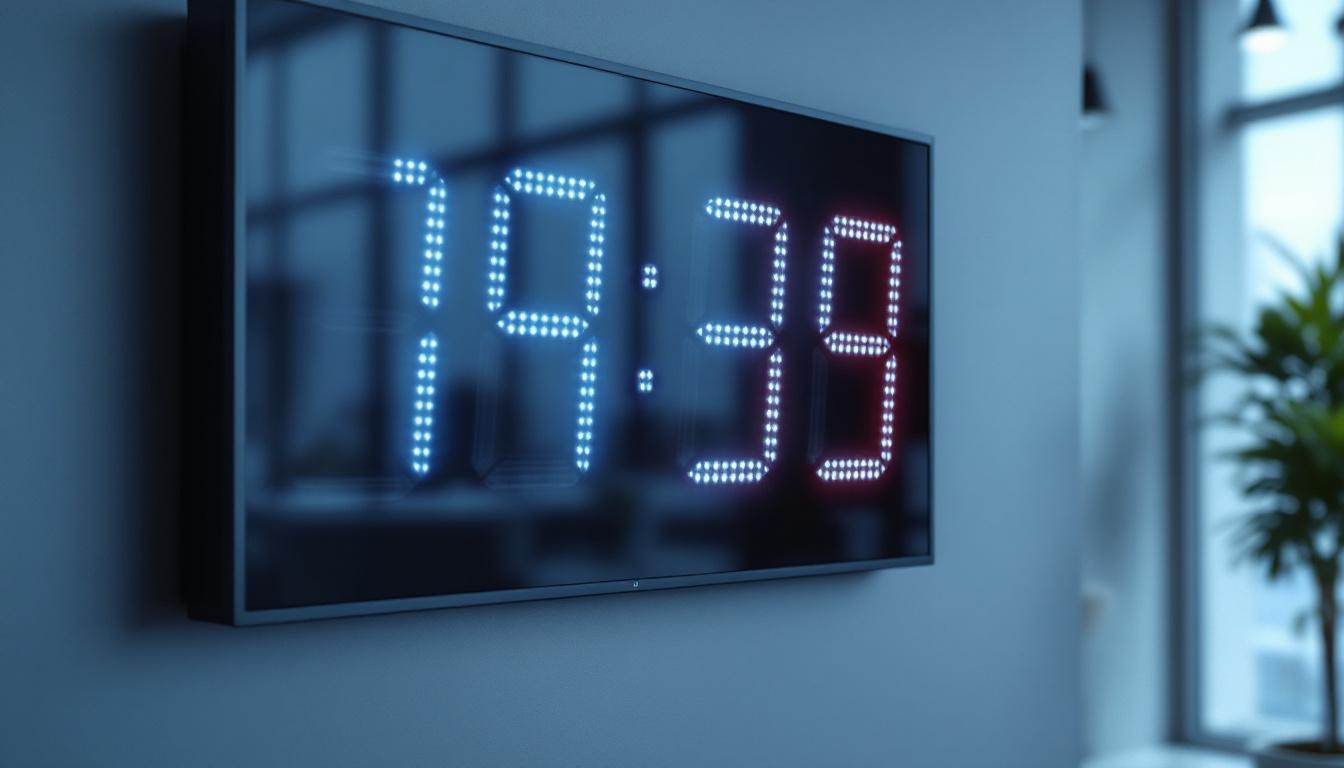
In an era where technology seamlessly integrates into daily life, digital LED wall clocks with large displays have become more than just time-telling devices. They are functional pieces of modern design, combining visibility, energy efficiency, and technological innovation. This article delves into the technology behind LED displays, explores the benefits of large digital clocks, and provides insights into their practical applications in homes, offices, and public spaces.
Understanding LED Display Technology
What is an LED Display?
LED stands for Light Emitting Diode, a semiconductor device that emits light when an electric current passes through it. LED displays use an array of these tiny diodes to create images or numerical figures by illuminating specific diodes in patterns. Unlike traditional LCD or neon displays, LEDs produce bright, vibrant light that is visible even in direct sunlight, making them ideal for clocks that need to be seen from a distance or in varying lighting conditions.
The technology behind LED displays has evolved significantly since its inception in the 1960s. Modern LED clocks use either single-color or multi-color LEDs arranged in segments or dot matrices to display time clearly and accurately. The simplicity of the LED mechanism combined with advancements in microcontrollers and power management has made digital LED clocks reliable and energy-efficient. Furthermore, the lifespan of LED technology is impressive, often exceeding 50,000 hours, which translates to years of uninterrupted service, reducing the need for frequent replacements.
Types of LED Displays in Digital Clocks
Digital LED wall clocks typically use one of two main types of LED displays: seven-segment displays and dot matrix displays.
- Seven-Segment Displays: The most common type used in digital clocks, seven-segment displays consist of seven individual LED bars arranged to form numbers from 0 to 9. This design is straightforward, cost-effective, and highly readable, especially for displaying hours and minutes. Their simplicity also allows for easy integration into various clock designs, from basic models to more advanced versions with additional features like alarms and timers.
- Dot Matrix Displays: These consist of a grid of LEDs that can be individually controlled to form numbers, letters, or symbols. Dot matrix displays offer more flexibility, enabling clocks to show additional information such as date, temperature, or even scrolling messages. This capability makes them particularly popular in environments where multifunctionality is essential, such as in offices or public spaces.
Both types have their advantages depending on the clock’s intended use. Seven-segment displays excel in simplicity and clarity, while dot matrix displays provide versatility and enhanced functionality. Additionally, the choice between these displays can also be influenced by aesthetic preferences, as dot matrix displays can create more dynamic and visually engaging designs, appealing to a younger audience or those looking for a modern touch in their home decor. As technology continues to advance, we can expect to see even more innovative applications of LED display technology in various fields, from smart home devices to wearable technology.
Advantages of Large Digital LED Wall Clocks
Enhanced Visibility and Readability
One of the primary reasons for choosing a large digital LED wall clock is its superior visibility. The bright, clear digits can be seen from considerable distances, making them ideal for large rooms, auditoriums, factories, or public spaces such as train stations and airports. The high contrast between the illuminated digits and the clock’s background reduces eye strain and ensures quick time recognition, which is crucial in environments where timing is critical.
Studies have shown that large, clear displays can improve punctuality and efficiency in workplaces by reducing the time employees spend checking the time. This subtle yet impactful benefit underscores the importance of display size and clarity in timekeeping devices.
Energy Efficiency and Longevity
LED technology is renowned for its low power consumption compared to incandescent or fluorescent lighting. A large digital LED clock can operate continuously for years with minimal energy usage, making it an environmentally friendly and cost-effective choice. Additionally, LEDs have a long operational lifespan, often exceeding 50,000 hours, which translates to many years of reliable service without the need for frequent replacements.
In contrast, traditional clocks with mechanical or fluorescent components may require regular maintenance or bulb changes, increasing operational costs and downtime. The durability of LEDs makes digital LED clocks a practical investment for both residential and commercial settings.
Customization and Modern Features
Large digital LED clocks today often come equipped with advanced features that enhance their usability. Many models include automatic brightness adjustment sensors that dim the display during nighttime or low-light conditions to prevent glare. Others offer synchronization with atomic clocks or internet time servers to ensure precise timekeeping without manual adjustments.
Additional functionalities such as temperature display, countdown timers, alarms, and calendar integration make these clocks multifunctional tools. The ability to customize colors, fonts, and display formats also allows users to match the clock’s aesthetics to their environment, blending technology with interior design seamlessly.
Applications of Large Digital LED Wall Clocks
Commercial and Industrial Environments
In factories, warehouses, and manufacturing plants, time management is crucial for maintaining productivity and safety standards. Large digital LED clocks provide clear time displays that can be seen across noisy or expansive spaces, helping workers adhere to schedules and break times efficiently.
Moreover, in industries where shift changes and precise timing are essential, synchronized LED clocks ensure that all employees operate on the same time reference, reducing confusion and enhancing coordination. The robustness of LED technology also withstands harsh industrial conditions better than fragile analog clocks.
Educational Institutions
Schools and universities benefit from large digital LED wall clocks by maintaining strict class schedules and exam timings. The clear, easy-to-read displays help students and teachers keep track of time without distractions. In large lecture halls or auditoriums, these clocks ensure that everyone, regardless of seating position, can see the time clearly.
Additionally, some educational institutions use LED clocks integrated with public announcement systems to coordinate events and emergency drills, demonstrating the versatility of modern LED clock technology.
Public Spaces and Transportation Hubs
Airports, train stations, and bus terminals rely heavily on accurate and visible time displays to manage departures, arrivals, and passenger flow. Large digital LED clocks provide real-time information that passengers can trust, reducing anxiety and improving overall travel experience.
These clocks often integrate with centralized timekeeping systems that synchronize all displays within a facility, ensuring consistency and reliability. Their bright, high-contrast displays remain legible under various lighting conditions, including bright daylight and nighttime, which is critical in 24/7 transportation hubs.
Healthcare Facilities
Hospitals and clinics require precise timekeeping for medication schedules, shift changes, and emergency responses. Large digital LED clocks installed in waiting rooms, nurses’ stations, and operating theaters provide clear, immediate time information to staff and patients alike.
The ability to customize these clocks with additional data such as temperature or countdown timers for medical procedures enhances their utility in healthcare settings. Their easy-to-clean surfaces and durable construction also meet hygiene and maintenance standards required in medical environments.
Choosing the Right Large Digital LED Wall Clock
Factors to Consider
Selecting the ideal digital LED wall clock depends on several factors:
- Display Size and Viewing Distance: The clock’s digit size should correspond to the typical viewing distance. For example, a digit height of 2 inches is readable up to 20 feet, while 6-inch digits can be seen clearly from 60 feet or more.
- Brightness and Contrast: Adjustable brightness is important for comfort and visibility in different lighting conditions. High contrast between digits and background enhances readability.
- Power Source: Consider whether the clock uses batteries, AC power, or PoE (Power over Ethernet). For permanent installations, AC-powered clocks with backup batteries are preferred for uninterrupted operation.
- Additional Features: Decide if you need extra functionalities such as alarms, temperature display, synchronization capabilities, or remote control.
- Design and Aesthetics: The clock’s style should complement the environment, whether it’s a sleek modern office or a rugged industrial space.
Installation and Maintenance Tips
Proper installation is key to maximizing the benefits of a large digital LED wall clock. Mount the clock at eye level or slightly above to ensure unobstructed visibility. Avoid placing it near direct sunlight or reflective surfaces that could cause glare.
Regular cleaning with a soft, dry cloth will keep the display clear and bright. For clocks with ventilation openings, ensure they remain dust-free to prevent overheating. Periodic checks on power connections and synchronization settings help maintain accurate timekeeping.
The Future of Digital LED Wall Clocks
As LED technology continues to advance, digital wall clocks are becoming smarter and more integrated with other digital systems. The rise of IoT (Internet of Things) devices means that future LED clocks could automatically adjust for time zones, daylight saving changes, and even user preferences through connected apps.
Emerging developments in flexible and transparent LED displays may also lead to innovative clock designs that blend seamlessly into walls or glass surfaces, enhancing both functionality and aesthetics. Furthermore, energy harvesting technologies and improved battery efficiencies could make these clocks even more sustainable and maintenance-free.
In summary, large digital LED wall clocks represent a perfect blend of technology, design, and practicality. Understanding the LED display technology and its applications helps consumers and businesses make informed decisions when selecting clocks that meet their specific needs. Whether for improving workplace efficiency, enhancing public safety, or simply adding a modern touch to home décor, digital LED clocks continue to illuminate the way forward in timekeeping.
Discover LumenMatrix’s Advanced LED Display Solutions
Ready to elevate your space with the latest in LED display technology? LumenMatrix is at the forefront of innovation, offering a wide range of LED display solutions that bring your environment to life. From captivating Indoor and Outdoor LED Wall Displays to dynamic Vehicle and Sports LED Displays, our products are designed to enhance engagement and communication. Experience the future of visual storytelling with our Custom, All-in-One, and Transparent LED Displays. Check out LumenMatrix LED Display Solutions today and transform your space into a hub of digital excellence.