The evolution of video technology has been a fascinating journey, marked by groundbreaking innovations that have transformed how we experience visual content. Among these milestones, the advent of the first color video displays stands out as a pivotal moment. Today, LED displays dominate the landscape of digital screens, offering vibrant colors, high brightness, and energy efficiency. This article delves into the history of the first color video, explores the technology behind modern LED displays, and explains why LED technology has become the standard for color video presentation.
The History of Color Video: From Concept to Reality
The quest to reproduce color images electronically began in the early 20th century. Black-and-white television had already become a household staple by the 1940s, but the demand for color broadcasting was growing rapidly. The first successful demonstrations of color video technology were crucial in setting the stage for the displays we use today.
The First Color Video Broadcasts
In 1953, the National Television System Committee (NTSC) in the United States approved the first color television standard, which allowed color broadcasts to be compatible with existing black-and-white TVs. The first commercial color broadcast was the program “Premiere” on June 25, 1951, but it was limited in scope and reach. The true breakthrough came in the mid-1950s when networks began regular color programming, and color TV sets became more accessible to consumers.
Early color video displays used cathode ray tube (CRT) technology, which combined three electron guns to excite red, green, and blue phosphors on the screen. This method was revolutionary but bulky and power-hungry. As color programming flourished, households began to embrace the vivid imagery that color television offered, transforming the viewing experience. Iconic shows like “The Ed Sullivan Show” and “I Love Lucy” captivated audiences in full color, making it clear that color was not just a novelty but a necessity for engaging storytelling.
Limitations of Early Color Video Displays
While CRTs paved the way for color video, they had several drawbacks. The screens were heavy and fragile, consumed significant power, and had limited brightness and viewing angles. Additionally, the manufacturing costs were high, which slowed the widespread adoption of color television for many years. As a result, many families continued to rely on their black-and-white sets, often waiting for prices to drop before making the switch to color.
As demand for better picture quality and more versatile display options grew, researchers and engineers began exploring alternative technologies, eventually leading to the development of LED displays. This innovation marked a significant turning point in the industry, as LED technology not only allowed for thinner and lighter screens but also provided enhanced color accuracy and energy efficiency. The transition to flat-screen televisions in the late 20th and early 21st centuries revolutionized home entertainment, making it possible for viewers to enjoy cinematic experiences in their living rooms. The advent of high-definition (HD) and later ultra-high-definition (UHD) formats further pushed the boundaries of visual fidelity, captivating audiences with lifelike images that were once unimaginable. As technology continued to evolve, the dream of immersive color video became a reality, forever changing the landscape of media consumption.
Understanding LED Display Technology
Light Emitting Diode (LED) technology revolutionized the way color video is displayed. Unlike CRTs, LED displays use tiny semiconductor devices that emit light when an electric current passes through them. This fundamental difference has enabled LED displays to overcome many of the limitations of earlier technologies.
How LED Displays Work
At its core, an LED display consists of an array of light-emitting diodes arranged in a grid. Each LED can emit light in one of three primary colors—red, green, or blue. By adjusting the intensity of these LEDs, the display can produce a full spectrum of colors through additive color mixing.
Modern LED displays often use clusters of three LEDs (one red, one green, one blue) called pixels. By varying the brightness of each LED in a pixel, the display can render millions of colors with high precision. This capability enables vibrant and accurate color reproduction that is essential for video applications.
Types of LED Displays
LED displays come in various forms, each suited to different applications:
- Direct View LED Displays: These are composed of individual LEDs that form the pixels directly visible to the viewer. They are commonly used in large outdoor screens, stadium displays, and digital billboards.
- LED-Backlit LCD Displays: These combine traditional liquid crystal display (LCD) technology with LED backlighting. The LEDs provide the light source behind the LCD panel, improving brightness, contrast, and energy efficiency compared to older fluorescent backlights.
- MicroLED Displays: An emerging technology where microscopic LEDs form individual pixels, promising even higher brightness, contrast, and energy efficiency with longer lifespans.
Advantages of LED Displays for Color Video
LED technology offers numerous benefits that have made it the preferred choice for color video displays across industries.
Superior Color Accuracy and Brightness
One of the standout features of LED displays is their ability to produce vivid colors with excellent accuracy. LEDs can achieve a wide color gamut, which means they can display a broader range of colors compared to older technologies. This capability is essential for applications such as digital signage, television screens, and cinema displays, where color fidelity enhances the viewer’s experience.
Additionally, LEDs can reach very high brightness levels, making them suitable for both indoor and outdoor environments. This brightness ensures that images remain clear and vibrant even under direct sunlight, a critical factor for outdoor advertising and public information displays.
Energy Efficiency and Longevity
Compared to CRTs and fluorescent backlights, LEDs consume significantly less power. This energy efficiency translates into lower operating costs and a reduced environmental footprint. For businesses and public installations that operate displays continuously, these savings are substantial.
LEDs also have a longer lifespan—often exceeding 50,000 hours—meaning displays require less frequent replacement or maintenance. This longevity enhances the total cost of ownership and reliability of LED-based video systems.
Thin, Lightweight, and Flexible Designs
LED technology allows for much thinner and lighter displays compared to CRTs. This characteristic has enabled the development of ultra-slim televisions, flexible screens, and large modular video walls that can be customized to fit various spaces and shapes.
Flexibility in design has opened new possibilities for creative installations in retail, entertainment, and architecture, where displays can be curved, wrapped, or integrated seamlessly into environments.
Applications of LED Displays in Color Video
The versatility of LED displays has led to their widespread adoption across multiple sectors, each leveraging the technology’s strengths to enhance communication and entertainment.
Television and Home Entertainment
Modern LED-backlit LCD televisions dominate the consumer market. These TVs offer high-definition resolution, excellent color reproduction, and energy efficiency, making them the preferred choice for home entertainment. The introduction of OLED and MicroLED technologies promises even better contrast ratios and color accuracy in the near future.
Digital Signage and Advertising
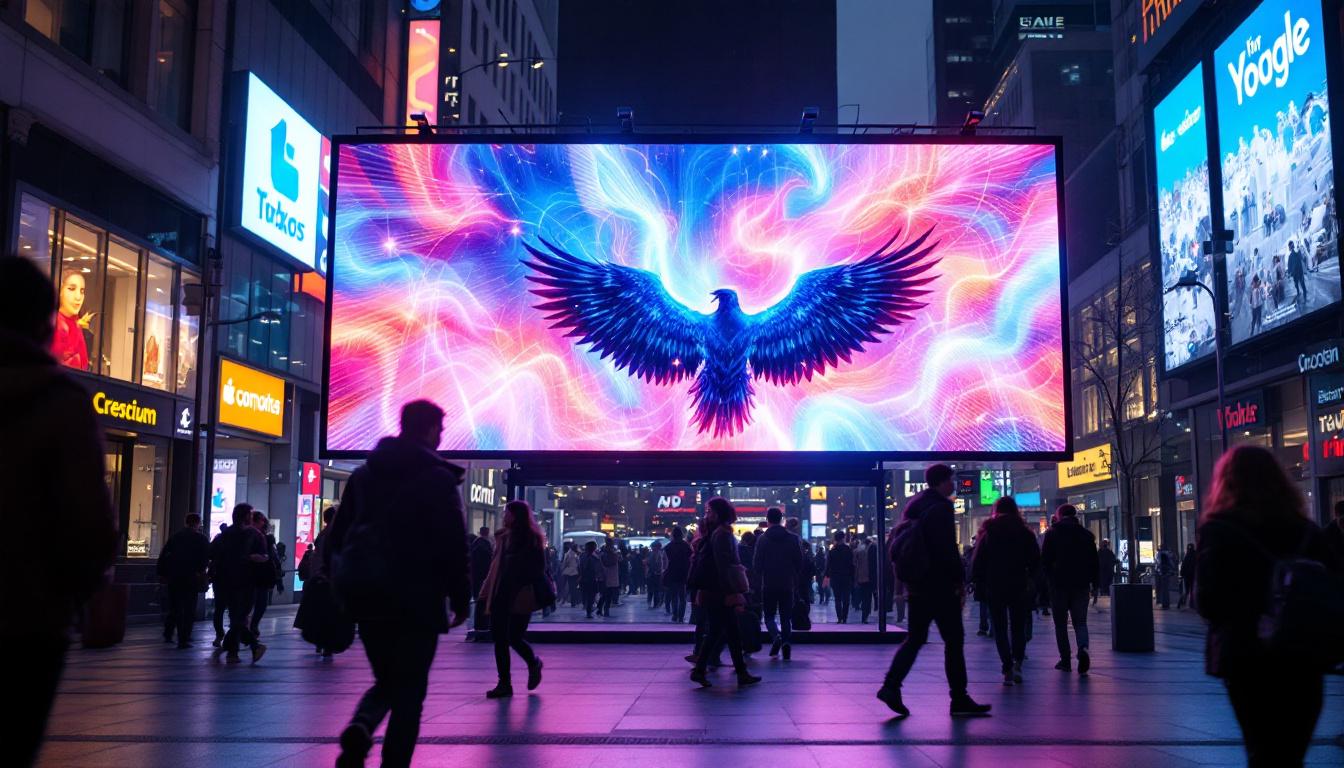
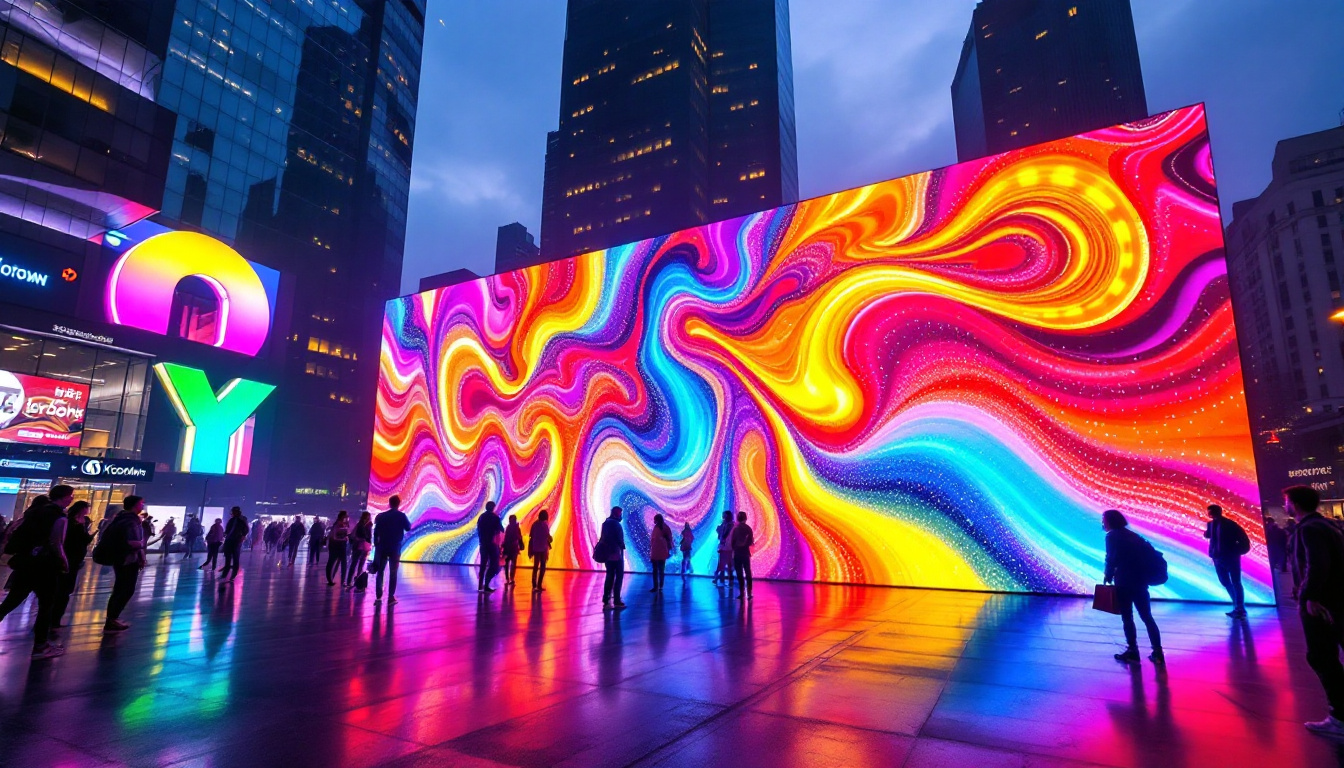
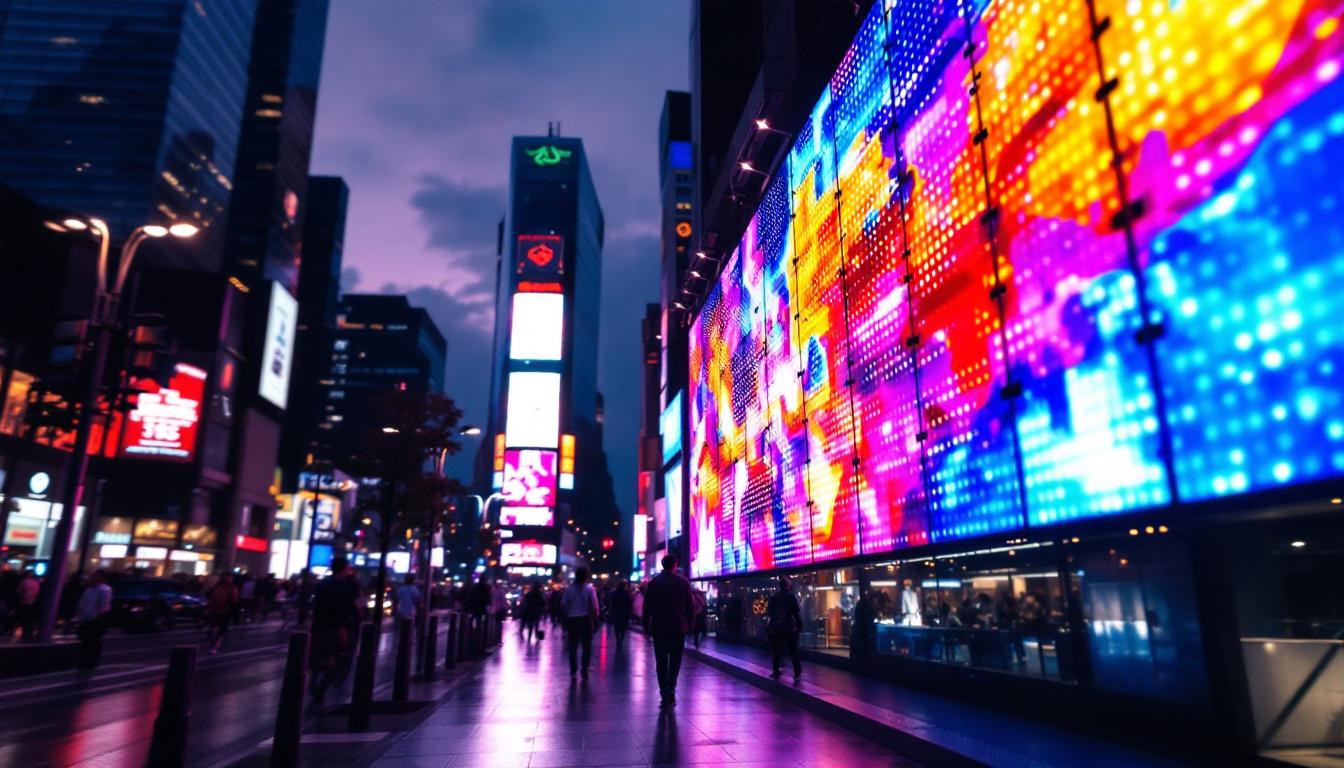
Outdoor LED billboards and indoor digital signage rely on direct view LED displays to deliver eye-catching, dynamic content. The ability to display bright, colorful images that remain visible in various lighting conditions makes LED ideal for advertising, public announcements, and event information.
According to recent market research, the global digital signage market is expected to grow at a compound annual growth rate (CAGR) of over 8% through 2027, driven largely by advancements in LED technology.
Events, Sports, and Entertainment Venues
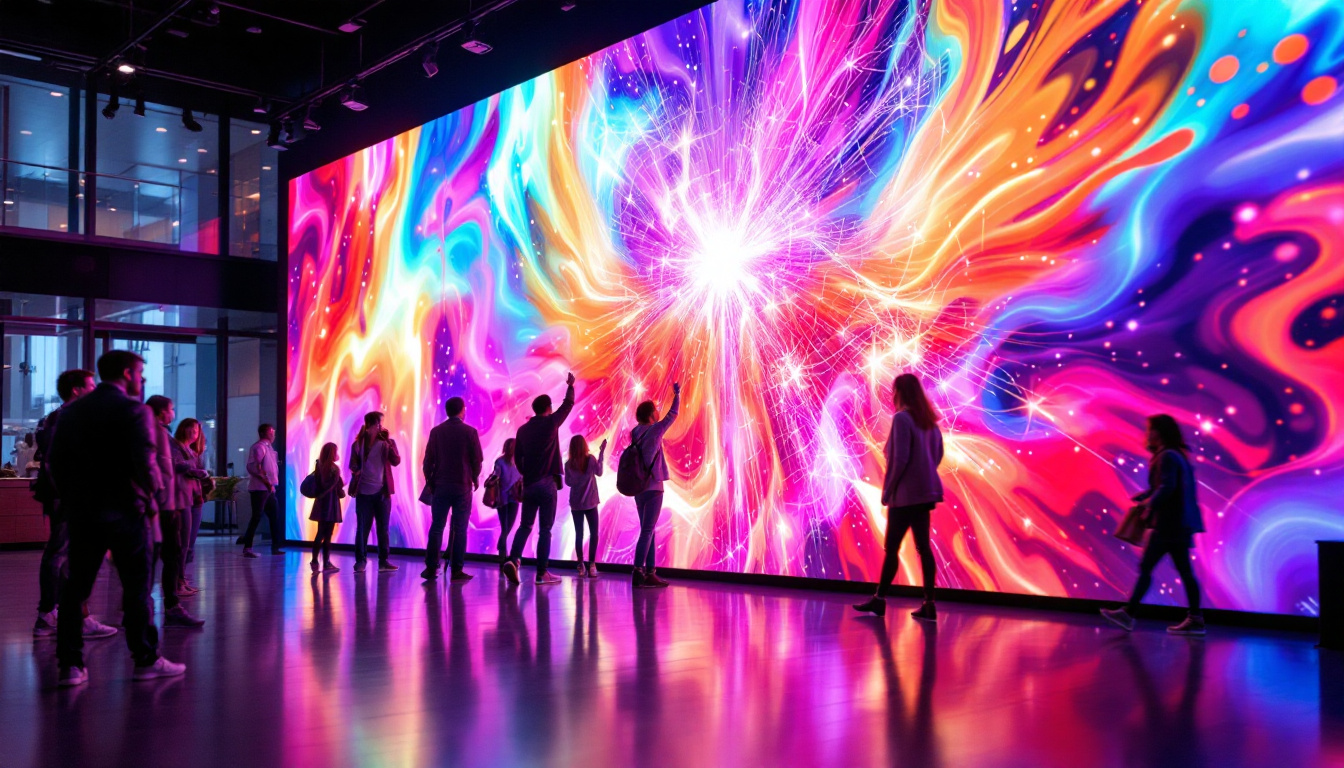
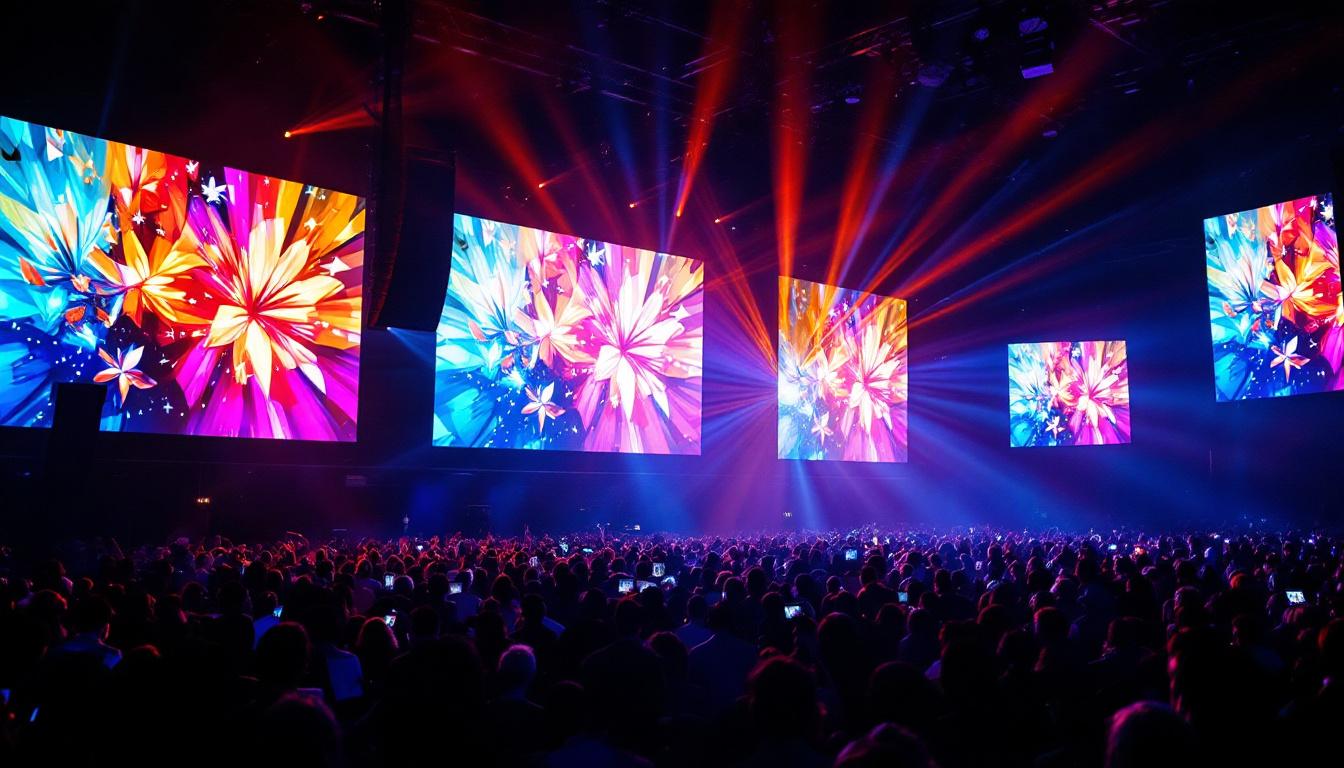
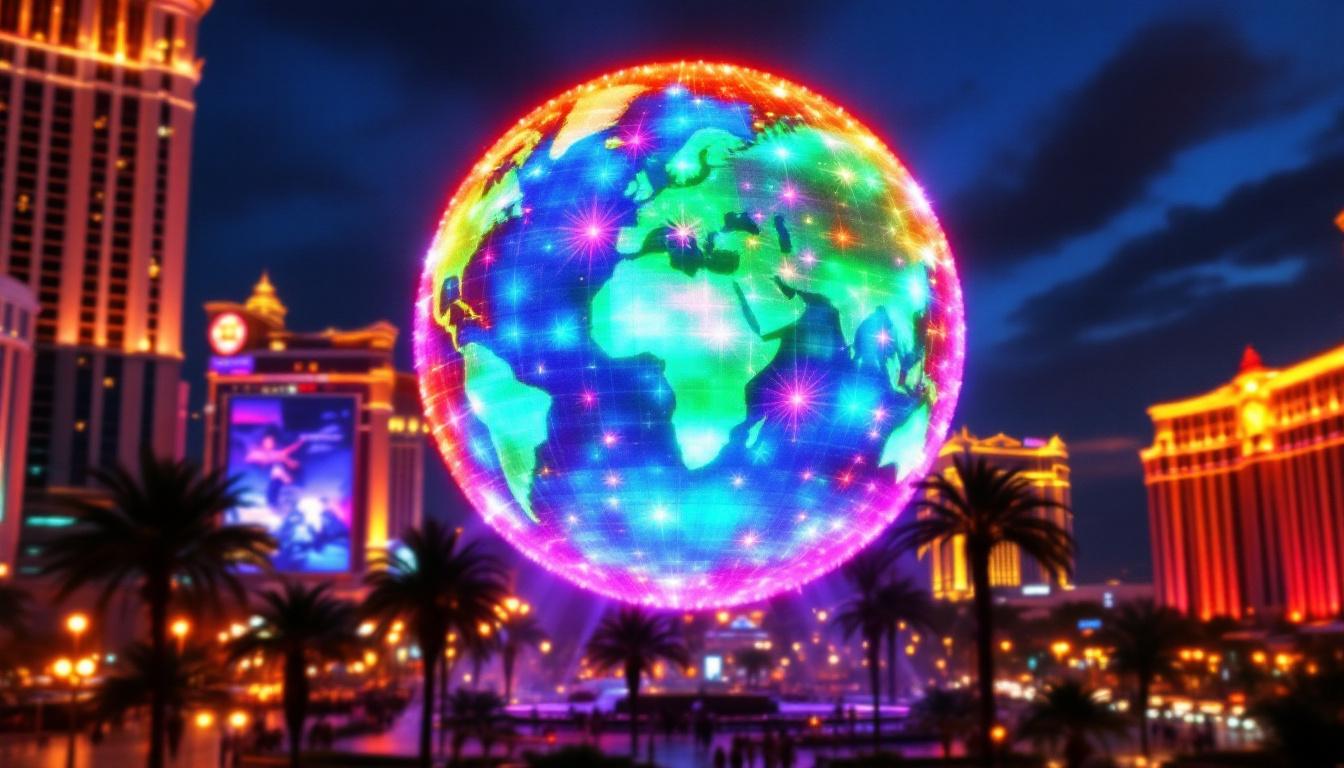
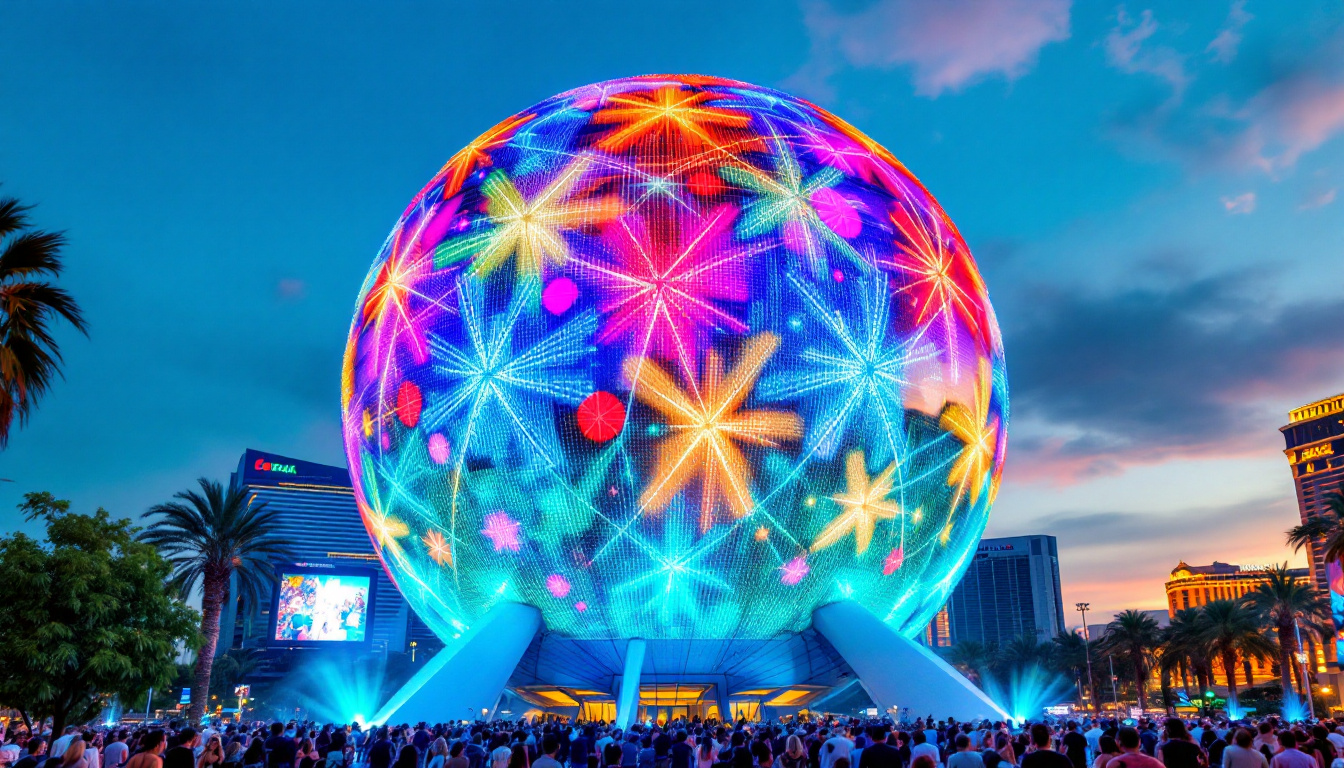
Stadiums, concert halls, and theaters use large-scale LED video walls to provide immersive viewing experiences. These displays can cover vast areas and deliver high-resolution content to audiences, enhancing engagement and enjoyment.
For example, the use of LED screens in major sporting events like the Olympics and the FIFA World Cup has become standard, providing real-time replays, scores, and interactive content.
Professional and Industrial Uses
LED displays are also critical in control rooms, broadcast studios, and simulation environments where accurate color representation and high reliability are essential. Their modular nature allows for customized configurations tailored to specific operational needs.
The Future of Color Video and LED Technology
As LED technology continues to evolve, the future of color video displays looks promising with innovations aimed at enhancing performance, reducing costs, and expanding applications.
MicroLED and Beyond
MicroLED technology is poised to revolutionize the display industry by offering self-emissive pixels that combine the best qualities of OLED and traditional LEDs. MicroLEDs promise higher brightness, better energy efficiency, and longer lifespans without burn-in issues associated with OLEDs.
Companies are investing heavily in research and development to bring MicroLED displays to market at scale, which could redefine television, mobile devices, and large-format displays within the next decade.
Integration with Smart Technologies
LED displays are increasingly integrated with smart technologies such as Internet of Things (IoT) devices, artificial intelligence (AI), and augmented reality (AR). These integrations enable dynamic content customization, interactive experiences, and improved user engagement.
Sustainability and Environmental Impact
With growing awareness of environmental issues, LED technology’s energy efficiency and recyclability make it a key player in sustainable display solutions. Future developments aim to further reduce the ecological footprint of display manufacturing and operation.
Conclusion
The journey from the first color video broadcasts to today’s advanced LED displays highlights the remarkable progress in visual technology. LED displays have transformed how color video is produced and consumed, offering superior color accuracy, brightness, energy efficiency, and design flexibility.
Understanding the technology behind LED displays not only sheds light on their current dominance but also provides insight into the future of color video presentation. As innovations like MicroLED and smart integrations continue to emerge, LED technology will remain at the forefront of delivering vibrant, immersive, and sustainable visual experiences worldwide.
Explore the Future of Color Video with LumenMatrix
As you’ve seen, LED technology is reshaping the world of color video, offering unparalleled quality and innovation. LumenMatrix stands at the forefront of this transformation, committed to enhancing visual communication with our comprehensive range of LED display solutions. From Indoor and Outdoor LED Walls to specialized displays for Vehicles, Sports, and even Custom configurations, we have the technology to bring your vision to life. Ready to experience the vibrant, immersive, and sustainable visual experiences that LED technology can provide? Check out LumenMatrix LED Display Solutions and see how we can illuminate your message with clarity and impact.