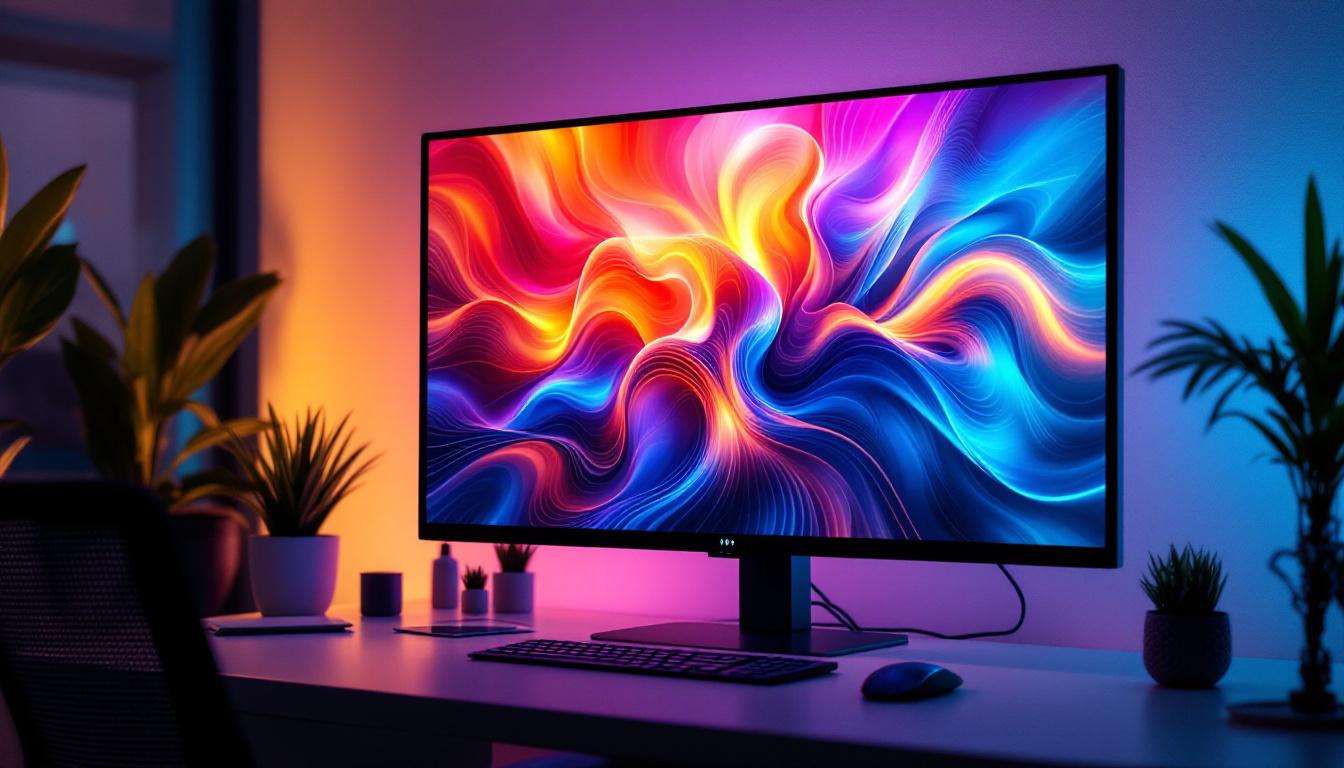
Large LCD Computer Monitors: LED Display Explained
In today’s digital world, large LCD computer monitors with LED displays have become a staple in both professional and personal environments. Whether for graphic design, gaming, video editing, or general productivity, understanding the technology behind these displays can help users make informed decisions when purchasing or upgrading their monitors. This article delves into the intricacies of large LCD monitors, focusing on LED display technology, its advantages, and what to consider when selecting the ideal screen for your needs.
Understanding LCD and LED Technology
Large computer monitors primarily use LCD (Liquid Crystal Display) technology, which relies on liquid crystals to modulate light and create images. However, the term “LED monitor” often causes confusion because it refers not to a different type of display panel but to the backlighting technology used in LCD screens.
Traditional LCD monitors used CCFL (Cold Cathode Fluorescent Lamp) backlighting, which was bulkier, consumed more power, and offered less precise control over brightness. LED (Light Emitting Diode) backlighting replaced CCFLs, providing thinner designs, better energy efficiency, and improved picture quality.
How LCD Panels Work
Liquid crystals themselves do not emit light. Instead, they act as light valves that control the passage of light from the backlight through color filters to form images on the screen. The crystals align in different ways when electric currents are applied, allowing varying amounts of light to pass through each pixel. This process creates the colors and images users see on their monitors.
The quality of the LCD panel—such as IPS (In-Plane Switching), VA (Vertical Alignment), or TN (Twisted Nematic)—affects viewing angles, color accuracy, and response times, but the backlighting technology plays a crucial role in overall display performance. For instance, IPS panels are known for their superior color reproduction and wide viewing angles, making them ideal for graphic design and photo editing, while TN panels are favored by gamers for their fast response times, albeit at the cost of color accuracy and viewing angles.
The Role of LED Backlighting
LED backlighting uses arrays of light-emitting diodes positioned behind or along the edges of the LCD panel. There are two main types of LED backlighting:
- Edge-lit LED: LEDs are placed along the edges of the screen, and light is diffused across the panel. This design allows for thinner monitors but may result in uneven brightness or limited local dimming capabilities.
- Direct-lit or Full-array LED: LEDs are distributed evenly behind the entire screen, enabling more uniform brightness and advanced features like local dimming, which enhances contrast by dimming specific screen areas.
These backlighting methods have a direct impact on brightness, contrast ratio, color reproduction, and energy consumption, which are critical factors for professional and casual users alike. Moreover, advancements in LED technology have led to the development of HDR (High Dynamic Range) displays, which can produce a wider range of colors and brightness levels, providing a more immersive viewing experience. This is particularly beneficial for content creators and gamers who seek to experience visuals as close to reality as possible.
As the technology continues to evolve, we also see the emergence of OLED (Organic Light Emitting Diode) displays, which offer even greater contrast and color accuracy by allowing each pixel to emit its own light. While OLEDs are not without their challenges, such as potential burn-in issues, they represent the cutting edge of display technology, pushing the boundaries of what is possible in visual fidelity. The competition between LCD with LED backlighting and OLED technology is driving innovation, ensuring that consumers have access to increasingly sophisticated and visually stunning displays.
Advantages of Large LCD Monitors with LED Displays
Large LCD monitors equipped with LED backlighting offer several benefits that make them popular choices across various industries and user groups.
Superior Image Quality and Color Accuracy
Modern LED-backlit LCD monitors provide vibrant colors and sharp images, essential for tasks requiring precision such as photo editing, video production, and CAD applications. IPS panels combined with LED backlighting deliver wide viewing angles and consistent color reproduction, minimizing distortion when viewed from different positions.
High dynamic range (HDR) support, increasingly common in large monitors, leverages LED backlighting to produce brighter highlights and deeper blacks, enhancing the overall visual experience.
Energy Efficiency and Environmental Impact
Compared to CCFL-backlit monitors, LED-backlit displays consume significantly less power. According to the U.S. Department of Energy, LED backlighting can reduce energy consumption by up to 40%, translating to lower electricity bills and a smaller carbon footprint. This efficiency is particularly important for businesses operating multiple workstations or data centers where energy costs accumulate rapidly.
Design and Ergonomics
The slim profile enabled by LED backlighting allows manufacturers to produce sleek, lightweight monitors with minimal bezels. This design not only saves desk space but also supports multi-monitor setups favored by professionals and gamers. Additionally, many large monitors now feature ergonomic stands with height adjustment, tilt, swivel, and pivot functions to promote comfortable viewing postures and reduce eye strain during extended use.
Longevity and Reliability
LED backlights generally have longer lifespans than CCFLs, often exceeding 50,000 hours of use. This durability reduces the frequency of monitor replacements and maintenance, making LED-backlit LCDs a cost-effective investment over time.
Key Specifications to Consider When Choosing a Large LED-Backlit LCD Monitor
Choosing the right large LCD monitor with LED display technology requires careful consideration of several technical specifications that impact performance and user experience.
Screen Size and Resolution
Large monitors typically range from 27 inches to 49 inches or more. The choice depends on the intended use and available workspace. For example, a 32-inch 4K (3840 x 2160 pixels) monitor offers ample screen real estate and high pixel density, ideal for multitasking and detailed work.
Ultrawide monitors with aspect ratios like 21:9 or 32:9 provide expansive horizontal space, beneficial for video editing timelines, spreadsheets, or immersive gaming. However, these require compatible graphics hardware and software support.
Refresh Rate and Response Time
Refresh rate, measured in hertz (Hz), indicates how many times the screen updates per second. While 60Hz is standard for office work, higher refresh rates (120Hz, 144Hz, or 240Hz) are preferred for gaming and fast-paced video editing to reduce motion blur and improve smoothness.
Response time, the speed at which pixels change color, affects ghosting and image clarity during motion. Lower response times (1-5 milliseconds) are advantageous for gamers and professionals working with dynamic content.
Color Gamut and Calibration
Color gamut defines the range of colors a monitor can display. Monitors covering 100% sRGB or higher Adobe RGB percentages are essential for color-critical work. Factory calibration and support for hardware calibration tools ensure consistent and accurate color reproduction.
Connectivity Options
Modern large monitors offer a variety of ports, including HDMI, DisplayPort, USB-C, and Thunderbolt 3 or 4. USB-C and Thunderbolt ports are particularly useful for connecting laptops and peripherals with a single cable that can transmit video, data, and power simultaneously.
Additional Features
Features such as built-in speakers, USB hubs, blue light filters, flicker-free technology, and HDR support enhance usability and comfort. Some monitors also include software for screen splitting and workspace management, which can boost productivity.
Applications and Use Cases for Large LED-Backlit LCD Monitors
The versatility of large LCD monitors with LED displays makes them suitable for a wide range of applications across different sectors.
Professional Creative Work
Graphic designers, photographers, and video editors benefit from large, high-resolution monitors that provide precise color accuracy and ample workspace. The ability to view detailed content without excessive zooming enhances workflow efficiency.
For instance, Adobe Creative Cloud users often prefer monitors with wide color gamuts and HDR support to ensure their work translates accurately across devices and print media.
Gaming and Entertainment
Gamers seek monitors with high refresh rates, low response times, and immersive screen sizes to gain competitive advantages and enjoy visually rich experiences. Ultrawide and curved monitors further enhance immersion by filling peripheral vision.
LED backlighting also supports dynamic contrast adjustments, improving visibility in dark scenes and contributing to more engaging gameplay.
Office Productivity and Multitasking
Large monitors enable users to open multiple windows side by side, reducing the need to switch between tabs and applications constantly. This setup is especially valuable for data analysts, programmers, and financial professionals who handle complex datasets and multitask extensively.
Healthcare and Scientific Research
In fields like radiology and laboratory research, large monitors with high resolution and accurate color representation assist in the detailed analysis of medical images and data visualization, supporting better diagnostic outcomes.
Future Trends in Large LCD and LED Display Technology
The display industry continues to evolve rapidly, with innovations that promise to enhance large monitor performance and user experience further.
Mini-LED and Micro-LED Backlighting
Mini-LED technology uses thousands of tiny LEDs for backlighting, offering even more precise local dimming and improved contrast ratios than traditional LED arrays. This results in deeper blacks and brighter highlights, approaching OLED-level picture quality without the risk of burn-in.
Micro-LED displays, still emerging, integrate microscopic LEDs directly into the panel, potentially eliminating the need for liquid crystals altogether. This technology promises superior brightness, color accuracy, and energy efficiency.
Higher Resolutions and Refresh Rates
As 8K content becomes more accessible, large monitors with 8K resolution (7680 x 4320 pixels) are entering the market, providing unprecedented detail. Coupled with higher refresh rates, these monitors will cater to advanced professional workflows and future-proof gaming setups.
Integration of AI and Software Enhancements
Artificial intelligence is being integrated into display technologies to optimize color calibration, reduce eye strain, and adapt brightness dynamically based on ambient lighting and content type. These smart features aim to improve comfort and productivity.
Conclusion
Large LCD computer monitors with LED displays represent a mature yet continually advancing technology that balances performance, efficiency, and design. Understanding the differences between LCD panel types, LED backlighting methods, and key specifications empowers users to choose monitors tailored to their specific needs, whether for professional creative work, gaming, or everyday productivity.
As innovations like Mini-LED and Micro-LED backlighting gain traction, the future of large monitors promises even greater visual fidelity and energy efficiency. Staying informed about these developments ensures that users can make the most of their display investments and enjoy immersive, accurate, and comfortable viewing experiences for years to come.
Explore Cutting-Edge LED Displays with LumenMatrix
Ready to elevate your visual experience with the latest in LED display technology? LumenMatrix is at the forefront of innovation, offering a wide array of LED display solutions that cater to every need. Whether you’re looking to enhance your brand’s visibility with an Indoor LED Wall Display, captivate passersby with an Outdoor LED Wall Display, or create dynamic visual experiences with Custom LED Displays, LumenMatrix has you covered. Embrace the future of visual communication and make a lasting impression with our All-in-One LED Displays and LED Transparent Displays. Check out LumenMatrix LED Display Solutions today and transform the way you share your message.