In today’s digital age, LCD touchscreens have become ubiquitous, powering everything from smartphones and tablets to automotive dashboards and industrial control panels. At the heart of these devices lies the LED display technology, which significantly influences the visual experience, energy consumption, and overall performance. Understanding how LCD touchscreens work, especially the role of LED displays, is essential for consumers, designers, and engineers alike.
This article delves into the fundamentals of LCD touchscreens and LED displays, exploring their technology, advantages, and applications. Whether you’re a tech enthusiast, a professional in display technology, or simply curious about how your devices render vibrant images, this comprehensive guide will provide valuable insights.
Understanding LCD Technology
What is an LCD?
LCD stands for Liquid Crystal Display, a flat-panel display technology that uses liquid crystals combined with polarizers to produce images. Unlike traditional CRT monitors that rely on electron beams, LCDs manipulate light to create visuals, making them thinner, lighter, and more energy-efficient.
Liquid crystals themselves do not emit light. Instead, they act as light modulators. When an electric current passes through the liquid crystal layer, the crystals align in a way that controls the passage of light through the display. This modulation allows the LCD to display images by blocking or allowing light in specific patterns. The precision of this alignment is crucial, as it determines the clarity and sharpness of the images displayed, which is why advancements in liquid crystal technology are continually being researched and developed to enhance performance.
The Role of Backlighting in LCDs
Since liquid crystals do not generate light, LCDs require a backlight to illuminate the display. Early LCDs used cold cathode fluorescent lamps (CCFLs) as backlights. However, these were bulky, consumed more power, and had shorter lifespans.
The introduction of LED (Light Emitting Diode) backlighting revolutionized LCD technology. LEDs are smaller, more energy-efficient, and offer better brightness control. This transition has led to thinner displays with improved color accuracy and contrast ratios, enhancing the overall user experience. Furthermore, the use of edge-lit and full-array LED backlighting techniques allows for more versatile design options and improved local dimming capabilities, resulting in deeper blacks and more vibrant colors. This has made LCDs not only suitable for everyday use but also for high-end applications such as gaming and professional graphic design.
Moreover, the evolution of backlighting technology has paved the way for innovations like HDR (High Dynamic Range) displays, which can produce a wider range of colors and brightness levels. By utilizing advanced backlighting techniques, manufacturers can create displays that more closely mimic the natural world, providing viewers with a more immersive experience. As the demand for high-quality visual content continues to rise, the importance of backlighting in LCD technology will only grow, driving further advancements in the field.
LED Displays: What Sets Them Apart?
Types of LED Backlighting
LED backlighting for LCDs primarily comes in two forms: edge-lit and direct-lit (or full-array). Edge-lit LED displays position LEDs along the edges of the screen, using light guides to distribute illumination evenly. This design allows for ultra-thin screens but can sometimes lead to uneven brightness or “clouding” effects. The thin profile of edge-lit displays makes them particularly appealing for modern aesthetics, where sleekness and minimalism are often prioritized. However, the trade-off can be noticeable in darker scenes, where the lack of uniformity may detract from the viewing experience.
Direct-lit LED displays place LEDs directly behind the LCD panel, offering more uniform brightness and better contrast. Some advanced direct-lit displays incorporate local dimming zones, where specific areas of the backlight can be dimmed or brightened independently, enhancing black levels and dynamic range. This technology is especially beneficial for watching high-definition content, as it allows for deeper blacks and more vibrant colors, creating a more immersive viewing experience. Furthermore, with the rise of HDR (High Dynamic Range) content, direct-lit displays are becoming increasingly popular, as they can better showcase the wide range of brightness levels that HDR content offers.
Advantages of LED Backlit LCDs
LED backlighting brings several benefits over older CCFL technology:
- Energy Efficiency: LEDs consume less power, which extends battery life in portable devices and reduces electricity costs in larger displays.
- Improved Brightness and Contrast: LEDs can achieve higher brightness levels and better contrast ratios, resulting in sharper and more vivid images.
- Longer Lifespan: LEDs typically last longer than CCFLs, reducing maintenance and replacement costs.
- Environmental Impact: LEDs do not contain mercury, unlike CCFLs, making them more environmentally friendly.
In addition to these advantages, LED backlit LCDs also offer faster response times compared to their CCFL counterparts, which is particularly beneficial for gaming and fast-paced video content. This means less motion blur and a smoother viewing experience overall. The advancements in LED technology have also led to the development of OLED (Organic Light Emitting Diode) displays, which take the benefits of LED further by allowing each pixel to emit its own light, resulting in even greater contrast and color accuracy. As the technology continues to evolve, consumers can expect to see even more innovative applications and enhancements in display technology that leverage the strengths of LED backlighting.
How Touchscreens Integrate with LCD and LED Technology
Types of Touchscreen Technologies
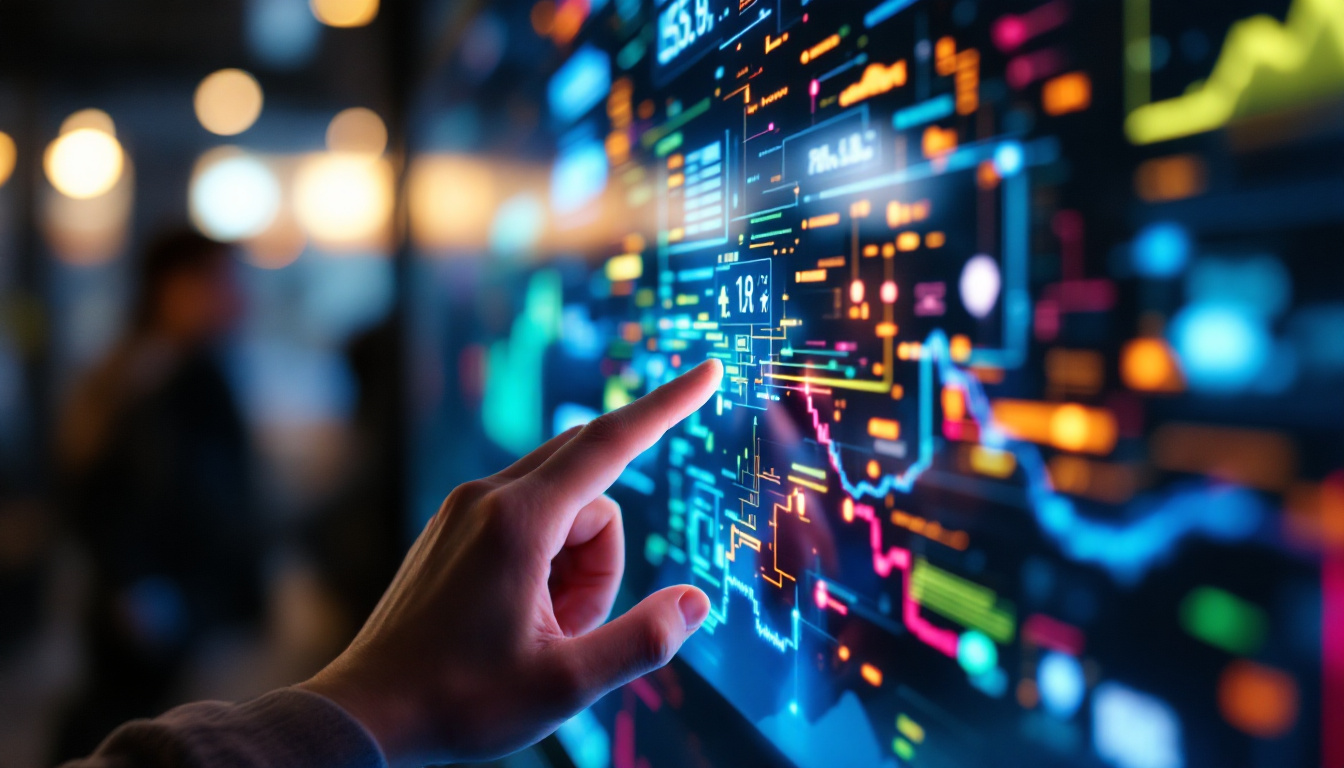
Touchscreens are layered on top of LCD panels to enable user interaction. The most common touchscreen technologies include resistive, capacitive, infrared, and surface acoustic wave. Capacitive touchscreens dominate the market today, especially in smartphones and tablets, due to their responsiveness and multi-touch capabilities.
Capacitive touchscreens work by detecting changes in the electrical field caused by the conductive properties of a finger. This technology requires a transparent conductive layer, typically indium tin oxide (ITO), applied to the glass surface of the LCD. The sensitivity of capacitive screens allows for gestures such as pinching and swiping, which have become integral to modern user interfaces, enhancing the overall user experience.
Challenges in Combining Touchscreens with LCDs
Integrating touch functionality with LCD and LED technology presents several challenges:
- Optical Clarity: Additional touchscreen layers can reduce brightness and introduce reflections or glare, impacting image quality.
- Durability: Touchscreens must withstand repeated physical contact without degrading the display or touch sensitivity.
- Power Consumption: Touch sensors add to the device’s overall power usage, requiring efficient design to maintain battery life.
Manufacturers address these issues by using advanced bonding techniques like optical bonding, which eliminates air gaps between layers, reducing reflections and improving durability. Furthermore, innovations in materials science have led to the development of ultra-thin glass and flexible substrates that not only enhance the tactile experience but also contribute to the overall robustness of the device. These advancements allow for sleeker designs without compromising on performance, making touch-enabled devices more appealing to consumers.
Another significant consideration in the integration process is the calibration of touch sensitivity. As devices become more sophisticated, the need for precise touch recognition becomes paramount. This has led to the implementation of advanced algorithms that can differentiate between intentional touches and accidental ones, thereby enhancing the user experience. Manufacturers are also exploring haptic feedback technologies that provide tactile responses to user interactions, further bridging the gap between physical and digital interactions and adding a new layer of engagement for users.
Applications of LCD Touchscreens with LED Displays
Consumer Electronics
Smartphones, tablets, laptops, and smartwatches rely heavily on LCD touchscreens with LED backlighting. According to recent market data, over 80% of smartphones worldwide use LCD or OLED displays, with LCDs still dominating in mid-range and budget devices due to cost-effectiveness.
LED-backlit LCDs provide vibrant colors and sharp images essential for multimedia consumption, gaming, and productivity. The integration of touchscreens enables intuitive user interfaces, making devices more accessible and user-friendly.
Automotive and Industrial Use
Modern vehicles increasingly incorporate LCD touchscreens for infotainment systems, instrument clusters, and climate controls. LED backlighting ensures visibility in various lighting conditions, from bright sunlight to nighttime driving.
In industrial settings, rugged LCD touchscreens with LED displays facilitate control and monitoring of machinery, often in harsh environments. Their durability, combined with clear visibility and responsive touch input, enhances operational efficiency and safety.
Healthcare and Education
Medical devices and educational tools also benefit from LCD touchscreens with LED displays. High-resolution visuals and responsive touch interfaces improve diagnostics, patient monitoring, and interactive learning experiences.
For instance, ultrasound machines and patient monitors use LED-backlit LCDs to deliver clear images critical for accurate assessments. Interactive whiteboards and tablets in classrooms leverage touchscreen technology to engage students and facilitate collaboration.
Future Trends and Innovations
Mini-LED and Micro-LED Technologies
Emerging backlighting technologies like Mini-LED and Micro-LED are set to enhance LCD displays further. Mini-LED uses thousands of tiny LEDs as backlighting, enabling finer local dimming and improved contrast ratios, approaching OLED-level picture quality.
Micro-LED, although still in early stages, promises self-emissive pixels like OLED but with higher brightness, longer lifespan, and no burn-in issues. These innovations could redefine the LCD touchscreen landscape in the coming years.
Flexible and Transparent Displays
Research into flexible and transparent LCD touchscreens with LED backlighting is advancing, opening new possibilities for wearable devices, foldable smartphones, and heads-up displays. These technologies aim to combine durability with novel form factors, enhancing user interaction and convenience.
Energy Efficiency and Sustainability
As environmental concerns grow, manufacturers are focusing on reducing the energy consumption of LCD touchscreens. Advances in LED efficiency, adaptive brightness controls, and sustainable materials contribute to greener devices without compromising performance.
Conclusion
LCD touchscreens with LED displays represent a cornerstone of modern digital technology, balancing performance, cost, and versatility. Understanding the interplay between liquid crystal technology, LED backlighting, and touch interfaces sheds light on how millions of devices deliver crisp visuals and intuitive control daily.
As innovations like Mini-LED, Micro-LED, and flexible displays mature, the future of LCD touchscreen technology looks promising, offering richer visuals, enhanced durability, and greater energy efficiency. Staying informed about these developments is crucial for consumers and professionals navigating the evolving landscape of display technology.
Discover Cutting-Edge LED Display Solutions
As you’ve explored the intricacies of LCD touchscreens and the transformative impact of LED display technology, it’s clear that the future is bright with innovative visual solutions. LumenMatrix, a pioneer in LED display technology, is at the forefront of this evolution, offering a wide array of LED display modules designed to elevate brand presence and captivate audiences. From Indoor and Outdoor LED Wall Displays to specialized solutions like Vehicle, Sports, and Floor LED Displays, LumenMatrix is committed to revolutionizing visual communication. Experience the next level of engagement with our Custom, All-in-One, and Transparent LED Displays. Check out LumenMatrix LED Display Solutions today and see how we can help you share your message with unparalleled impact and clarity.