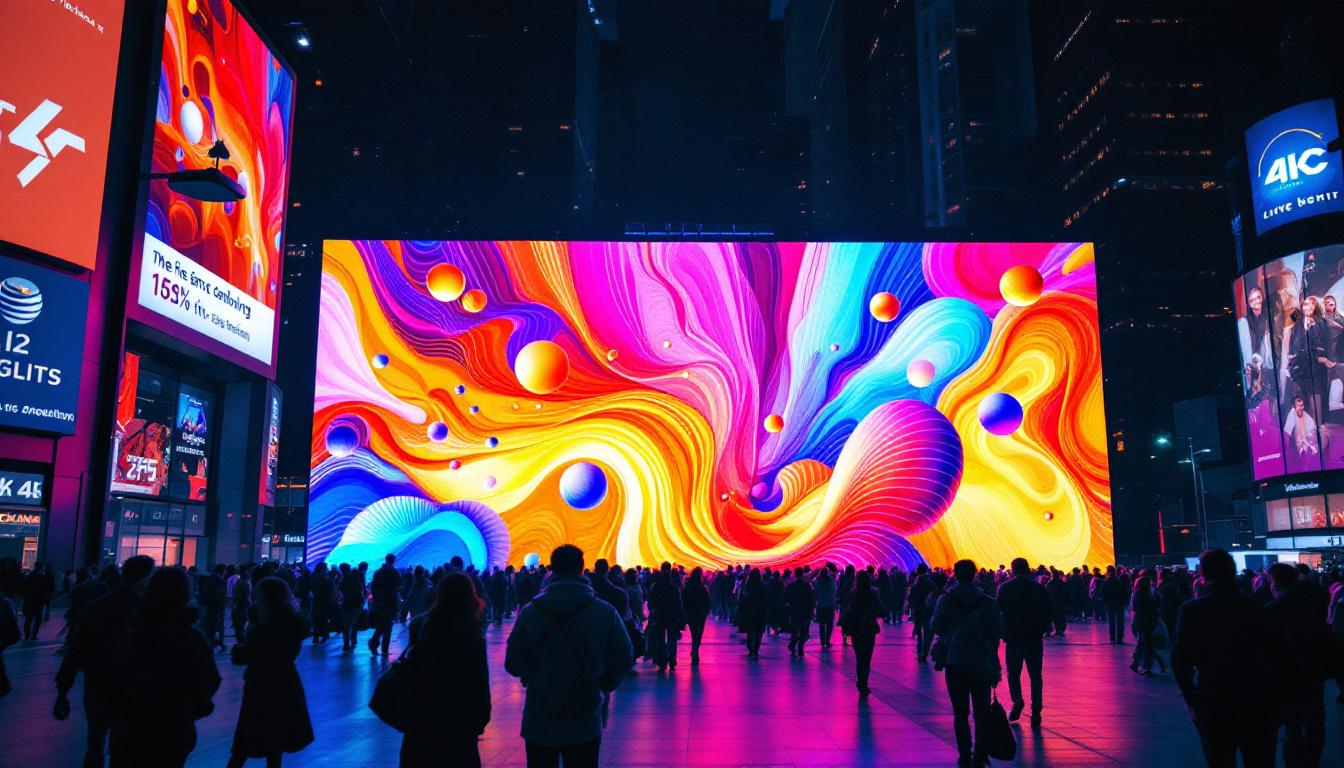
In the rapidly evolving world of digital technology, LED displays have become an integral part of how information and visuals are communicated. From the billboards that light up city streets to the screens in smartphones and televisions, LED technology plays a crucial role in delivering vibrant, high-quality images. This article explores the fundamentals of LED displays, their types, applications, and the technological advancements driving their widespread adoption.
Understanding LED Technology
What is an LED?
LED stands for Light Emitting Diode, a semiconductor device that emits light when an electric current passes through it. Unlike traditional incandescent bulbs, LEDs are highly energy-efficient, durable, and capable of producing bright light with minimal heat generation. The light emitted by an LED can vary in color depending on the semiconductor materials used. This versatility in color output has made LEDs an attractive option not just for general lighting, but also for decorative and architectural applications, where ambiance and aesthetics play a crucial role.
The core advantage of LEDs lies in their ability to convert electrical energy directly into light with high efficiency. This characteristic has made LEDs the preferred choice for display technologies, where brightness, color accuracy, and longevity are essential. Moreover, the lifespan of an LED can exceed 25,000 hours, significantly outlasting traditional bulbs, which translates to less frequent replacements and lower maintenance costs. This longevity is particularly beneficial in commercial settings, where lighting needs to be both reliable and cost-effective over time.
How Do LED Displays Work?
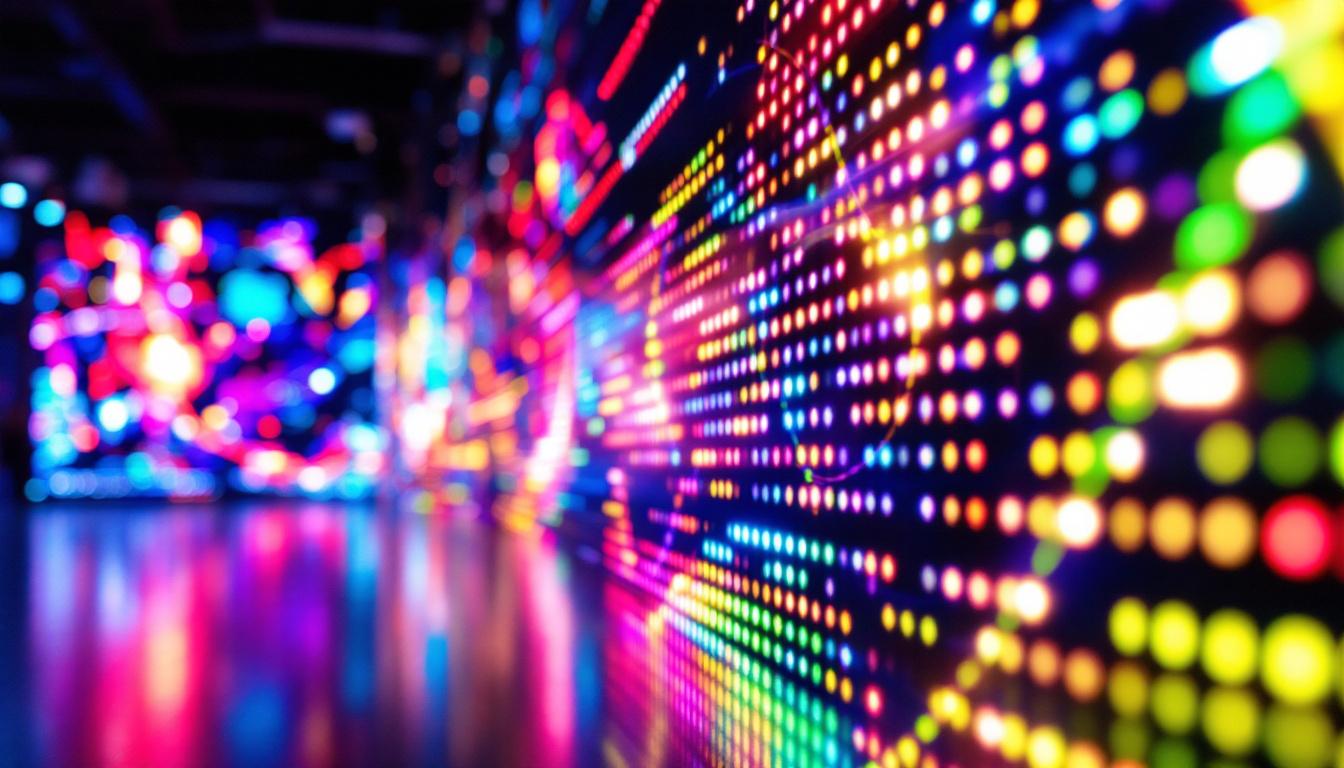
LED displays are composed of numerous tiny LEDs arranged in a matrix or grid. Each LED acts as a pixel or part of a pixel, emitting light to form images or text. By controlling the intensity and color of each LED, the display can produce a wide range of visuals with remarkable clarity and brightness. This technology is not only employed in televisions and computer monitors but has also found its way into digital signage, billboards, and even large-scale outdoor displays, enhancing visibility and engagement in public spaces.
Modern LED displays often use red, green, and blue (RGB) LEDs combined in various intensities to create full-color images. This RGB model allows for millions of color combinations, enabling displays to render vibrant and lifelike visuals. Additionally, advancements in LED technology have led to the development of organic LEDs (OLEDs), which offer even better contrast ratios and flexibility in design. OLED displays are thinner and can be made into curved shapes, opening up new possibilities for innovative product designs and immersive viewing experiences. As technology continues to evolve, we can expect to see even more sophisticated applications of LED displays in everyday life, from smart homes to interactive advertising.
Types of LED Displays
Direct View LED Displays
Direct view LED (DVLED) displays consist of LEDs that are directly visible to the viewer, without the need for any backlighting. These displays are commonly used in large outdoor screens, stadium scoreboards, and digital billboards due to their exceptional brightness and visibility even under direct sunlight.
The pixel pitch — the distance between the centers of two adjacent LEDs — is a critical factor in DVLED displays. Smaller pixel pitches result in higher resolution and finer image detail, making them suitable for close viewing distances. Advances in manufacturing have enabled pixel pitches as small as 0.5 millimeters, allowing for ultra-high-definition displays.
LED-Backlit LCD Displays
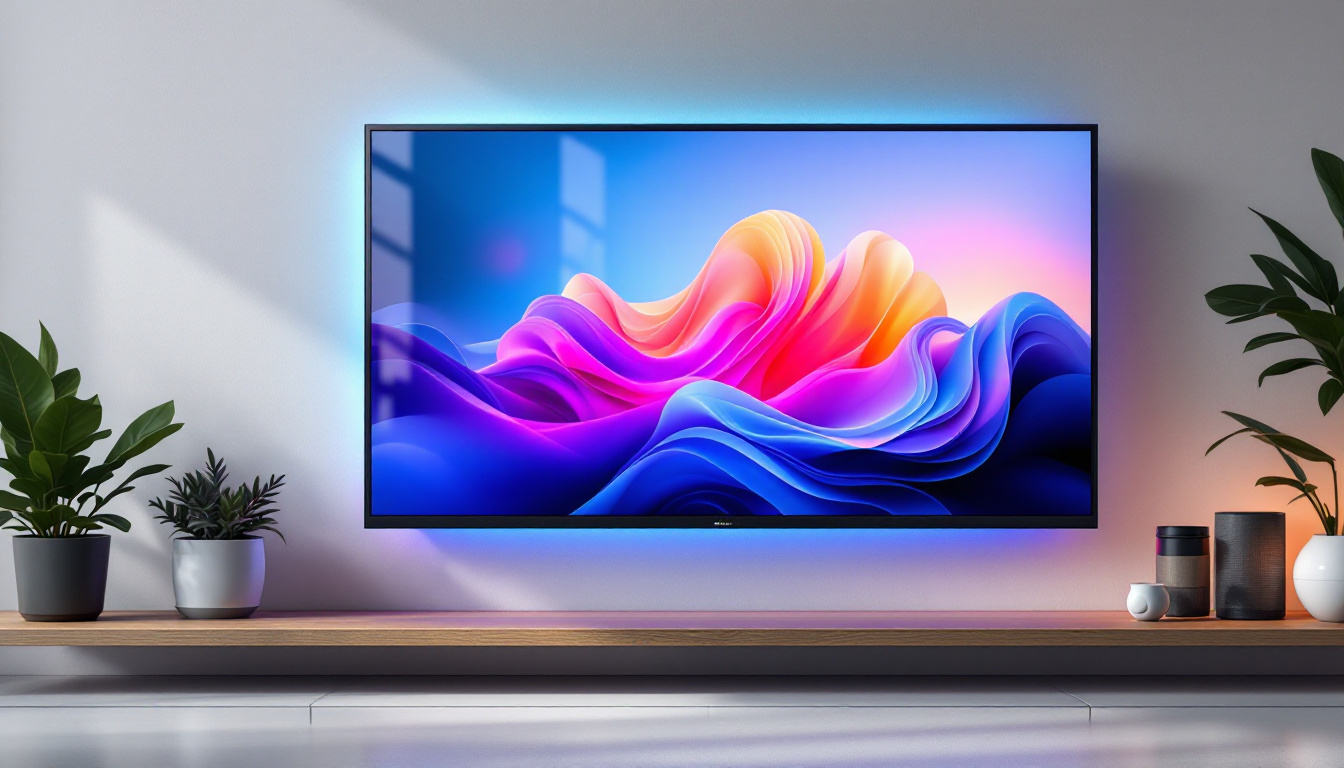
Many consumer electronics, such as televisions, monitors, and smartphones, utilize LED-backlit LCD technology. In these displays, the LCD panel controls the image, while an array of LEDs provides the backlighting. This approach combines the color and contrast capabilities of LCDs with the energy efficiency and brightness of LEDs.
LED backlighting can be implemented in various ways, including edge-lit and full-array backlighting. Full-array LED backlighting offers better control over local dimming zones, enhancing contrast ratios and producing deeper blacks compared to traditional CCFL (cold cathode fluorescent lamp) backlights.
MicroLED Displays
MicroLED is an emerging display technology that uses microscopic LEDs to form each pixel. Unlike OLEDs, which rely on organic compounds, MicroLEDs are inorganic and offer superior brightness, longevity, and energy efficiency. MicroLED displays promise to deliver exceptional image quality with perfect blacks and high dynamic range without the burn-in issues associated with OLEDs.
Although MicroLED technology is still in the early stages of commercial deployment, it is expected to revolutionize display markets, especially for large-format TVs and wearable devices, due to its scalability and performance advantages.
Applications of LED Displays
Advertising and Outdoor Signage
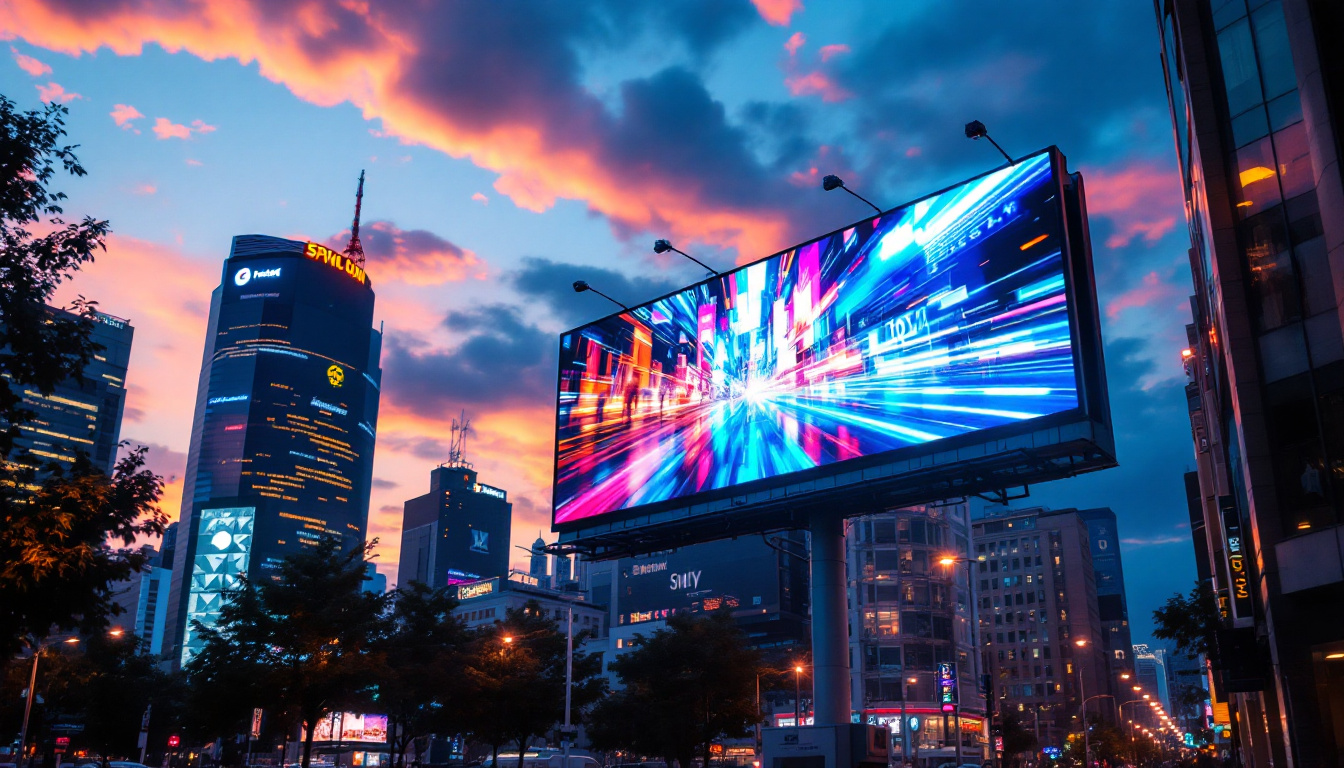
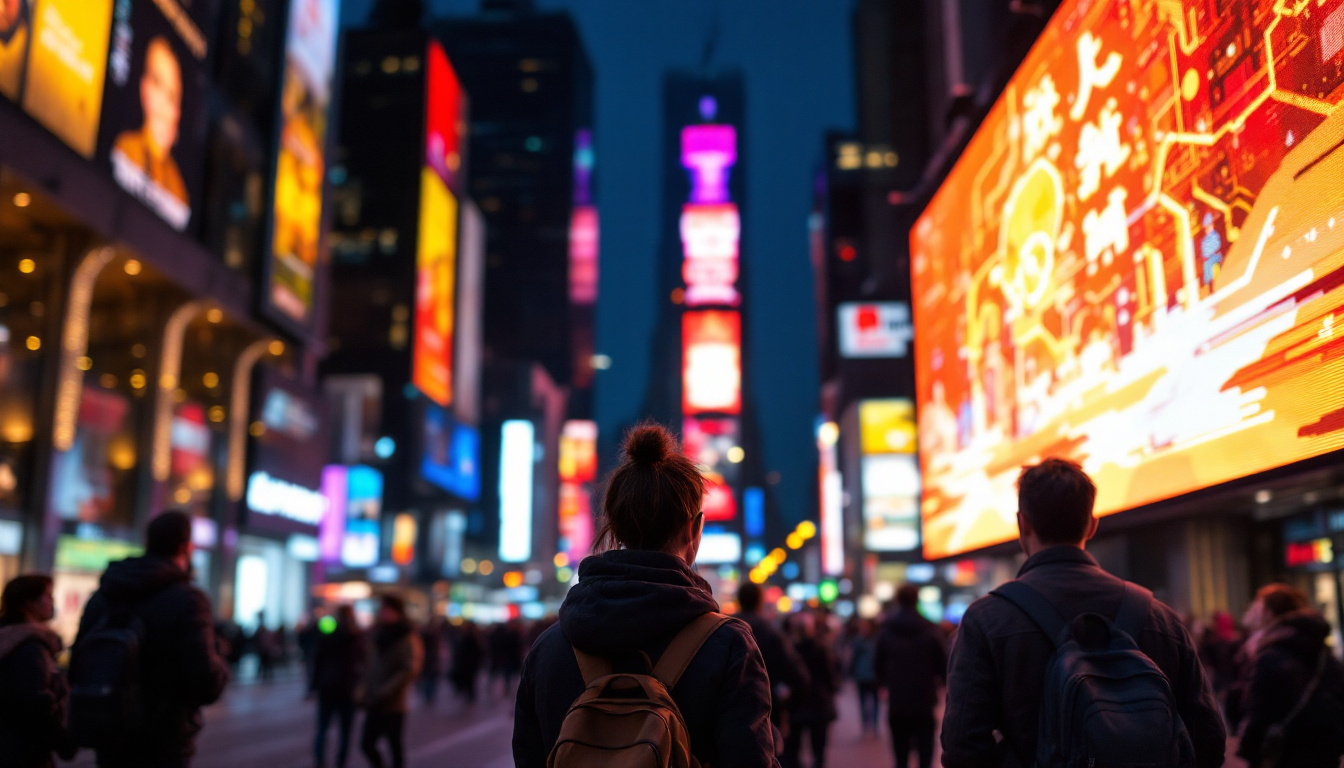
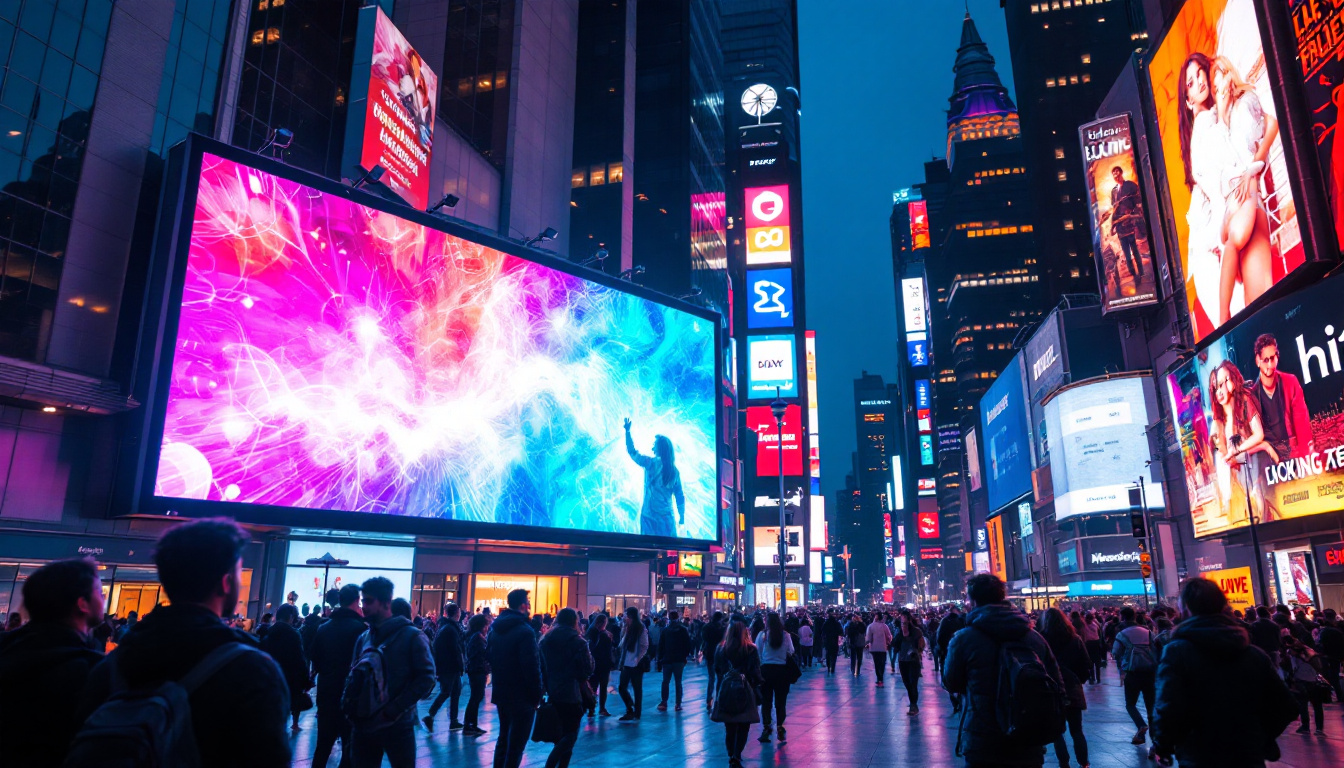
One of the most visible applications of LED displays is in outdoor advertising. Digital billboards equipped with LED technology can display dynamic content that captures attention more effectively than static signs. Their brightness ensures visibility in various lighting conditions, making them ideal for high-traffic urban areas.
According to recent market research, the global digital signage market is projected to grow at a compound annual growth rate (CAGR) of over 8% between 2023 and 2030, driven largely by the adoption of LED displays. This growth reflects the increasing demand for engaging advertising solutions that can be updated remotely and in real-time.
Entertainment and Events
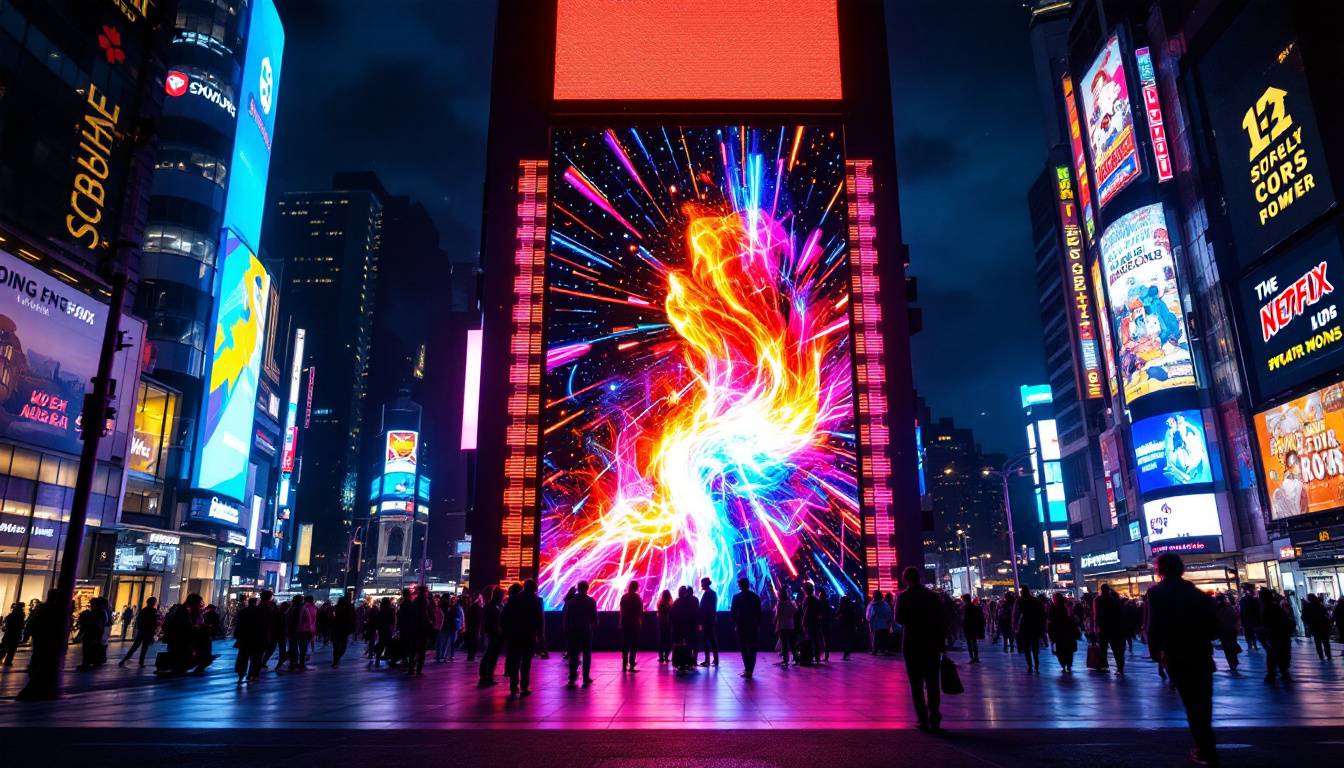
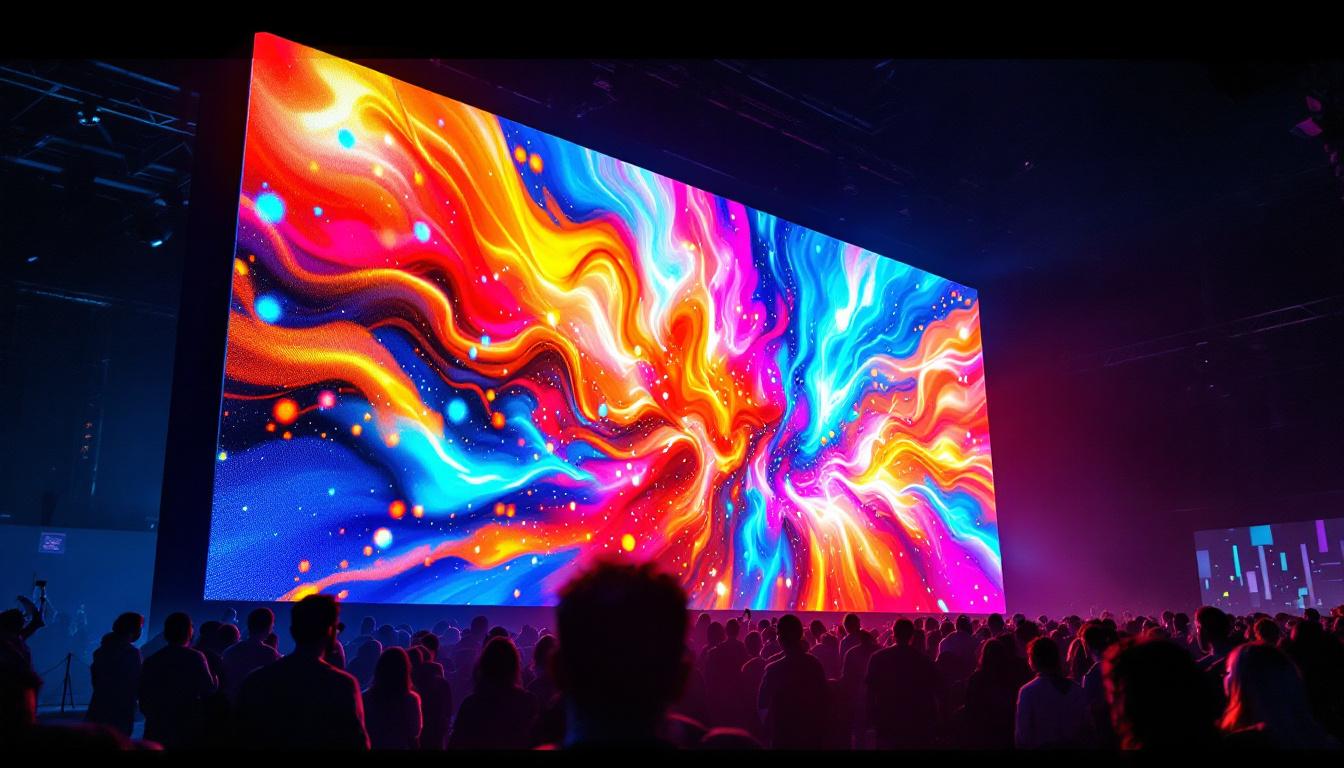
LED displays have transformed the entertainment industry by enabling large-scale visual experiences. Concerts, sports arenas, and festivals use massive LED screens to enhance audience engagement with live video feeds, graphics, and interactive content. The modular nature of LED panels allows for customizable screen sizes and shapes, accommodating diverse event requirements.
In addition to large venues, LED technology is also prevalent in home theaters and gaming setups, where high refresh rates and vivid colors contribute to immersive experiences.
Retail and Corporate Environments
Retailers leverage LED displays to attract customers and communicate promotions effectively. In-store digital signage can be tailored to specific audiences and updated instantly, improving marketing agility. Similarly, corporate offices use LED screens for presentations, video conferencing, and digital dashboards, enhancing communication and collaboration.
Advantages of LED Displays
Energy Efficiency and Longevity
LED displays consume significantly less power compared to traditional display technologies. This efficiency translates into lower operating costs and reduced environmental impact. For instance, LED-backlit LCD TVs use approximately 30-50% less energy than their CCFL-backlit counterparts.
Moreover, LEDs have a longer lifespan, often exceeding 50,000 hours of operation. This durability reduces maintenance and replacement expenses, making LED displays a cost-effective choice over time.
Superior Brightness and Color Quality
LED displays can achieve high brightness levels, often surpassing 1,000 nits for consumer devices and reaching several thousand nits for outdoor screens. This capability ensures clear visibility in bright environments and enhances the viewing experience.
The ability to produce a broad color gamut and high contrast ratios allows LED displays to render images with rich, vibrant colors and deep blacks. These qualities are essential for applications requiring precise color reproduction, such as digital art, medical imaging, and professional video production.
Design Flexibility
LED technology offers remarkable design versatility. Panels can be manufactured in various shapes and sizes, enabling curved, transparent, and flexible displays. This adaptability supports innovative applications in architecture, automotive displays, and wearable technology.
Additionally, the modular construction of many LED displays facilitates easy installation, scalability, and maintenance, making them suitable for both temporary and permanent setups.
Challenges and Considerations
Cost Implications
While LED displays offer numerous benefits, initial costs can be higher than alternative technologies, particularly for high-resolution or large-format installations. The expense of manufacturing fine-pitch LED panels and integrating advanced control systems contributes to this premium.
However, the total cost of ownership often favors LED displays due to energy savings and reduced maintenance. Careful evaluation of project requirements and long-term benefits is essential when selecting display technologies.
Environmental Impact and Sustainability
LEDs are more environmentally friendly than many traditional lighting sources, but considerations remain regarding the materials used in their production and disposal. Manufacturers are increasingly adopting sustainable practices, including recycling programs and the use of non-toxic materials.
Consumers and businesses can further minimize environmental impact by choosing energy-efficient models and supporting companies with strong sustainability commitments.
Technical Limitations
Despite advances, LED displays can face technical challenges such as color uniformity issues and potential pixel failures. High-resolution displays require precise manufacturing and quality control to ensure consistent performance.
Emerging technologies like MicroLED aim to address some of these limitations, but widespread adoption will depend on overcoming manufacturing complexities and cost barriers.
The Future of LED Display Technology
Integration with Smart Technologies
The integration of LED displays with Internet of Things (IoT) devices and artificial intelligence (AI) is creating smarter, more interactive visual systems. For example, digital signage can adapt content based on audience demographics, weather conditions, or real-time events, enhancing relevance and engagement.
Smart LED displays are also being incorporated into smart cities infrastructure, providing dynamic information such as traffic updates, public safety alerts, and environmental monitoring data.
Advancements in Resolution and Miniaturization
Continuous improvements in LED manufacturing are pushing the boundaries of resolution and pixel density. Ultra-fine pitch LED displays are becoming more accessible, enabling applications that require near-retina-level image clarity.
Miniaturization trends are also expanding the use of LED displays in compact devices like augmented reality (AR) glasses and wearable health monitors, opening new frontiers for visual communication.
Sustainability and Energy Innovations
Future developments will likely focus on enhancing the energy efficiency of LED displays even further, incorporating renewable energy sources and advanced power management systems. Innovations in materials science may lead to LEDs with improved brightness and color fidelity while reducing environmental impact.
As consumer awareness of sustainability grows, demand for eco-friendly display solutions will drive innovation and industry standards.
Conclusion
LED display technology has transformed the way information and visuals are presented across multiple industries. Its combination of energy efficiency, brightness, color quality, and design flexibility makes it a versatile and powerful medium for communication. As technology advances, LED displays will continue to evolve, offering new possibilities for immersive experiences, smart integration, and sustainable solutions.
Understanding the means of LED and the nuances of different display types is essential for businesses, designers, and consumers aiming to leverage this technology effectively. Whether for advertising, entertainment, retail, or personal use, LED displays represent a dynamic and growing segment of the digital landscape.
Discover the Future of Visual Communication with LumenMatrix
As you explore the dynamic world of LED displays, consider the innovative solutions offered by LumenMatrix. Our commitment to revolutionizing visual communication is evident in our diverse range of LED display modules. From Indoor and Outdoor LED Wall Displays to specialized solutions like Vehicle LED Displays, LED Sports Displays, and Custom LED Displays, we ensure your message resonates with brilliance and clarity. Experience the transformative power of LED technology and check out LumenMatrix LED Display Solutions today to elevate your brand visibility and engage with your audience like never before.