In today’s fast-paced world, visual communication plays a crucial role in marketing, advertising, and information dissemination. Among the many display technologies available, LED displays have emerged as a leading solution due to their brightness, versatility, and energy efficiency. This article delves into the fundamentals of LED displays, exploring their technology, applications, advantages, and future trends to provide a comprehensive understanding of this dynamic medium.
Understanding LED Display Technology
What is an LED Display?
LED stands for Light Emitting Diode, a semiconductor device that emits light when an electric current passes through it. An LED display is a flat panel or screen that uses an array of these diodes to produce images, videos, or text. Unlike traditional displays that rely on backlighting, each LED in the display acts as a tiny light source, allowing for brilliant brightness and vivid color reproduction.
LED displays can vary in size from small indicator lights to massive outdoor billboards. They are composed of thousands to millions of individual LEDs arranged in a matrix format, which can be controlled to turn on or off or change color, thus forming the desired visual content. This versatility makes LED technology a popular choice for a wide range of applications, from advertising to entertainment, and even in architectural lighting, where they can create dynamic visual effects on building facades.
Types of LED Displays
There are several types of LED displays, each designed for specific purposes:
- Direct View LED Displays: These are the most common and involve LEDs directly visible to the viewer. They are used in large-scale outdoor advertising, stadium screens, and digital signage.
- LED Backlit LCD Displays: Here, LEDs serve as backlighting for LCD panels, enhancing brightness and contrast. This technology is prevalent in televisions, monitors, and mobile devices.
- OLED Displays: Organic LEDs emit light individually and can be made flexible. OLEDs offer superior contrast and color accuracy but are typically used in smaller screens like smartphones and premium TVs.
In addition to these common types, there are also specialized LED displays such as transparent LED screens, which allow for visibility through the display while still showcasing content, making them ideal for retail environments. Furthermore, flexible LED displays are gaining popularity, as they can be bent and shaped to fit unique designs, opening up new possibilities for creative installations in both commercial and artistic settings.
How LED Displays Work
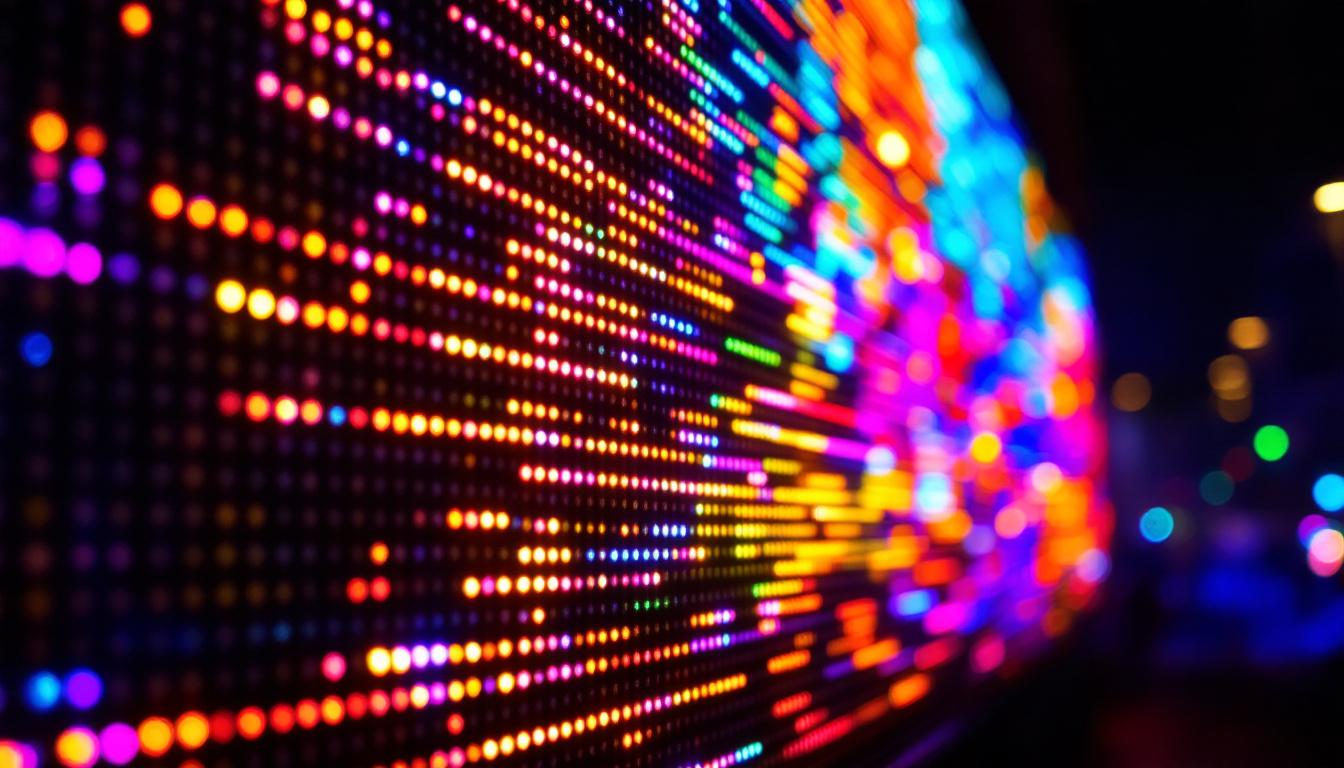
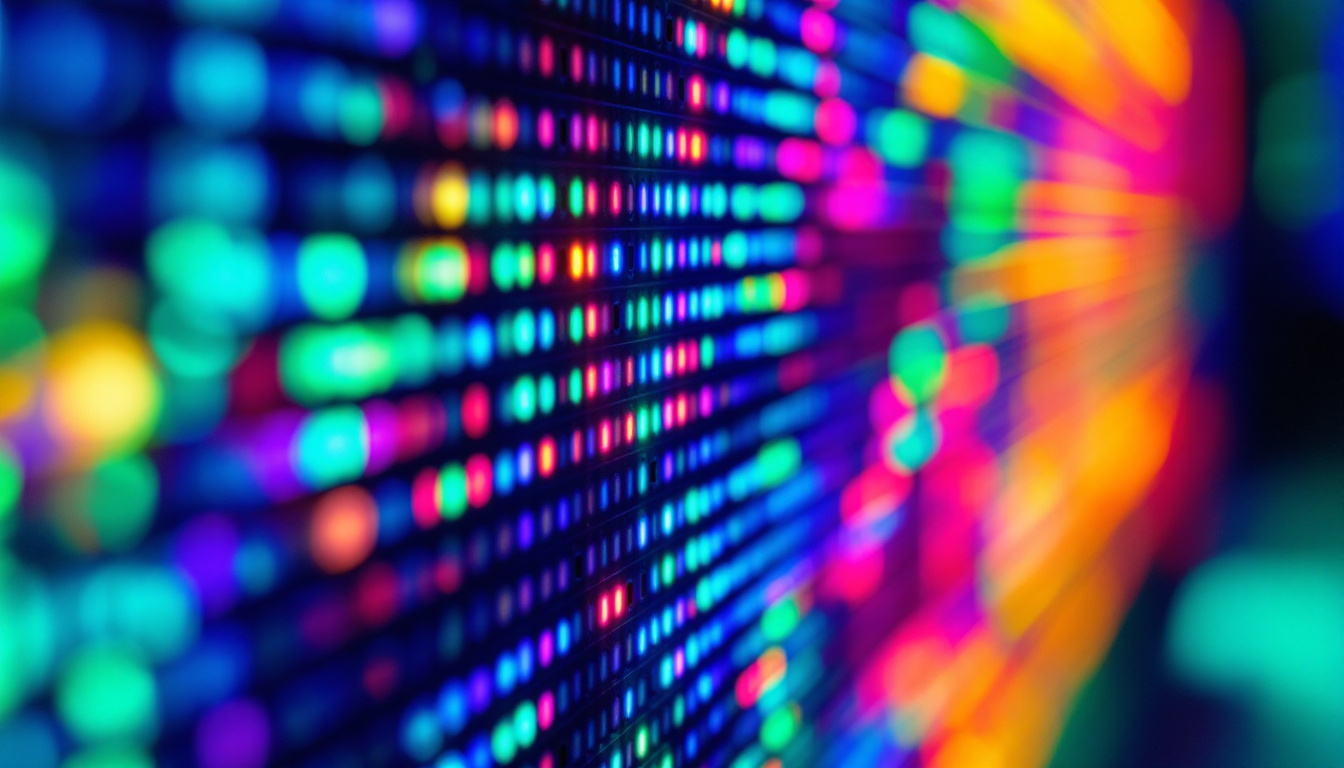
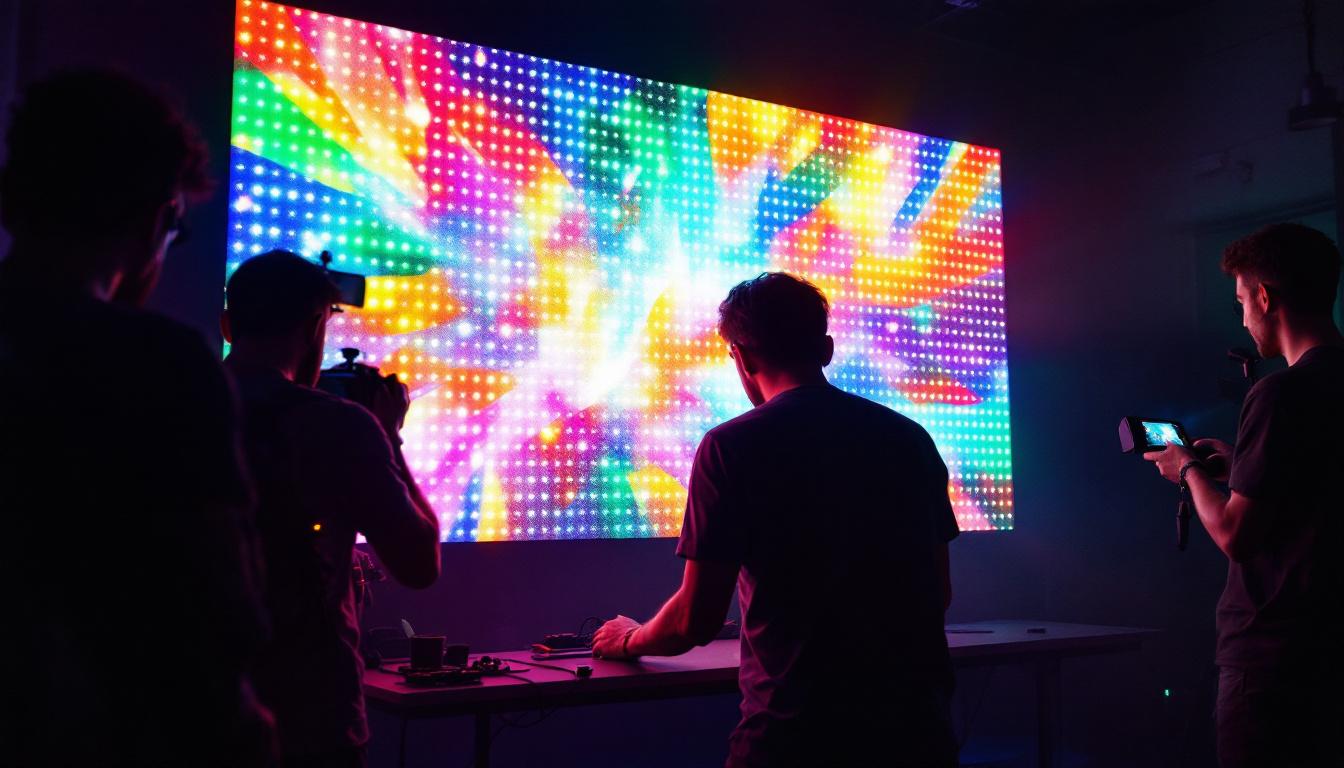
In a direct view LED display, each pixel is made up of one or more LEDs, typically red, green, and blue (RGB). By adjusting the intensity of these three colors, the display can create a full spectrum of colors. The control system modulates the current to each LED to produce the desired color and brightness at any given pixel.
The resolution of an LED display depends on the pixel pitch—the distance between the centers of two adjacent pixels. Smaller pixel pitches mean higher resolution and sharper images, which is essential for indoor displays viewed up close. Larger pixel pitches are suitable for outdoor displays viewed from a distance. Additionally, advancements in technology have led to the development of high-density LED displays that can achieve incredibly fine pixel pitches, making them suitable for applications such as high-end retail displays and immersive environments where detail is paramount.
Moreover, LED displays offer significant energy efficiency compared to traditional display technologies. This efficiency not only reduces operational costs but also contributes to sustainability efforts. As the demand for eco-friendly solutions grows, manufacturers are focusing on developing LED displays that consume less power while maintaining high performance, thus appealing to environmentally conscious consumers and businesses alike. This shift is paving the way for a future where LED technology continues to dominate the display market, driven by innovations that enhance both functionality and environmental responsibility.
Applications of LED Displays in Print and Advertising
Outdoor Advertising and Billboards
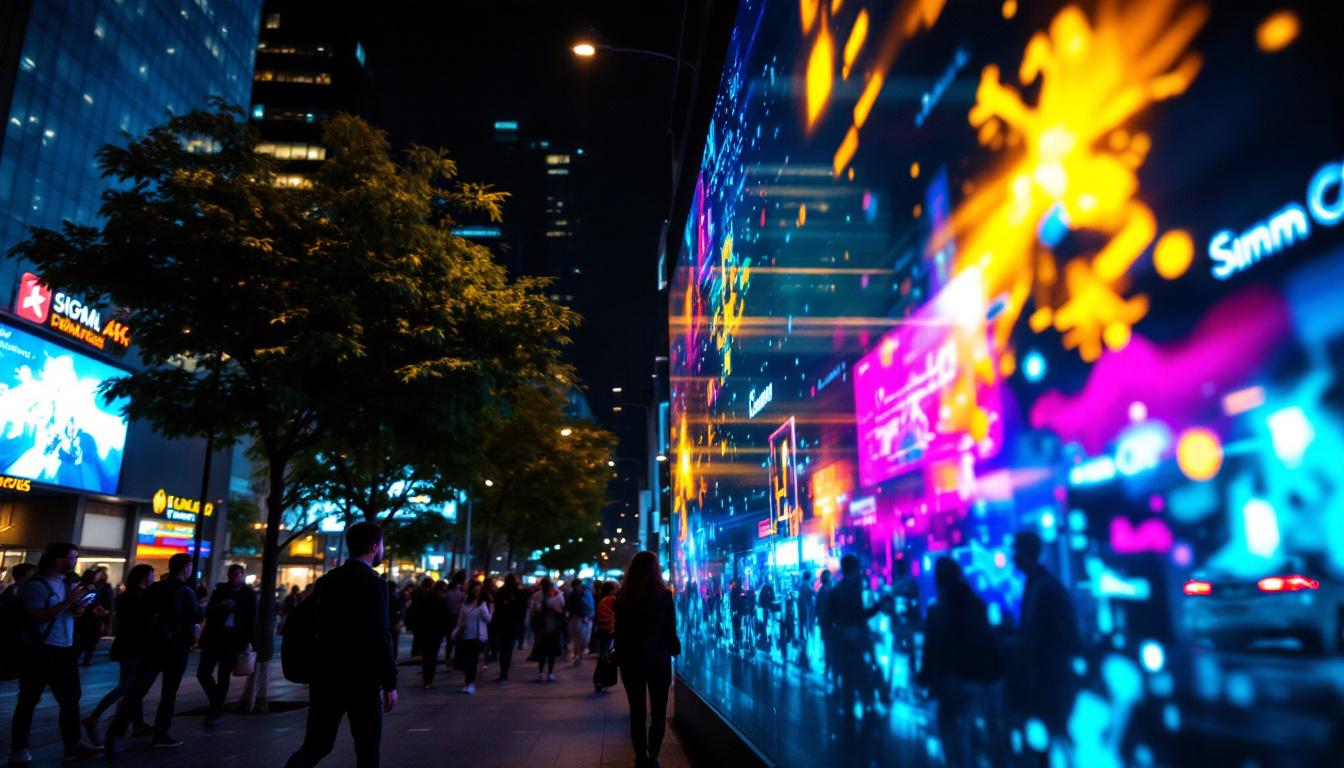
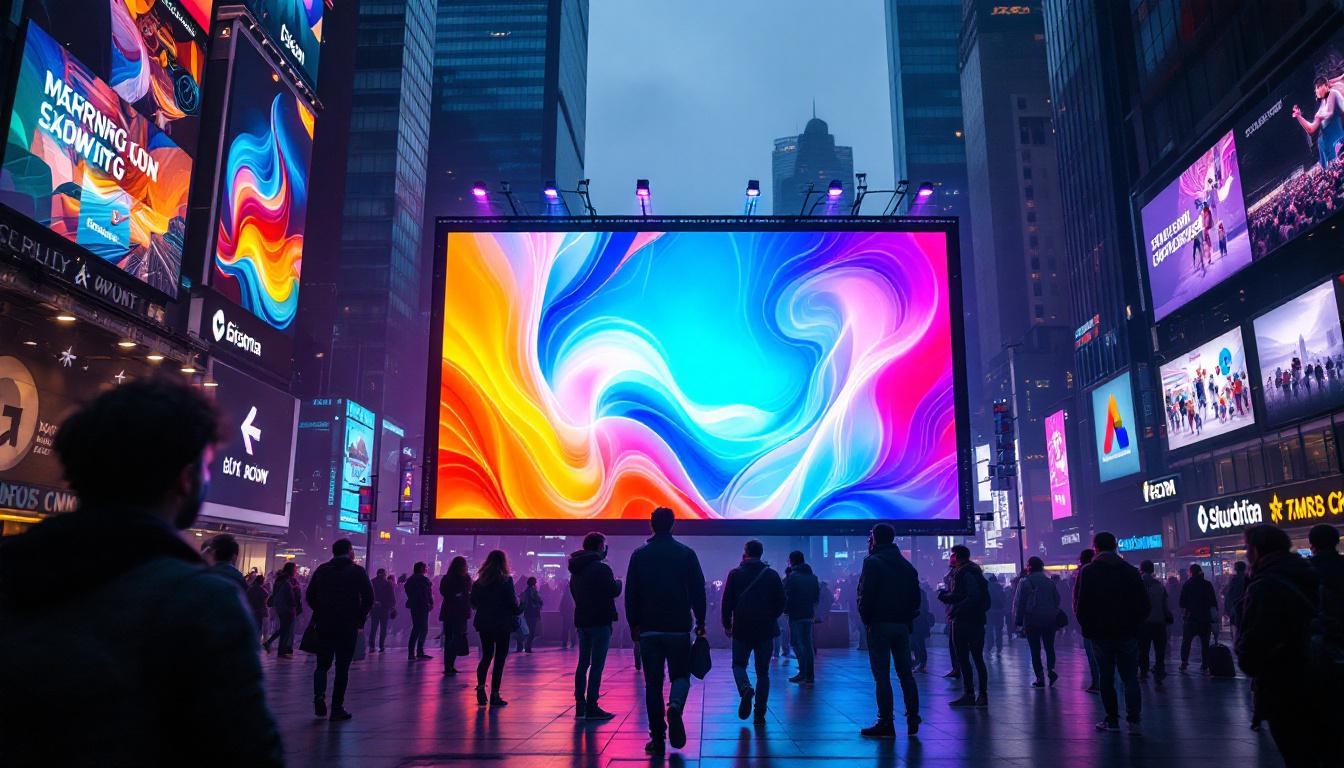
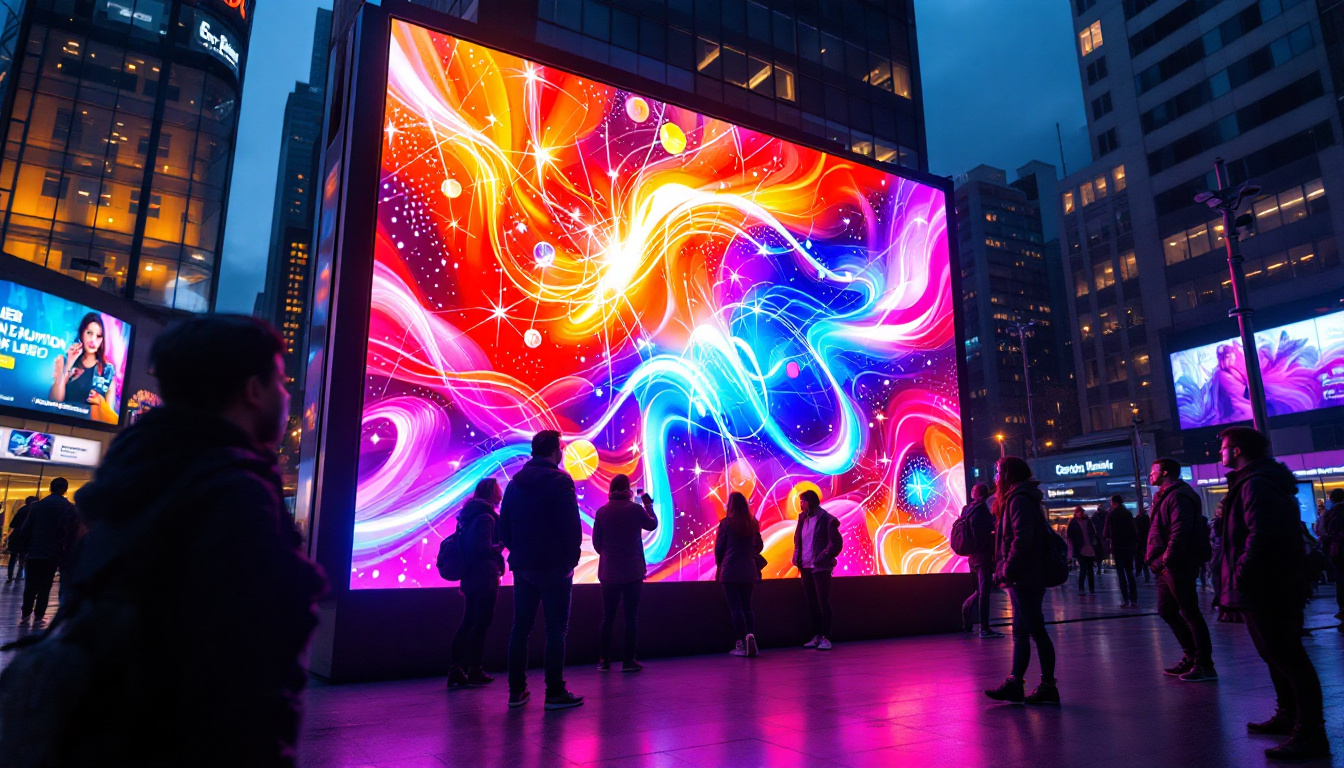
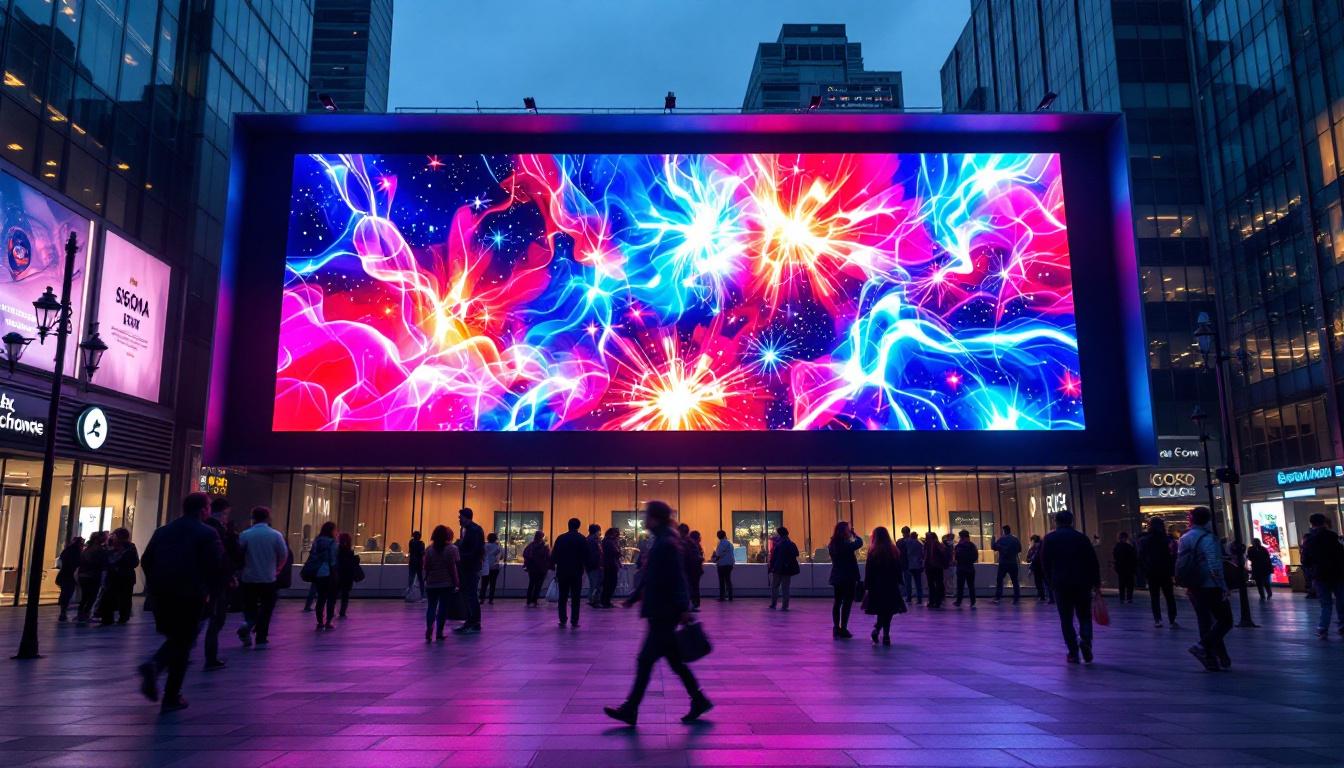
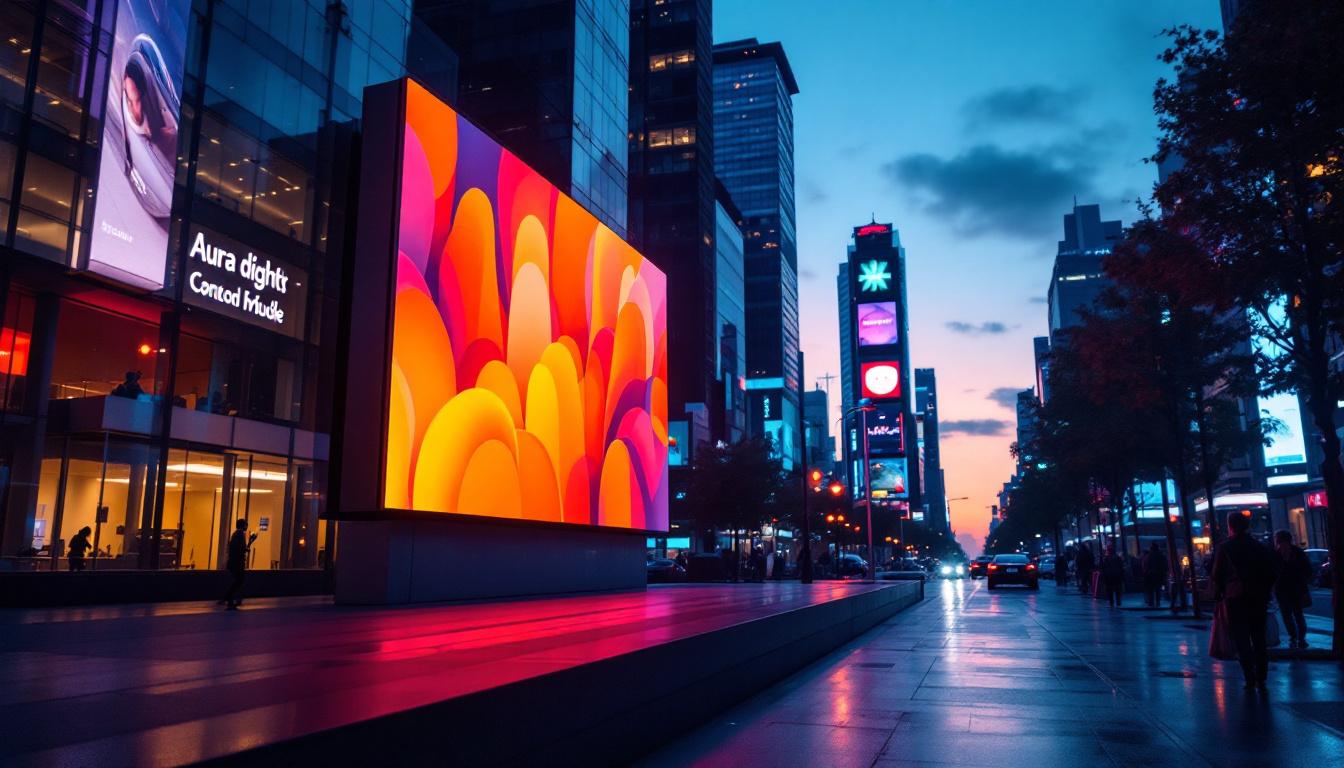
LED displays have revolutionized outdoor advertising by enabling dynamic, eye-catching content that can be updated remotely and instantly. According to the Outdoor Advertising Association of America, digital billboards, primarily LED-based, accounted for over 30% of the total billboard market revenue in 2023, reflecting their growing importance.
Unlike traditional static billboards, LED displays offer the flexibility to show multiple advertisements, animations, and real-time information such as weather updates or news. Their high brightness ensures visibility even in direct sunlight, making them ideal for busy urban environments and highways. Furthermore, the ability to integrate sensors and data analytics allows advertisers to tailor their messages based on audience engagement, time of day, or even traffic patterns, maximizing the effectiveness of their campaigns.
Retail and Point-of-Sale Displays
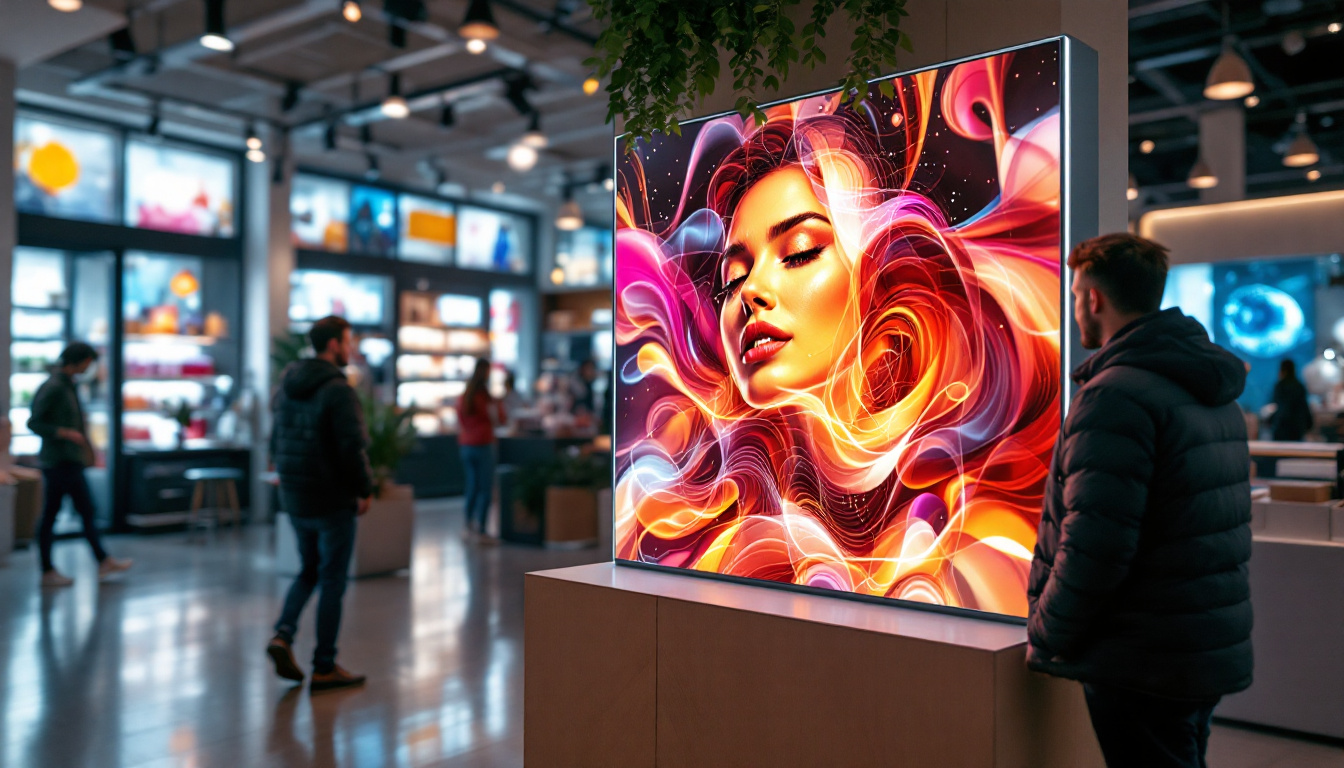
In retail environments, LED displays enhance customer engagement by showcasing promotions, product information, and interactive content. Digital signage using LED technology can adapt messaging based on time of day, customer demographics, or inventory levels, offering personalized marketing opportunities.
For example, major retailers have integrated LED displays into storefront windows and in-store kiosks to attract foot traffic and improve the shopping experience. The ability to quickly update content reduces printing costs and waste associated with traditional print displays. Additionally, the interactive nature of these displays can lead to increased dwell time, as customers are drawn in by engaging visuals and interactive elements, such as touchscreens that provide product details or special offers, creating a more immersive shopping environment.
Events, Exhibitions, and Public Spaces
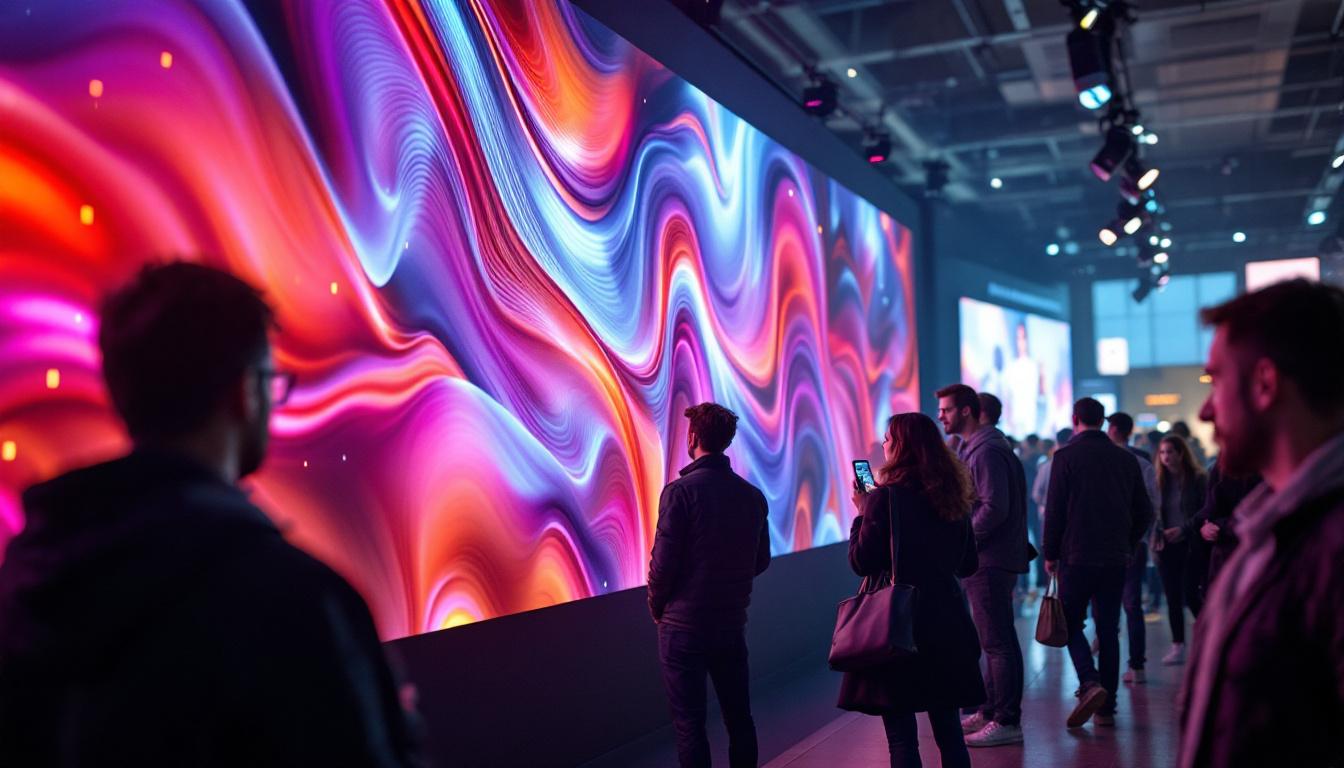
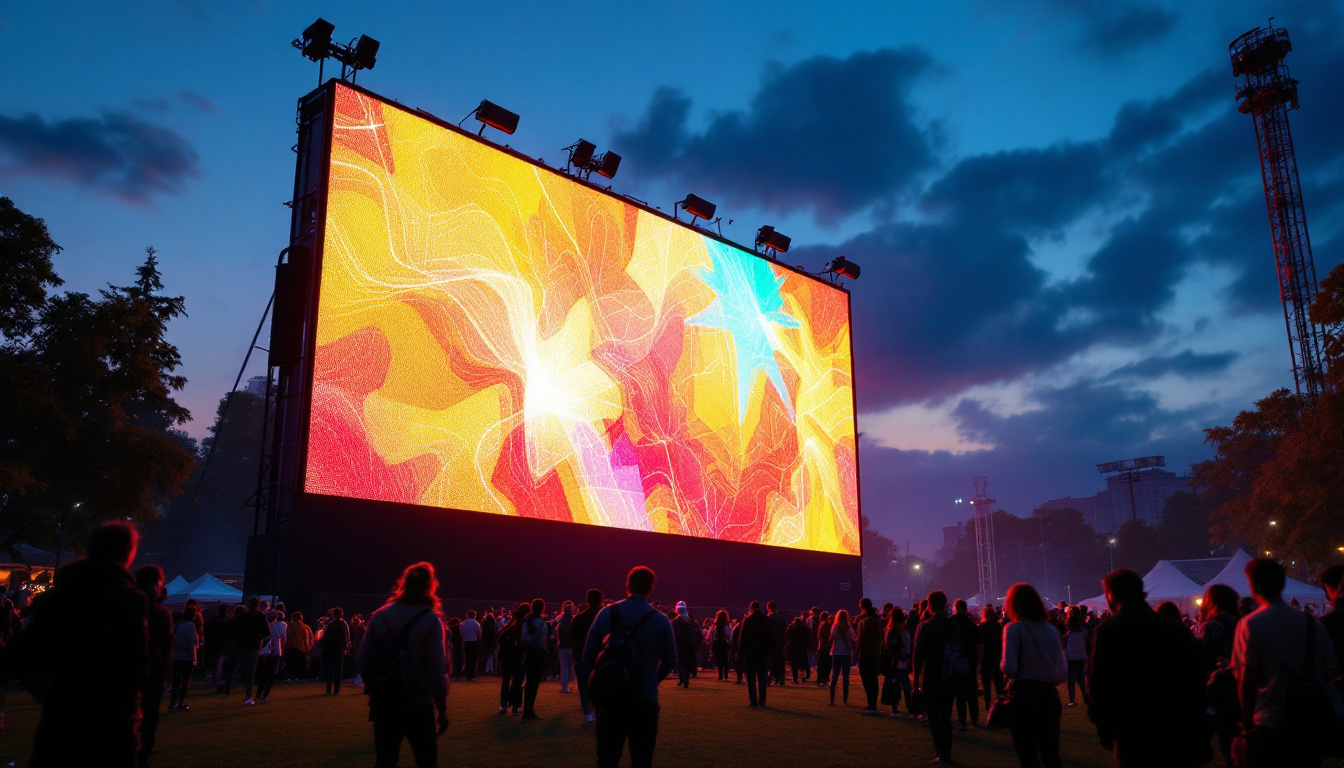
LED displays are widely used in concerts, trade shows, sports arenas, and public information systems. Their lightweight and modular design allow for custom shapes and sizes, making them suitable for immersive experiences and large-scale presentations.
For instance, the use of LED walls in stadiums has transformed how fans engage with live events, providing instant replays, statistics, and interactive elements that enhance the atmosphere and viewer satisfaction. Beyond sports, these displays are also utilized in art installations and public performances, where they can create stunning visual effects that captivate audiences. The versatility of LED technology means that it can be seamlessly integrated into various environments, whether it’s a vibrant backdrop for a music festival or a sophisticated display at a corporate event, ensuring that the message resonates with diverse audiences.
Advantages of LED Displays Over Traditional Print Displays
Brightness and Visibility
One of the most significant advantages of LED displays is their superior brightness. LED screens can reach brightness levels of up to 5,000 nits or more, compared to printed materials that rely on ambient light. This makes LED displays visible in all lighting conditions, including direct sunlight, which is a critical factor for outdoor advertising.
Dynamic Content and Flexibility
Unlike static print displays, LED technology allows for dynamic content that can be changed instantly. Advertisers can rotate multiple messages, incorporate animations, or display live data feeds, increasing engagement and relevance.
This flexibility also reduces the need for physical replacements, lowering operational costs and environmental impact over time.
Energy Efficiency and Longevity
Modern LED displays are highly energy-efficient compared to other digital display technologies such as plasma or incandescent lighting. LEDs consume less power while providing brighter output, which translates to lower operational expenses.
Additionally, LEDs have a long lifespan, often exceeding 100,000 hours, meaning they can operate continuously for years with minimal maintenance, making them a cost-effective choice for businesses.
Environmental Impact
With increasing emphasis on sustainability, LED displays offer an environmentally friendly alternative to traditional print. They eliminate the need for paper, inks, and physical waste associated with print advertising. Moreover, many LED components are recyclable, and the energy efficiency reduces carbon footprint.
Challenges and Considerations When Using LED Displays
Initial Investment and Installation
While LED displays offer long-term benefits, the initial cost can be substantial, especially for large-scale or high-resolution installations. This includes not only the display panels but also supporting infrastructure such as mounting systems, power supplies, and control hardware.
Installation requires careful planning to ensure optimal viewing angles, weather protection for outdoor units, and compliance with local regulations regarding brightness and content.
Content Creation and Management
Creating effective content for LED displays demands a different approach than traditional print. Motion graphics, video, and interactive elements require specialized software and expertise. Additionally, managing content schedules and updates often involves digital asset management systems to maximize the display’s potential.
Technical Limitations
Despite advances, LED displays have limitations. Pixel pitch constraints mean that very high-resolution displays can be expensive. Viewing angles and color uniformity can vary depending on the quality of the LEDs and the design of the display.
Furthermore, outdoor LED displays must be designed to withstand environmental factors such as rain, dust, and temperature extremes, which can affect performance and durability.
The Future of LED Displays in Print and Digital Media
Integration with Smart Technologies
The convergence of LED displays with artificial intelligence (AI), Internet of Things (IoT), and data analytics is shaping the future of digital signage. Smart LED displays can adapt content in real-time based on audience behavior, weather conditions, or social media trends, creating highly personalized and impactful experiences.
Advancements in LED Materials and Design
Research into microLED and miniLED technologies promises even greater brightness, resolution, and energy efficiency. These innovations will enable thinner, lighter, and more flexible displays that can be integrated into diverse environments, including wearable devices and architectural elements.
Sustainability and Circular Economy
As environmental concerns grow, manufacturers are focusing on sustainable materials and recycling programs for LED displays. The development of modular designs that allow easy repair and component replacement will extend product life cycles and reduce electronic waste.
Conclusion
LED displays represent a transformative technology in the realm of print and digital media, offering unmatched brightness, flexibility, and efficiency. Their ability to deliver dynamic, engaging content in a variety of environments makes them indispensable for modern advertising, retail, and public information systems.
While challenges such as initial costs and technical complexities exist, ongoing innovations and smart integrations are expanding the possibilities of LED displays. For businesses and organizations looking to enhance their visual communication strategies, understanding LED technology is essential to harnessing its full potential.
Discover the Future of Visual Communication with LumenMatrix
Ready to elevate your visual marketing and communication strategies? LumenMatrix is at the forefront of LED display innovation, offering a comprehensive suite of solutions tailored to your unique needs. From captivating Indoor LED Wall Displays to dynamic Outdoor LED Wall Displays, and from versatile Vehicle LED Displays to sleek LED Poster Displays, our technology is designed to make your brand shine. Experience the revolution in digital signage with our LED Sports Displays, interactive Floor LED Displays, and the stunning clarity of our Custom and All-in-One LED Displays, including the cutting-edge LED Transparent Display. Embrace the future of visual engagement with LumenMatrix and let us help you create unforgettable visual experiences. Check out LumenMatrix LED Display Solutions today and transform the way you communicate with your audience.