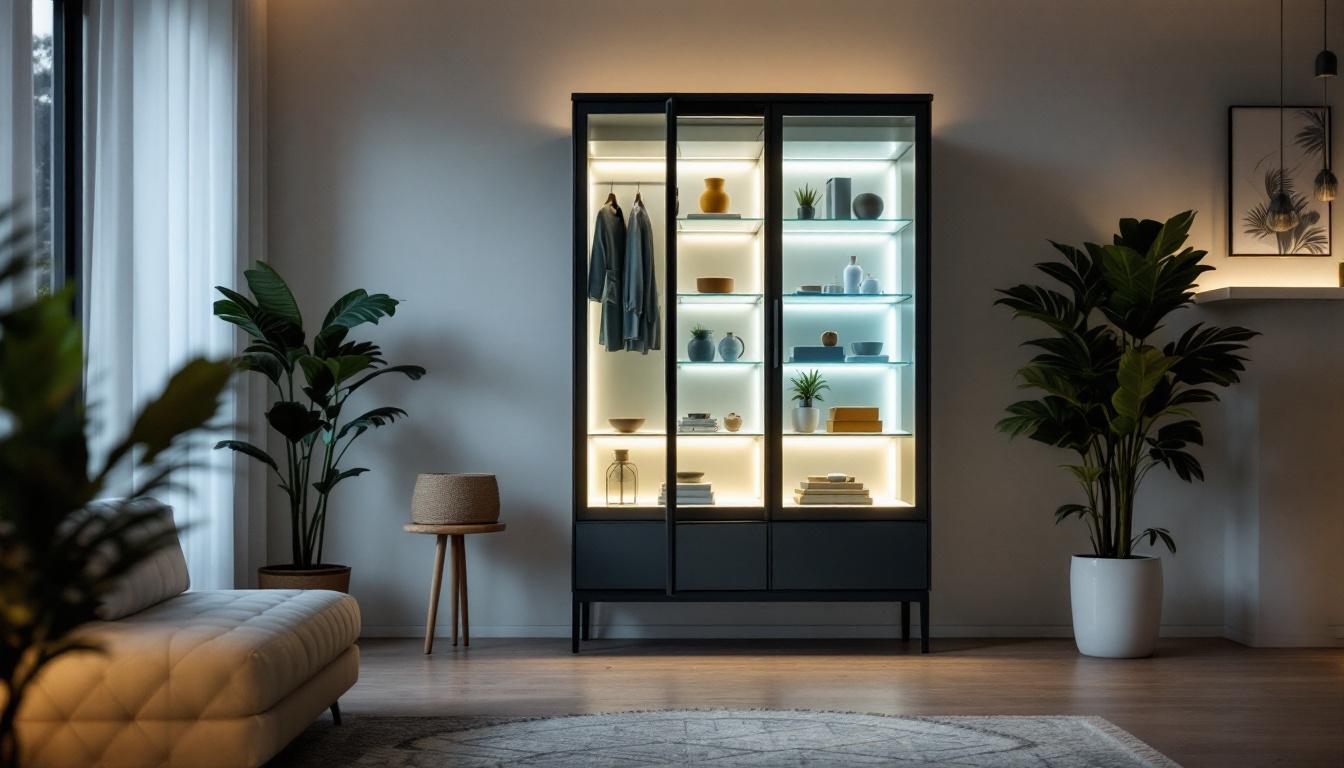
In the rapidly evolving world of digital signage and display technology, LED displays have emerged as a dominant force. Their vibrant colors, energy efficiency, and versatility make them ideal for a wide range of applications—from advertising and entertainment to corporate communication and public information systems. Among the various ways LED displays are housed and utilized, the concept of a display armoire stands out as a practical and innovative solution. This article delves into the details of LED displays, explains what a display armoire is, and explores why this combination is transforming how businesses and organizations present digital content.
Understanding LED Display Technology
What Is an LED Display?
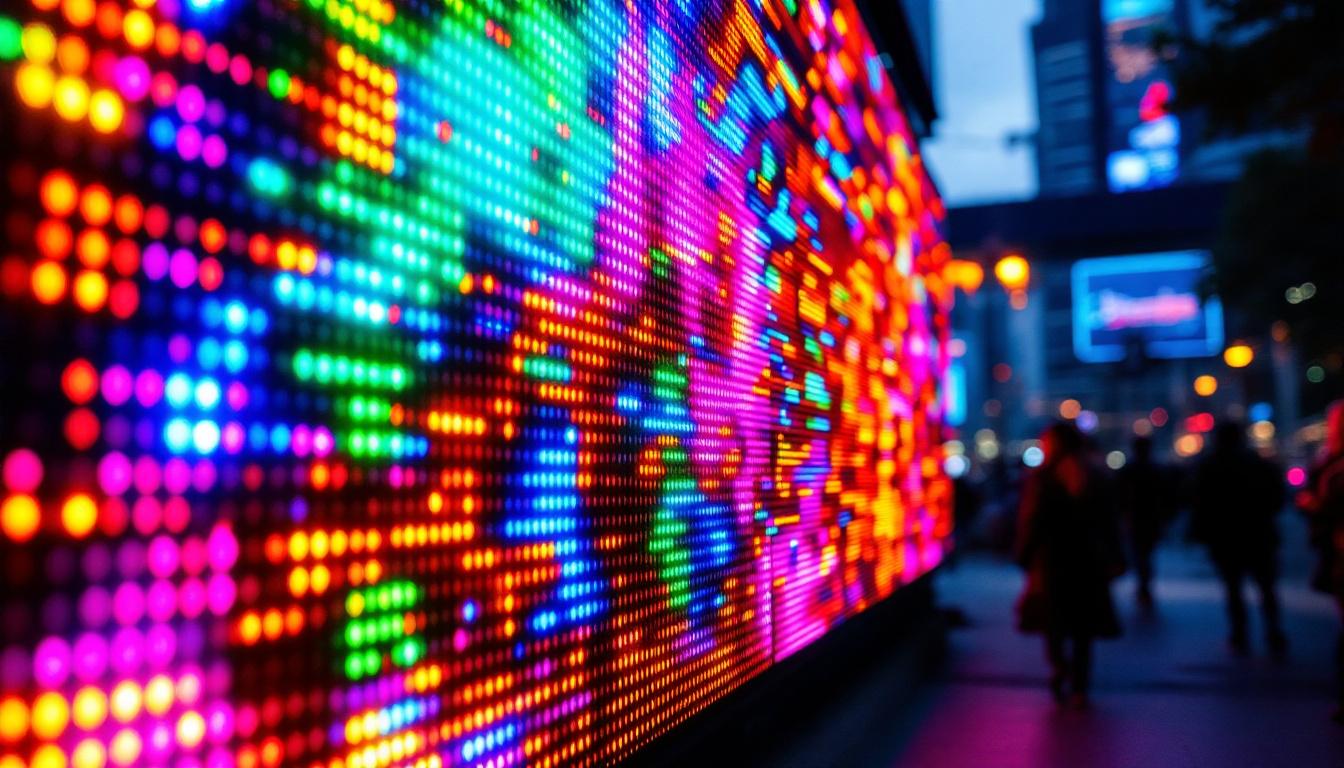
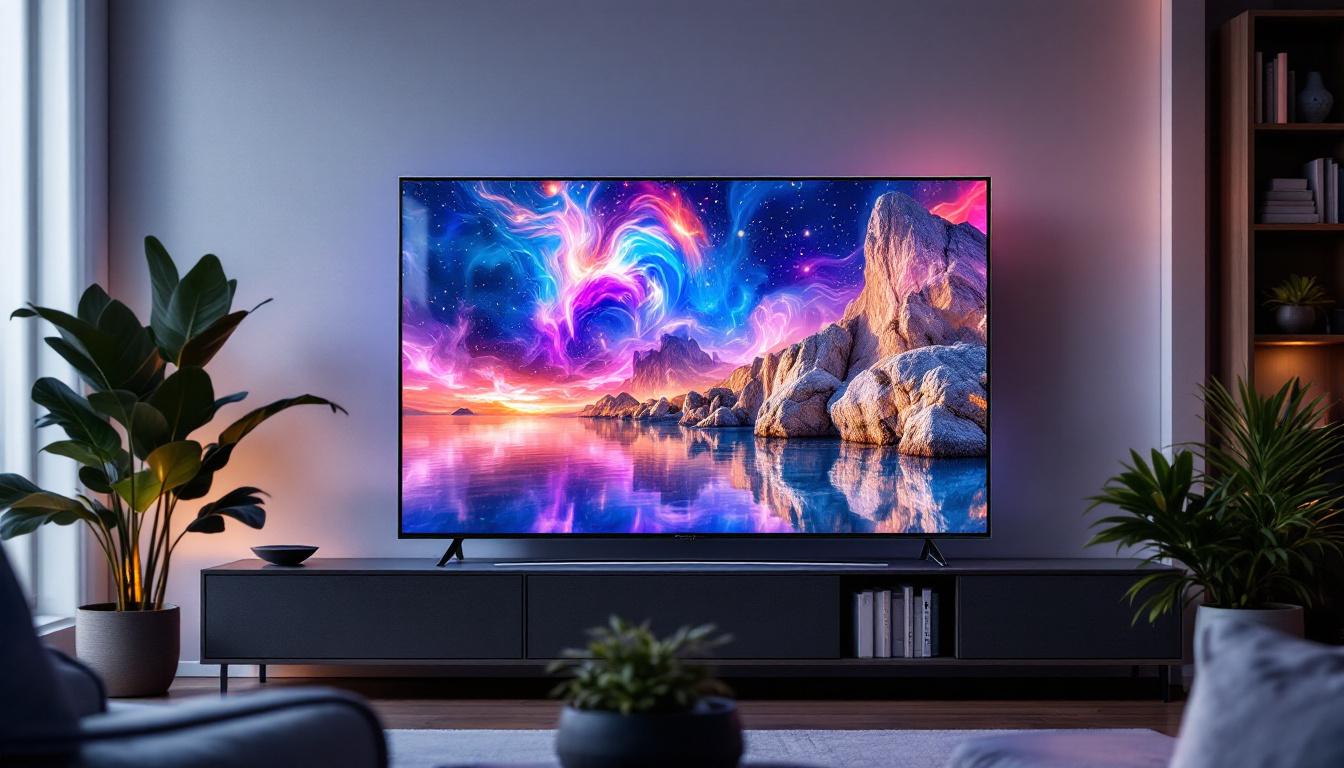
LED stands for Light Emitting Diode, a semiconductor device that emits light when an electric current passes through it. LED displays use thousands to millions of these tiny diodes arranged in a matrix to create images, videos, and text. Unlike traditional LCD or plasma screens, LED displays produce their own light, which results in higher brightness levels and better contrast ratios.
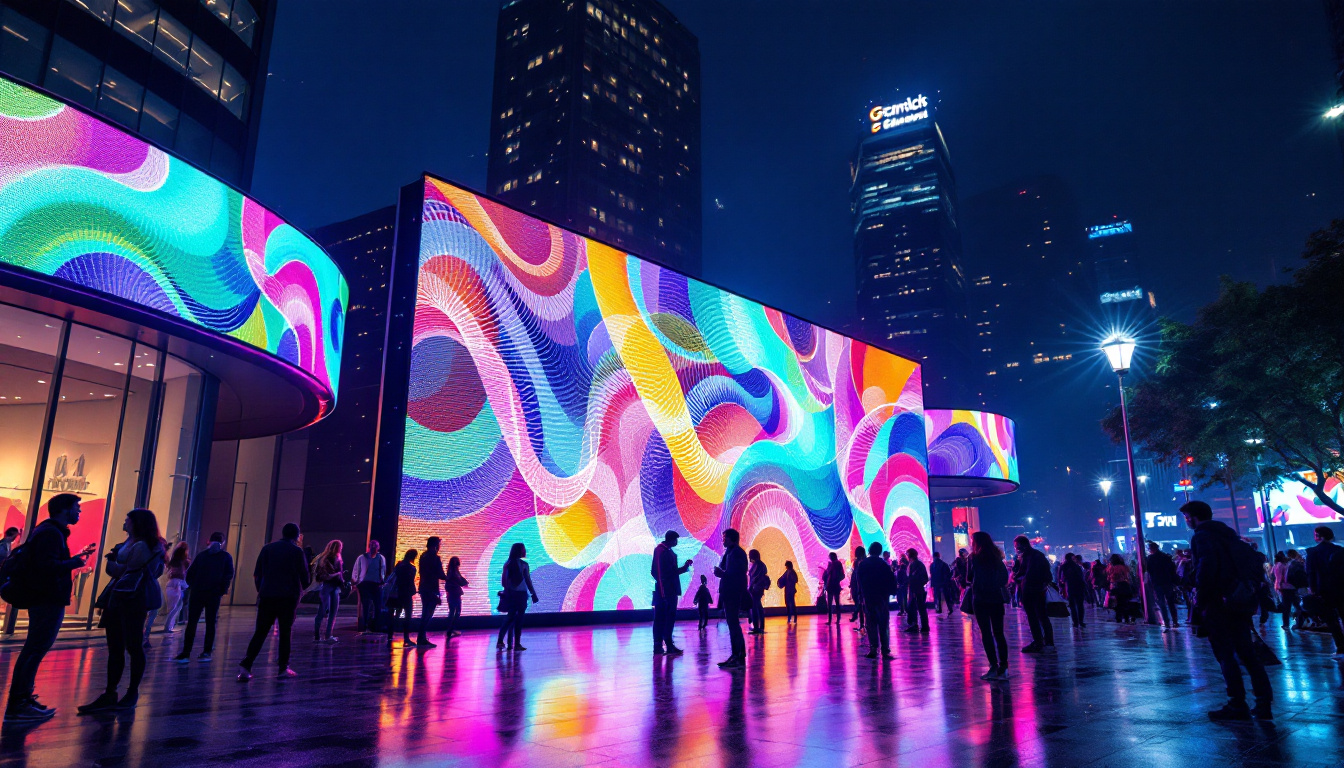
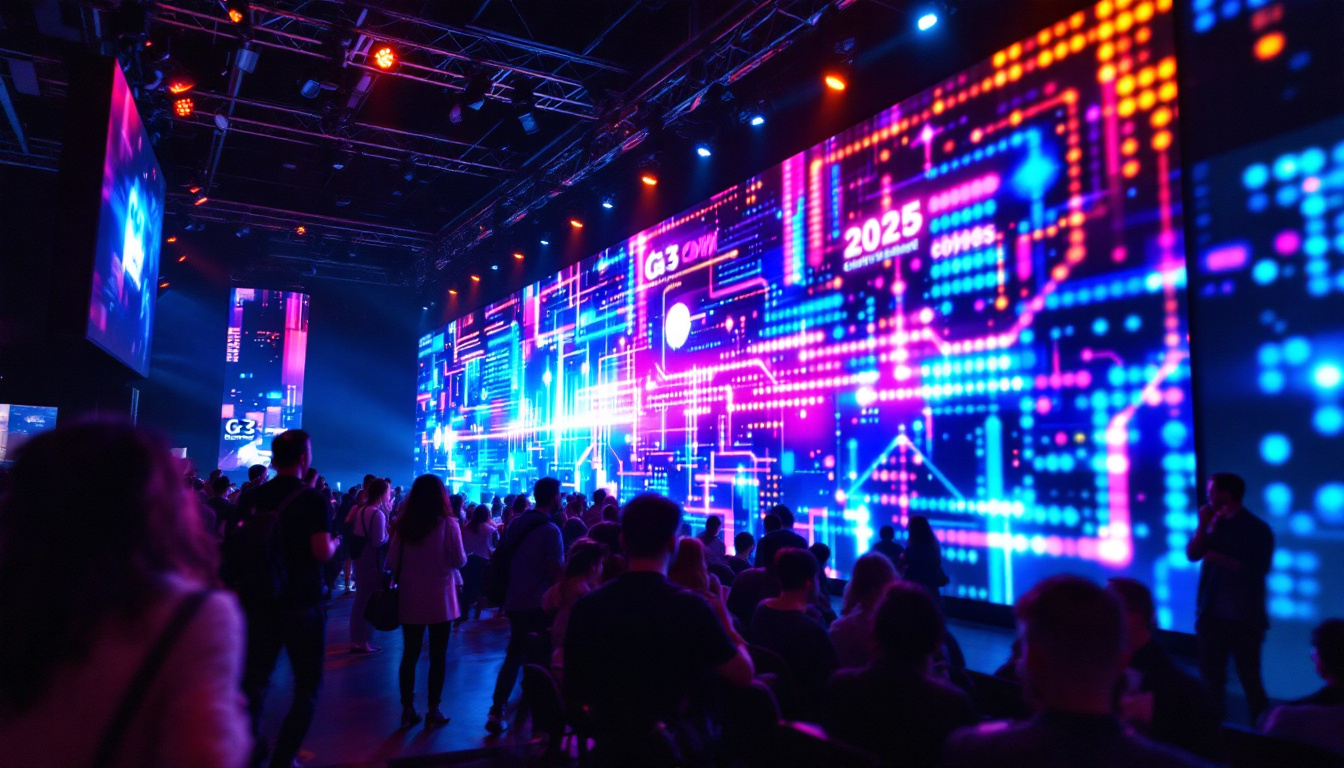
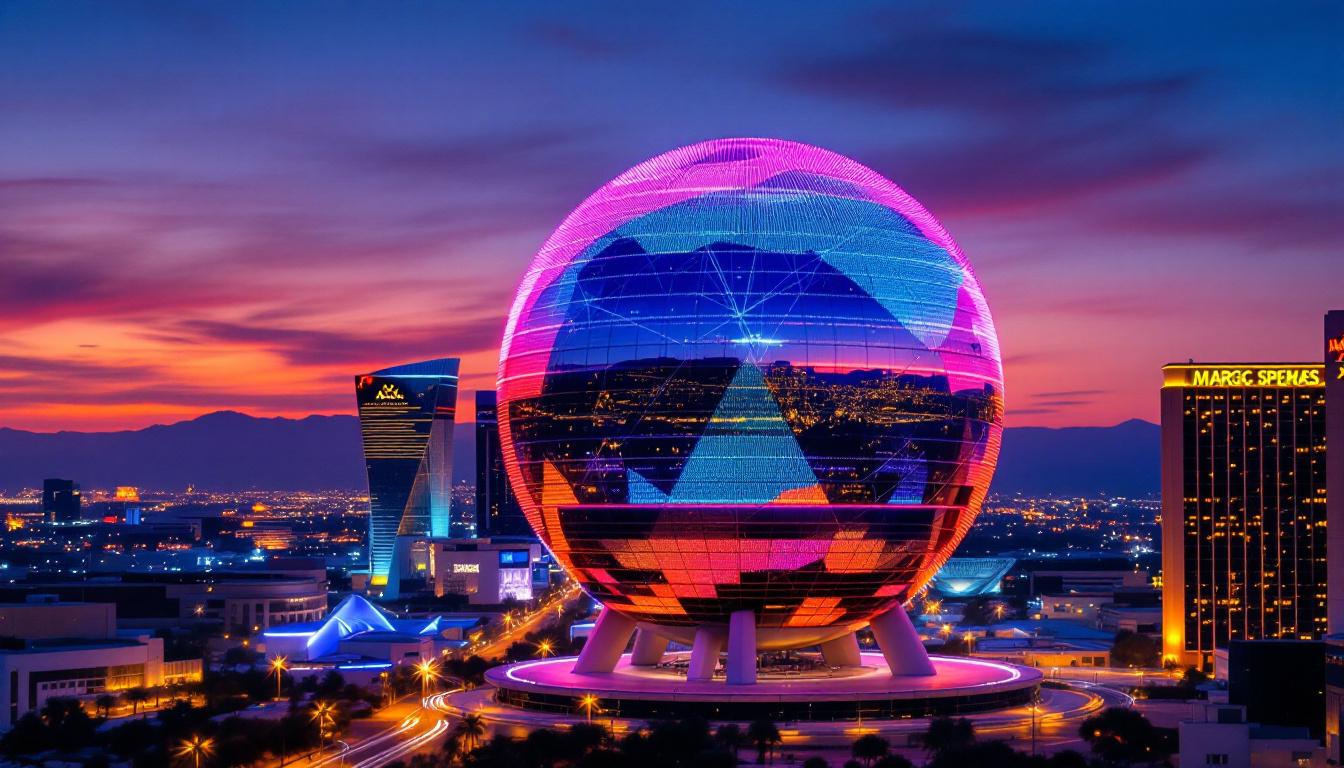
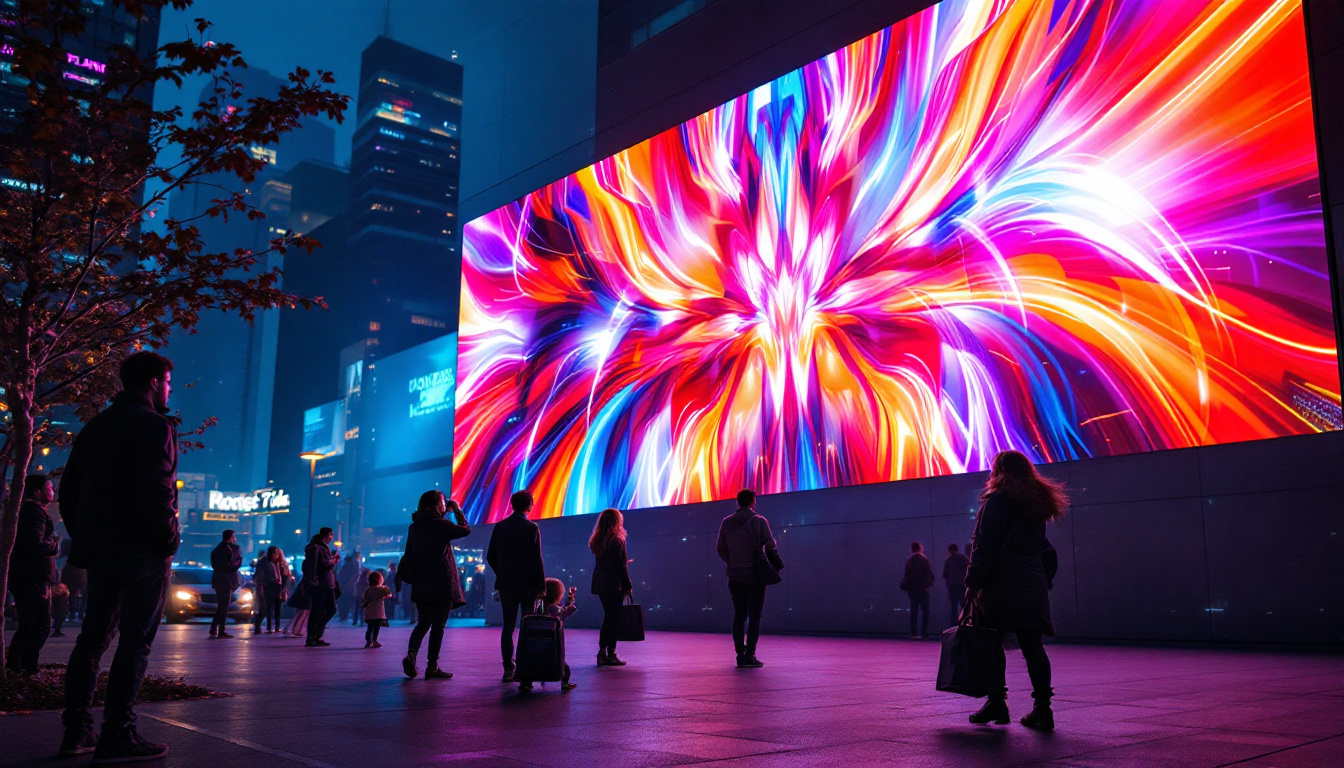
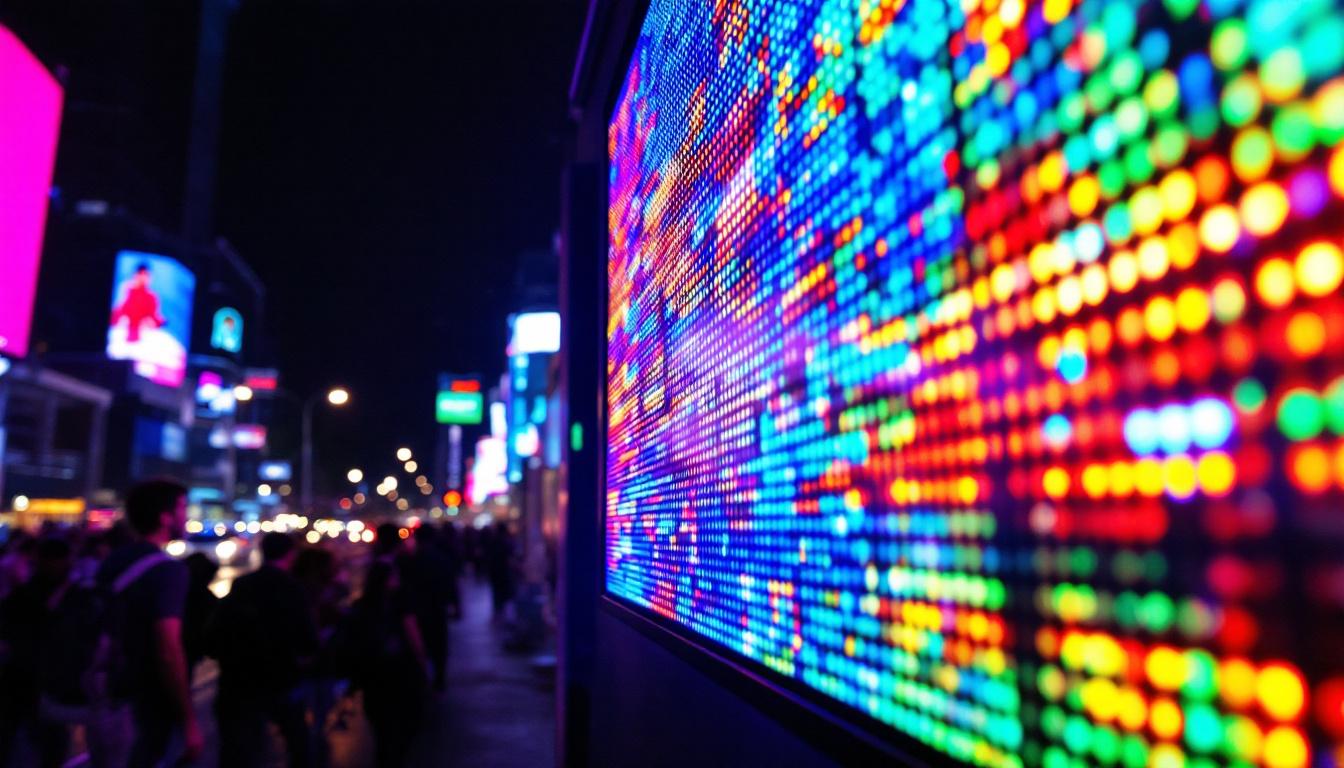
LED technology has advanced significantly over the past decade. Modern LED displays can be found in various forms, including indoor and outdoor screens, flexible panels, and transparent displays. The ability to customize pixel pitch (the distance between individual LEDs) allows manufacturers to tailor displays for different viewing distances and resolutions, making LED displays suitable for everything from large stadium screens to small retail signage. The versatility of LED technology has also led to innovative applications, such as digital billboards that can change content in real-time, enhancing advertising strategies and audience engagement.
Key Advantages of LED Displays
LED displays offer several compelling benefits that contribute to their widespread adoption:
- Brightness and Visibility: LED displays can achieve brightness levels exceeding 5,000 nits, making them easily viewable even in direct sunlight. This is particularly important for outdoor advertising and public information boards.
- Energy Efficiency: Compared to older display technologies, LEDs consume less power while delivering superior brightness, which reduces operational costs and environmental impact.
- Longevity and Durability: LEDs have a lifespan of 50,000 to 100,000 hours, significantly longer than LCD or plasma displays. Additionally, LED modules are more resistant to shock, vibration, and temperature extremes.
- Color Accuracy and Contrast: The self-emissive nature of LEDs allows for deep blacks and vibrant colors, enhancing image quality and viewer engagement.
Moreover, the modular design of LED displays allows for easy maintenance and repair. If a single LED module fails, it can be replaced without needing to dismantle the entire display, minimizing downtime and costs associated with repairs. This is particularly advantageous for large installations where accessibility can be a challenge. Furthermore, advancements in technology have led to the development of smart LED displays that can integrate with IoT systems, allowing for real-time data updates and interactive features. This capability opens up a world of possibilities for dynamic content delivery, making LED displays an essential tool for businesses looking to enhance customer experiences.
Another significant advantage of LED displays is their adaptability to various environments. For instance, indoor LED displays are often designed with finer pixel pitches for close-up viewing, providing exceptional image clarity in settings like conference rooms and retail spaces. On the other hand, outdoor LED displays are engineered to withstand harsh weather conditions, featuring protective coatings and robust housing. This adaptability not only broadens the application range of LED technology but also ensures that businesses can utilize these displays effectively in diverse settings, from bustling city streets to serene indoor venues.
What Is a Display Armoire?
Definition and Purpose
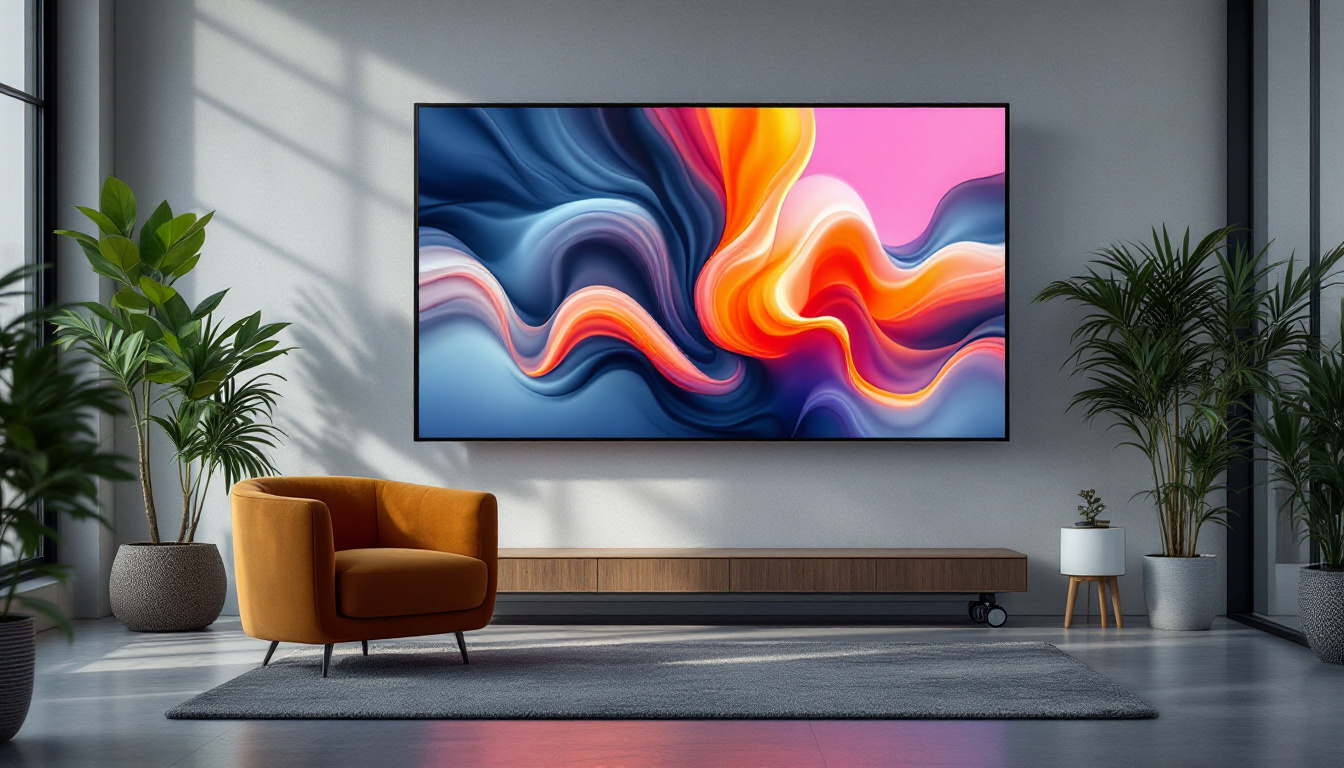
A display armoire is essentially a specialized cabinet or enclosure designed to house LED display panels or screens. The term “armoire” traditionally refers to a large, freestanding wardrobe or cabinet used for storage. In the context of digital displays, a display armoire serves as a protective, aesthetic, and functional housing unit that integrates the LED screen with other necessary components such as media players, power supplies, cooling systems, and wiring.
These armoires are often custom-built to fit specific environments and use cases, ranging from retail stores and museums to corporate lobbies and outdoor advertising installations. By combining the display with its enclosure, the armoire simplifies installation, enhances security, and improves the overall user experience.
Design Features of Display Armoires
Display armoires are designed with several key features in mind:
- Protection: The enclosure protects sensitive LED components from dust, moisture, vandalism, and accidental damage. This is crucial for outdoor or high-traffic environments.
- Ventilation and Cooling: LED displays generate heat during operation. Display armoires incorporate ventilation systems or active cooling solutions to maintain optimal operating temperatures and prolong the lifespan of the electronics.
- Accessibility: Maintenance and upgrades are facilitated by design elements such as hinged doors, removable panels, and cable management systems.
- Aesthetic Integration: The armoire’s exterior can be customized to match the surrounding decor or branding requirements, making the display a seamless part of the environment.
- Mobility: Some display armoires are equipped with wheels or casters, allowing for easy relocation within a venue or between different sites.
Applications of Display Armoires with LED Displays
Retail and Commercial Spaces
Retailers are increasingly leveraging digital signage to capture customer attention and promote products dynamically. Display armoires with integrated LED screens provide a turnkey solution that combines visual impact with practical considerations like security and ease of installation.
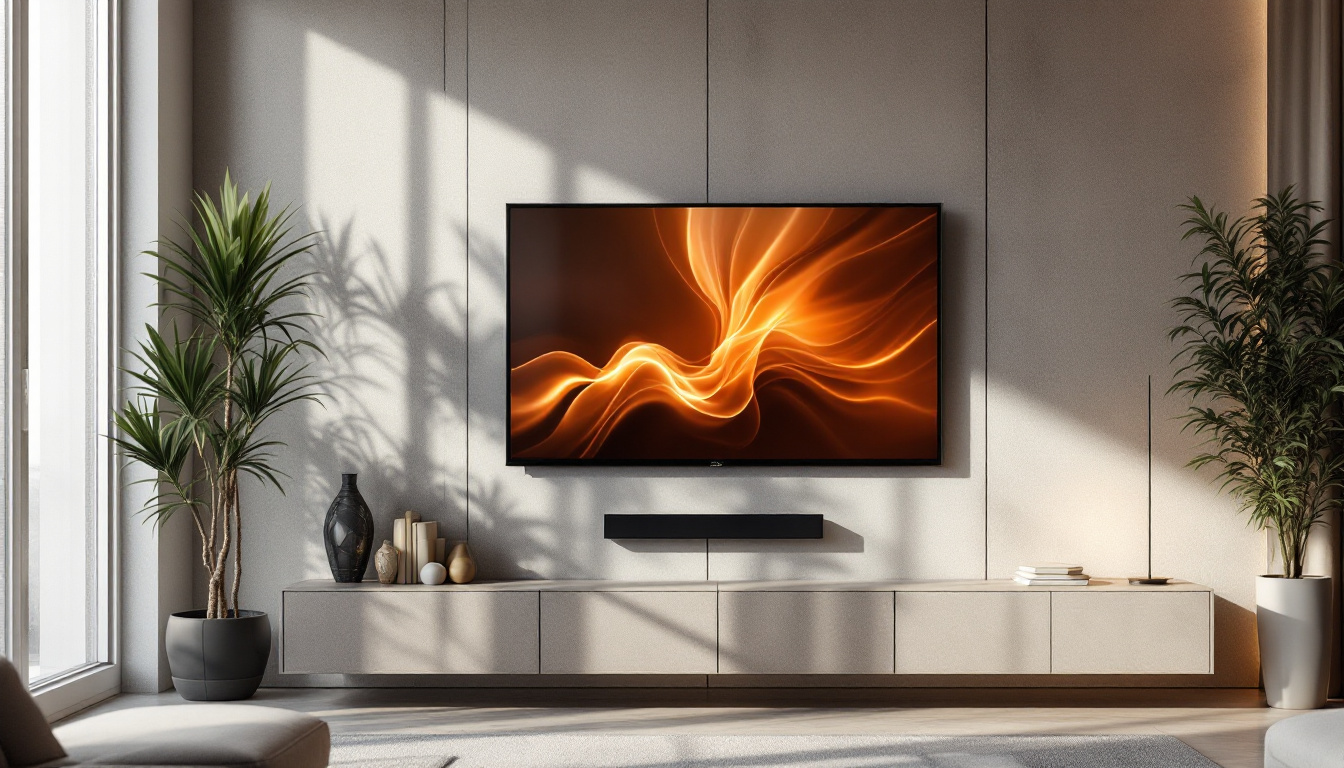
For example, a luxury boutique might use a sleek, custom-designed display armoire to showcase high-definition promotional videos or interactive content. The armoire protects the technology while complementing the store’s upscale interior design.
Corporate and Educational Environments
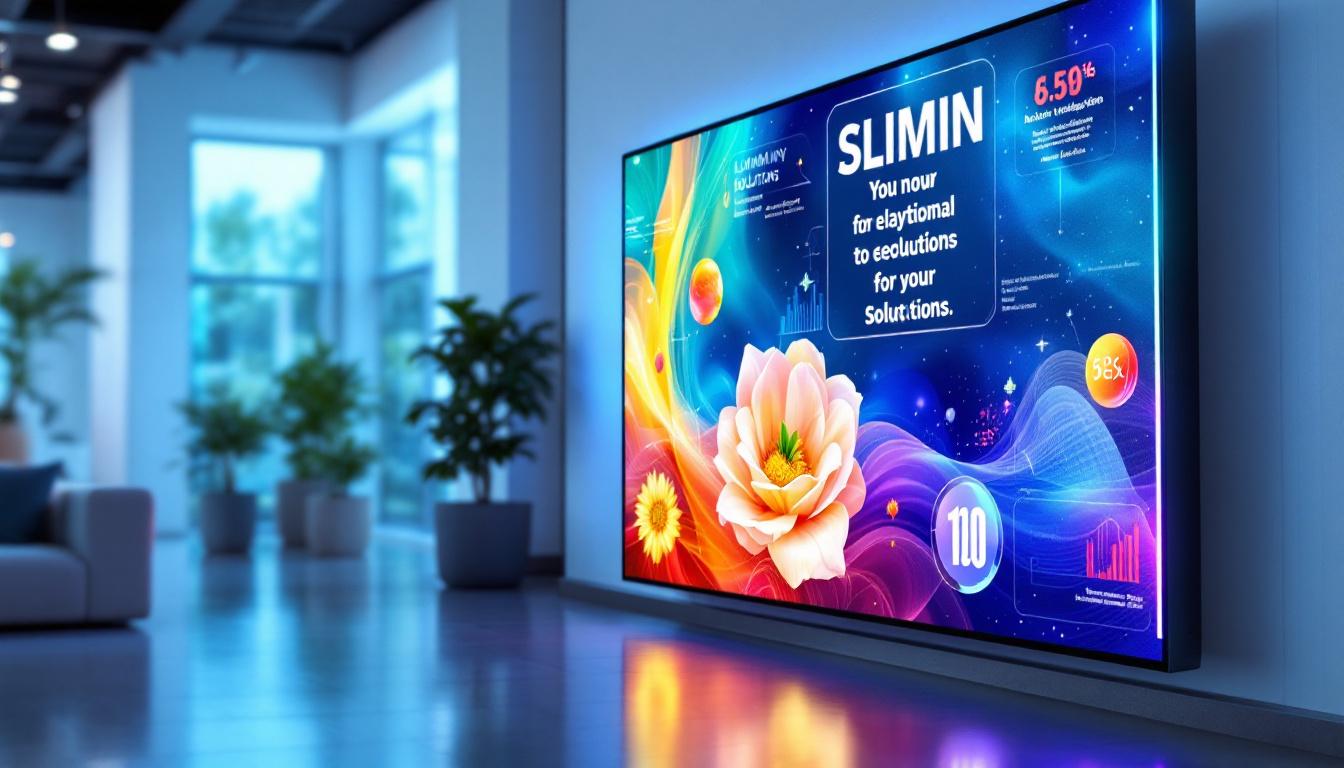
In corporate settings, display armoires are often used in lobbies, conference rooms, and common areas to deliver company messaging, event schedules, or real-time data dashboards. The enclosed design helps maintain a professional appearance and ensures that the display remains operational without interference.
Educational institutions also benefit from these solutions by installing display armoires in libraries, auditoriums, and hallways to provide announcements, wayfinding, and interactive learning experiences.
Public and Outdoor Installations
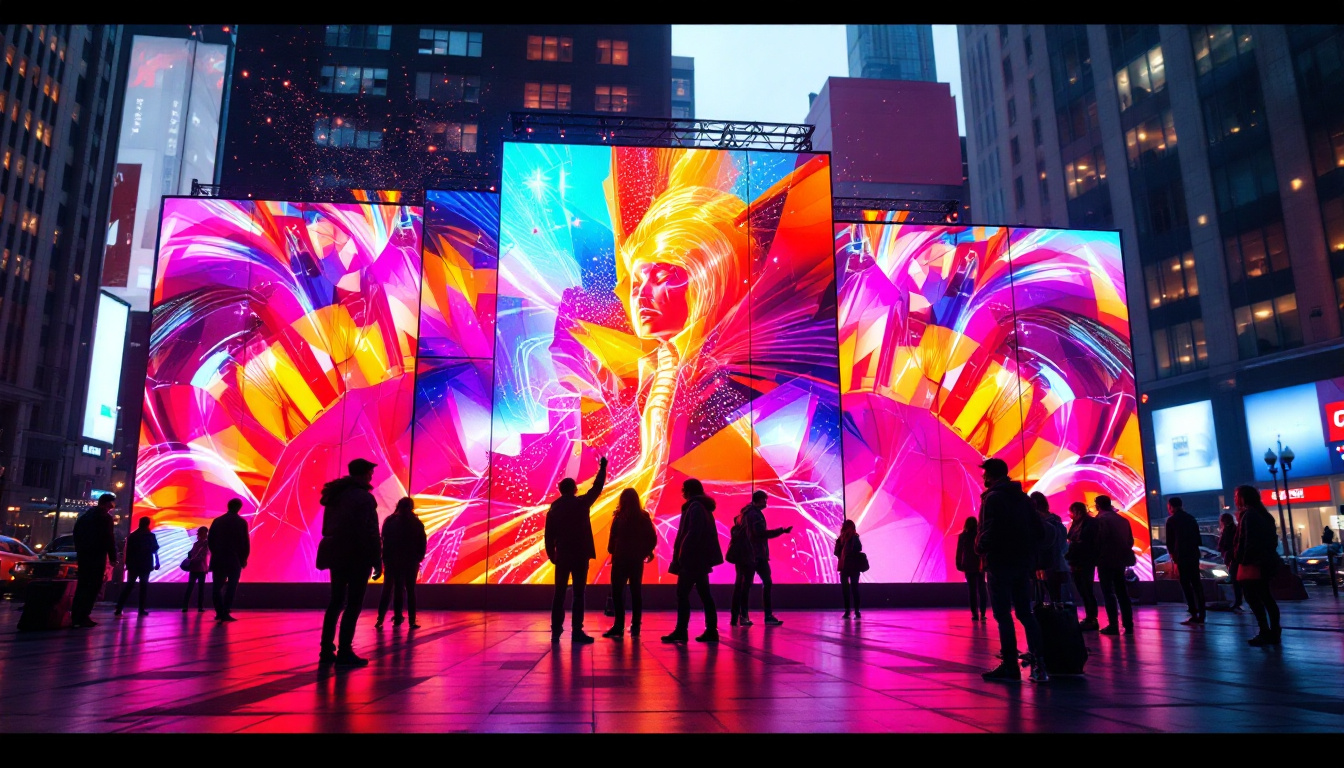
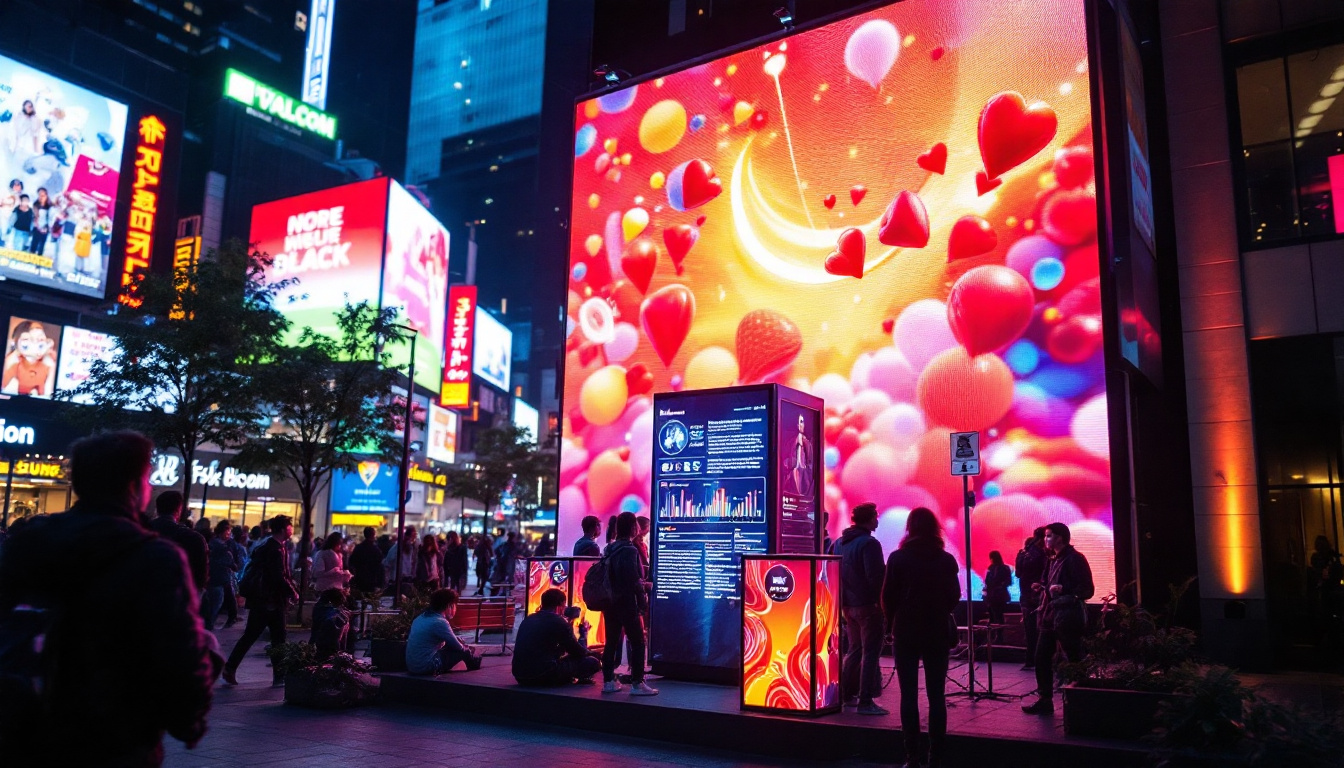
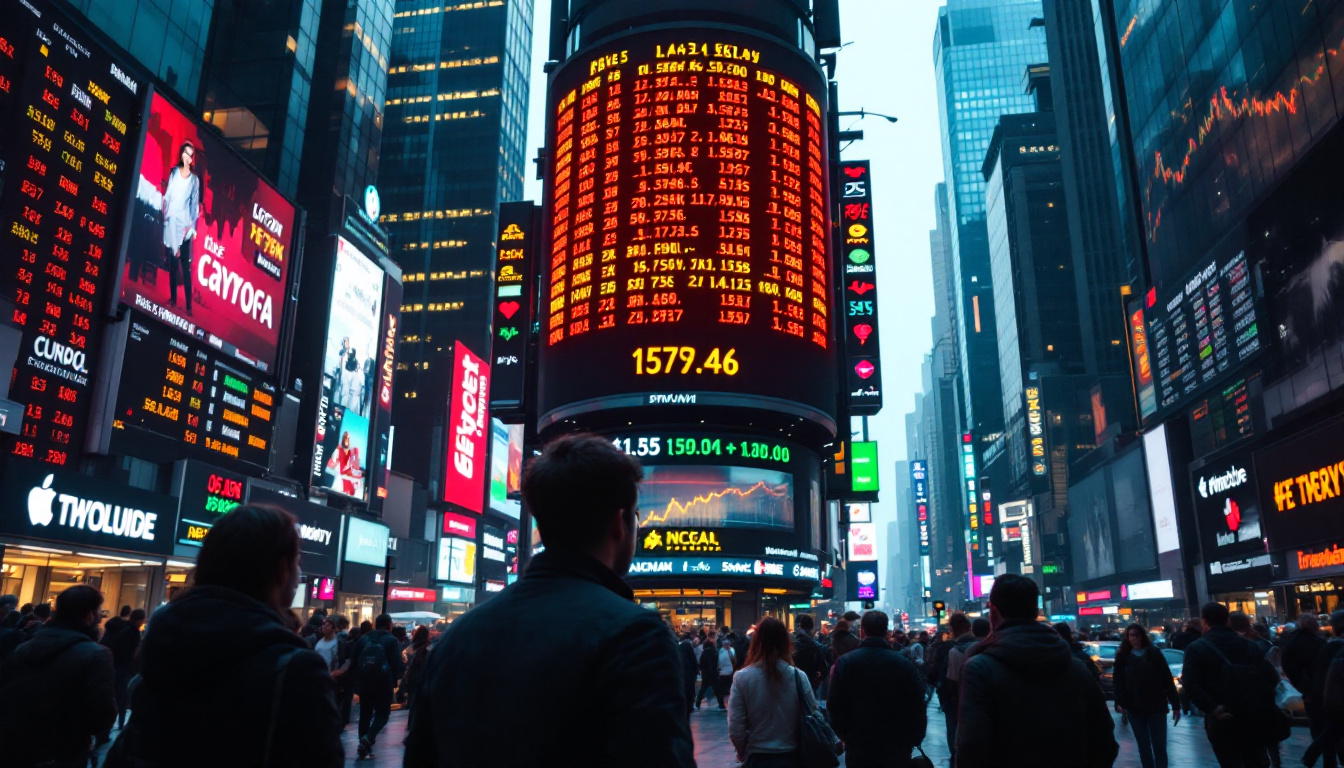
Outdoor digital signage faces unique challenges such as weather exposure, vandalism, and variable lighting conditions. Display armoires designed for outdoor LED displays address these challenges by offering robust protection and high-brightness screens that remain visible in sunlight.
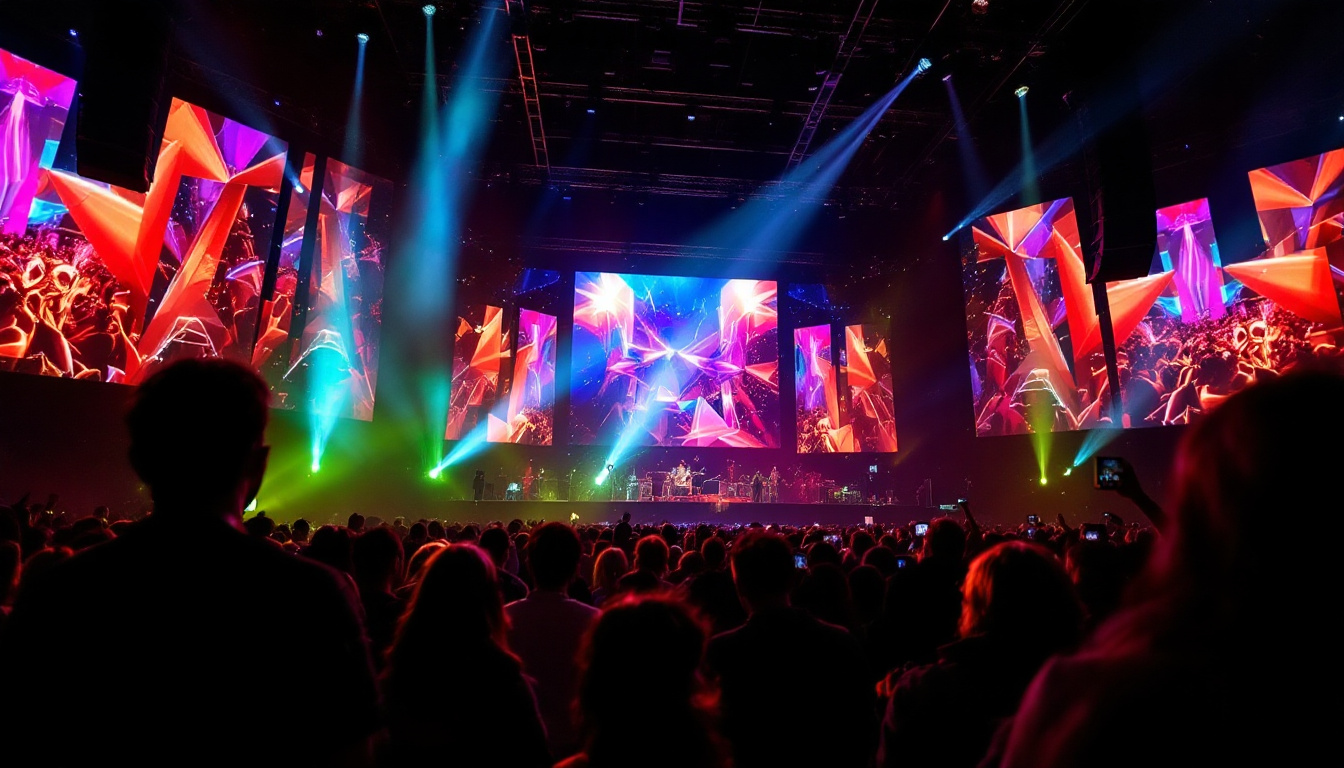
Municipalities use these solutions for public information boards, transit schedules, and emergency alerts. Sporting venues and event organizers also deploy mobile display armoires to deliver live scores, advertisements, and crowd information efficiently.
Technical Considerations When Choosing a Display Armoire
Size and Resolution
The size of the LED display housed within the armoire should align with the intended viewing distance and content type. For instance, a close-range retail display may require a fine pixel pitch (1.5mm to 2.5mm) for high resolution, whereas a large outdoor billboard can use a wider pixel pitch (10mm or more) to optimize cost and visibility.
The armoire itself must be designed to accommodate the physical dimensions of the LED modules while ensuring proper airflow and accessibility.
Environmental Protection Ratings
When selecting a display armoire, especially for outdoor use, it is essential to consider the enclosure’s Ingress Protection (IP) rating. IP ratings indicate the level of protection against dust and water. For example, an IP65 rating means the enclosure is dust-tight and protected against water jets, making it suitable for most outdoor environments.
Additionally, the materials used in the armoire’s construction should resist corrosion and UV damage to ensure longevity.
Power and Connectivity
LED displays and their supporting electronics require reliable power sources and data connections. Display armoires often integrate power management systems and cable routing channels to streamline installation and maintenance.
Modern LED displays also support wireless connectivity options, such as Wi-Fi or cellular networks, enabling remote content updates and monitoring. The armoire design should allow for easy access to these communication modules.
Future Trends in Display Armoires and LED Technology
Integration with Smart Technologies
The convergence of LED displays with smart technologies is driving innovation in display armoires. Sensors, cameras, and interactive touchscreens are increasingly incorporated to create immersive user experiences. For example, retail display armoires may include facial recognition or heat mapping to analyze customer engagement and tailor content dynamically.
Modular and Scalable Designs
Modularity is becoming a key trend, allowing businesses to scale their digital signage networks efficiently. Display armoires designed with modular LED panels enable easy expansion or reconfiguration without replacing the entire unit.
This flexibility is particularly valuable for event organizers and temporary installations where rapid deployment and adaptability are critical.
Sustainability and Energy Efficiency
As environmental concerns grow, manufacturers are focusing on sustainable materials and energy-saving features in both LED displays and their enclosures. Advances in LED chip technology continue to reduce power consumption, while armoire designs increasingly incorporate recyclable materials and eco-friendly manufacturing processes.
Conclusion
Display armoires housing LED displays represent a sophisticated and practical approach to digital signage, combining cutting-edge technology with thoughtful design. Whether in retail, corporate, public, or outdoor environments, these solutions offer enhanced protection, improved aesthetics, and operational efficiency.
Understanding the technical aspects of LED displays and the functional benefits of display armoires empowers businesses and organizations to make informed decisions that maximize the impact and longevity of their digital signage investments. As LED technology advances and integration with smart systems grows, display armoires will continue to play a vital role in shaping the future of visual communication.
Explore Cutting-Edge LED Solutions with LumenMatrix
Ready to elevate your visual communication strategy with the latest in LED display technology? LumenMatrix is at the forefront of innovation, offering a diverse range of LED display solutions tailored to your unique needs. From captivating Indoor LED Wall Displays to robust Outdoor LED Wall Displays, and from versatile Vehicle LED Displays to dynamic LED Sports Displays, our products are designed to enhance brand visibility and engage your audience. Discover how our Custom LED Displays and All-in-One LED Display solutions can transform your space and deliver your message with unparalleled clarity. Check out LumenMatrix LED Display Solutions today and step into the future of digital signage.