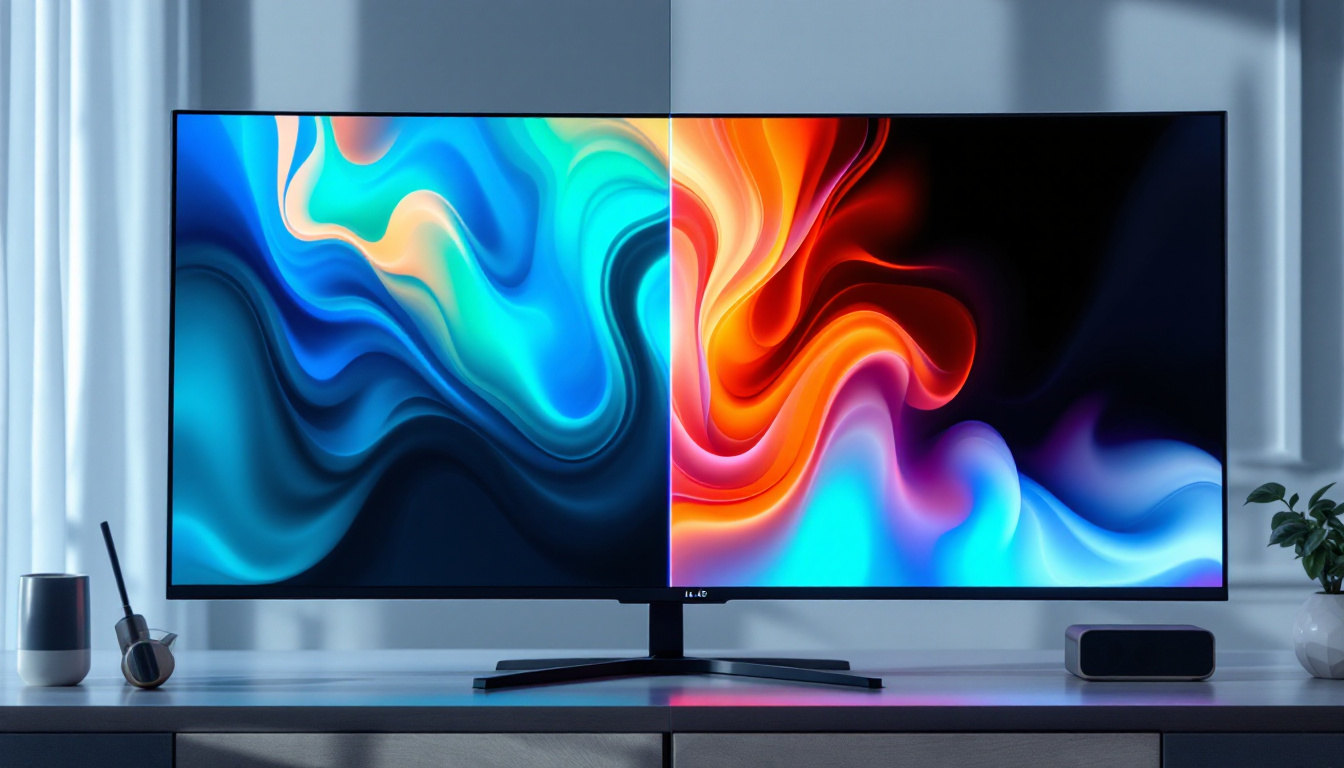
In recent years, the 21:9 aspect ratio has emerged as a popular choice for LED displays, especially among professionals, gamers, and cinema enthusiasts. This ultra-wide format offers a unique viewing experience that differs significantly from the traditional 16:9 screens. But what exactly is a 21:9 LED display, and why has it gained such traction in various industries? This article delves deep into the technicalities, benefits, and practical applications of 21:9 LED displays, providing a comprehensive understanding for anyone considering this display technology.
Understanding the 21:9 Aspect Ratio
What Does 21:9 Mean?
The term “21:9” refers to the aspect ratio of a display, which is the proportional relationship between its width and height. Specifically, a 21:9 screen is 21 units wide for every 9 units tall. This ultra-wide format is sometimes called “CinemaScope” or “ultra-wide” because it closely matches the aspect ratio used in many cinematic films.
Compared to the more common 16:9 ratio found in most HDTVs and monitors, 21:9 offers approximately 2.33 times more horizontal screen space relative to its height. This wider field of view can significantly enhance immersion, especially when watching movies or playing games designed for this format. The enhanced visual experience is particularly noticeable in action-packed films and video games, where the additional width allows for a more expansive view of the scene, drawing viewers deeper into the narrative.
Moreover, the 21:9 aspect ratio is not just about entertainment; it also serves practical purposes in productivity. For instance, professionals can benefit from side-by-side multitasking, allowing them to view multiple applications simultaneously without the need for multiple monitors. This can lead to increased efficiency, as users can easily drag and drop files between applications or keep reference materials visible while working on a project.
Historical Context and Evolution
The 21:9 aspect ratio has its roots in the film industry, where widescreen formats like CinemaScope and anamorphic lenses were used to create expansive, panoramic visuals. With the rise of digital media and home entertainment, manufacturers began adapting this cinematic ratio to consumer displays.
Initially, 21:9 monitors were niche products aimed at video editors and content creators who required wider timelines and more screen real estate. Over time, their appeal broadened to include gamers seeking immersive gameplay and professionals needing multitasking efficiency. As technology advanced, the production of 21:9 displays became more accessible, leading to a wider variety of models and price points. This democratization of technology has allowed more consumers to experience the benefits of ultra-wide displays, whether for gaming, watching films, or enhancing their home office setup.
Furthermore, the growing popularity of streaming services and the increasing availability of content produced in 21:9 format have fueled the demand for these monitors. As filmmakers and game developers embrace the ultra-wide aspect ratio, audiences are treated to visuals that were once reserved for the big screen. This shift not only enriches the viewing experience but also encourages more creators to explore storytelling techniques that take advantage of the expansive canvas that 21:9 provides.
How LED Technology Works in 21:9 Displays
Basics of LED Display Technology
LED (Light Emitting Diode) displays utilize an array of tiny LEDs to illuminate the screen. Unlike traditional LCDs that rely on fluorescent backlighting, LED displays use these diodes to provide brighter, more energy-efficient, and more color-accurate images.
In the context of 21:9 displays, LED technology ensures that the ultra-wide screen maintains consistent brightness and color accuracy across the entire surface. This is crucial because wider screens can sometimes suffer from uneven backlighting or color shifts if the technology isn’t optimized.
Types of LED Backlighting: Edge-lit vs. Full-array
There are two primary methods of LED backlighting used in displays: edge-lit and full-array. Edge-lit LEDs are positioned along the edges of the screen, shining light inward, which allows for thinner panels but can sometimes cause uneven brightness. Full-array backlighting places LEDs directly behind the screen, offering better uniformity and local dimming capabilities.
For 21:9 displays, especially larger models, full-array LED backlighting is often preferred because it ensures consistent illumination across the wide screen, enhancing contrast and overall picture quality.
OLED vs. LED in Ultra-Wide Displays
While LED displays are prevalent, OLED (Organic Light Emitting Diode) technology is also gaining ground in ultra-wide formats. OLEDs emit light on a per-pixel basis, allowing for perfect blacks and exceptional contrast ratios. However, OLED 21:9 displays remain relatively rare and expensive compared to LED counterparts.
LED displays, particularly those with advanced backlighting and HDR support, offer a more affordable solution with excellent brightness and color performance, making them the dominant choice for 21:9 ultra-wide screens.
Advantages of 21:9 LED Displays
Enhanced Productivity for Professionals
One of the most significant benefits of 21:9 LED displays is the expanded horizontal workspace. For professionals such as video editors, graphic designers, and software developers, this extra screen real estate means multiple windows and toolbars can be open simultaneously without the need for multiple monitors.
Studies have shown that ultra-wide monitors can increase productivity by up to 30% by reducing the time spent switching between applications and improving workflow efficiency. The seamless continuity of a single ultra-wide screen also eliminates the bezel gaps that come with multi-monitor setups, providing a more cohesive working environment.
Immersive Gaming Experience
Gamers have embraced 21:9 LED displays for their wider field of view, which enhances peripheral vision and immersion. Many modern games support ultra-wide resolutions, allowing players to see more of the game world without panning the camera.
This advantage is particularly notable in genres like first-person shooters, racing simulators, and role-playing games, where situational awareness can impact performance. Additionally, the increased horizontal space allows for better multitasking, such as streaming gameplay while monitoring chat or system performance.
Superior Movie Viewing
Since many films are produced in a 21:9 aspect ratio, watching movies on a 21:9 LED display eliminates the black bars typically seen on 16:9 screens. This results in a more cinematic experience that fills the entire screen, closely replicating the theater environment.
Furthermore, the high brightness and color accuracy of LED technology enhance visual details, making colors more vibrant and scenes more lifelike.
Considerations When Choosing a 21:9 LED Display
Resolution and Pixel Density
Ultra-wide monitors typically come in resolutions such as 2560×1080 (Full HD ultra-wide) and 3440×1440 (WQHD ultra-wide). Higher resolutions offer sharper images and more workspace but require more powerful hardware to drive them effectively, especially for gaming.
Pixel density, measured in pixels per inch (PPI), is another important factor. A higher PPI means crisper images and text, which is essential for professional work involving detailed visuals. When selecting a 21:9 LED display, balancing resolution with screen size and intended use is key.
Refresh Rate and Response Time
For gamers, refresh rate and response time are critical. Many 21:9 LED displays offer refresh rates of 100Hz, 120Hz, or even 144Hz, providing smoother motion and reduced input lag. Response times as low as 1ms are available on some models, minimizing motion blur and ghosting effects.
Professionals who prioritize color accuracy and image quality may opt for displays with slightly lower refresh rates but superior color calibration and wider color gamut support.
Connectivity and Compatibility
Ensuring the display has the necessary ports and compatibility with existing hardware is essential. Common connections include HDMI, DisplayPort, and USB-C. USB-C ports with Power Delivery can simplify setups by providing video, data, and charging through a single cable.
Additionally, checking for compatibility with graphics cards and operating systems is important to fully utilize the ultra-wide resolution and features.
Applications of 21:9 LED Displays Across Industries
Creative and Media Production
Video editors benefit greatly from the extended timeline view that 21:9 displays provide. This allows for more precise editing without constant scrolling. Similarly, photographers and graphic designers appreciate the ability to spread out tool palettes and canvases, streamlining their workflow.
Color accuracy is paramount in these fields, so many 21:9 LED displays come factory-calibrated with support for wide color gamuts such as AdobeRGB and DCI-P3.
Financial Trading and Data Analysis
Traders and analysts often monitor multiple data streams and charts simultaneously. The ultra-wide format allows for comprehensive dashboards without the clutter of multiple monitors. This can lead to faster decision-making and improved situational awareness.
Gaming and Entertainment
Beyond immersive gameplay, 21:9 displays are favored by content creators who stream or produce gaming videos. The additional screen space facilitates multitasking, such as running streaming software, chat windows, and game guides alongside gameplay.
For home theater setups, 21:9 LED displays offer a sleek alternative to projectors, combining cinematic aspect ratios with high brightness and contrast.
Future Trends in 21:9 LED Display Technology
Integration of HDR and Higher Refresh Rates
High Dynamic Range (HDR) technology is becoming standard in premium 21:9 LED displays, offering greater contrast and color depth. Combined with higher refresh rates, these advancements will further enhance both professional and entertainment experiences.
Curved Ultra-Wide Displays
Curved 21:9 LED displays are gaining popularity as they reduce distortion and provide a more natural viewing angle across the wide screen. This curvature helps maintain uniform focus and reduces eye strain during prolonged use.
Advancements in Mini-LED and Micro-LED Backlighting
Emerging backlighting technologies like Mini-LED and Micro-LED promise even better brightness control, contrast ratios, and energy efficiency. These innovations will likely become more common in ultra-wide displays, pushing image quality closer to OLED standards while maintaining LED advantages.
Conclusion
The 21:9 LED display represents a significant evolution in screen technology, combining the immersive aspect ratio of cinema with the brightness, efficiency, and versatility of LED backlighting. Whether for professional productivity, gaming immersion, or cinematic enjoyment, these ultra-wide displays offer compelling benefits that traditional 16:9 monitors cannot match.
When selecting a 21:9 LED display, understanding the technical specifications, intended use cases, and future-proofing features is essential to maximize value and performance. As technology continues to advance, the 21:9 format is poised to become an even more integral part of how people work, play, and consume media.
Discover the Future of Ultra-Wide LED Displays with LumenMatrix
Ready to elevate your visual experience with the expansive canvas of a 21:9 LED display? LumenMatrix is at the forefront of LED display innovation, offering a diverse range of solutions tailored to meet your needs. From immersive indoor and outdoor LED walls to dynamic vehicle and sports displays, our technology is designed to captivate and engage. Embrace the future of visual communication with our cutting-edge LED display modules. Check out LumenMatrix LED Display Solutions today and transform the way you share your message with the world.