Understanding the dimensions and specifications of LED displays is crucial for professionals and enthusiasts alike. When dealing with screen sizes, converting inches to millimeters can provide a clearer picture of the actual physical size, especially in industries where precision is paramount. This article delves into the conversion of a 25-inch display to millimeters and explores the broader context of LED display technology, helping readers grasp both the numerical and technical aspects.
Converting 25 Inches to Millimeters: The Basics
In the world of display technology, screen sizes are often measured diagonally in inches. However, many technical specifications and manufacturing processes use the metric system, making it essential to convert inches to millimeters for accuracy.
One inch is defined as exactly 25.4 millimeters. This standard conversion factor is internationally recognized and used across various industries, including electronics, manufacturing, and design.
Calculation for 25 Inches
To convert 25 inches to millimeters, multiply 25 by 25.4:
25 inches × 25.4 mm/inch = 635 mm
This means a 25-inch diagonal LED display measures approximately 635 millimeters diagonally.
Why Use Millimeters?
Millimeters offer a more precise measurement scale, which is especially important for manufacturing tolerances and detailed design work. For instance, in LED display production, panel dimensions, pixel pitch, and mounting requirements often rely on millimeter measurements to ensure compatibility and performance.
Furthermore, using millimeters can significantly reduce the risk of errors in design and assembly. When engineers and designers work with smaller units, they can achieve greater accuracy in their specifications, which is crucial when dealing with components that must fit together perfectly. For example, in the automotive industry, even a slight miscalculation in measurements can lead to significant issues in the assembly line or product performance, emphasizing the importance of precision in millimeter measurements.
Additionally, the global nature of manufacturing means that many companies operate in environments where both metric and imperial systems are used. By standardizing on millimeters, businesses can streamline their processes, reduce conversion errors, and enhance communication across international teams. This consistency is particularly beneficial in collaborative projects, where various stakeholders may have different backgrounds and preferences regarding measurement systems.
Understanding LED Display Dimensions Beyond Diagonal Size
While the diagonal size is the most common way to describe a screen, it doesn’t tell the whole story. To fully understand a 25-inch LED display, it’s important to consider the width, height, and aspect ratio.
Aspect Ratio and Its Impact
The aspect ratio is the ratio of the width to the height of the display. Common aspect ratios include 16:9 (widescreen), 4:3 (standard), and 21:9 (ultrawide). The aspect ratio affects the actual width and height measurements of the screen.
For example, a 25-inch display with a 16:9 aspect ratio will have different width and height dimensions than a 25-inch display with a 4:3 ratio, even though the diagonal measurement is the same. This difference can significantly influence the viewing experience, particularly when it comes to media consumption. For instance, widescreen formats are ideal for watching movies and playing video games, while a 4:3 display might be better suited for traditional television broadcasts or certain types of software applications.
Calculating Width and Height
Using the Pythagorean theorem, the width (W) and height (H) can be calculated from the diagonal (D) and the aspect ratio (expressed as width ratio:height ratio).
For a 16:9 aspect ratio:
- Width ratio = 16
- Height ratio = 9
- Diagonal (D) = 25 inches = 635 mm
Formula:
W = D × (width ratio) / √(width ratio² + height ratio²)
H = D × (height ratio) / √(width ratio² + height ratio²)
Calculations:
√(16² + 9²) = √(256 + 81) = √337 ≈ 18.36
Width: 635 mm × 16 / 18.36 ≈ 553.5 mm
Height: 635 mm × 9 / 18.36 ≈ 311.3 mm
This means a 25-inch 16:9 LED display measures approximately 553.5 mm in width and 311.3 mm in height. Understanding these dimensions is crucial, especially for those looking to mount their displays or fit them into specific spaces. For example, a display that is too wide may not fit comfortably on a desk or wall, while a display that is too tall could obstruct views or create an awkward viewing angle.
Moreover, the physical dimensions also play a role in the overall design and aesthetics of the space. A sleek, narrow bezel can enhance the immersive experience, making the display appear larger than it is, while a bulkier frame might detract from the visual appeal. This is particularly relevant in commercial settings, where the look of the display can impact customer perceptions and engagement.
Key Features of LED Displays
LED (Light Emitting Diode) displays have become ubiquitous in modern technology, from smartphones and televisions to large-scale digital billboards. Understanding the fundamental features of LED displays helps in appreciating their advantages and applications.
Pixel Pitch and Resolution
Pixel pitch refers to the distance between the centers of two adjacent pixels, typically measured in millimeters. It directly influences the display’s resolution and image clarity. Smaller pixel pitches mean higher resolution and finer detail, which is critical for close-viewing applications.
For example, a 25-inch LED display designed for desktop use might have a pixel pitch as small as 0.3 mm, whereas a large outdoor LED billboard might have a pixel pitch of 10 mm or more, optimized for visibility from a distance.
Brightness and Contrast
LED displays are known for their high brightness levels, often exceeding 1000 nits for indoor screens and up to 5000 nits or more for outdoor displays. This brightness ensures visibility in various lighting conditions, including direct sunlight.
Contrast ratio, the difference between the darkest black and the brightest white, is another important feature. LED technology enables high contrast ratios, contributing to vibrant and sharp images.
Energy Efficiency and Longevity
Compared to older display technologies like LCD or plasma, LED displays consume less power and have longer lifespans. Modern LED panels can operate for tens of thousands of hours, reducing maintenance costs and environmental impact.
Applications of 25-Inch LED Displays
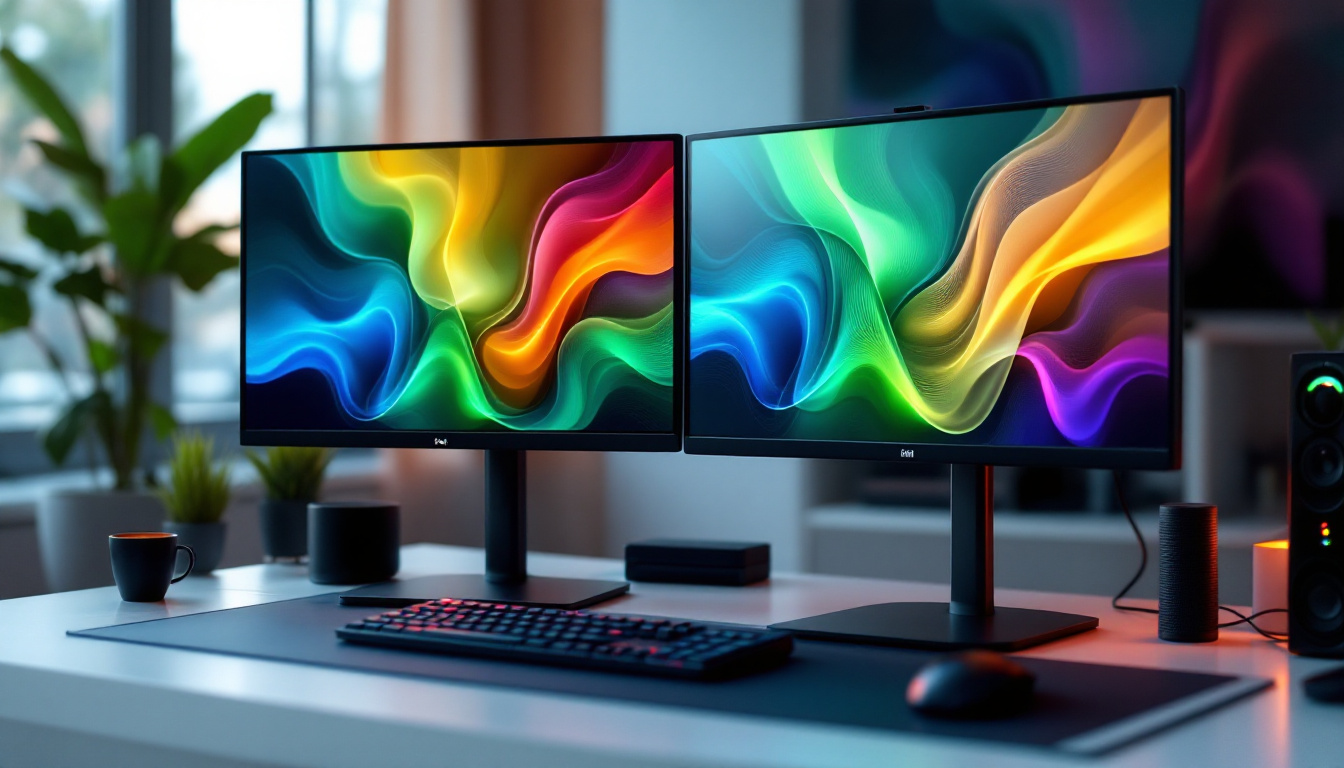
The 25-inch LED display size is popular in various sectors due to its balance between screen real estate and physical footprint. It is large enough to offer immersive viewing but compact enough for desktop or wall-mounted setups.
Professional and Industrial Use
In professional environments, 25-inch LED displays are often used for monitoring systems, control rooms, and digital signage. Their precise dimensions and high resolution make them suitable for detailed data visualization and real-time monitoring.
Manufacturing and design industries benefit from the accurate millimeter-based measurements for integrating these displays into machinery or custom enclosures.
Consumer Electronics
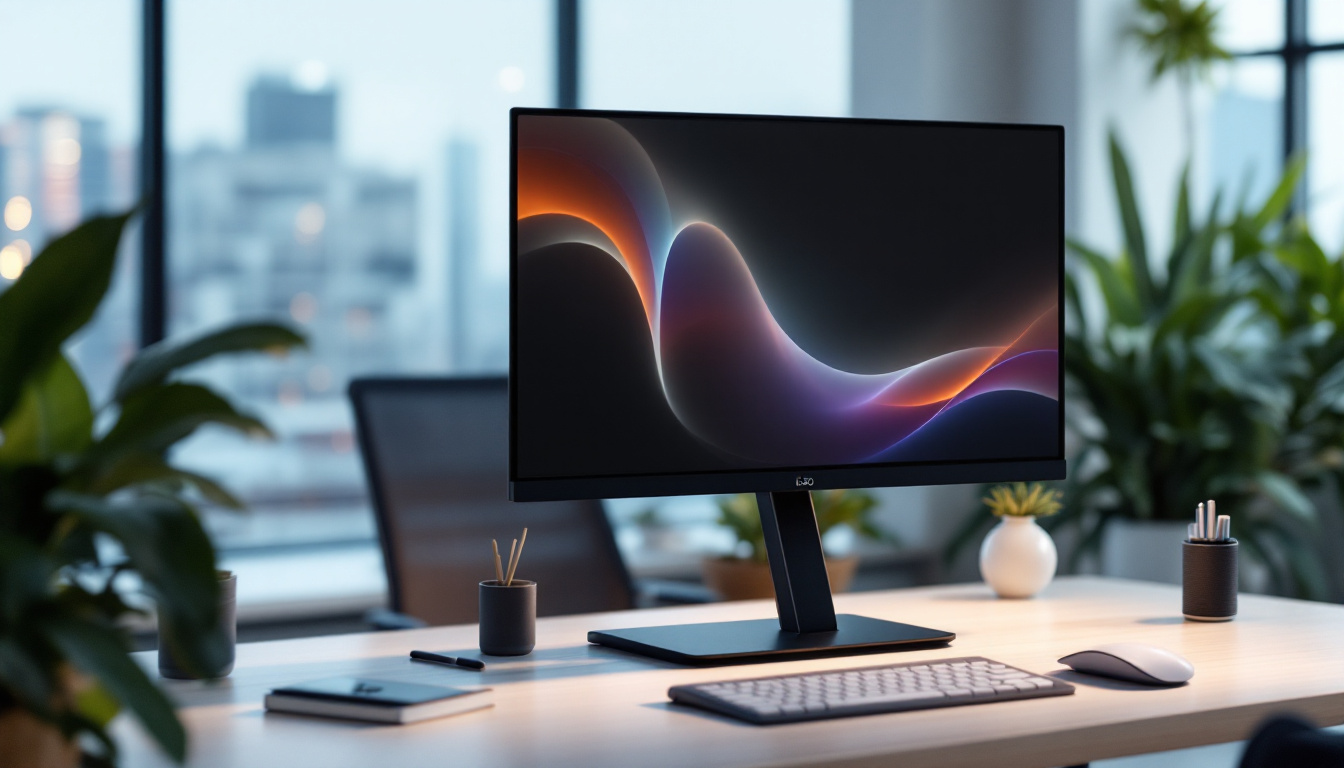
While 25-inch screens are less common in consumer televisions, they are popular for computer monitors, especially for users who require high resolution and color accuracy, such as graphic designers, video editors, and gamers.
These displays often feature advanced LED backlighting and support for wide color gamuts, enhancing the viewing experience.
Retail and Advertising
Retail environments utilize 25-inch LED displays for point-of-sale systems, interactive kiosks, and promotional signage. Their size is ideal for attracting customer attention without overwhelming the space.
Choosing the Right 25-Inch LED Display
Selecting the appropriate LED display involves considering several factors beyond just size and resolution. Understanding these elements ensures the display meets specific needs and delivers optimal performance.
Intended Use and Environment
Consider where the display will be used. Indoor displays require different brightness and pixel pitch compared to outdoor models exposed to sunlight and weather conditions.
For example, a 25-inch LED display in a brightly lit office should have sufficient brightness (typically 300-500 nits) and an anti-glare coating, while an outdoor display might need 2000 nits or more.
Connectivity and Compatibility
Modern LED displays come with various input options, including HDMI, DisplayPort, USB-C, and wireless connectivity. Ensuring compatibility with existing devices and systems is essential for seamless integration.
Budget and Quality Considerations
Price ranges for 25-inch LED displays vary widely based on resolution, panel quality, and additional features like touch capability or HDR support. Investing in a reputable brand and verified specifications can prevent issues related to color accuracy, durability, and warranty.
Future Trends in LED Display Technology
LED display technology continues to evolve rapidly, driven by demand for higher resolution, better energy efficiency, and innovative form factors. Understanding these trends can help consumers and professionals make informed decisions.
MicroLED and MiniLED Innovations
MicroLED and MiniLED technologies represent the next generation of LED displays, offering improved brightness, contrast, and energy efficiency. MicroLEDs are particularly promising for their ability to create self-emissive pixels with exceptional color accuracy and longevity.
Flexible and Transparent Displays
Advancements in LED technology have enabled flexible and transparent displays, expanding applications in wearable technology, automotive dashboards, and architectural installations. These innovations could redefine how 25-inch and other sized displays are utilized in the future.
Integration with Smart Technologies
Smart LED displays equipped with AI-driven features, voice control, and IoT connectivity are becoming more prevalent. These capabilities enhance user interaction and provide new functionalities for both consumers and businesses.
Conclusion
Converting a 25-inch LED display measurement to millimeters provides a precise understanding of its physical size, essential for design, installation, and manufacturing. At approximately 635 mm diagonally, a 25-inch display offers a versatile size suitable for a wide range of applications.
Beyond size, factors such as aspect ratio, pixel pitch, brightness, and connectivity play critical roles in determining the display’s suitability for specific uses. With ongoing advancements in LED technology, the future promises even more innovative and efficient display solutions.
Whether for professional use, consumer electronics, or advertising, understanding the technical details and practical implications of LED displays ensures informed choices and optimal outcomes.
Explore Cutting-Edge LED Display Solutions with LumenMatrix
Ready to elevate your visual experience with the precision and innovation of LED technology? LumenMatrix is at the forefront of LED display innovation, offering a diverse range of products that cater to every need—from Indoor and Outdoor LED Wall Displays to specialized solutions like Vehicle LED Displays, LED Sports Displays, and even Custom LED Displays. Embrace the future of visual communication with our All-in-One and Transparent LED Displays, designed to captivate and engage your audience. Check out LumenMatrix LED Display Solutions today and transform your space with unparalleled clarity and impact.