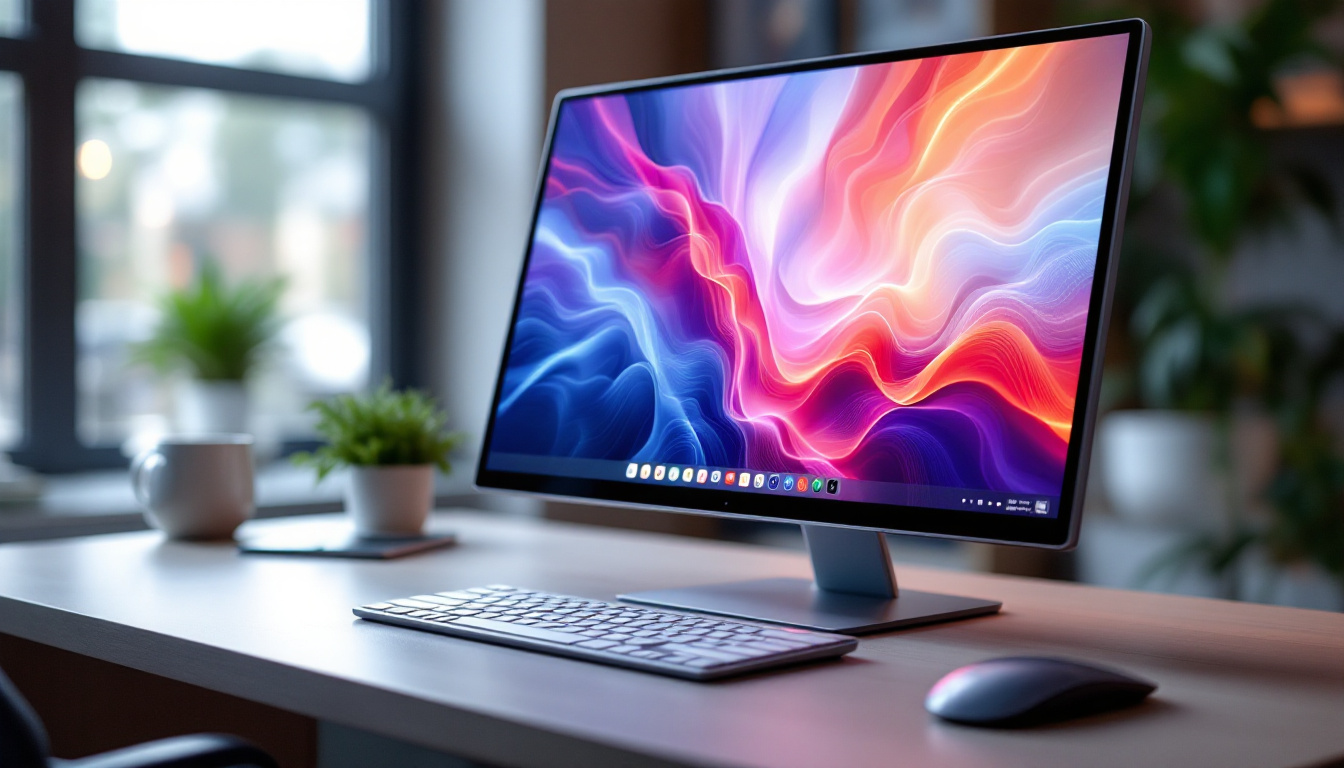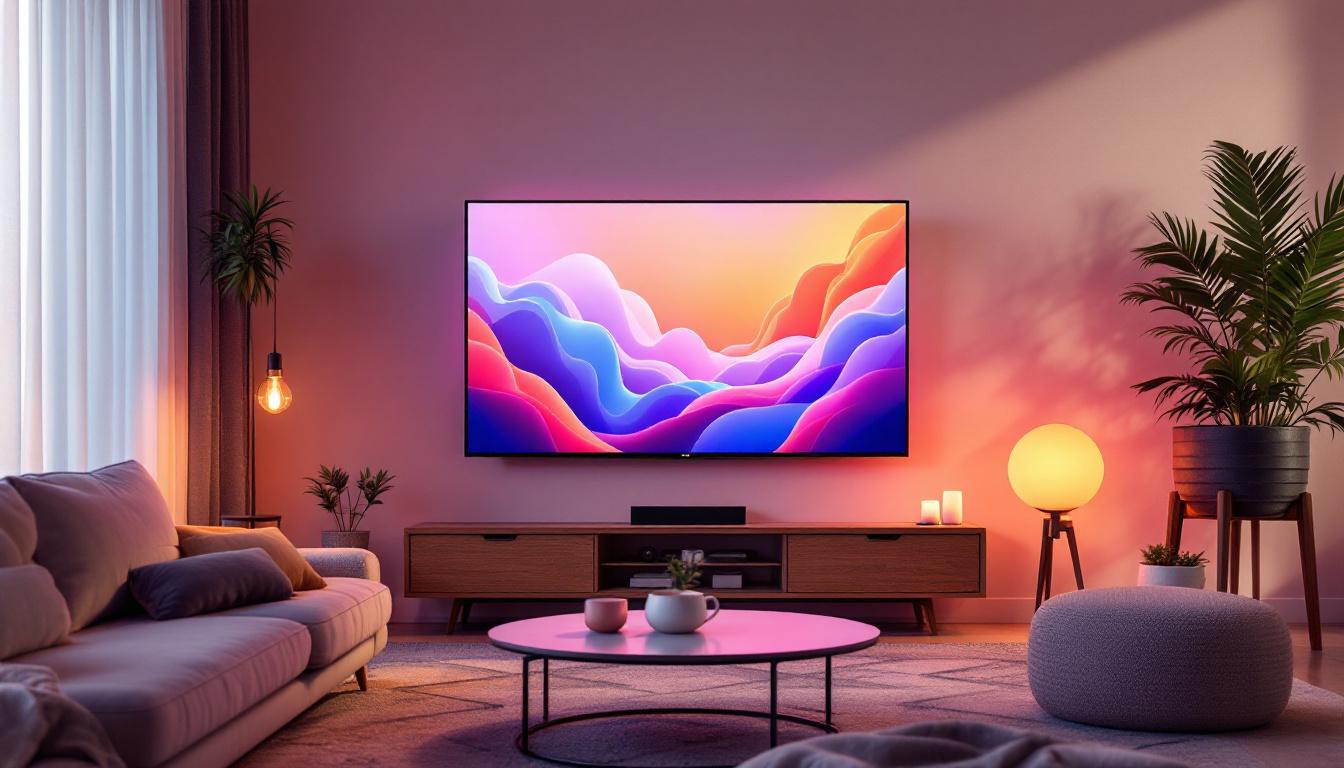
In today’s digital age, LED displays have become an integral part of how information is communicated visually. From vibrant billboards to sleek television screens, LED technology powers many of the displays we encounter daily. But what exactly is an LED display? How does it work, and why has it become so popular across various industries? This article delves into the world of LED displays, explaining their technology, applications, and the reasons behind their widespread adoption.
Understanding LED Technology
What is an LED?
LED stands for Light Emitting Diode, a semiconductor device that emits light when an electric current passes through it. Unlike traditional incandescent bulbs that produce light by heating a filament, LEDs generate light through electroluminescence, which is a more energy-efficient process. This fundamental technology forms the basis of LED displays.
LEDs come in various colors, including red, green, blue, and white, which are essential for creating the full spectrum of colors in a display. By combining these primary colors at varying intensities, LED displays can produce millions of colors, delivering vivid and sharp images. The versatility of LEDs extends beyond just color; they can also be designed to emit different wavelengths of light, making them suitable for diverse applications ranging from general lighting to specialized uses in horticulture and medical devices.
How Do LED Displays Work?
At its core, an LED display is composed of thousands or even millions of tiny LEDs arranged in a grid, known as pixels. Each pixel typically consists of three LEDs: red, green, and blue. By adjusting the brightness of each of these LEDs, the display can render different colors and images. This pixel-based structure allows for high levels of customization, enabling manufacturers to create displays that can be curved, flexible, or even transparent, enhancing their application in various environments.
The control system behind an LED display manages the timing and intensity of the light emitted by each LED. This rapid switching happens so quickly that the human eye perceives a continuous image. The resolution of an LED display depends on the number of pixels per unit area, which directly influences the clarity and detail of the images shown. Additionally, advancements in technology have led to the development of high dynamic range (HDR) displays that can produce deeper blacks and brighter whites, further enhancing the viewing experience. These innovations not only improve visual quality but also contribute to energy efficiency, making LED displays a popular choice for both commercial and residential use.
Types of LED Displays
Indoor vs. Outdoor LED Displays
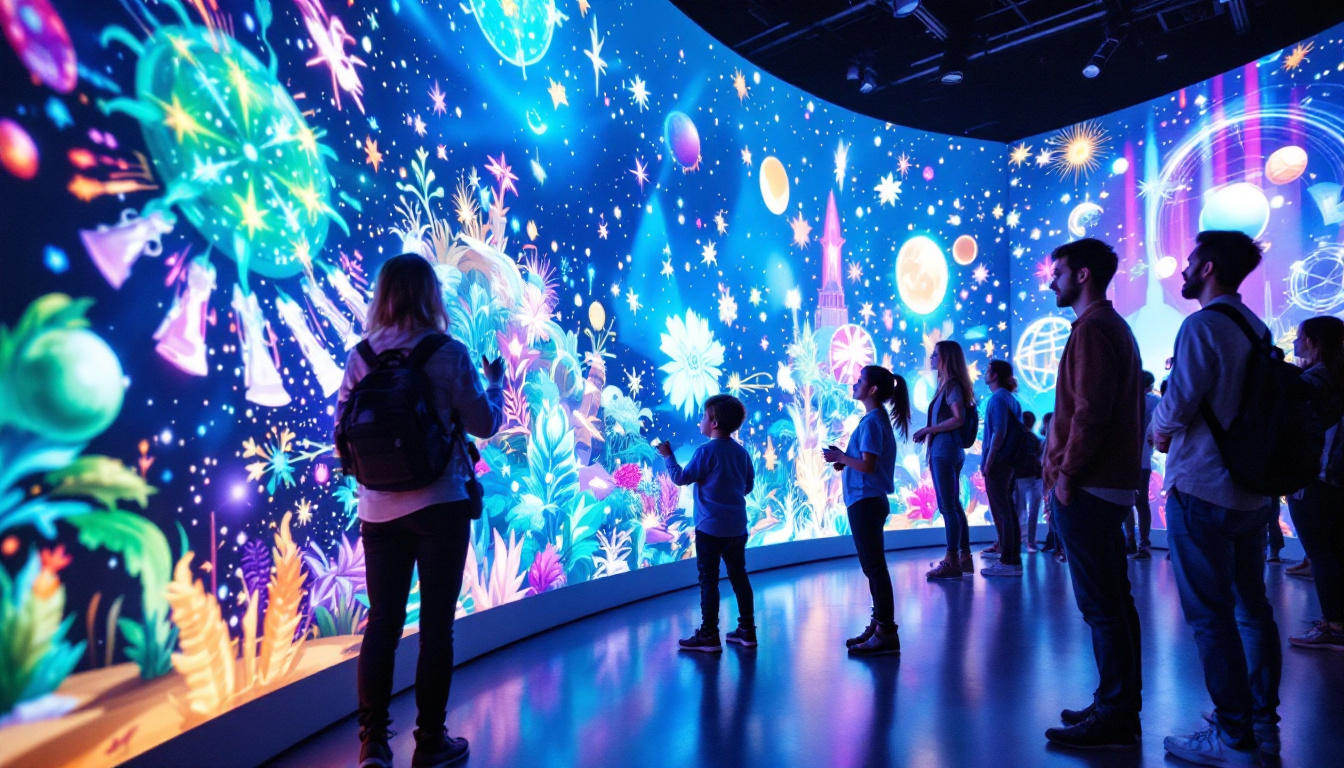
LED displays are broadly categorized based on their intended environment: indoor and outdoor. Indoor LED displays are designed for close viewing distances and typically have higher pixel densities, meaning the LEDs are placed closer together. This results in sharper images suitable for conference rooms, retail stores, and entertainment venues. These displays often incorporate advanced technologies such as dynamic content management systems, allowing for real-time updates and interactive features that engage audiences more effectively. The versatility of indoor LED displays makes them ideal for a variety of applications, from corporate presentations to immersive art installations.
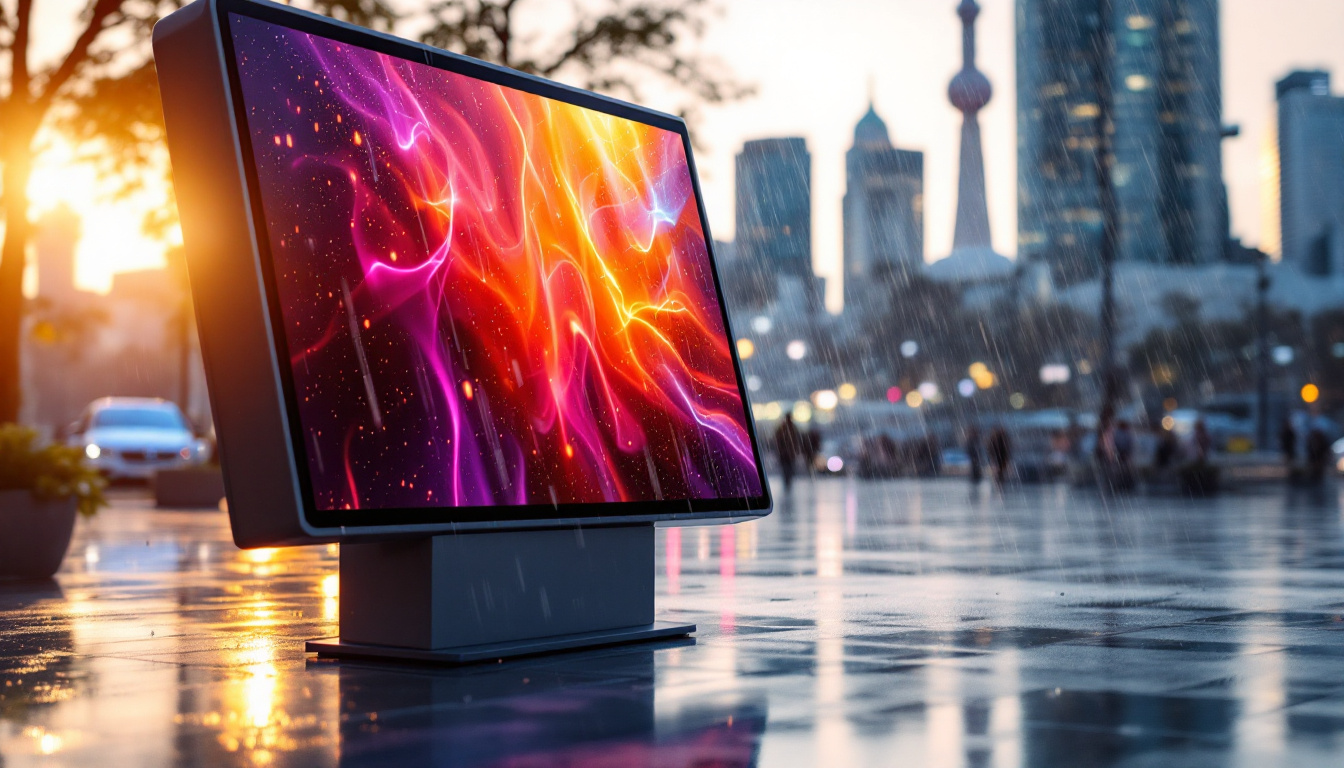
Outdoor LED displays, on the other hand, are built to withstand harsh weather conditions and bright sunlight. They feature larger pixels spaced further apart to ensure visibility from greater distances. These displays often incorporate weatherproof casings and higher brightness levels, sometimes exceeding 5,000 nits, to maintain image clarity even under direct sunlight. Additionally, outdoor LED displays are frequently equipped with robust cooling systems to prevent overheating and ensure consistent performance. Their ability to display vibrant advertisements and live feeds makes them a popular choice for sports arenas, concert venues, and bustling urban centers.
Direct View LED vs. LED-Backlit LCD
It’s important to distinguish between direct view LED displays and LED-backlit LCD screens. Direct view LED displays use LEDs as the actual light source and pixels, making them capable of producing deeper blacks and higher contrast ratios. They are common in large-scale applications such as stadium screens and digital billboards. The modular nature of direct view LED technology allows for seamless scaling, enabling the creation of massive video walls that can be customized to fit any space. This adaptability, combined with their energy efficiency, has made them increasingly popular in both commercial and artistic settings.
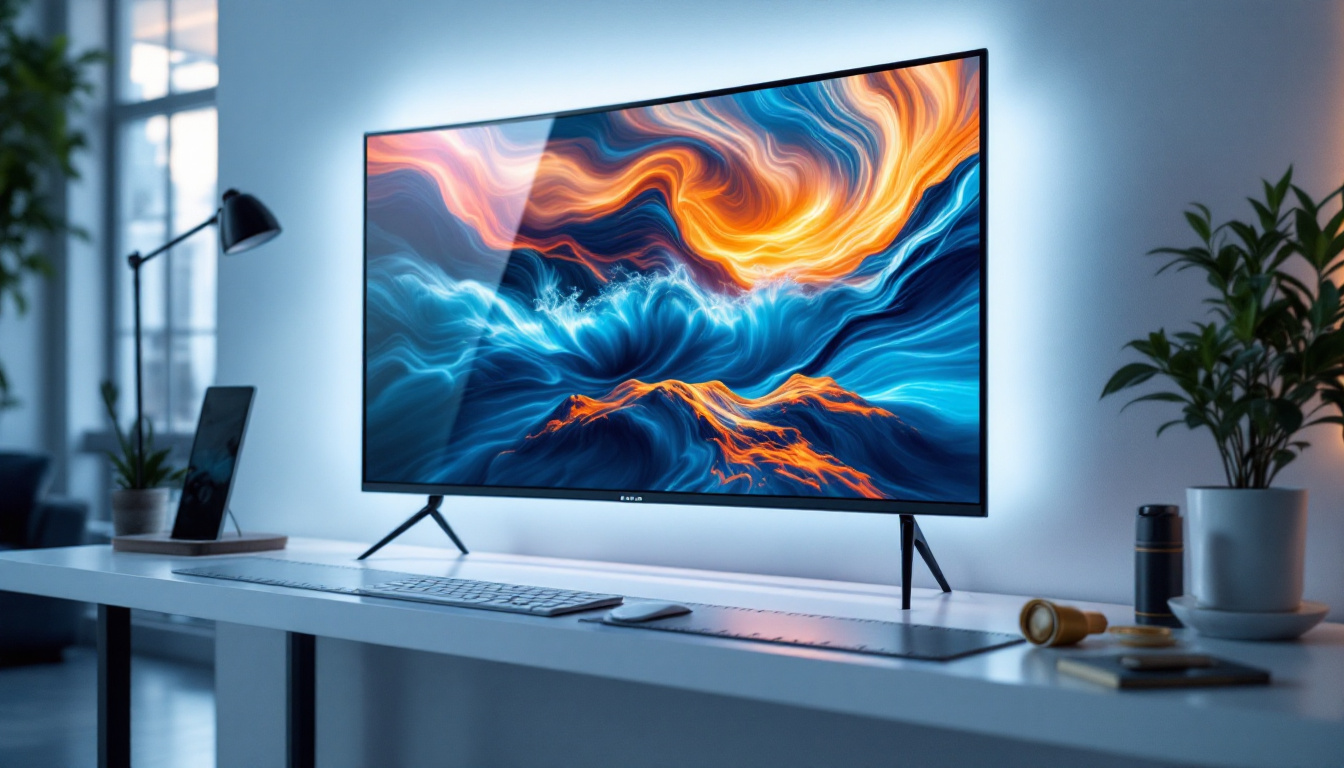
LED-backlit LCDs, meanwhile, are traditional liquid crystal displays illuminated by LEDs placed behind or along the edges. While they offer excellent color accuracy and are widely used in televisions and monitors, they do not provide the same level of brightness or contrast as direct view LED displays. However, advancements in LED-backlit technology, such as local dimming and quantum dot enhancements, have significantly improved their performance. These innovations allow for better black levels and a wider color gamut, making them a strong contender in home entertainment systems and professional applications where color fidelity is paramount. As a result, both display types have their unique strengths, catering to different needs and preferences in the ever-evolving landscape of visual technology.
Applications of LED Displays
Advertising and Digital Signage
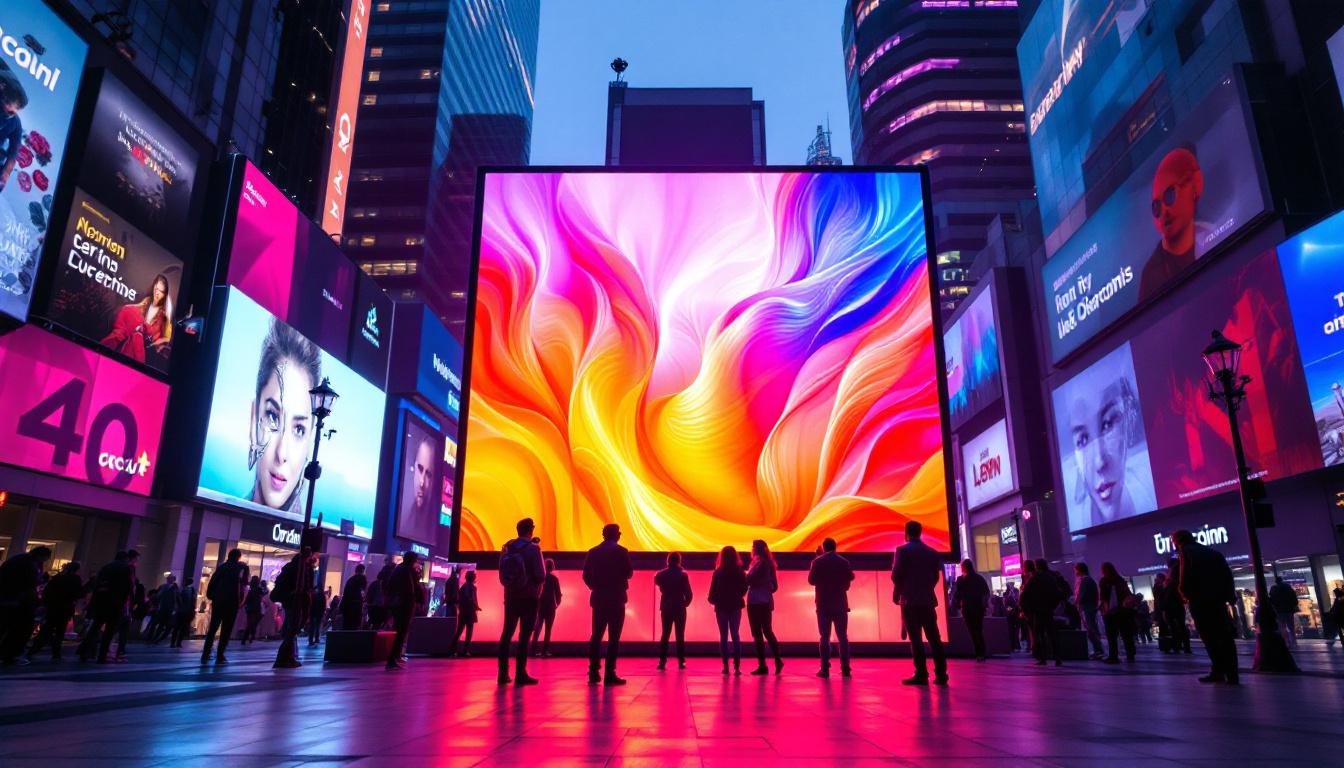
One of the most visible uses of LED displays is in advertising. Digital billboards and signage have revolutionized how brands communicate with consumers, offering dynamic content that can be updated in real-time. According to recent market reports, the global digital signage market is expected to reach over $30 billion by 2027, driven largely by the adoption of LED technology.
LED displays allow advertisers to capture attention with bright, colorful visuals that stand out in busy urban environments. Their durability and energy efficiency also make them cost-effective solutions for long-term campaigns.
Entertainment and Sports Venues
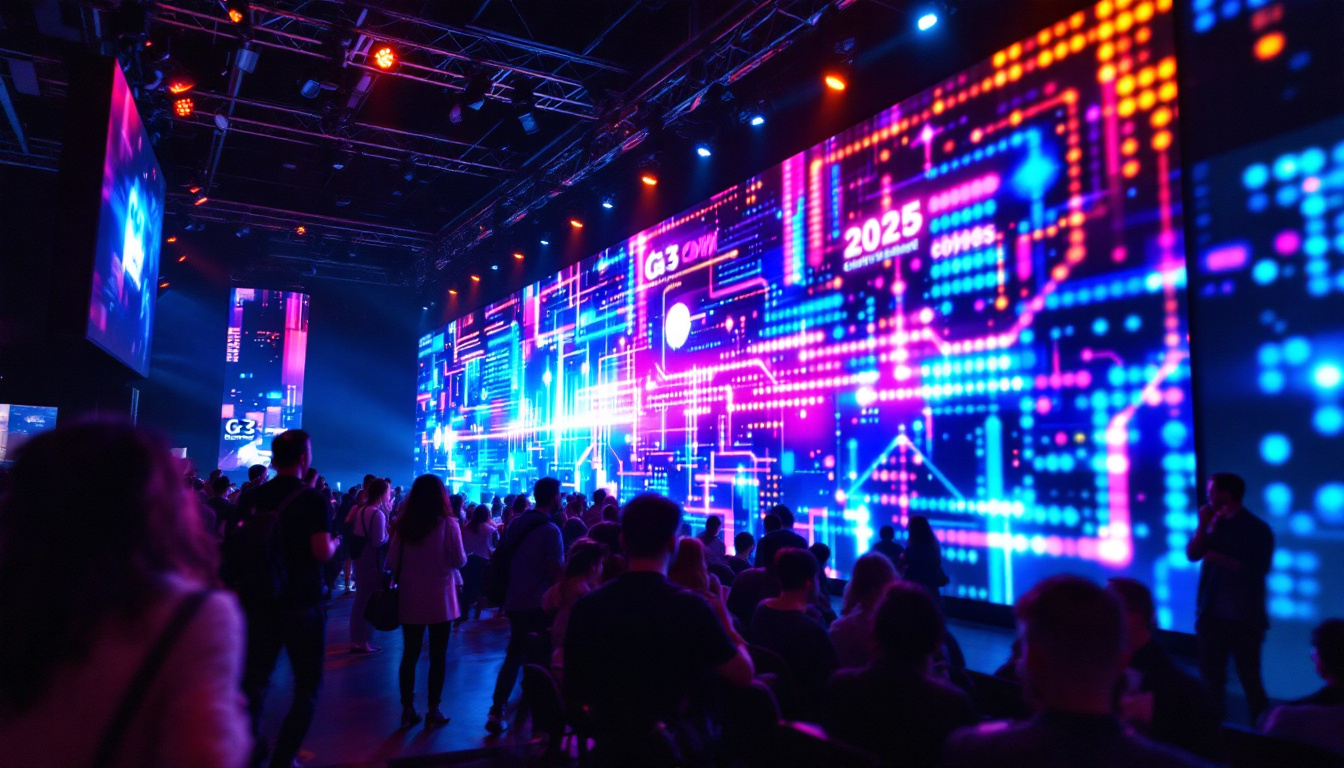
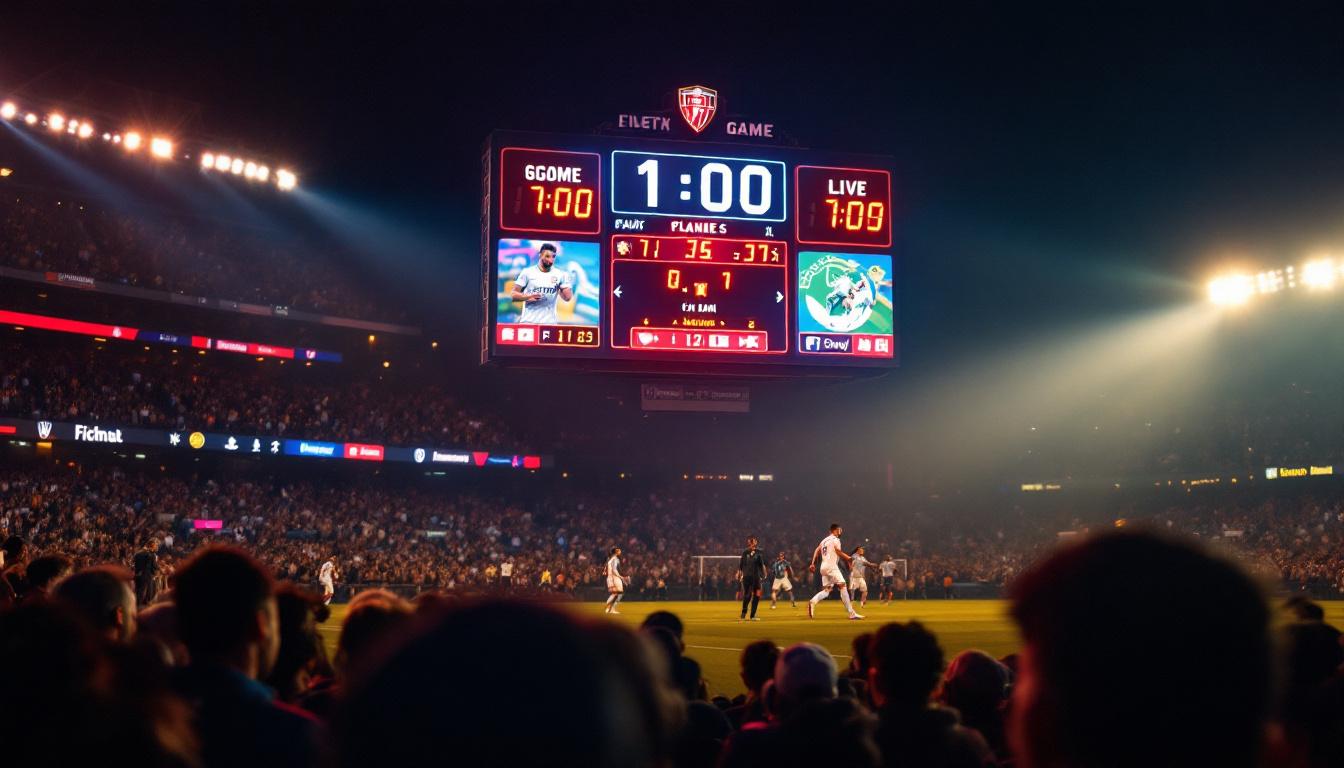
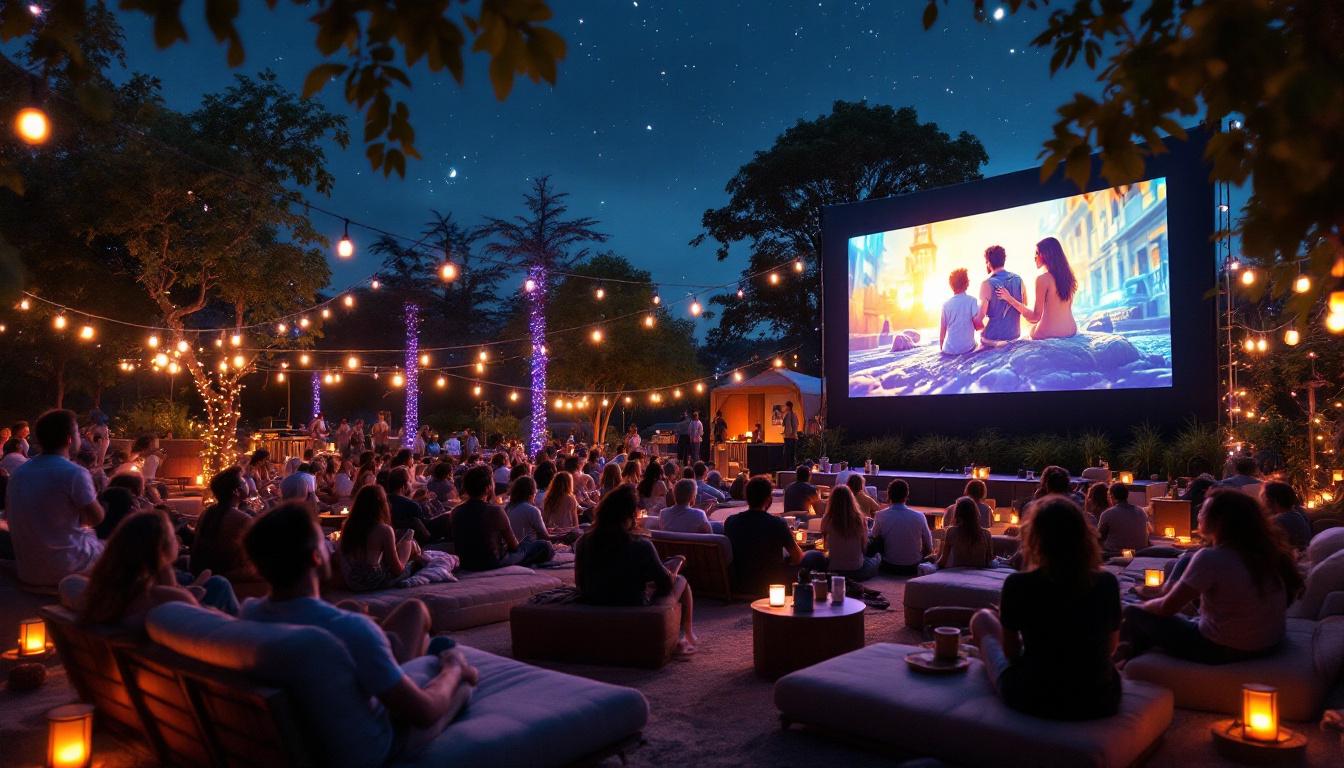
LED displays have transformed the spectator experience in stadiums, arenas, and concert venues. Large-scale LED video walls provide clear views of live action, replays, and interactive content, even from the farthest seats. The ability to customize content on these displays enhances engagement and creates immersive environments.
For example, the AT&T Stadium in Texas features one of the largest center-hung LED video boards in the world, measuring over 160 feet wide and 72 feet tall. This installation exemplifies how LED technology can elevate live events by delivering stunning visuals at massive scales.
Transportation and Public Information
LED displays are also widely used in transportation hubs such as airports, train stations, and bus terminals. Their high visibility and reliability make them ideal for displaying schedules, alerts, and wayfinding information. In many cities, LED traffic signs and variable message signs improve road safety by providing real-time updates to drivers.
Moreover, the energy efficiency of LED displays aligns with sustainability goals, reducing operational costs for public infrastructure.
Advantages of LED Displays
Energy Efficiency and Longevity
One of the primary benefits of LED displays is their low power consumption compared to other display technologies. LEDs convert most of the electrical energy into light rather than heat, resulting in less wasted energy. This efficiency not only reduces electricity costs but also contributes to lower carbon emissions.
Additionally, LEDs have a long operational lifespan, often exceeding 50,000 hours. This durability means less frequent replacements and maintenance, making LED displays a cost-effective investment over time.
Brightness and Color Quality
LED displays excel in brightness, capable of producing vivid images even in direct sunlight. This makes them particularly suitable for outdoor applications where visibility is critical. Their ability to render a wide color gamut also ensures that images are vibrant and true to life.
High refresh rates and contrast ratios further enhance the viewing experience by reducing flicker and delivering smooth motion, which is essential for video playback and dynamic content.
Flexibility and Scalability
LED displays come in various shapes and sizes, from small panels used in retail to massive video walls spanning entire building facades. Their modular design allows for easy scaling and customization, enabling creative installations that can fit unique architectural requirements.
Furthermore, advances in flexible LED technology have introduced curved and bendable displays, opening new possibilities for innovative design in advertising, art, and interior decoration.
Challenges and Considerations
Initial Cost and Installation
While LED displays offer long-term savings, their initial purchase and installation costs can be significant. High-resolution displays, especially those designed for indoor use, require precise manufacturing and complex control systems, which add to the expense.
Installation must also account for factors such as structural support, power supply, and ventilation, particularly for large outdoor displays. Proper planning and professional installation are essential to ensure safety and optimal performance.
Maintenance and Environmental Impact
Despite their longevity, LED displays require regular maintenance to maintain brightness and color accuracy. Dust, moisture, and temperature fluctuations can affect performance over time. Many manufacturers offer maintenance services and monitoring systems to detect issues early.
From an environmental perspective, LED displays are more sustainable than older technologies. However, end-of-life disposal and recycling of electronic components remain challenges that the industry continues to address through improved materials and circular economy initiatives.
The Future of LED Displays
Technological Innovations
Emerging technologies such as MicroLED and MiniLED are pushing the boundaries of LED display performance. MicroLED displays, which use microscopic LEDs as individual pixels, promise even higher resolution, better contrast, and lower power consumption than current LED screens. These advancements are expected to impact consumer electronics, including smartphones and televisions, in the coming years.
Additionally, integration with smart technologies and the Internet of Things (IoT) enables LED displays to become interactive and context-aware, enhancing user engagement and personalization.
Expanding Applications
As LED technology evolves, new applications continue to emerge. Transparent LED displays are being used in retail windows and vehicle windshields, offering advertising without obstructing views. Similarly, LED displays integrated into wearable devices and augmented reality systems are creating novel ways to deliver information.
The combination of flexibility, brightness, and energy efficiency ensures that LED displays will remain at the forefront of visual communication for years to come.
Conclusion
LED displays represent a remarkable fusion of technology and design that has transformed visual communication across multiple sectors. Their energy efficiency, brightness, and versatility make them an ideal choice for applications ranging from advertising and entertainment to public information and transportation.
Understanding how LED displays work and their various types helps businesses and consumers make informed decisions when selecting display solutions. As innovations continue to enhance LED technology, the future promises even more dynamic, immersive, and sustainable visual experiences.
Discover Cutting-Edge LED Displays with LumenMatrix
Ready to elevate your visual communication with the latest in LED display technology? LumenMatrix is at the forefront of innovation, offering a wide array of LED display solutions tailored to your needs. From captivating Indoor and Outdoor LED Wall Displays to dynamic Vehicle and Sports LED Displays, and even customizable options like Floor and Transparent LED Displays, we have everything to transform your space into a mesmerizing visual experience. Embrace the future of digital signage with LumenMatrix and make a lasting impression. Check out LumenMatrix LED Display Solutions today and see your brand shine like never before.