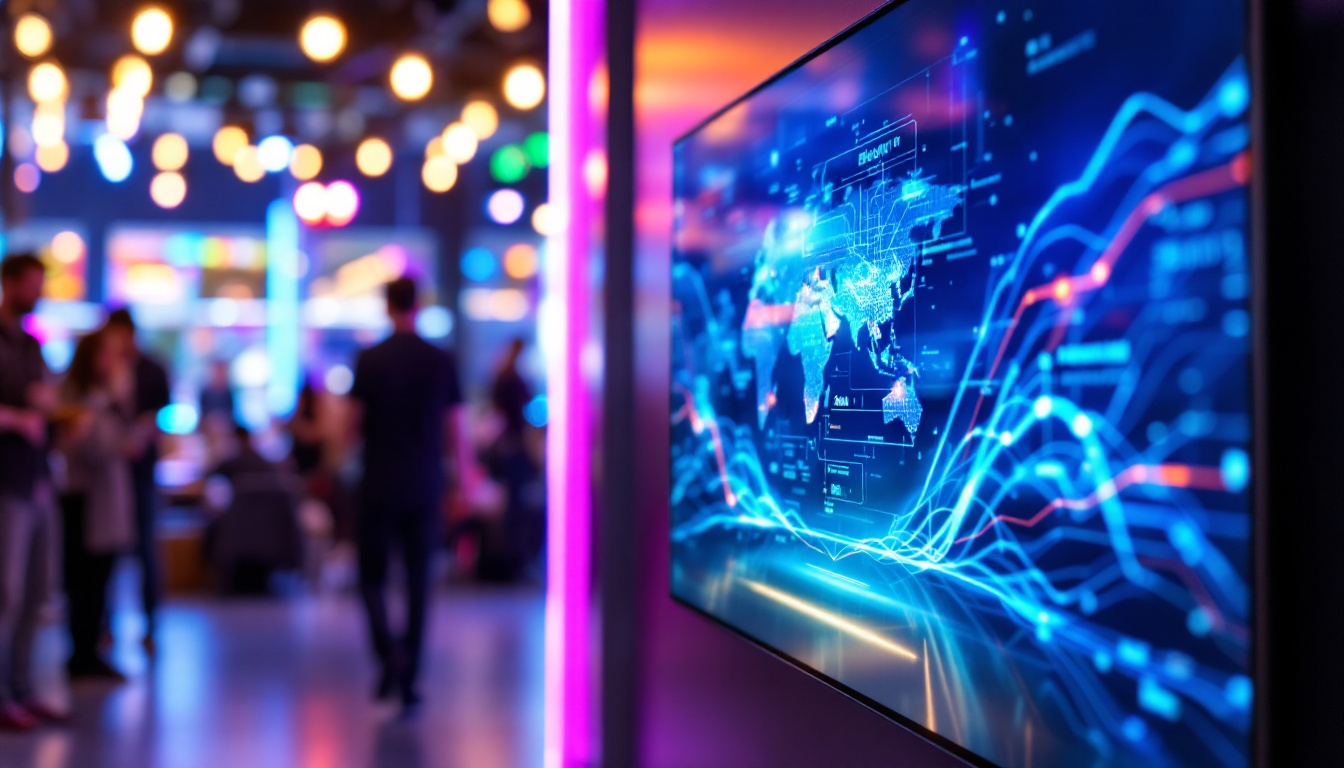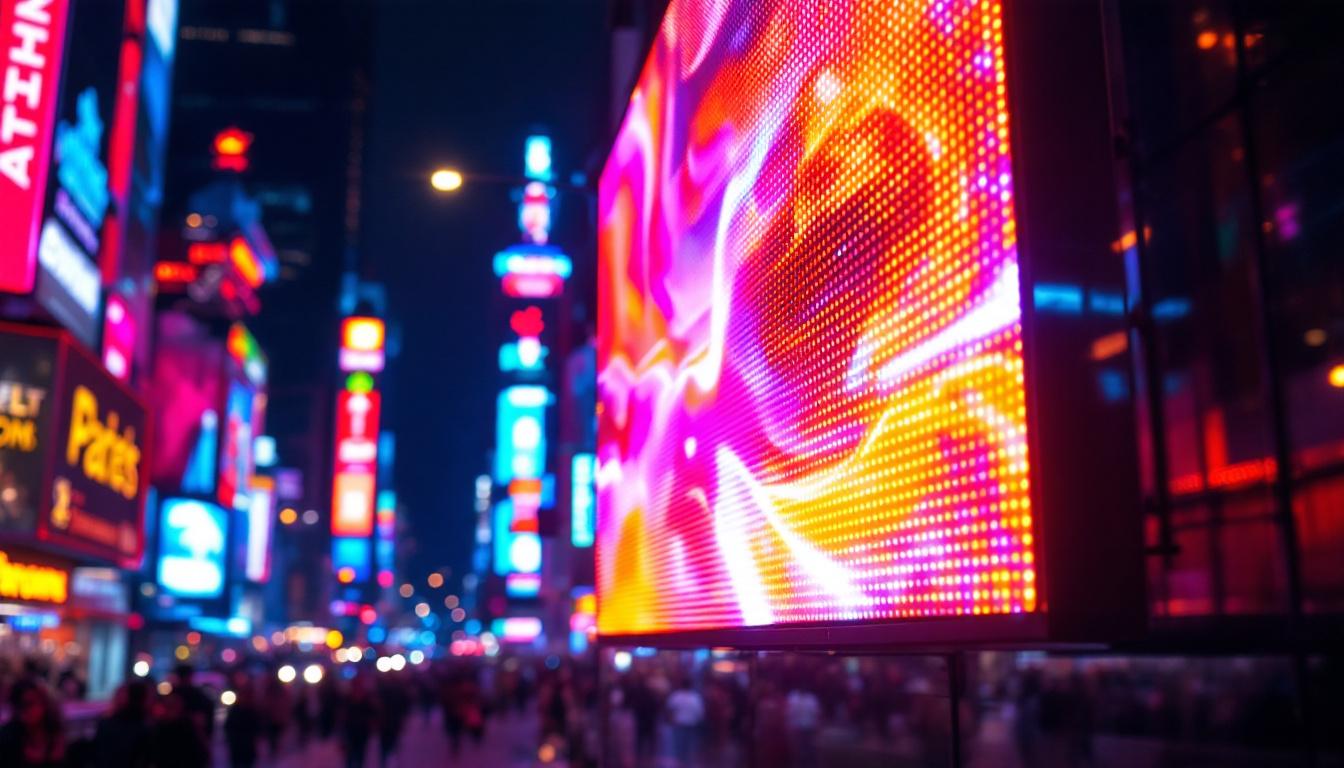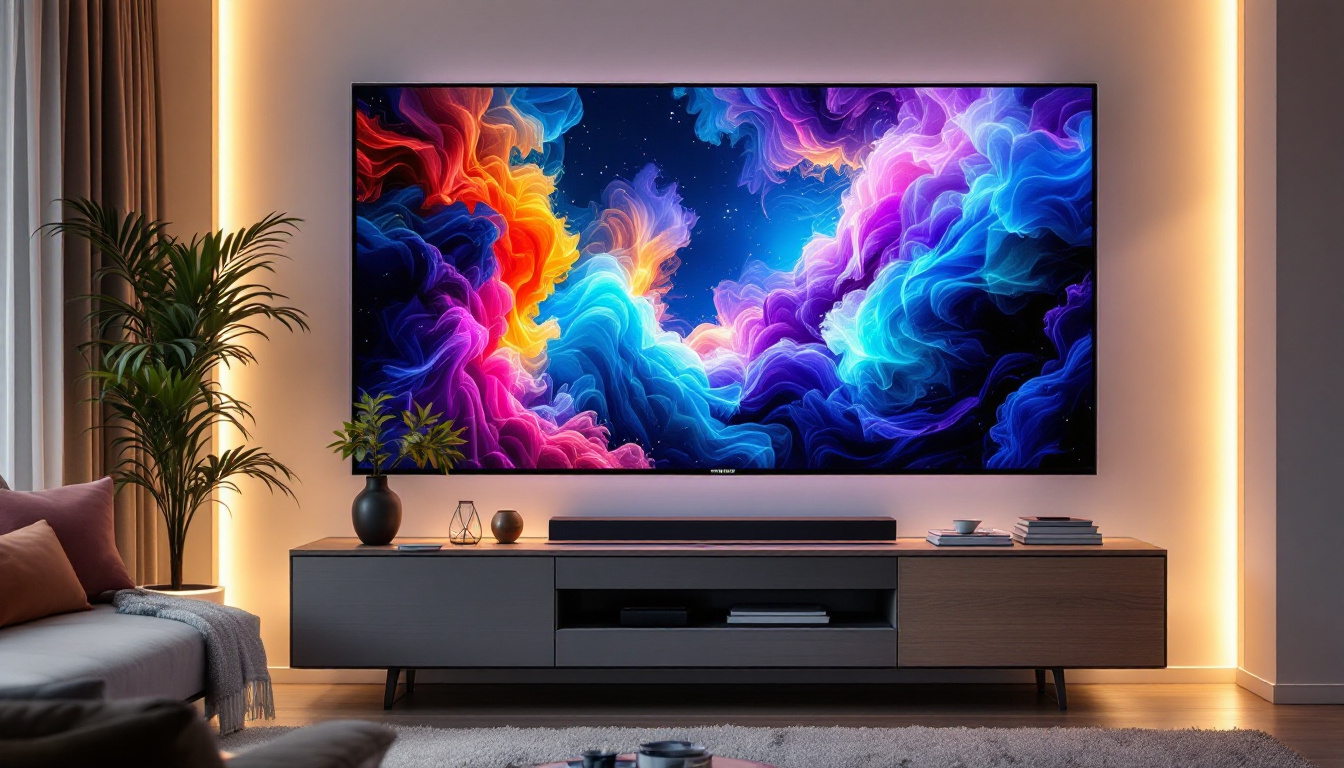
In today’s digital era, LED displays have become a cornerstone of visual communication, offering vibrant, high-resolution images across a broad spectrum of applications. From massive outdoor billboards to sleek indoor screens, LED technology continues to revolutionize how information and entertainment are presented. This article delves deep into the world of LED displays, explaining their technology, types, advantages, and practical uses to provide a comprehensive understanding for professionals, enthusiasts, and curious readers alike.
Understanding LED Display Technology
What is an LED Display?
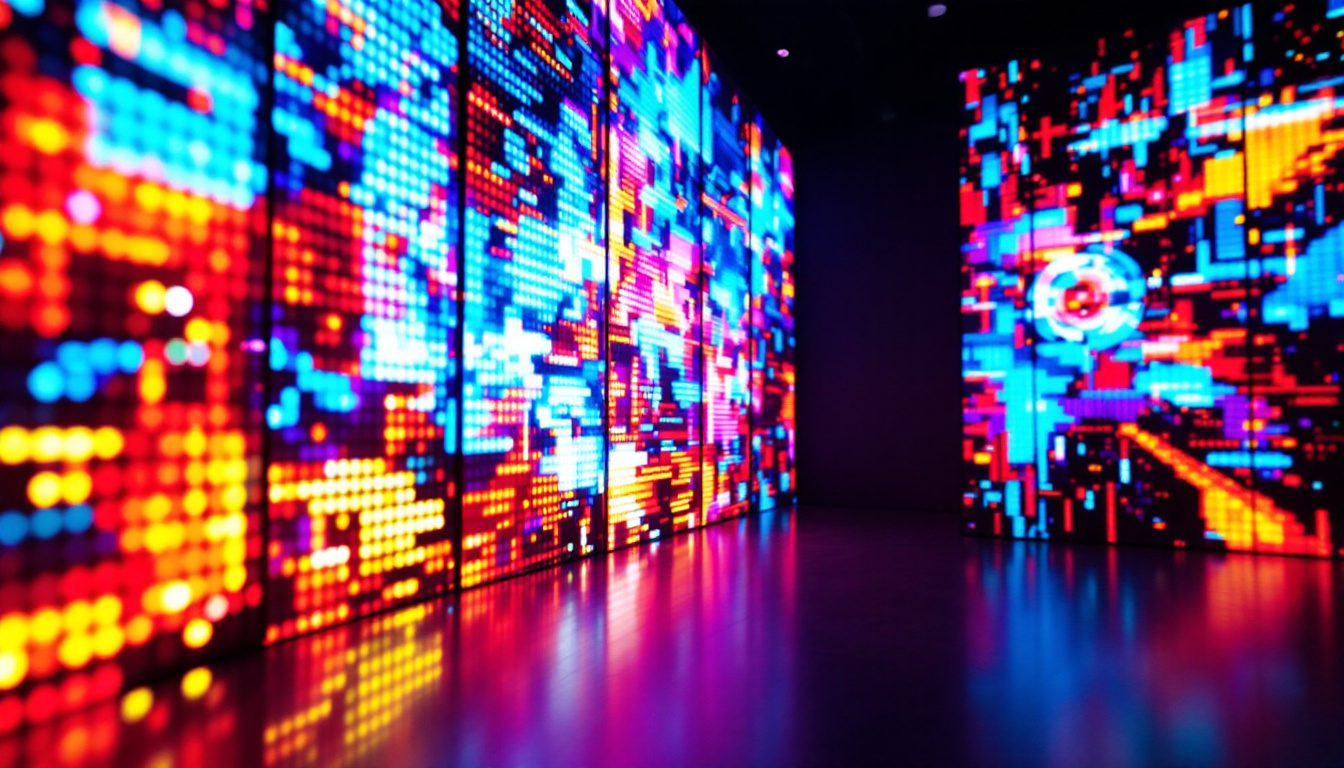
LED stands for Light Emitting Diode, a semiconductor device that emits light when an electric current passes through it. An LED display is a flat panel that uses an array of these tiny LEDs as pixels to produce images, videos, and text. Unlike traditional LCD or plasma screens, LED displays generate their own light, which allows for brighter images and better contrast ratios.
Each pixel in an LED display typically consists of three sub-pixels: red, green, and blue. By varying the intensity of each sub-pixel, the display can produce a full spectrum of colors. This RGB (Red, Green, Blue) model is fundamental to all color displays, but LED technology enhances it by offering superior brightness and energy efficiency.
How Do LED Displays Work?
At the core of an LED display is a matrix of LEDs arranged in a grid. When a signal is sent to the display, it controls which LEDs light up and at what brightness. This process happens thousands of times per second, creating the illusion of continuous motion and vivid imagery.
Modern LED displays use sophisticated driving circuits to manage the LEDs’ power and color output. These circuits ensure color accuracy, uniform brightness, and smooth transitions. Additionally, technologies like pulse-width modulation (PWM) are employed to control the brightness levels by rapidly switching LEDs on and off at varying intervals.
Key Components of an LED Display
Understanding the main components helps in appreciating the complexity and precision behind LED displays:
- LED Modules: These are panels containing a grid of LEDs. Modules can be combined to form larger screens.
- Driving ICs: Integrated circuits that control the current and voltage supplied to each LED.
- Power Supply: Provides the necessary electrical power to the entire display system.
- Control System: Receives input signals from video sources and translates them into commands for the LEDs.
- Protective Housing: Encloses the modules, protecting them from environmental factors like dust, moisture, and physical damage.
Types of LED Displays and Their Applications
Indoor vs. Outdoor LED Displays
LED displays are broadly categorized based on their intended environment: indoor or outdoor. Each type has specific design features to optimize performance under different conditions.
Indoor LED Displays are designed for environments with controlled lighting and temperature. They typically have a higher pixel density, meaning smaller pixel pitch, which allows for sharper images at close viewing distances. These are common in conference rooms, retail stores, airports, and broadcast studios.
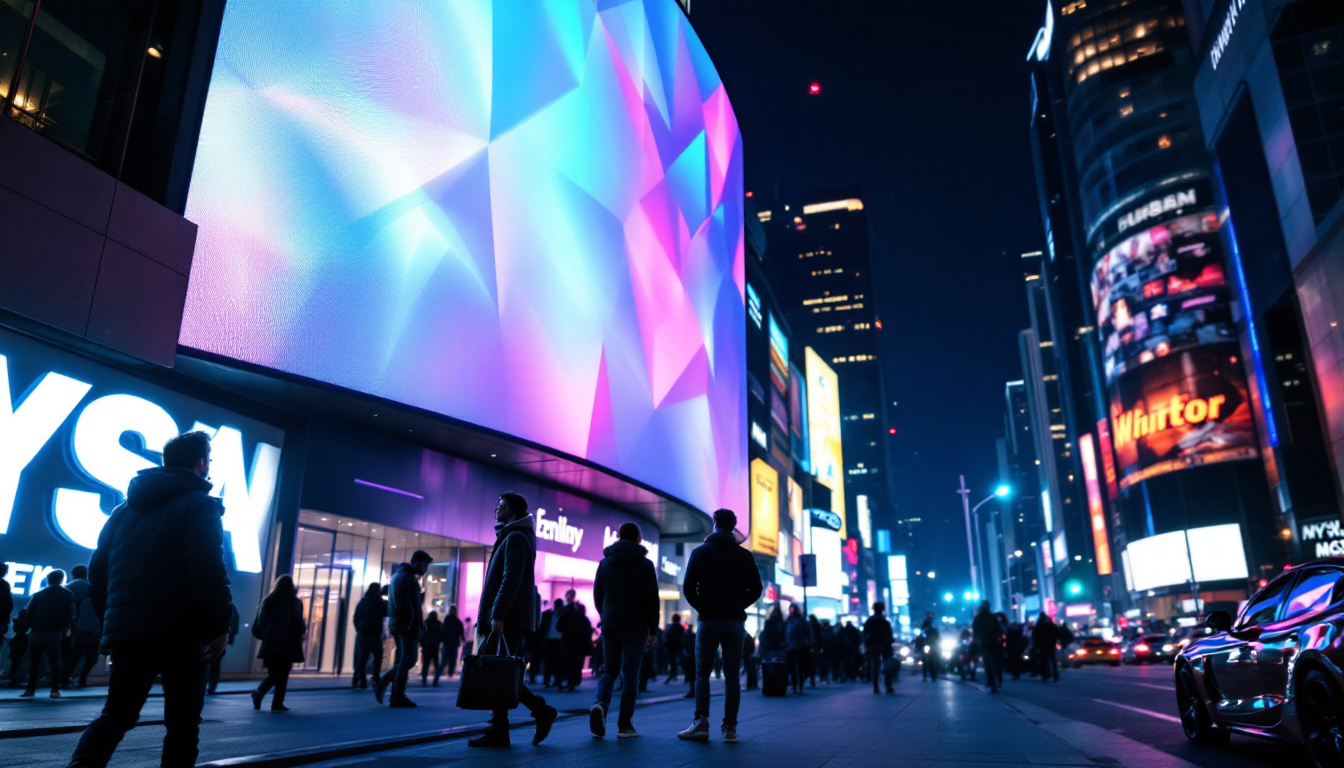
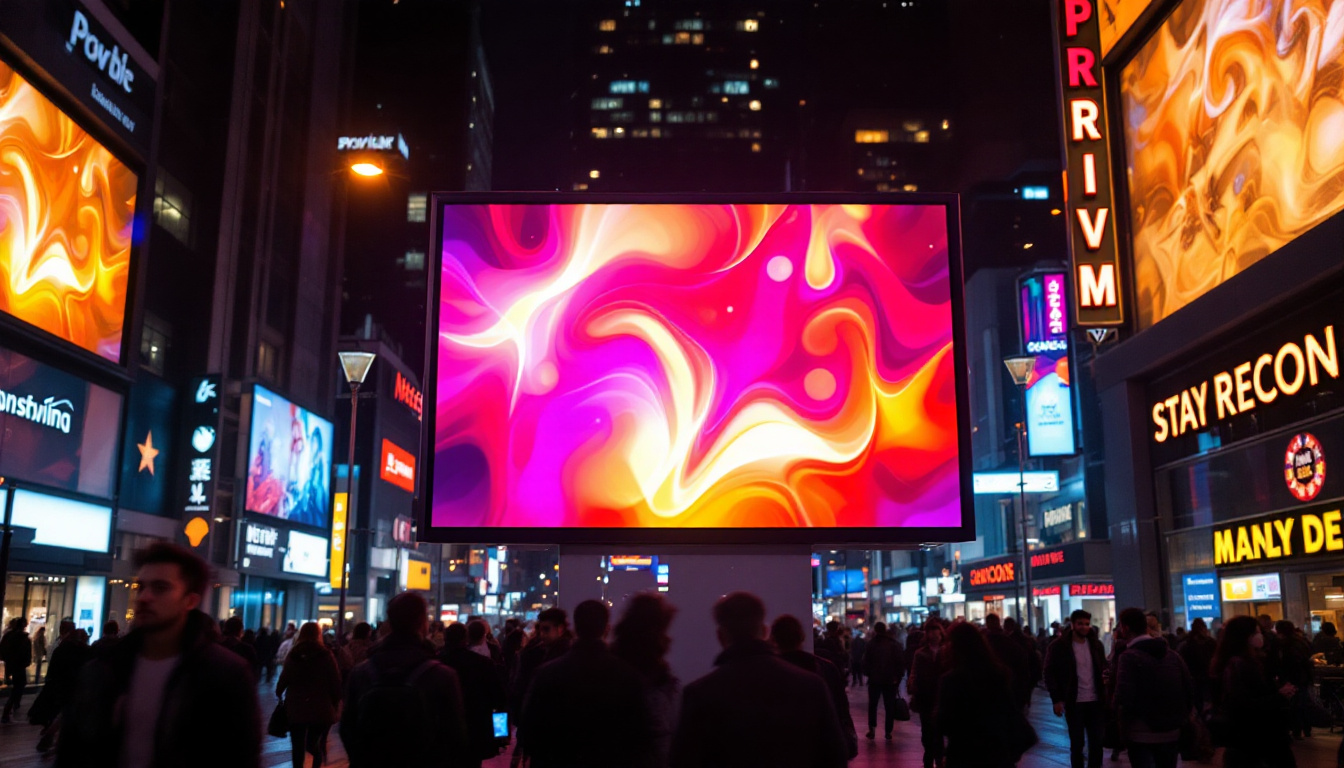
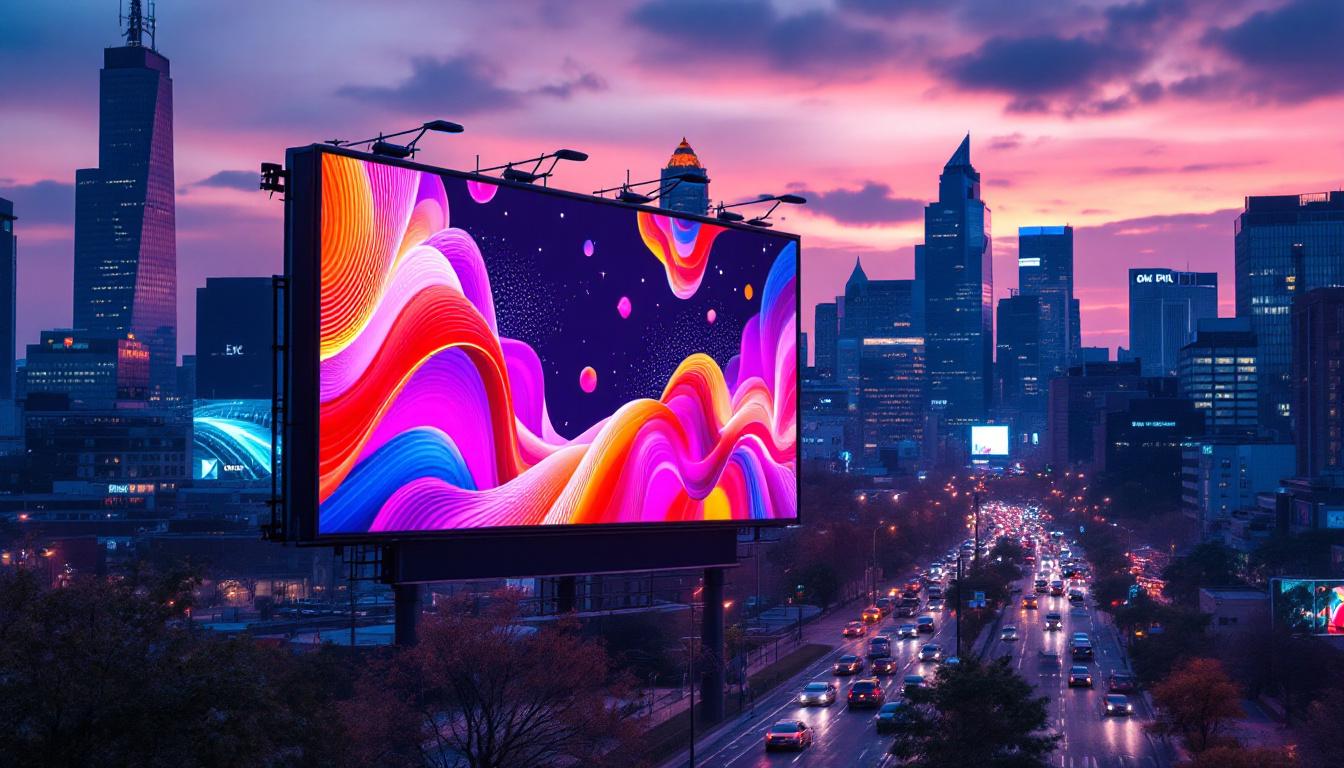
Outdoor LED Displays must withstand harsh weather conditions, including rain, wind, and extreme temperatures. They are built with robust protective casings and have higher brightness levels—often exceeding 5,000 nits—to remain visible in direct sunlight. Examples include digital billboards, stadium screens, and public information displays.
Direct View LED vs. LED-Backlit LCD
It’s important to distinguish between direct view LED displays and LED-backlit LCD screens. The former uses LEDs as the actual pixels, while the latter uses LEDs only as a backlight behind an LCD panel.
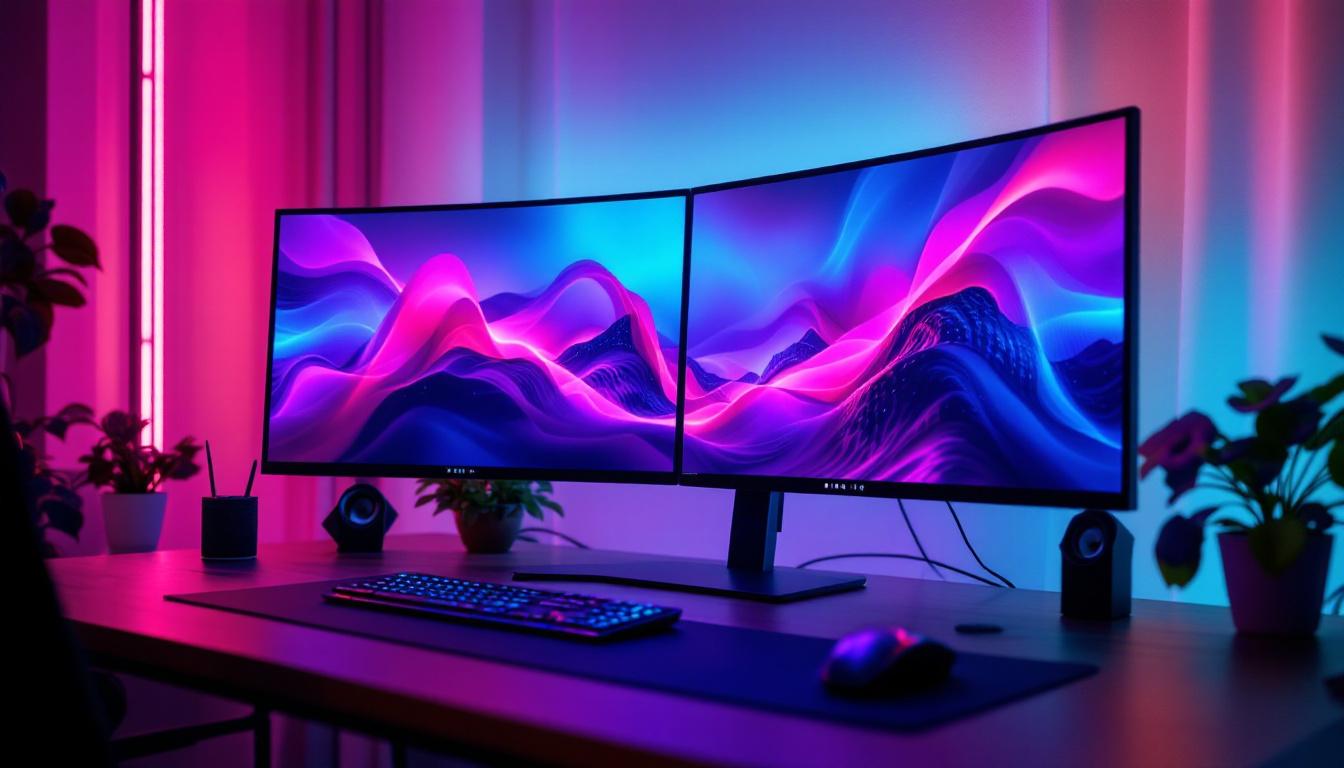
Direct view LED displays offer superior contrast, wider viewing angles, and better color saturation. They are ideal for large-scale installations where image quality and brightness are paramount. Conversely, LED-backlit LCDs are more common in consumer electronics like laptops and televisions, where cost and form factor are key considerations.
Flexible and Transparent LED Displays
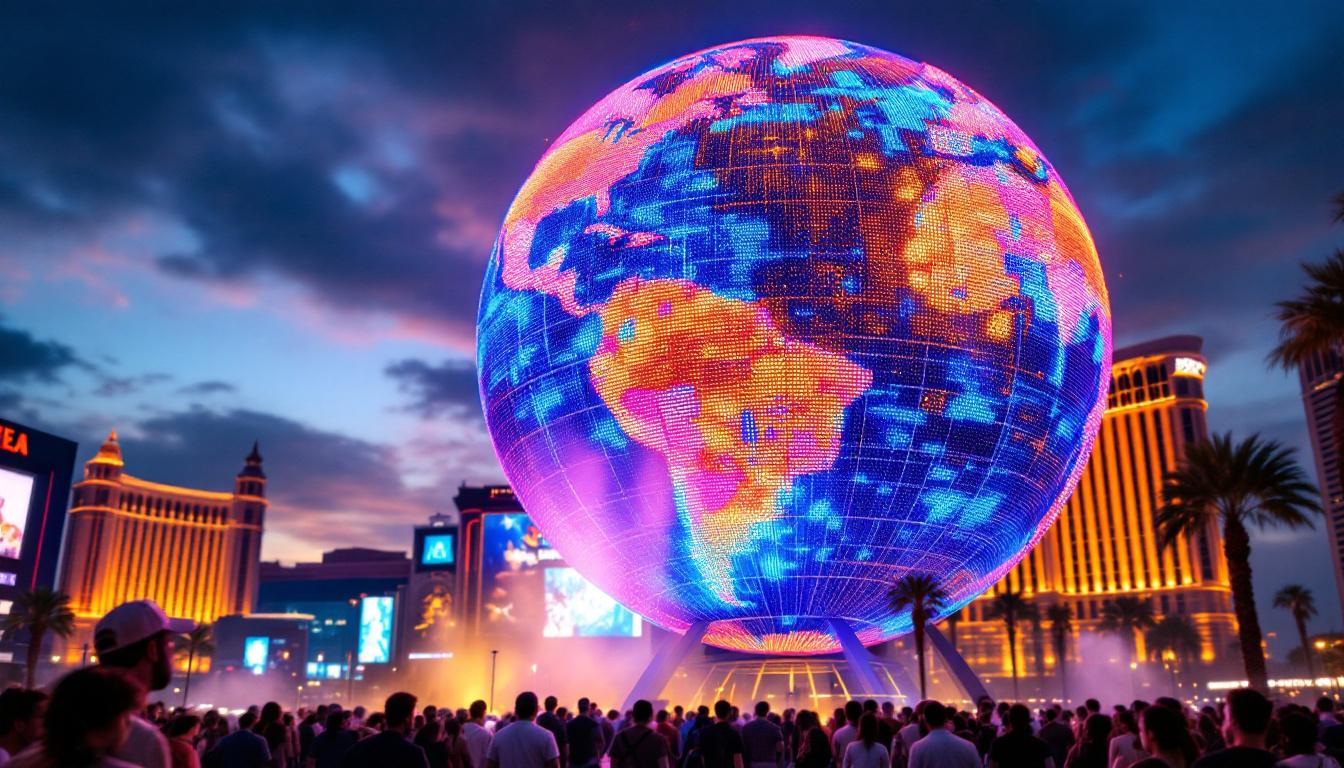
Recent advances have introduced flexible and transparent LED displays, expanding the possibilities for creative installations. Flexible LED screens can bend or curve, making them suitable for architectural designs, wearable technology, and immersive environments.
Transparent LED displays allow viewers to see through the screen while still displaying vivid images. This technology is gaining traction in retail windows, museums, and automotive applications, where maintaining visibility while delivering dynamic content is essential.
Advantages of LED Displays Over Other Technologies
Brightness and Visibility
One of the most significant advantages of LED displays is their exceptional brightness. With peak brightness levels often exceeding 10,000 nits, LED screens remain clearly visible even under direct sunlight. This makes them the preferred choice for outdoor advertising and public information systems where ambient light conditions can vary widely.
Energy Efficiency and Longevity
LED technology is inherently energy-efficient compared to older display technologies like plasma or incandescent lighting. LEDs consume less power for the same brightness output, reducing operational costs and environmental impact. Additionally, LEDs have a longer lifespan, often rated between 50,000 to 100,000 hours, which translates to years of reliable use without significant degradation.
Color Accuracy and Contrast
LED displays provide superior color accuracy and contrast ratios. Because each LED emits light independently, black levels are deeper and colors more vibrant than in LCDs, which rely on backlighting. This capability enhances the viewing experience, making LED displays ideal for high-end broadcasting, digital signage, and artistic installations.
Scalability and Customization
LED displays can be scaled to virtually any size by combining multiple modules. This modularity allows for customized screen dimensions and shapes, accommodating unique architectural requirements. Whether it’s a giant stadium screen or a small indoor panel, LED technology offers flexibility unmatched by other display types.
Key Considerations When Choosing an LED Display
Pixel Pitch and Resolution
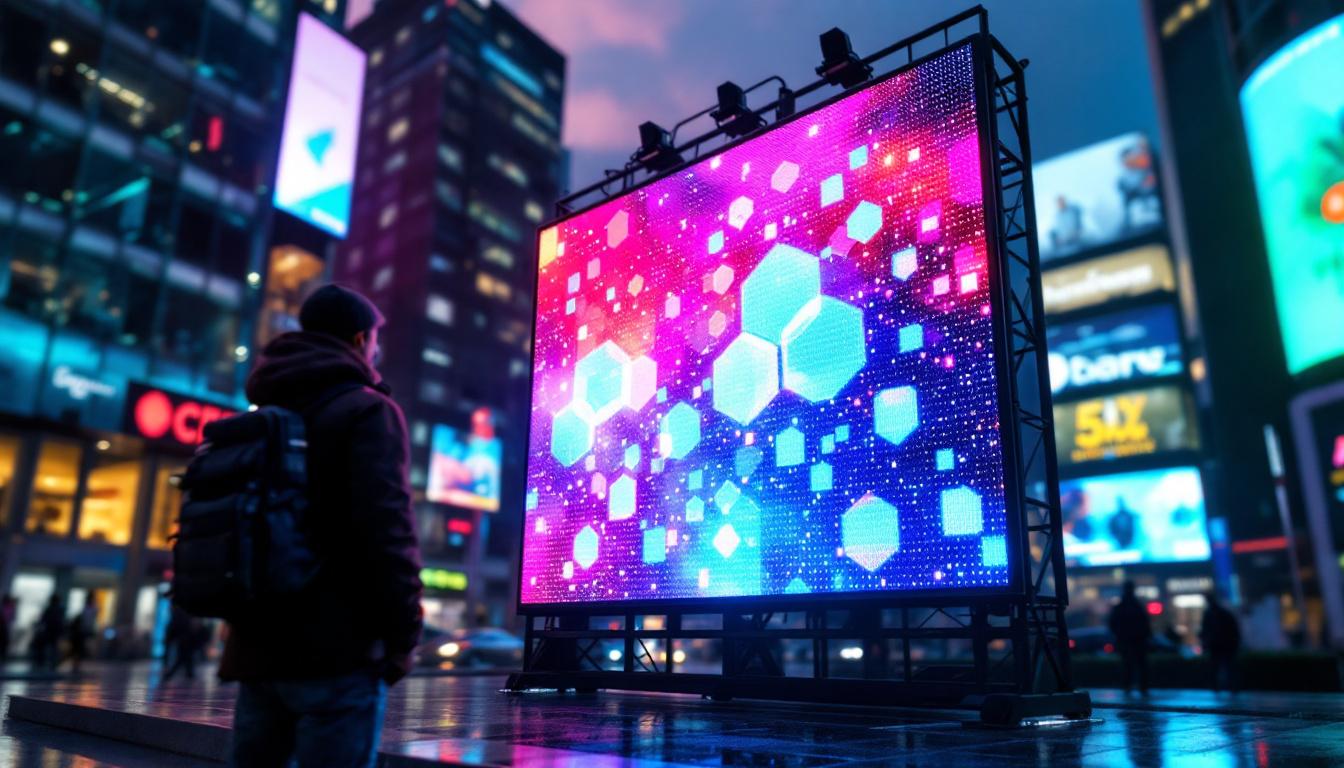
Pixel pitch—the distance between the centers of two adjacent pixels—is a critical factor in determining image clarity. Smaller pixel pitches yield higher resolution and sharper images, especially at close viewing distances. For indoor applications where viewers are near the screen, pixel pitches can be as low as 0.9mm. Outdoor displays typically have larger pixel pitches (10mm or more) since they are viewed from greater distances.
Brightness and Viewing Environment
Assessing the ambient lighting conditions is essential when selecting an LED display. Outdoor screens require higher brightness levels to combat sunlight, while indoor screens can operate at lower brightness to reduce eye strain and power consumption. Many modern LED displays offer adjustable brightness settings to optimize performance across different environments.
Durability and Weather Resistance
For outdoor installations, durability is paramount. Look for displays with IP65 or higher ratings, indicating protection against dust and water ingress. Additionally, consider temperature tolerance, UV resistance, and anti-glare coatings to ensure longevity and consistent performance.
Installation and Maintenance
Ease of installation and maintenance can significantly impact total cost of ownership. Modular LED displays that allow for front or rear servicing simplify repairs and reduce downtime. It’s also important to consider the weight and mounting options to ensure compatibility with the installation site.
Emerging Trends in LED Display Technology
Mini-LED and Micro-LED Innovations
Mini-LED and Micro-LED technologies represent the next frontier in LED display development. Mini-LEDs are smaller than traditional LEDs, enabling even finer pixel pitches and improved contrast through localized dimming. Micro-LEDs take this further by using microscopic LEDs as individual pixels, offering unparalleled brightness, color accuracy, and energy efficiency.
These technologies are starting to appear in premium TVs, smartphones, and commercial displays, promising a new standard of visual quality.
Integration with Smart Technologies
LED displays are increasingly integrated with smart technologies like IoT sensors, AI-driven content management, and interactive touch capabilities. This integration allows for dynamic content adaptation based on audience behavior, environmental conditions, or real-time data, enhancing engagement and effectiveness.
Sustainability and Eco-Friendly Designs
With growing environmental awareness, manufacturers are focusing on sustainable LED display designs. This includes using recyclable materials, reducing power consumption, and improving manufacturing processes to lower carbon footprints. Energy-efficient LED displays contribute to greener advertising and communication solutions worldwide.
Practical Applications of LED Displays
Advertising and Digital Signage
LED displays dominate the advertising landscape, offering dynamic, eye-catching content that can be updated remotely and instantly. Digital billboards, shopping mall screens, and transit displays leverage LED technology to capture consumer attention effectively. According to recent industry reports, the global digital signage market is expected to grow at a CAGR of over 8% through 2027, driven largely by LED innovations.
Sports and Entertainment Venues
Stadiums and arenas use large-scale LED screens to enhance spectator experience with live video feeds, replays, and interactive content. The high brightness and wide viewing angles of LED displays ensure visibility for tens of thousands of fans, regardless of their seating position.
Corporate and Educational Environments
In corporate settings, LED displays facilitate presentations, video conferencing, and digital collaboration. Educational institutions use LED screens for interactive learning, digital noticeboards, and immersive experiences, supporting modern pedagogical approaches.
Transportation and Public Information
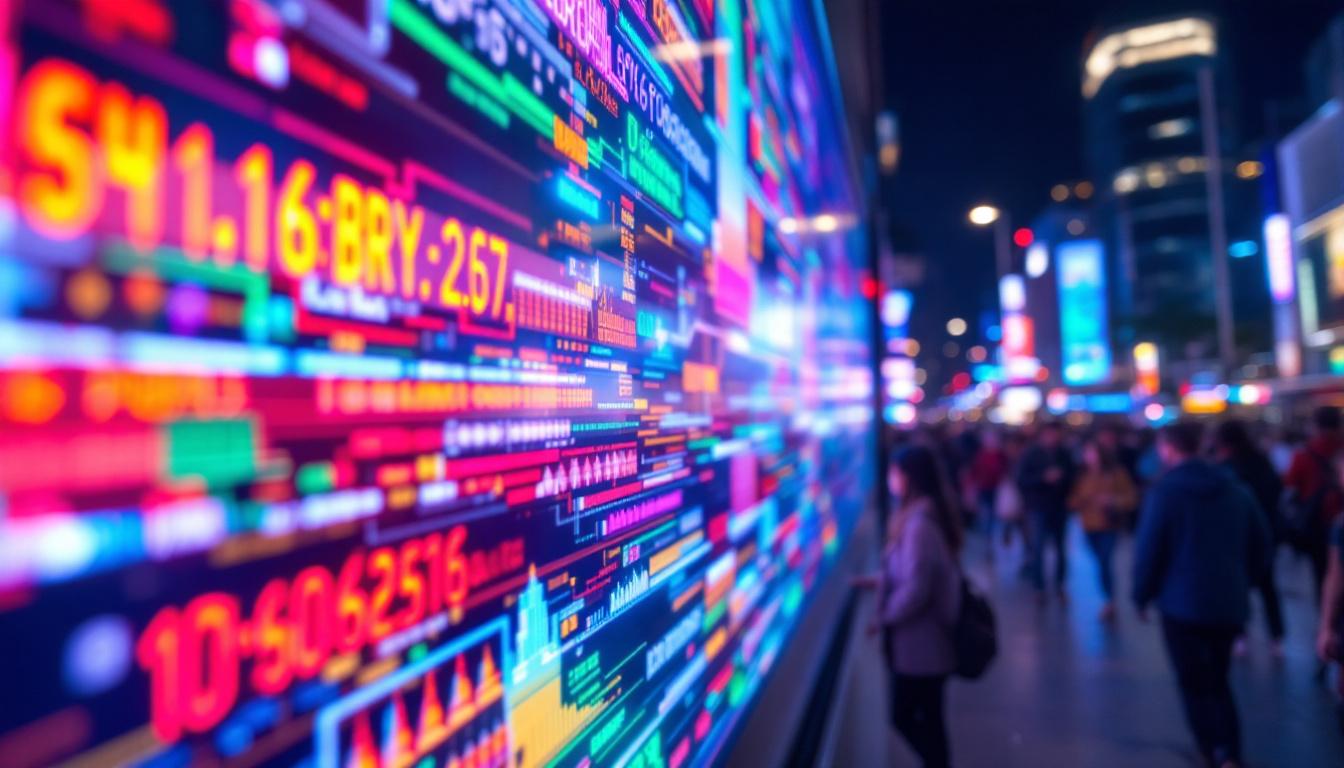
LED displays are vital in airports, train stations, and bus terminals for real-time scheduling, alerts, and wayfinding. Their reliability and visibility in various lighting conditions make them indispensable for public safety and convenience.
Conclusion
LED displays have transformed the way visual content is delivered across industries, combining technological sophistication with practical versatility. Their unmatched brightness, color fidelity, and adaptability make them the preferred choice for applications ranging from advertising to public information and entertainment. As innovations like Mini-LED and Micro-LED continue to evolve, the future promises even more immersive and energy-efficient display solutions.
Understanding the fundamentals of LED technology, types of displays, and key considerations ensures informed decisions when selecting or deploying LED screens. Whether for indoor or outdoor use, small-scale or massive installations, LED displays offer a compelling blend of performance and durability that meets the demands of today’s dynamic visual communication landscape.
Explore Cutting-Edge LED Display Solutions with LumenMatrix
Ready to elevate your visual communication with the latest in LED display technology? Discover LumenMatrix’s innovative range of LED display modules, designed to captivate and engage your audience. From vibrant Indoor LED Wall Displays to robust Outdoor LED Wall Displays, and from versatile Vehicle LED Displays to sleek LED Poster Displays, LumenMatrix offers tailored solutions that meet your specific needs. Experience the future of digital signage with our LED Sports Displays, interactive Floor LED Displays, and the stunning clarity of LED Transparent Displays. Embrace the revolution in visual storytelling with LumenMatrix’s All-in-One LED Display solutions. Check out LumenMatrix LED Display Solutions today and transform your brand’s visibility with unforgettable visual experiences.