Multiple TV Wall Mount: LED Display Explained
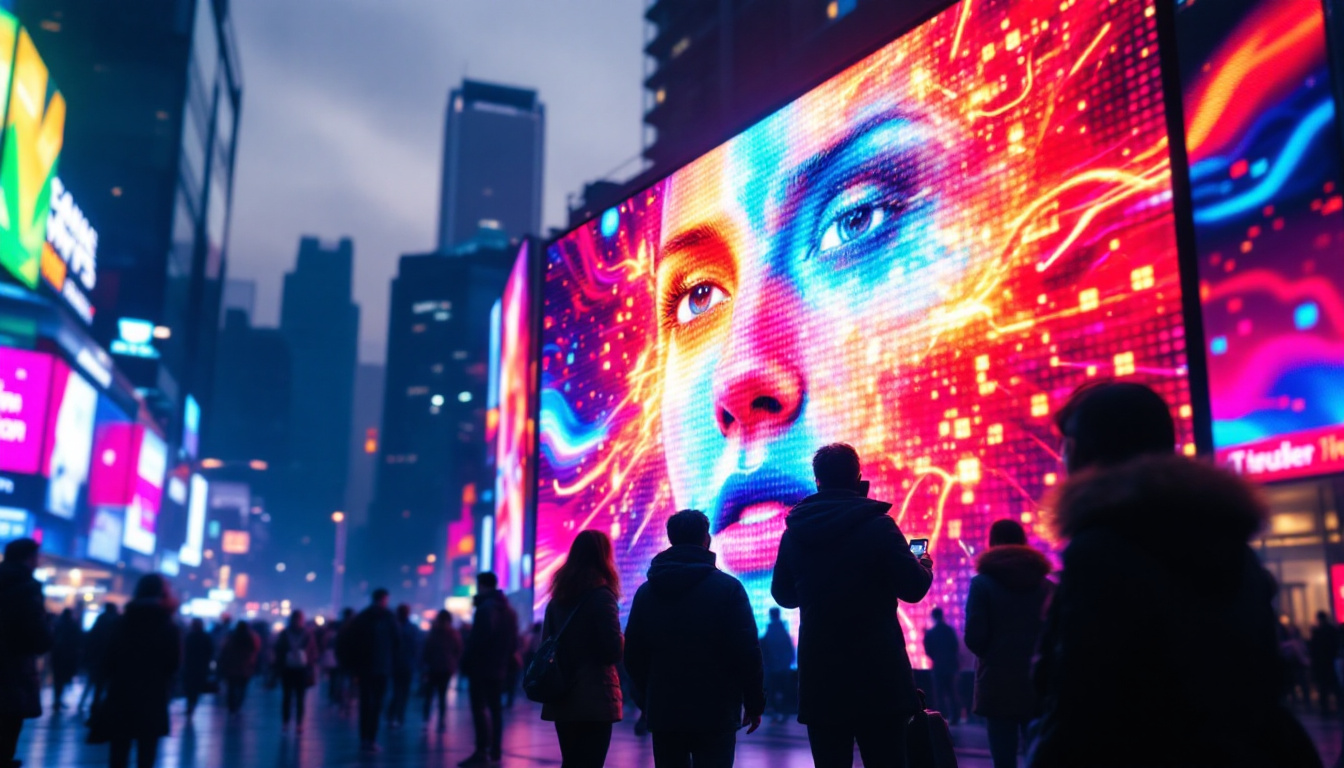
In modern commercial and residential settings, the use of multiple TV wall mounts to create expansive LED display walls has become increasingly popular. From corporate boardrooms and retail environments to home theaters and public information centers, these setups offer dynamic visual experiences that captivate audiences and enhance communication. Understanding the technology behind LED displays and the practical considerations of mounting multiple TVs is essential for anyone looking to implement such solutions effectively.
What is a Multiple TV Wall Mount Setup?
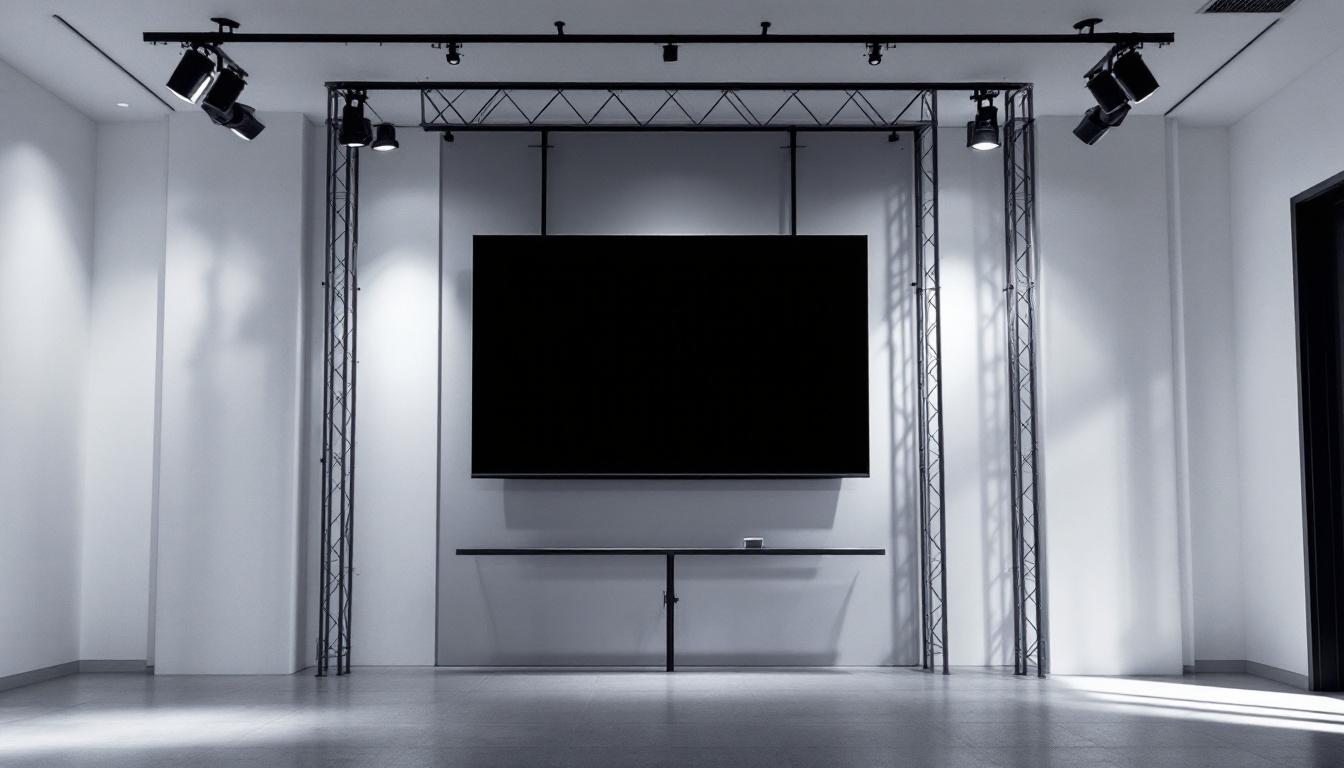
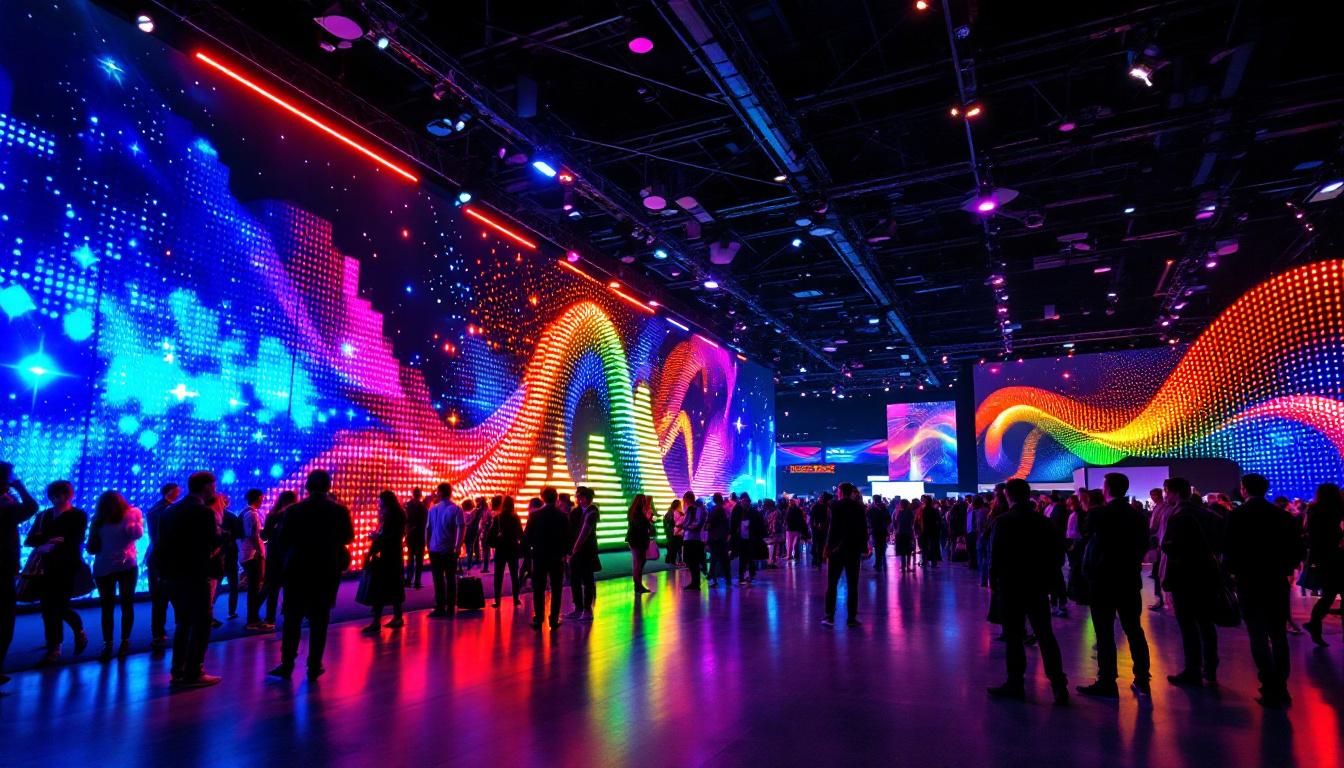
A multiple TV wall mount setup involves securely attaching two or more television screens side-by-side or in a grid formation on a wall. This arrangement creates a larger, unified display surface that can show a single image stretched across all screens or multiple independent feeds simultaneously. The result is a visually impactful presentation that is far more engaging than a single screen.
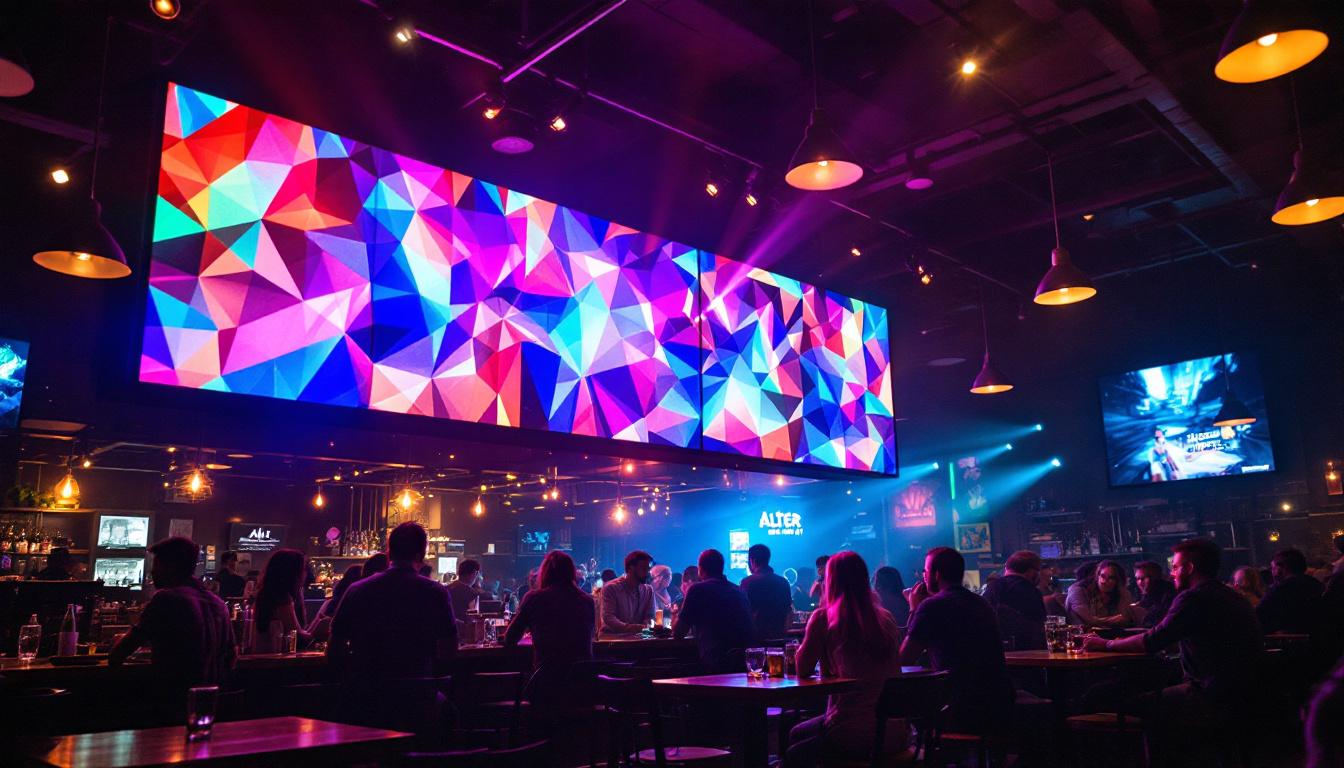
These setups are commonly referred to as video walls or multi-screen displays. They are widely used in control rooms, digital signage, sports bars, conference rooms, and even luxury home theaters. The flexibility of these configurations allows users to customize the display size and resolution to suit specific needs. In environments like sports bars, for example, patrons can enjoy various games simultaneously, ensuring that every viewer has something to watch, which enhances the overall experience and keeps customers coming back.
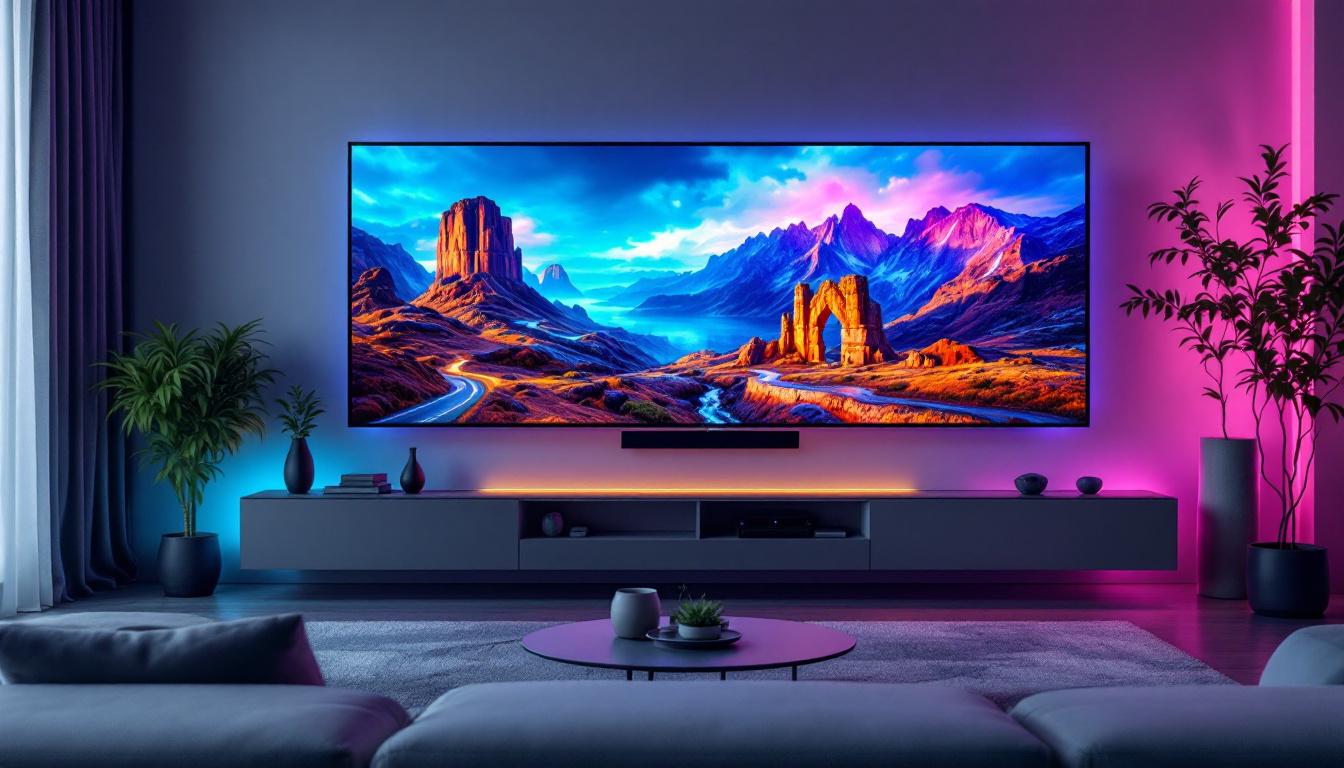
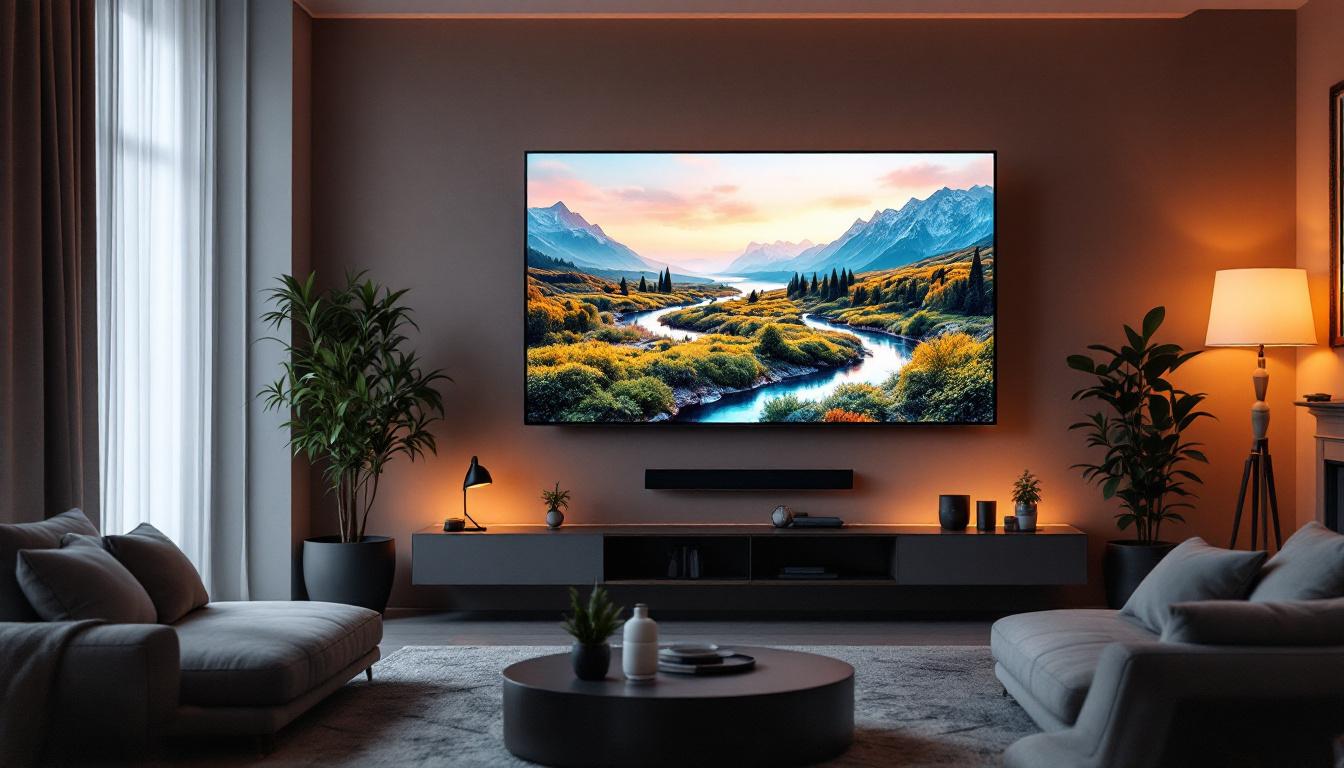
In addition to commercial applications, multiple TV wall mount setups are also gaining traction in residential spaces. Homeowners are increasingly opting for these configurations to create immersive gaming experiences or to enhance movie nights with friends and family. By integrating smart home technology, users can control the displays with ease, switching between different media sources or adjusting the layout to fit the occasion.
Benefits of Using Multiple TV Wall Mounts
One of the primary advantages of using multiple TV wall mounts is the ability to create a large, seamless display without investing in a single, oversized screen, which can be prohibitively expensive. Additionally, individual panels can be replaced or upgraded independently, reducing maintenance costs over time. This modularity means that if one screen fails or becomes outdated, it can be easily swapped out without needing to replace the entire setup, making it a cost-effective solution for many businesses.
Moreover, multiple TV setups offer scalability. Businesses can start with a few screens and expand their video wall as needs evolve. The modular nature of these setups also allows for creative display arrangements, including curved or angled walls, which enhance viewing angles and aesthetic appeal. This flexibility not only maximizes the use of space but also allows for innovative branding opportunities, as companies can display promotional content in a dynamic and eye-catching manner. Furthermore, with advancements in technology, many modern screens come equipped with features like ultra-thin bezels, which minimize the gaps between screens, creating a more cohesive visual experience that captivates audiences and enhances engagement.
Understanding LED Display Technology
LED (Light Emitting Diode) technology has revolutionized display screens by offering brighter images, better contrast, and improved energy efficiency compared to traditional LCD or plasma screens. When discussing multiple TV wall mounts, it’s important to understand how LED displays work and why they are preferred for video walls.
How LED Displays Work
LED displays consist of tiny light-emitting diodes that produce light when an electric current passes through them. These diodes can be arranged in various configurations to form pixels, which collectively create the images seen on the screen. LED technology is known for its vibrant colors, deep blacks, and high brightness levels, making it ideal for environments with varying ambient light conditions.
There are two main types of LED displays used in video walls: direct-view LED and LED-backlit LCD. Direct-view LED screens use diodes as the actual pixels, resulting in superior brightness and contrast. LED-backlit LCDs, on the other hand, use LEDs to illuminate an LCD panel and are commonly found in consumer televisions.
Advantages of LED Displays in Video Walls
LED displays offer several benefits that make them the preferred choice for multiple TV wall mount setups:
- Brightness and Visibility: LED displays can reach brightness levels exceeding 1,000 nits, ensuring clear visibility even in brightly lit rooms or outdoor environments.
- Color Accuracy and Contrast: The ability to produce deep blacks and vibrant colors enhances image quality and viewer engagement.
- Energy Efficiency: LEDs consume less power compared to traditional display technologies, reducing operational costs.
- Longevity: LED panels typically have longer lifespans, often exceeding 50,000 hours of use.
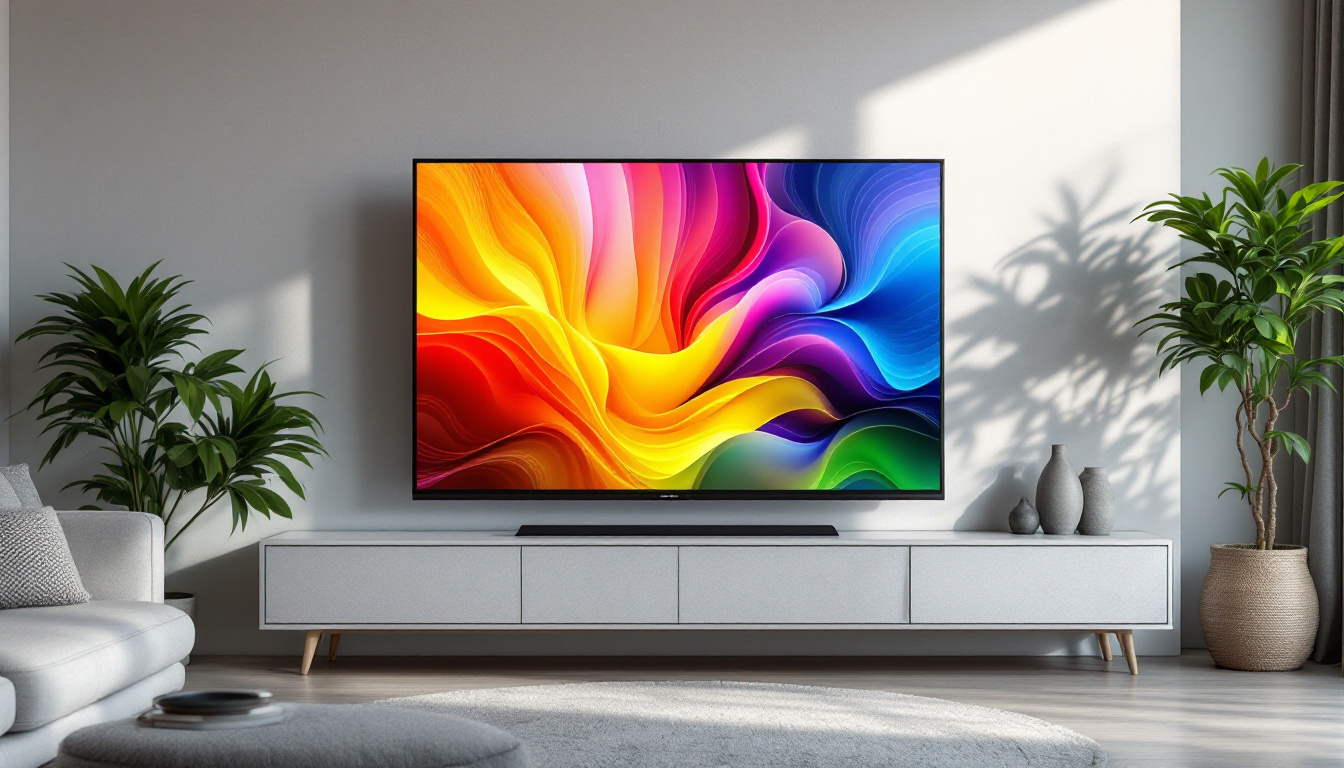
- Thin and Lightweight: LED screens are slim and lightweight, making them easier to mount and integrate into various spaces.
Choosing the Right Multiple TV Wall Mount
Selecting the appropriate wall mount system is critical to the success of a multiple TV display. The mount must support the weight and size of the TVs, allow for precise alignment, and provide flexibility for maintenance and adjustments.
Types of Wall Mounts for Multiple TVs
There are several types of mounts designed specifically for video walls:
- Fixed Video Wall Mounts: These mounts hold TVs flush against the wall in a fixed position, creating a sleek and seamless appearance. They are ideal for permanent installations where the display configuration is unlikely to change.
- Articulating and Tilting Mounts: These allow for angle adjustments, which can improve viewing angles and reduce glare. They are useful in environments where viewers may be positioned at varying heights or distances.
- Modular Video Wall Mount Systems: Designed for professional video walls, these systems enable precise alignment with micro-adjustments in height, depth, and tilt. They also facilitate easy access to the rear of each screen for maintenance.
Key Features to Consider
When choosing a multiple TV wall mount, consider the following factors:
- Weight Capacity: Ensure the mount can support the combined weight of all TVs.
- VESA Compatibility: The mount should match the VESA (Video Electronics Standards Association) mounting pattern of the TVs.
- Gap Minimization: For a seamless video wall, select mounts that allow for minimal bezel gaps between screens.
- Adjustability: Micro-adjustments in alignment help create a uniform display surface.
- Ease of Installation and Maintenance: Consider mounts that provide rear access and tool-less adjustments.
Installation Best Practices for Multiple TV Wall Mounts
Proper installation is crucial to ensure safety, durability, and optimal performance of a multiple TV wall mount setup. Poor installation can lead to misalignment, screen damage, or even accidents.
Planning the Layout
Before installation, carefully plan the layout of the video wall. Measure the wall space, determine the number and size of TVs, and consider viewing distances and angles. Creating a detailed blueprint helps avoid costly mistakes and ensures the display meets its intended purpose.
It’s also important to consider cable management during planning. Concealing power and data cables not only improves aesthetics but also protects cables from damage.
Wall and Structural Considerations
The wall must be capable of supporting the combined weight of all mounted TVs and mounts. Studs or reinforced walls are preferred to ensure stability. In commercial settings, consulting a structural engineer may be necessary for large or heavy video walls.
Alignment and Calibration
Once mounted, the TVs should be aligned precisely to minimize bezel gaps and create a uniform display surface. Professional calibration of color, brightness, and contrast across all screens ensures consistent image quality.
Many video wall controllers and software solutions assist in managing the content displayed across multiple screens, enabling seamless video playback, dynamic content layouts, and remote control.
Applications of Multiple TV Wall Mount LED Displays
The versatility of multiple TV wall mount LED displays makes them suitable for a wide range of applications across various industries.
Corporate and Control Rooms
In corporate environments, video walls are used for presentations, data visualization, and video conferencing. Control rooms in utilities, transportation, and emergency services rely on large LED displays to monitor real-time data and coordinate responses efficiently.
Retail and Advertising
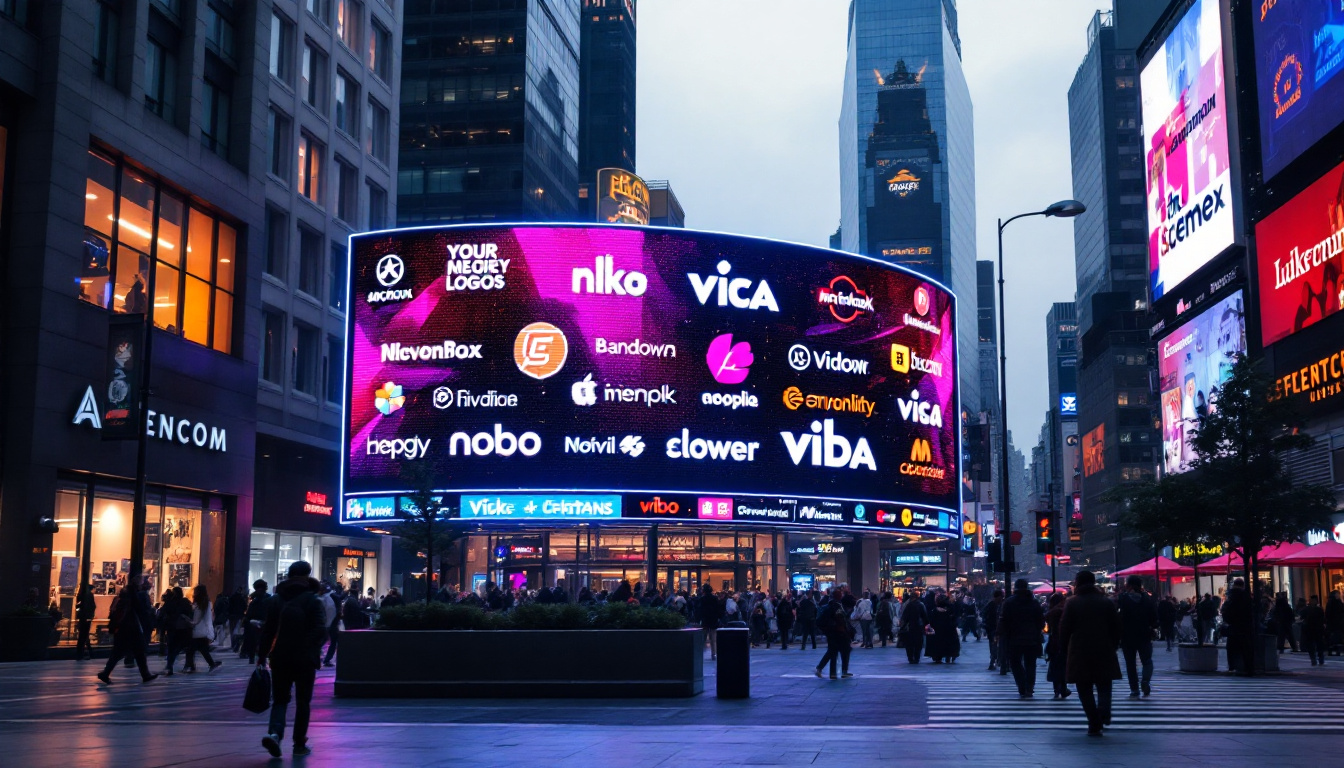
Retailers use video walls to attract customers with vibrant advertising and promotional content. The ability to display dynamic and targeted messaging increases engagement and drives sales.
Entertainment and Hospitality
Sports bars, casinos, and hotels utilize video walls to enhance the guest experience. Multiple TV setups can show live sports events, entertainment, and informational content simultaneously.
Education and Public Spaces
Universities and museums employ video walls for interactive exhibits and large-scale presentations. Public transportation hubs use them for real-time scheduling and announcements.
Future Trends in Multiple TV Wall Mount and LED Displays
As technology advances, multiple TV wall mount setups and LED displays continue to evolve, offering new possibilities and improved performance.
MicroLED and MiniLED Technologies
Emerging display technologies like MicroLED and MiniLED promise even higher brightness, better contrast ratios, and thinner panels. These innovations will further enhance video wall quality and flexibility.
Improved Mounting Solutions
Future mounts will likely offer greater ease of installation, enhanced adjustability, and integrated cable management. Smart mounts with motorized adjustments and remote control capabilities are also on the horizon.
Integration with Smart Systems
Video walls will increasingly integrate with IoT and AI-driven content management systems, enabling automated content optimization based on audience analytics and environmental conditions.
Conclusion
Multiple TV wall mount setups paired with LED display technology offer a powerful solution for creating large, vibrant visual displays across various environments. Understanding the technical aspects of LED screens, selecting the right mounting systems, and following best installation practices are key to achieving a seamless and impactful video wall.
As display technologies continue to advance, businesses and consumers alike can expect even more immersive and flexible video wall solutions that enhance communication, entertainment, and engagement.
Explore Cutting-Edge LED Display Solutions with LumenMatrix
Ready to elevate your space with a visually stunning LED display? LumenMatrix, a pioneer in LED display technology, offers a diverse range of products designed to transform any environment. Whether you’re looking to create an immersive indoor experience, make a bold statement outdoors, or innovate with vehicle and custom displays, LumenMatrix has the solution to meet your needs. Experience the future of visual communication and captivate your audience with unparalleled clarity and impact. Check out LumenMatrix LED Display Solutions today and see your vision come to life.