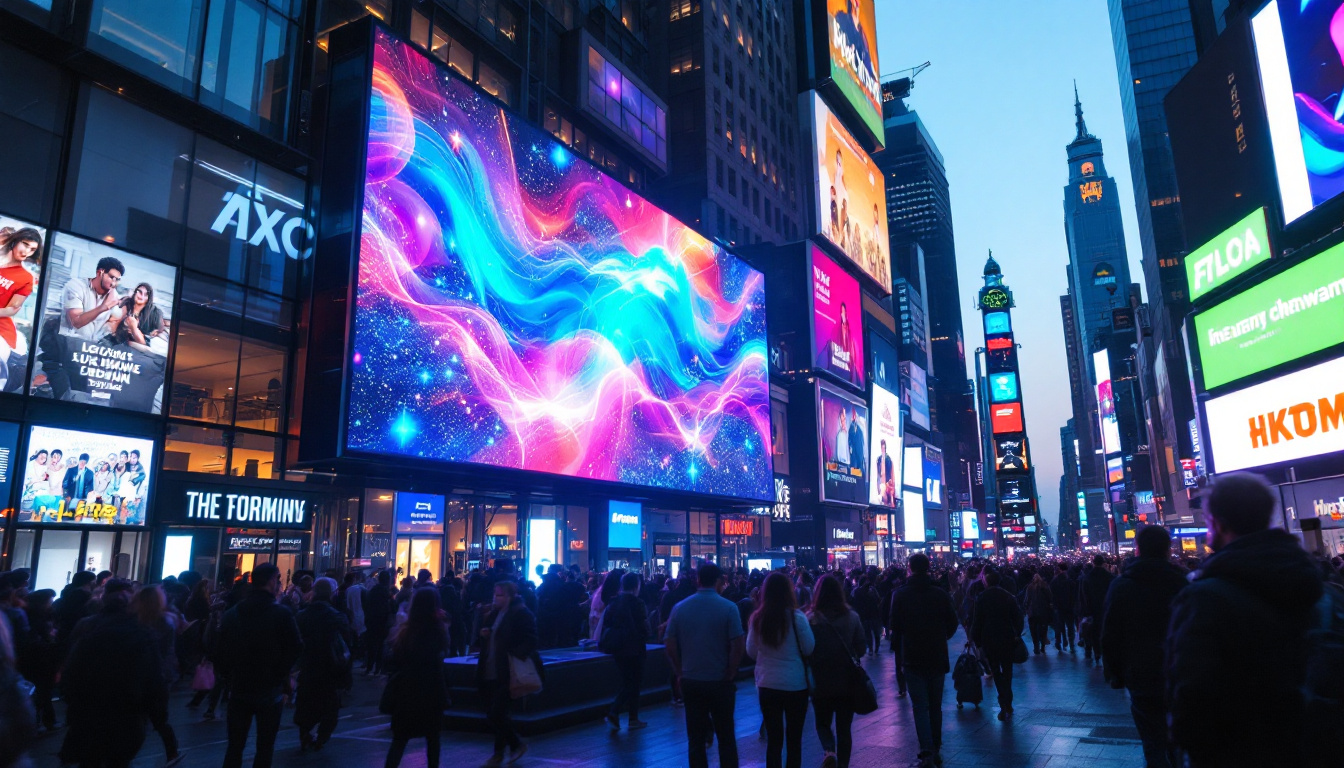
In the evolving world of digital signage and visual communication, LED displays have emerged as a dominant technology, offering vibrant, dynamic, and versatile solutions for businesses and public spaces alike. From towering billboards in Times Square to immersive video walls in corporate lobbies, LED displays are transforming how information and advertising are presented. This article delves into the core aspects of LED display technology, exploring its components, benefits, applications, and future trends to provide a comprehensive understanding of why LED solutions are a preferred choice worldwide.
Understanding LED Display Technology
What is an LED Display?
LED stands for Light Emitting Diode, a semiconductor device that emits light when an electric current passes through it. An LED display is essentially a large panel composed of thousands to millions of these tiny diodes, arranged in a grid to form pixels. Each pixel can emit light in different colors, allowing the display to produce vivid images, videos, and text.
Unlike traditional LCD or plasma screens, LED displays use direct light emission, which results in higher brightness levels and better contrast ratios. This makes them especially suitable for environments with high ambient light, such as outdoor advertising or sports arenas. The ability to maintain visibility in bright sunlight is one of the key advantages of LED technology, making it a popular choice for billboards and large-scale displays in urban settings.
Moreover, LED displays are known for their energy efficiency compared to other display technologies. They consume less power while delivering superior brightness, which not only reduces operational costs but also contributes to a lower carbon footprint. This energy efficiency is particularly beneficial for large installations that operate continuously, such as in public transportation hubs or shopping malls.
Key Components of LED Displays
At the heart of an LED display are several critical components:
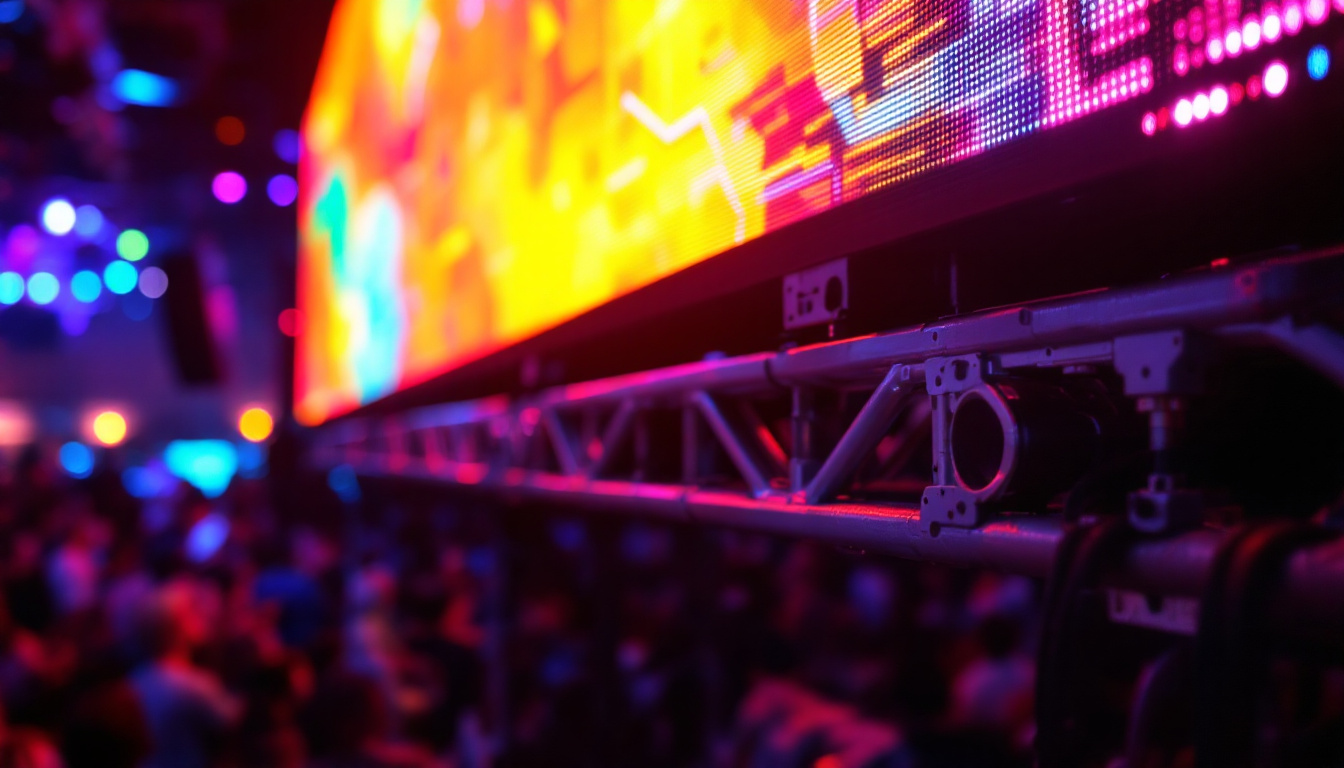
- LED Modules: These are the building blocks of the display, each containing multiple LEDs arranged in a matrix. Modules can be combined to create screens of various sizes and resolutions.
- Driver ICs: Integrated circuits that control the current supplied to each LED, enabling precise color and brightness control.
- Control System: This includes the hardware and software that process the input signals and manage the display output, ensuring synchronization and image quality.
- Power Supply: Provides stable power to the LEDs and control electronics, crucial for consistent performance.
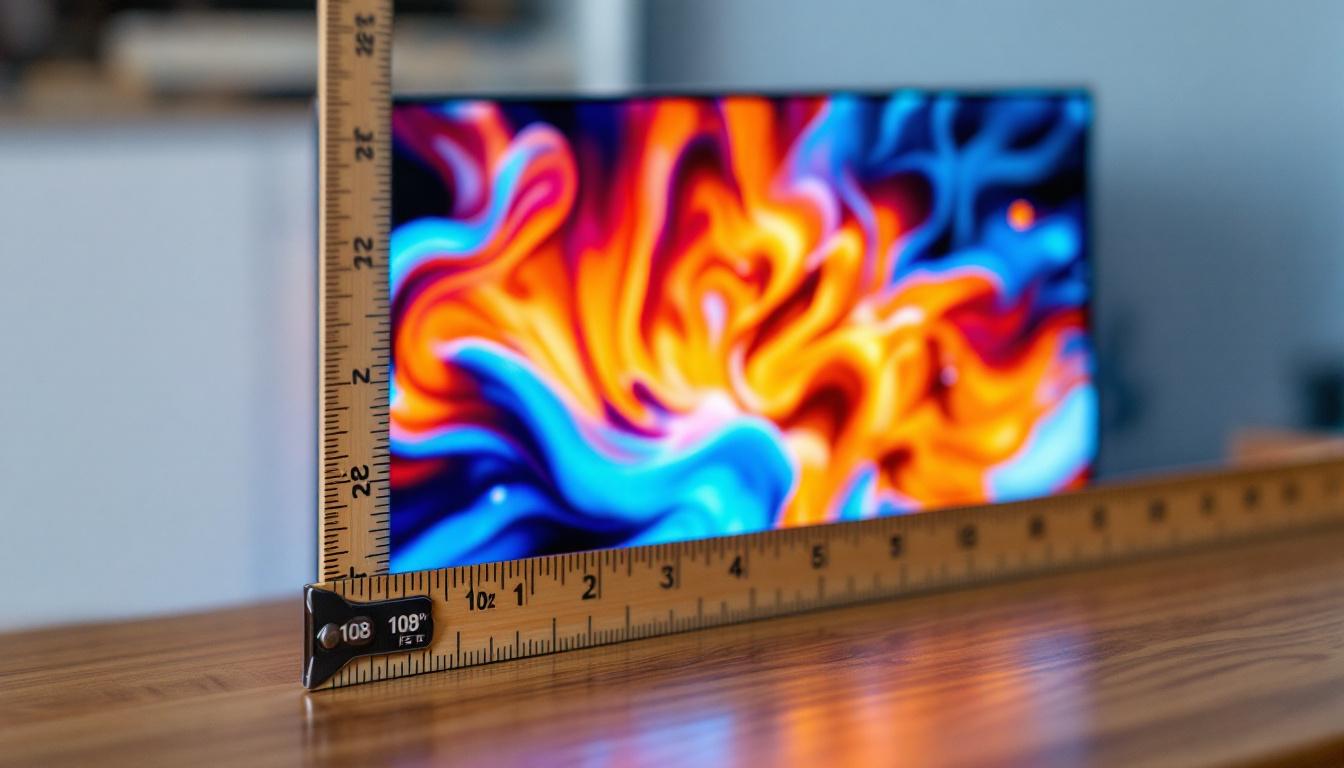
The pixel pitch, or the distance between the centers of two adjacent LEDs, is a critical specification that determines the resolution and viewing distance of the display. Smaller pixel pitches mean higher resolution and closer optimal viewing distances. For instance, a display with a pixel pitch of 2mm is ideal for indoor environments where viewers are close to the screen, while a pitch of 10mm or more is better suited for outdoor applications where viewers are typically farther away.
Additionally, LED displays can be categorized into various types, including full-color, monochrome, and bi-color displays, each serving different purposes. Full-color displays are widely used for advertising and entertainment, while monochrome displays are often utilized for simple text-based information, such as in transportation signage. The versatility of LED technology allows for creative applications, including curved displays and transparent screens, which can enhance architectural aesthetics while delivering dynamic content.
Advantages of LED Displays Over Other Technologies
Superior Brightness and Visibility
One of the most significant advantages of LED displays is their exceptional brightness. Modern LED panels can reach brightness levels exceeding 5,000 nits, far surpassing the typical 300-500 nits of LCD screens. This makes LED displays highly visible even in direct sunlight, an essential feature for outdoor advertising and public information systems. Furthermore, the high brightness levels contribute to improved visibility from various angles, ensuring that messages are easily readable regardless of the viewer’s position. This characteristic is particularly beneficial for dynamic advertising, where capturing attention quickly is crucial.
Energy Efficiency and Longevity
LED technology is inherently energy-efficient compared to older display technologies. LEDs convert a higher percentage of electrical energy into light, reducing power consumption and operational costs. Additionally, LEDs have a long lifespan, often rated between 50,000 to 100,000 hours, which translates to years of reliable use with minimal maintenance. This longevity not only reduces the frequency of replacements but also lessens the environmental impact associated with electronic waste. As businesses increasingly focus on sustainability, the energy-efficient nature of LED displays aligns perfectly with eco-friendly initiatives, making them a responsible choice for modern enterprises.
Flexibility and Scalability
LED displays are highly modular, allowing for custom sizes and shapes. Whether it’s a massive outdoor billboard, a curved video wall, or a small indoor screen, LED panels can be configured to fit the specific needs of a project. This scalability makes them suitable for a wide range of applications, from retail stores to stadiums. Moreover, the ability to easily integrate LED displays into existing structures or systems enhances their versatility. For instance, in a sports arena, LED displays can be used for scoreboards, advertising, and even interactive fan engagement, creating a dynamic environment that elevates the overall experience for attendees.
Vibrant Color and High Contrast
With the ability to control each LED’s brightness and color individually, LED displays produce vibrant colors and deep blacks, resulting in high contrast images. This enhances the viewer’s experience, making content more engaging and easier to read. The color accuracy of LED displays is particularly advantageous for applications requiring precise visual representation, such as digital art exhibitions or product displays. Additionally, advancements in LED technology have led to improvements in color gamut, allowing for a broader spectrum of colors to be displayed. This capability not only captivates audiences but also ensures that brands can convey their messages with the intended emotional impact, making LED displays an invaluable asset in marketing and communication strategies.
Applications of LED Displays Across Industries
Advertising and Outdoor Signage
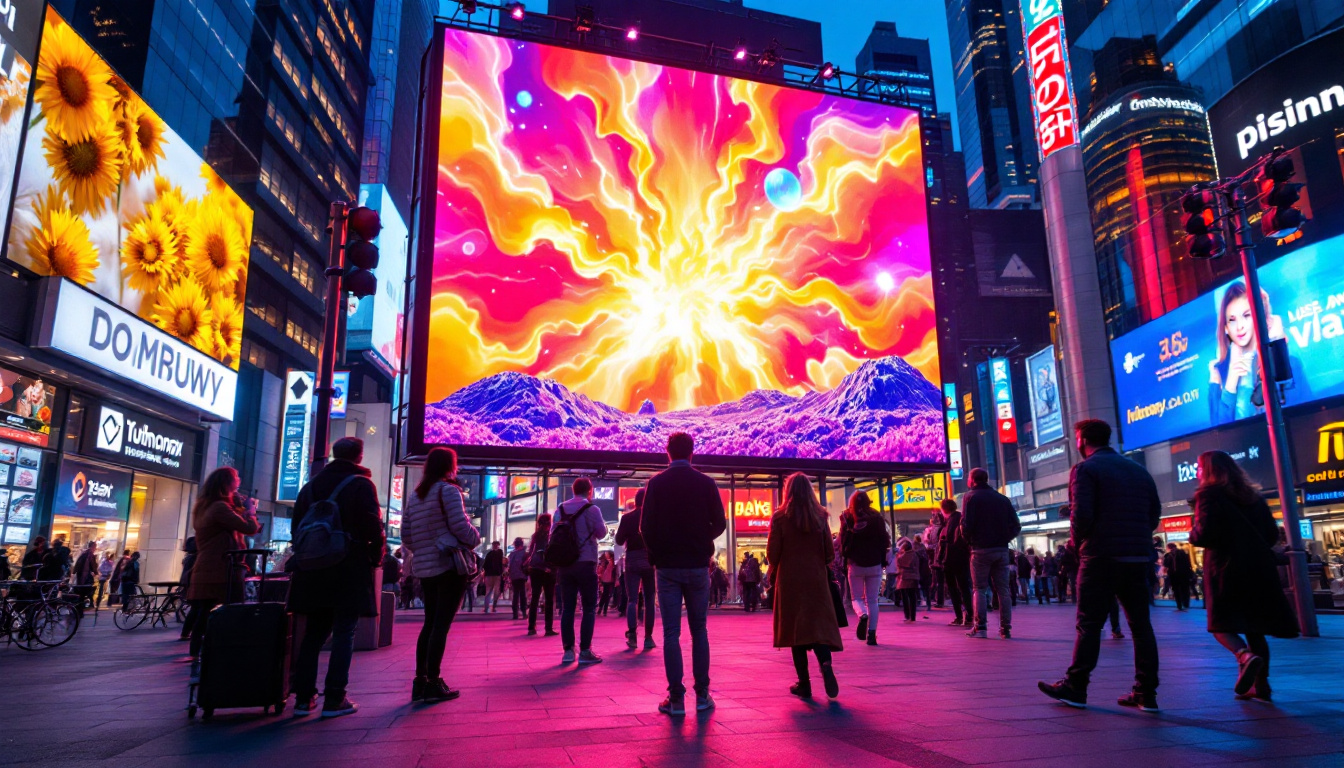
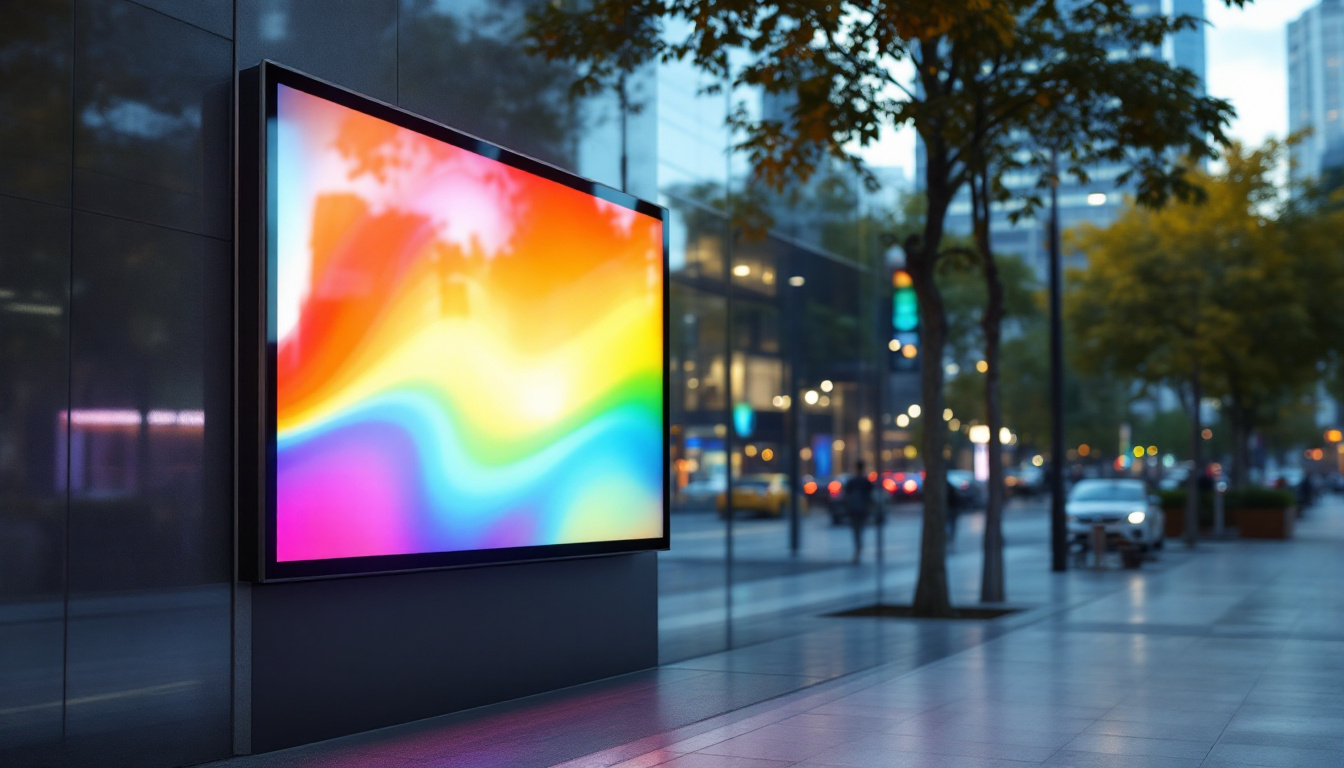
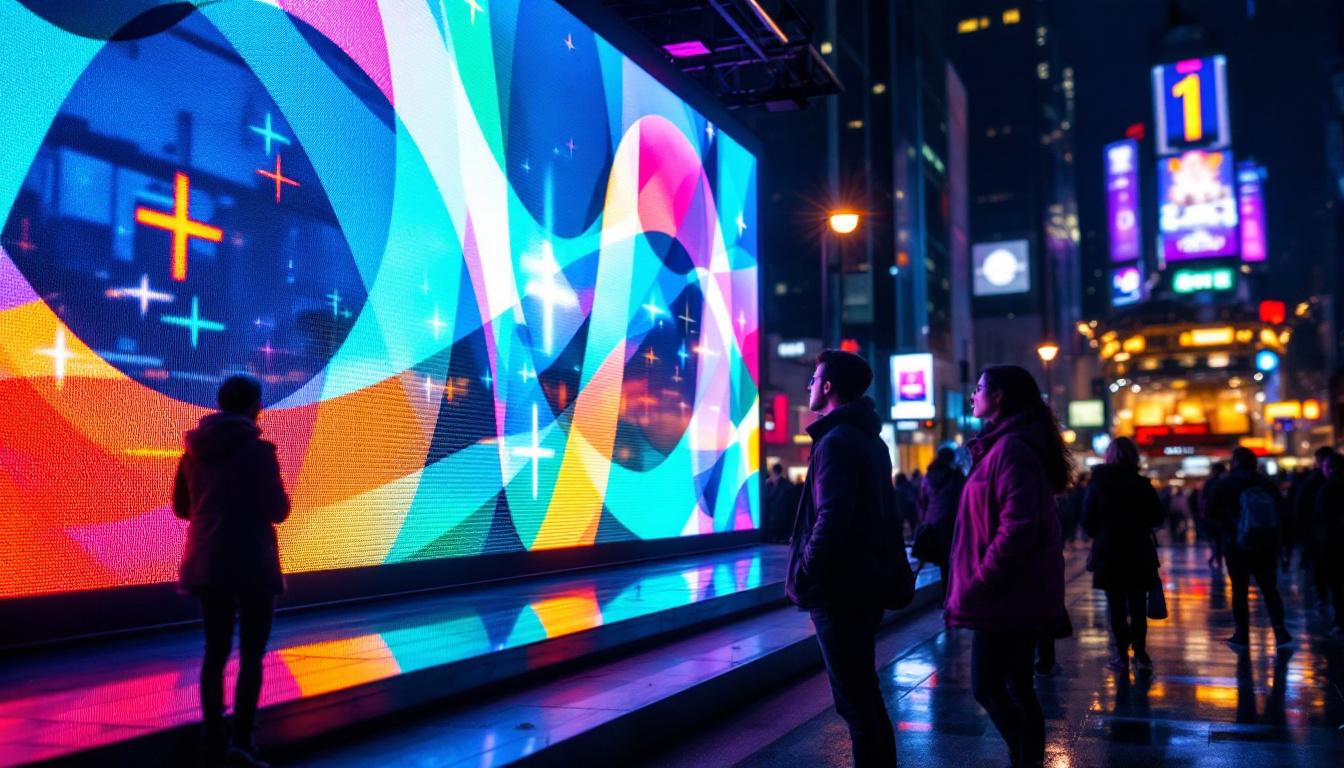
Outdoor advertising is one of the most prominent uses of LED displays. Billboards equipped with LED technology can display dynamic content that can be updated in real-time, allowing advertisers to tailor messages based on time of day, weather conditions, or audience demographics. For example, digital billboards in urban centers like New York and London have dramatically increased engagement rates compared to static ads.
Moreover, LED displays are weather-resistant and durable, designed to withstand harsh environmental conditions, from rain and snow to extreme heat.
Sports and Entertainment Venues
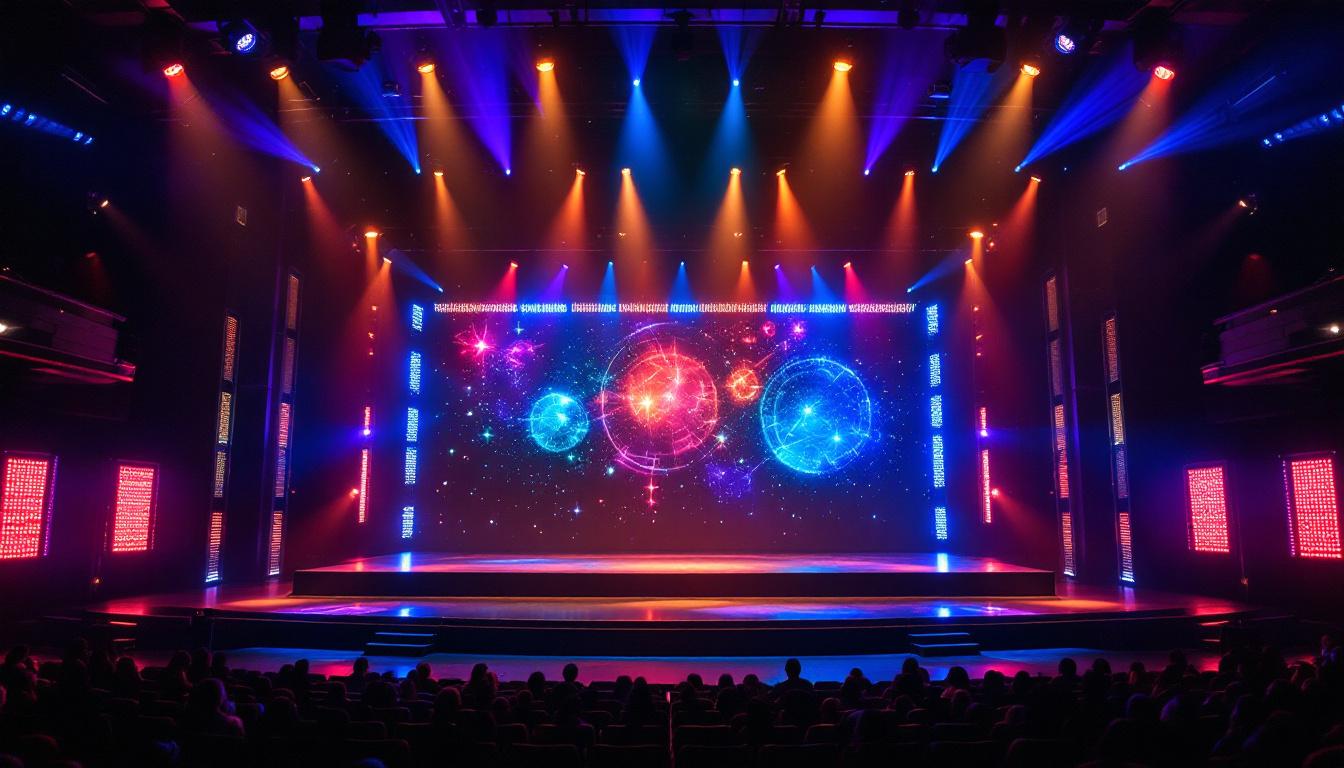
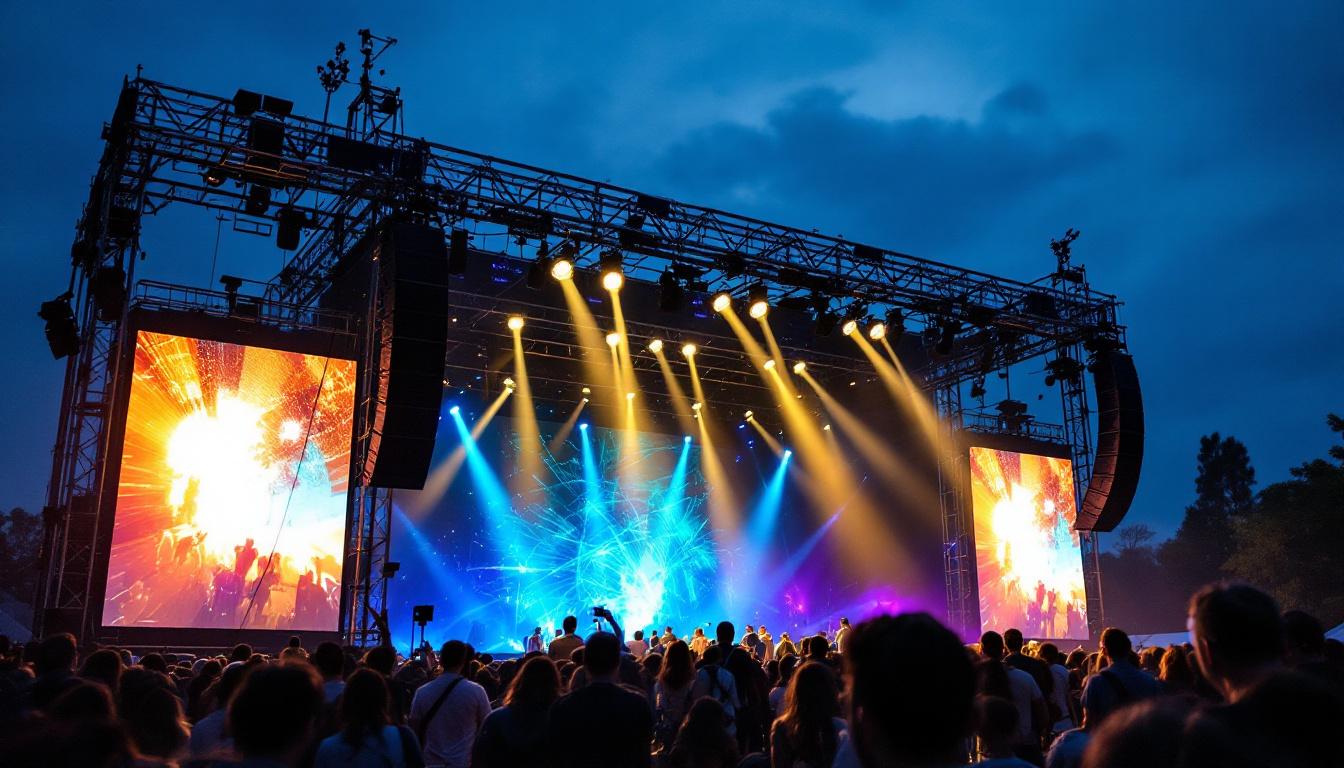
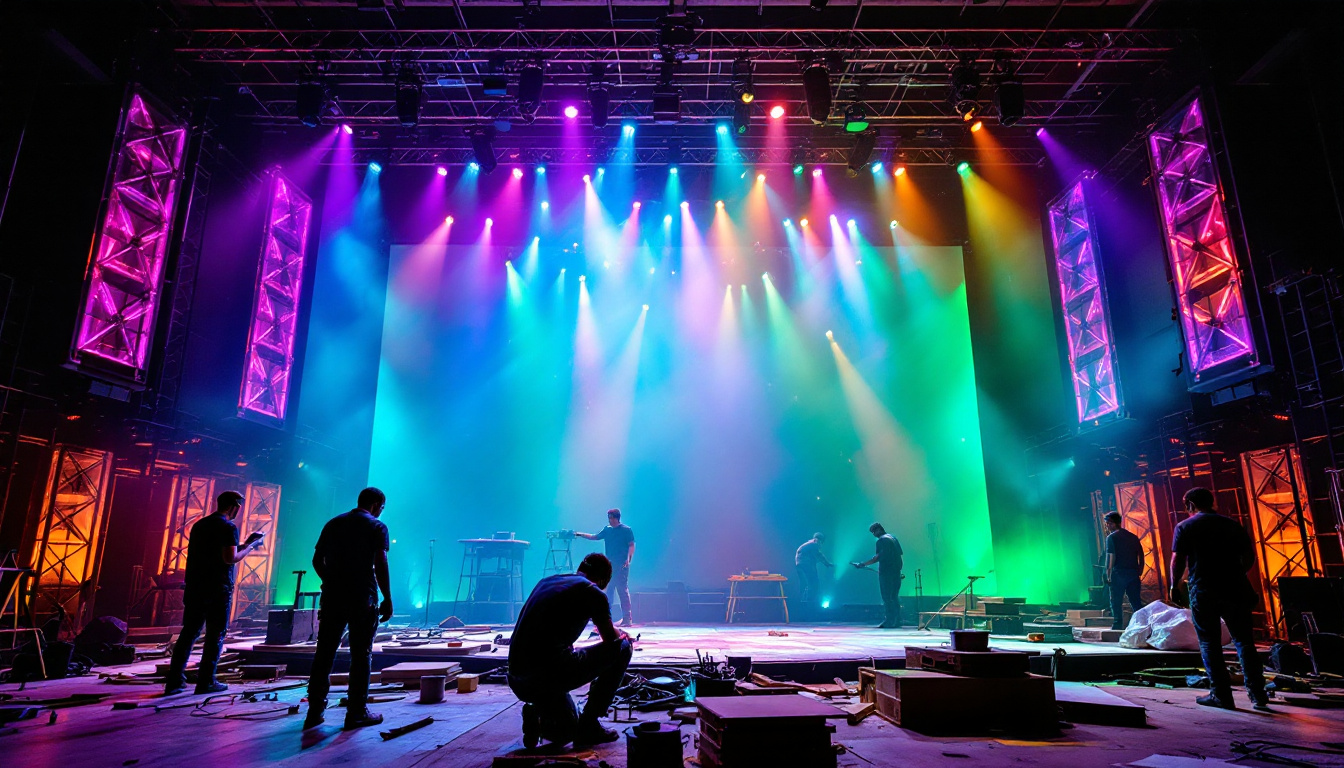
Sports arenas and concert venues utilize massive LED screens to enhance the spectator experience. These displays provide live game footage, instant replays, and interactive content that keep fans engaged. The flexibility of LED technology allows for creative installations, such as ribbon boards and floor displays, adding to the immersive atmosphere.
Corporate and Retail Environments
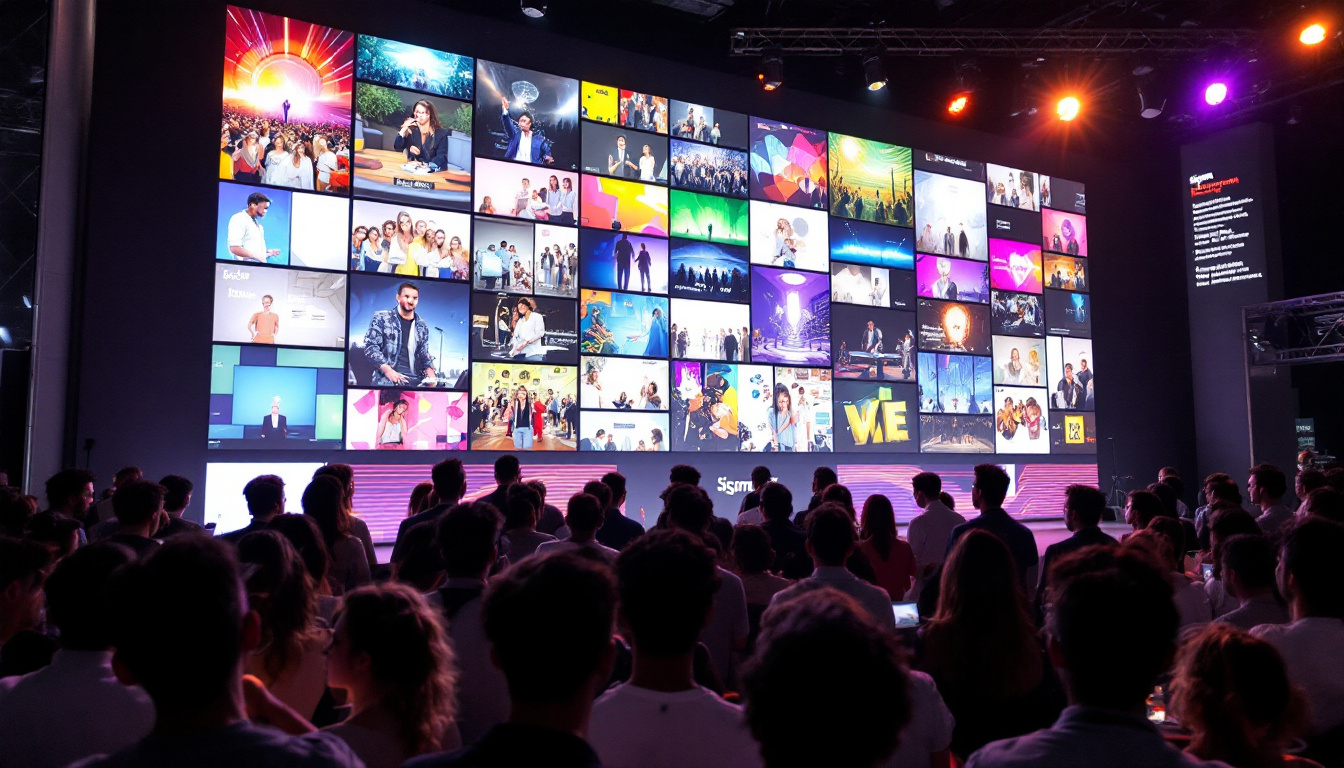
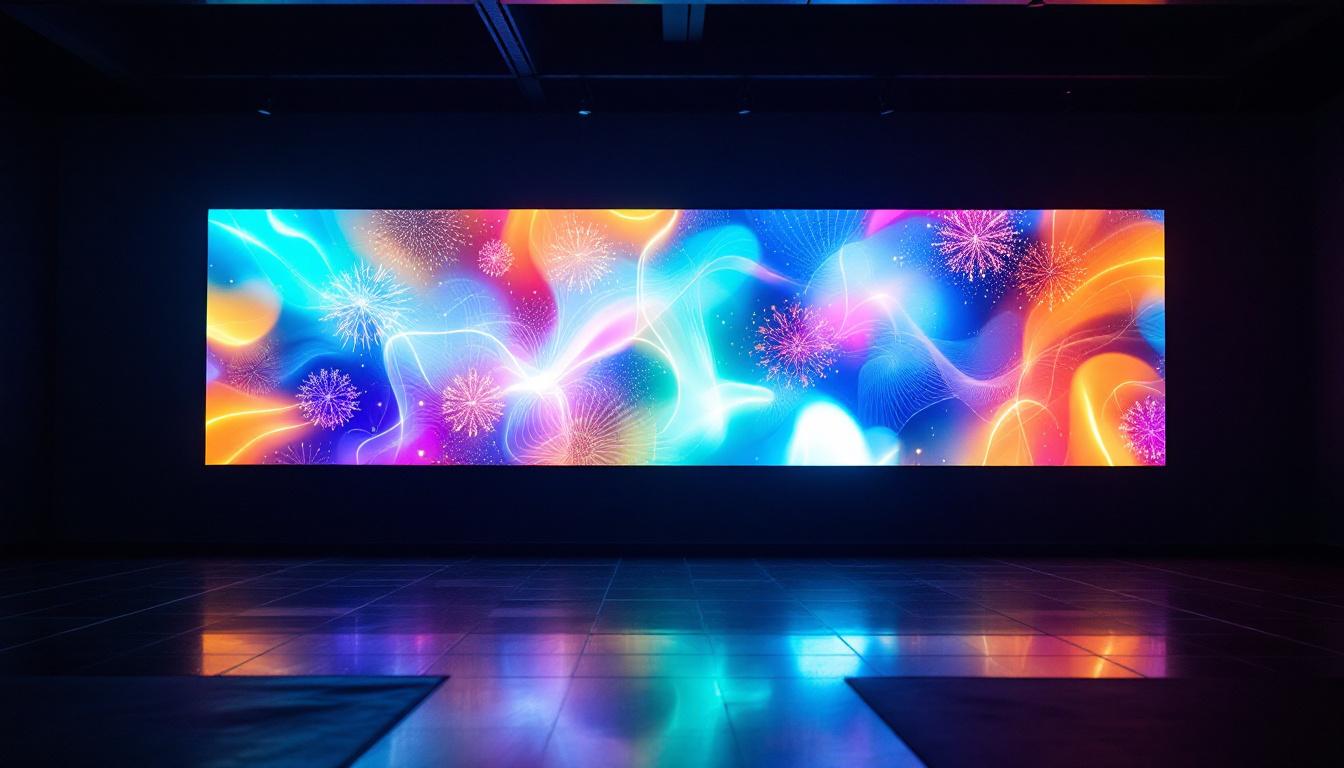
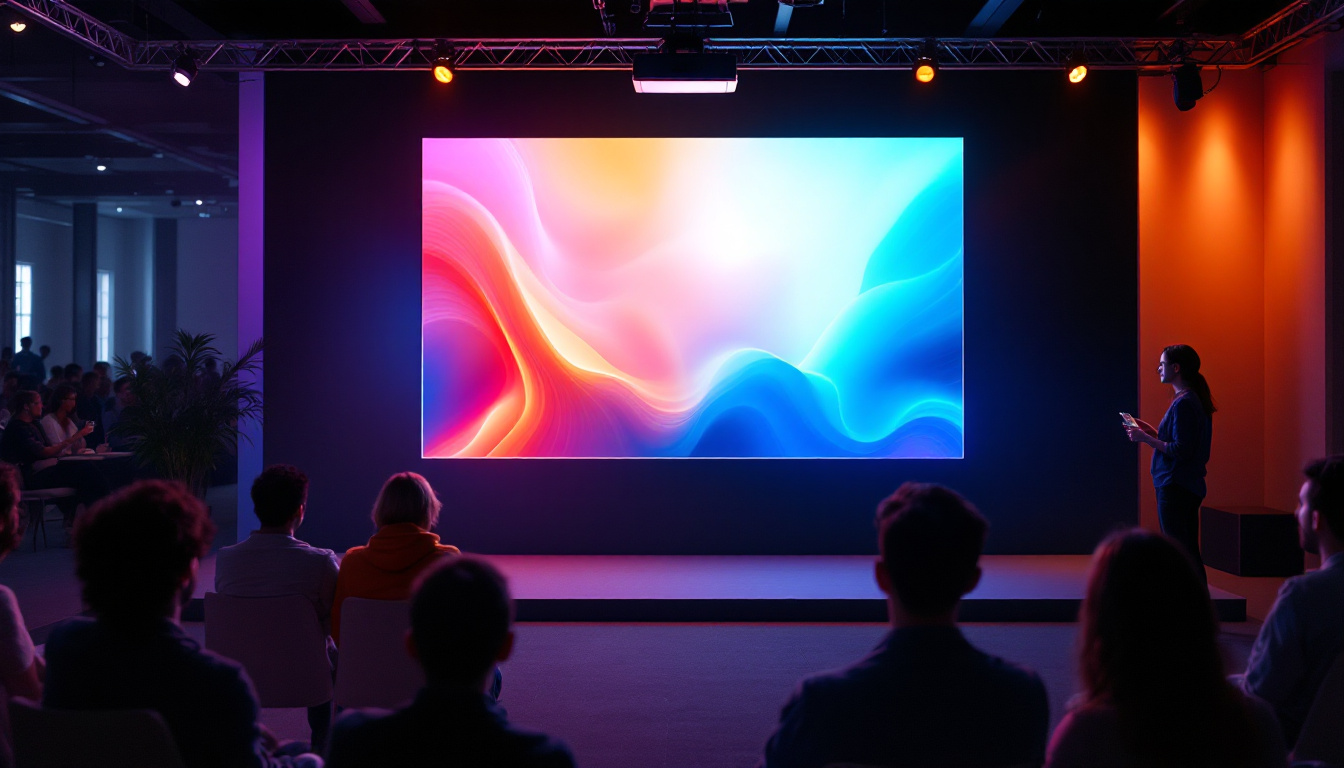
In corporate settings, LED video walls serve as powerful communication tools in lobbies, conference rooms, and event spaces. They can display company branding, real-time data dashboards, or promotional content. Retailers use LED displays to attract customers with eye-catching advertisements and interactive signage that can influence purchasing decisions.
Transportation and Public Information
LED displays are widely used in airports, train stations, and bus terminals to provide real-time information about schedules, delays, and safety announcements. Their high visibility and reliability make them ideal for critical communication in busy public spaces.
Choosing the Right LED Display Solution
Indoor vs. Outdoor LED Displays
When selecting an LED display, understanding the environment is crucial. Indoor LED screens typically have a smaller pixel pitch (1-4mm) to accommodate close viewing distances and deliver high resolution. They also operate at lower brightness levels (around 800-1,500 nits) to prevent eye strain.
Outdoor LED displays require higher brightness (3,000-7,000 nits) to combat sunlight and often feature weatherproof enclosures and anti-glare coatings. The pixel pitch is usually larger (4-20mm) since viewers are typically farther away.
Resolution and Pixel Pitch Considerations
The choice of resolution depends on the intended viewing distance and content type. For detailed video or text content viewed up close, a finer pixel pitch is necessary. Conversely, for large-scale displays viewed from a distance, a coarser pitch is sufficient and more cost-effective.
Installation and Maintenance Factors
LED displays require professional installation to ensure proper alignment, power supply, and signal integrity. Maintenance considerations include easy access for module replacement and cleaning, as well as monitoring systems to detect faults early. Many modern LED solutions come with remote diagnostics to minimize downtime.
Emerging Trends and the Future of LED Displays
MicroLED and MiniLED Technologies
MicroLED and MiniLED represent the next generation of LED display technology, offering even higher resolution, increased brightness, and improved energy efficiency. MicroLEDs are tiny LEDs that can be used to create displays with pixel pitches below 1mm, ideal for smartphones, tablets, and ultra-high-definition TVs. MiniLEDs use smaller LEDs as backlighting for LCD panels, enhancing contrast and color accuracy.
Interactive and Smart LED Displays
Integration of touch sensors and AI-driven content management systems is making LED displays more interactive and intelligent. Smart LED displays can adjust content dynamically based on audience engagement, environmental conditions, or data analytics, creating personalized and impactful experiences.
Sustainability and Eco-Friendly Innovations
As environmental concerns grow, manufacturers are focusing on sustainable materials, energy-efficient designs, and recycling programs for LED displays. Innovations such as low-power chips and solar-powered LED signage are gaining traction, aligning with corporate social responsibility goals.
Conclusion
LED display technology has revolutionized visual communication with its unparalleled brightness, flexibility, and durability. Its applications span numerous industries, enhancing advertising, entertainment, corporate communication, and public information systems. By understanding the technical aspects, benefits, and future trends of LED displays, businesses and organizations can make informed decisions to leverage this powerful medium effectively.
As LED technology continues to advance, embracing innovations like MicroLED and smart interactivity will unlock new possibilities for immersive and sustainable digital experiences. Wide image solutions powered by LED displays are not just a trend but a fundamental shift in how visual content is created and consumed worldwide.
Explore Cutting-Edge LED Display Solutions with LumenMatrix
Ready to elevate your visual communication strategy with the latest in LED display technology? Discover LumenMatrix’s comprehensive range of innovative LED display modules, designed to captivate your audience and amplify your brand’s message. From Indoor and Outdoor LED Wall Displays to specialized solutions like Vehicle LED Displays, LED Sports Displays, and Custom LED Displays, LumenMatrix is at the forefront of creating immersive and engaging visual experiences. Check out LumenMatrix LED Display Solutions today and join the revolution in digital signage excellence.