In an era where visual communication dominates marketing and information sharing, LED wall signs have emerged as a powerful tool for businesses, event organizers, and public spaces. These dynamic displays offer a versatile and eye-catching way to convey messages, advertisements, and real-time information. This article delves into the world of LED wall signs, explaining the technology behind them, their applications, benefits, and considerations for choosing the right display.
Understanding LED Wall Signs: The Technology Behind the Glow
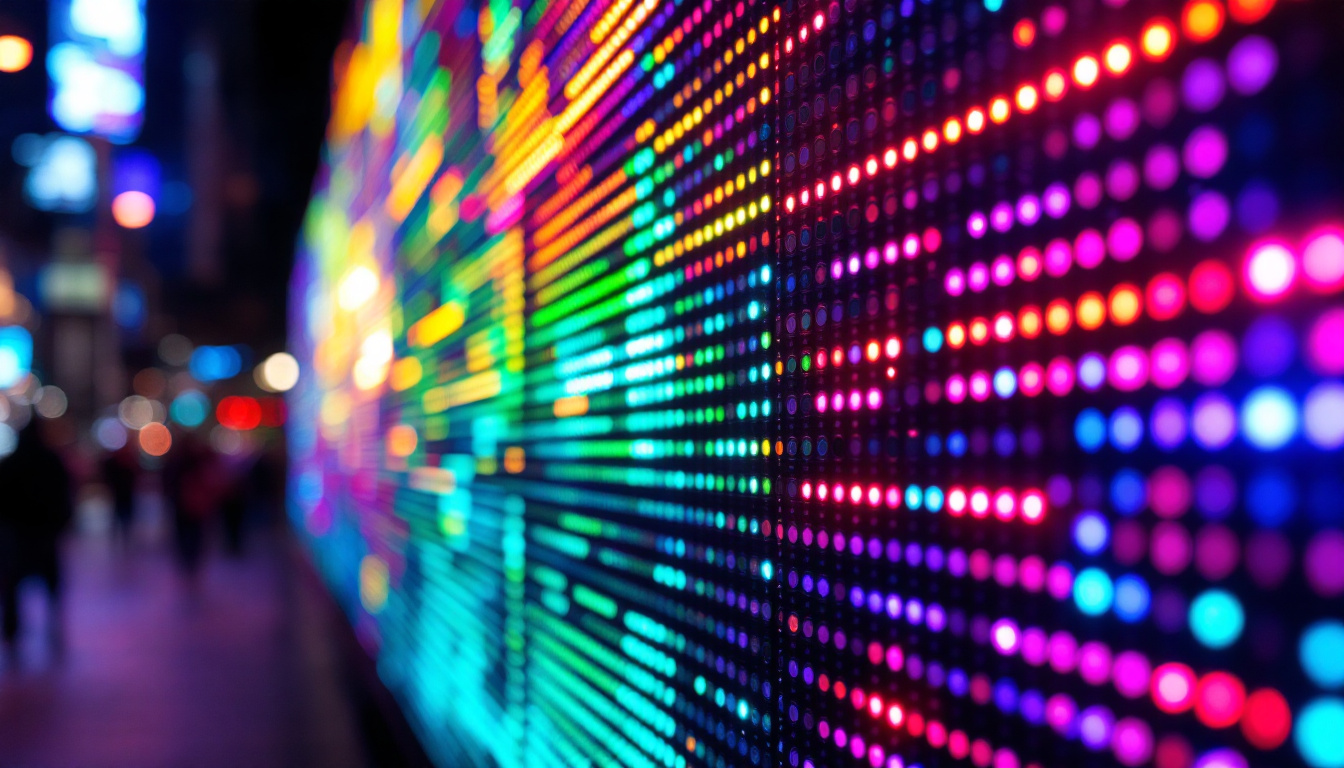
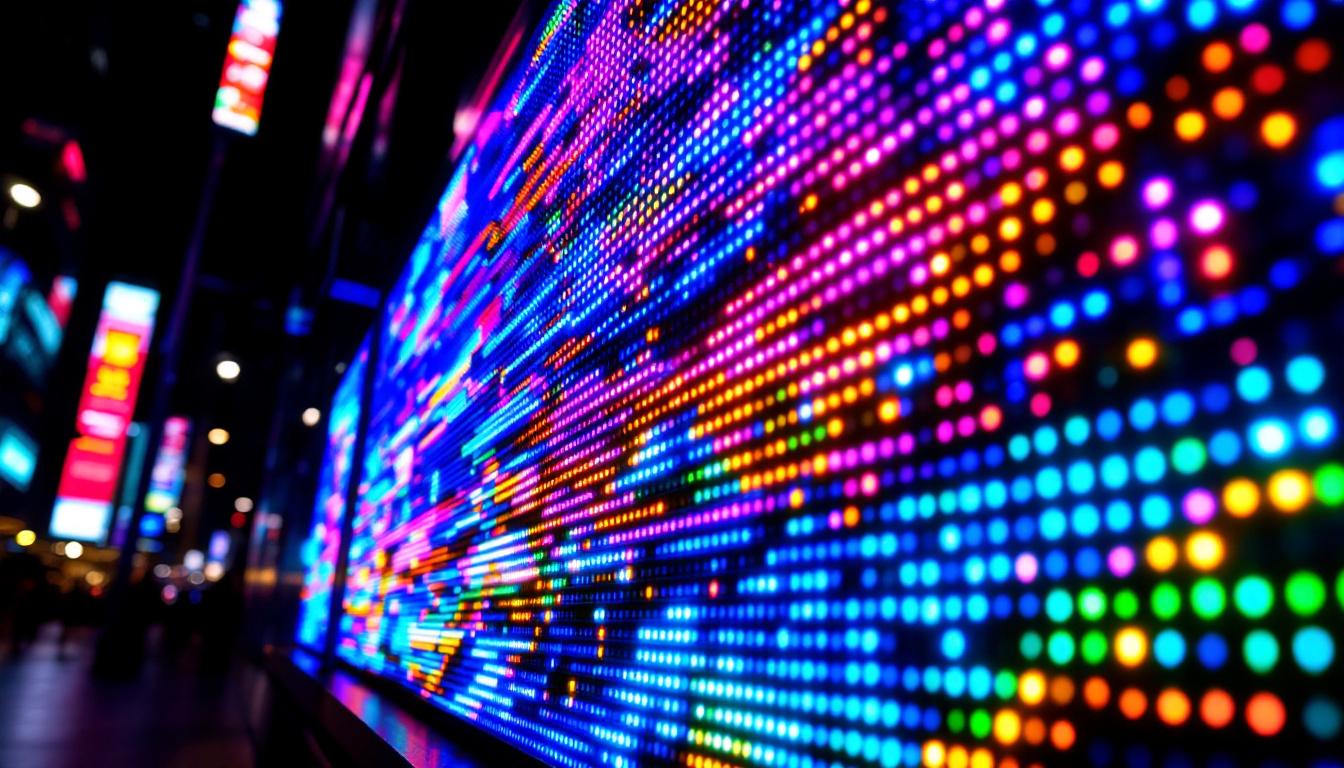
LED wall signs are large-format displays composed of numerous light-emitting diodes (LEDs) arranged in a matrix. Unlike traditional signage, which relies on static images or printed materials, LED signs utilize electronic components to produce vibrant, illuminated visuals that can change dynamically.
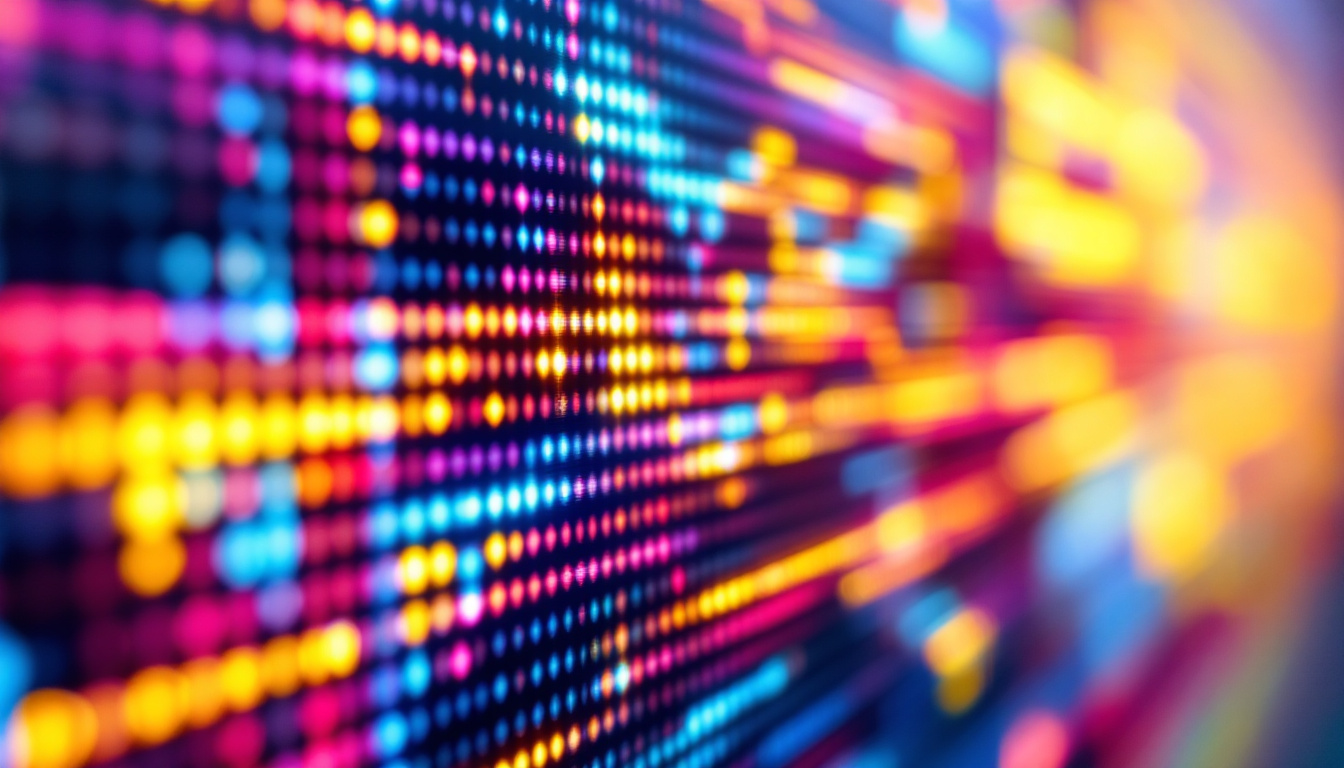
The core technology involves tiny semiconductor devices that emit light when an electric current passes through them. These diodes are grouped into pixels, each capable of displaying a range of colors by combining red, green, and blue LEDs. The intensity of each color can be adjusted to create millions of possible hues, enabling vivid and detailed images or videos.
Modern LED displays use advanced control systems that allow for precise timing and brightness adjustments. This results in clear visibility even in direct sunlight or adverse weather conditions. Additionally, innovations such as high refresh rates reduce flickering, making the content easier to view both up close and from a distance.
Types of LED Displays
LED wall signs come in various forms, primarily categorized by pixel pitch, resolution, and intended use. Pixel pitch refers to the distance between individual LED pixels, typically measured in millimeters. Smaller pixel pitches yield higher resolution and finer image quality, which is essential for close viewing distances.
There are two main types of LED displays:
- Indoor LED Displays: These have a smaller pixel pitch (often 1-4 mm) and are designed for close-range viewing in controlled environments such as retail stores, conference halls, and airports.
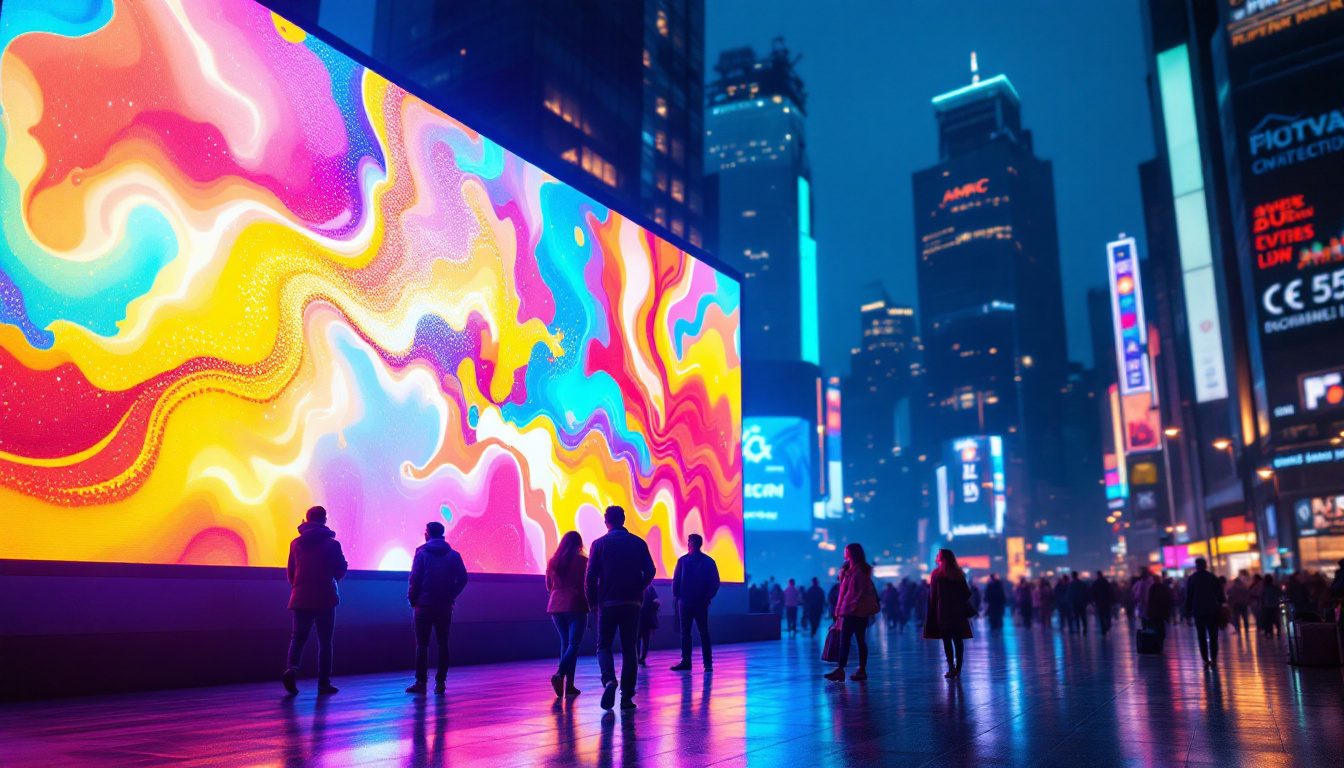
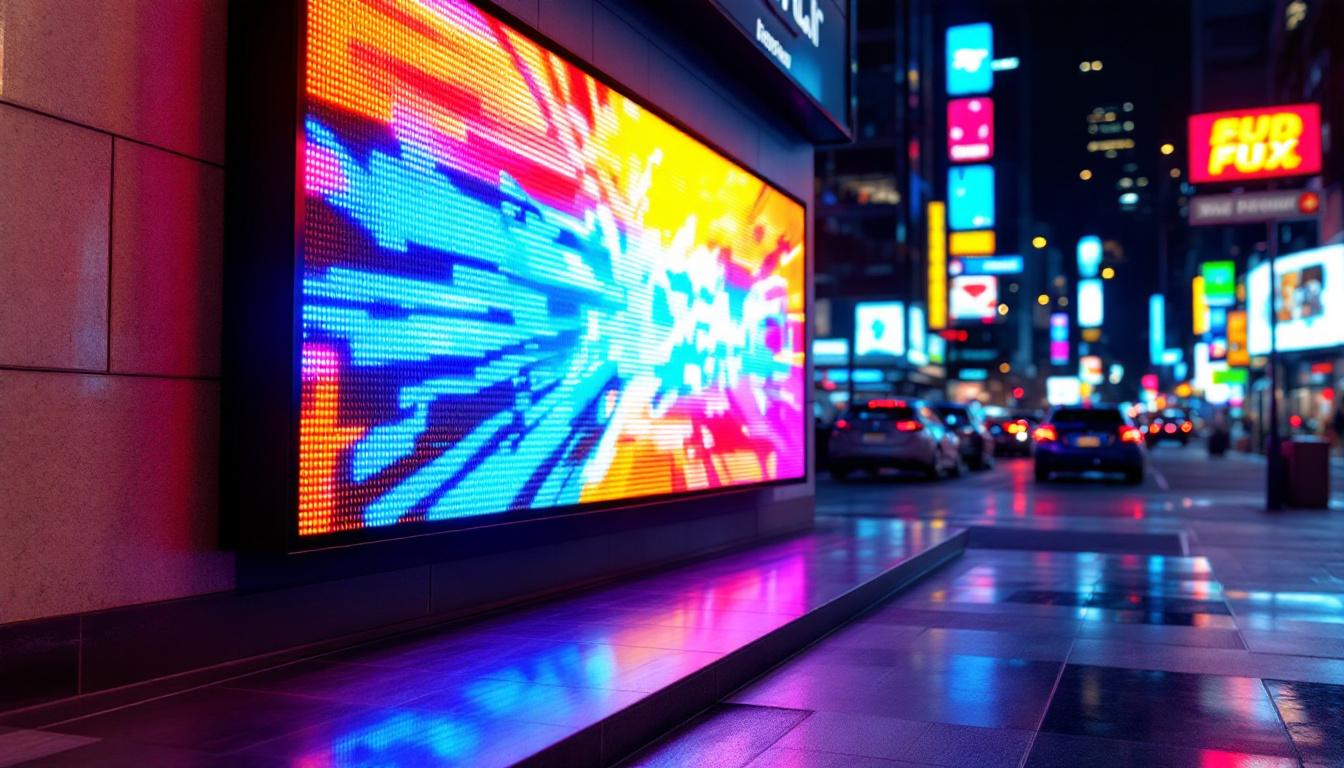
- Outdoor LED Displays: Featuring larger pixel pitches (usually 4 mm and above), these are built to withstand weather elements and are visible from greater distances, making them ideal for billboards, stadiums, and street signage.
Another significant aspect of LED wall signs is their energy efficiency compared to traditional lighting methods. LEDs consume significantly less power, which not only reduces operational costs but also minimizes the environmental impact. This energy efficiency is particularly beneficial for businesses that rely on continuous operation, as it allows them to maintain eye-catching displays without incurring exorbitant electricity bills.
Furthermore, the versatility of LED wall signs extends beyond mere advertising. They can be programmed for various functions, such as displaying real-time information, weather updates, or social media feeds. This adaptability makes them an invaluable tool for enhancing customer engagement and interaction. For instance, restaurants might use LED displays to showcase daily specials or promotions, while sports venues can provide live scores and highlights, creating an immersive experience for attendees.
Applications of LED Wall Signs Across Industries
LED wall signs have transformed how businesses and organizations communicate with their audiences. Their flexibility and visual impact make them suitable for a wide range of applications.
Retail and Advertising
Retailers leverage LED wall signs to attract customers with dynamic advertisements and promotional content. Unlike static billboards, LED displays can rotate multiple ads, showcase videos, and update content in real-time, increasing engagement and conversion rates.
According to recent market research, digital out-of-home advertising, which includes LED signage, is expected to grow at a compound annual growth rate (CAGR) of over 10% through 2027. This growth is driven by the effectiveness of LED displays in capturing consumer attention and delivering targeted messaging. Furthermore, retailers can utilize advanced analytics to monitor the performance of their LED campaigns, allowing them to fine-tune their strategies based on consumer behavior and preferences. This data-driven approach not only maximizes return on investment but also enhances customer satisfaction by delivering relevant content at the right time.
Events and Entertainment
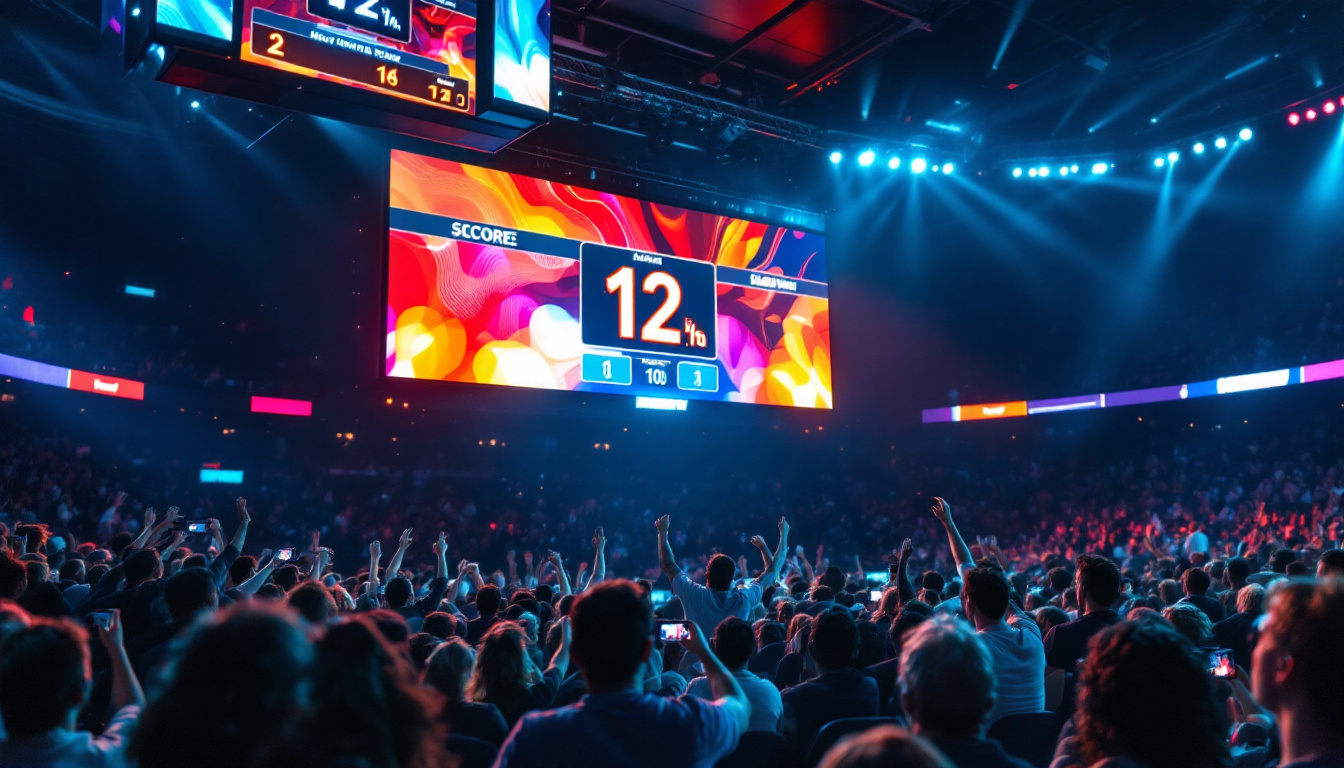
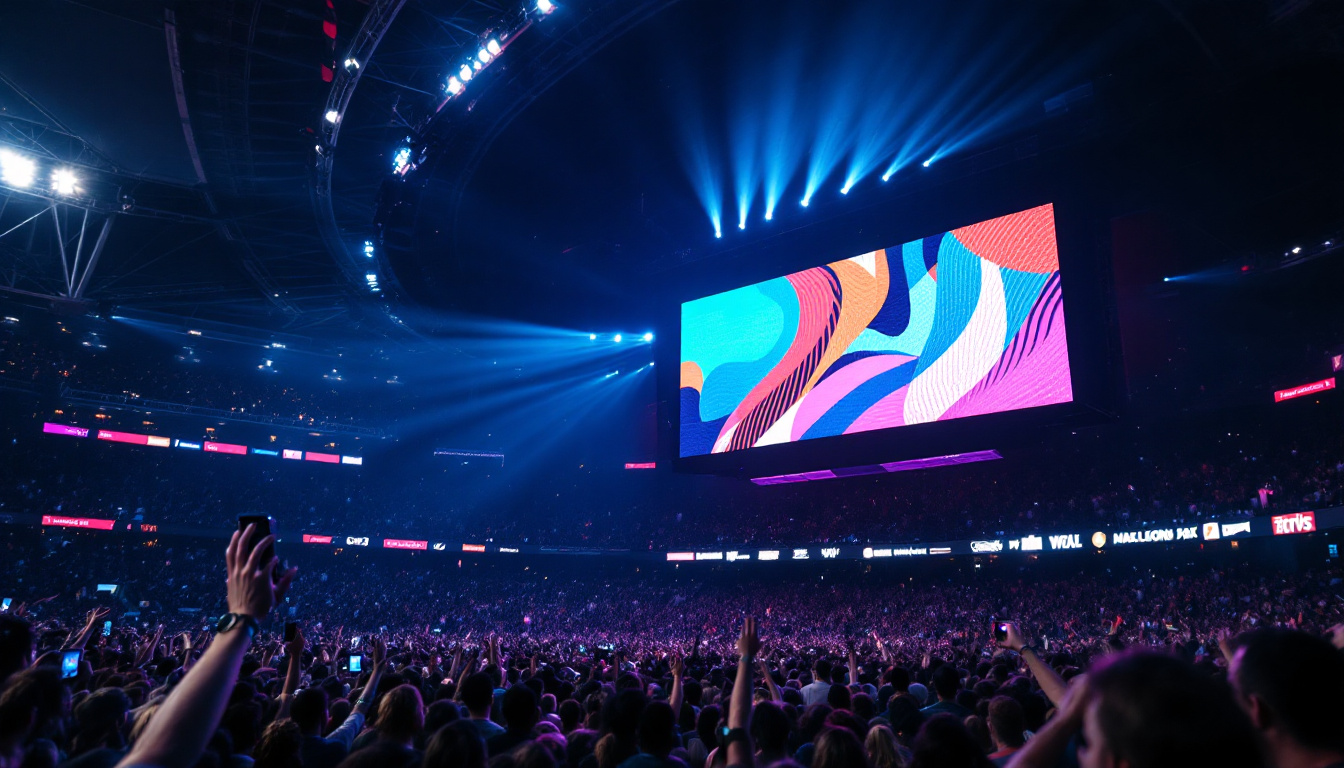
Concerts, sports arenas, and festivals utilize massive LED walls to enhance the audience experience. These displays provide live video feeds, instant replays, and interactive content that keep attendees engaged. The ability to customize content quickly allows event organizers to adapt to changing circumstances or highlight sponsors dynamically. In addition, LED walls can be integrated with social media feeds, allowing fans to see their posts and photos displayed in real-time, fostering a sense of community and participation. This interactive element not only amplifies the excitement of the event but also encourages attendees to share their experiences online, further promoting the event and enhancing its reach.
Transportation and Public Information
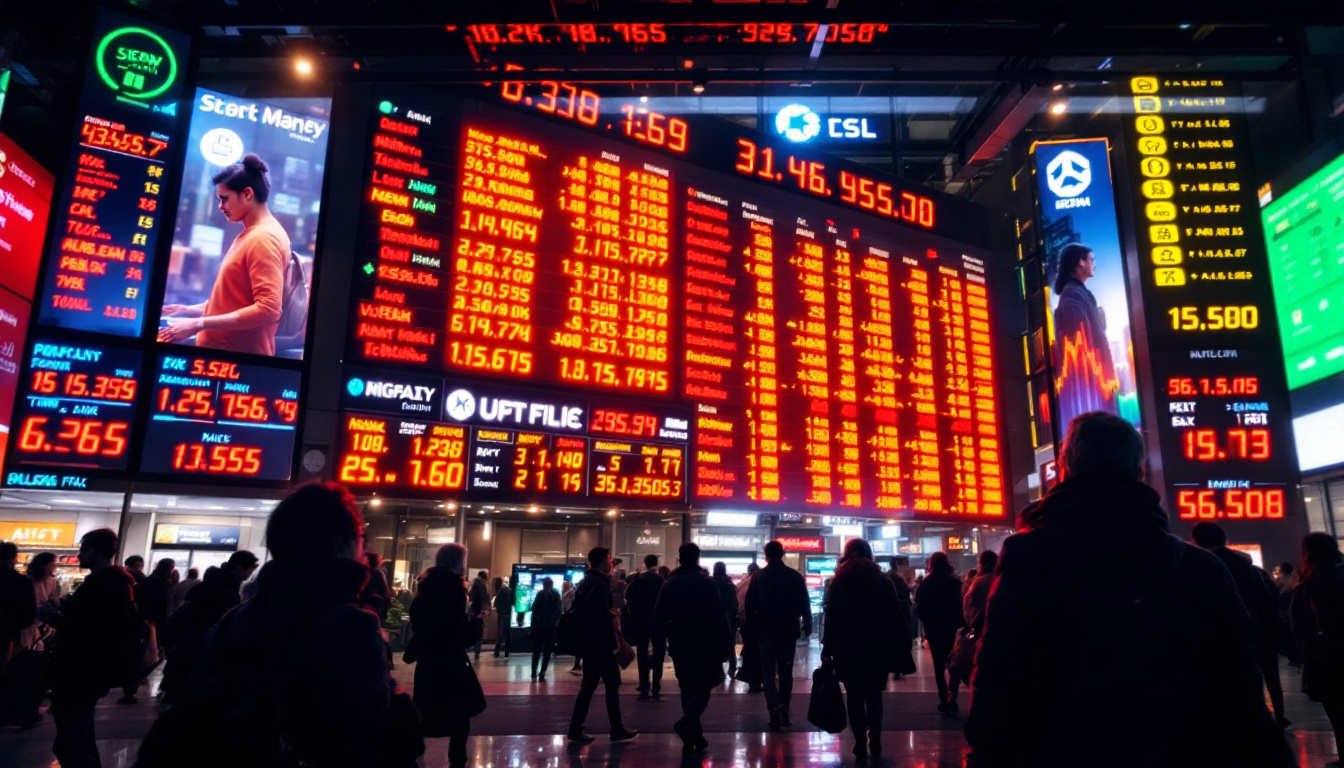
Airports, train stations, and bus terminals use LED signs to provide real-time updates on schedules, delays, and safety information. The clarity and brightness of LED displays ensure that critical information is accessible to large crowds, improving overall operational efficiency and passenger experience. Additionally, these signs can be programmed to display multilingual information, catering to diverse populations and enhancing accessibility for international travelers. The integration of LED signage with mobile apps also allows passengers to receive notifications directly on their devices, ensuring they are always informed about their travel plans.
Corporate and Educational Environments
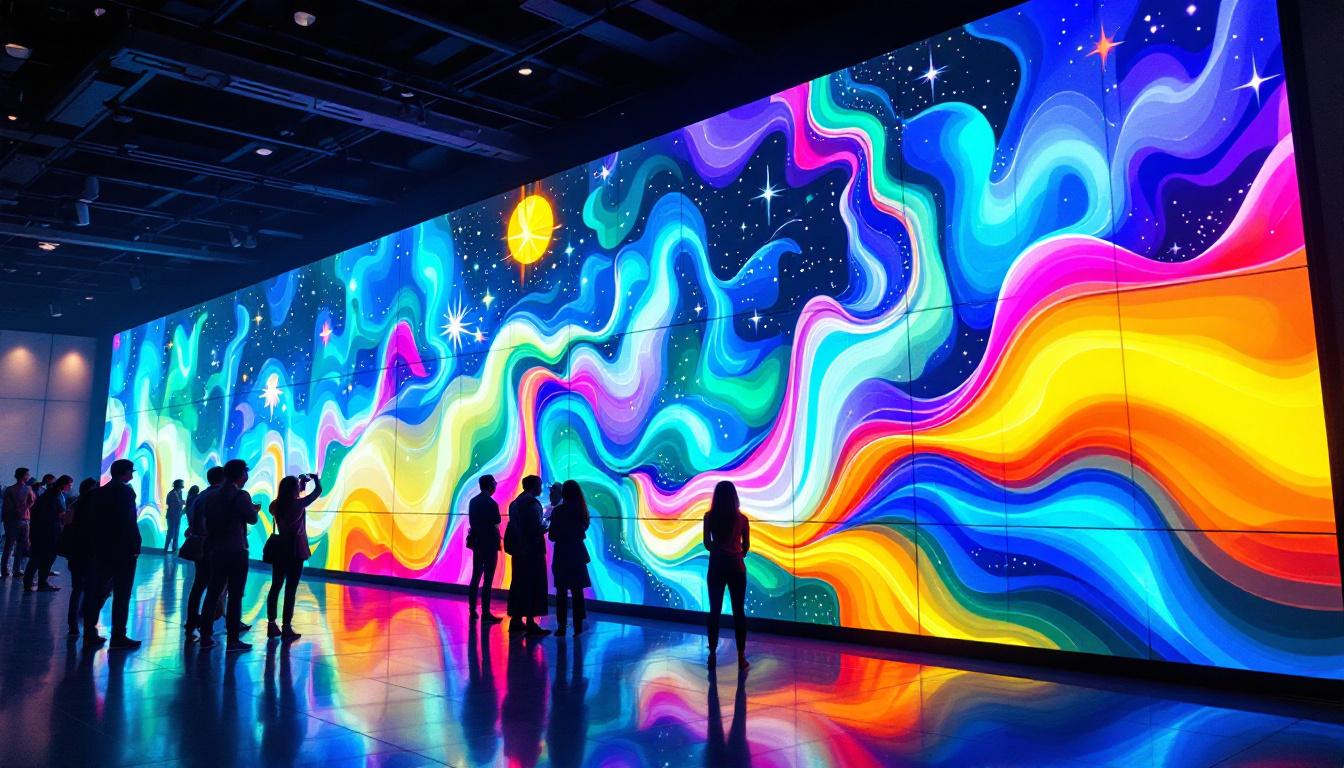
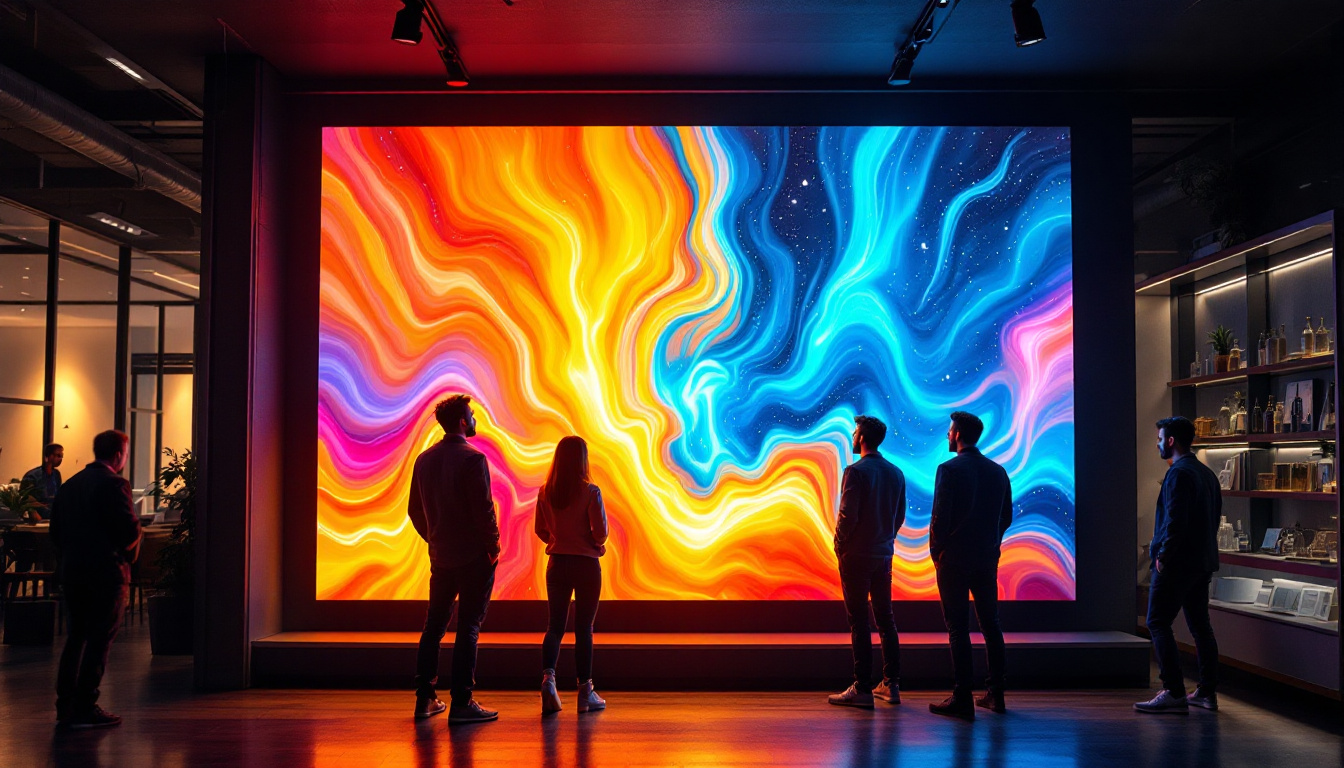
LED walls are increasingly common in corporate lobbies, conference rooms, and educational institutions. They serve as digital bulletin boards, presentation screens, or branding elements, enhancing communication and creating a modern atmosphere. In corporate settings, these displays can be used to showcase company achievements, real-time performance metrics, or even motivational messages, fostering a culture of transparency and engagement among employees. In educational environments, LED walls can facilitate interactive learning experiences, allowing educators to present multimedia content that caters to various learning styles. This not only makes lessons more engaging but also encourages collaboration among students, as they can participate in discussions and activities that utilize the technology effectively.
Benefits of LED Wall Signs: Why Choose LED Displays?
LED wall signs offer several advantages over traditional signage and other digital display technologies. Understanding these benefits helps businesses and organizations make informed decisions when investing in visual communication tools.
High Visibility and Brightness
LED displays are renowned for their brightness, which can reach up to 5,000 nits or more, making them visible even under direct sunlight. This high luminance ensures that messages are clear and legible in various lighting conditions, a critical factor for outdoor signage.
Energy Efficiency and Longevity
Compared to older lighting technologies such as incandescent or fluorescent bulbs, LEDs consume significantly less energy. This efficiency translates into lower operational costs over time. Additionally, LED modules have a long lifespan, often exceeding 100,000 hours, reducing maintenance and replacement expenses.
Dynamic and Flexible Content
One of the most compelling advantages of LED wall signs is their ability to display changing content. Businesses can update promotions, announcements, or emergency alerts instantly without the need for physical replacements. This flexibility supports timely communication and maximizes the utility of the display.
Customization and Scalability
LED walls can be customized in size, shape, and resolution to fit specific needs. Whether a small digital menu board or a massive stadium screen, LED technology scales effectively. Modular designs also allow for easy expansion or reconfiguration as requirements evolve.
Key Considerations When Choosing an LED Wall Sign
While LED wall signs offer numerous benefits, selecting the right display requires careful consideration of several factors to ensure optimal performance and return on investment.
Viewing Distance and Pixel Pitch
The intended viewing distance is crucial in determining the appropriate pixel pitch. Displays with smaller pixel pitches provide higher resolution but are more expensive. For example, a retail store with customers viewing from a few feet away would benefit from a 2 mm pixel pitch, whereas a highway billboard visible from hundreds of feet away may only need a 10 mm pitch.
Location and Environmental Conditions
Outdoor LED signs must be weatherproof and resistant to dust, moisture, and temperature fluctuations. Look for displays with appropriate IP (Ingress Protection) ratings, such as IP65 or higher, to ensure durability. Indoor signs, while less exposed, should still consider ambient lighting and mounting options.
Brightness and Contrast Ratio
Brightness levels should match the environment to avoid glare or washed-out images. Additionally, a high contrast ratio improves image clarity and color vibrancy, enhancing viewer experience.
Control Systems and Software
Modern LED displays come with sophisticated control software that allows users to schedule content, manage multiple displays, and integrate with other digital systems. Ease of use, compatibility, and remote management capabilities are important factors to consider.
Budget and Total Cost of Ownership
Initial purchase price is just one aspect of the total cost. Consider installation, maintenance, energy consumption, and potential upgrades when budgeting. Investing in quality components and reputable manufacturers often results in better long-term value.
Future Trends in LED Wall Sign Technology
The LED display industry continues to evolve rapidly, driven by advancements in materials, electronics, and software. Several emerging trends are shaping the future of LED wall signs.
MicroLED and MiniLED Innovations
MicroLED technology promises even higher resolution and brightness with improved energy efficiency. These tiny LEDs enable ultra-fine pixel pitches, making it possible to create displays with near-retina quality. Although still emerging, MicroLEDs are expected to revolutionize large-format displays within the next decade.
Integration with IoT and AI
Smart LED signs connected to the Internet of Things (IoT) can adapt content based on real-time data such as weather, traffic, or audience demographics. Artificial intelligence (AI) can optimize messaging for maximum engagement, personalize advertisements, and automate content management.
Flexible and Transparent LED Displays
Innovations in flexible LED panels allow for curved or irregularly shaped displays that integrate seamlessly into architectural designs. Transparent LED displays enable windows or glass surfaces to function as digital screens without obstructing views, opening new possibilities for retail and corporate environments.
Conclusion
LED wall signs represent a dynamic and impactful medium for visual communication across diverse sectors. Their combination of brightness, flexibility, and durability makes them a preferred choice for businesses aiming to enhance visibility and engagement. By understanding the underlying technology, applications, benefits, and key selection criteria, organizations can harness the full potential of LED displays to meet their communication goals effectively.
As technology advances, LED wall signs will continue to evolve, offering even more innovative features and integration possibilities. Staying informed about these developments ensures that investments in LED signage remain future-proof and deliver lasting value.
Discover LumenMatrix LED Display Solutions
Ready to elevate your visual communication strategy with cutting-edge LED technology? LumenMatrix offers a comprehensive range of LED display solutions tailored to your unique needs. From vibrant Indoor and Outdoor LED Wall Displays to innovative options like Vehicle LED Displays, LED Posters, and even Custom LED Displays, we have the tools to bring your brand to life. Experience the future of digital signage with our All-in-One and Transparent LED Displays, designed to captivate your audience and amplify your message. Don’t miss the opportunity to transform your space and engage with your audience like never before. Check out LumenMatrix LED Display Solutions today and join the revolution in visual communication.