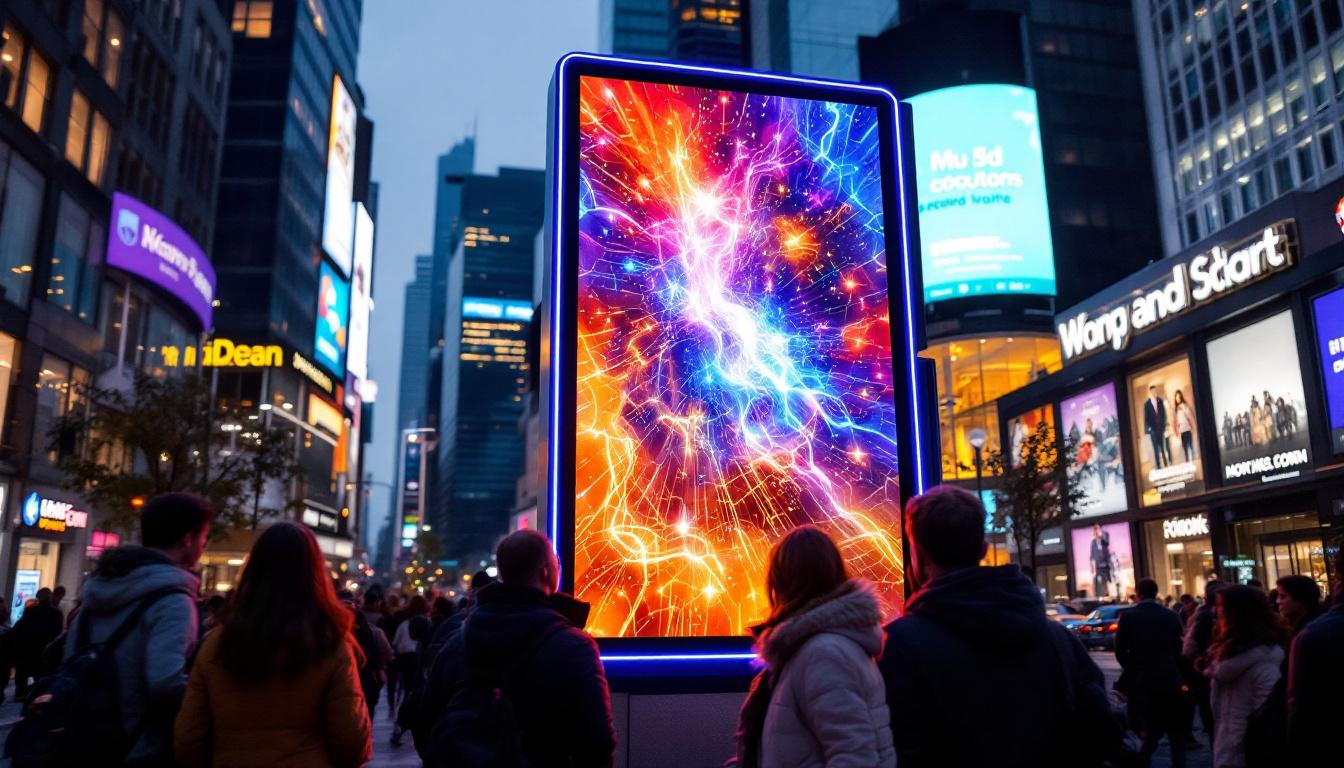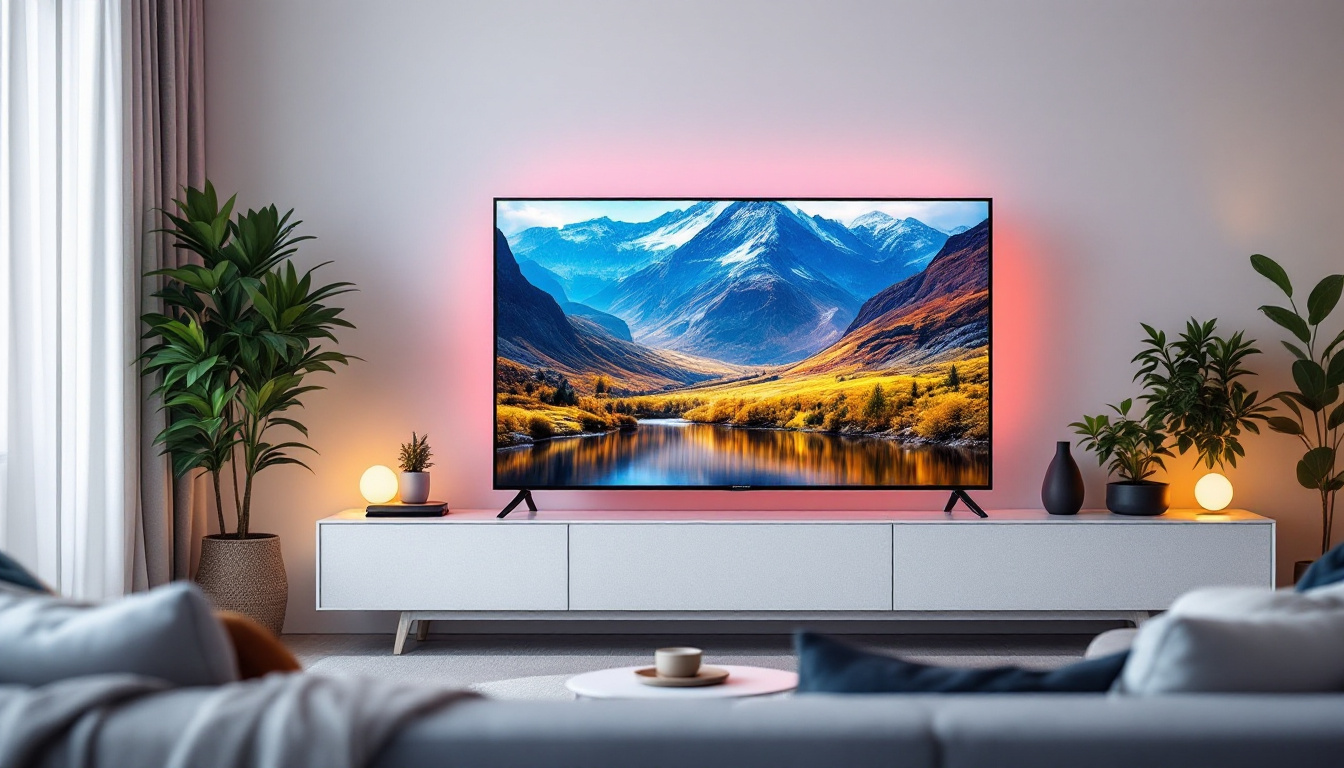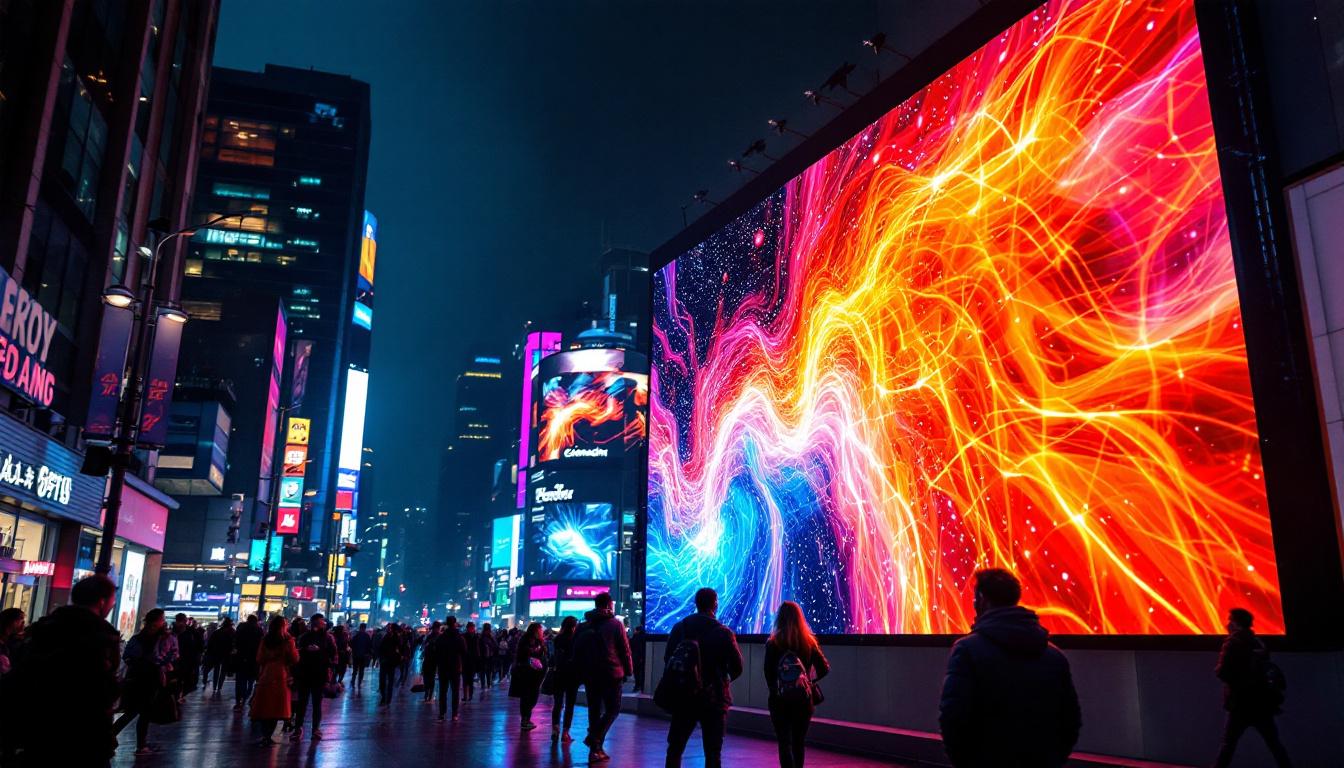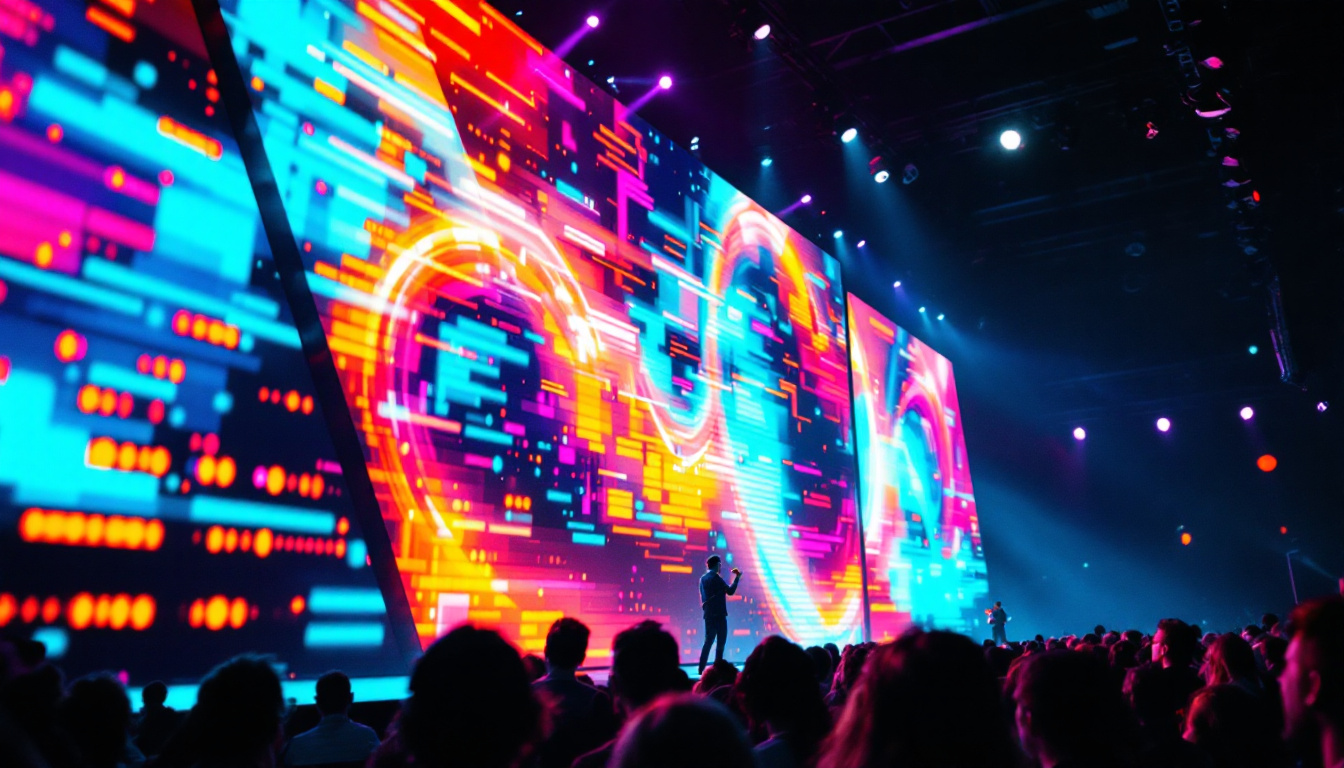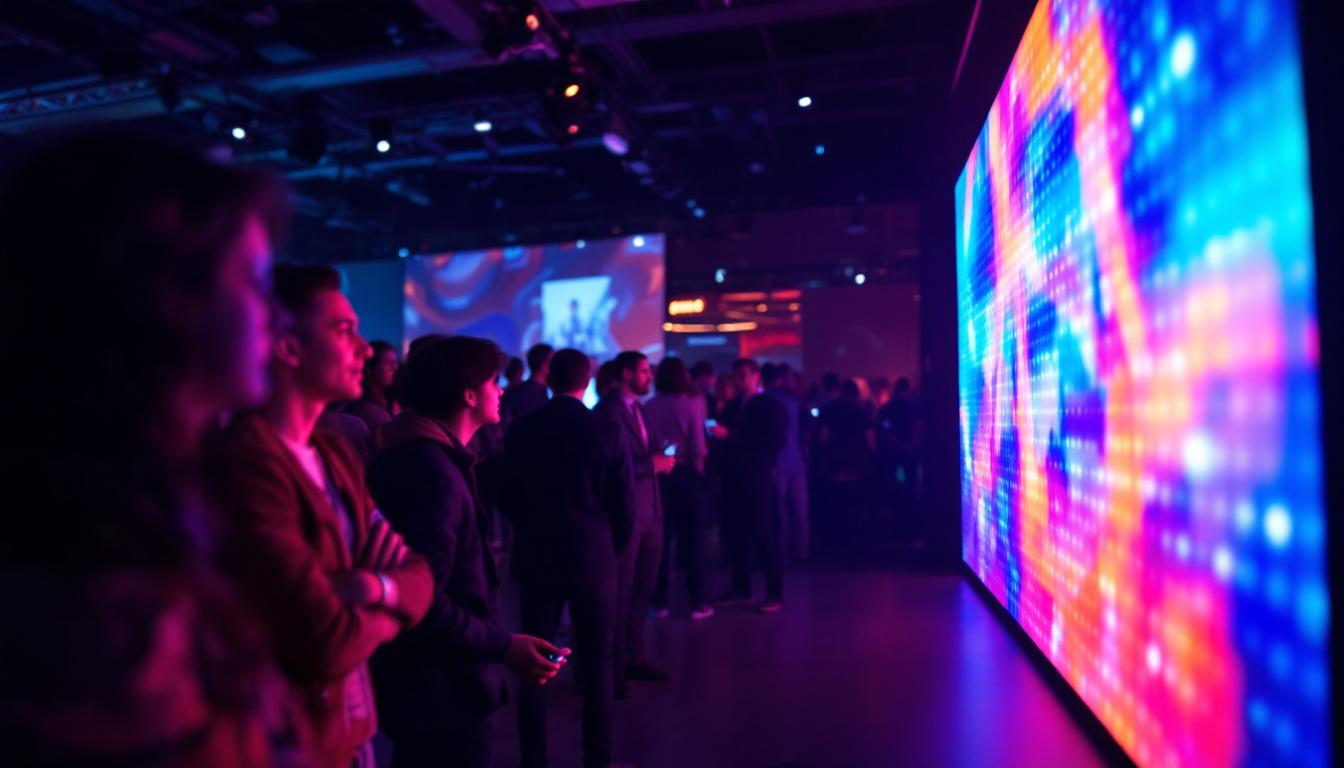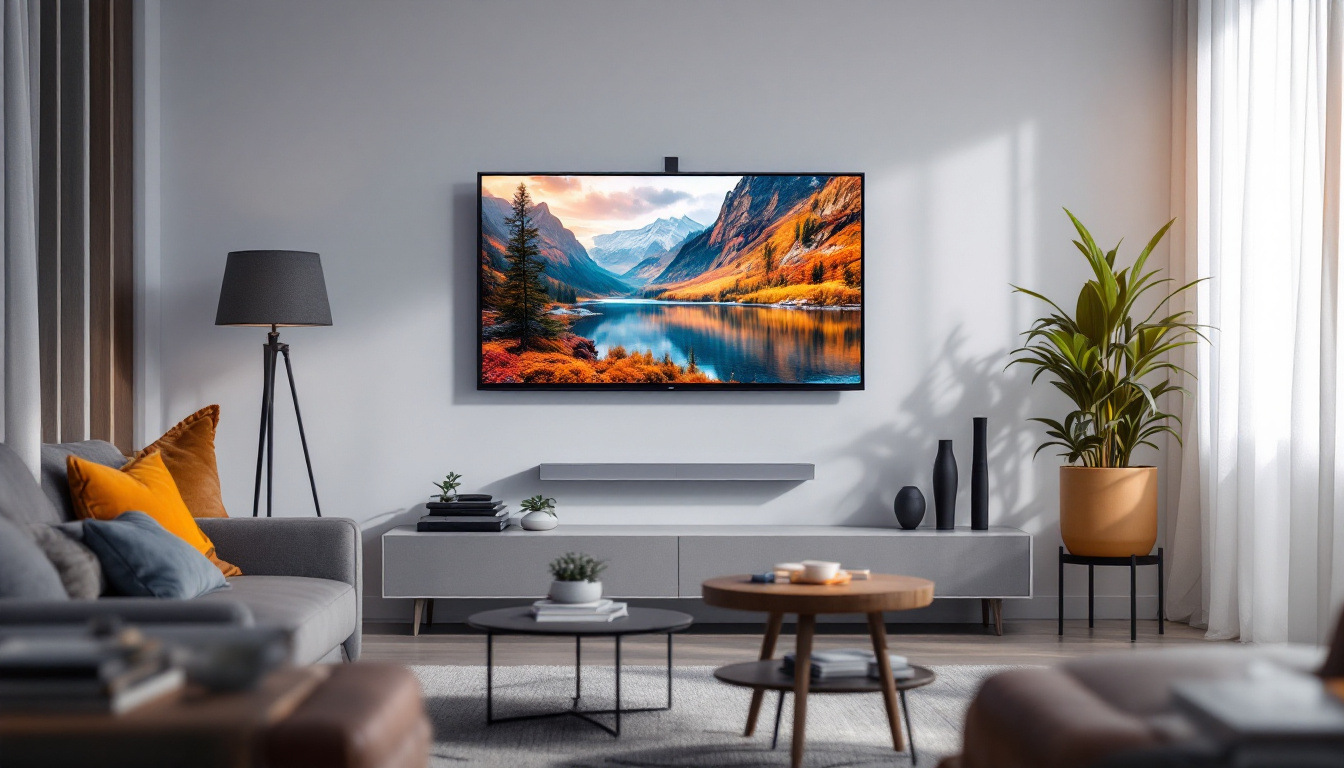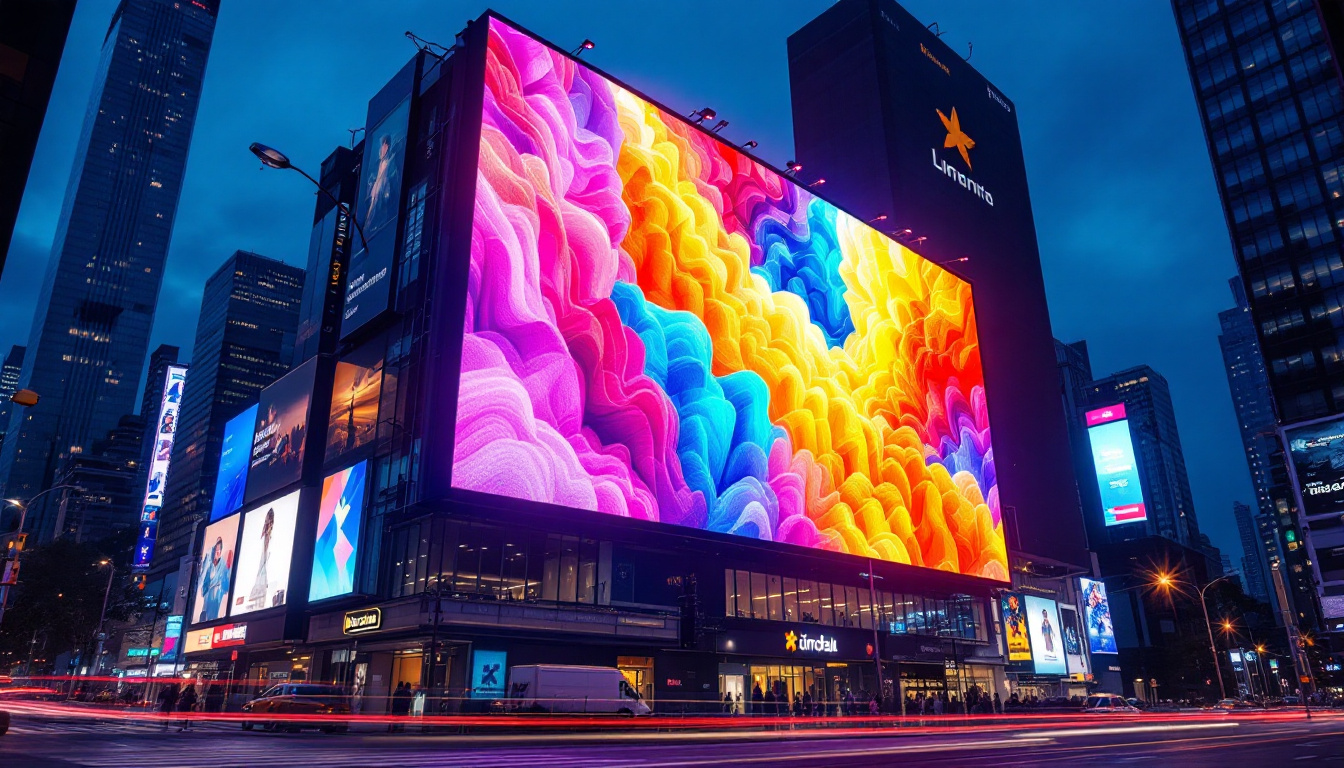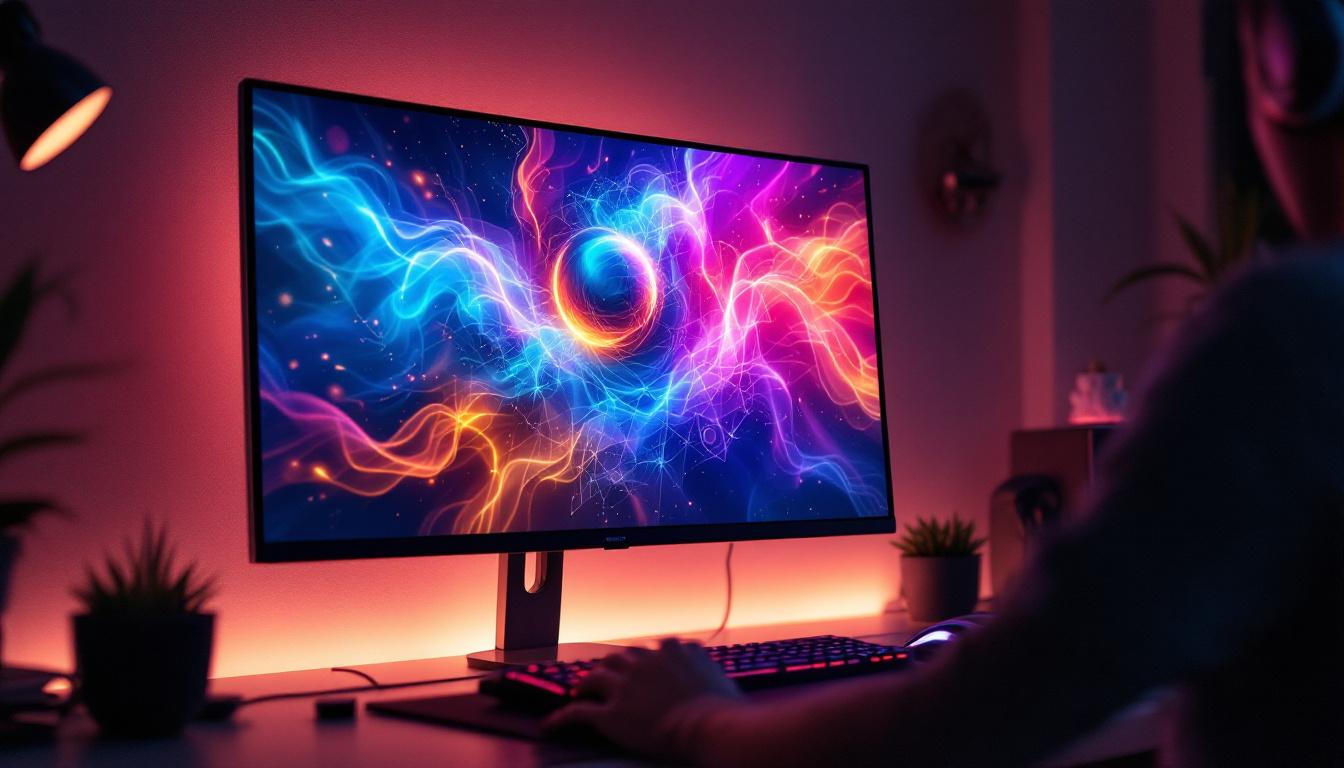
In the rapidly evolving world of digital technology, LED displays have become a cornerstone of visual communication. From towering billboards in Times Square to the vibrant screens at sports arenas, LED video displays are everywhere. But what exactly are these displays, how do they work, and why have they become the preferred choice for so many applications? This comprehensive guide delves into the world of LED video technology, explaining its fundamentals, advantages, and the latest trends shaping its future.
Understanding LED Display Technology
What is an LED Display?
LED stands for Light Emitting Diode, a semiconductor device that emits light when an electric current passes through it. An LED display is a flat panel display that uses an array of these tiny LEDs as pixels to produce images, videos, and other visual content. Unlike traditional LCD or plasma displays, LED displays rely on these individual light sources, which can be turned on or off independently to create bright, vibrant visuals.
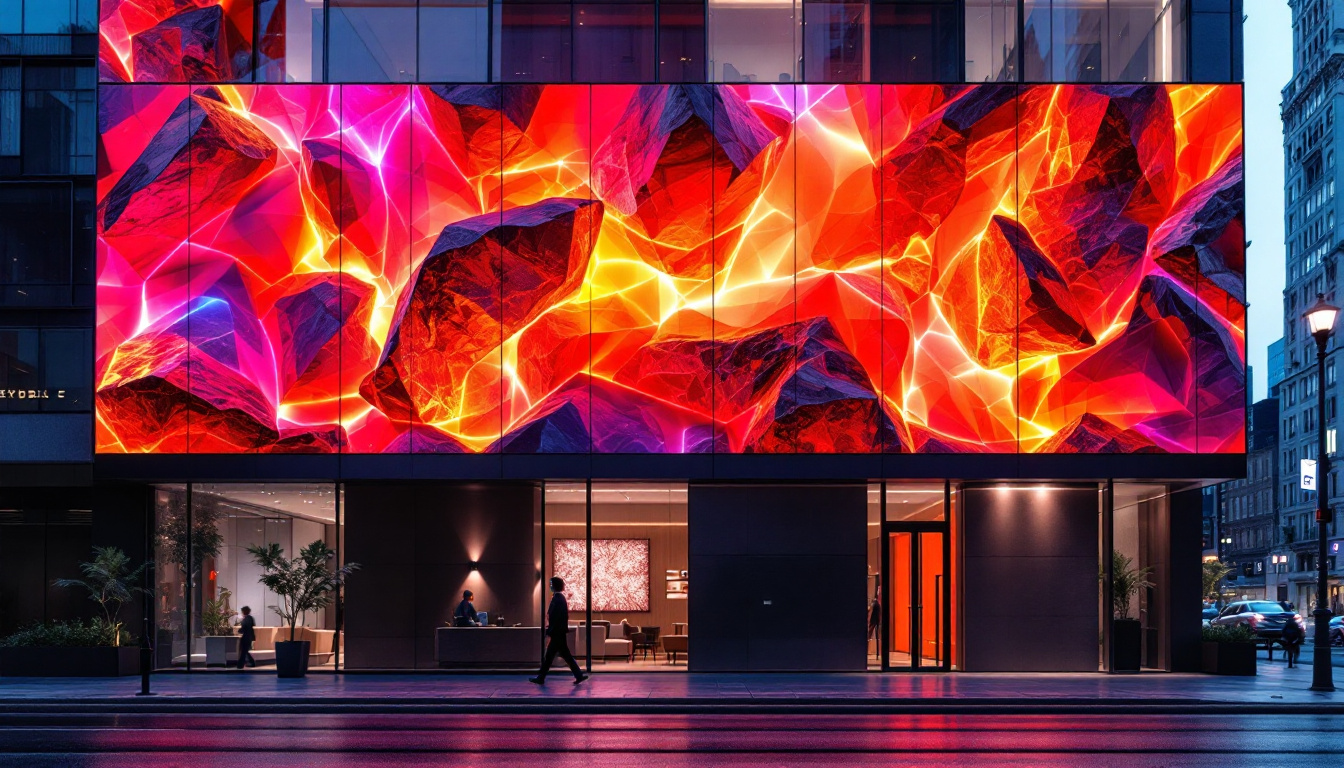
LED displays come in various forms, including indoor and outdoor screens, flexible panels, and transparent displays. Their modular design allows for scalability, meaning screens can be built to virtually any size, making them ideal for everything from small retail signage to massive stadium displays. The versatility of LED technology has led to its adoption in a wide range of applications, from advertising billboards that light up city streets to dynamic digital art installations that transform public spaces. This adaptability is one of the key reasons for the rapid growth of LED displays in recent years, as they can be tailored to meet the specific needs of different environments and audiences.
How Do LED Displays Work?
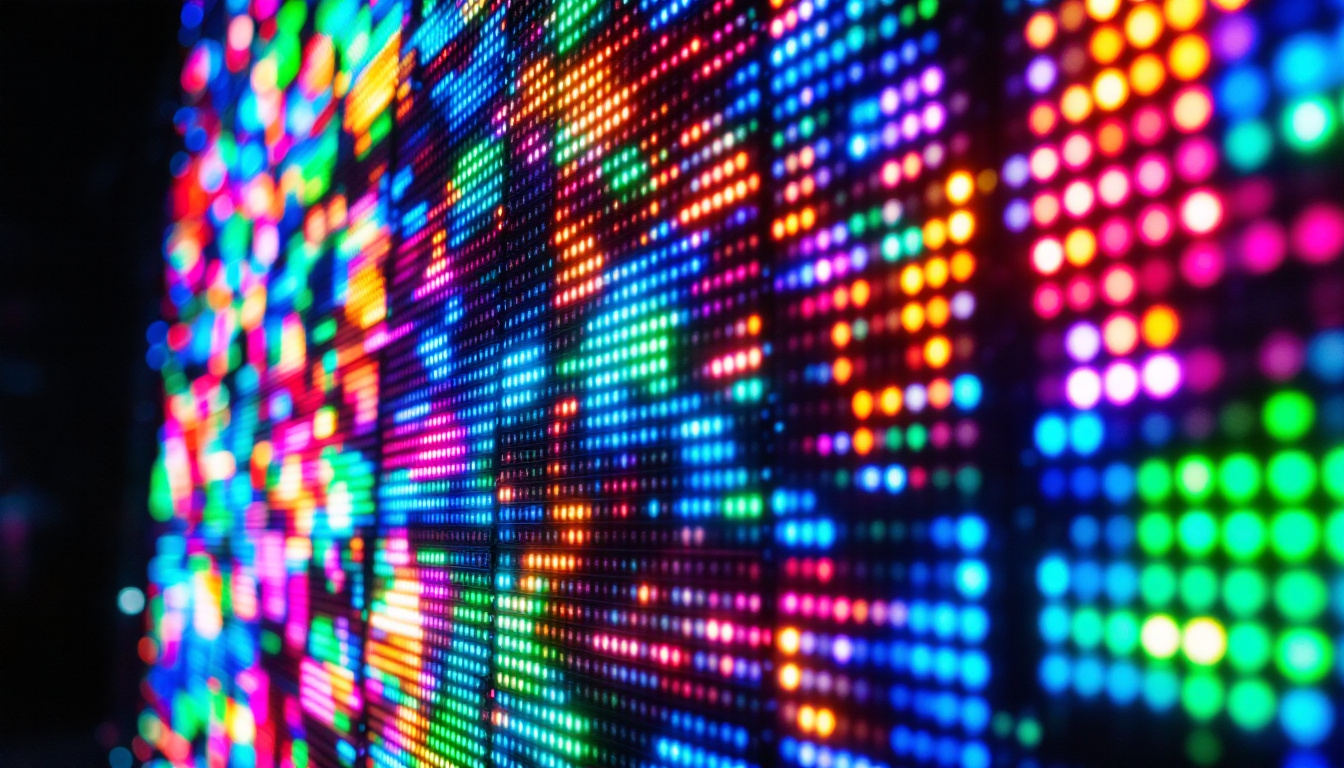
At the core of an LED display is a matrix of LEDs arranged in a grid. Each LED acts as a pixel or part of a pixel, emitting red, green, or blue light. By varying the intensity of these colors, the display can produce millions of colors, enabling full-color video playback.
The control system sends electrical signals to each LED, dictating its brightness and color. This process happens thousands of times per second, creating smooth motion and high-quality images. The resolution of an LED display depends on the pixel pitch—the distance between the centers of two adjacent pixels. Smaller pixel pitches yield higher resolution and sharper images, especially important for close viewing distances. Additionally, advancements in technology have led to the development of high dynamic range (HDR) capabilities in LED displays, allowing for greater contrast and a wider color gamut. This means that viewers can experience more lifelike images, with deeper blacks and brighter whites, enhancing the overall visual experience.
Moreover, LED displays are known for their energy efficiency compared to traditional display technologies. They consume less power while providing brighter output, which is particularly beneficial for large-scale installations where energy costs can be significant. The longevity of LED lights also contributes to lower maintenance costs, as they typically last longer than other types of display technologies, reducing the frequency of replacements. This combination of efficiency, durability, and superior image quality makes LED displays an attractive choice for both commercial and residential applications, further solidifying their place in the future of visual technology.
Types of LED Displays and Their Applications
Indoor vs. Outdoor LED Displays
One of the primary distinctions in LED displays is between indoor and outdoor models. Indoor LED displays typically have a smaller pixel pitch, often ranging from 1mm to 4mm, providing high resolution suitable for close viewing environments like conference rooms, retail stores, and control centers. This high pixel density allows for crisp images and detailed graphics, making them ideal for presentations, product showcases, and interactive displays that require viewer engagement from a short distance.
Outdoor LED displays, on the other hand, have larger pixel pitches—usually between 4mm and 20mm or more—to ensure visibility from greater distances. These displays are built to withstand harsh weather conditions, with higher brightness levels (often exceeding 5,000 nits) to combat sunlight glare. Common applications include billboards, sports stadium screens, and transportation hubs. Additionally, outdoor displays often incorporate advanced features like anti-glare technology and protective coatings to enhance durability and maintain image quality in various environmental conditions, making them a reliable choice for advertisers and event organizers.
Specialized LED Displays: Flexible, Transparent, and Curved
Beyond standard flat panels, LED technology has advanced to include flexible and transparent displays. Flexible LED screens can bend and curve, enabling creative installations on non-traditional surfaces such as building facades or stage backdrops. This versatility allows designers to create dynamic visual experiences that captivate audiences, transforming ordinary spaces into extraordinary ones. Moreover, flexible displays can be used in various applications, from fashion shows to art installations, where traditional rigid displays would be impractical.
Transparent LED displays allow light to pass through, making them ideal for retail windows or architectural glass, blending digital content with the environment. This innovative approach not only enhances the aesthetic appeal of storefronts but also provides an interactive experience for customers, as they can see the products behind the display while being engaged by vibrant digital content. Curved LED displays enhance immersion and viewing angles, popular in control rooms, immersive advertising, and entertainment venues. These specialized forms of LED technology expand the possibilities for designers and advertisers, offering unique ways to engage audiences. Furthermore, the seamless integration of these displays into architectural designs opens up new avenues for creative expression in both commercial and artistic contexts, pushing the boundaries of how we perceive visual media.
Advantages of LED Video Displays Over Other Technologies
Brightness and Visibility
One of the most significant advantages of LED displays is their superior brightness. With brightness levels often reaching 1,000 to over 10,000 nits, LED screens can be easily seen even under direct sunlight. This makes them indispensable for outdoor advertising and public information displays where visibility is critical.
Energy Efficiency and Longevity
LEDs are more energy-efficient than traditional lighting and display technologies. They consume less power while delivering higher brightness, which translates to lower operating costs. Additionally, LED displays have a long lifespan, often exceeding 100,000 hours of operation before significant brightness degradation occurs.
Color Accuracy and Contrast
LED displays offer excellent color reproduction and contrast ratios. Since each pixel emits its own light, LEDs can achieve true blacks by turning off individual pixels, unlike LCDs that rely on backlighting. This results in vivid images with deep contrast, enhancing the viewing experience.
Durability and Maintenance
LED displays are robust and designed to withstand environmental challenges such as rain, wind, and dust. Their modular construction allows for easy maintenance and replacement of individual panels or LEDs, minimizing downtime and repair costs.
Key Components of an LED Video Display System
LED Modules and Panels
The building blocks of an LED display are the LED modules—small units containing a matrix of LEDs. Multiple modules are assembled into panels, which in turn form the complete display. The quality of these modules affects the display’s brightness, color uniformity, and viewing angles.
Control Systems and Processors
Control systems manage the input signals and coordinate the LED modules to display the correct images. Modern LED processors support high-definition video input, real-time content management, and advanced calibration features to ensure consistent performance across the entire screen.
Power Supplies and Cooling
LED displays require stable power supplies to maintain consistent brightness and color. Many large-scale displays incorporate redundant power systems to prevent outages. Cooling systems, whether passive or active, are essential to dissipate heat generated by the LEDs and electronics, preserving longevity and performance.
Emerging Trends and Innovations in LED Video Technology
MicroLED and MiniLED Displays
MicroLED technology represents the next generation of LED displays, featuring microscopic LEDs that provide even higher resolution, brightness, and energy efficiency. Unlike OLEDs, MicroLEDs are inorganic and less prone to burn-in, making them suitable for a wide range of applications from smartphones to large video walls.
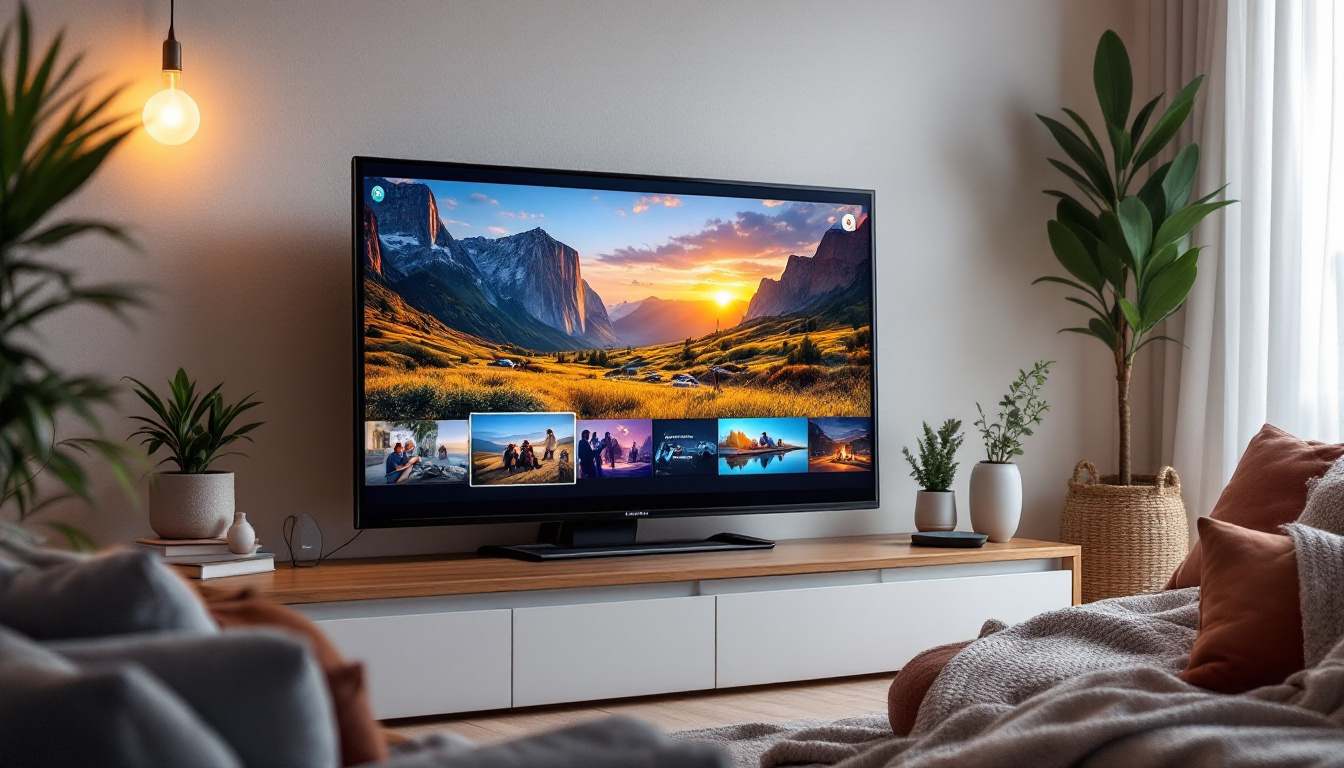
MiniLEDs, slightly larger than MicroLEDs but smaller than traditional LEDs, are already being integrated into high-end televisions and monitors, offering improved contrast and HDR performance.
Integration with Smart Technologies
Modern LED displays are becoming smarter, integrating with IoT (Internet of Things) systems and AI-driven content management. This enables dynamic content updates, audience analytics, and interactive features, enhancing engagement and providing valuable data to advertisers and operators.
Sustainability and Eco-Friendly Design
As environmental concerns grow, manufacturers are focusing on making LED displays more sustainable. Innovations include using recyclable materials, reducing power consumption, and designing displays that are easier to repair and upgrade, thereby reducing electronic waste.
Choosing the Right LED Display for Your Needs
Assessing Viewing Distance and Environment
When selecting an LED display, understanding the typical viewing distance is crucial. For close-up viewing, such as in retail or conference settings, a smaller pixel pitch is necessary to ensure sharp images. For outdoor or large venue applications, a larger pixel pitch is acceptable and more cost-effective.
Determining Brightness and Weather Resistance
Outdoor displays require high brightness levels and weatherproofing to maintain visibility and durability. Indoor displays can operate at lower brightness but should still offer good contrast and color accuracy.
Budget and Total Cost of Ownership
While LED displays can be a significant investment, considering the total cost of ownership—including energy consumption, maintenance, and lifespan—is essential. High-quality LED displays may have a higher upfront cost but offer better performance and lower operating expenses over time.
Conclusion
LED video displays have revolutionized the way information and advertising are presented in public and private spaces. Their unmatched brightness, versatility, and durability make them the go-to solution for a wide range of applications. As technology advances with innovations like MicroLED and smart integration, LED displays will continue to push the boundaries of visual communication.
Understanding the fundamentals of LED technology, the differences between display types, and the factors to consider when choosing a display can help businesses and organizations make informed decisions that maximize impact and return on investment.
Whether for advertising, entertainment, or information dissemination, LED video displays offer a dynamic and engaging medium that is shaping the future of digital signage and beyond.
Explore Cutting-Edge LED Display Solutions with LumenMatrix
Ready to elevate your visual communication with the latest in LED display technology? Discover the innovative solutions offered by LumenMatrix, a leader in the field dedicated to enhancing brand visibility and creating immersive visual experiences. From Indoor and Outdoor LED Wall Displays to specialized options like Vehicle, Sports, and Floor LED Displays, LumenMatrix provides a diverse range of products tailored to your unique needs. Embrace the future of digital signage with our Custom, All-in-One, and Transparent LED Displays. Check out LumenMatrix LED Display Solutions today and transform your space with dynamic, high-impact visuals.