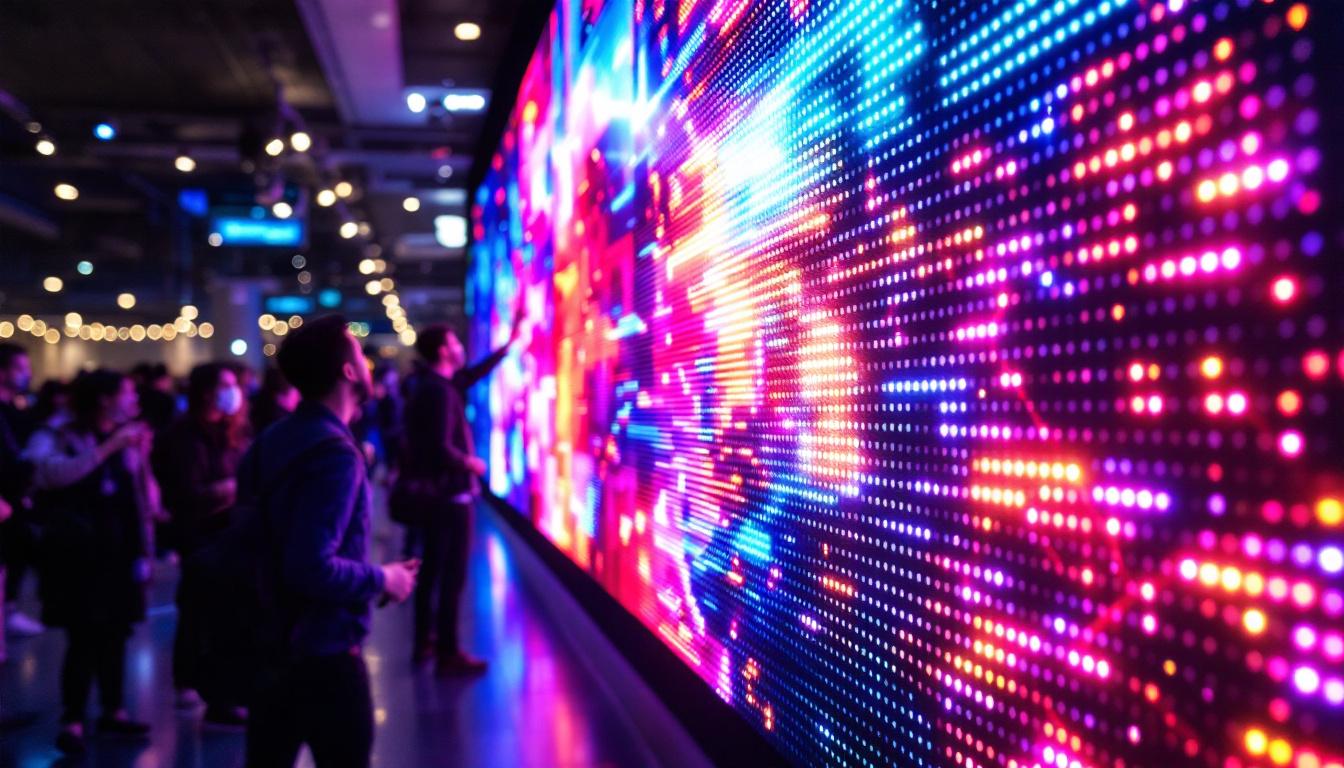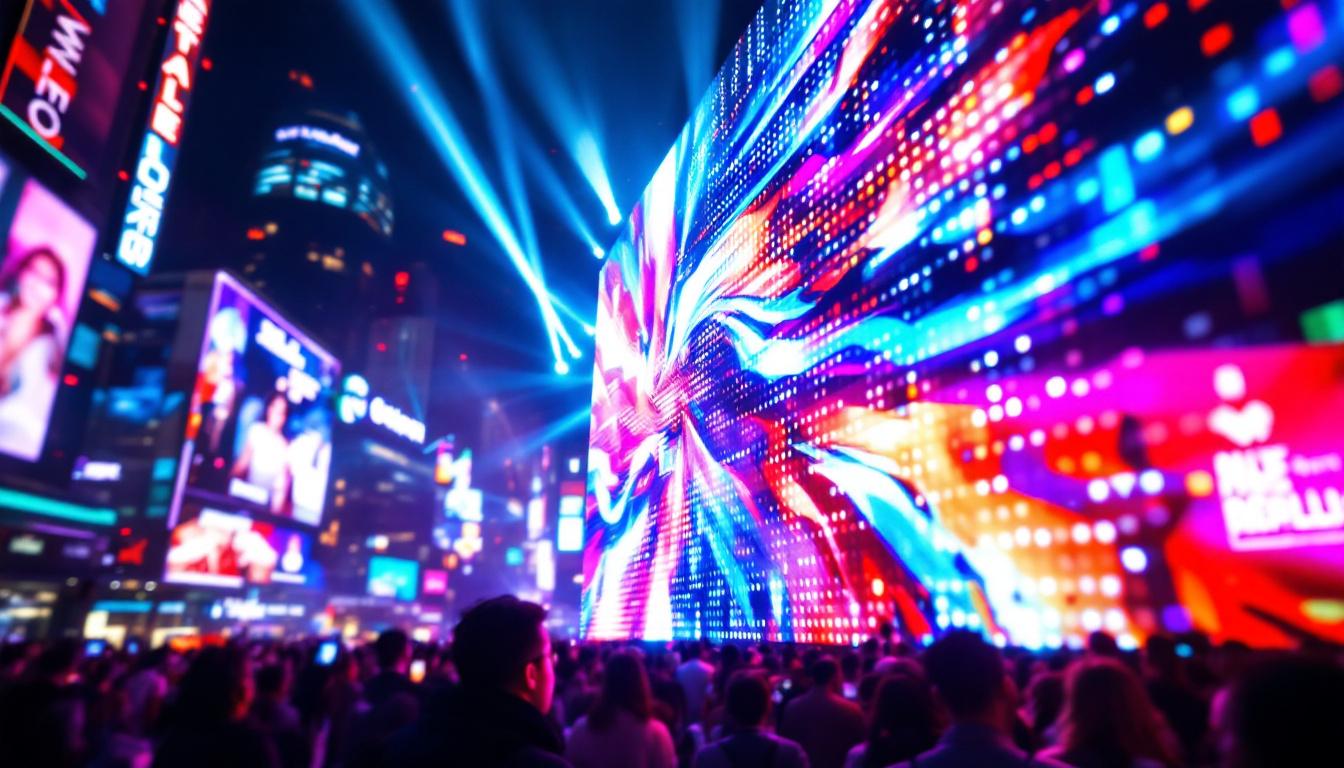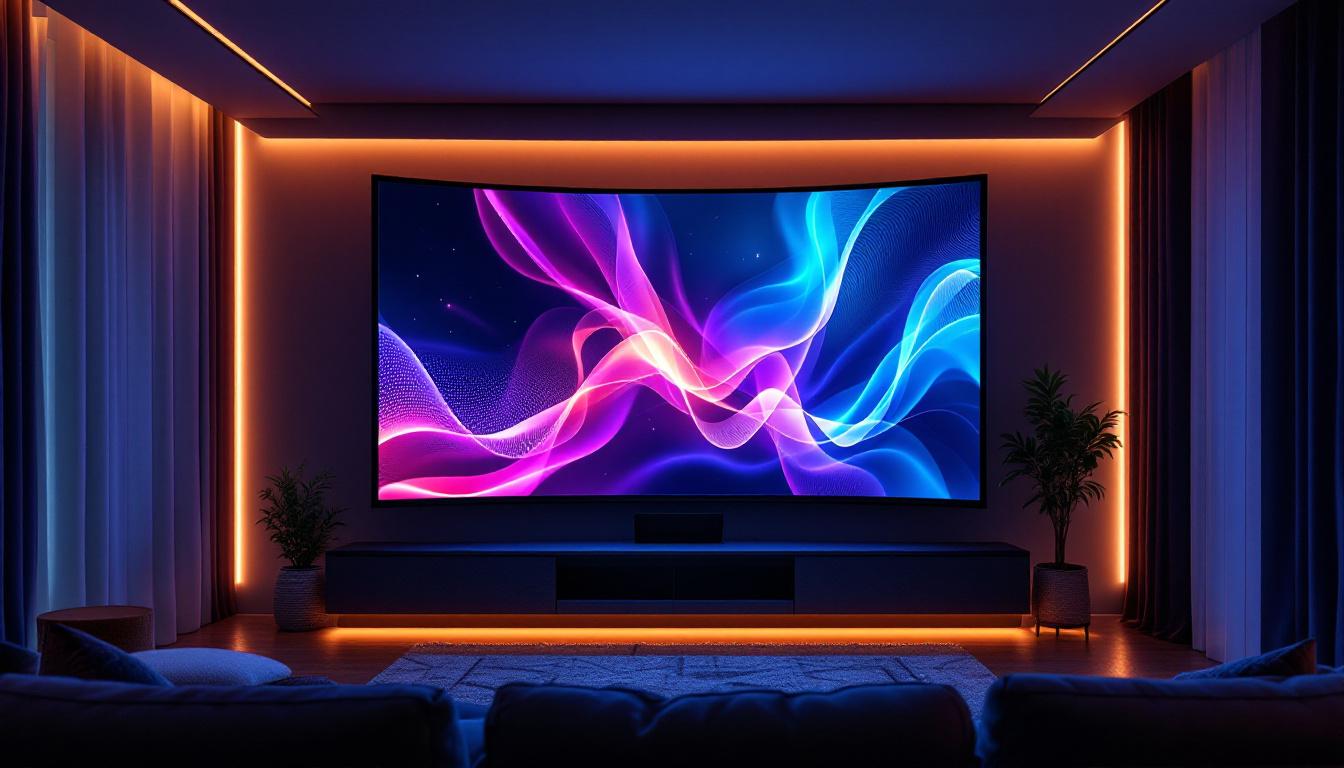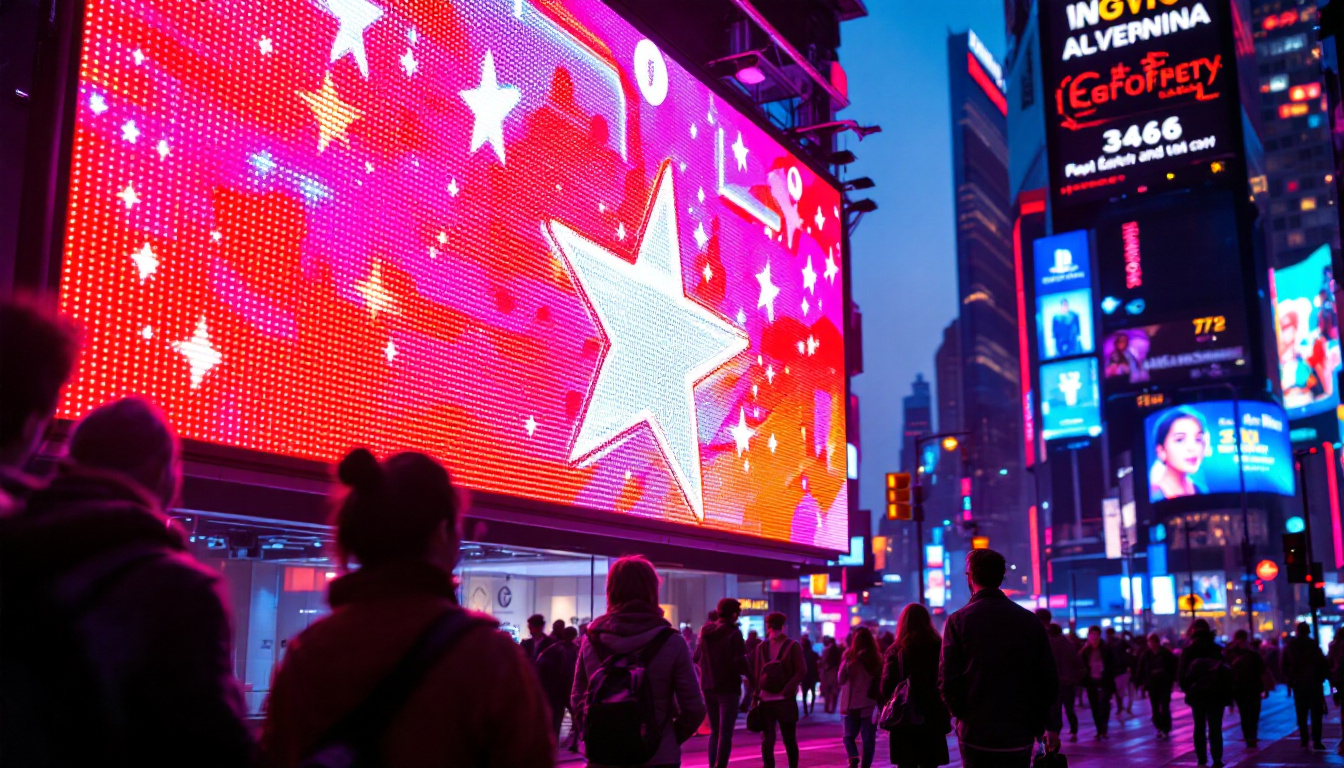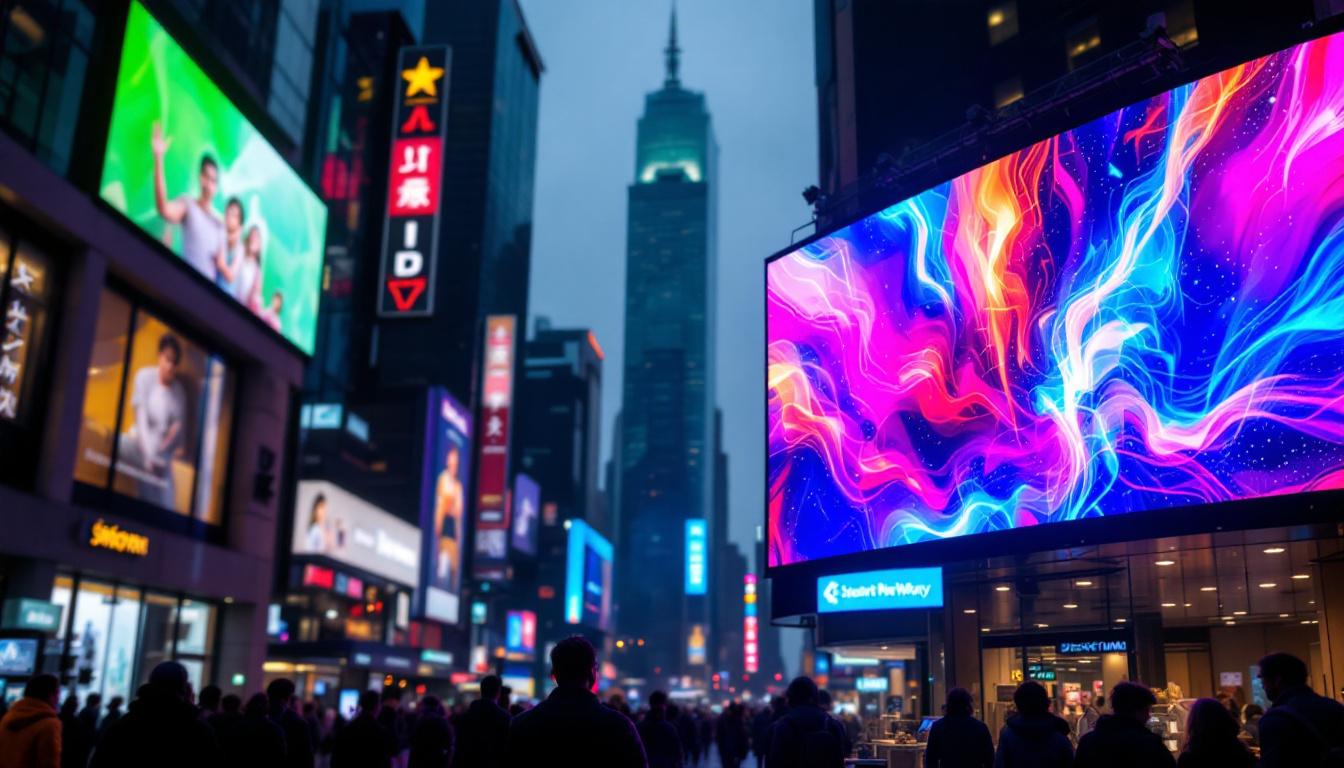
In today’s digital age, LED displays have become an integral part of how we communicate visually. From vibrant billboards towering over cityscapes to the crisp screens of smartphones and televisions, LED technology powers a vast array of display solutions. This article delves into the world of LED displays, explaining their technology, types, applications, and why they continue to dominate the visual display market.
Understanding LED Display Technology
LED stands for Light Emitting Diode, a semiconductor device that emits light when an electric current passes through it. Unlike traditional display technologies that rely on backlighting, LED displays produce their own light, resulting in brighter images, better contrast, and more energy efficiency. This inherent capability allows LED technology to be utilized in various settings, from small devices to massive outdoor screens, making it a versatile choice for both consumer electronics and commercial applications.
The core of an LED display is the individual LED pixel, which can emit red, green, or blue light. By varying the intensity of these three colors, the display can produce a full spectrum of colors, enabling vivid and accurate image reproduction. This color mixing capability is crucial for applications requiring precise color representation, such as graphic design and digital art, where accuracy can significantly impact the final output.
How LED Displays Work
Each LED pixel is composed of sub-pixels in red, green, and blue. These sub-pixels light up at different intensities controlled by the display’s electronics, blending together to create the desired color. This process happens thousands of times per second, allowing for smooth video playback and dynamic content. The rapid response time of LED technology also enhances the viewing experience, particularly in fast-paced environments like gaming or sports broadcasting, where motion clarity is paramount.
Because LEDs emit light directly, LED displays can achieve higher brightness levels than LCDs (Liquid Crystal Displays), which rely on a backlight shining through liquid crystals. This direct emission also enables better contrast ratios and deeper blacks, especially in OLED (Organic LED) variants. The ability to turn off individual pixels completely in OLED displays creates an unparalleled level of contrast, making them ideal for viewing in dark environments where detail preservation is critical.
Types of LED Displays
LED displays come in various forms, each suited to different applications and environments. The main types include:
- Direct View LED (DVLED): These displays consist of an array of LEDs that form the image directly. They are commonly used in large outdoor screens, stadium displays, and digital billboards. The robustness of DVLED technology makes it particularly suitable for outdoor use, as it can withstand harsh weather conditions while maintaining high visibility even in bright sunlight.
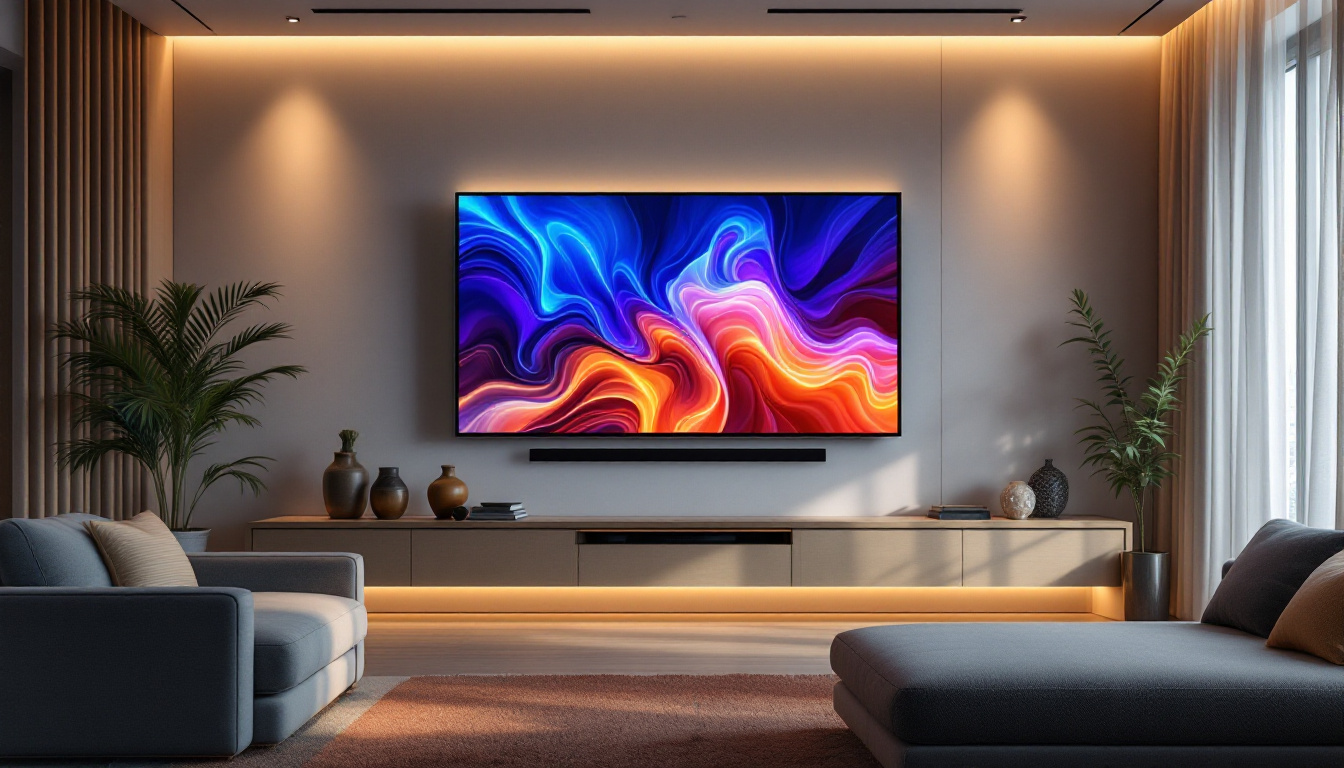
- LED-backlit LCD: This technology uses LEDs as a backlight source behind an LCD panel. It is widely used in televisions, computer monitors, and mobile devices. The integration of LED backlighting has significantly improved the performance of LCDs, providing better color accuracy and energy efficiency compared to traditional fluorescent backlighting.
- MicroLED: An emerging technology featuring microscopic LEDs that serve as individual pixels, offering superior brightness, contrast, and energy efficiency compared to traditional LEDs and OLEDs. MicroLED displays are gaining traction for their potential in creating ultra-thin, flexible screens that can be seamlessly integrated into various devices, from wearables to large-scale installations.
- OLED (Organic LED): Uses organic compounds that emit light when an electric current is applied. OLED displays are known for their exceptional color accuracy, contrast, and flexibility, often found in high-end smartphones and TVs. The ability to create bendable and transparent displays opens up exciting possibilities for innovative product designs and applications in the future.
Applications of LED Displays
LED displays have revolutionized many industries by providing flexible, bright, and energy-efficient visual solutions. Their versatility allows them to be used in a wide range of environments, both indoors and outdoors.
Outdoor Advertising and Digital Billboards
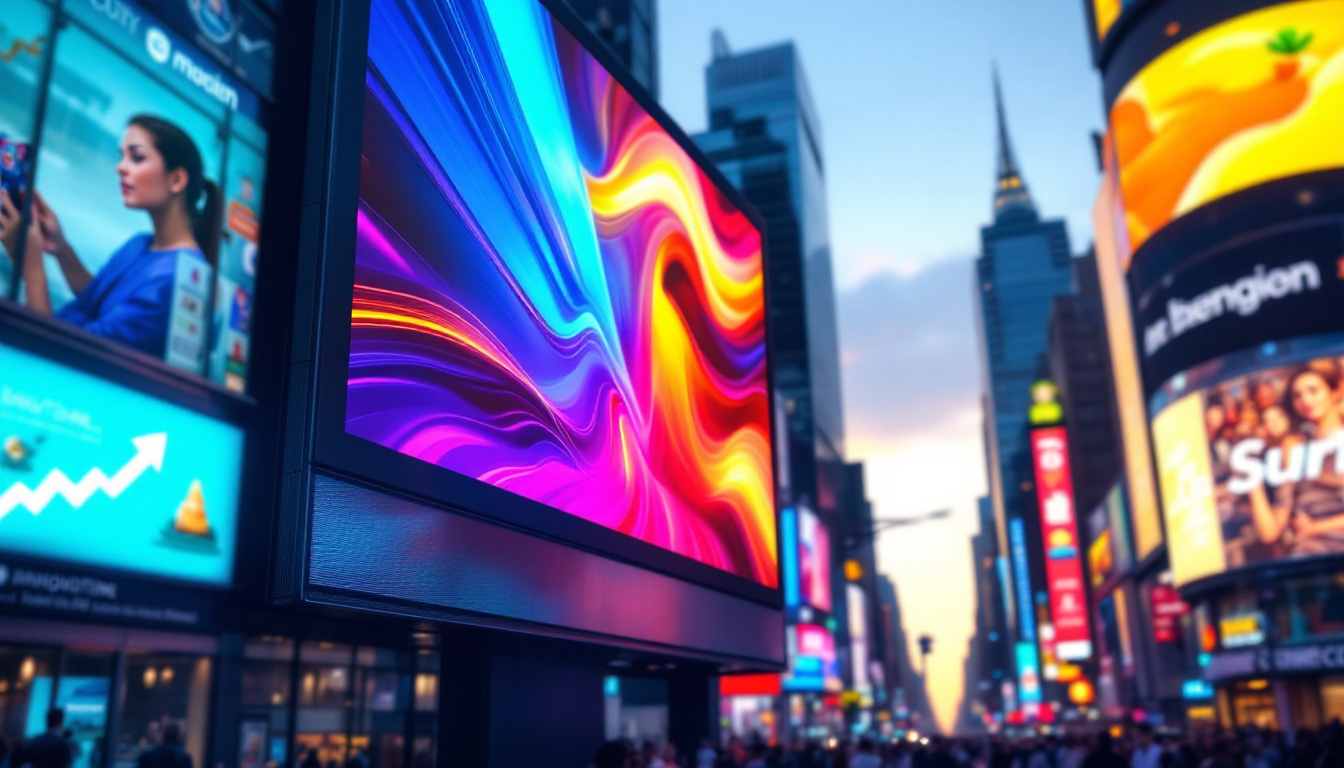
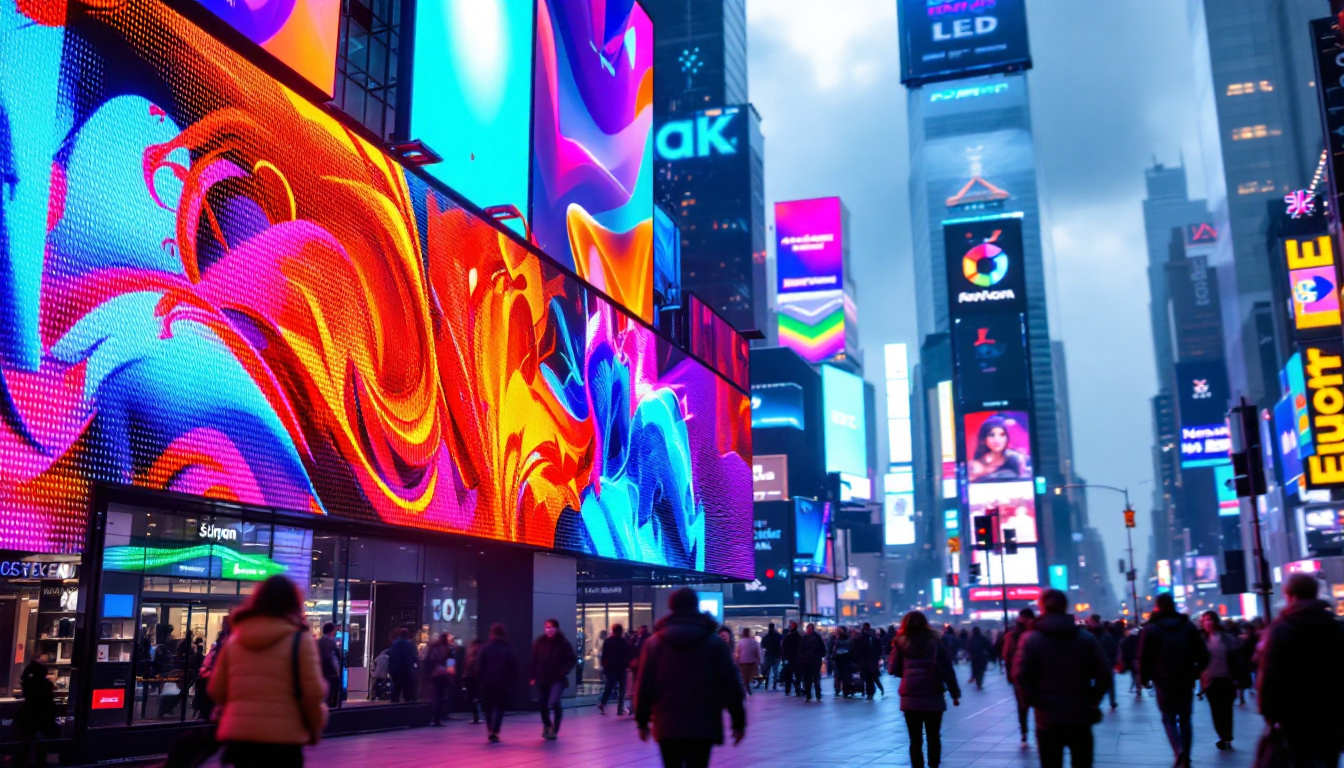
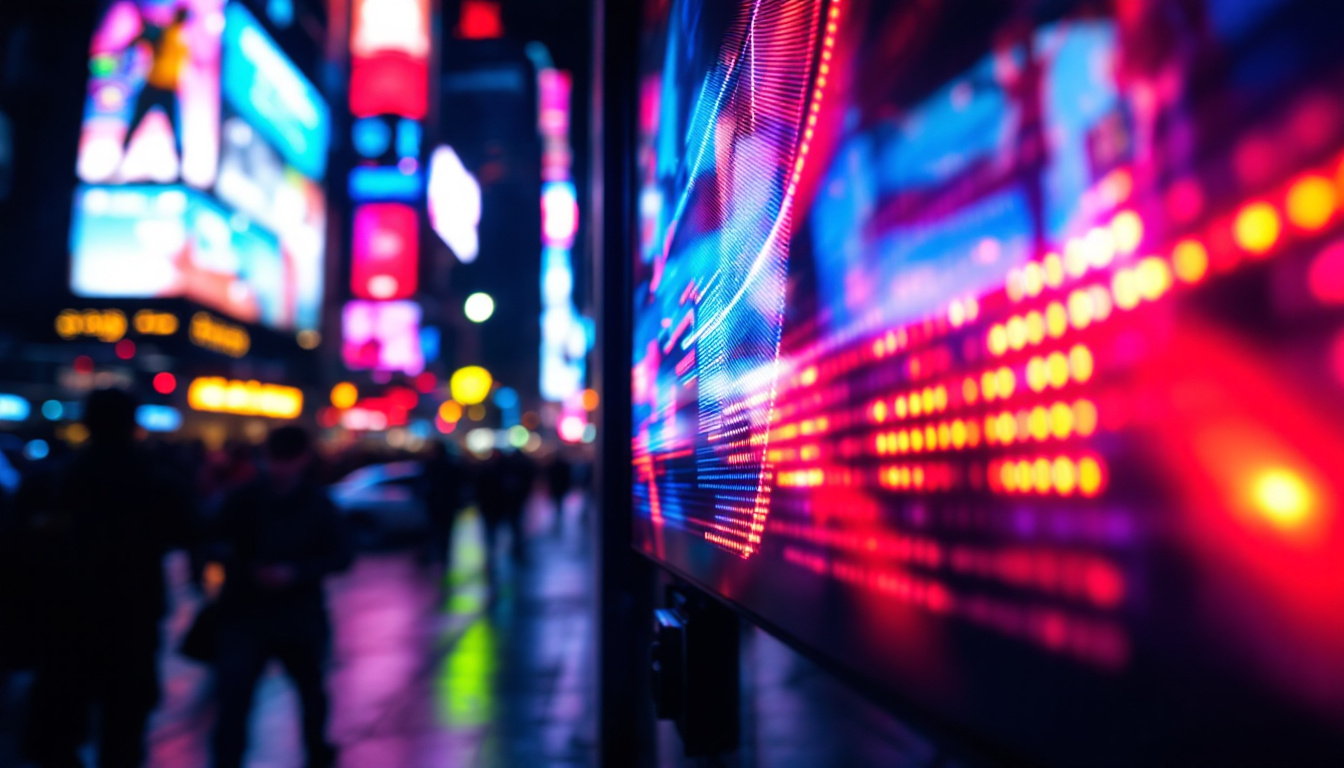
One of the most visible applications of LED displays is outdoor advertising. Digital billboards equipped with Direct View LED technology offer advertisers the ability to change content instantly, display dynamic videos, and attract more attention than traditional static signs.
According to recent market research, the global digital billboard market was valued at approximately $3.5 billion in 2023 and is expected to grow at a compound annual growth rate (CAGR) of over 10% through 2030. This growth is driven by the increasing demand for dynamic advertising and the ability to target audiences more effectively.
Sports and Entertainment Venues
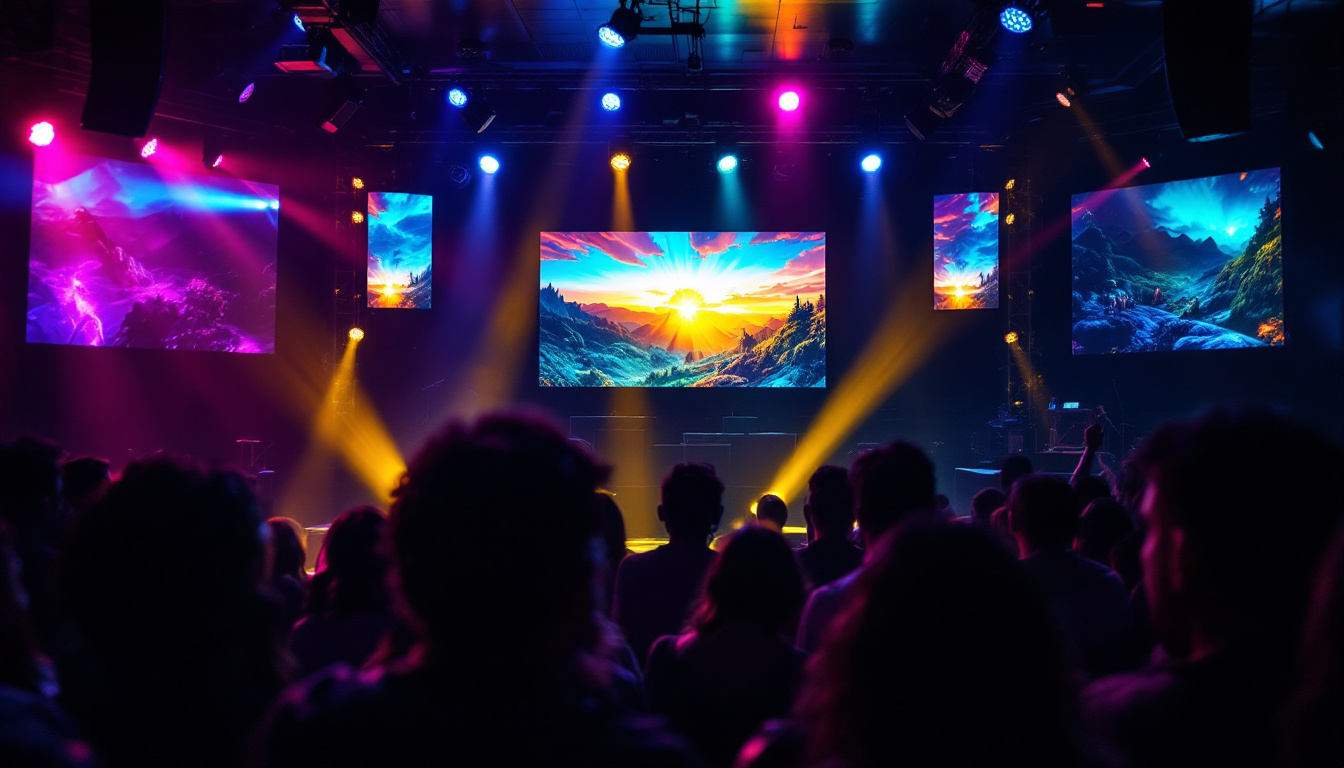
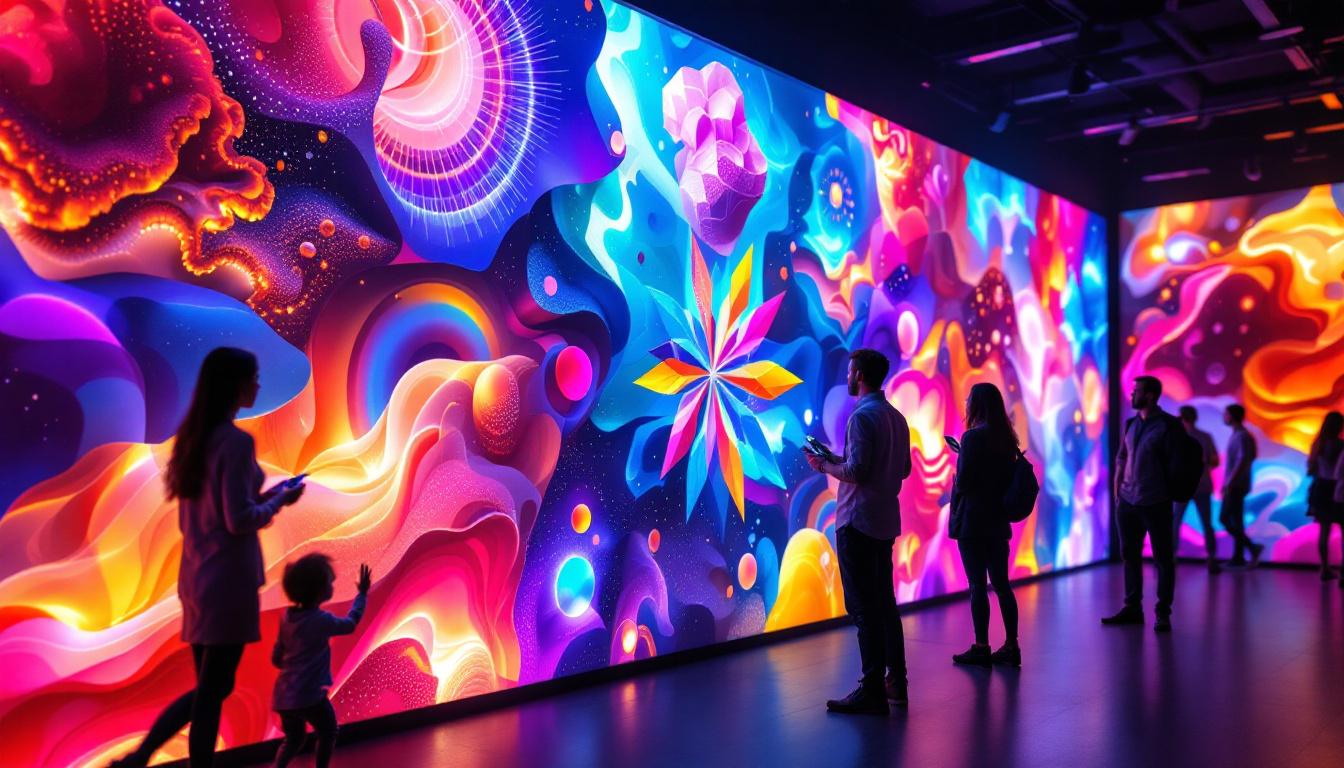
Stadiums and arenas utilize large LED screens to enhance the spectator experience. These screens display live footage, replays, scores, and interactive content. The high brightness and wide viewing angles of LED displays ensure visibility even under direct sunlight or bright indoor lighting conditions.
Innovations in LED technology have enabled the creation of flexible and curved displays, allowing venues to integrate screens seamlessly into architectural designs, further immersing audiences in the event experience.
Retail and Commercial Spaces
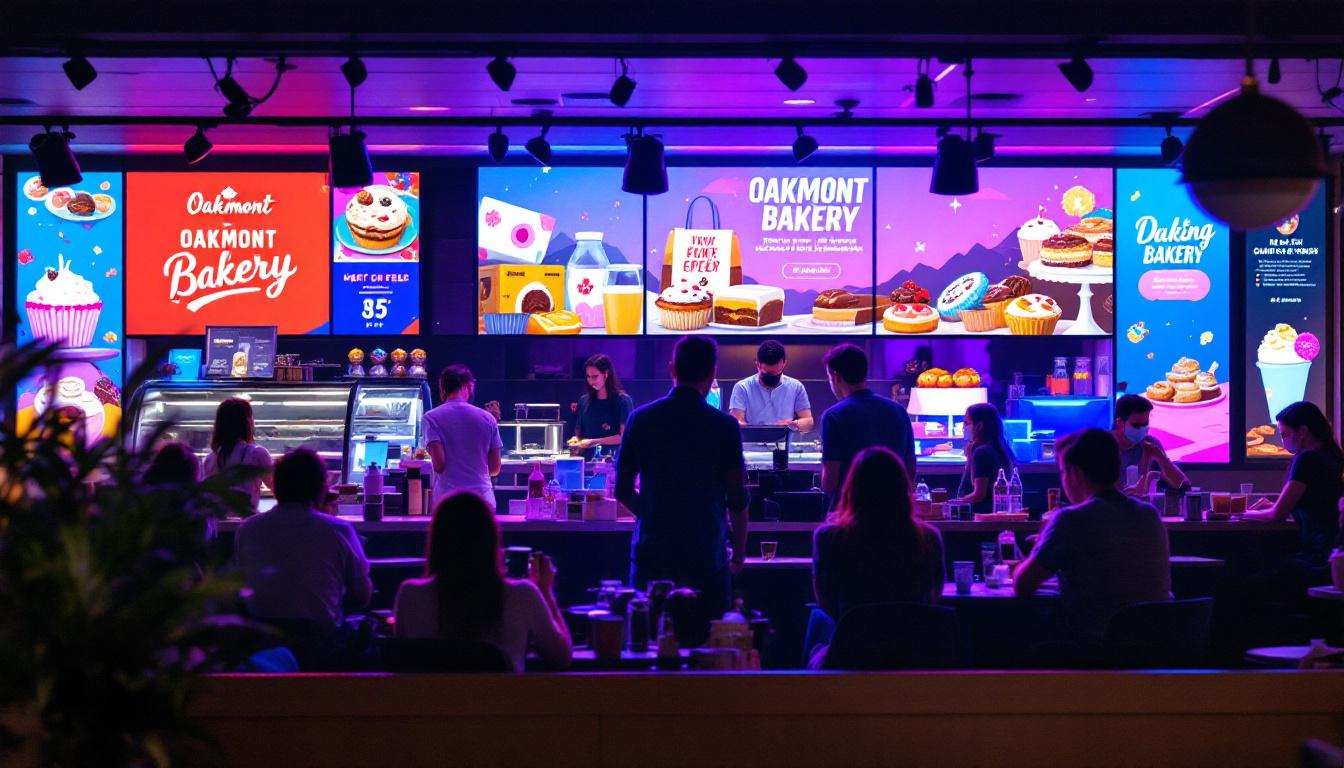
Retailers use LED displays to create engaging window displays, digital signage, and interactive kiosks. The ability to update content in real-time helps businesses promote sales, new products, and brand messages effectively.
Furthermore, LED-backlit LCD screens are commonly found in point-of-sale (POS) systems and menu boards, providing sharp visuals that attract customer attention and improve the shopping experience.
Transportation and Public Information Systems
Airports, train stations, and bus terminals employ LED displays to provide real-time information such as schedules, delays, and emergency alerts. The durability and brightness of LED displays make them ideal for environments with high foot traffic and varying lighting conditions.
In addition, LED technology is increasingly used in traffic signals and highway signage, improving visibility and safety for drivers.
Advantages of LED Displays Over Other Technologies
LED displays offer several benefits that have contributed to their widespread adoption across industries. Understanding these advantages helps explain why LED technology remains a preferred choice for display solutions.
Brightness and Visibility
LED displays can achieve brightness levels exceeding 5,000 nits, making them easily visible in direct sunlight. This is particularly important for outdoor applications where ambient light conditions can vary dramatically throughout the day.
In comparison, traditional LCDs typically max out around 300 to 500 nits, which can result in washed-out images outdoors. The superior brightness of LEDs ensures content remains clear and vibrant regardless of lighting conditions.
Energy Efficiency and Longevity
LEDs consume less power than conventional lighting and display technologies, translating into lower operational costs. For example, an LED-backlit LCD TV uses approximately 30-40% less energy than a CCFL-backlit LCD TV.
Additionally, LEDs have a longer lifespan, often rated between 50,000 to 100,000 hours, reducing maintenance and replacement costs. This durability is especially valuable for large-scale installations where access for repairs can be challenging.
Color Accuracy and Contrast
Because LEDs emit light directly, they can produce deeper blacks and more vibrant colors than LCDs that rely on backlighting. This results in higher contrast ratios and more lifelike images.
OLED and MicroLED technologies push this even further, offering near-perfect black levels and wide color gamuts, which are crucial for applications demanding high image fidelity such as professional video production and medical imaging.
Design Flexibility
LED displays can be manufactured in various shapes and sizes, including flexible and transparent screens. This adaptability enables innovative design possibilities in architecture, retail, and entertainment.
For instance, curved LED displays enhance immersion in gaming and virtual reality setups, while transparent LED panels allow for digital signage on glass surfaces without obstructing views.
Challenges and Considerations in LED Display Deployment
While LED displays offer many benefits, there are also challenges and factors to consider when selecting and deploying these systems.
Initial Cost and Investment
High-quality LED displays, especially large-format Direct View LED and MicroLED panels, can require significant upfront investment. The cost includes not only the display hardware but also installation, control systems, and ongoing maintenance.
However, when evaluating total cost of ownership, the energy savings and longevity of LEDs often offset the initial expenditure over time.
Pixel Pitch and Resolution
Pixel pitch—the distance between the centers of adjacent pixels—directly affects the resolution and viewing distance of an LED display. Smaller pixel pitches provide higher resolution and are suitable for close-up viewing, but they also increase cost.
Choosing the right pixel pitch depends on the intended application. For example, a billboard viewed from hundreds of feet away can use a larger pixel pitch, while indoor retail displays require finer resolution for close viewing.
Environmental Factors
Outdoor LED displays must withstand weather conditions such as rain, wind, dust, and temperature fluctuations. Ensuring that the display has appropriate IP (Ingress Protection) ratings and robust construction is critical for reliable operation.
Indoor displays face fewer environmental challenges but still require proper ventilation and protection from physical damage.
The Future of LED Displays
LED display technology continues to evolve rapidly, driven by advances in materials science, manufacturing, and digital processing.
Emergence of MicroLED and MiniLED
MicroLED technology, which uses microscopic LEDs as individual pixels, promises to combine the best features of OLED and traditional LEDs—offering exceptional brightness, contrast, and energy efficiency without the burn-in issues associated with OLED.
MiniLED, a technology that uses thousands of tiny LEDs for backlighting LCD panels, enhances contrast and local dimming capabilities, providing a cost-effective upgrade for high-end TVs and monitors.
Integration with Smart Technologies
Modern LED displays are increasingly integrated with smart control systems, enabling remote content management, real-time data feeds, and interactive features. This integration enhances user engagement and allows for dynamic, personalized content delivery.
Sustainability and Environmental Impact
As sustainability becomes a priority, LED manufacturers are focusing on eco-friendly materials, recyclability, and energy-efficient designs. The long lifespan and low power consumption of LEDs contribute positively to reducing the environmental footprint of digital displays.
Conclusion
LED displays have transformed the way visual information is presented across multiple sectors, offering unparalleled brightness, color accuracy, and design flexibility. Whether in advertising, entertainment, retail, or public information, LED technology continues to set the standard for high-quality digital displays.
Understanding the different types of LED displays, their advantages, and the considerations for deployment helps businesses and consumers make informed decisions. With ongoing innovations like MicroLED and smart integration, the future of LED displays promises even more exciting possibilities for immersive and dynamic visual experiences.
Discover LumenMatrix’s Innovative LED Solutions
Ready to elevate your visual experience with the latest in LED display technology? Look no further than LumenMatrix, where innovation meets excellence. Our comprehensive range of LED display solutions, from Indoor and Outdoor LED Wall Displays to specialized options like Vehicle LED Displays, LED Sports Displays, and even Custom LED Displays, are designed to captivate and engage your audience. Embrace the future of visual communication with LumenMatrix and let us help you make a powerful statement. Check out LumenMatrix LED Display Solutions today and transform your space into a dynamic visual masterpiece.