In the world of large-scale digital screens, the term “Jumbotron” has become almost synonymous with giant outdoor displays. However, this iconic name is just one of many used to describe these impressive visual technologies. As LED display technology continues to evolve and become more accessible, understanding the variety of terms and concepts associated with these screens is essential for businesses, event organizers, advertisers, and tech enthusiasts alike.
What Is a Jumbotron?
The word “Jumbotron” originally referred to a specific brand of large video screens developed by Sony in the 1980s. These massive displays were revolutionary at the time, providing stadiums and arenas with live video feeds, replays, and advertisements that could be seen clearly by thousands of spectators. Over time, “Jumbotron” became a generic term for any large-scale video display, regardless of manufacturer.
Technically, a Jumbotron is a type of LED display, but not all LED displays are Jumbotrons. The name is often used interchangeably with other terms, which can cause confusion. Understanding the distinctions and alternatives is important when selecting or discussing large digital screens.
Jumbotrons have evolved significantly since their inception, incorporating advanced technologies such as high-definition resolution and enhanced color accuracy. These improvements allow for a more immersive viewing experience, making them popular not just in sports arenas but also in concert venues, public squares, and even corporate events. The versatility of Jumbotrons means they can be used for a variety of purposes, from broadcasting live events to displaying artistic visuals or interactive content that engages audiences in unique ways.
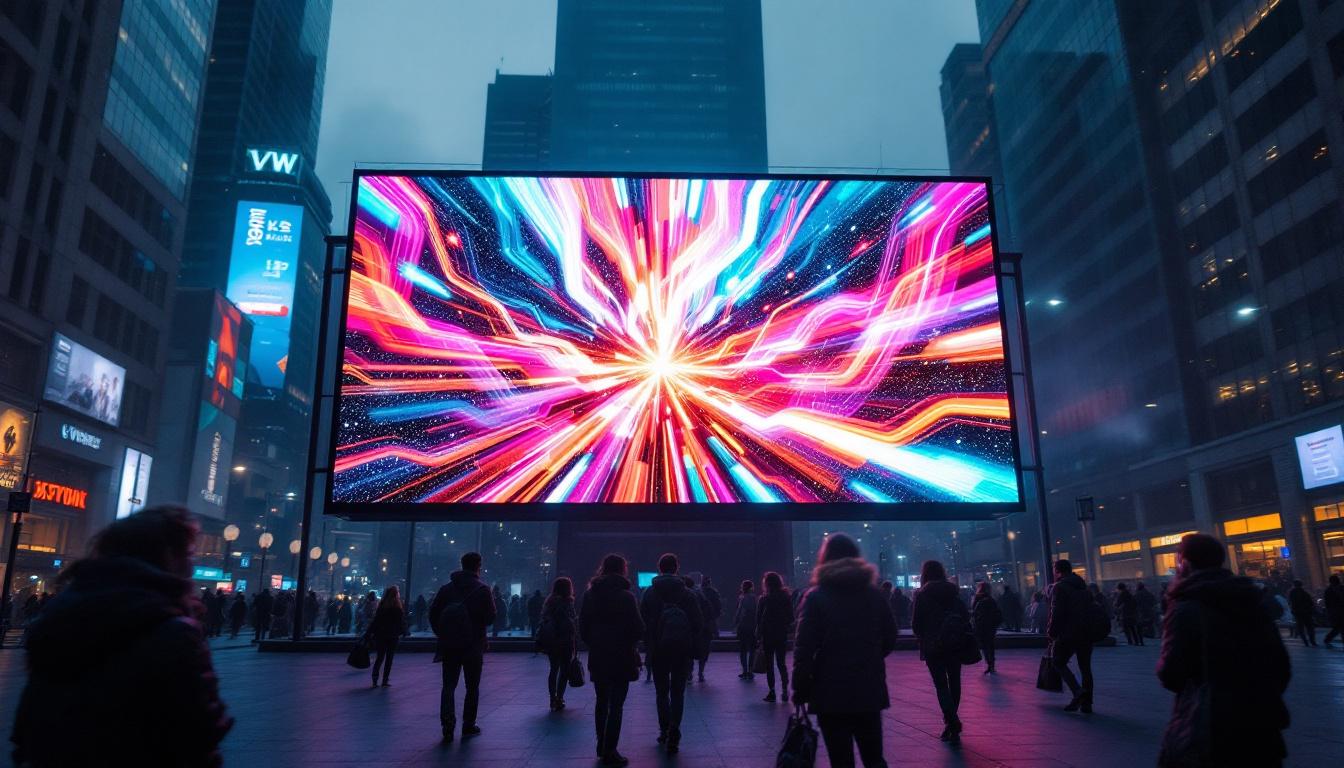
Moreover, the rise of digital signage has led to an increased demand for Jumbotrons in urban environments. Cities are now using these large displays to convey important information, such as traffic updates, weather forecasts, and public service announcements. This shift towards integrating Jumbotrons into the urban landscape reflects a broader trend of using technology to enhance communication and connectivity within communities, making them not just a tool for entertainment but also a vital resource for information dissemination.
Common Alternative Terms for Jumbotron
Several terms are used to describe large digital display screens similar to Jumbotrons. These alternatives vary based on context, technology, and application.
LED Display
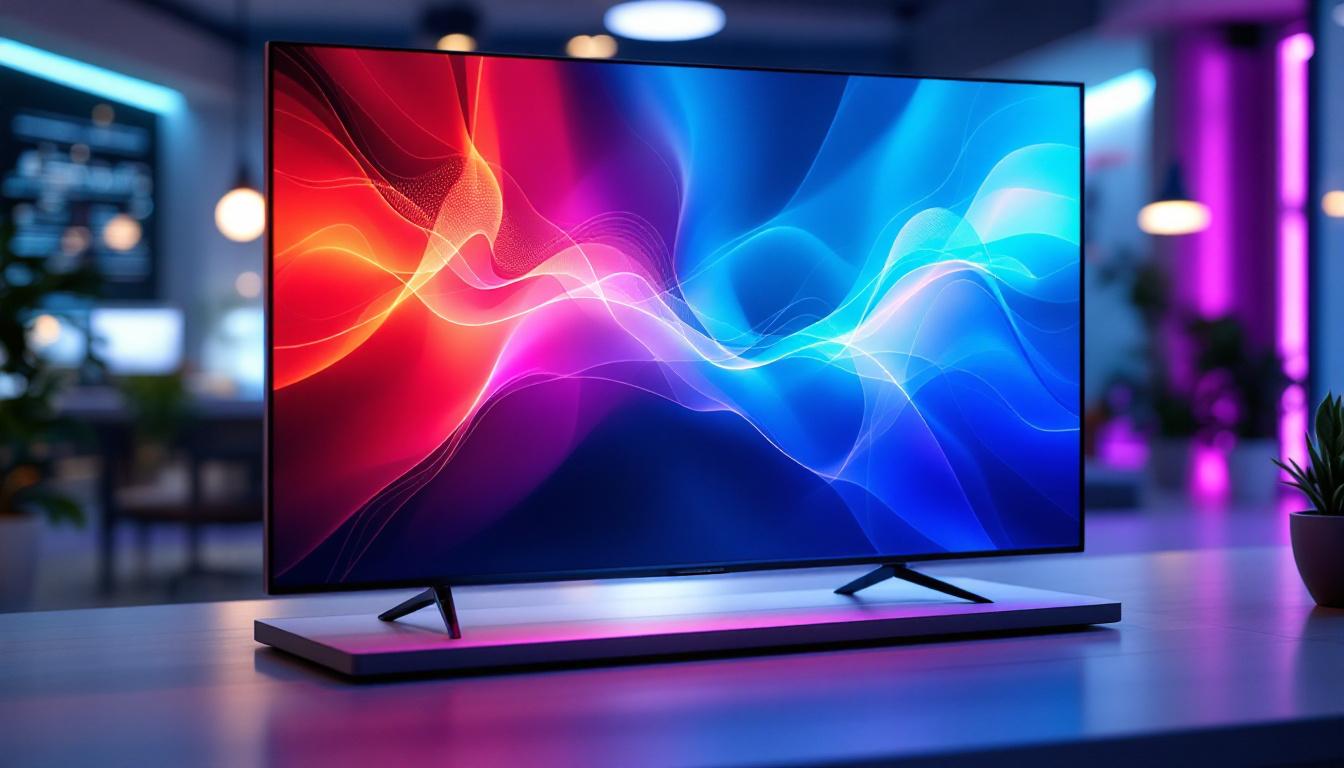
LED (Light Emitting Diode) displays are the most common type of large digital screens today. They use an array of tiny LEDs to create bright, vibrant images visible even in direct sunlight. LED displays are highly versatile and can be customized in size and resolution, making them suitable for everything from sports arenas to retail storefronts.
Unlike older Jumbotron models that used cathode ray tubes (CRTs), modern LED displays are more energy-efficient, lighter, and offer superior image quality. This term is often used when emphasizing the technology behind the screen rather than the brand or form factor. Additionally, advancements in LED technology have led to the development of flexible displays that can be curved or shaped to fit unique architectural designs, further expanding their application in creative advertising and immersive environments.
Video Wall
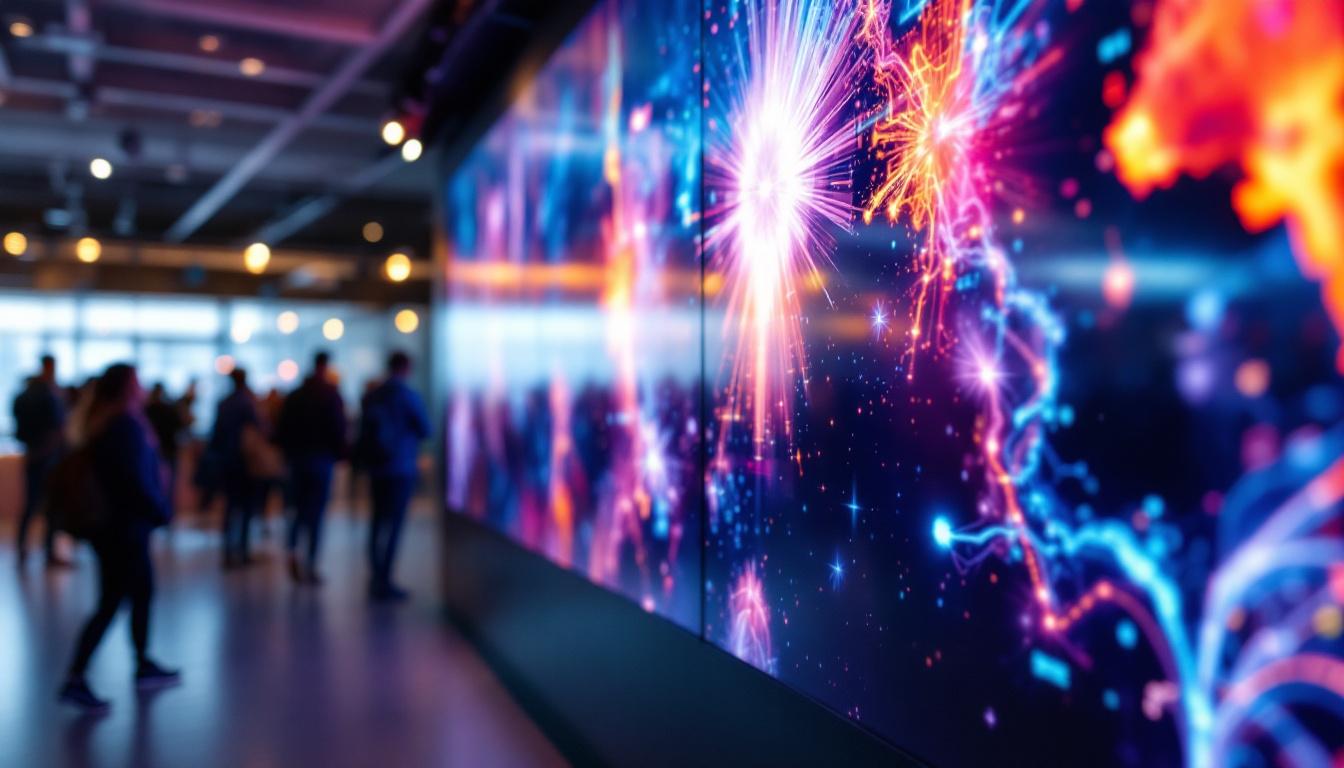
A video wall is a large display made up of multiple smaller screens tiled together to form one cohesive image. These can be LCD, LED, or projection-based. Video walls are popular in control rooms, corporate lobbies, and public spaces where high resolution and scalability are important.
While a Jumbotron is typically a single large panel, video walls offer modularity, allowing for flexible configurations and easier maintenance. This term is often preferred in professional AV (audio-visual) settings. Moreover, video walls can be designed to display different content simultaneously across various screens, making them ideal for dynamic presentations, art installations, or multi-channel advertising, thus enhancing viewer engagement through visual storytelling.
Digital Billboard
Digital billboards are large outdoor advertising screens that use LED technology to display dynamic content. These are commonly found alongside highways, in urban centers, and at sports venues. The term “digital billboard” highlights the advertising function rather than the technical specifications.
Digital billboards have transformed outdoor advertising by enabling real-time content updates, interactive campaigns, and higher engagement rates compared to static billboards. They often incorporate advanced features such as geolocation targeting and audience analytics, allowing advertisers to tailor messages to specific demographics or times of day. This capability not only maximizes advertising impact but also provides valuable data that can inform future marketing strategies.
Giant Screen
“Giant screen” is a more generic term that can refer to any oversized display used for public viewing. This might include large LED displays, projection screens, or even IMAX cinema screens. The term is often used in entertainment and event contexts.
While less technical, “giant screen” conveys the scale and immersive experience these displays provide. These screens are frequently utilized at festivals, concerts, and major sporting events, where they serve to enhance the audience’s experience by providing close-up views of performances or action. Additionally, giant screens can be integrated with sound systems and lighting effects to create an all-encompassing environment that captivates viewers, making them a staple in modern entertainment venues.
How LED Displays Work
Understanding the technology behind LED displays helps clarify why they have become the preferred choice for large-format screens.
Basic Components
At their core, LED displays consist of thousands to millions of tiny light-emitting diodes arranged in a grid. Each LED acts as a pixel, capable of emitting red, green, or blue light. By varying the intensity of these colors, the display can produce a full spectrum of colors and create detailed images and videos.
Pixel Pitch and Resolution
Pixel pitch refers to the distance between the centers of two adjacent pixels, usually measured in millimeters. A smaller pixel pitch means higher resolution and sharper images, which is crucial for displays viewed up close. Large outdoor screens typically have a larger pixel pitch because they are viewed from greater distances.
For example, a stadium Jumbotron might have a pixel pitch of 10mm or more, while a retail LED display inside a store might have a pixel pitch as low as 1.5mm.
Brightness and Visibility
One of the key advantages of LED displays is their high brightness levels, often exceeding 5,000 nits. This ensures clear visibility even in direct sunlight, making them ideal for outdoor use. Additionally, LED displays have wide viewing angles and fast refresh rates, which reduce flicker and motion blur during live broadcasts or fast-moving content.
Applications of Jumbotrons and LED Displays
Large LED displays have a wide range of applications across various industries, each benefiting from their unique capabilities.
Sports and Entertainment Venues
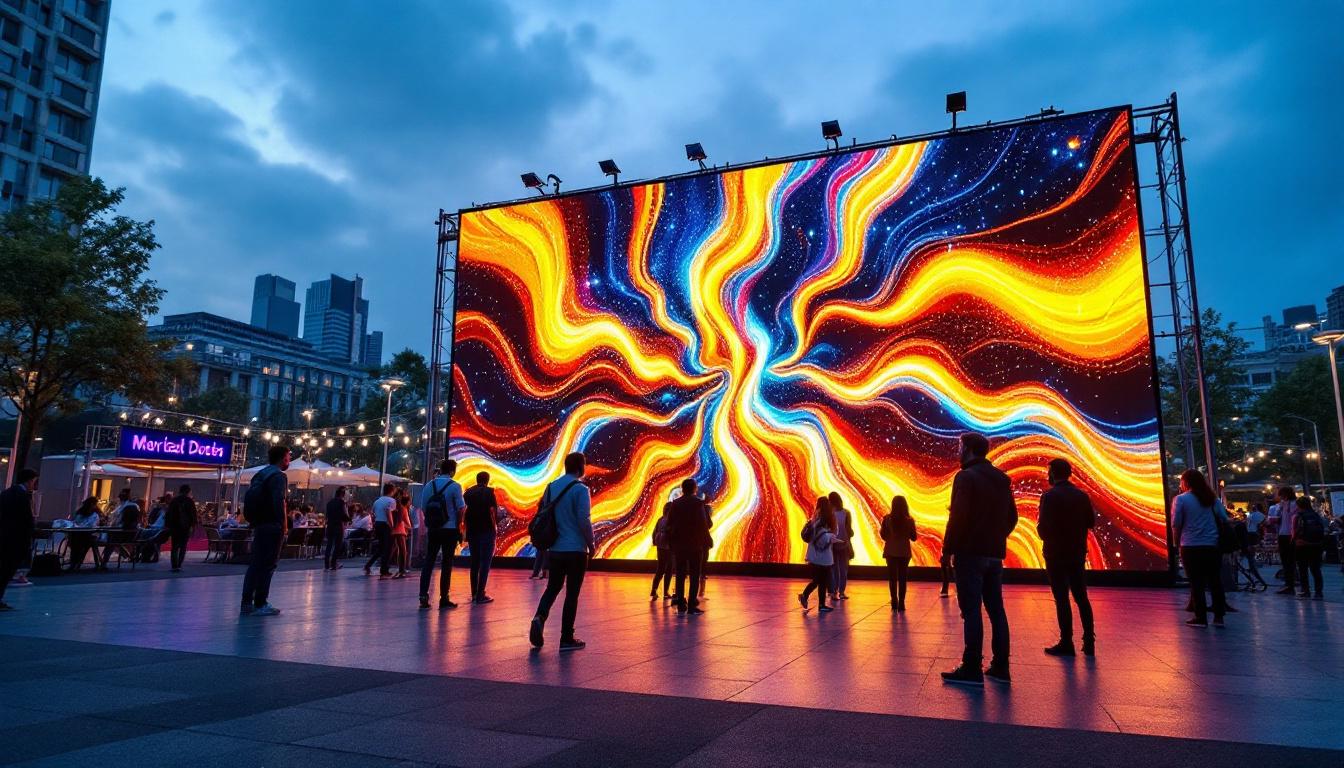
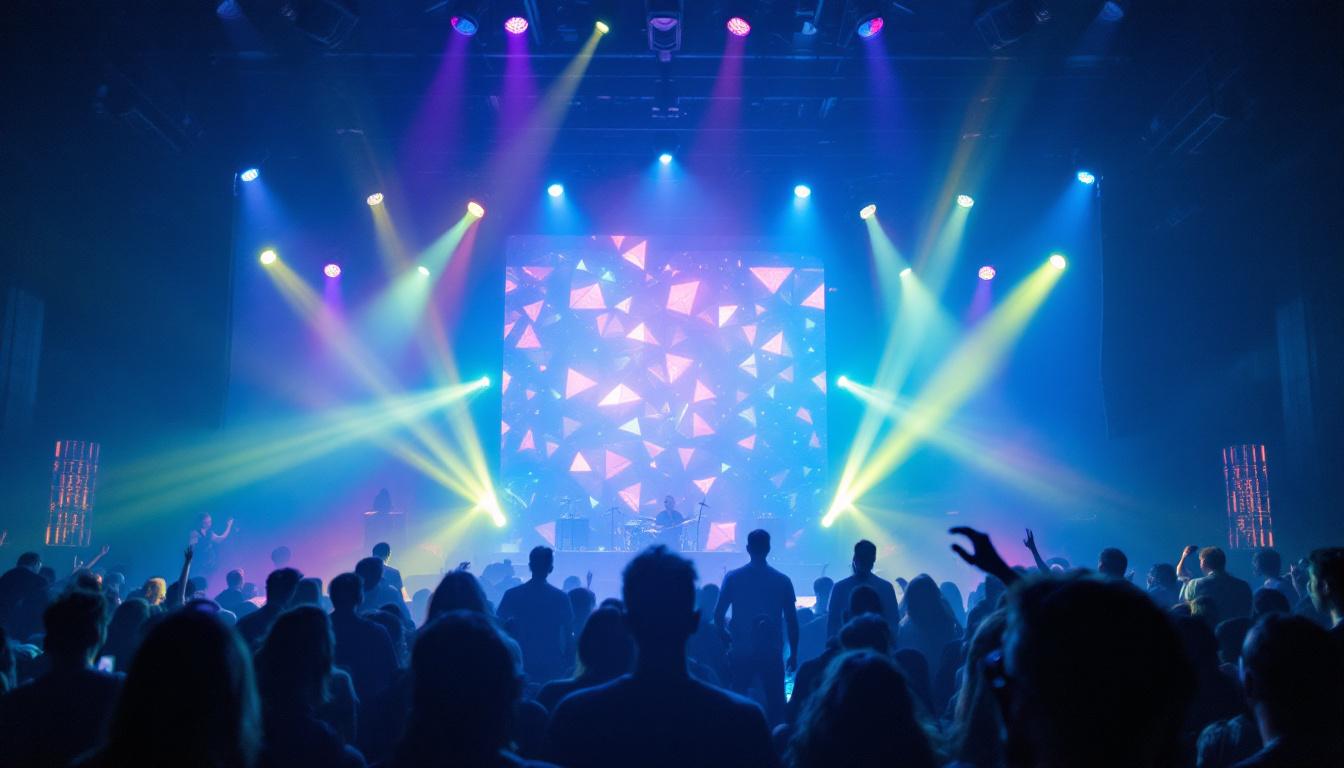
Sports arenas and concert venues were among the first adopters of Jumbotron technology. These screens enhance the spectator experience by displaying live action, instant replays, player statistics, and interactive content. Modern LED displays have replaced older CRT-based Jumbotrons, offering better image quality and more flexible installation options.
For instance, the AT&T Stadium in Texas features one of the largest LED video boards in the world, measuring over 160 feet wide and 72 feet tall. This screen provides fans with an immersive viewing experience that complements the live event.
Advertising and Marketing
Digital billboards and LED displays have revolutionized outdoor advertising. Brands can now deliver dynamic, targeted content that changes throughout the day or in response to real-time data such as weather or traffic conditions. This adaptability increases engagement and return on investment.
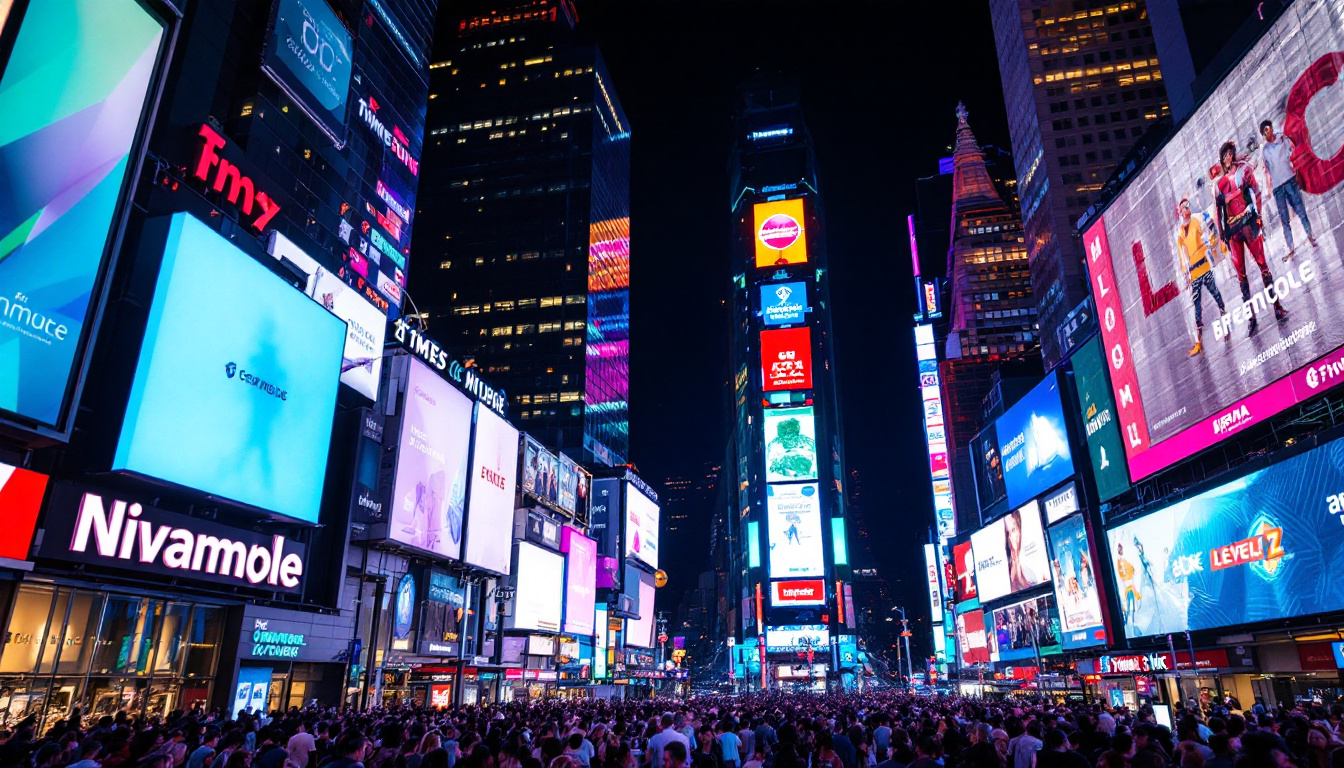
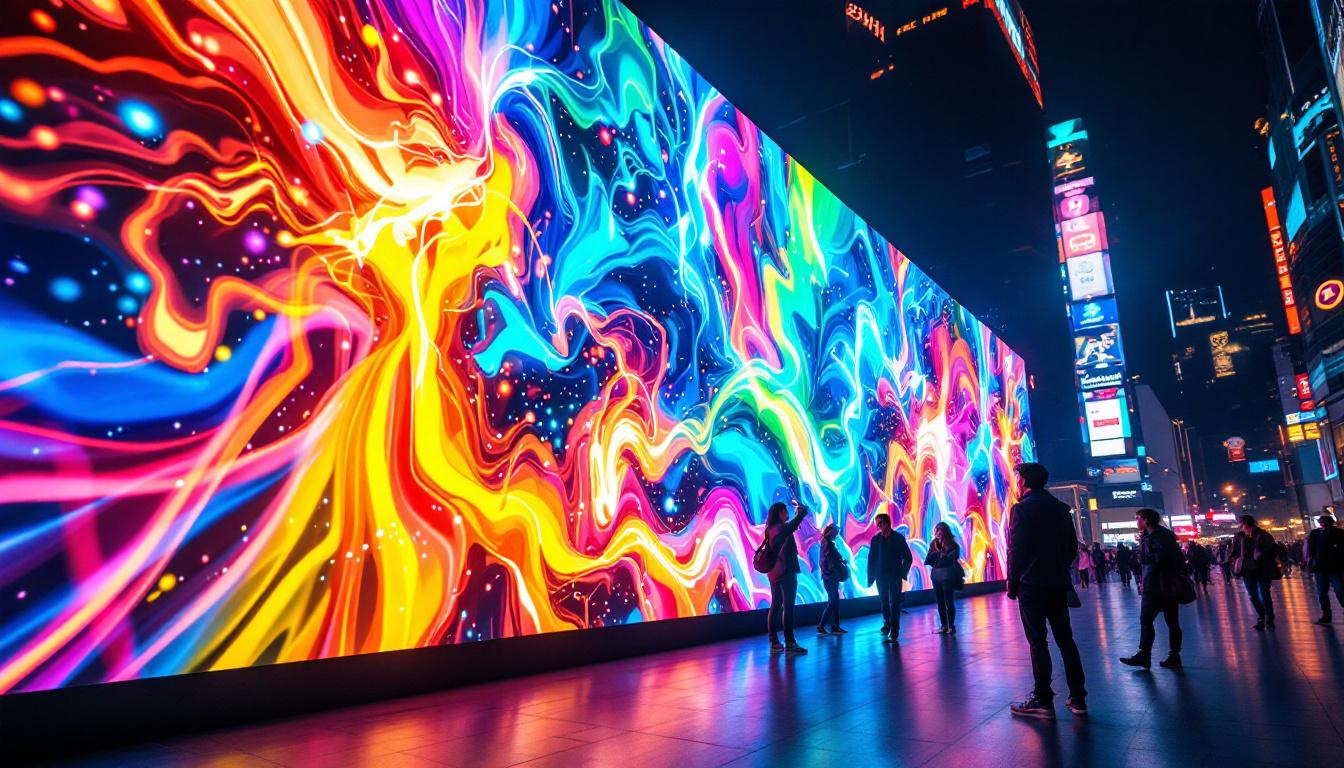
Times Square in New York City is a prime example, with dozens of massive LED screens creating a vibrant, ever-changing advertising landscape that attracts millions of visitors annually.
Corporate and Retail Environments
Businesses use LED video walls and displays for branding, information dissemination, and customer engagement. In retail, these screens showcase promotions, product information, and interactive content to influence purchasing decisions. Corporate lobbies often feature video walls to display company achievements, news, and welcome messages.
Public Information and Transportation Hubs
Airports, train stations, and transit centers utilize large LED displays to provide real-time schedules, alerts, and wayfinding information. These screens improve passenger experience by delivering clear, up-to-date information in high-traffic environments.
Choosing the Right Term for Your Needs
When discussing or purchasing large digital displays, selecting the appropriate terminology can help clarify expectations and requirements.
Consider the Audience and Context
For marketing materials or public communications, terms like “digital billboard” or “giant screen” may resonate better with general audiences. In technical or professional settings, “LED display” or “video wall” might be more precise and informative.
Focus on Technology and Features
If the goal is to highlight the display technology, such as energy efficiency, resolution, or brightness, “LED display” is the most accurate term. For modular or multi-panel setups, “video wall” is preferred.
Branding and Legacy Terms
While “Jumbotron” remains a popular and recognizable term, it is technically a trademarked brand name. Using it generically can sometimes lead to confusion or legal issues. When possible, specifying the technology or type of display ensures clear communication.
The Future of Large-Scale LED Displays
As LED technology continues to advance, the capabilities and applications of large-scale displays are expanding rapidly.
Higher Resolutions and Flexibility
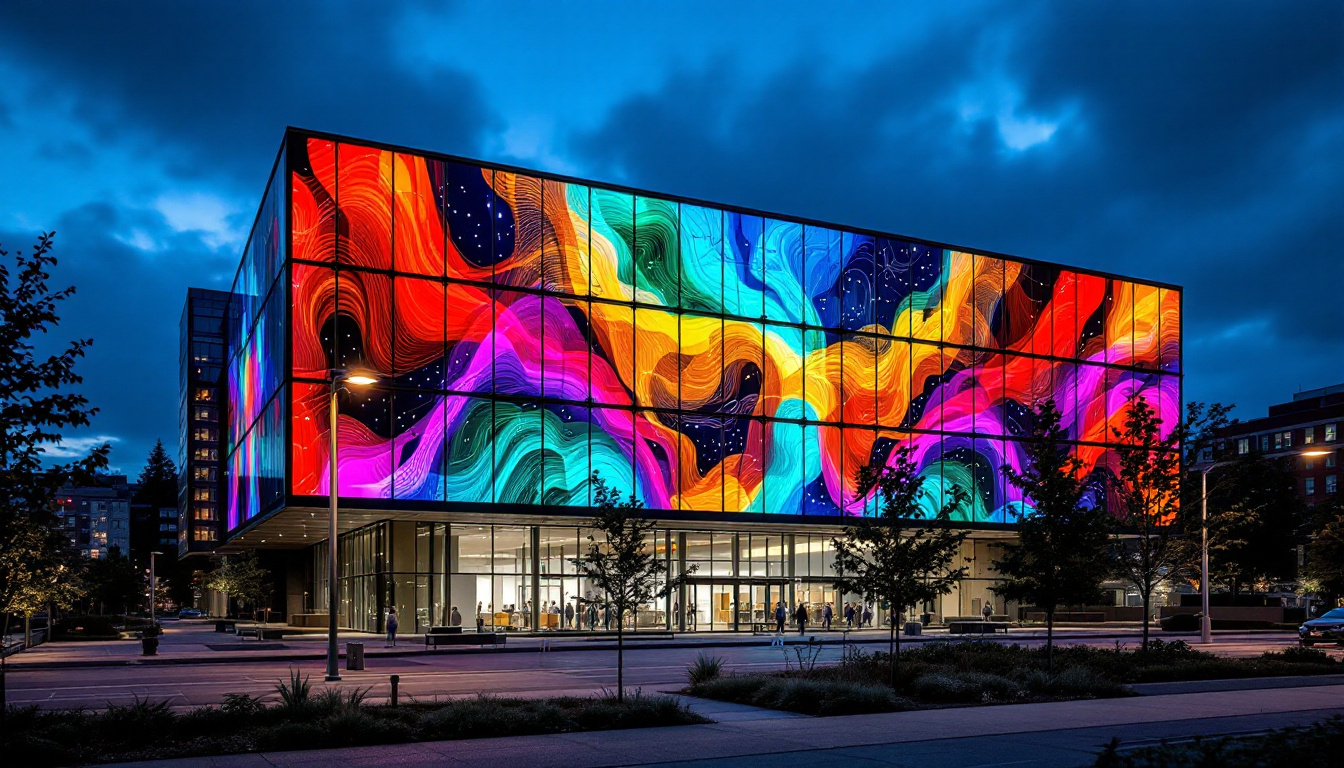
Emerging LED panels offer ultra-fine pixel pitches below 1mm, enabling stunning image clarity even at close viewing distances. Flexible and transparent LED displays are also being developed, allowing for innovative architectural integrations and new design possibilities.
Interactive and Smart Displays
Integration with sensors, cameras, and AI is transforming LED displays into interactive platforms. These smart displays can personalize content based on audience demographics, respond to gestures, or connect with mobile devices for enhanced engagement.
Sustainability and Energy Efficiency
Manufacturers are focusing on reducing power consumption and using eco-friendly materials to minimize the environmental impact of large LED installations. Advances in LED efficiency and smart brightness controls contribute to greener digital signage solutions.
Conclusion
While “Jumbotron” remains a culturally ingrained term for large-scale digital screens, a variety of other words such as LED display, video wall, digital billboard, and giant screen offer more precise or context-specific descriptions. Understanding these terms, the underlying technology, and their applications empowers businesses and individuals to make informed decisions when selecting or discussing large digital displays.
As LED technology evolves, so too will the terminology and possibilities for these impressive visual tools. Whether enhancing a sports event, delivering dynamic advertising, or providing critical public information, large LED displays continue to shape how audiences experience digital content on a grand scale.
Discover the Future of Visual Engagement with LumenMatrix
Ready to elevate your visual presence and create unforgettable experiences? LumenMatrix is at the forefront of LED display innovation, offering a diverse range of solutions tailored to meet your needs. From vibrant Indoor and Outdoor LED Wall Displays to dynamic Vehicle and Sports LED Displays, our technology is designed to captivate and engage. Explore our cutting-edge LED Poster Displays, immersive Floor LED Displays, and the sleek All-in-One LED Display options. With LumenMatrix, your message will resonate with clarity and impact. Check out LumenMatrix LED Display Solutions today and join the revolution in visual communication.