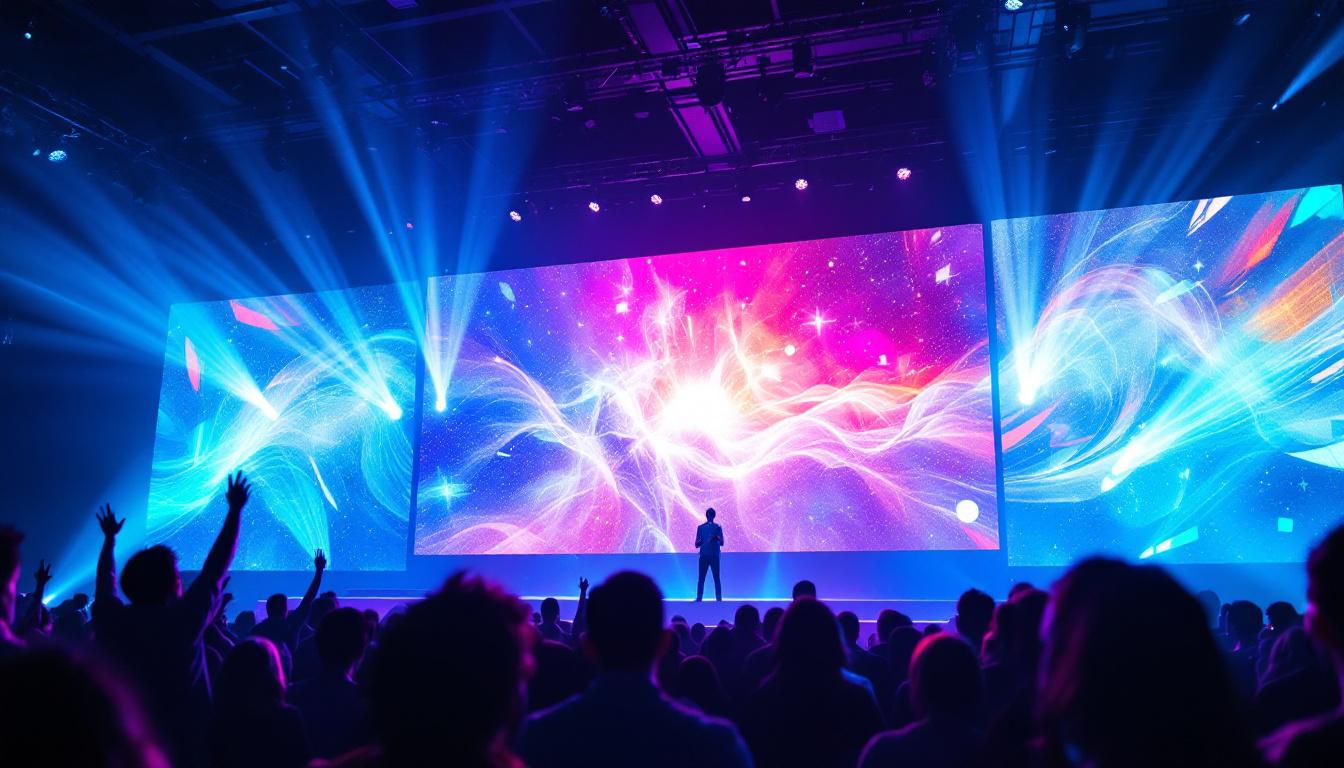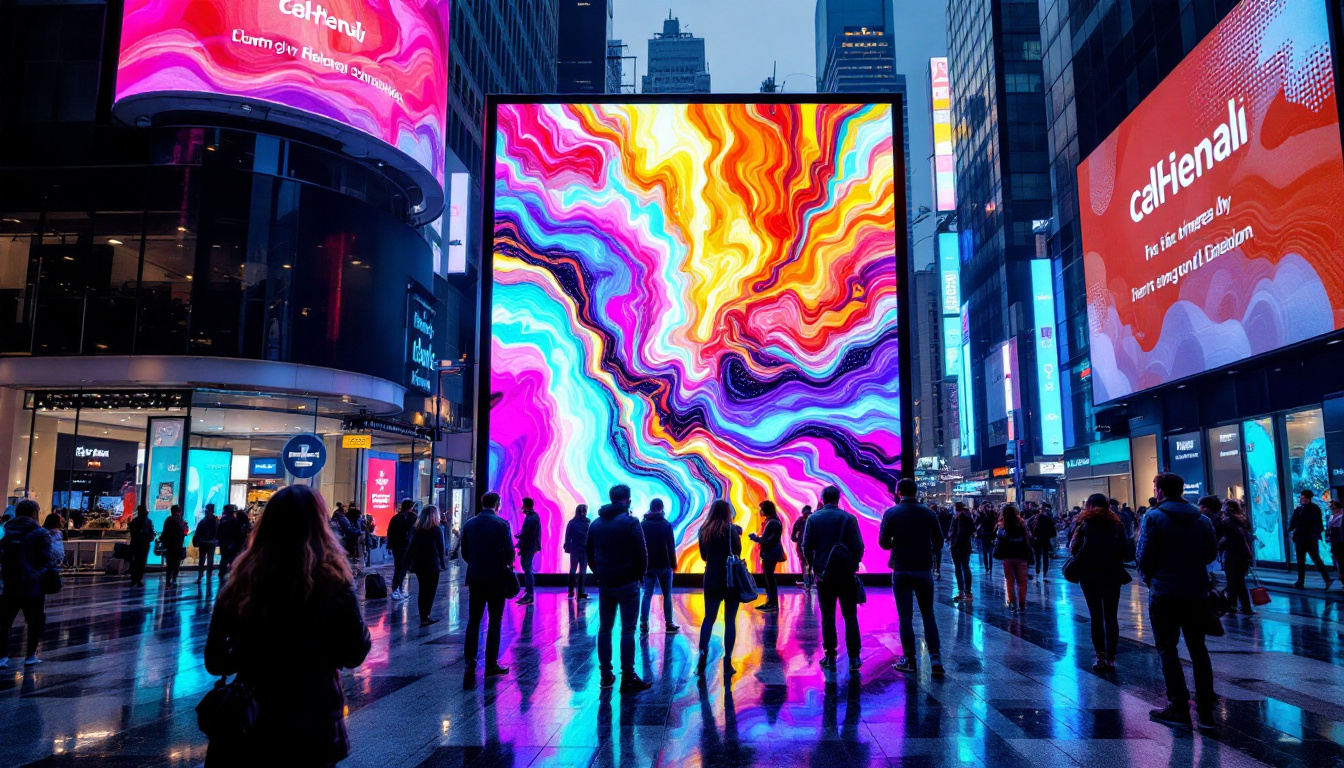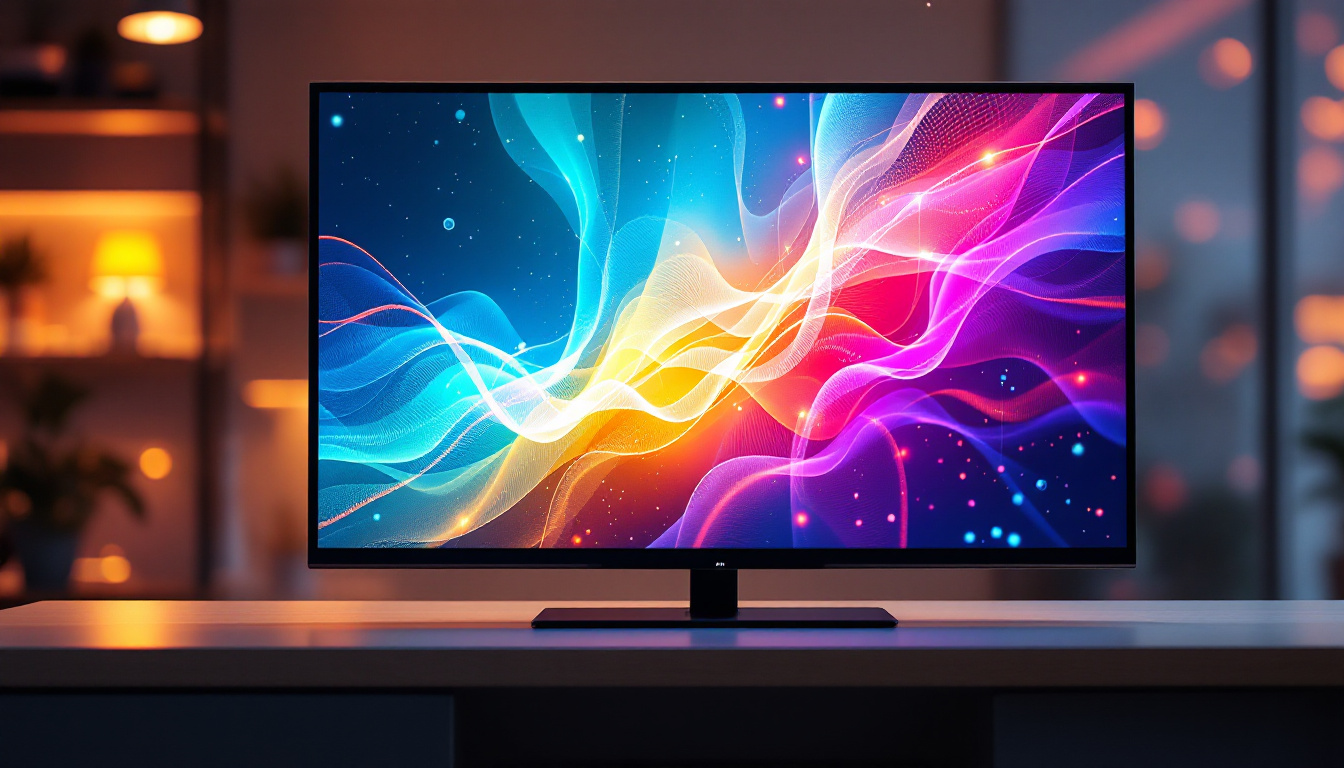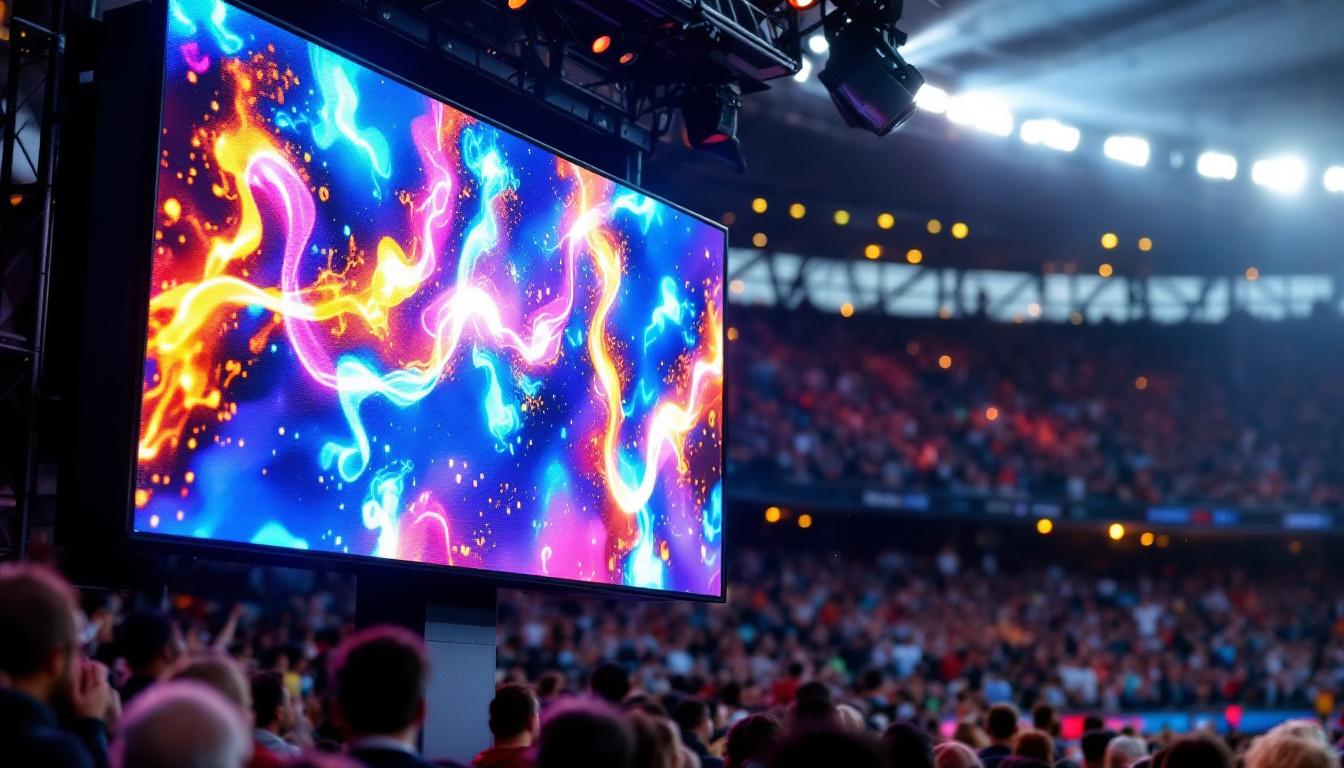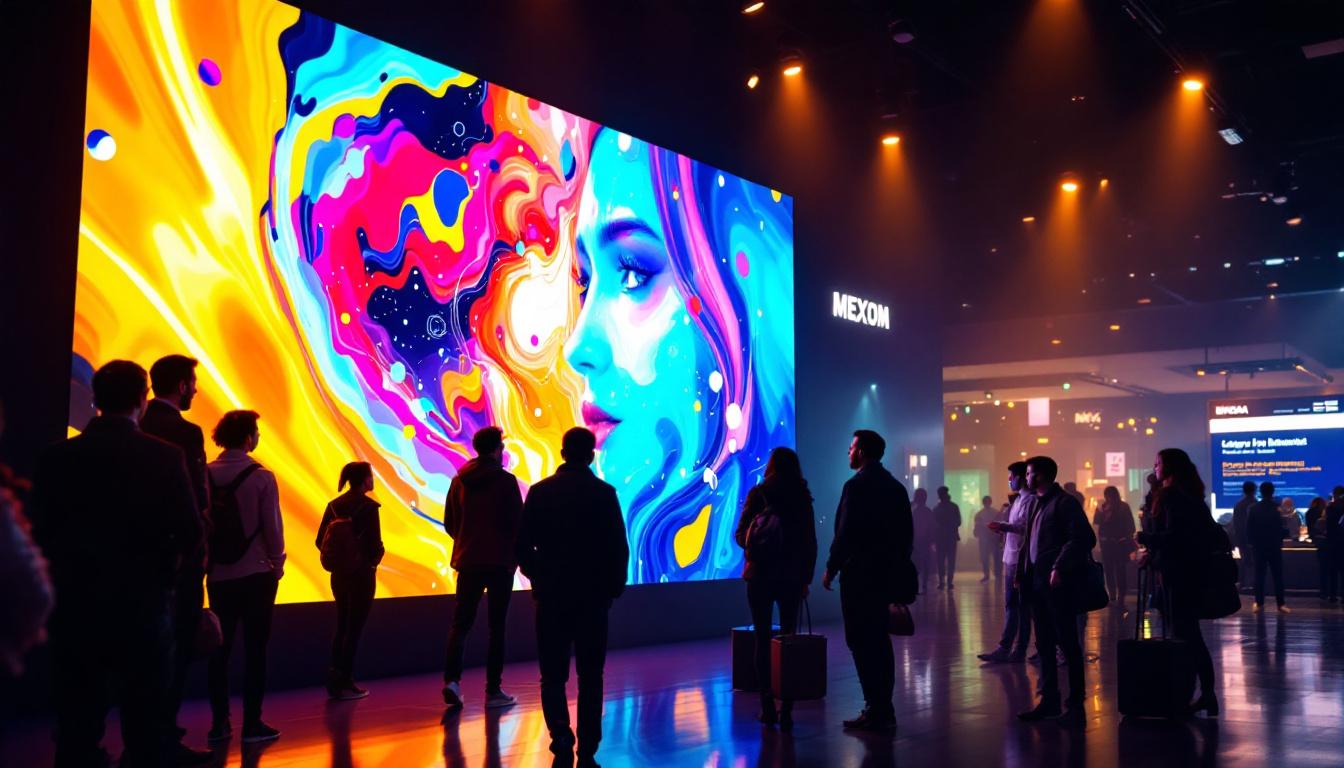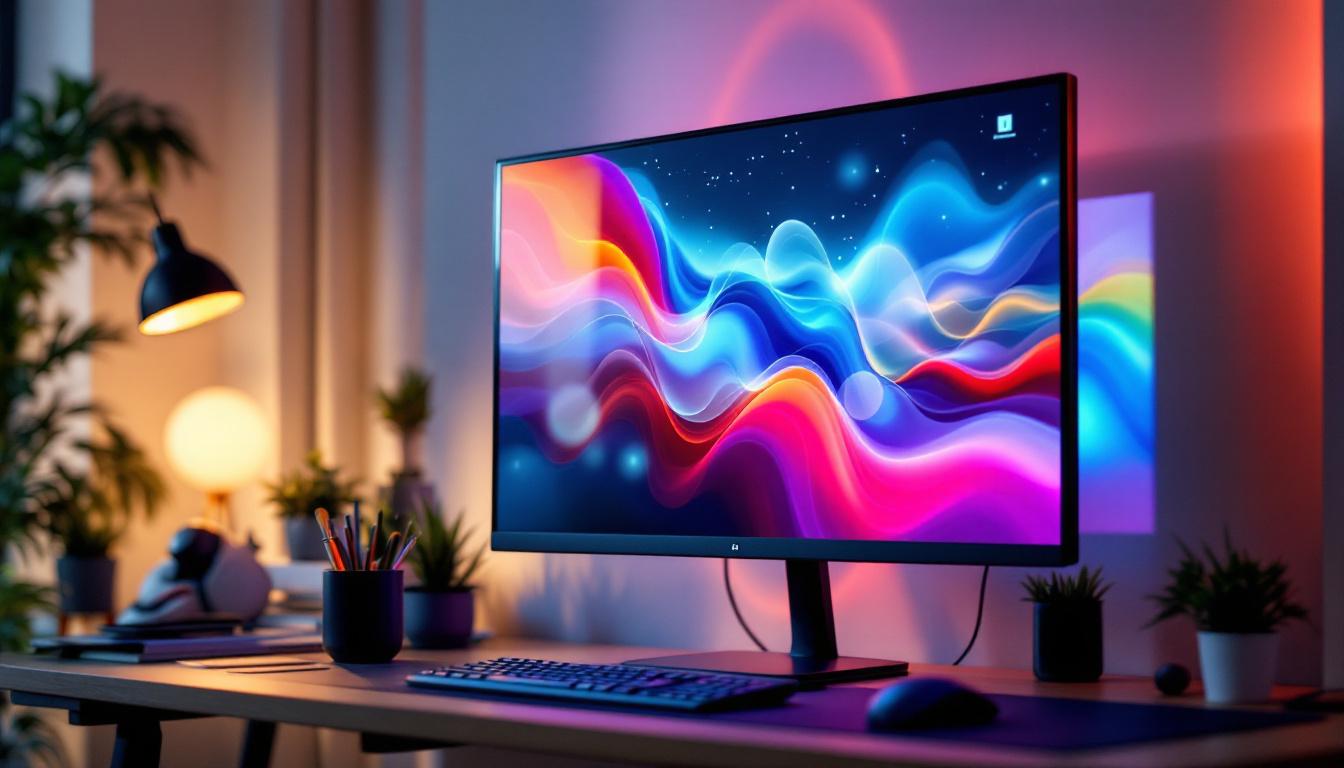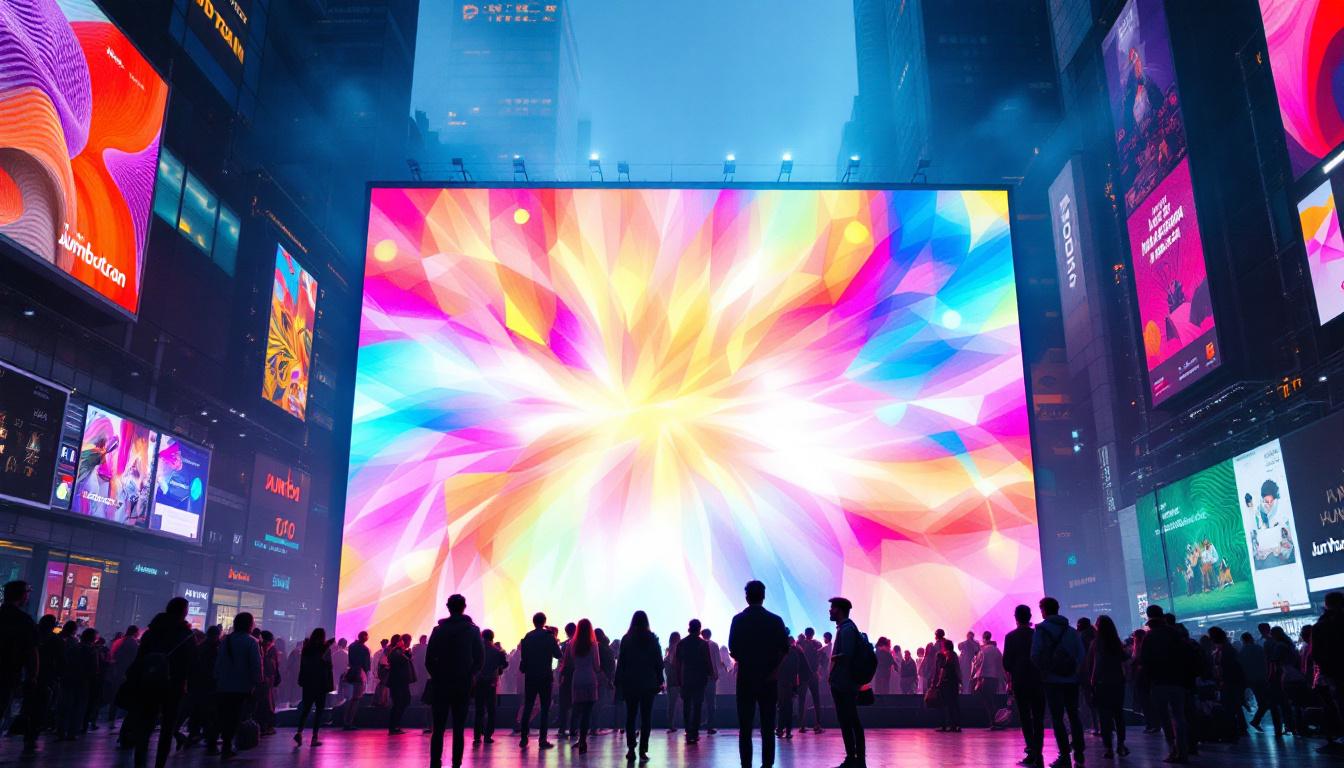
In today’s fast-paced world, visual communication plays a pivotal role in capturing attention and conveying messages effectively. Among the most dynamic and versatile tools for visual display are LED screens, which have revolutionized advertising, information dissemination, and entertainment. Jumbotran, a leading name in the LED display industry, offers innovative solutions that combine cutting-edge technology with robust design. This article delves into the fundamentals of LED displays, explores Jumbotran’s unique offerings, and explains why LED technology is shaping the future of digital signage.
Understanding LED Display Technology
At its core, an LED display is a flat panel that uses light-emitting diodes (LEDs) as pixels to produce images, videos, and text. Unlike traditional LCD or projection screens, LED displays emit their own light, which results in brighter visuals, better contrast, and superior energy efficiency. This self-illuminating characteristic not only enhances the viewing experience but also contributes to lower power consumption, making LED technology an environmentally friendly choice for modern displays.
How LED Displays Work
Each pixel in an LED display consists of one or more LEDs that emit red, green, and blue light. By varying the intensity of these colors, the display can produce a full spectrum of colors. This RGB (red, green, blue) system allows for vivid and accurate color reproduction, essential for eye-catching advertisements and clear informational content. The precision with which these colors can be mixed and displayed is a significant advancement over older technologies, enabling LED displays to showcase everything from subtle gradients to bold, saturated hues with remarkable fidelity.
The LEDs are arranged in a matrix, and the resolution depends on the pixel pitch—the distance between the centers of two adjacent pixels. Smaller pixel pitches mean higher resolution and sharper images, which is crucial for close viewing distances. This is particularly important in settings like concert venues or trade shows, where audiences are often positioned just a few feet away from the screen. The ability to maintain image clarity at such proximity is one of the defining features of high-quality LED displays.
Types of LED Displays
LED displays come in various forms, each suited for different applications:
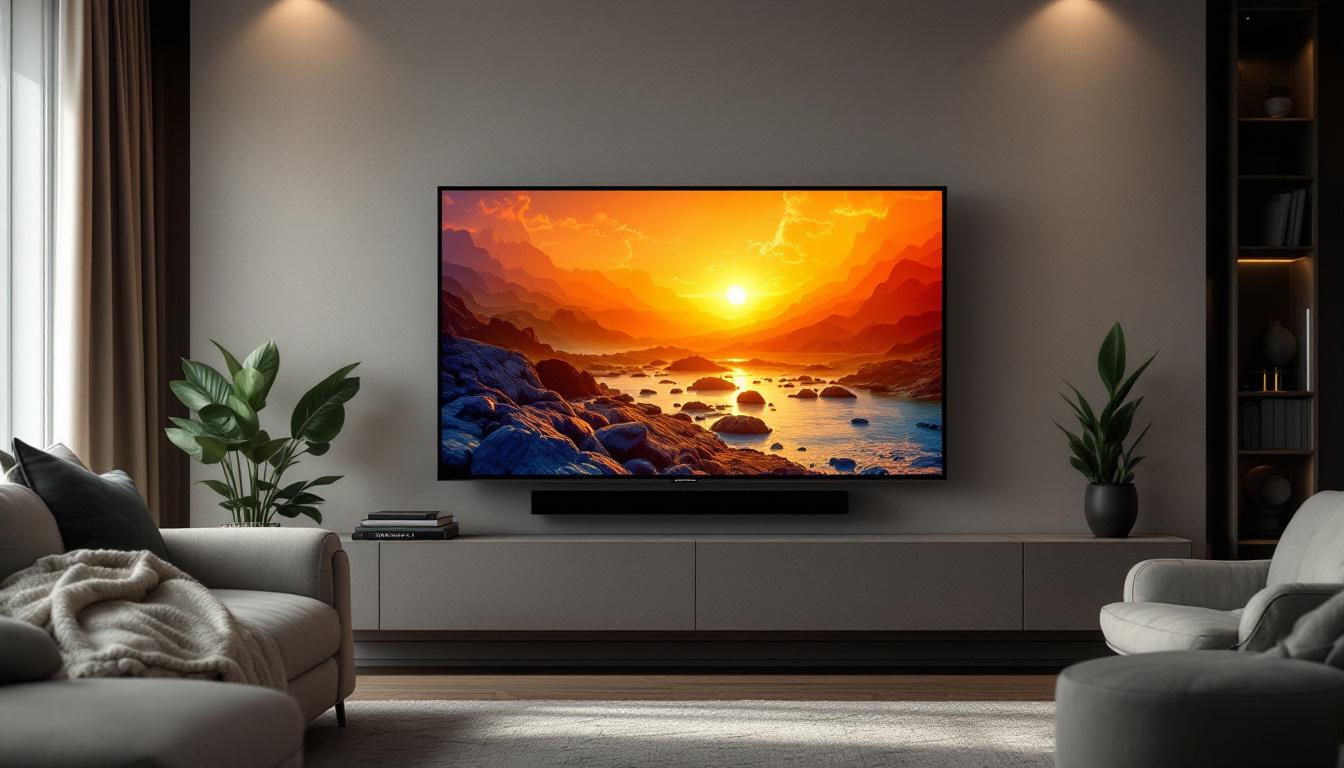
- Indoor LED Displays: Designed for close-range viewing, these screens have a small pixel pitch (often less than 2.5mm) to ensure high resolution and clarity. They are commonly used in environments such as shopping malls, conference rooms, and broadcasting studios, where detail and color accuracy are paramount.
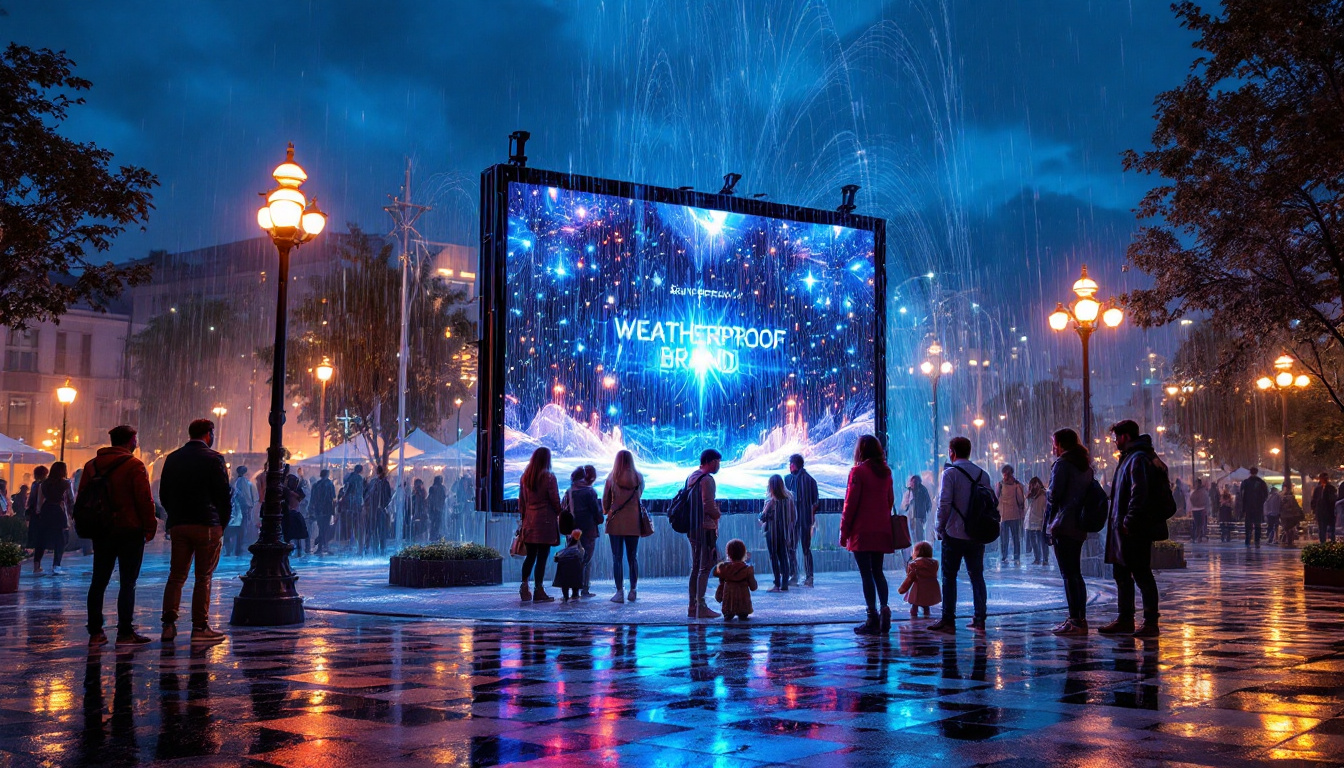
- Outdoor LED Displays: Built to withstand harsh weather conditions, these displays have higher brightness levels (up to 7,000 nits or more) to remain visible even in direct sunlight. Their robust construction often includes protective coatings to shield against rain, dust, and temperature fluctuations, making them ideal for billboards, sports arenas, and public event signage.
- Flexible LED Displays: These innovative screens can bend or curve, allowing for creative installations on curved surfaces or irregular shapes. This flexibility opens up new possibilities for artistic displays and immersive environments, enabling designers to think outside the box and create captivating visual experiences.
- Transparent LED Displays: Offering see-through capabilities, these are ideal for storefront windows and architectural applications where visibility from both sides is desired. They allow for the integration of digital content without obstructing the view of the products behind the screen, creating a unique blend of digital advertising and physical retail space.
In addition to these types, LED technology has also evolved to include advancements such as microLED and miniLED displays. MicroLED technology utilizes microscopic LEDs to create ultra-high-resolution screens that offer exceptional brightness and contrast, while miniLED technology enhances traditional LCD displays by using smaller LEDs for backlighting, resulting in improved picture quality and energy efficiency. These innovations continue to push the boundaries of what’s possible with LED display technology, ensuring that it remains at the forefront of visual communication solutions.
Jumbotran’s LED Display Solutions
Jumbotran has established itself as a pioneer in the LED display market by focusing on quality, innovation, and customer-centric solutions. Their product lineup caters to a wide range of industries, including retail, transportation, sports arenas, and corporate environments.
High-Resolution Indoor Displays
For indoor environments where viewers are close to the screen, Jumbotran offers LED displays with pixel pitches as low as 1.2mm. These ultra-fine pitch screens deliver crisp images and smooth video playback, making them ideal for conference rooms, control centers, and retail spaces.
One notable example is the use of Jumbotran’s indoor LED walls in luxury shopping malls, where brands leverage the high-quality visuals to enhance customer engagement and drive sales. The displays support 4K resolution and advanced color calibration, ensuring vibrant and true-to-life imagery.
Durable Outdoor Displays
Outdoor LED displays from Jumbotran are engineered to perform reliably under extreme weather conditions, including rain, dust, and temperature fluctuations. With IP65 or higher ratings, these screens maintain their performance and brightness regardless of the environment.
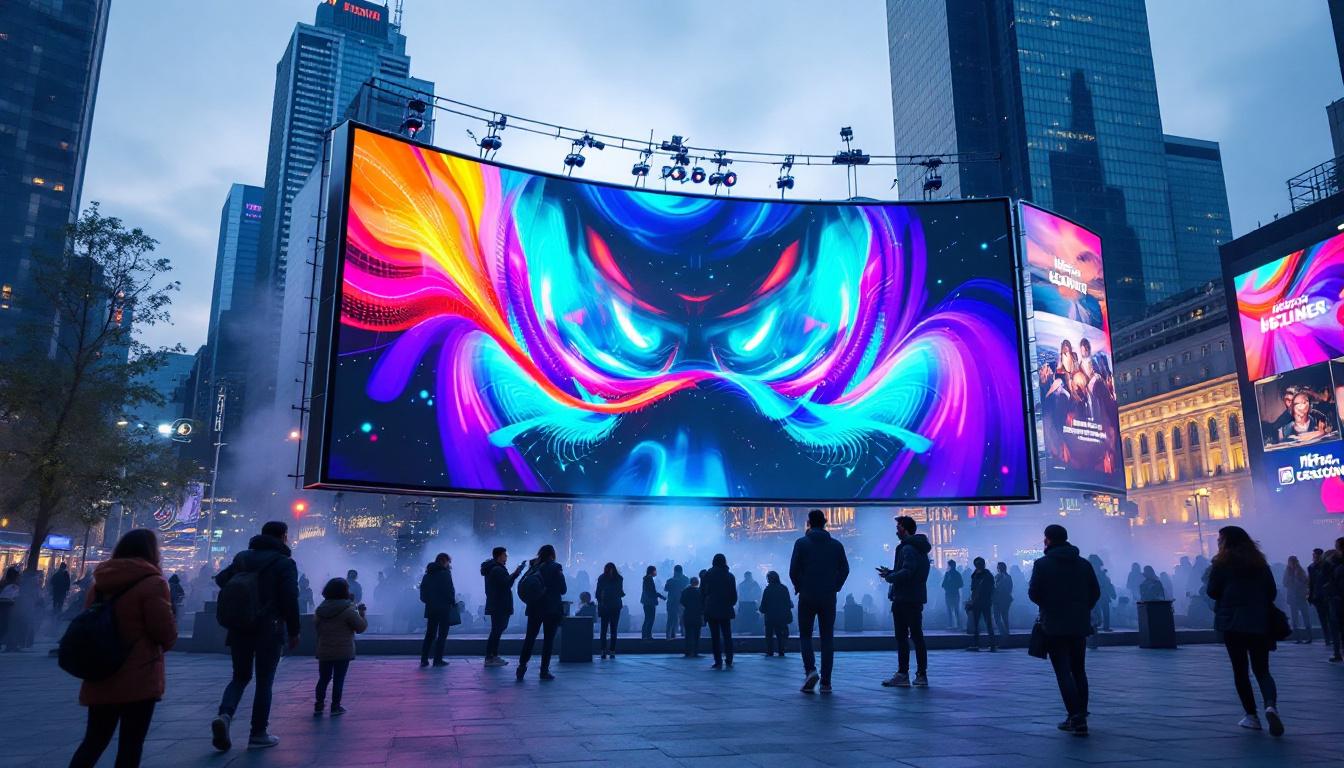
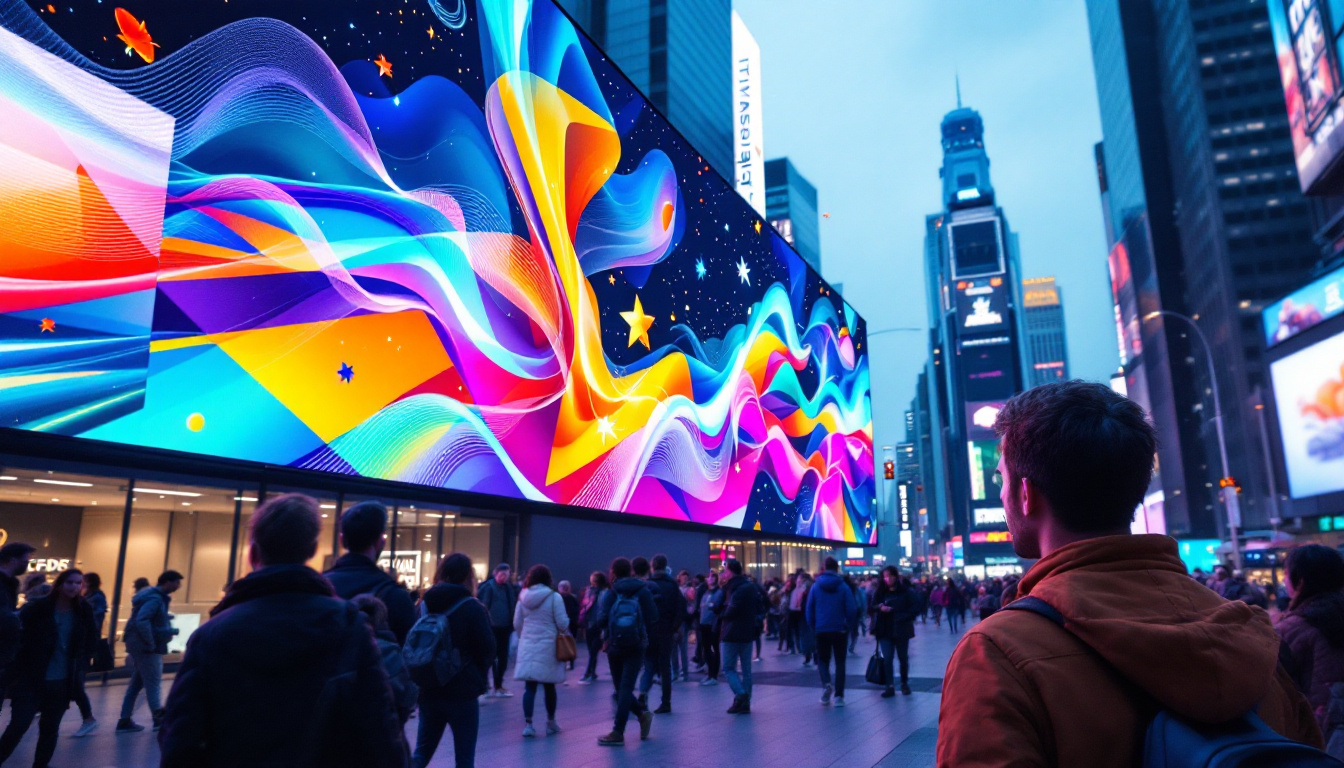
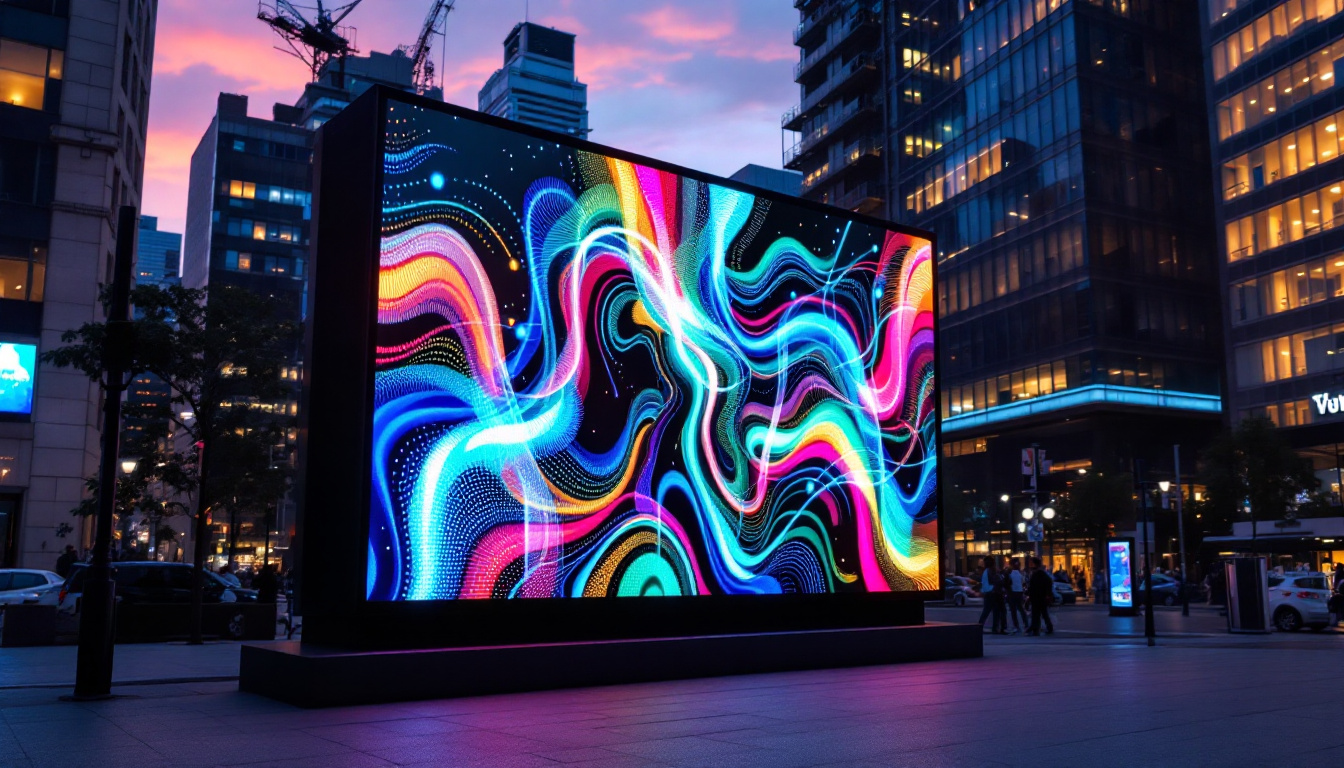
Jumbotran’s outdoor LED billboards are widely used in urban centers and highways, where they deliver impactful advertising messages to thousands of viewers daily. The high brightness and anti-glare technology ensure visibility even in direct sunlight, while energy-efficient components reduce operational costs.
Customizable and Scalable Solutions
One of Jumbotran’s strengths lies in its ability to provide tailored LED display solutions. Whether a client needs a massive stadium screen or a compact digital signage panel, Jumbotran can customize the size, resolution, and features to meet specific requirements.
Additionally, their modular design approach allows for scalability. Businesses can start with a smaller installation and expand the display area over time without replacing the entire system. This flexibility is particularly valuable for growing enterprises and evolving marketing strategies.
Advantages of LED Displays Over Traditional Technologies
LED displays offer numerous benefits compared to conventional display technologies such as LCD, projection, or printed signage. Understanding these advantages helps businesses and organizations make informed decisions when investing in digital signage.
Superior Brightness and Visibility
LEDs can achieve brightness levels far beyond those of LCD screens, often exceeding 5,000 nits for outdoor models. This makes LED displays highly visible in bright environments, including direct sunlight, which is a significant limitation for many other display types.
Energy Efficiency and Longevity
LED technology is inherently energy-efficient because LEDs convert most of the electrical energy into light rather than heat. This efficiency translates into lower operating costs and a smaller carbon footprint. Furthermore, LED displays typically have a lifespan of 50,000 to 100,000 hours, which is considerably longer than traditional bulbs or LCD backlights.
Vivid Colors and High Contrast
Because LEDs emit light directly, they can achieve deeper blacks and more vibrant colors. This high contrast ratio enhances image quality, making content more engaging and easier to read from a distance.
Flexibility and Design Freedom
LED displays can be manufactured in various shapes and sizes, including curved, flexible, and transparent formats. This versatility opens up creative possibilities for architects, advertisers, and event planners, enabling unique installations that were previously impossible.
Applications of Jumbotran LED Displays
The versatility of Jumbotran’s LED displays allows them to serve a wide array of industries and use cases. Here are some of the most prominent applications:
Advertising and Marketing
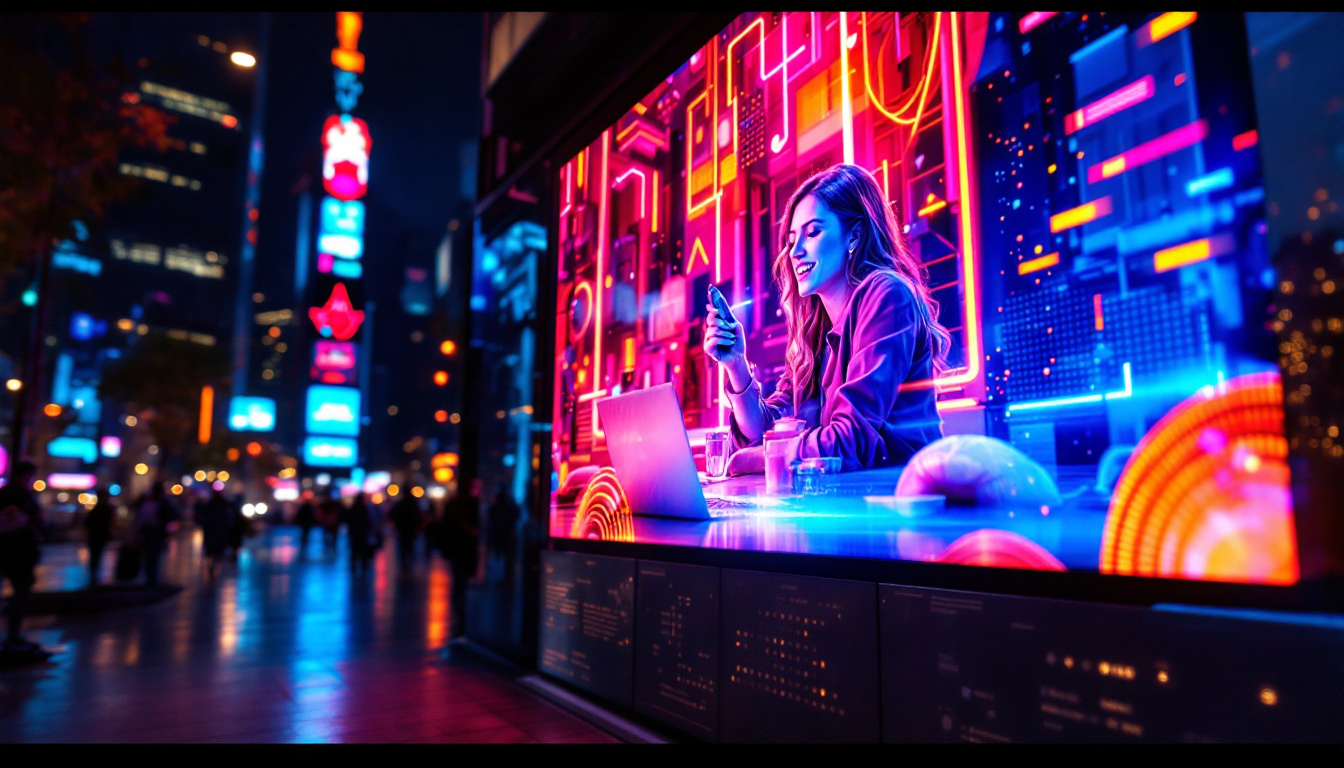
Digital billboards and retail displays powered by Jumbotran’s LED technology are transforming the advertising landscape. Dynamic content can be updated in real-time, allowing brands to tailor messages based on time of day, audience demographics, or special promotions. This adaptability enhances engagement and ROI.
Transportation and Public Information
Airports, train stations, and bus terminals utilize LED displays to provide real-time information such as arrivals, departures, and emergency alerts. The high visibility and reliability of Jumbotran’s outdoor LED screens ensure that travelers receive timely updates, improving overall experience and safety.
Sports and Entertainment Venues
Stadiums and arenas rely on large-format LED screens to deliver live game footage, replays, and interactive content to spectators. Jumbotran’s scalable and high-brightness LED walls enhance the atmosphere and keep fans engaged throughout events.
Corporate and Educational Environments
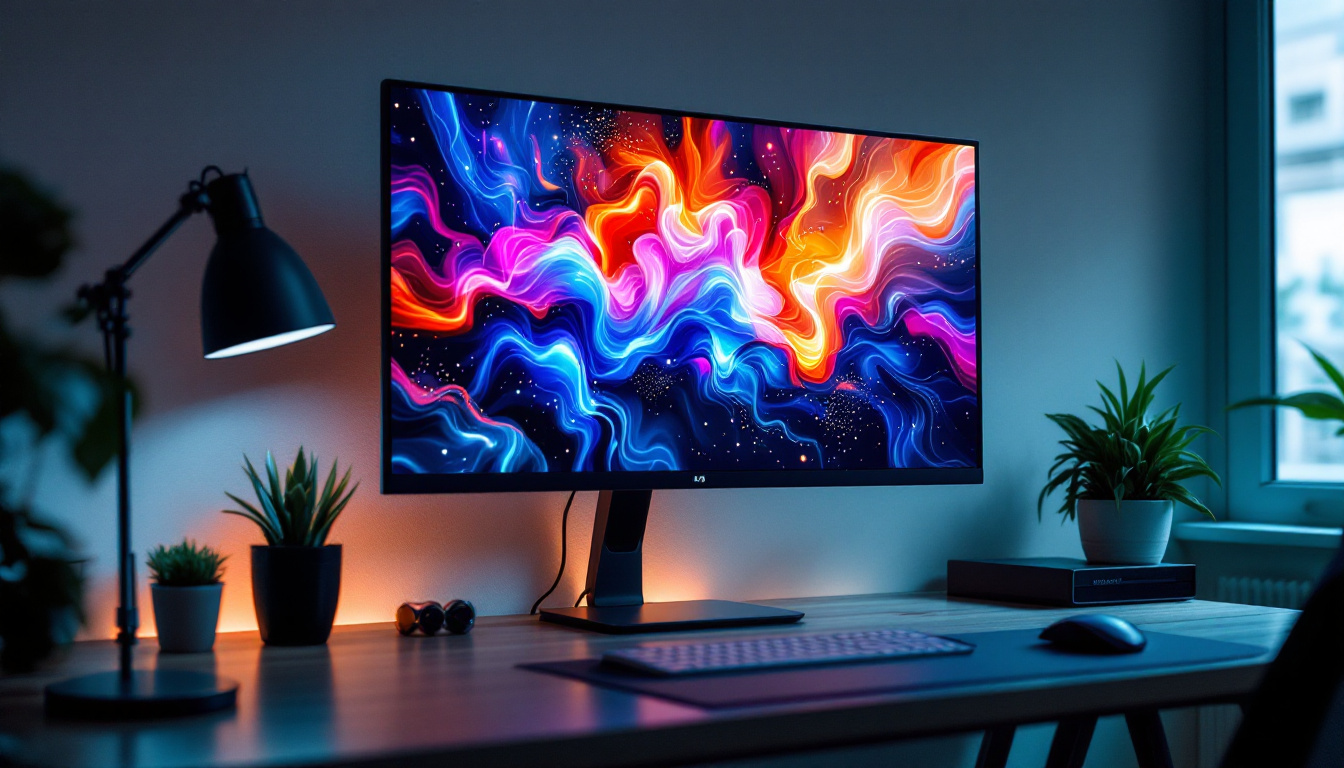
In offices and educational institutions, LED displays facilitate presentations, video conferencing, and digital signage. Their clarity and brightness make them ideal for boardrooms, lecture halls, and common areas.
Future Trends in LED Display Technology
The LED display industry is continuously evolving, driven by advances in materials science, electronics, and software. Jumbotran remains at the forefront by integrating these innovations into their products.
MicroLED and MiniLED Technologies
Emerging microLED and miniLED technologies promise even higher resolution, better color accuracy, and improved energy efficiency. These tiny LEDs allow for ultra-fine pixel pitches, enabling displays with unprecedented clarity for both indoor and outdoor applications.
Artificial Intelligence and Content Management
AI-powered content management systems are becoming integral to LED display networks. These systems analyze viewer behavior, optimize content scheduling, and automate maintenance alerts, maximizing the effectiveness and uptime of digital signage.
Interactive and Immersive Experiences
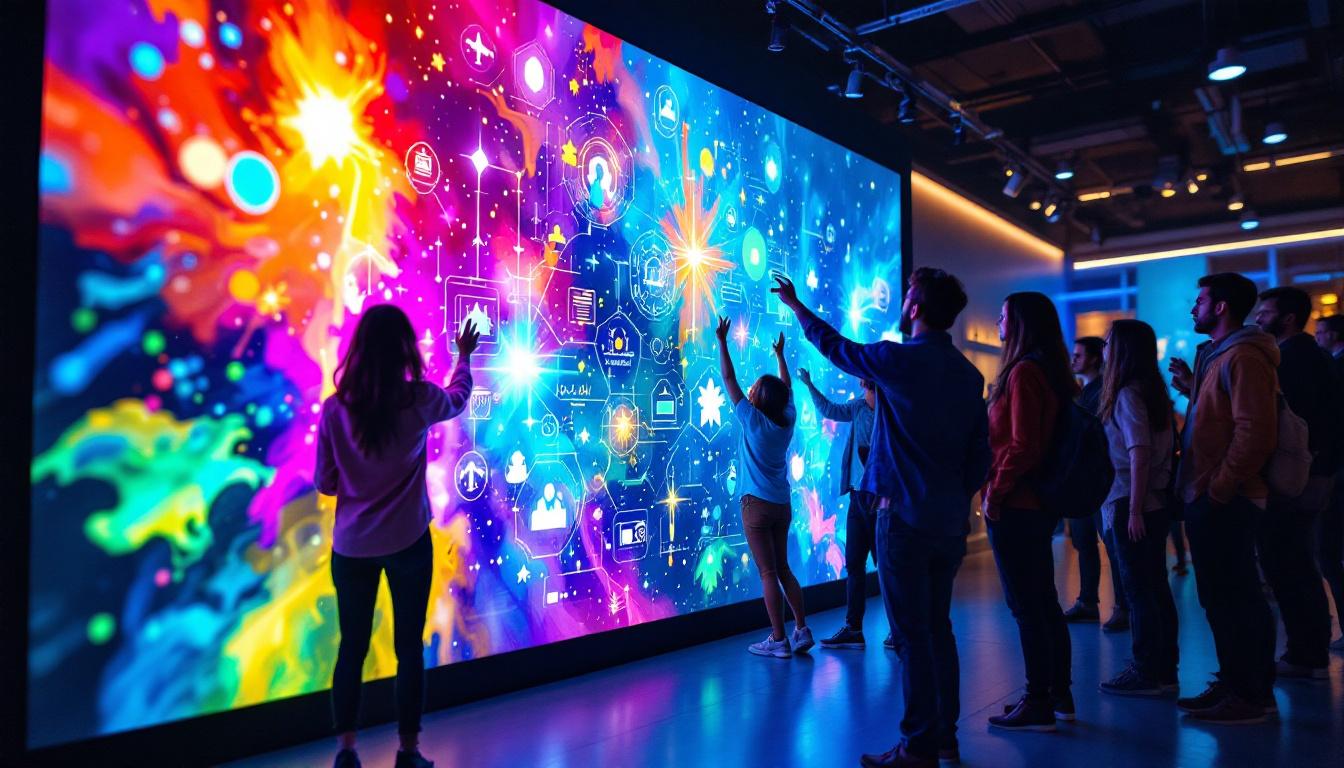
Future LED displays will increasingly incorporate interactive elements such as touch sensitivity, gesture recognition, and augmented reality overlays. This will create immersive experiences that engage audiences on a deeper level, transforming how information and entertainment are delivered.
Choosing the Right LED Display: Key Considerations
Selecting an LED display involves evaluating several factors to ensure the solution aligns with specific needs and budget constraints.
Viewing Distance and Resolution
The pixel pitch should correspond to the typical viewing distance. For example, a display with a 2mm pixel pitch is suitable for viewing distances of about 2 meters or more. Larger pixel pitches are acceptable for displays intended to be seen from farther away, such as billboards.
Brightness and Environmental Conditions
Outdoor displays require higher brightness levels and weatherproofing. It is essential to verify the display’s IP rating and brightness specifications to ensure reliable performance in the intended environment.
Installation and Maintenance
Consider the ease of installation, modularity, and accessibility for maintenance. Jumbotran’s modular LED panels simplify repairs and upgrades, reducing downtime and operational costs.
Content Management Capabilities
Effective content management software is critical for maximizing the impact of LED displays. Look for solutions that support remote updates, scheduling, and analytics to streamline operations.
Conclusion
Jumbotran’s LED displays represent a fusion of advanced technology, durability, and design flexibility. Whether used for advertising, public information, entertainment, or corporate communication, these displays offer unparalleled brightness, clarity, and energy efficiency. As LED technology continues to advance, Jumbotran remains a trusted partner for businesses seeking to harness the power of digital visual communication.
Investing in the right LED display solution can transform how organizations engage with their audiences, making messages more impactful and experiences more memorable. Understanding the technology and options available is the first step toward leveraging the full potential of LED displays in today’s digital landscape.
Discover LumenMatrix’s Innovative LED Solutions
Ready to elevate your visual communication strategy with the latest in LED technology? Look no further than LumenMatrix, a pioneer in crafting LED display modules that bring your brand to life. From the immersive Indoor LED Wall Display to the dynamic Outdoor LED Wall Display, and from the versatile Vehicle LED Display to the sleek LED Poster Display, LumenMatrix offers a comprehensive range of solutions tailored to your unique needs. Embrace the future of digital signage with our LED Sports Display, Floor LED Display, Custom LED Display, All-in-One LED Display, and LED Transparent Display. Experience the transformative impact of our displays and join the revolution in visual communication. Check out LumenMatrix LED Display Solutions and start creating unforgettable visual experiences today.