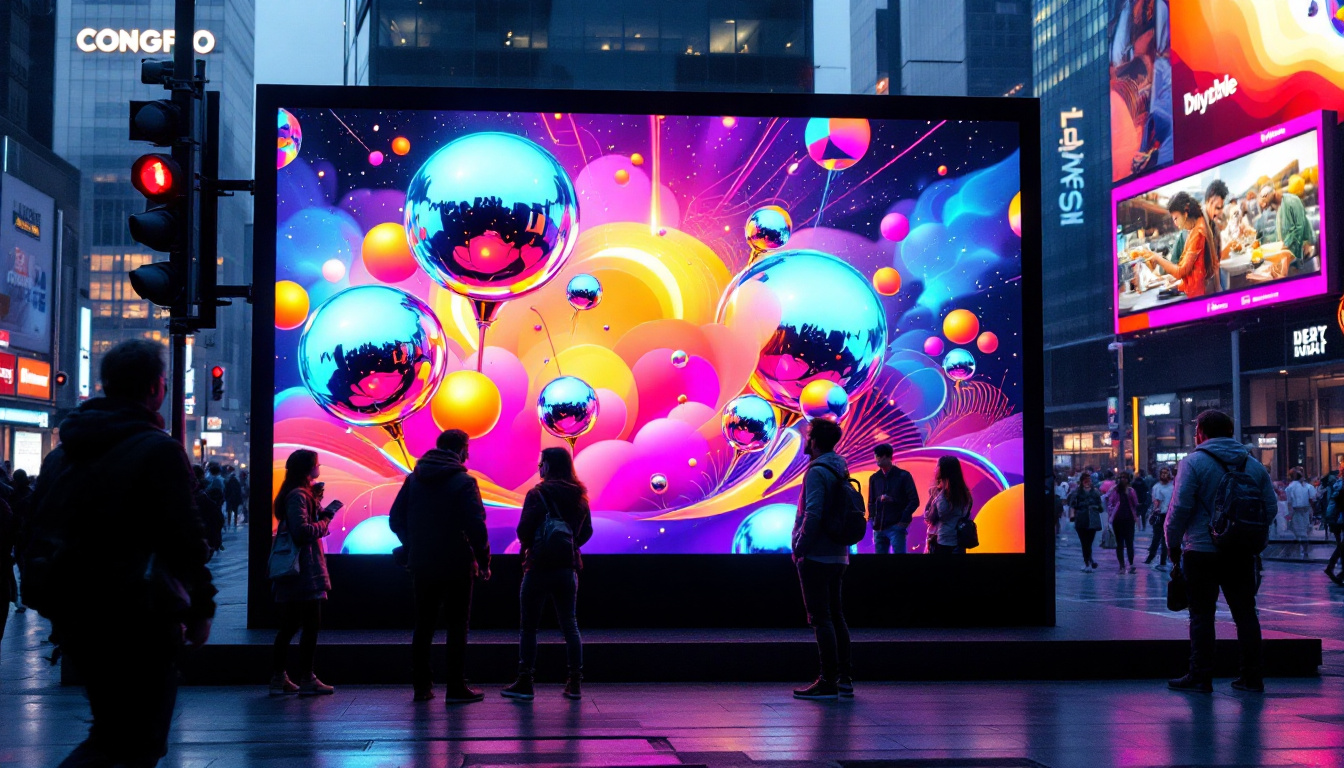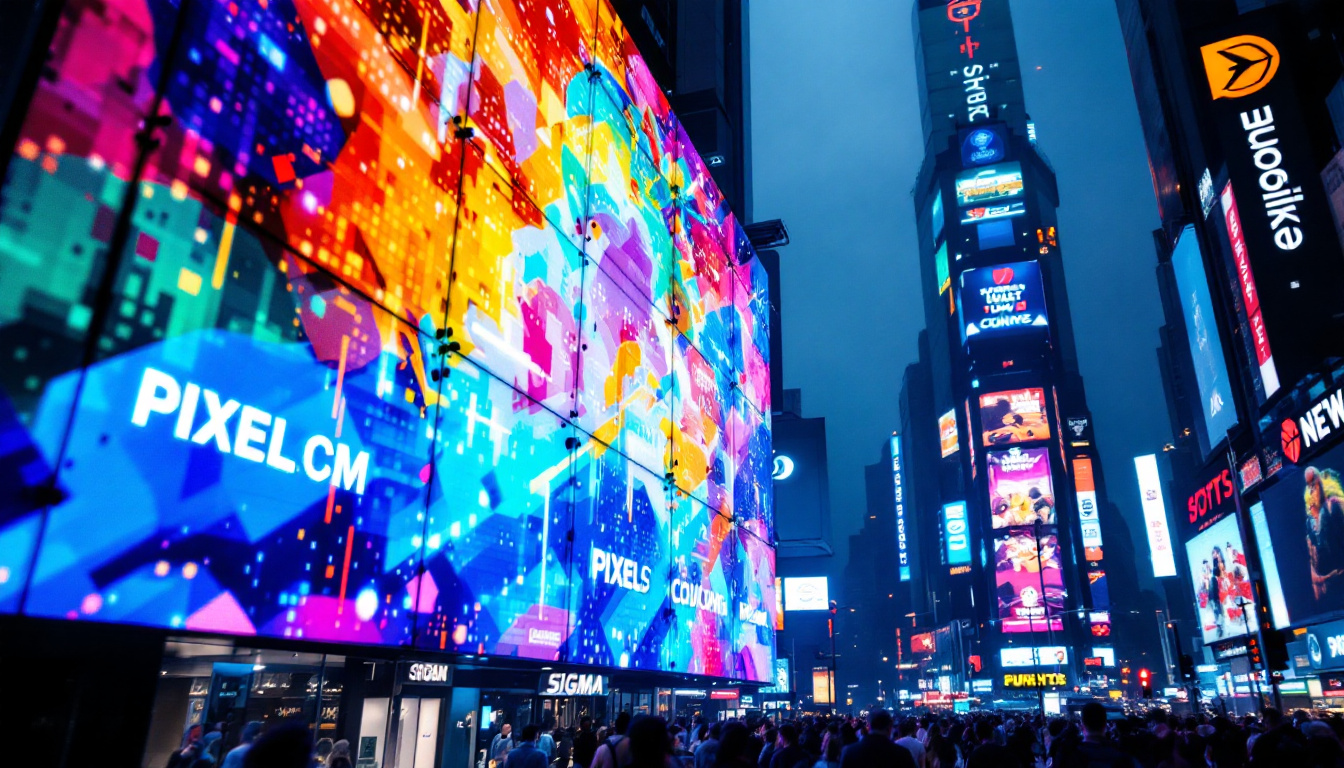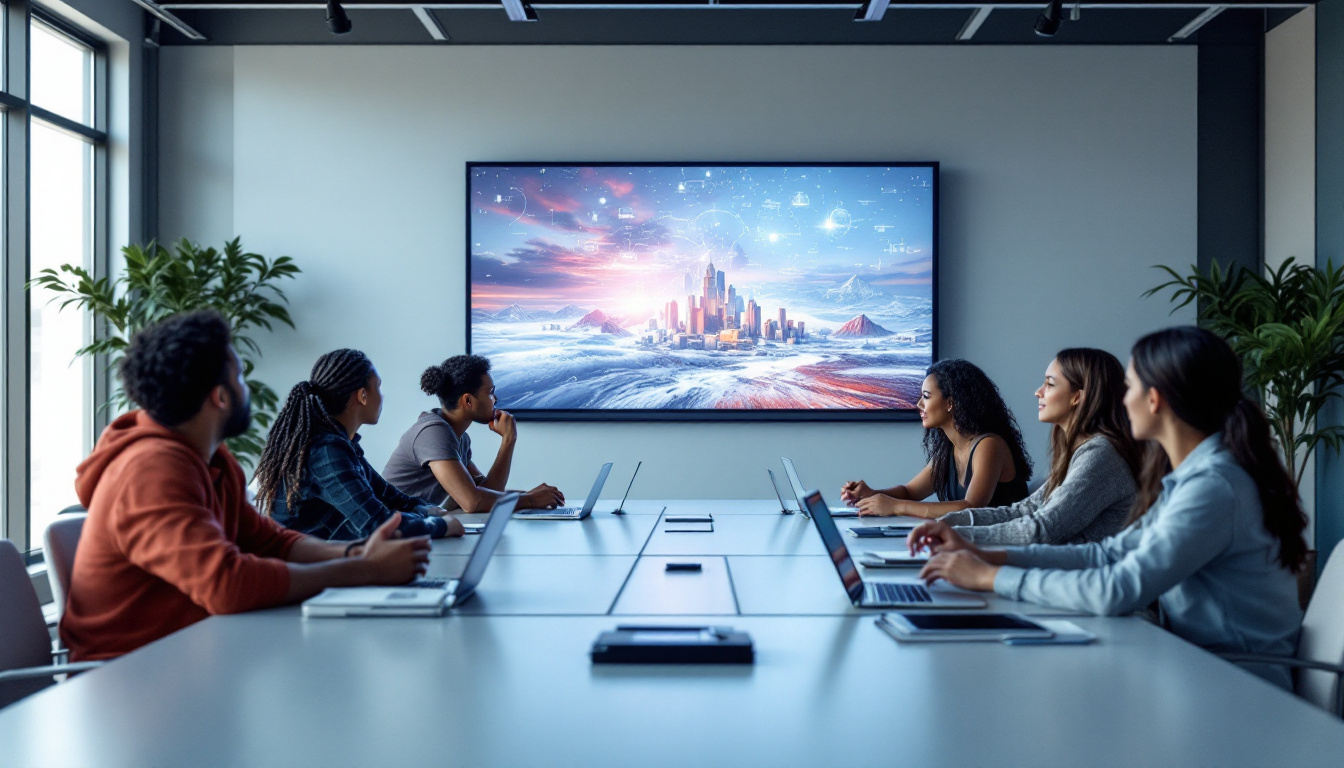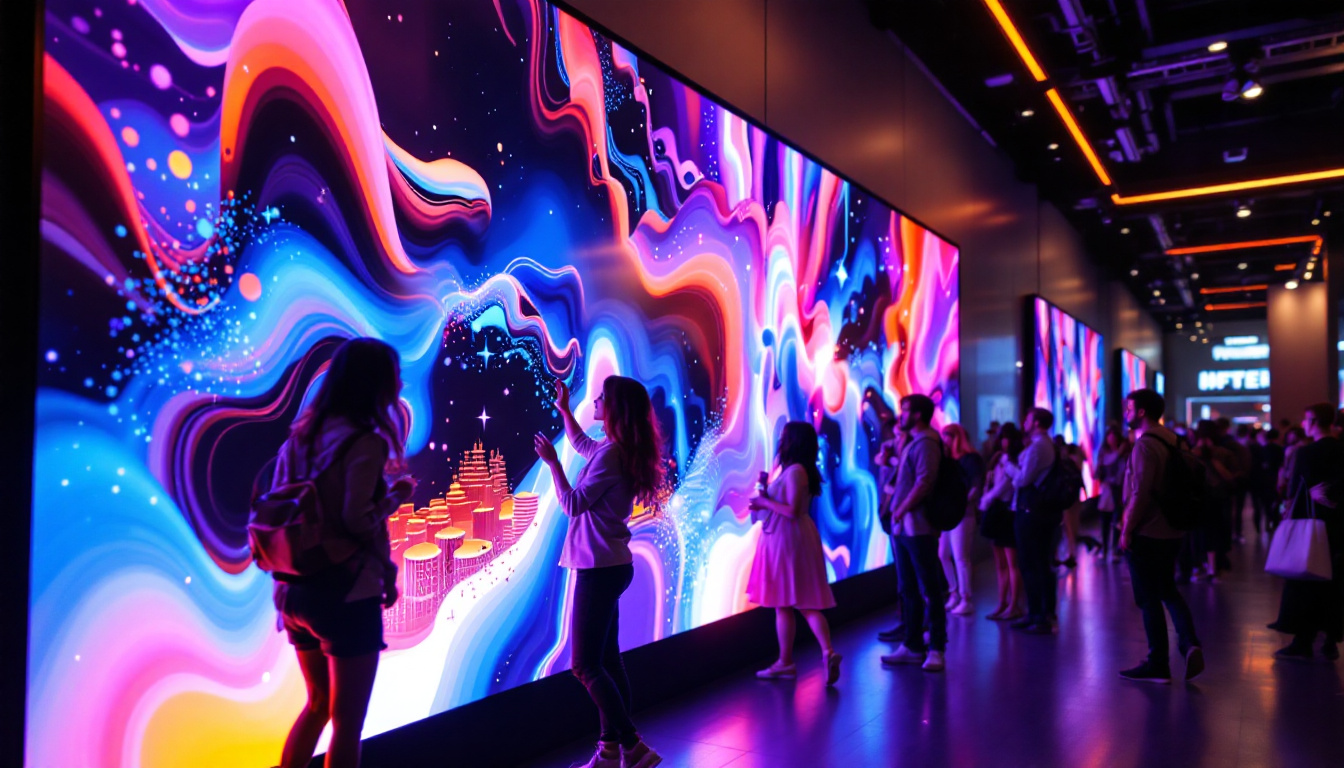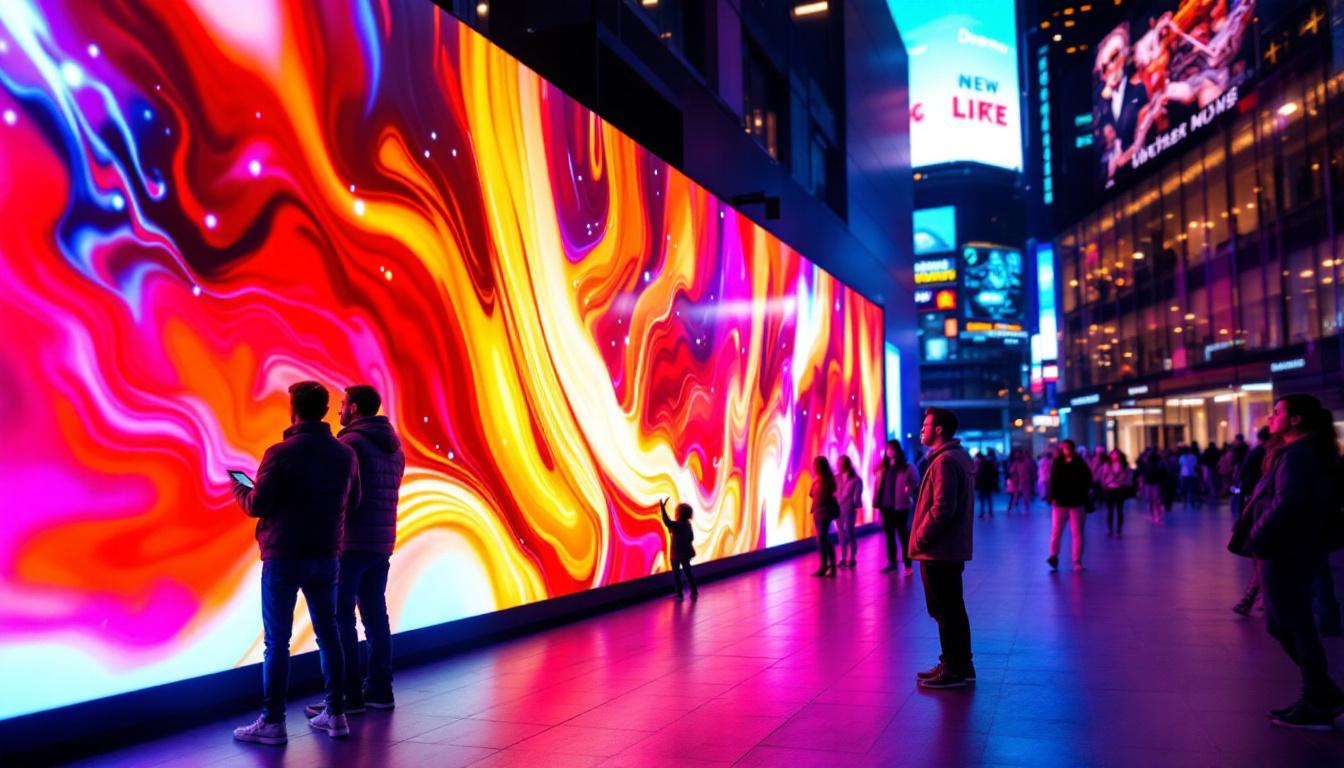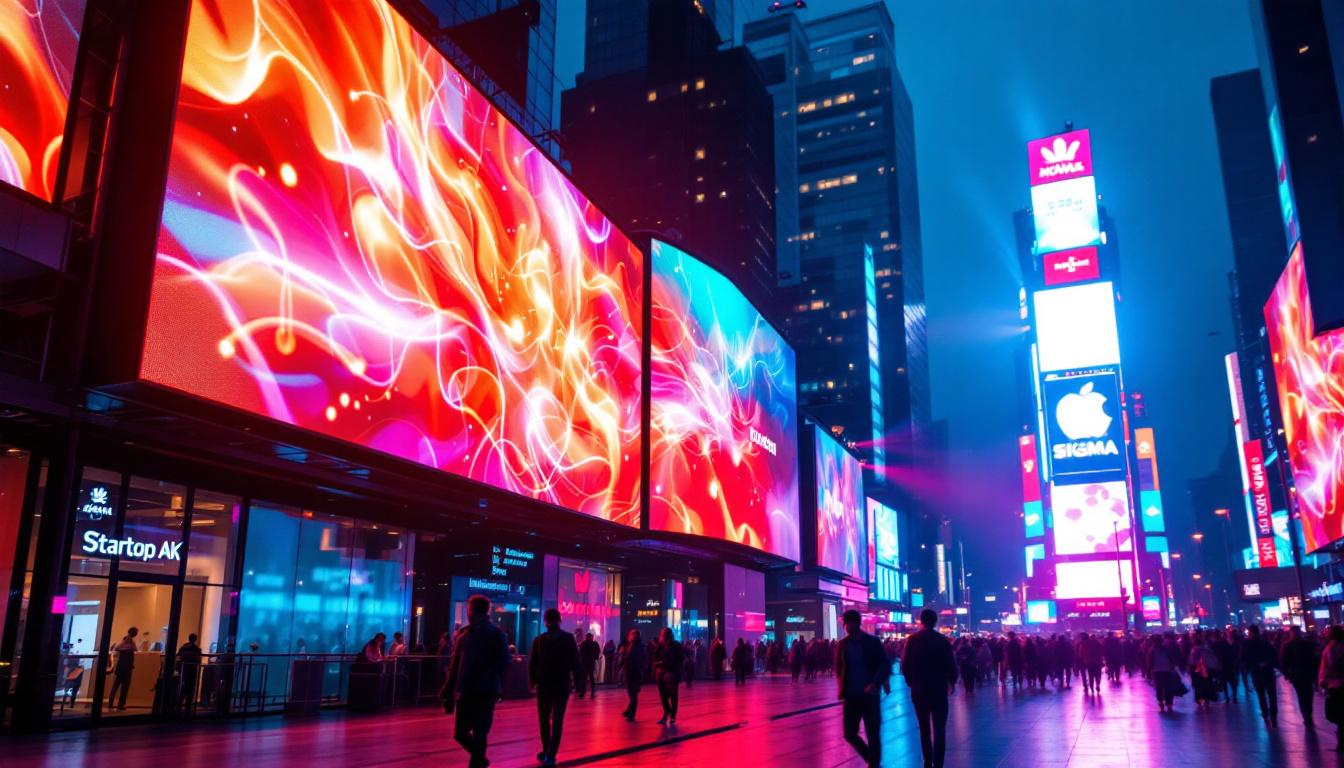
In the rapidly evolving world of digital signage and display technology, LED screens have become a dominant force. From massive stadium displays to sleek retail signage and immersive advertising billboards, LED displays offer unparalleled brightness, color vibrancy, and energy efficiency. However, not all LED screens are created equal. Understanding the different types of LED displays and their unique characteristics is essential for businesses, event organizers, and technology enthusiasts alike.
What is an LED Display?
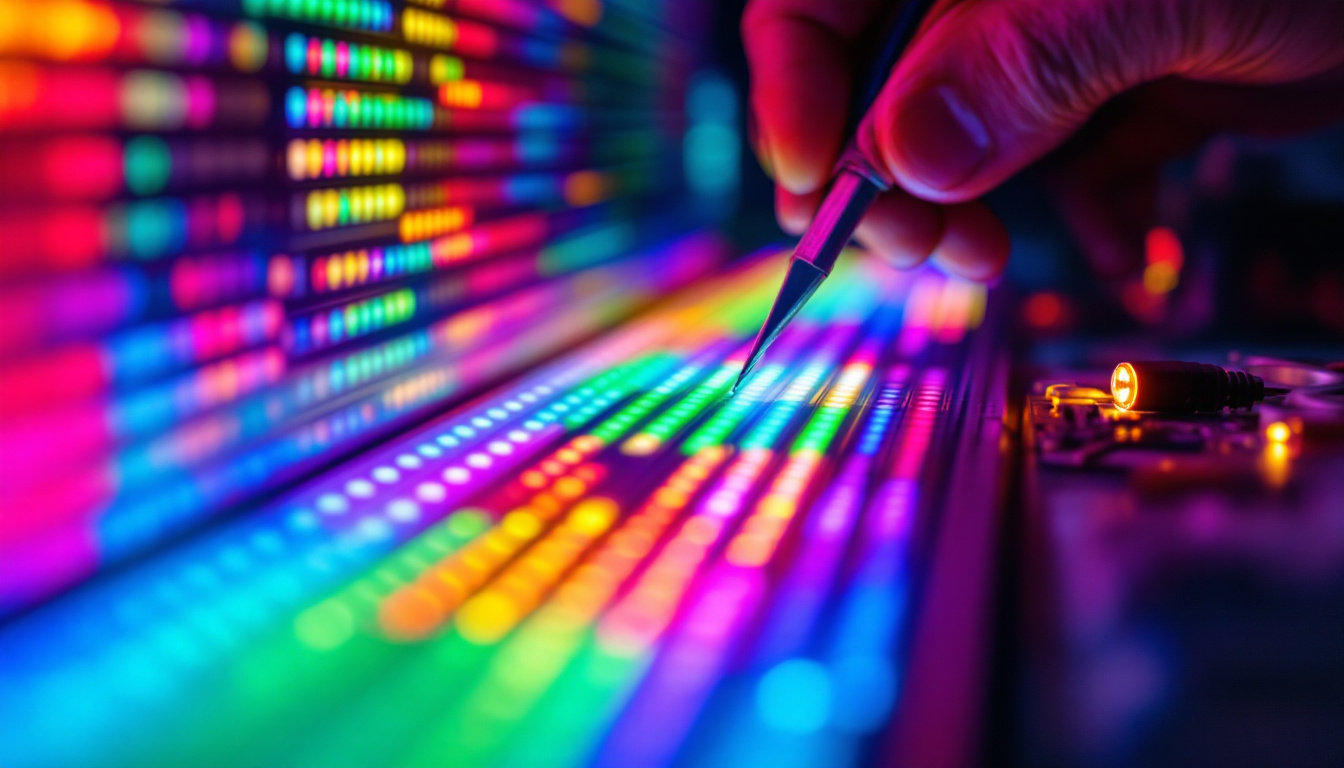
LED stands for Light Emitting Diode, a semiconductor device that emits light when an electric current passes through it. An LED display is a flat panel display that uses an array of LEDs as pixels to create images, videos, and text. These displays can vary widely in size, resolution, and application, but their core technology relies on the precise control of individual LEDs to produce bright, colorful visuals.
LED displays are favored for their high brightness levels, which make them visible even in direct sunlight, unlike LCD or projection screens. Additionally, LEDs consume less power and have a longer lifespan, making them a cost-effective and sustainable option for many uses.
One of the most significant advantages of LED displays is their versatility. They can be found in a variety of settings, from large outdoor billboards that captivate passersby with dynamic advertisements to small screens used in smartphones and tablets. Furthermore, advancements in technology have led to the development of flexible LED displays, which can be bent or shaped to fit unique designs and applications, opening up new possibilities for creative installations in architecture and art.
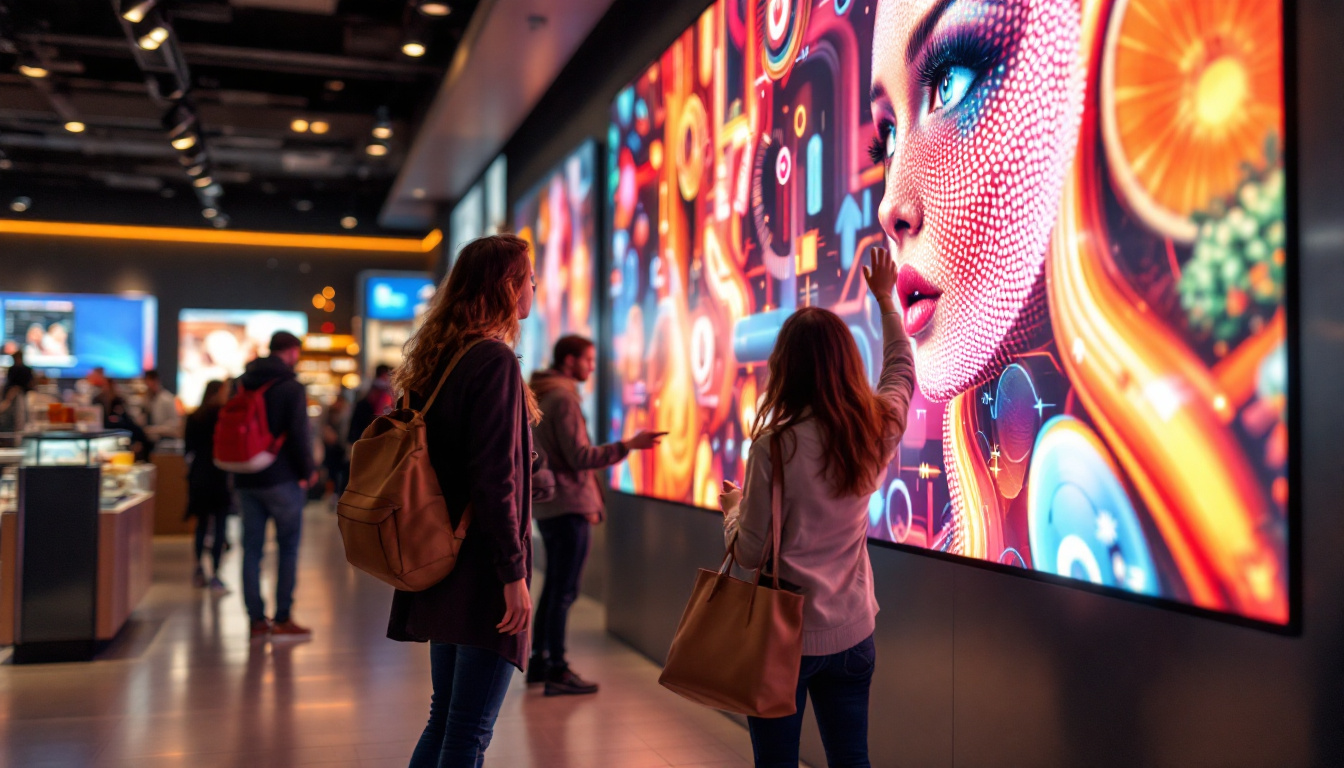
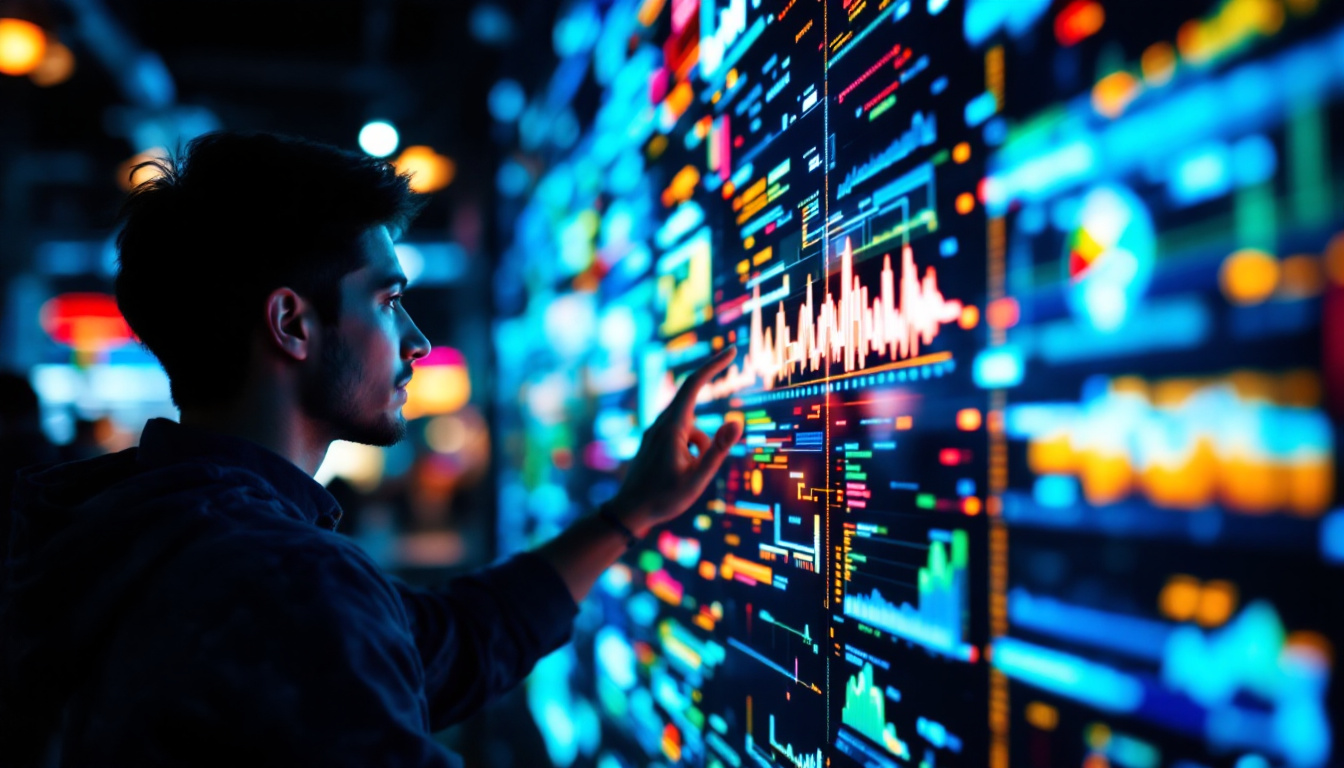
Moreover, LED displays are increasingly being integrated with smart technology, allowing for interactive features that enhance user engagement. For instance, many modern LED displays are equipped with sensors that can detect motion or touch, enabling them to respond to viewers in real time. This interactivity not only makes the viewing experience more immersive but also allows businesses to tailor their content based on audience behavior, maximizing the impact of their messaging.
Main Types of LED Screens
LED screens come in several types, each designed to meet specific needs and environments. The primary distinctions are based on the LED packaging, pixel pitch, and installation method.
1. Indoor LED Displays
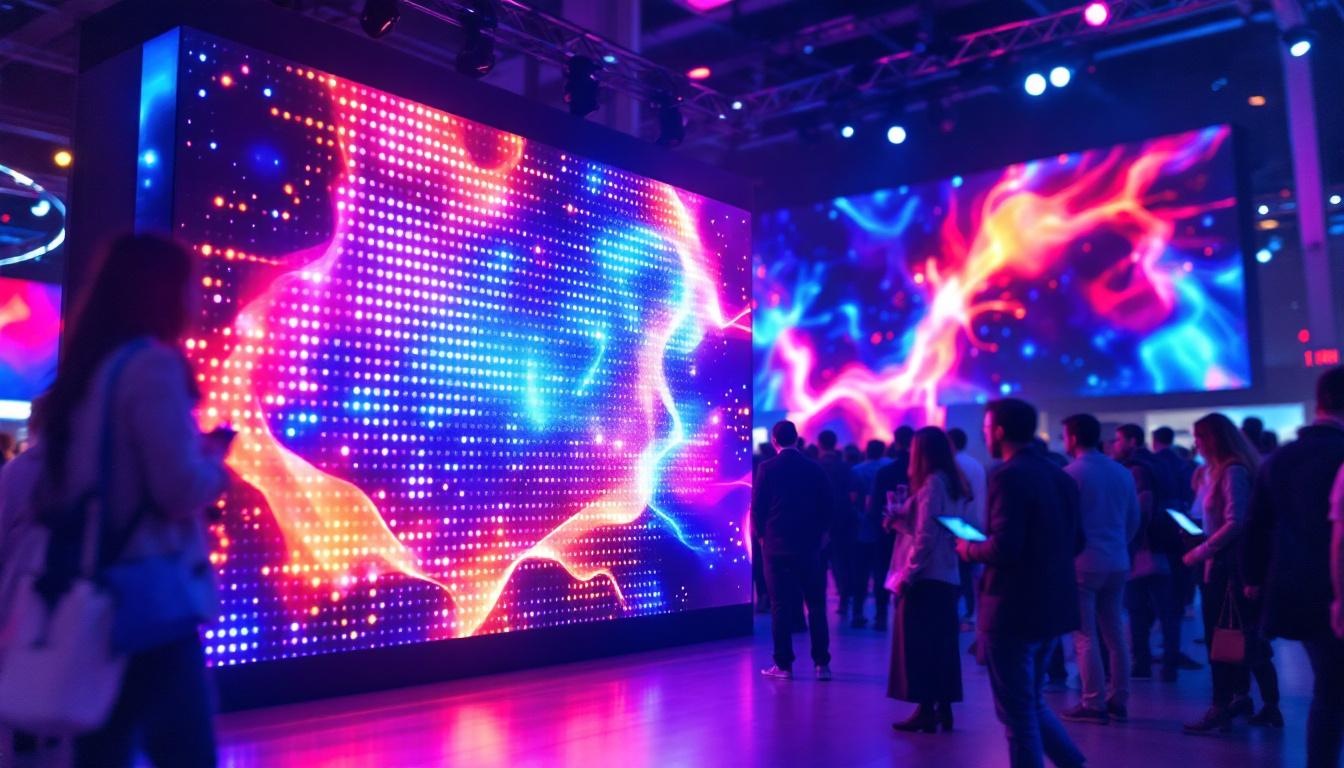
Indoor LED screens are designed for environments with controlled lighting, such as shopping malls, conference halls, airports, and retail stores. They typically have a smaller pixel pitch (the distance between the centers of two adjacent LEDs), ranging from 1mm to 4mm, which allows for high resolution and crisp images at close viewing distances.
Because indoor environments are less exposed to harsh weather conditions, these screens use less robust but more refined LEDs that prioritize color accuracy and detail. The brightness levels for indoor LED displays usually hover around 800 to 1,200 nits, sufficient for indoor visibility without causing glare.
2. Outdoor LED Displays
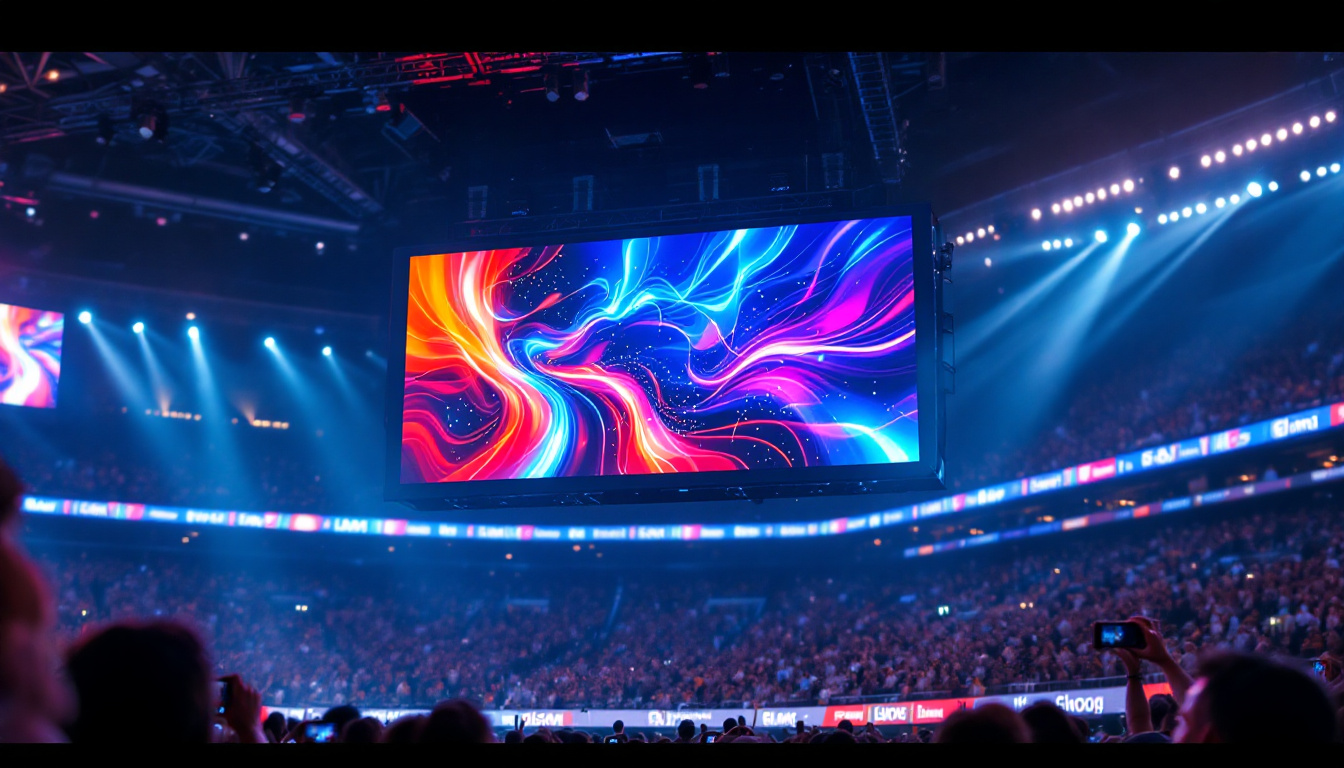
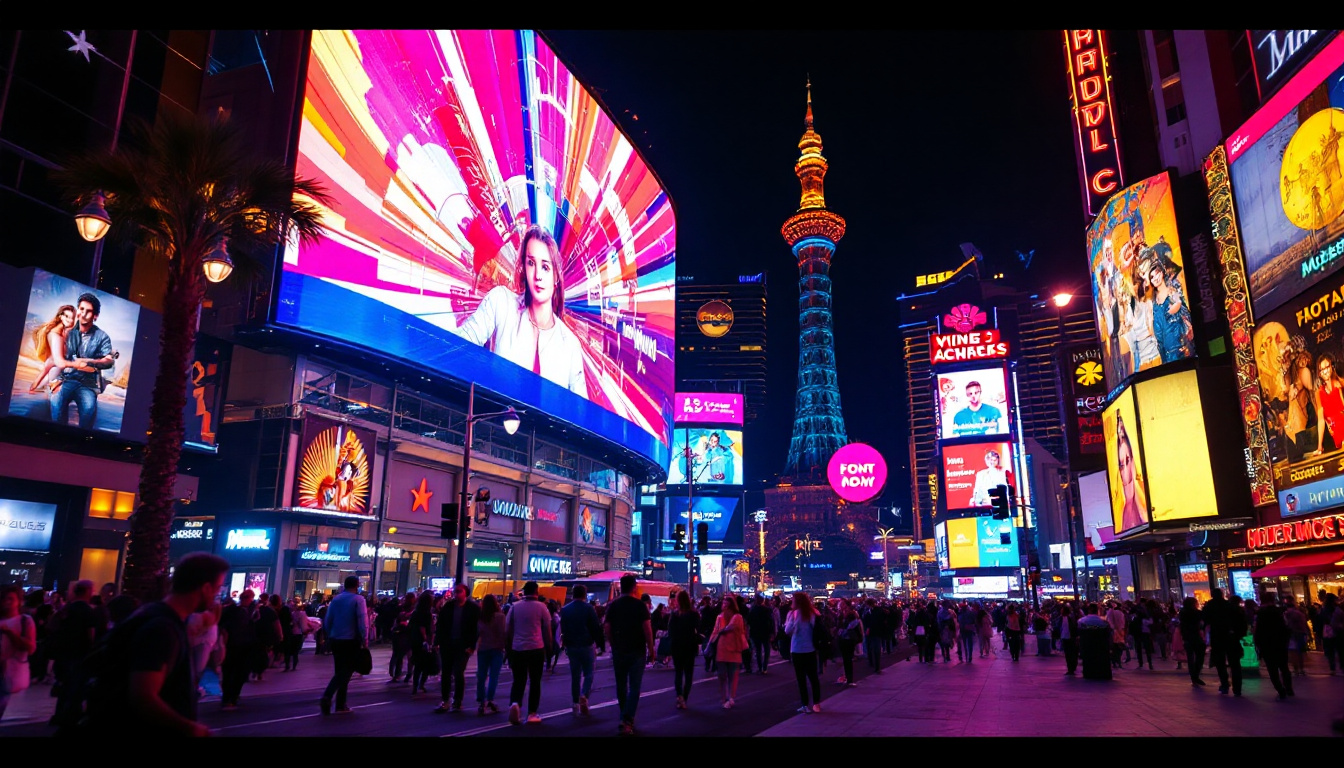
Outdoor LED screens are engineered to withstand environmental challenges such as rain, dust, extreme temperatures, and direct sunlight. They have a larger pixel pitch, often between 4mm and 20mm, to ensure visibility from greater distances. The LEDs used in outdoor displays are more powerful, providing brightness levels often exceeding 5,000 nits to combat daylight glare effectively.
These screens are commonly used for billboards, sports stadiums, public transportation hubs, and outdoor events. Their robust construction includes weatherproof enclosures and protective coatings to ensure durability and longevity.
3. Transparent LED Displays
Transparent LED screens are a relatively recent innovation that allows light to pass through the display, making them ideal for glass windows or storefronts. These displays combine aesthetics with functionality, enabling businesses to showcase dynamic content without obstructing natural light or the view from inside.
They feature a unique LED arrangement and specialized circuitry to maintain transparency levels between 40% and 70%, depending on the model. Transparent LED displays are gaining popularity in retail, museums, and corporate environments where design and ambiance are critical.
4. Flexible and Curved LED Displays
Flexible LED screens use bendable substrates that allow the display to curve or wrap around surfaces. This technology opens up creative possibilities for architectural integration, immersive environments, and dynamic stage designs. Curved LED displays can enhance viewing angles and create more engaging visual experiences.
These displays are commonly used in concerts, exhibitions, and innovative advertising campaigns. Their flexibility does not compromise image quality, though the pixel pitch and resolution must be carefully selected to suit the curved format.
Understanding Pixel Pitch and Resolution
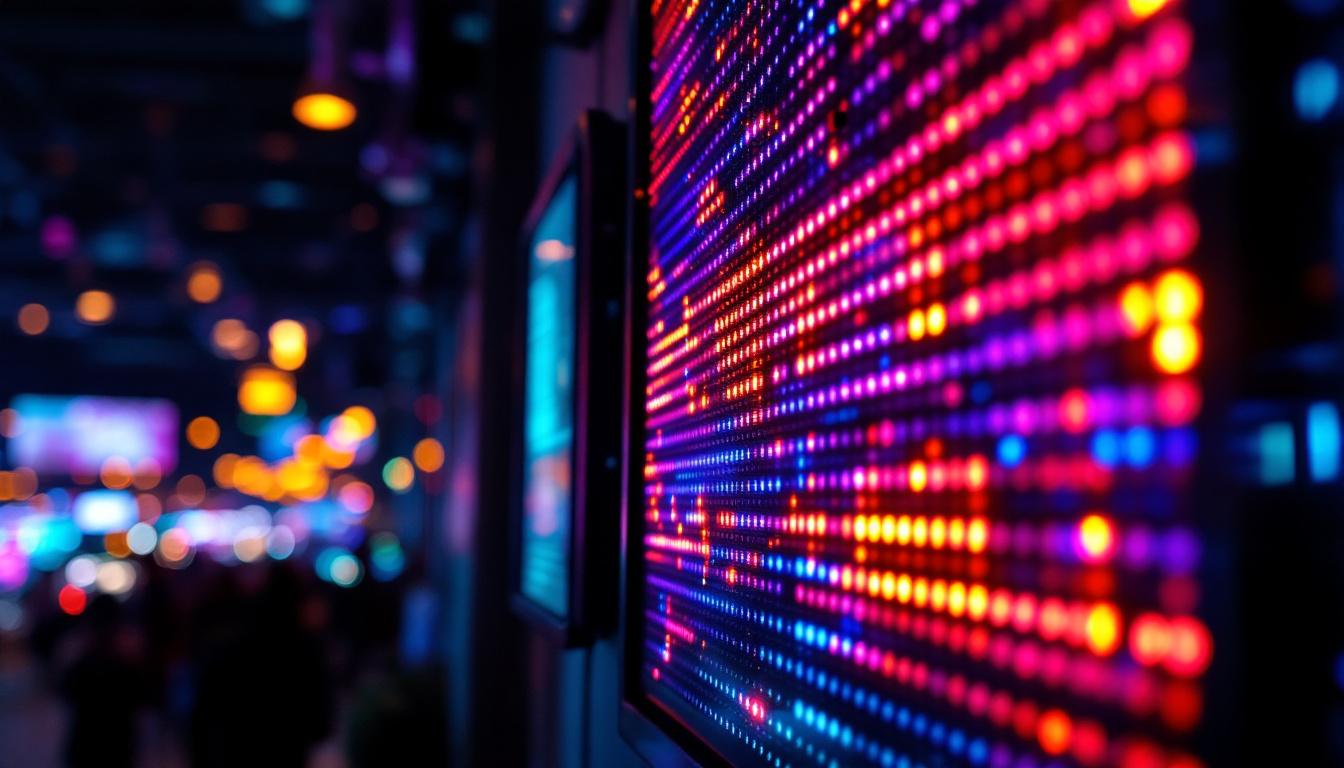
Pixel pitch is a critical factor in determining the clarity and sharpness of an LED display. It is measured in millimeters and represents the distance between the centers of two adjacent pixels. A smaller pixel pitch means more pixels per unit area, resulting in higher resolution and finer detail.
For example, a 1.5mm pixel pitch indoor LED screen will deliver crisp images suitable for close viewing, such as in a conference room or retail store. Conversely, a 10mm pixel pitch outdoor screen is optimized for visibility from a distance, such as on a highway billboard.
Resolution is the total number of pixels on the screen, typically expressed as width x height (e.g., 1920 x 1080). Higher resolution screens offer more detailed images but require more processing power and higher costs. Choosing the right pixel pitch and resolution depends on the intended viewing distance and application.
LED Screen Technologies: SMD vs. DIP
Two primary LED packaging technologies dominate the market: Surface-Mounted Device (SMD) and Dual In-line Package (DIP). Each has its advantages and is suited for different applications.
Surface-Mounted Device (SMD)
SMD LEDs are compact chips mounted directly onto the surface of a circuit board. They combine red, green, and blue diodes into a single package, allowing for smaller pixel pitches and higher resolution. SMD technology is prevalent in indoor LED screens and high-definition outdoor displays.
The benefits of SMD include better color uniformity, wider viewing angles (up to 160 degrees), and smoother images. Additionally, SMD LEDs are more energy-efficient and lightweight, making them suitable for intricate and flexible designs.
Dual In-line Package (DIP)
DIP LEDs consist of individual red, green, and blue diodes housed separately within a plastic casing. This older technology is more rugged and can produce higher brightness levels, which makes it ideal for outdoor applications where visibility is paramount.
While DIP LEDs have narrower viewing angles and lower resolution compared to SMD, their durability and brightness make them a cost-effective choice for large-scale outdoor billboards and stadium screens.
Applications of LED Displays
LED screens have transformed numerous industries by providing dynamic, engaging, and versatile display solutions.
Advertising and Marketing
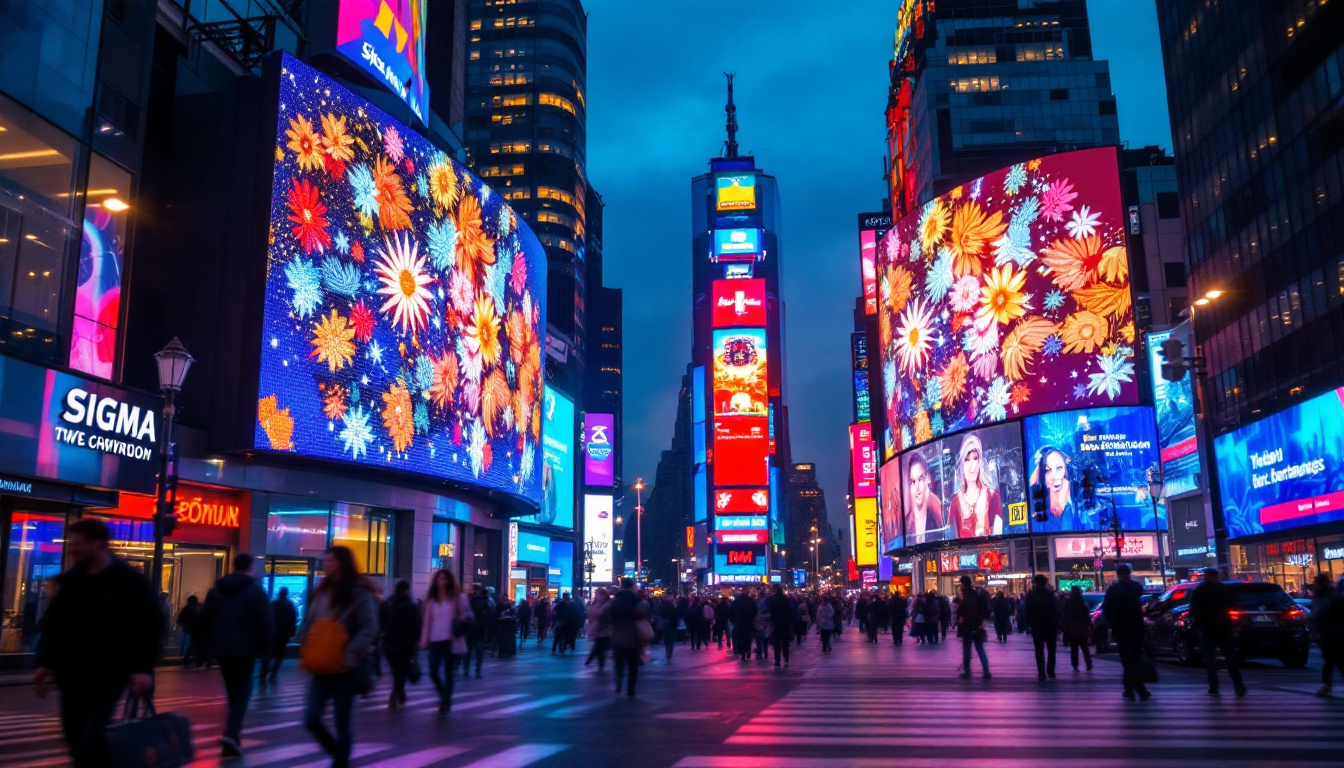
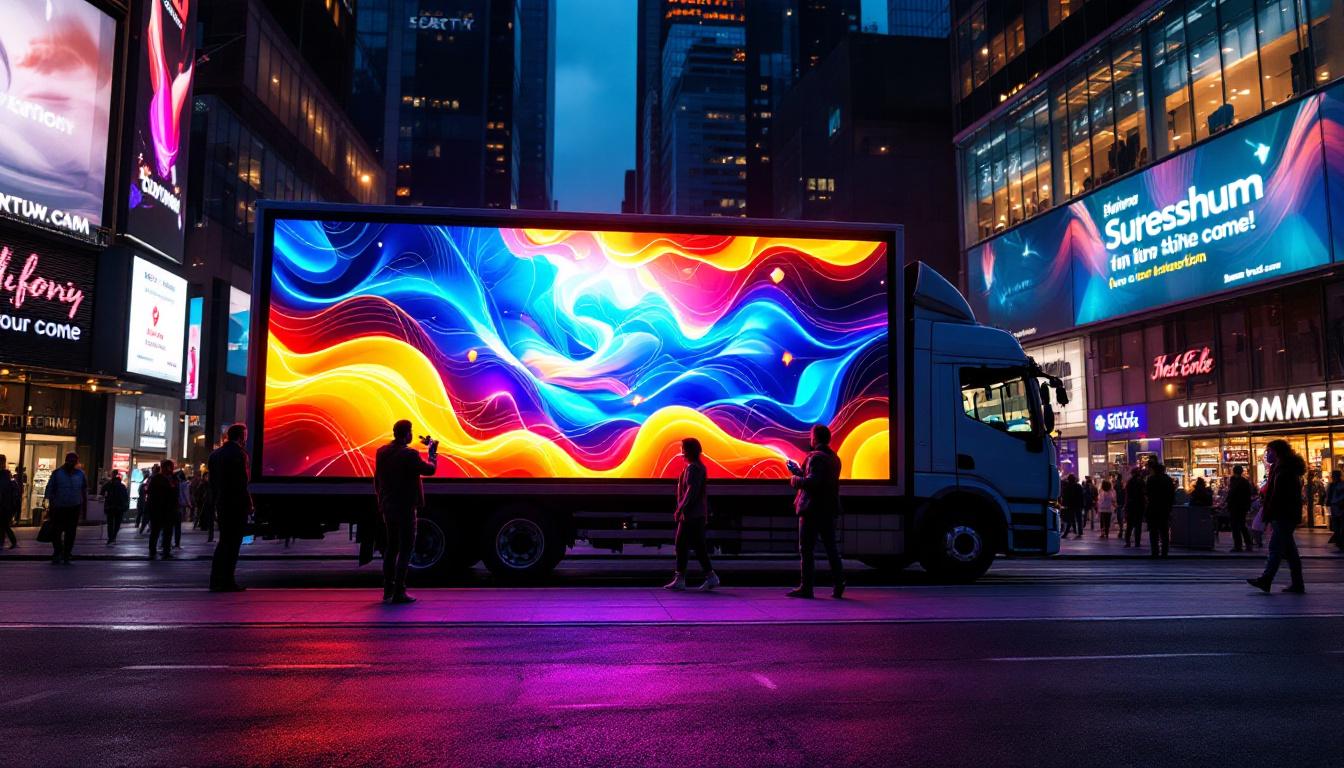
Digital billboards and signage are among the most common uses of LED screens. Their ability to display vibrant, eye-catching content that can be updated remotely in real-time makes them invaluable for advertisers. According to recent market research, the global digital out-of-home advertising market is expected to grow at a compound annual growth rate (CAGR) of over 10% through 2027, driven largely by LED technology advancements.
Sports and Entertainment
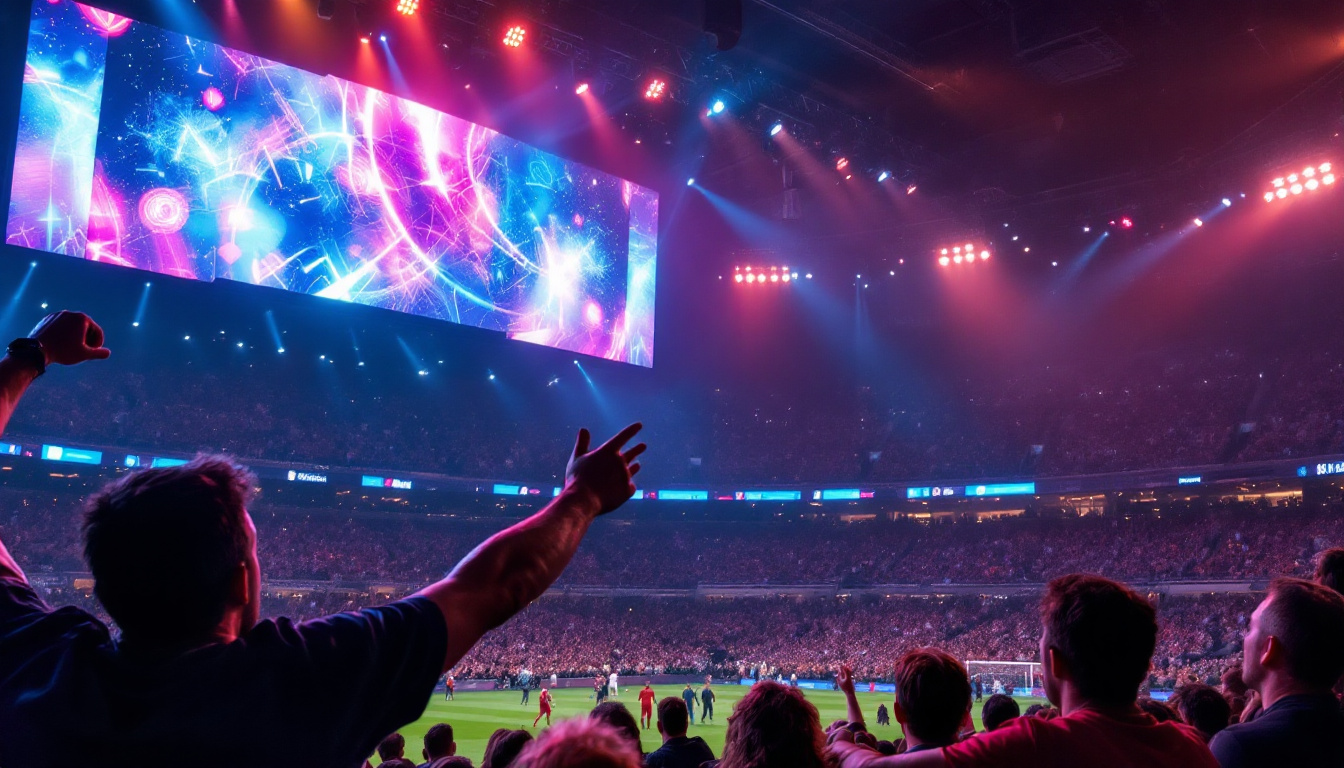
Stadiums and arenas utilize massive LED video walls to enhance the spectator experience with live game footage, replays, and interactive content. Concerts and festivals employ flexible and curved LED screens to create immersive stage backdrops and visual effects that captivate audiences.
Corporate and Retail Environments
Indoor LED displays serve as powerful tools for corporate communications, wayfinding, and product promotions. Retailers use LED walls and transparent displays to attract customers and create engaging shopping environments.
Transportation and Public Spaces
LED screens are increasingly common in airports, train stations, and bus terminals for real-time information, advertising, and public announcements. Their high brightness and reliability ensure visibility in diverse lighting conditions.
Choosing the Right LED Screen
Selecting the appropriate LED display involves balancing several factors, including viewing distance, environment, budget, and content type.
Viewing Distance and Pixel Pitch
As a general rule, the optimal viewing distance (in meters) is approximately 1.5 to 2 times the pixel pitch (in millimeters). For example, a 4mm pixel pitch screen is best viewed from about 6 to 8 meters away. Choosing a pixel pitch too small for the viewing distance can unnecessarily increase costs without visible benefits.
Brightness and Environment
Outdoor screens require higher brightness levels to remain visible in daylight, while indoor screens benefit from lower brightness to prevent eye strain. Additionally, environmental factors such as humidity, temperature extremes, and exposure to dust or water influence the choice of screen type and protective features.
Content and Resolution Requirements
High-resolution content such as detailed videos or fine text demands smaller pixel pitches and higher screen resolutions. Conversely, simple graphics or text displayed at a distance can be effectively rendered on lower-resolution screens.
Installation and Maintenance
Consider the installation location and ease of maintenance. Modular LED panels that allow for quick replacement and servicing reduce downtime and operational costs. For large outdoor installations, weatherproofing and robust housing are critical.
Future Trends in LED Display Technology
The LED display industry continues to innovate, driven by demands for higher resolution, greater flexibility, and enhanced interactivity.
MicroLED and MiniLED
Emerging technologies such as MicroLED and MiniLED promise even greater brightness, contrast, and energy efficiency. MicroLED displays use microscopic LEDs to achieve ultra-high resolution and are being explored for next-generation TVs, smartphones, and wearable devices.
Interactive and Smart Displays
Integration of touch capabilities, sensors, and AI-driven content management systems is making LED displays smarter and more interactive. These advancements enable personalized advertising, real-time data visualization, and immersive user experiences.
Eco-Friendly Innovations
Manufacturers are focusing on sustainability by developing LED screens with lower power consumption, recyclable materials, and longer lifespans. This aligns with global efforts to reduce the environmental impact of digital technologies.
Conclusion
LED displays have revolutionized visual communication across multiple sectors, offering versatile solutions that cater to diverse needs. Understanding the different types of LED screens—from indoor and outdoor to transparent and flexible—empowers decision-makers to select the right technology for their specific applications.
By considering factors such as pixel pitch, brightness, LED technology, and environmental conditions, businesses and organizations can maximize the impact and longevity of their LED display investments. As technology advances, LED screens will continue to evolve, delivering richer, more engaging, and sustainable visual experiences worldwide.
Discover LumenMatrix’s Innovative LED Solutions
Ready to elevate your visual communication with cutting-edge LED technology? LumenMatrix is at the forefront of LED display innovation, offering a wide range of solutions tailored to your unique needs. From vibrant Indoor LED Wall Displays to robust Outdoor LED Wall Displays, and from dynamic Vehicle LED Displays to sleek LED Poster Displays, our products are designed to captivate and engage your audience. Experience the future of digital signage with our LED Sports Displays, interactive Floor LED Displays, and customizable Custom LED Displays. For a seamless, all-encompassing visual solution, explore our All-in-One LED Display and LED Transparent Display options. Embrace the revolution in visual storytelling with LumenMatrix. Check out LumenMatrix LED Display Solutions and transform your space into a mesmerizing visual experience.