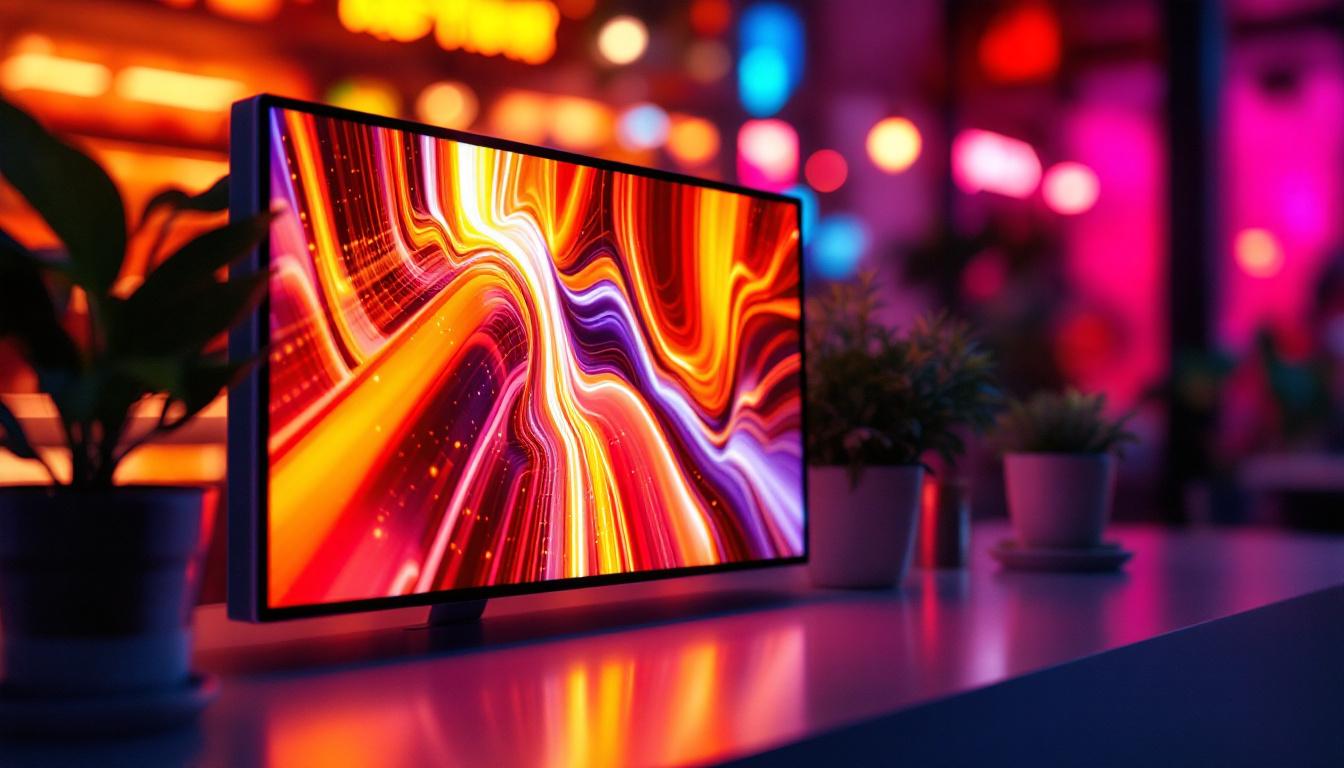
In today’s fast-evolving digital landscape, LED display technology has become an indispensable part of visual communication. From advertising billboards to personal gadgets, LED displays are everywhere. Among the various types, small LED display screens are gaining significant traction due to their versatility, clarity, and energy efficiency. This article explores the fundamentals of small LED display screens, their technology, applications, and why they are shaping the future of digital displays.
Understanding Small LED Display Screens
LED, or Light Emitting Diode, displays use tiny light sources to create images and videos. Unlike traditional LCD or plasma screens, LED displays rely on individual diodes that emit light directly, resulting in brighter, more vibrant visuals with better contrast and energy efficiency.
Small LED display screens typically refer to panels with compact dimensions, often ranging from a few inches to around 30 inches diagonally. These screens are widely used in devices where space is limited but high-quality display output is essential. From smartphones and tablets to digital signage and wearable technology, small LED displays have become integral to modern communication and entertainment.
How Small LED Displays Work
At the core of any LED display are the diodes themselves. Each pixel on the screen consists of one or more LEDs that emit red, green, and blue light. By adjusting the intensity of each LED, the screen can produce millions of colors, creating detailed and vivid images. The precision in color mixing allows for a broad spectrum of hues, making small LED displays ideal for applications that require accurate color representation, such as graphic design and photography.
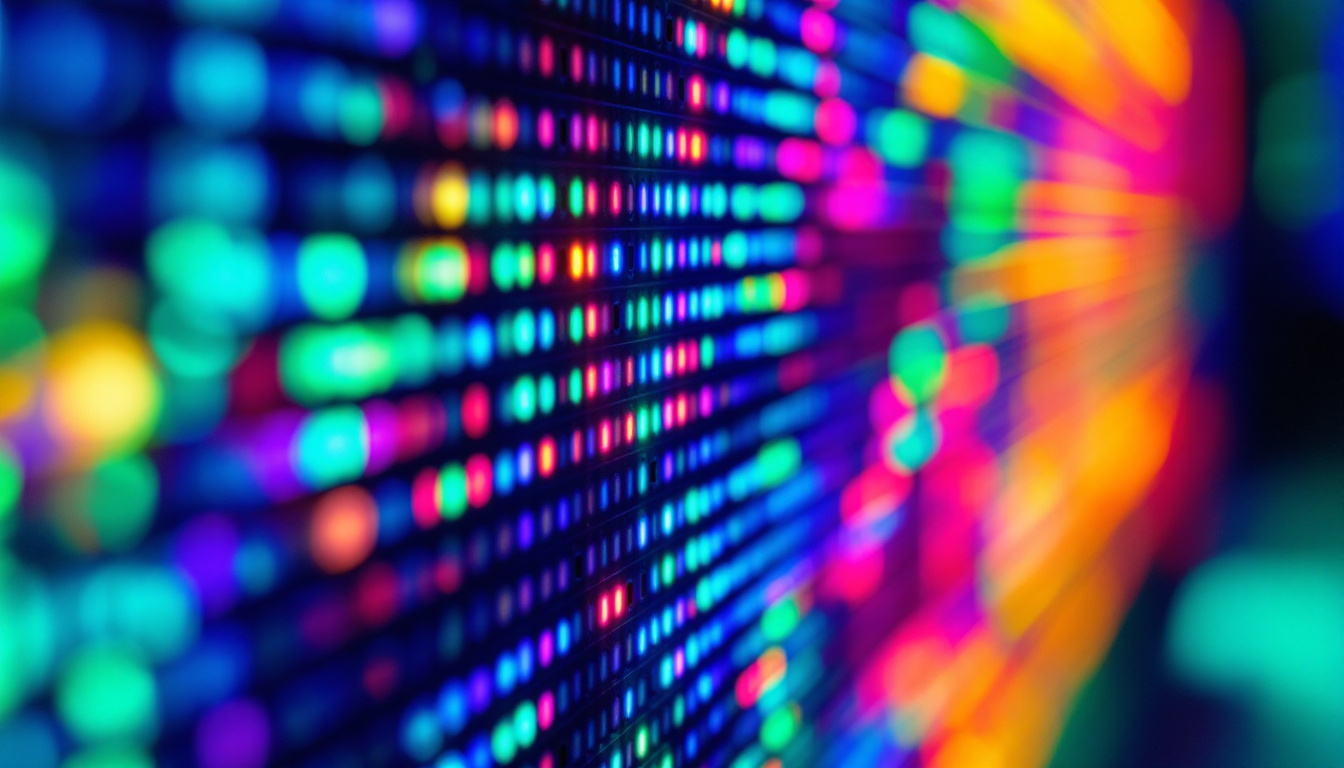
Small LED displays often use surface-mounted device (SMD) technology, where LEDs are mounted directly onto the circuit board. This design allows for higher pixel density, meaning more pixels per inch, which translates to sharper images and smoother video playback. Additionally, advancements in manufacturing techniques have led to even smaller and more efficient diodes, pushing the boundaries of what these compact screens can achieve. As a result, we are seeing an increasing trend in the use of small LED displays in innovative applications like augmented reality (AR) and virtual reality (VR) headsets, where space and visual fidelity are paramount.
Key Advantages of Small LED Displays
Small LED display screens offer several benefits over other display technologies:
- Brightness and Visibility: LEDs emit their own light, making these displays easily visible even in bright ambient conditions.
- Energy Efficiency: LEDs consume less power compared to LCDs and other display types, which is crucial for battery-powered devices.
- Durability: LED displays are robust and resistant to shock and vibration, making them ideal for portable and outdoor applications.
- Thin and Lightweight: The compact nature of LEDs allows for slim and lightweight screen designs.
- Wide Viewing Angles: Small LED screens maintain color accuracy and brightness even when viewed from sharp angles.
Moreover, the longevity of LED technology is another significant advantage. Unlike traditional displays that may suffer from burn-in or color degradation over time, LEDs can last tens of thousands of hours, making them a cost-effective choice for both consumers and businesses. This durability is particularly beneficial in commercial settings, where displays are often in use for extended periods, such as in retail environments or public information kiosks. The combination of longevity, efficiency, and performance makes small LED displays a preferred choice in a rapidly evolving technological landscape.
Applications of Small LED Display Screens
The versatility of small LED display screens has led to their adoption across numerous industries and devices. Their compact size combined with high performance makes them ideal for both consumer electronics and professional use cases.
Consumer Electronics
Small LED displays are prevalent in smartphones, smartwatches, fitness trackers, and portable gaming devices. The demand for brighter screens with better color accuracy and lower power consumption has pushed manufacturers to adopt LED technology extensively.
For example, many flagship smartphones now incorporate OLED (Organic LED) displays, a variant of LED technology that offers even deeper blacks and enhanced contrast ratios. These small screens, often measuring between 5 to 7 inches, deliver stunning visuals that enhance user experience. Additionally, advancements in touch sensitivity and responsiveness have made these displays not only visually appealing but also incredibly user-friendly, allowing for seamless interaction through gestures and taps.
Retail and Advertising
In retail environments, small LED displays are used for digital price tags, interactive kiosks, and point-of-sale displays. Their ability to display dynamic content attracts customer attention and allows for real-time updates, which is invaluable for promotions and inventory management.
Moreover, small LED panels are often integrated into larger signage systems, providing modular solutions that can be customized in size and shape. This flexibility is particularly useful for businesses aiming to create eye-catching displays without the bulk and high cost of large LED walls. Furthermore, the integration of small LED displays with mobile technology has enabled retailers to engage customers through personalized advertisements and promotions, enhancing the shopping experience by tailoring content to individual preferences based on location and behavior.
Industrial and Medical Use
Industries such as manufacturing and healthcare rely on small LED displays for monitoring equipment, displaying critical information, and facilitating communication. For instance, control panels in factories often use small LED screens to provide real-time data with high visibility under various lighting conditions.
In medical devices, small LED displays are used in diagnostic tools, patient monitors, and handheld instruments, where clarity and reliability are paramount. These displays not only convey vital statistics such as heart rate and oxygen levels but also incorporate features like color coding to indicate status changes quickly. The compact nature of these screens allows for integration into portable medical devices, making them essential for both emergency responders and in-home care settings, where immediate access to information can be life-saving.
Technical Considerations When Choosing Small LED Displays
Selecting the right small LED display screen involves understanding several technical parameters that affect performance and suitability for specific applications.
Resolution and Pixel Pitch
Resolution refers to the number of pixels displayed on the screen, typically expressed as width × height (e.g., 1920×1080). Higher resolution means more detail, which is essential for applications requiring sharp text and images.
Pixel pitch, the distance between the centers of two adjacent pixels, is a critical factor in LED displays. Smaller pixel pitch results in higher pixel density, producing clearer and more detailed images, especially at close viewing distances. For small LED screens, pixel pitches can be as low as 0.5mm, enabling ultra-high-definition displays.
Brightness and Contrast Ratio
Brightness is measured in nits (candelas per square meter) and indicates how luminous the display can get. Small LED displays typically range from 300 to over 1000 nits, with higher brightness being crucial for outdoor or brightly lit environments.
Contrast ratio, the difference between the darkest black and the brightest white, affects image depth and realism. LED technology generally offers superior contrast ratios compared to LCDs, enhancing visual quality.
Viewing Angle and Color Accuracy
Wide viewing angles ensure that the display maintains consistent color and brightness when viewed from different positions. This is particularly important for public displays and collaborative environments.
Color accuracy is vital for applications such as graphic design, medical imaging, and retail, where precise color representation impacts decision-making and user experience.
Power Consumption and Heat Dissipation
Energy efficiency is a significant advantage of LED displays, but power consumption varies based on brightness, size, and usage patterns. Lower power consumption extends battery life in portable devices and reduces operational costs in commercial installations.
Heat dissipation is another consideration, as excessive heat can degrade performance and lifespan. Modern small LED displays incorporate efficient thermal management systems to maintain optimal operating temperatures.
Emerging Trends and Future Outlook
The LED display industry is continuously evolving, driven by advancements in materials science, manufacturing processes, and user demands. Several trends are shaping the future of small LED display screens.
MicroLED Technology
MicroLED is an emerging display technology that uses microscopic LEDs to create pixels. It promises even higher brightness, better color accuracy, and longer lifespan than current OLED and traditional LED displays.
MicroLED displays are inherently scalable and can be made extremely thin and flexible, opening new possibilities for wearable devices, foldable screens, and augmented reality applications. Although still in the early stages of commercialization, MicroLED is expected to revolutionize small display screens within the next decade.
Flexible and Transparent LED Displays
Flexible LED displays enable screens that can bend, fold, or wrap around surfaces. This innovation is particularly exciting for wearable technology, automotive dashboards, and innovative advertising formats.
Transparent LED displays, which allow light to pass through while displaying images, are gaining traction in retail and architectural applications. They enable interactive storefronts and windows that combine visibility with digital content.
Integration with IoT and Smart Technologies
Small LED displays are increasingly integrated with Internet of Things (IoT) devices, enabling real-time data visualization and interactive control. For example, smart home devices use small LED screens to display status updates, notifications, and controls in an intuitive manner.
As smart cities and connected environments expand, small LED displays will play a crucial role in delivering localized information, enhancing communication, and improving user engagement.
Conclusion
Small LED display screens represent a dynamic and rapidly advancing segment of display technology. Their combination of brightness, energy efficiency, durability, and compact size makes them ideal for a wide range of applications—from consumer electronics to industrial and medical devices.
Understanding the technical aspects such as resolution, pixel pitch, brightness, and power consumption is essential when selecting the right display for a specific use case. Furthermore, emerging technologies like MicroLED and flexible displays promise to expand the capabilities and applications of small LED screens even further.
As digital communication continues to evolve, small LED displays will remain at the forefront, offering vivid, reliable, and efficient visual solutions that meet the demands of modern users and industries alike.
Discover Cutting-Edge LED Displays with LumenMatrix
Ready to experience the future of visual communication? LumenMatrix is at the forefront of LED display innovation, offering a wide array of solutions tailored to meet your needs. Whether you’re looking for an Indoor LED Wall Display, a vibrant Outdoor LED Wall Display, or specialized options like Vehicle LED Displays and LED Sports Displays, LumenMatrix has the technology to bring your vision to life. Elevate your brand’s presence and captivate your audience with our state-of-the-art LED Poster Displays, Floor LED Displays, Custom LED Displays, and more. Embrace the revolution in digital signage with LumenMatrix’s All-in-One and LED Transparent Displays. Check out LumenMatrix LED Display Solutions today and transform the way you communicate with your audience.