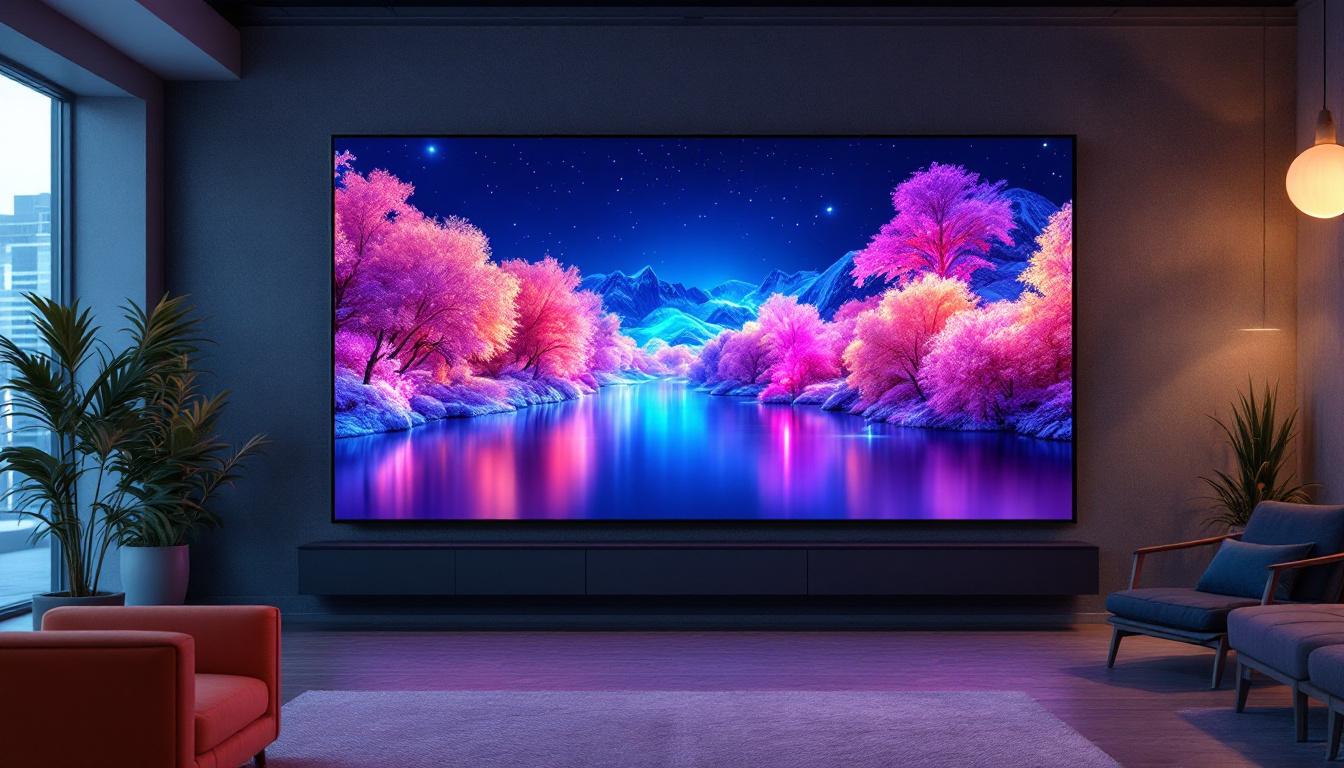
Frameless TV For Video Wall: LED Display Explained
In the evolving landscape of digital display technology, frameless TVs have become a pivotal element in creating stunning video walls. These sleek, borderless screens are transforming how businesses, public spaces, and entertainment venues showcase content, offering immersive visual experiences that captivate audiences. This article delves into the world of frameless TVs specifically designed for video walls, with a focus on LED display technology, explaining their benefits, applications, and what makes them a preferred choice in modern digital signage.
Understanding Frameless TVs and Their Role in Video Walls
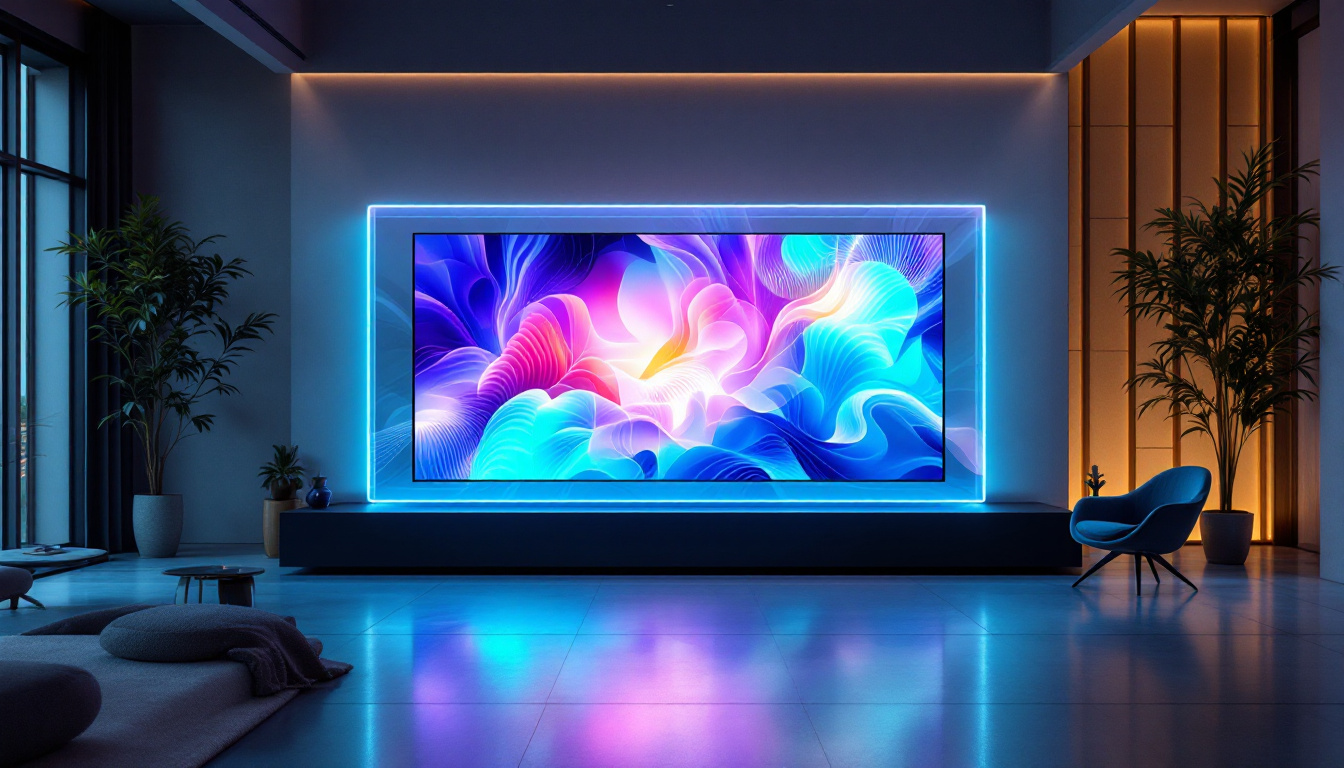
Frameless TVs, also known as bezel-less or borderless displays, are screens designed with minimal or no visible edges around the display area. This design innovation is crucial when multiple screens are tiled together to form a video wall, as it minimizes the gaps between individual panels, creating a nearly seamless large display. The aesthetic appeal of frameless TVs not only enhances the visual experience but also allows for more flexible design possibilities in various settings, from sleek corporate environments to vibrant retail spaces.
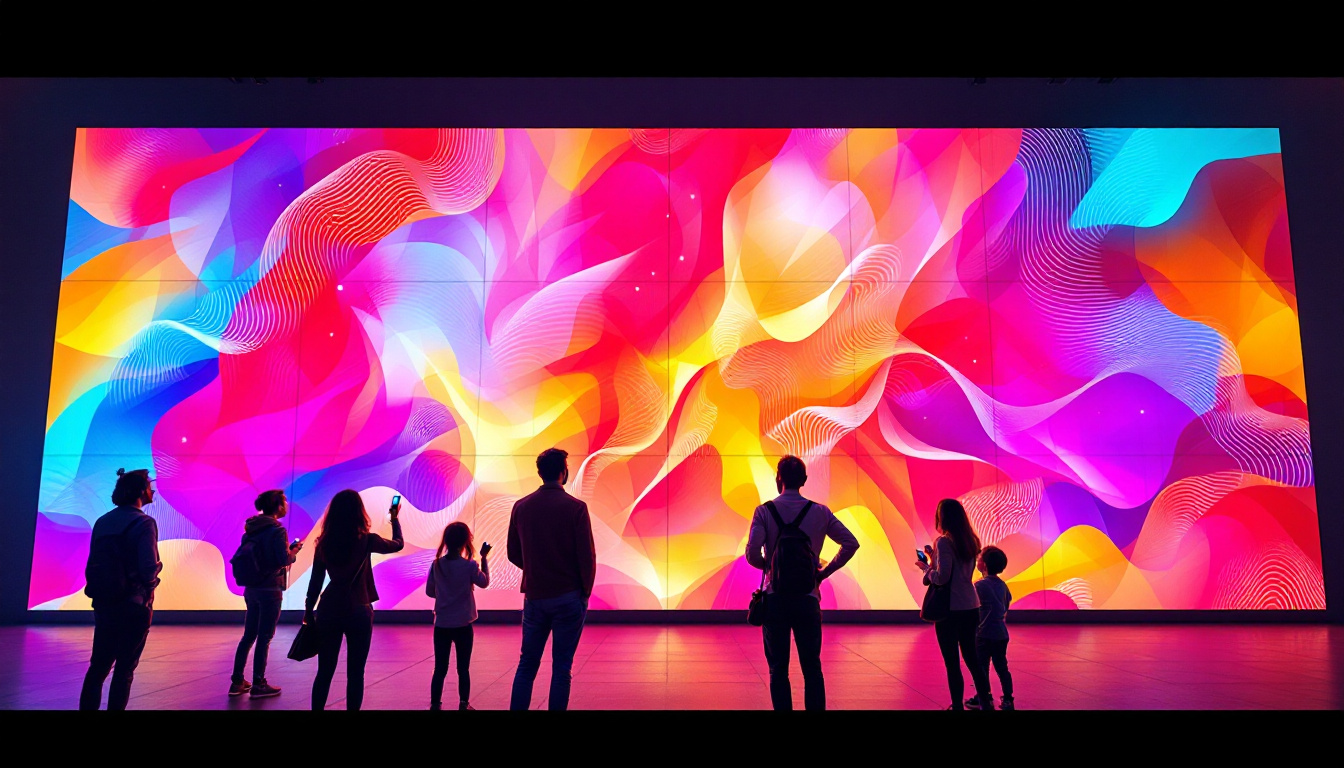
Video walls are large-scale display setups composed of multiple screens arranged in a grid-like pattern. They are used in various environments such as control rooms, retail stores, airports, and event venues to deliver high-impact visual content. The frameless design enhances the visual continuity of these walls, making content appear as one expansive image rather than a collection of separate screens. This is particularly beneficial in environments where branding and messaging need to be conveyed clearly and powerfully, as the seamless look draws viewers in and keeps their attention focused on the content being displayed.
Why Frameless TVs Are Ideal for Video Walls
The primary advantage of frameless TVs in video wall applications is the reduction of the bezel gap. Traditional TVs and monitors have thick bezels that create visible lines when screens are joined, disrupting the viewer’s immersion. Frameless TVs, with ultra-thin bezels often less than 1mm, allow for a near-invisible junction between screens. This design not only enhances the visual experience but also supports a more cohesive storytelling approach, where images and videos can flow seamlessly across multiple screens without interruption.
Moreover, frameless TVs are designed with precise calibration and alignment capabilities, ensuring color consistency and brightness uniformity across all panels. This uniformity is essential for professional video walls where image quality and consistency are paramount. Advanced technologies, such as edge-blending and color calibration tools, further enhance the capabilities of frameless TVs, allowing for dynamic content to be displayed without any noticeable discrepancies. These features make them a preferred choice for high-stakes environments like broadcasting studios and live events, where every detail matters and the audience’s experience is of utmost importance.
Additionally, frameless TVs often come equipped with smart technology, enabling easy integration with content management systems and real-time data feeds. This connectivity allows for dynamic content updates and interactive displays, which can be particularly engaging in settings like museums or exhibitions. As a result, frameless TVs not only serve as a visual medium but also as an interactive platform that can adapt to the needs of the audience and the context in which they are used, making them a versatile choice for modern display solutions.
LED Displays: The Technology Behind Frameless Video Walls
LED (Light Emitting Diode) display technology is at the forefront of frameless TV video walls. Unlike traditional LCD or OLED screens, LED displays use an array of tiny LEDs as pixels, which emit their own light. This self-illumination allows for superior brightness, contrast, and color accuracy, making LED displays highly suitable for large-scale video walls.
Types of LED Displays Used in Video Walls
There are primarily two types of LED displays used in video walls: Direct View LED (DVLED) and LED-backlit LCD.
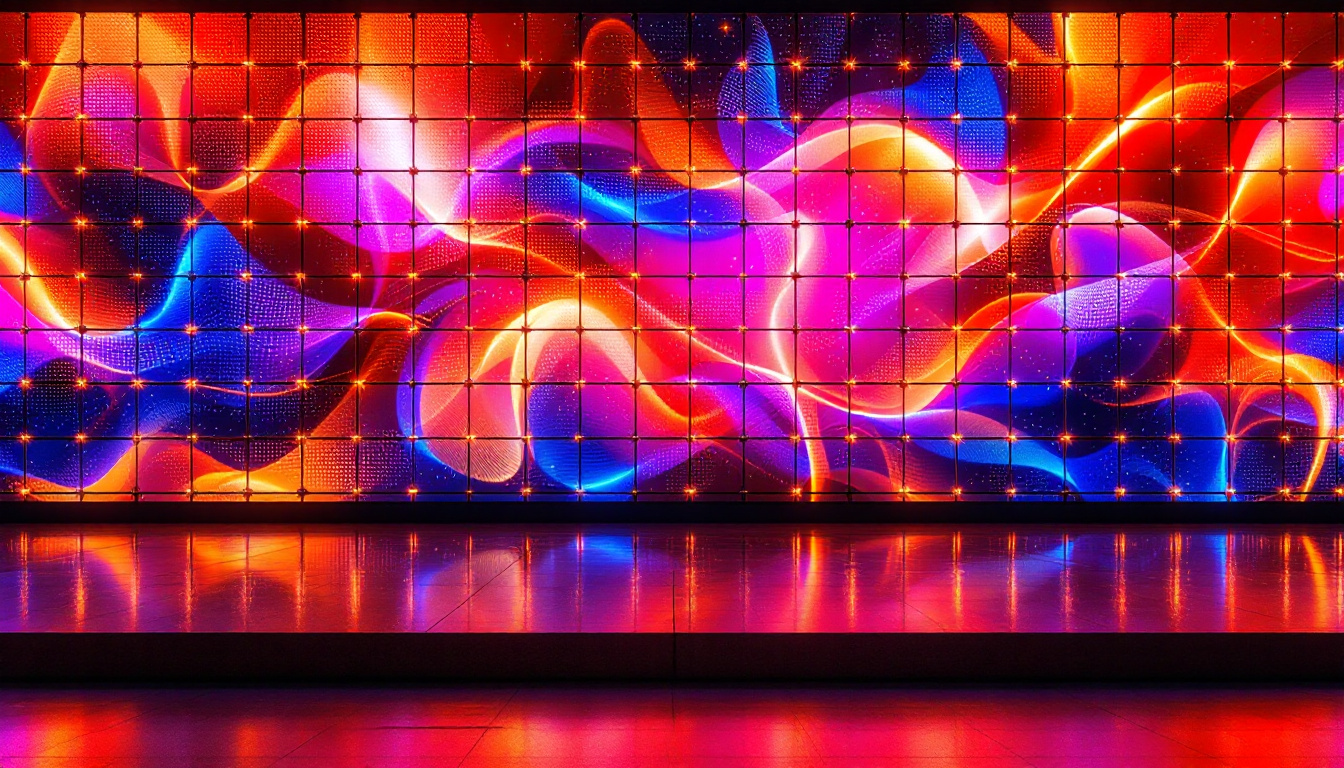
- Direct View LED (DVLED): This technology involves individual LEDs forming the actual pixels of the display. DVLED video walls offer exceptional brightness, wide viewing angles, and excellent color reproduction. They are highly durable and can be built in various sizes and shapes, making them ideal for both indoor and outdoor installations.
- LED-backlit LCD: These displays use LEDs as a backlight source behind an LCD panel. While they provide good image quality and are more affordable, they typically have thicker bezels and lower brightness compared to DVLEDs, making them less ideal for seamless video walls.
Pixel Pitch and Its Importance
One of the critical factors in LED video wall displays is the pixel pitch, which refers to the distance between the centers of two adjacent LEDs. A smaller pixel pitch means higher pixel density, resulting in sharper and more detailed images, especially at close viewing distances.
For indoor video walls, pixel pitches can be as fine as 0.9mm to 2.5mm, delivering crisp visuals suitable for environments like control rooms and retail spaces. Outdoor video walls typically have larger pixel pitches (4mm and above) to ensure visibility from greater distances.
Benefits of Frameless LED Video Walls
Frameless LED video walls offer a range of advantages that make them the preferred choice for many commercial and public applications.
Seamless Visual Experience
The ultra-thin bezels and precise alignment capabilities create a nearly continuous display surface. This seamlessness enhances the viewer’s experience by eliminating distracting gaps and lines, making the content more engaging and immersive.
High Brightness and Visibility
LED displays are known for their high brightness levels, often exceeding 1,000 nits for indoor models and reaching up to 5,000 nits or more for outdoor versions. This brightness ensures that content remains clear and vibrant even in brightly lit environments or direct sunlight.
Durability and Energy Efficiency
LED technology is robust and energy-efficient compared to other display types. Direct View LED panels have long lifespans, often exceeding 100,000 hours of operation, and consume less power, reducing operational costs for businesses.
Flexibility in Size and Configuration
Frameless LED video walls can be custom-built to fit virtually any space or shape. Whether it’s a massive rectangular wall or a curved installation, LED panels can be arranged to meet specific design requirements, offering unparalleled versatility.
Applications of Frameless LED Video Walls
The versatility and visual impact of frameless LED video walls have led to their widespread adoption across numerous industries and settings.
Corporate and Control Rooms
In corporate environments, video walls are used for presentations, data visualization, and collaborative workspaces. Control rooms, such as those in utilities, transportation, and security, rely on video walls to monitor multiple data streams and camera feeds simultaneously. Frameless LED video walls provide the clarity and seamlessness necessary for quick decision-making and effective communication.
Retail and Advertising
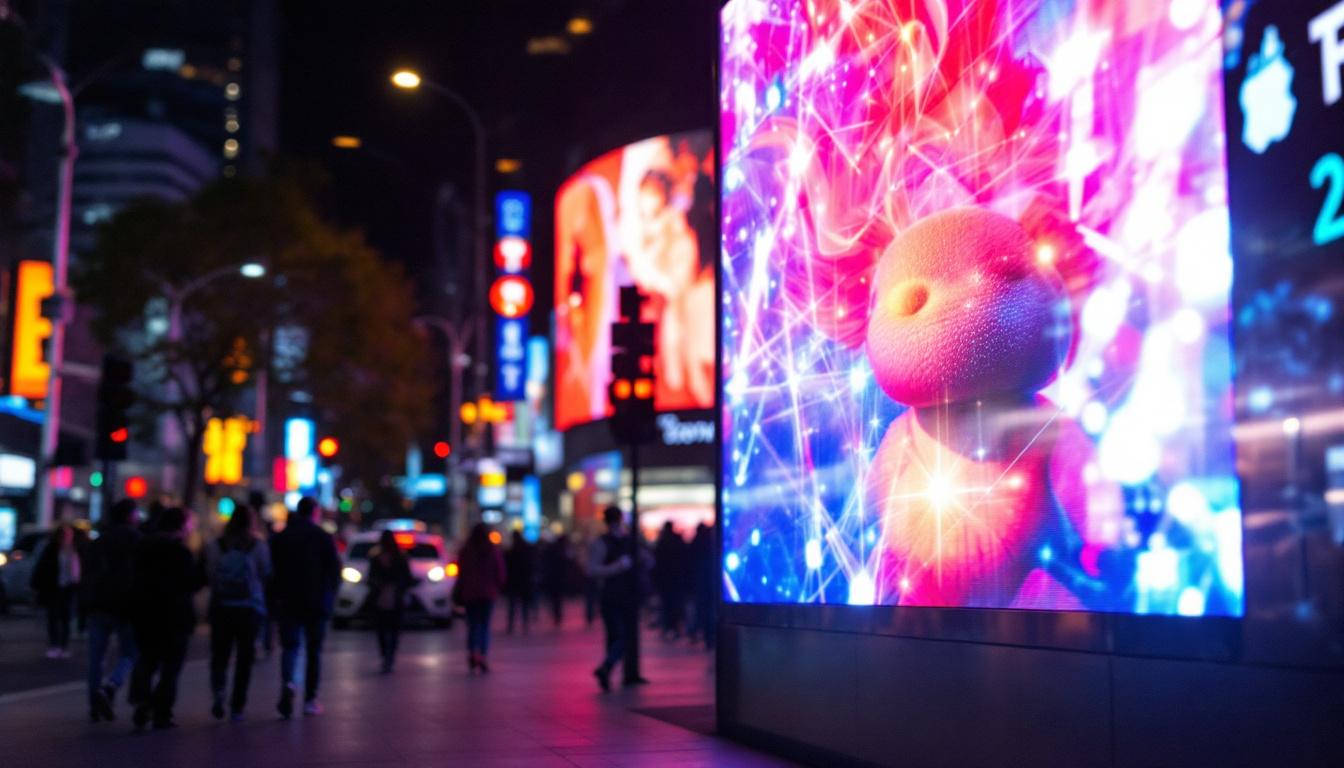
Retailers use video walls to create dynamic storefront displays, enhancing brand visibility and attracting customers. The high brightness and vivid colors of LED video walls make advertisements more eye-catching, even in busy urban settings.
Entertainment and Events
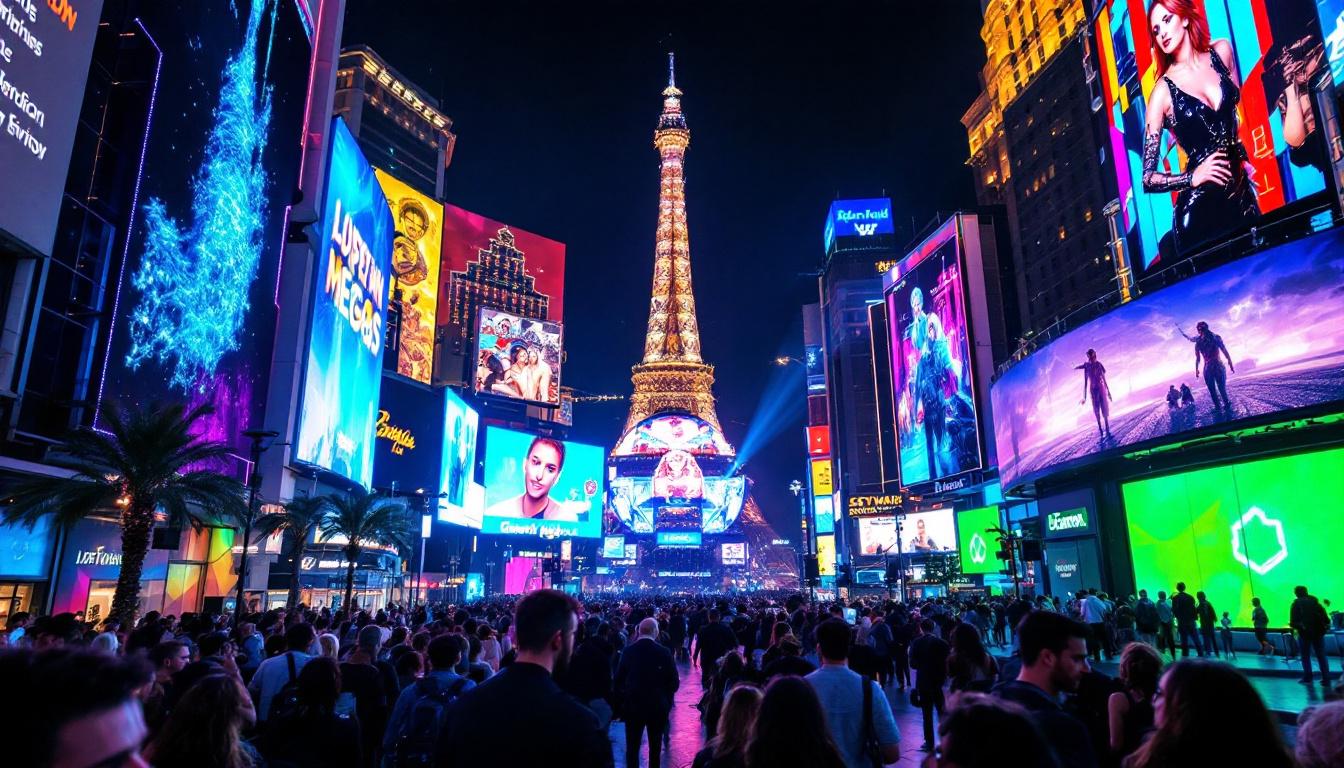
Concerts, sports arenas, and event venues utilize frameless LED video walls to deliver live video feeds, graphics, and immersive content to large audiences. The ability to create large, continuous displays enhances the overall experience and engagement.
Public Spaces and Transportation Hubs
Airports, train stations, and city squares employ LED video walls for information dissemination, wayfinding, and public art installations. The durability and brightness of LED displays ensure that messages are visible and impactful in diverse lighting conditions.
Considerations When Choosing Frameless LED Video Walls
While frameless LED video walls offer numerous benefits, selecting the right system requires careful consideration of several factors to ensure optimal performance and return on investment.
Resolution and Viewing Distance
The pixel pitch should be chosen based on the typical viewing distance. For close-up viewing, finer pixel pitches are necessary to avoid visible pixelation. Conversely, for large venues where viewers are farther away, larger pixel pitches can be more cost-effective without compromising perceived image quality.
Installation and Maintenance
Proper installation is critical to achieving the seamless look and consistent performance of frameless video walls. Modular LED panels should be installed with precision alignment tools. Additionally, maintenance access should be planned, especially for large or complex installations, to facilitate repairs and cleaning.
Content Management and Calibration
Advanced video wall controllers and content management systems are essential for synchronizing content across multiple panels. Regular calibration ensures color and brightness uniformity, maintaining the visual integrity of the video wall over time.
Budget and Total Cost of Ownership
Initial costs for frameless LED video walls can be significant, but it’s important to consider the total cost of ownership, including energy consumption, maintenance, and potential upgrades. Investing in high-quality LED panels and professional installation can yield long-term savings and superior performance.
The Future of Frameless LED Video Walls
As LED technology continues to advance, frameless video walls are becoming even more sophisticated. Innovations such as microLED displays, which offer even smaller pixel pitches and improved energy efficiency, are on the horizon. Additionally, increased integration with AI-driven content management and interactive capabilities will further enhance the functionality and appeal of video walls.
With the growing demand for immersive and dynamic digital experiences, frameless LED video walls are set to play a central role in shaping the future of visual communication across industries.
Conclusion
Frameless TVs designed for video walls, particularly those utilizing LED display technology, represent a significant leap forward in digital signage and large-format displays. Their ability to deliver seamless, vibrant, and customizable visual experiences makes them invaluable for a wide range of applications, from corporate environments to public entertainment spaces.
Understanding the technical aspects such as pixel pitch, brightness, and installation requirements is crucial for selecting the right frameless LED video wall solution. As technology evolves, these displays will continue to redefine how content is presented, offering ever more engaging and impactful ways to communicate with audiences.
Discover the Future of Visual Display with LumenMatrix
Ready to elevate your space with the most advanced frameless LED video wall technology? LumenMatrix is at the forefront of creating immersive environments with our comprehensive range of LED display solutions. From vibrant Indoor and Outdoor LED Wall Displays to innovative options like Vehicle LED Displays and LED Transparent Displays, we have the tools to transform your visual communication. Experience the revolution in digital signage and join the myriad of businesses already showcasing their content with unparalleled clarity and impact. Check out LumenMatrix LED Display Solutions today and step into the future of engaging, dynamic displays.