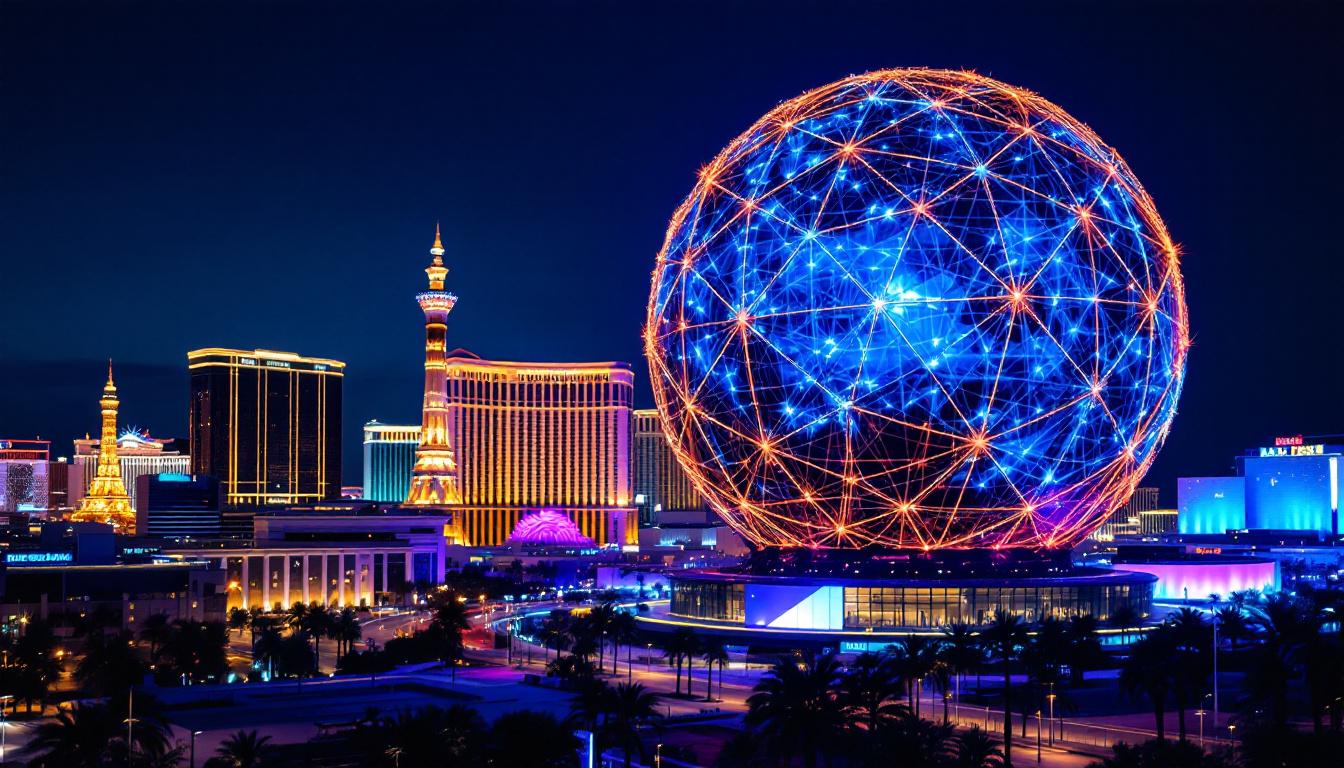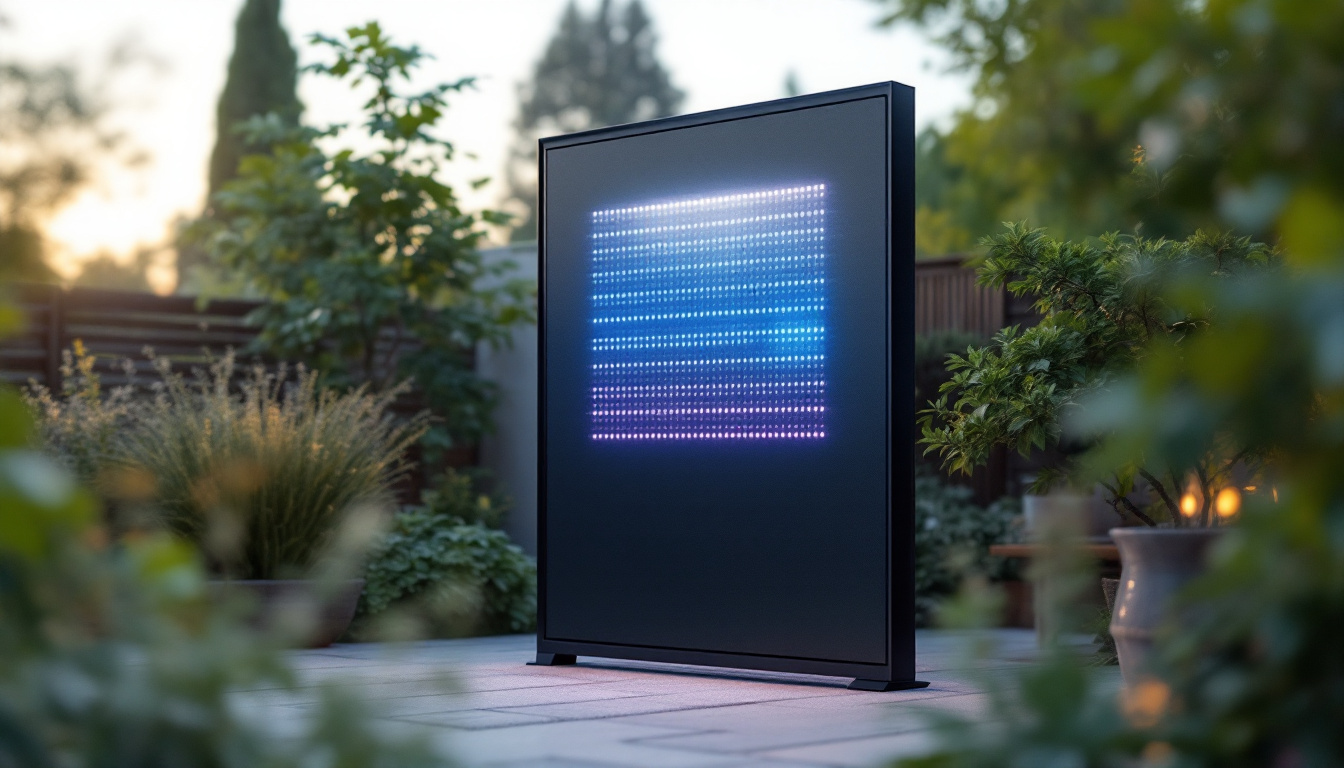
In today’s fast-paced digital world, LED displays have become an integral part of how information is communicated visually. From vibrant billboards to indoor screens in shopping malls and stadiums, LED technology is everywhere. But what exactly does “LED” stand for, and how do LED displays work? This comprehensive guide will explore the fundamentals of LED displays, their technology, applications, and why they have become the preferred choice for digital signage and visual communication.
Understanding the Basics: What Does LED Stand For?
LED stands for Light Emitting Diode. A diode is a semiconductor device that allows current to flow in one direction, and when it emits light, it becomes a light-emitting diode. LEDs are tiny electronic components that produce light when an electric current passes through them. Unlike traditional incandescent bulbs, LEDs do not rely on heating a filament to produce light, which makes them more energy-efficient and longer-lasting.
Since their invention in the early 1960s, LEDs have evolved from simple indicator lights on electronic devices to sophisticated components used in large-scale display systems. The ability of LEDs to emit bright, vibrant colors with low power consumption has made them the cornerstone of modern display technology.
One of the most remarkable features of LEDs is their versatility. They come in various shapes, sizes, and colors, allowing them to be used in a wide range of applications, from household lighting to intricate decorative displays. For instance, RGB (Red, Green, Blue) LEDs can be combined to create millions of different colors, making them ideal for everything from stage lighting to holiday decorations. Furthermore, advancements in technology have led to the development of smart LEDs, which can be controlled remotely via smartphones or home automation systems, adding convenience and customization to lighting solutions.
Moreover, the environmental impact of LEDs cannot be overlooked. As they consume significantly less energy compared to traditional lighting options, they contribute to reducing greenhouse gas emissions. The longevity of LEDs, often lasting up to 25,000 hours or more, means fewer bulbs end up in landfills, further minimizing their ecological footprint. As cities and communities increasingly turn to LED street lighting, the benefits are not only seen in energy savings but also in improved safety and visibility at night, showcasing how this technology is transforming urban landscapes.
How LED Displays Work: The Technology Behind the Glow
The Structure of an LED Display
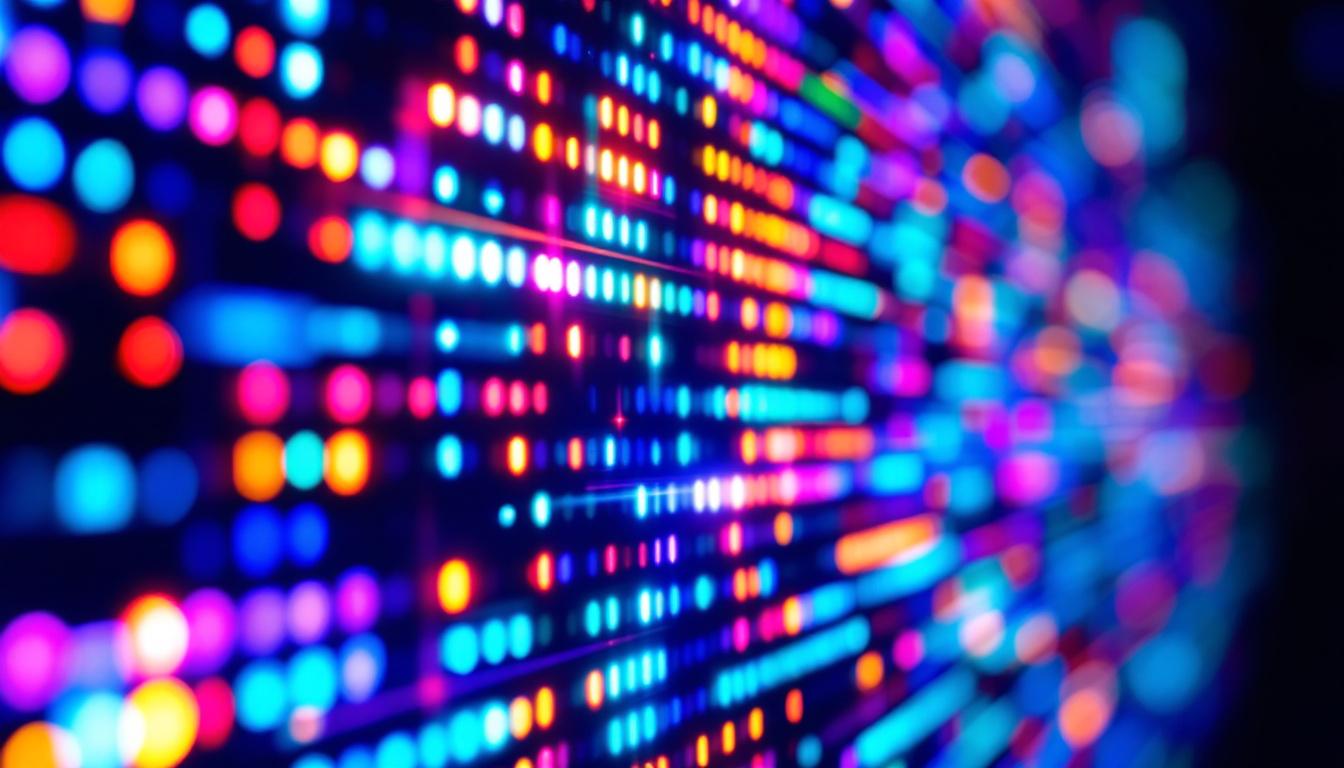
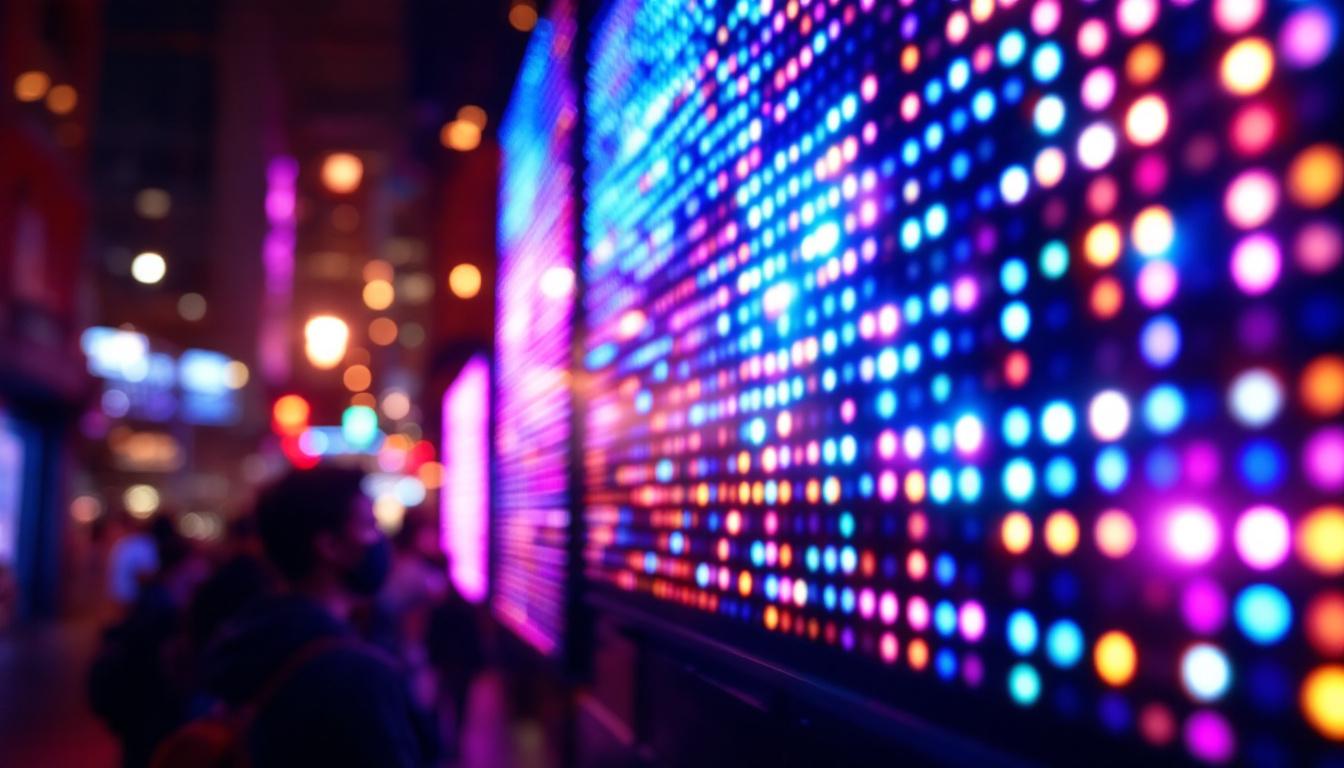
An LED display consists of thousands to millions of tiny LEDs arranged in a grid or matrix. Each LED acts as a single pixel that can emit light in different colors, primarily red, green, and blue (RGB). By adjusting the intensity of these three colors, the display can produce a full spectrum of colors, enabling rich and dynamic images.
There are two main types of LED displays:
- Direct View LED Displays: These use individual LEDs as pixels and are commonly found in large outdoor screens, stadium displays, and digital billboards.
- LED-Backlit LCD Displays: These use LEDs as a backlight behind a liquid crystal display (LCD) panel, common in televisions, computer monitors, and smartphones.
Pixel Composition and Color Mixing
Each pixel in a direct view LED display is made up of three sub-pixels: red, green, and blue. By varying the brightness of each sub-pixel, the display can create millions of color combinations. This process is known as additive color mixing. For example, turning on red and green sub-pixels at full brightness produces yellow.
The precision of this color control is crucial for delivering high-resolution images with accurate color reproduction. Modern LED displays use advanced control systems to manage the brightness and color of each pixel in real-time, ensuring smooth video playback and crisp visuals. Additionally, the advancements in technology have led to the development of high dynamic range (HDR) displays, which can produce even more vibrant colors and deeper contrasts, enhancing the viewing experience significantly.
Moreover, the arrangement of LEDs in a display can greatly influence its performance. For instance, tighter pixel pitch—meaning the distance between the centers of two adjacent pixels—is essential for creating sharper images, especially in close-viewing applications like smartphones and tablets. As technology progresses, manufacturers are continually working to decrease pixel pitch, allowing for higher resolution displays that can captivate viewers with stunning detail and clarity. This evolution in pixel density is not only transforming consumer electronics but also paving the way for innovative applications in advertising, art installations, and immersive environments.
Advantages of LED Displays Over Traditional Display Technologies
Energy Efficiency and Longevity
One of the most significant benefits of LED displays is their energy efficiency. LEDs consume far less power than traditional incandescent bulbs and even many other display technologies such as plasma or fluorescent lighting. This efficiency translates into lower operating costs, especially important for large-scale outdoor displays that run continuously.
Additionally, LEDs have an exceptionally long lifespan, often exceeding 50,000 hours of operation. This durability reduces maintenance costs and downtime, making LED displays a cost-effective solution over time.
Brightness and Visibility
LED displays are known for their high brightness levels, which can reach up to several thousand nits (a unit measuring luminance). This brightness makes them ideal for outdoor environments where sunlight can wash out less powerful displays. For example, digital billboards along highways often use LEDs to ensure messages remain visible even in direct sunlight.
Moreover, LED displays offer wide viewing angles, meaning images remain clear and vibrant even when viewed from the side. This characteristic is essential for public displays where audiences may be spread over a large area.
Flexibility and Scalability
LED technology is highly versatile. Displays can be built in various shapes and sizes, from small indoor panels to massive outdoor screens covering entire building facades. The modular nature of LED panels allows for easy scaling; additional panels can be added to increase the display size without compromising image quality.
This flexibility also extends to creative applications. Curved, flexible, and even transparent LED displays are now available, opening new possibilities for architects, advertisers, and event organizers.
Common Applications of LED Displays
Outdoor Advertising and Digital Billboards
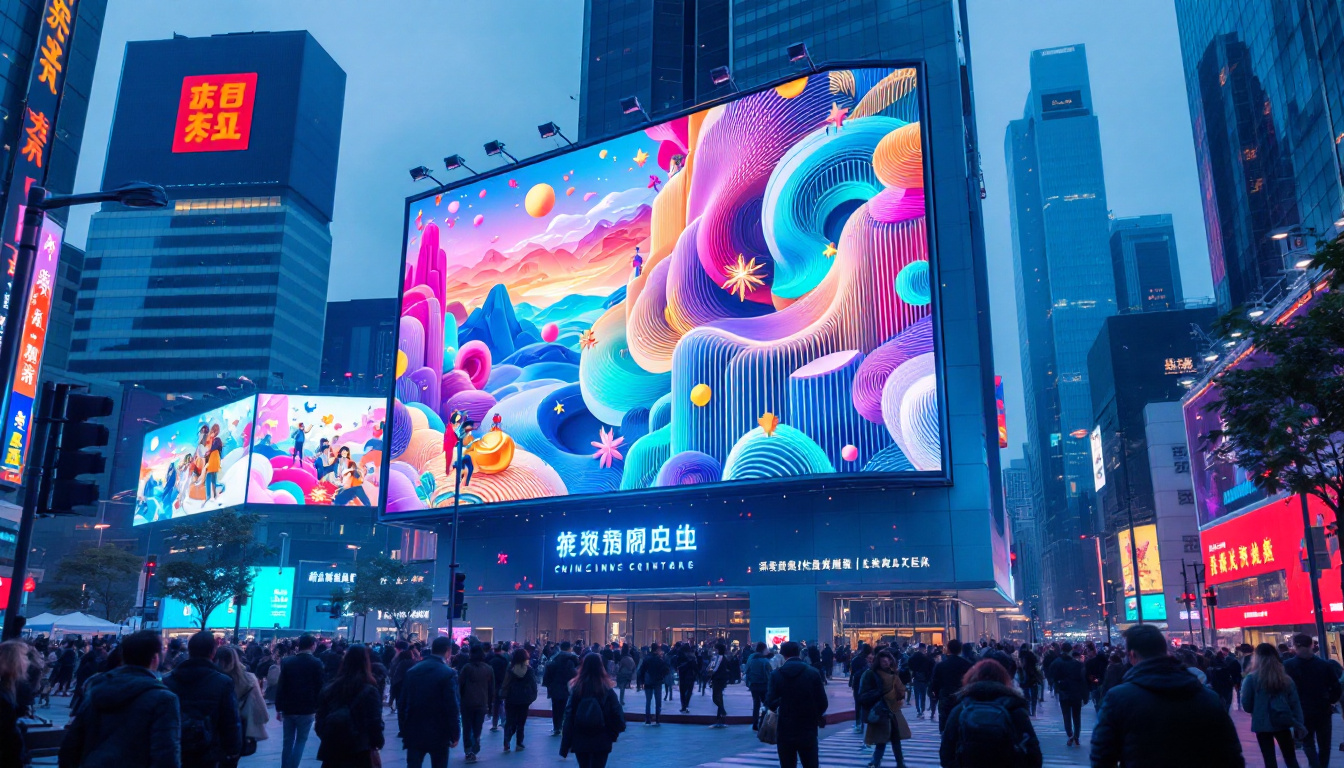
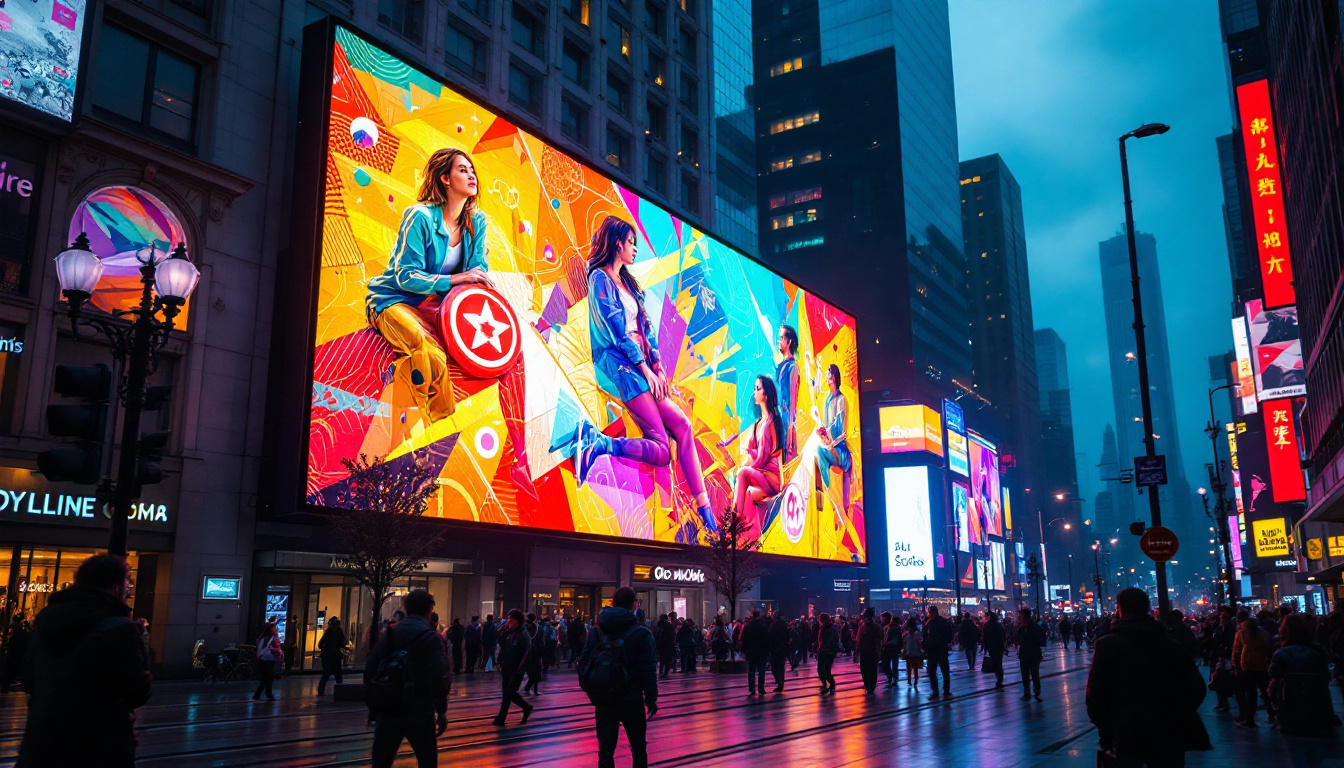
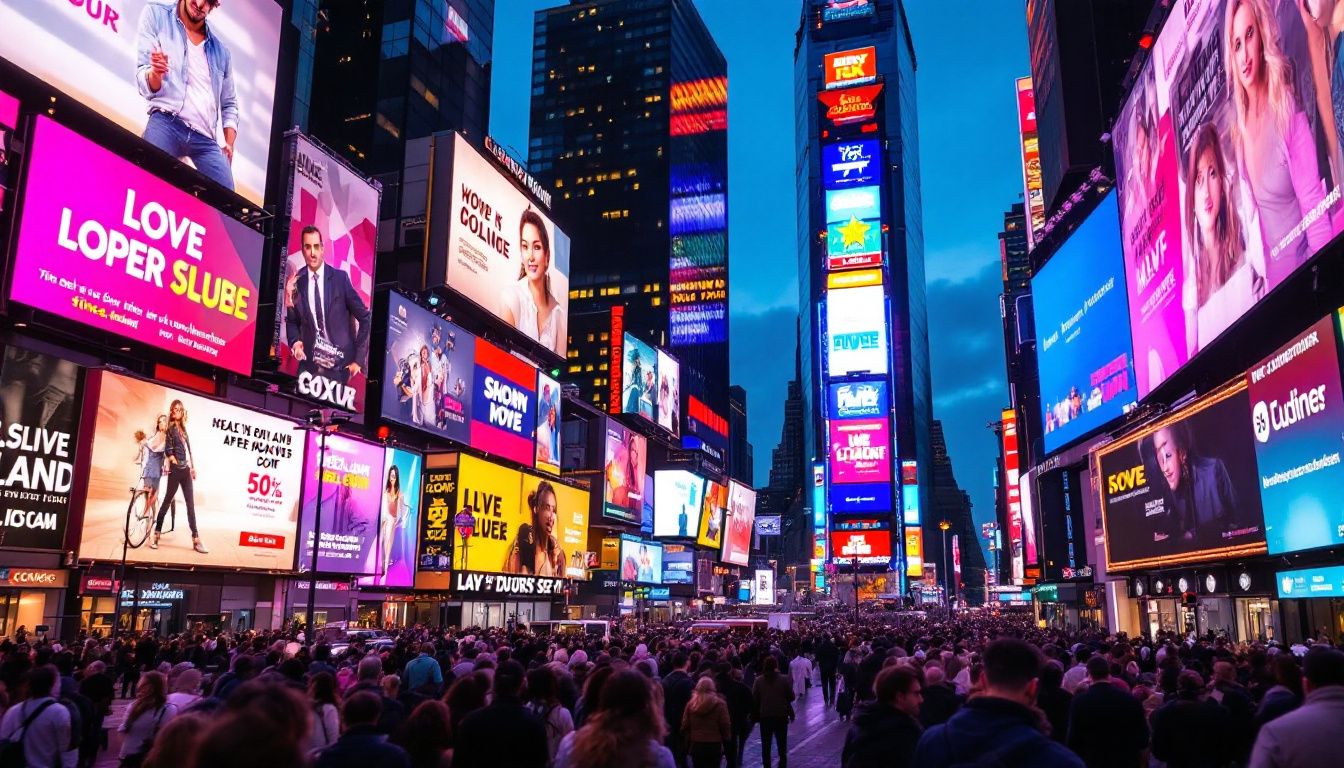
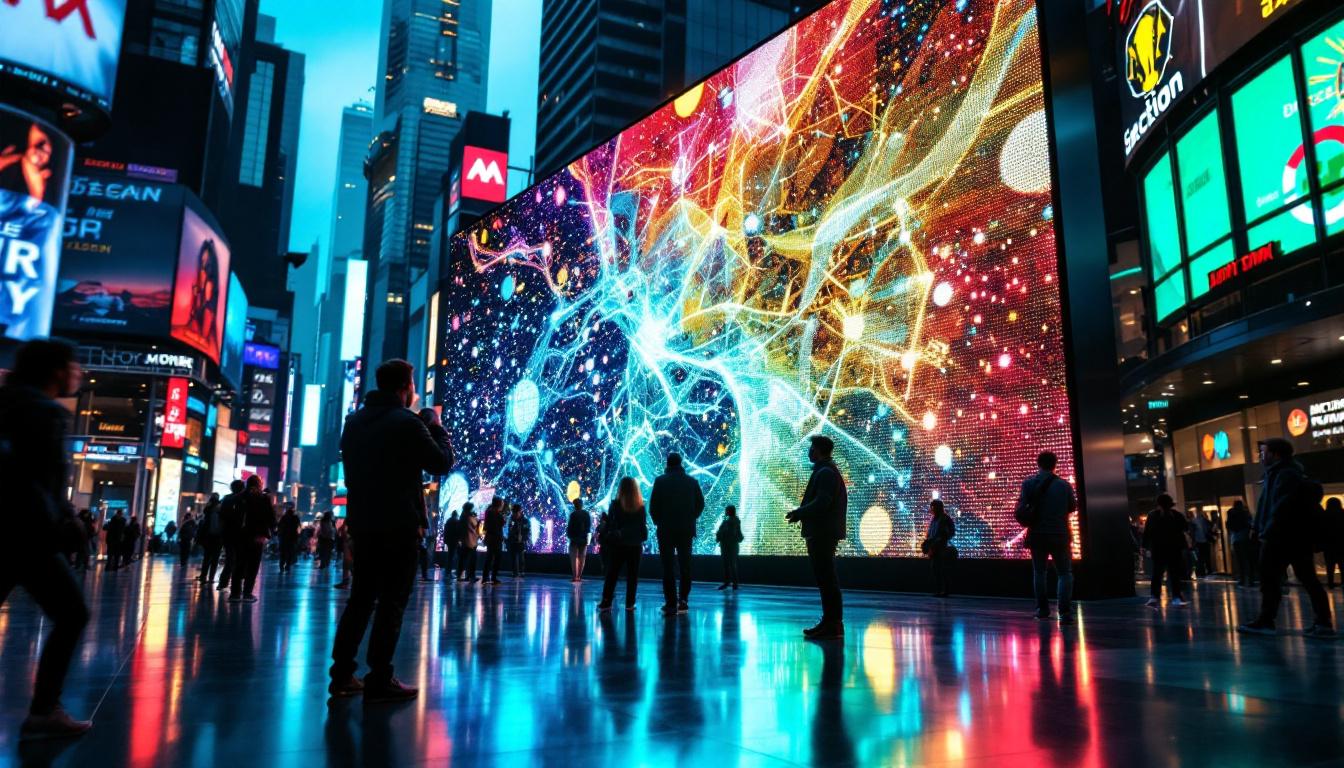
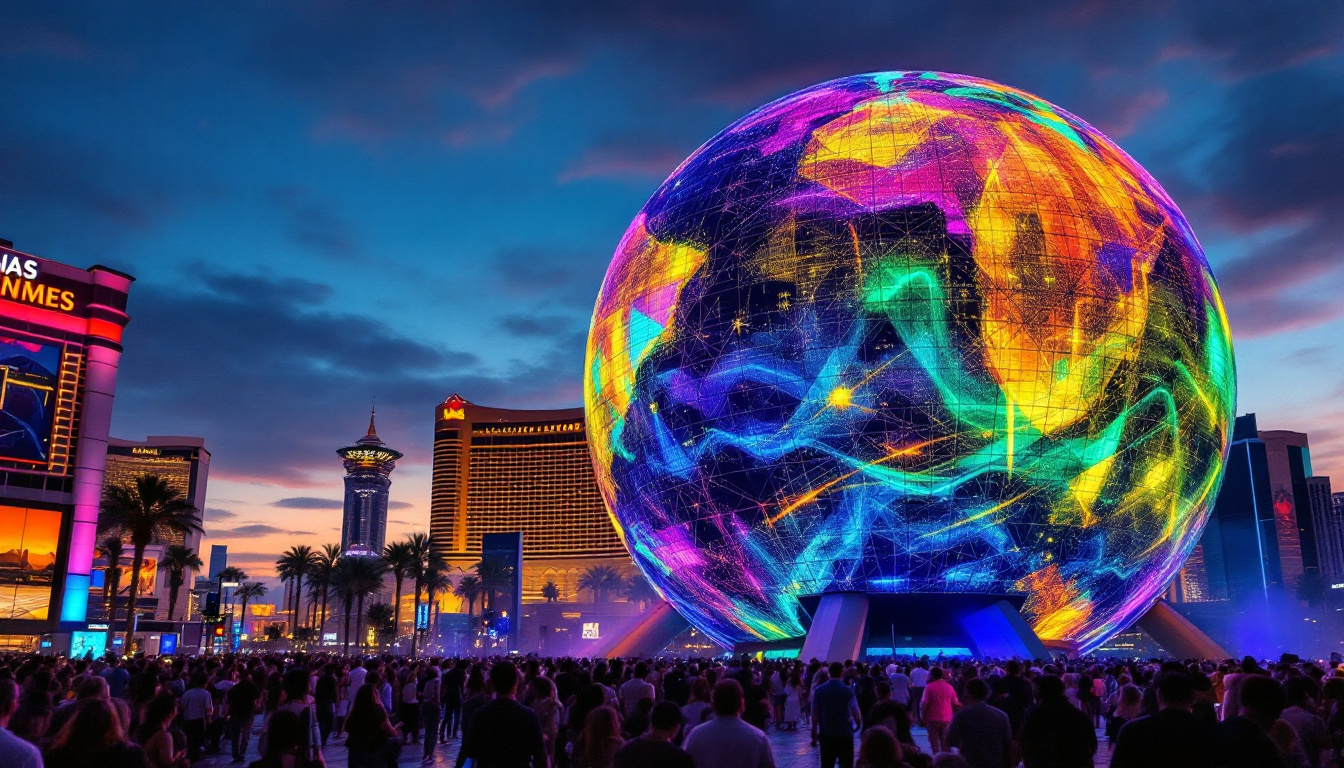
Outdoor advertising is one of the most prominent uses of LED displays. Digital billboards leverage the brightness and durability of LEDs to capture attention in busy urban environments. According to recent market reports, the global digital billboard market is projected to grow at a compound annual growth rate (CAGR) of over 10% through 2027, driven largely by advancements in LED technology.
These billboards can display dynamic content, including videos, animations, and real-time updates, making advertising more engaging and adaptable than traditional static signs.
Sports Arenas and Event Venues
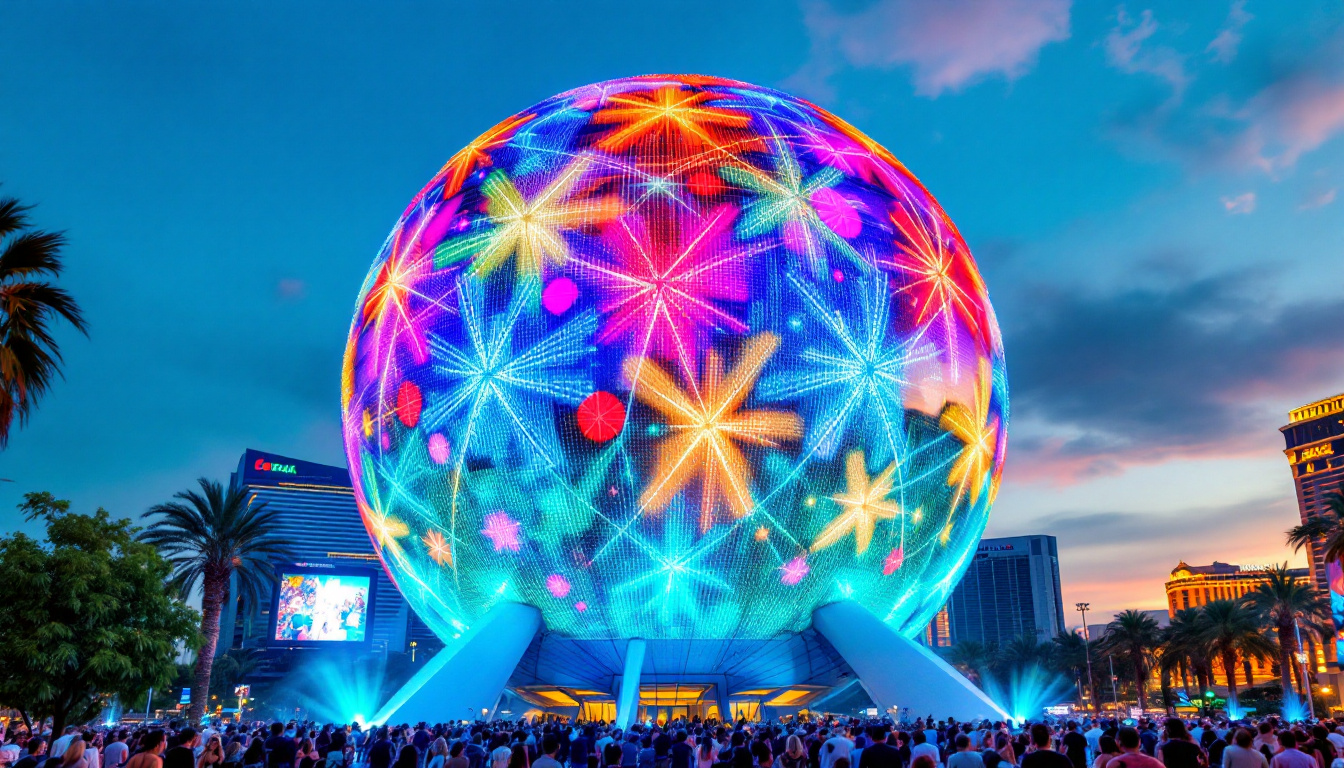
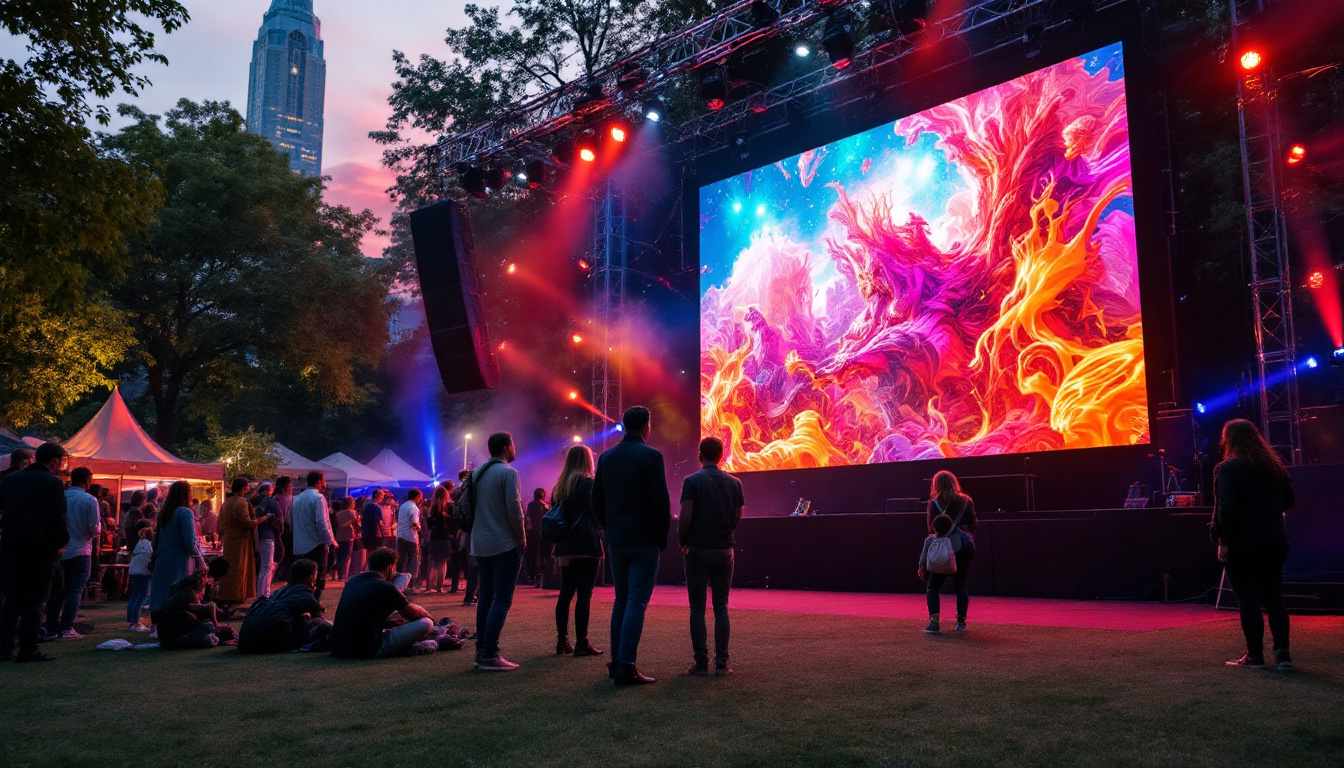
Sports stadiums and event venues use large direct view LED displays to enhance the spectator experience. Scoreboards, instant replays, and live event feeds are displayed on massive screens that provide clear visibility to thousands of attendees. The ability to display high-definition video content and vibrant colors adds excitement and immersion to live events.
Retail and Indoor Signage
In retail environments, LED displays are used for digital signage, promotional displays, and interactive kiosks. Their bright, colorful visuals attract customers and can be updated remotely, allowing retailers to change content frequently without the cost of printing new materials.
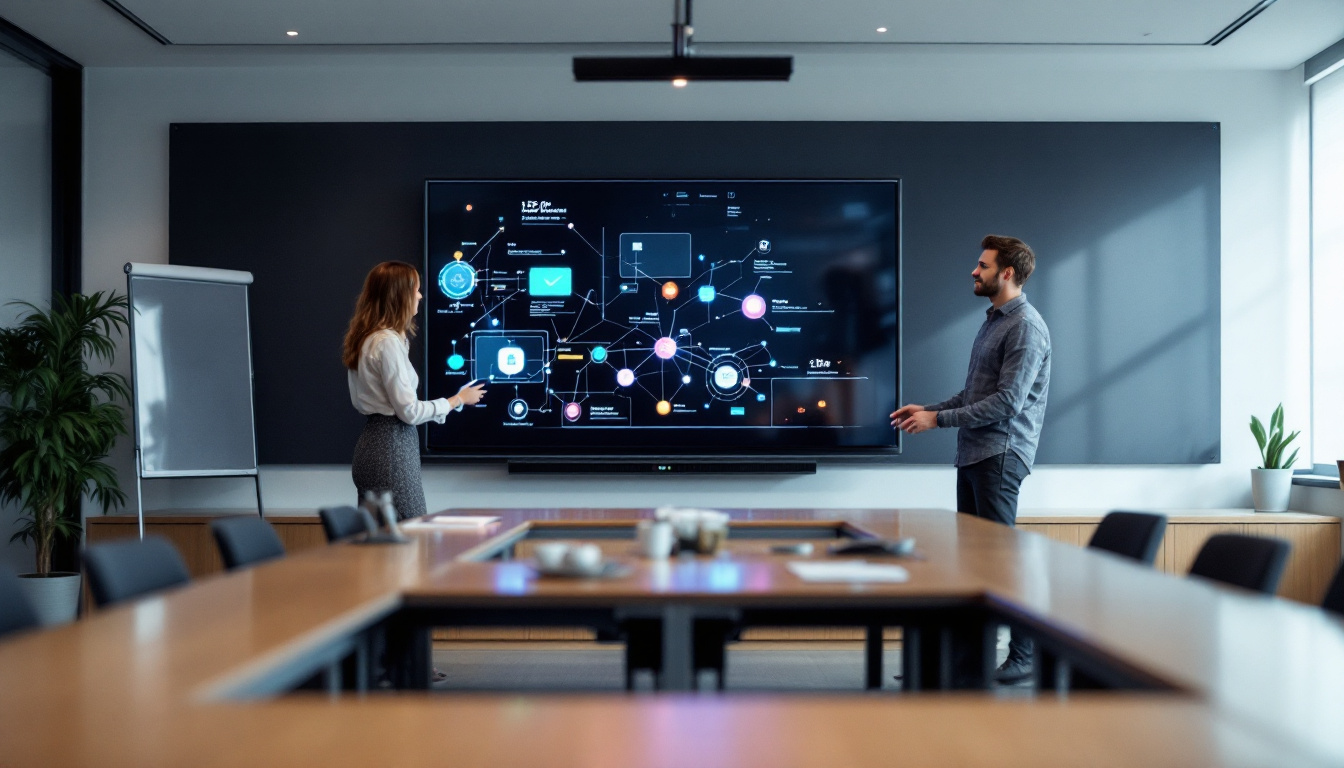
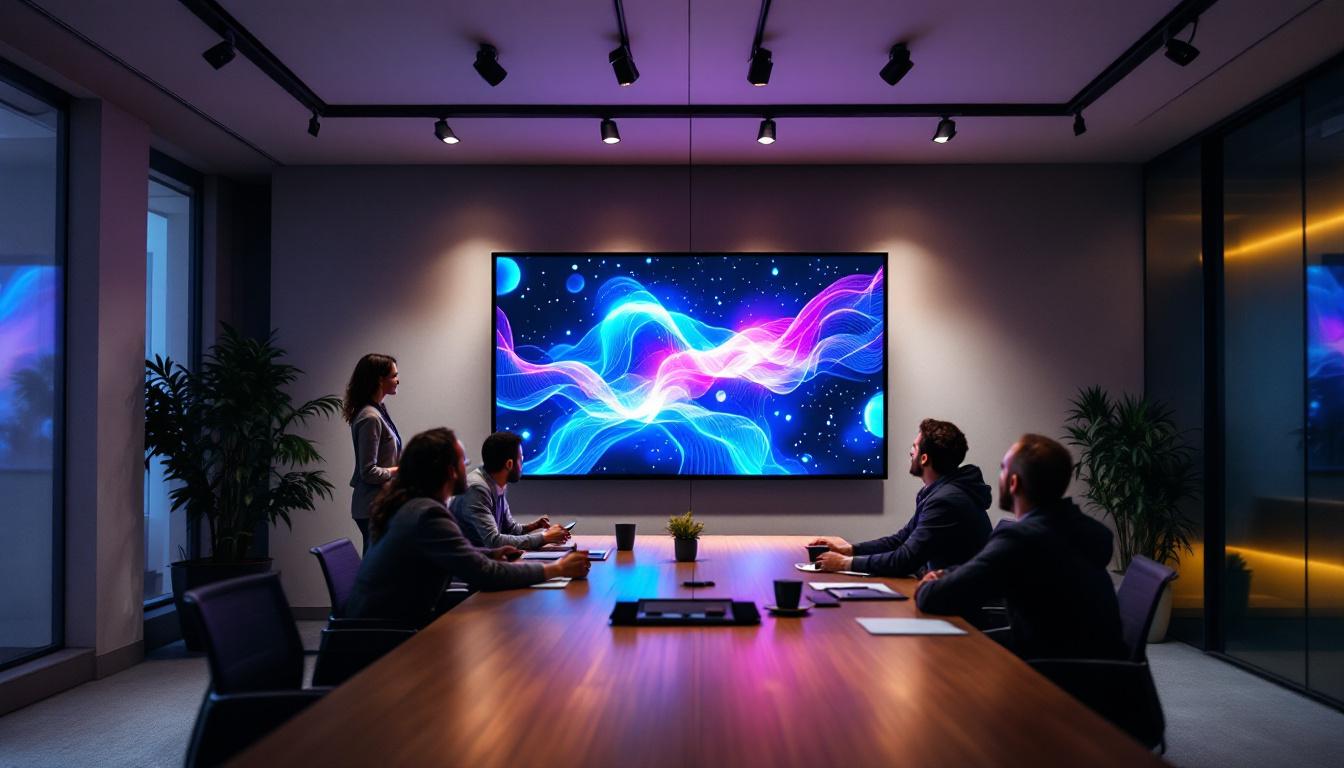
Indoor LED displays are also common in corporate settings, museums, and transportation hubs, providing information and enhancing the ambiance of spaces.
Television and Consumer Electronics
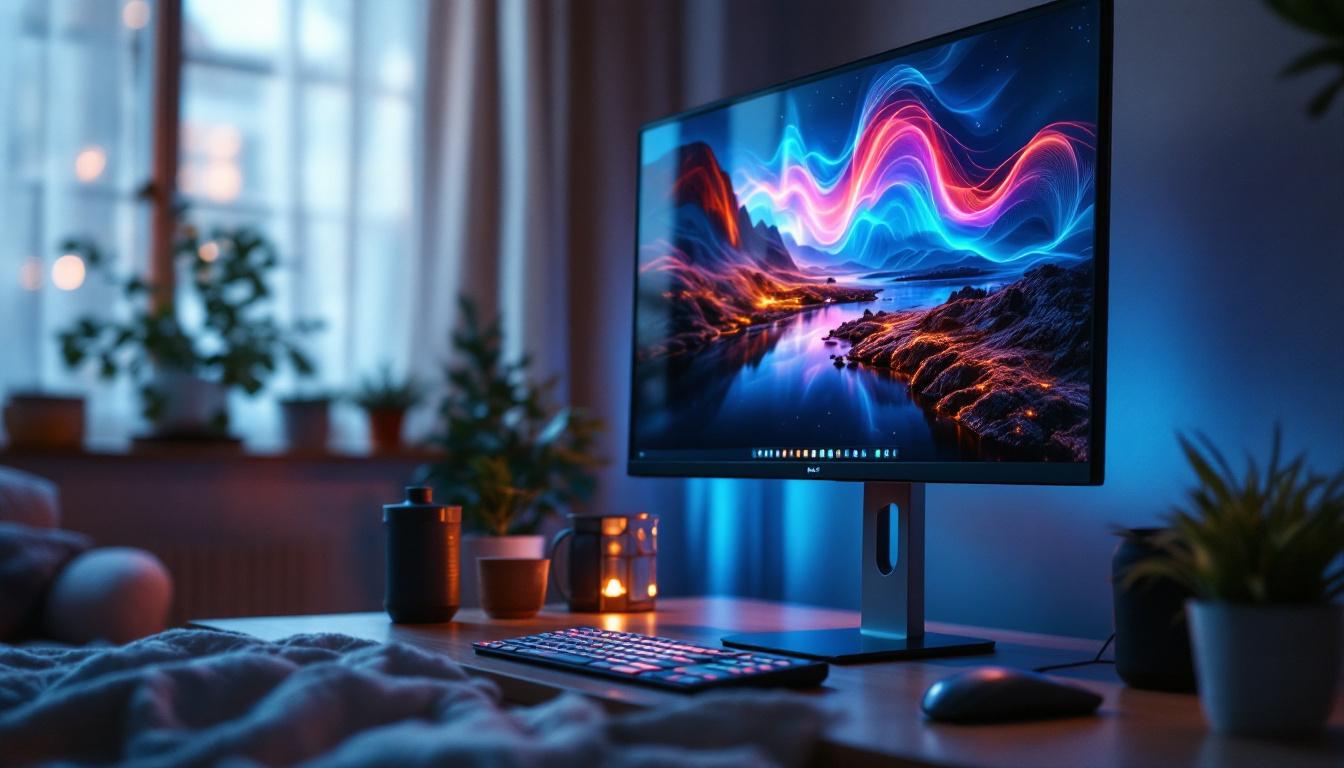
While direct view LED displays dominate large-scale applications, LED backlighting has revolutionized consumer electronics. LED-backlit LCD TVs and monitors offer better contrast, thinner designs, and improved energy efficiency compared to older CCFL-backlit models. The transition to LED technology has been a key factor in the rapid advancement of display quality in consumer devices.
Emerging Trends and Future of LED Displays
MicroLED and MiniLED Technologies
MicroLED and MiniLED are next-generation display technologies that build on traditional LED principles but offer significant improvements in resolution, brightness, and contrast. MicroLED displays use microscopic LEDs as individual pixels, enabling ultra-high-definition screens with exceptional color accuracy and energy efficiency.
MiniLED technology uses thousands of tiny LEDs as backlighting for LCD panels, providing better local dimming and contrast than conventional LED-backlit LCDs. Both technologies are poised to impact markets ranging from smartphones to large-format displays.
Integration with Smart Technologies
LED displays are increasingly integrated with smart technologies, including IoT (Internet of Things) connectivity and AI-driven content management. This integration enables real-time data-driven advertising, interactive experiences, and automated content adjustments based on audience demographics or environmental factors.
For example, some digital billboards now adjust brightness and content based on ambient light and weather conditions, optimizing visibility and engagement while conserving energy.
Sustainability and Environmental Impact
As sustainability becomes a priority worldwide, LED displays offer an environmentally friendly alternative to older technologies. Their low power consumption reduces carbon footprints, and many manufacturers are adopting eco-friendly materials and recycling programs to minimize waste.
Continued innovation aims to improve the recyclability of LED components and reduce hazardous substances used in production, aligning LED display technology with global sustainability goals.
Conclusion: Why LED Displays Matter
LED stands for Light Emitting Diode, a technology that has transformed how visual information is presented across multiple industries. LED displays combine energy efficiency, brightness, flexibility, and durability, making them the preferred choice for everything from outdoor advertising to consumer electronics.
As LED technology continues to evolve with innovations like MicroLED and smart integration, the future of digital displays looks brighter than ever. Understanding what LED stands for and how these displays function provides valuable insight into the technology shaping modern communication and entertainment.
Whether you are a business owner considering digital signage, a marketer looking for impactful advertising solutions, or a technology enthusiast, appreciating the fundamentals of LED displays is essential in today’s visually driven world.
Discover the Future of Visual Communication with LumenMatrix
Ready to elevate your visual messaging with the latest in LED display technology? LumenMatrix is at the forefront of innovation, offering a wide array of LED display solutions that cater to your unique needs. From Indoor and Outdoor LED Wall Displays to specialized options like Vehicle, Sports, and Floor LED Displays, our products are designed to make your brand stand out. Experience the difference with our Custom, All-in-One, and LED Transparent Displays, and see how our commitment to revolutionizing visual communication can help you engage and captivate your audience. Check out LumenMatrix LED Display Solutions today and transform the way you share your message.