Commercial TV: LED Display Explained
In today’s fast-paced digital world, commercial television has evolved far beyond traditional broadcast screens. LED display technology has become a cornerstone of modern commercial TV applications, offering vibrant visuals, energy efficiency, and versatile deployment options. This article delves into the fundamentals of LED displays, their advantages over other technologies, and why they are increasingly preferred in commercial settings.
Understanding LED Display Technology
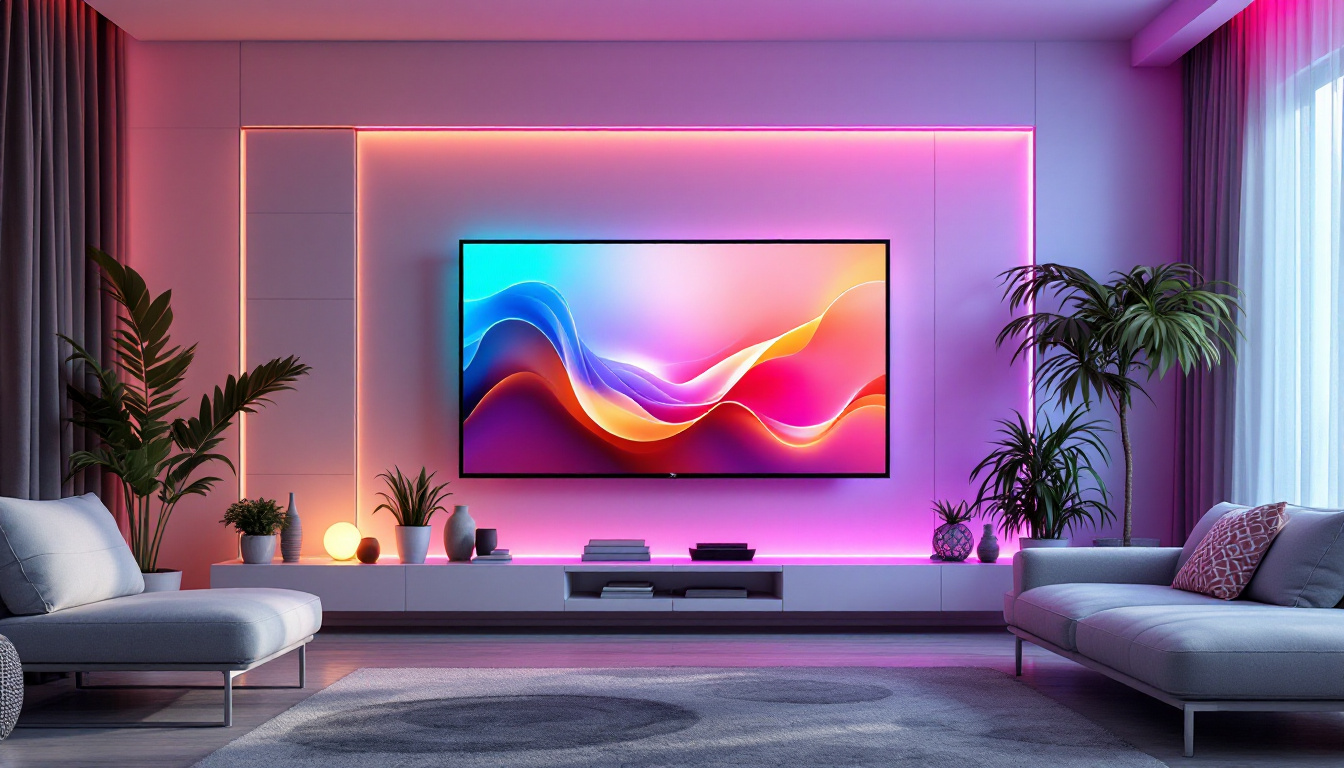
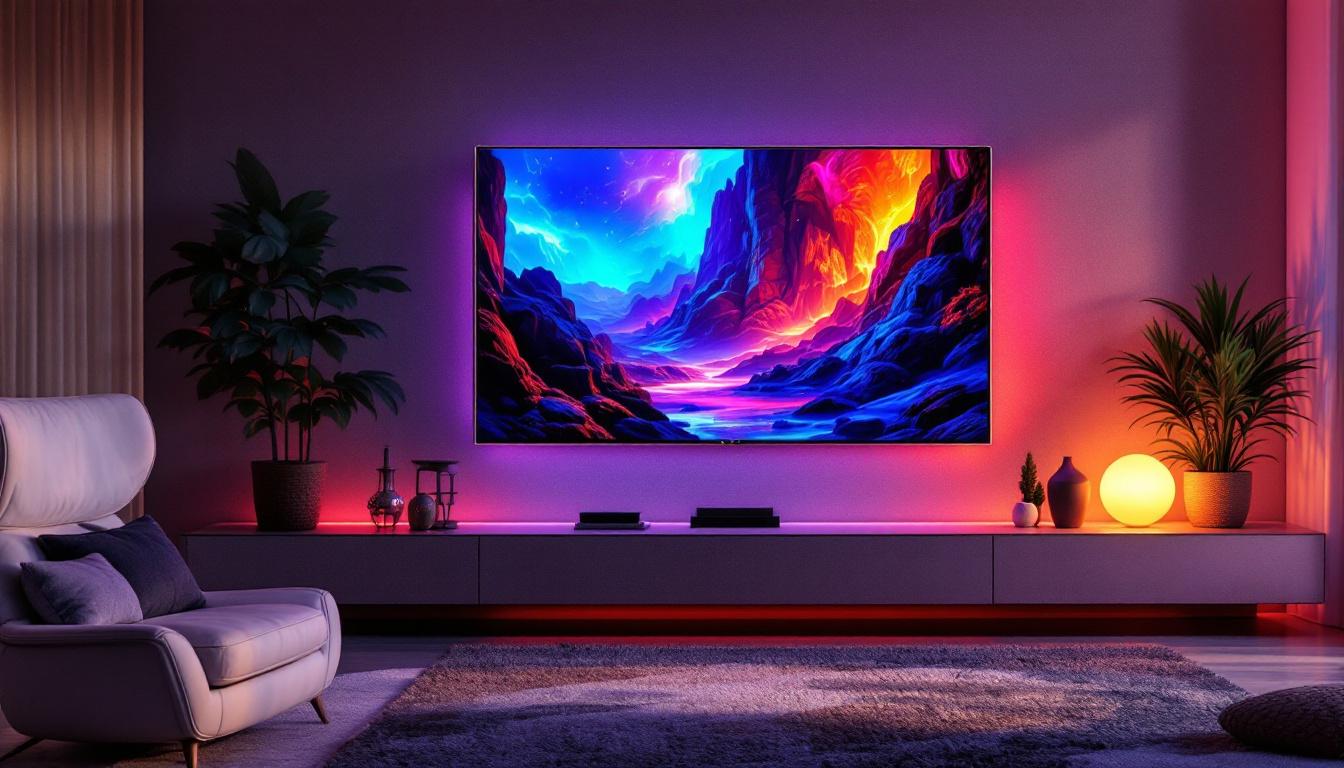
LED, or Light Emitting Diode, displays are a form of flat-panel display that use an array of tiny LEDs as pixels to create images. Unlike LCDs that rely on backlighting, LED displays generate their own light, which results in brighter images and deeper contrast ratios. This self-illuminating capability allows for vibrant colors and sharp details, making them ideal for a variety of applications, from home entertainment systems to professional broadcasting environments.
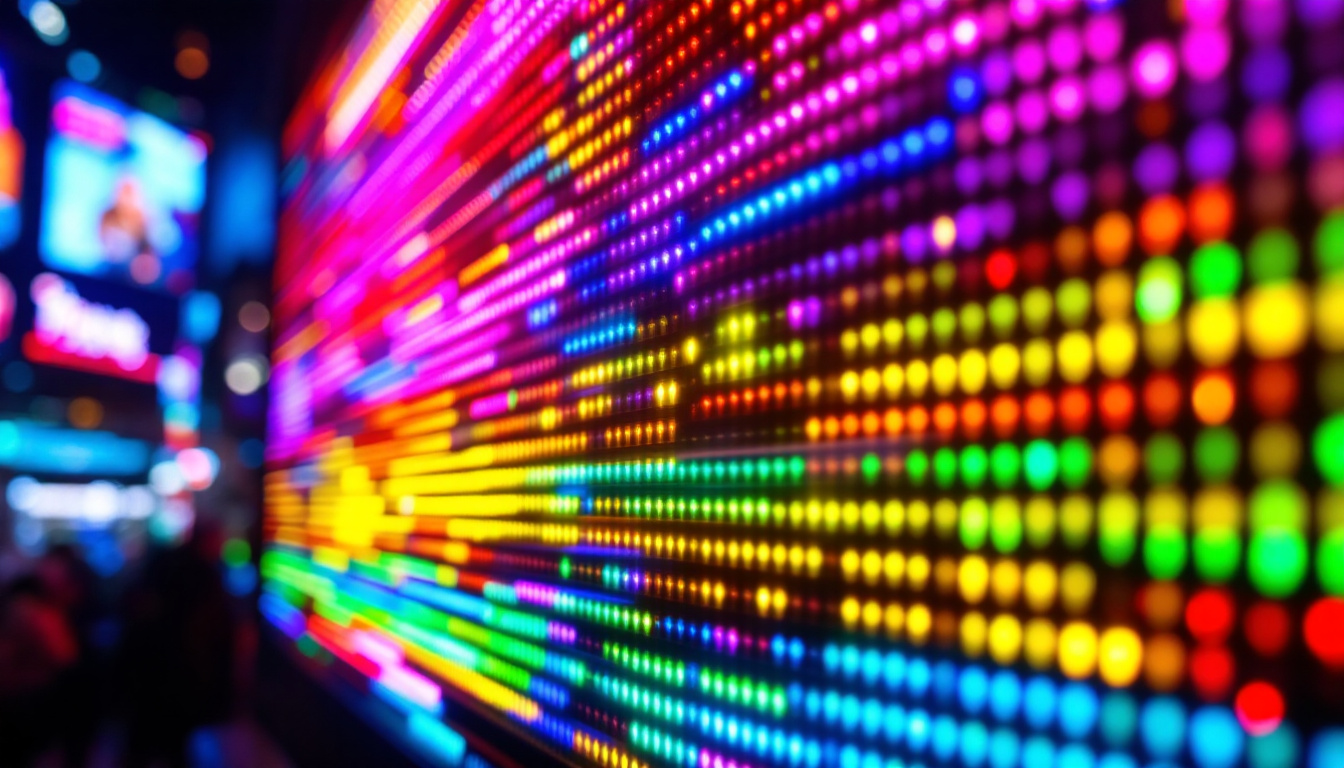
Commercial LED displays are designed to be scalable and customizable, ranging from small indoor screens to massive outdoor billboards. The core technology involves red, green, and blue LEDs arranged in clusters called pixels. By varying the intensity of each LED, the display can produce millions of colors with remarkable accuracy. This versatility is particularly beneficial in dynamic environments where content can change frequently, such as in advertising or live event broadcasting, allowing for real-time updates and engaging visual experiences.
Types of LED Displays
There are two primary types of LED displays used in commercial TV applications: direct-view LED and LED-backlit LCD.
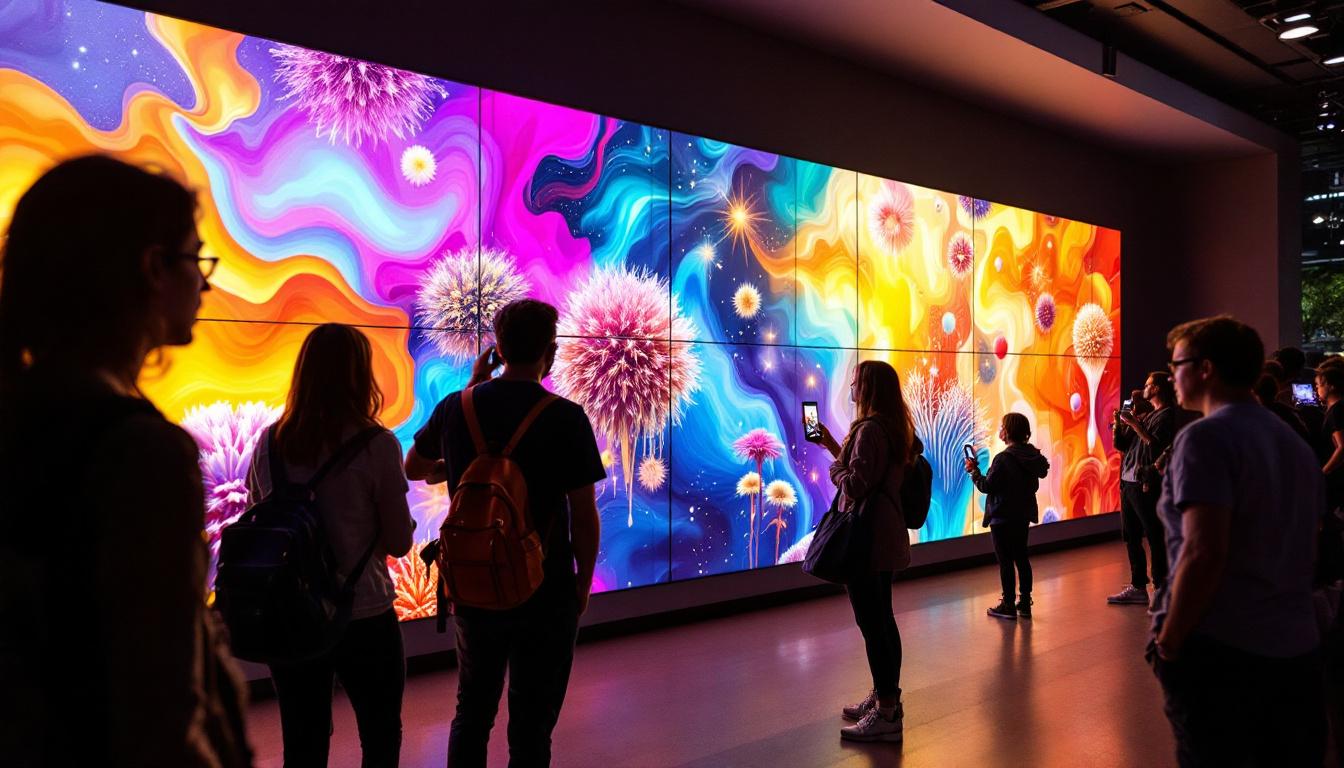
- Direct-View LED Displays: These displays consist entirely of LEDs that emit light directly to form the image. They are commonly used for large-format screens such as stadium displays, digital billboards, and indoor video walls. Their modular design allows for flexible sizing and shapes, making them suitable for unique architectural installations or creative advertising solutions. Additionally, direct-view LED displays can achieve high refresh rates, which is crucial for displaying fast-moving content without motion blur, enhancing the viewing experience for sports and action-packed events.
- LED-Backlit LCD Displays: These are traditional LCD panels illuminated by LEDs placed behind or along the edges of the screen. While offering improved brightness and energy efficiency compared to older CCFL backlights, they do not match the contrast and viewing angles of direct-view LED displays. However, LED-backlit LCDs are still prevalent in consumer electronics due to their cost-effectiveness and ability to produce decent image quality for everyday use. They are often found in televisions and computer monitors, providing a balance between performance and affordability for the average consumer.
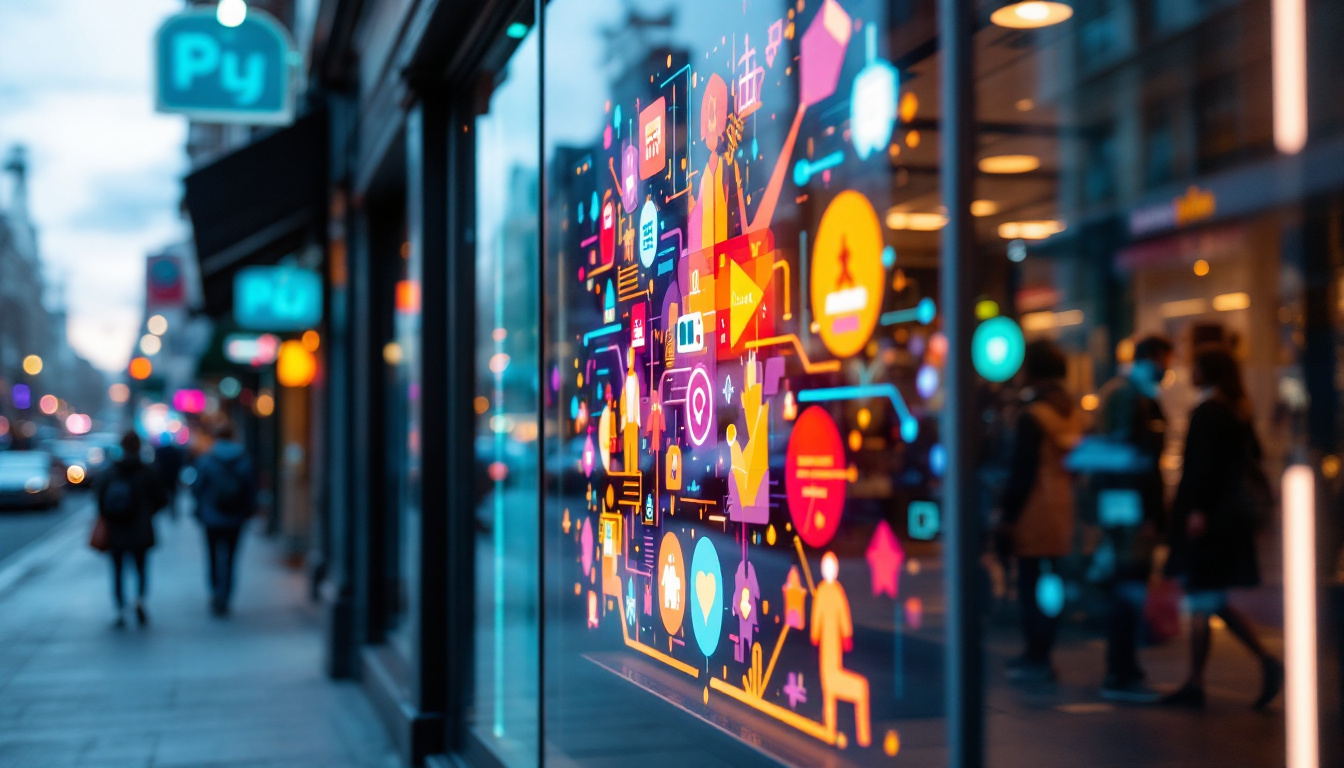
In addition to these primary types, there are also specialized LED displays designed for specific applications. For instance, transparent LED displays are gaining popularity in retail environments, allowing for eye-catching advertising while maintaining visibility into the store. Similarly, flexible LED displays are emerging, enabling curved or irregular screen shapes that can adapt to various design needs, from automotive displays to innovative art installations. As technology continues to evolve, the potential applications for LED displays are expanding, promising even more exciting developments in visual communication.
Why LED Displays Are Ideal for Commercial TV
Commercial environments demand displays that can perform reliably under diverse conditions while delivering eye-catching visuals. LED displays meet these requirements with several distinct advantages.
Superior Brightness and Visibility
One of the most significant benefits of LED technology is its ability to produce extremely bright images. Commercial LED displays can achieve brightness levels exceeding 5,000 nits, making them visible even in direct sunlight. This is crucial for outdoor advertising and public information displays where ambient light can wash out traditional screens.
Additionally, LED displays maintain consistent brightness and color accuracy across wide viewing angles. This ensures that viewers see clear, vibrant images from virtually any position, which is essential in busy commercial spaces such as shopping malls, airports, and sports arenas.
Energy Efficiency and Longevity
Energy consumption is a critical factor for businesses managing operational costs. LED displays are more energy-efficient than older technologies, consuming up to 30-50% less power than comparable LCD or plasma screens. This efficiency translates into lower electricity bills and reduced environmental impact.
Moreover, LEDs have a long operational lifespan, often exceeding 100,000 hours of use. This durability reduces the need for frequent replacements or repairs, minimizing downtime and maintenance expenses in commercial settings.
Customization and Scalability
Commercial LED displays offer unparalleled flexibility in size and shape. Because they are modular, individual LED panels can be combined seamlessly to create screens of virtually any dimension. This adaptability allows businesses to tailor displays to unique architectural spaces or specific marketing needs.
For instance, retail stores can install curved LED video walls to enhance visual appeal, while stadiums can deploy massive LED scoreboards visible to thousands of spectators. The ability to scale and customize also supports dynamic content strategies, enabling businesses to update messaging in real time.
Applications of LED Displays in Commercial TV
LED displays have transformed how businesses communicate with audiences. Their versatility supports a wide range of commercial TV applications across industries.
Advertising and Digital Signage
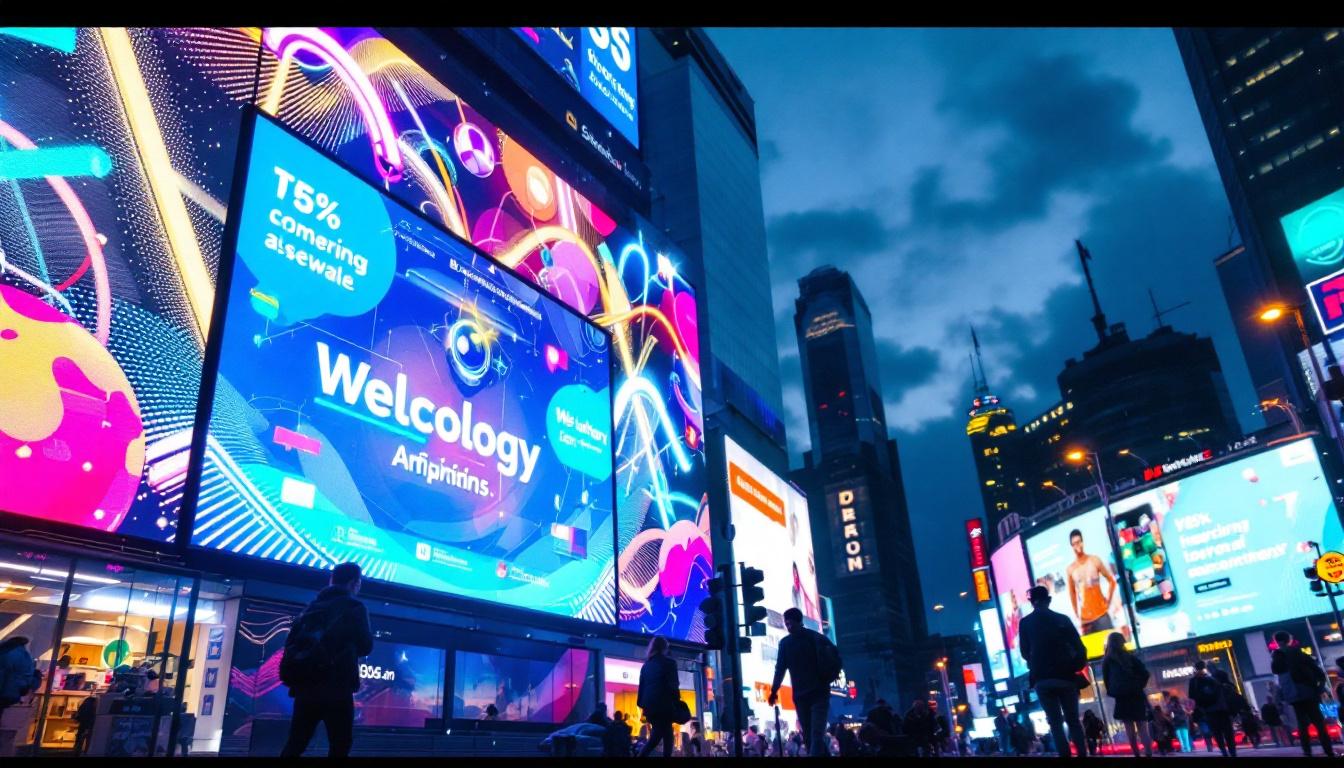
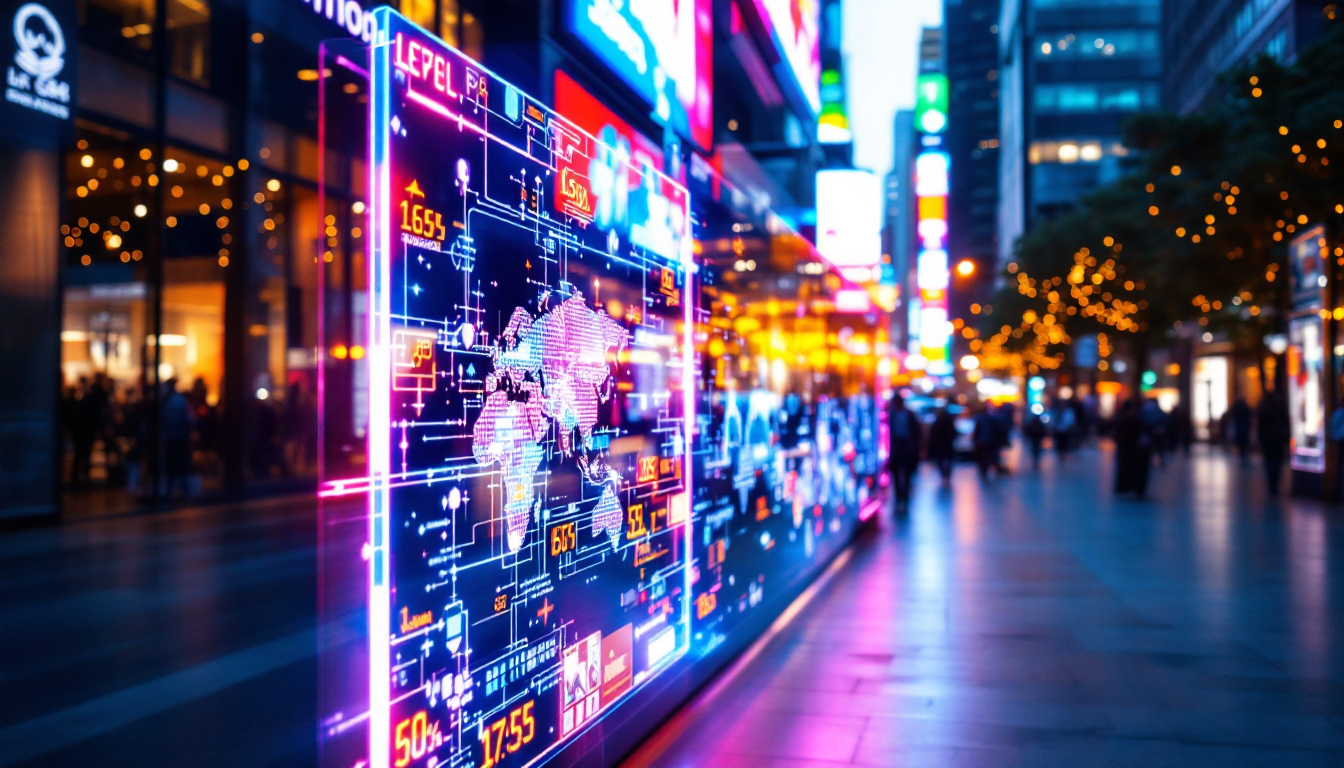
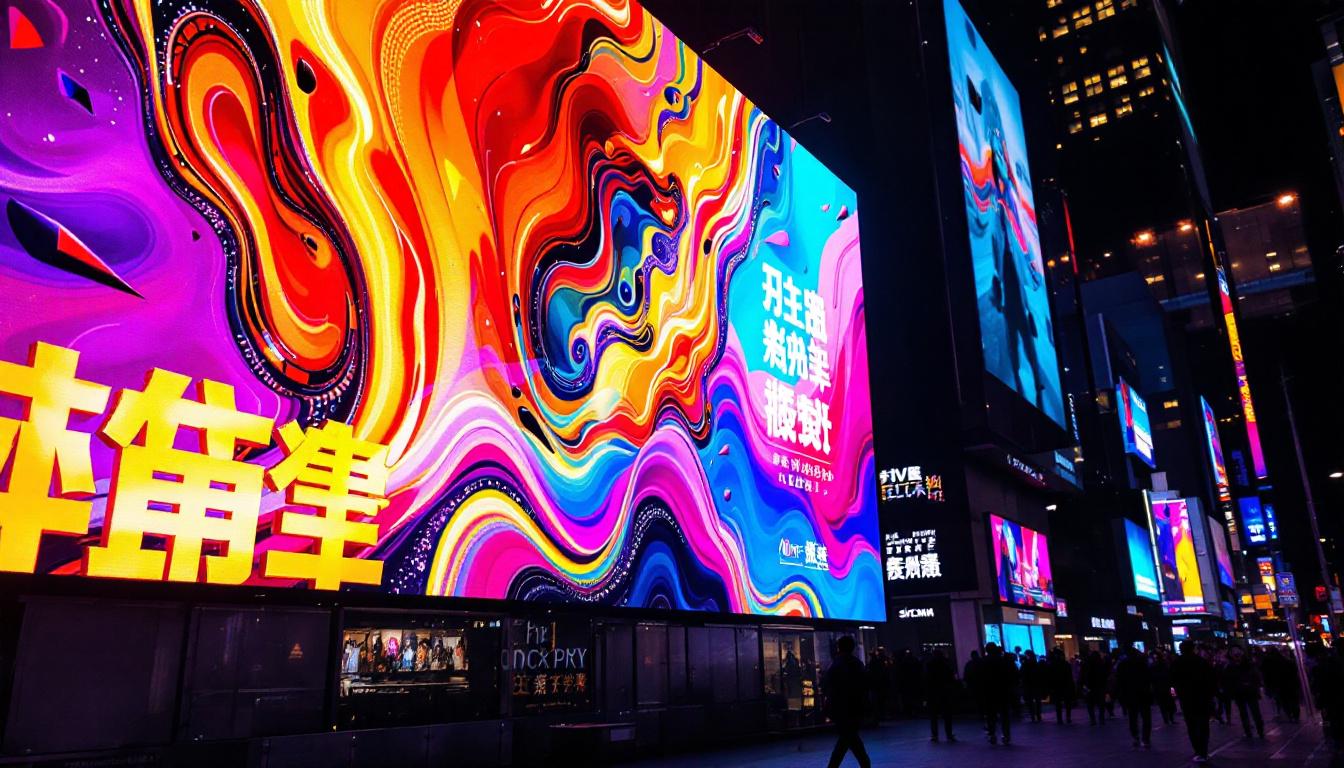
Digital signage is one of the most prominent uses of commercial LED displays. Retailers, restaurants, and public venues utilize LED screens to showcase promotional content, product information, and event announcements. The high brightness and vivid colors of LED displays capture attention effectively, increasing customer engagement.
According to recent market research, the global digital signage market is projected to grow at a compound annual growth rate (CAGR) of over 8% through 2027, driven largely by the adoption of LED technology. This trend underscores the growing importance of LED displays in advertising strategies worldwide.
Broadcast and Live Event Displays
In the broadcast industry, LED displays are frequently used for studio backdrops and live event screens. Their ability to display dynamic, high-resolution content enhances the viewer experience and provides broadcasters with creative flexibility.
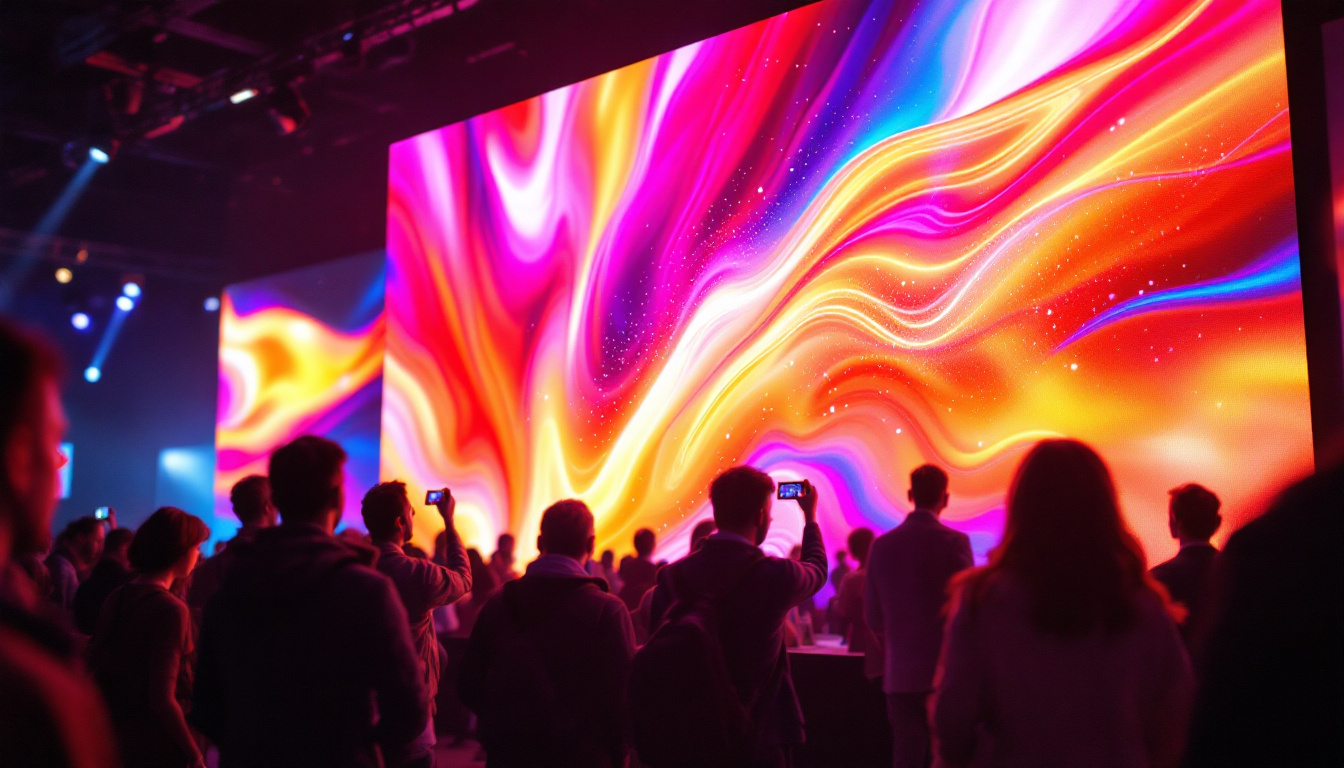
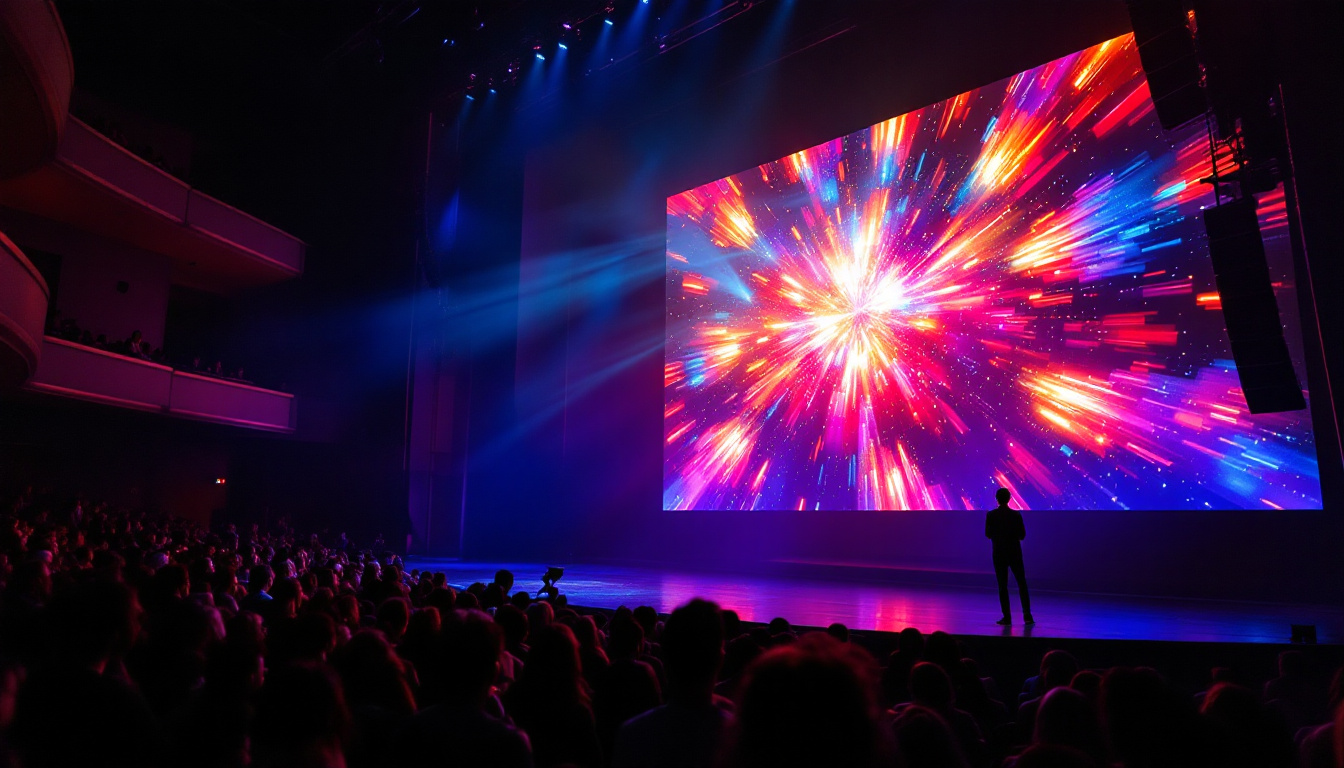
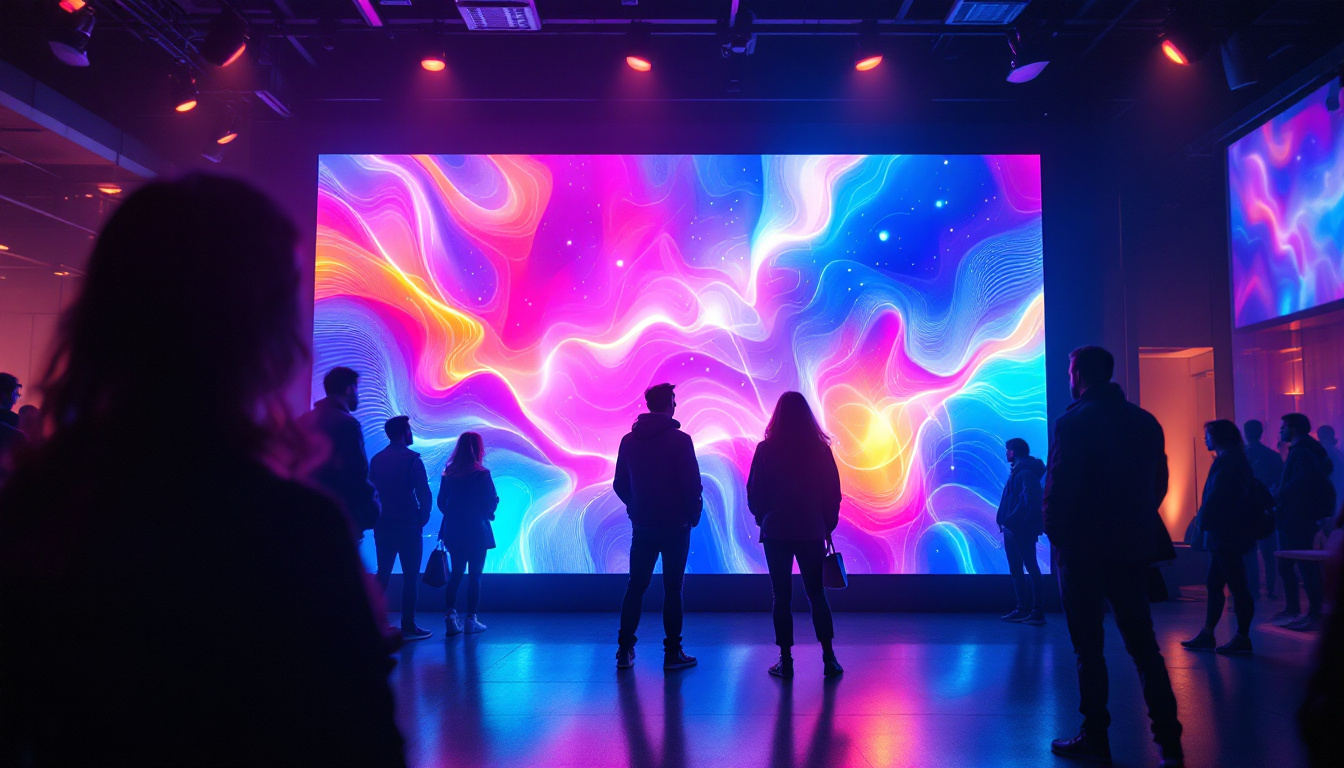
Live events such as concerts, sports matches, and conferences rely on large LED screens to deliver real-time visuals to audiences both on-site and remotely. The seamless integration of LED displays with camera feeds and graphics systems enables immersive presentations that elevate event production quality.
Corporate and Public Information Displays
Many corporations use LED displays for internal communications, such as digital notice boards and interactive kiosks. Public institutions, including transportation hubs and government buildings, deploy LED screens to disseminate timely information like schedules, alerts, and emergency messages.
The reliability and clarity of LED displays ensure that critical information reaches viewers promptly and effectively, enhancing operational efficiency and public safety.
Technical Considerations When Choosing an LED Display
Selecting the right LED display for commercial TV applications involves evaluating several technical factors to ensure optimal performance and return on investment.
Pixel Pitch and Resolution
Pixel pitch refers to the distance between individual LED pixels, typically measured in millimeters. A smaller pixel pitch means higher pixel density and sharper image resolution, which is especially important for indoor displays viewed at close range.
For example, indoor commercial LED displays often feature pixel pitches between 1.2mm and 4mm, delivering crisp visuals suitable for retail or corporate environments. Outdoor displays, viewed from a distance, can have larger pixel pitches (e.g., 10mm to 20mm) without compromising image quality.
Brightness and Contrast Ratio
Brightness levels must be matched to the installation environment. Outdoor LED displays require higher brightness to overcome sunlight glare, while indoor displays can operate at lower brightness to reduce eye strain and energy consumption.
Contrast ratio—the difference between the darkest black and brightest white a display can produce—is another key metric. High contrast ratios contribute to vivid, lifelike images that enhance viewer engagement.
Durability and Weather Resistance
For outdoor installations, LED displays must be rugged and weatherproof. Commercial-grade LED panels typically feature IP65 or higher ratings, indicating protection against dust and water ingress. This durability ensures uninterrupted operation in harsh weather conditions, from rain to extreme temperatures.
Control Systems and Connectivity
Modern LED displays integrate with sophisticated control systems that manage content playback, scheduling, and remote monitoring. Connectivity options such as HDMI, DVI, and network interfaces enable seamless integration with various media sources and content management platforms.
Businesses should consider the ease of use and scalability of control systems when selecting LED displays to support evolving content strategies and operational needs.
The Future of Commercial LED Displays
As technology advances, LED displays continue to innovate, offering new possibilities for commercial TV applications.
MicroLED and MiniLED Technologies
Emerging display technologies like MicroLED and MiniLED promise even higher resolution, improved color accuracy, and enhanced energy efficiency. MicroLED, in particular, features microscopic LEDs that enable ultra-fine pixel pitches and flexible form factors, potentially revolutionizing commercial display design.
Integration with Smart Technologies
Integration with artificial intelligence (AI), Internet of Things (IoT), and augmented reality (AR) is expanding the functionality of commercial LED displays. Smart displays can adapt content dynamically based on audience demographics, environmental conditions, or real-time data, creating personalized and interactive experiences.
Sustainability and Eco-Friendly Innovations
With growing emphasis on sustainability, manufacturers are developing LED displays using recyclable materials and energy-saving components. Innovations in power management and heat dissipation further reduce environmental impact, aligning commercial TV technology with corporate social responsibility goals.
Conclusion
LED display technology has become a vital component of commercial TV, offering unmatched brightness, flexibility, and durability. Its ability to deliver vibrant, high-resolution images in diverse environments makes it the preferred choice for advertising, broadcasting, corporate communications, and public information systems.
Understanding the technical nuances and applications of LED displays empowers businesses to make informed decisions that maximize visual impact and operational efficiency. As LED technology continues to evolve, it will undoubtedly unlock new creative possibilities and drive the future of commercial television.
Discover Cutting-Edge LED Display Solutions with LumenMatrix
Ready to elevate your commercial TV experience with the latest in LED display technology? Look no further than LumenMatrix, a pioneer in crafting visually stunning and technologically advanced LED display modules. From Indoor and Outdoor LED Wall Displays to innovative solutions like Vehicle LED Displays, LED Posters, and even Custom LED Displays, LumenMatrix is committed to revolutionizing visual communication. Whether you’re looking to captivate audiences, enhance brand visibility, or create immersive visual experiences, our range of products, including All-in-One LED Displays and LED Transparent Displays, are designed to meet your needs. Check out LumenMatrix LED Display Solutions today and transform the way you share your message with the world.