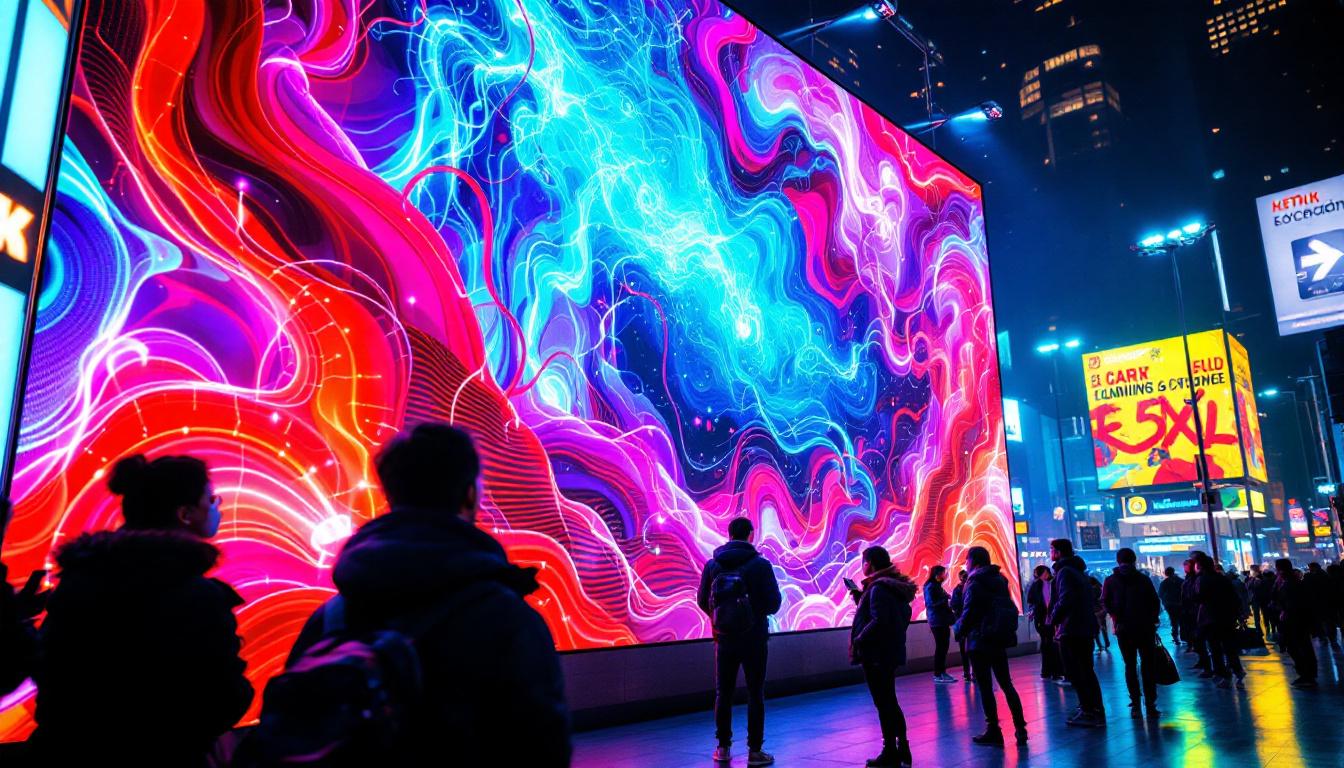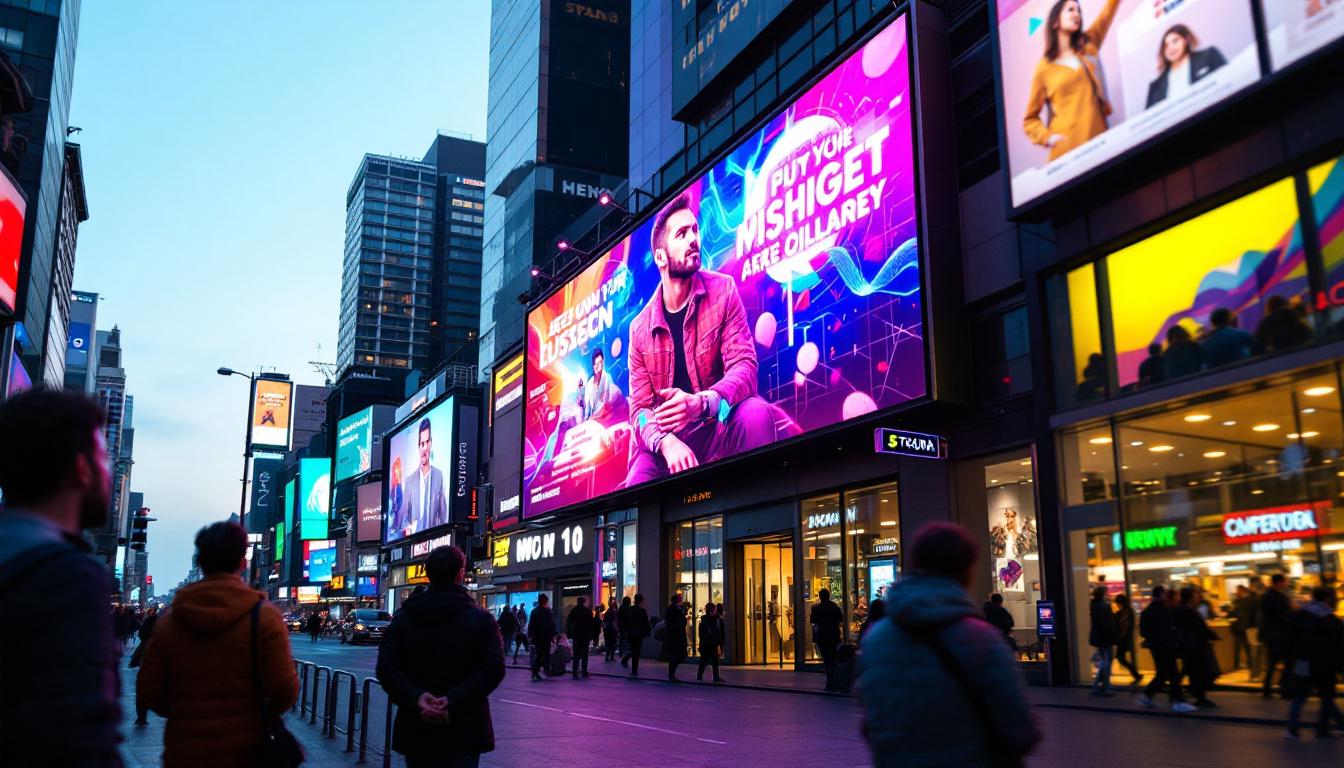
In the fast-evolving world of digital signage and advertising, LED displays have become a cornerstone technology. From vibrant billboards in Times Square to dynamic information boards in transit hubs, LED displays captivate audiences with their brightness, clarity, and versatility. This article delves into the fundamentals of LED displays, exploring their technology, applications, benefits, and future trends. Whether you are a business owner considering digital signage or a technology enthusiast, understanding LED displays will provide valuable insights into one of the most impactful visual communication tools today.
Understanding LED Display Technology
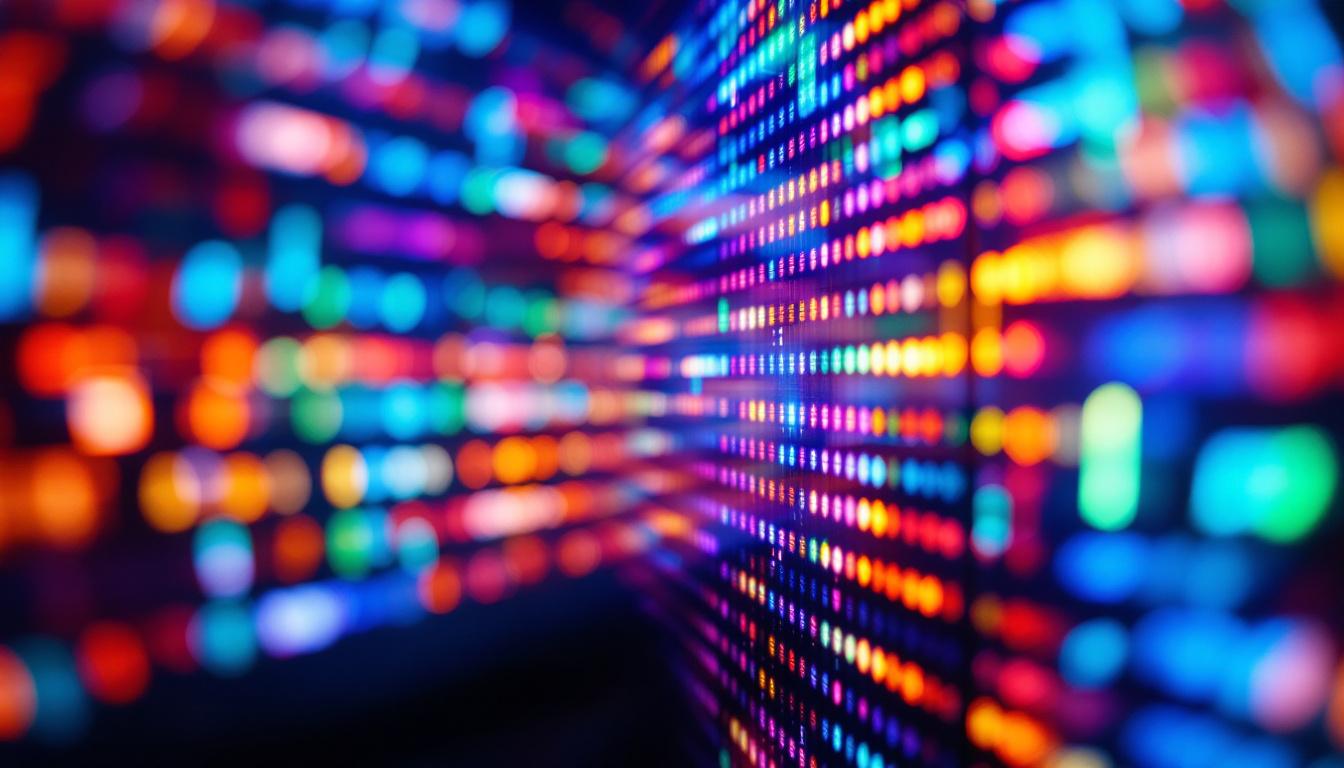
LED, or Light Emitting Diode, technology has revolutionized how images and videos are presented in public and private spaces. At its core, an LED display is composed of numerous tiny LEDs that emit light when an electric current passes through them. These diodes are arranged in a matrix to form pixels, which collectively create the images seen on the screen.
How LEDs Work
Each LED consists of a semiconductor material that emits light through electroluminescence. When current flows through the diode, electrons recombine with holes in the semiconductor, releasing energy in the form of photons. This process produces light efficiently and with low heat generation compared to traditional lighting technologies.
In LED displays, individual LEDs are combined in groups of three — red, green, and blue — to form a single pixel. By varying the intensity of each color, the display can produce a full spectrum of colors, enabling vibrant and accurate image reproduction. This ability to mix colors at a pixel level allows for high-definition displays that can render intricate details and subtle gradients, making them ideal for everything from advertising to art installations.
Types of LED Displays
LED displays come in several forms, primarily categorized by their construction and intended use:
- Direct View LED Displays: These are composed of LEDs that directly emit light to form images, commonly used in large outdoor billboards and stadium screens.
- LED-backlit LCD Displays: These use LEDs as a backlight source behind an LCD panel, found in televisions, monitors, and smartphones.
- MicroLED Displays: An emerging technology where microscopic LEDs serve as individual pixels, offering superior brightness and contrast.
For the purpose of this article, the focus will be on direct view LED displays, which are most relevant to flyers, signage, and large-scale advertising. These displays are particularly advantageous in outdoor settings due to their high brightness levels, which allow them to be visible even in direct sunlight. Additionally, the durability of LED technology means that these displays can withstand various weather conditions, making them a reliable choice for businesses looking to attract attention in bustling environments.
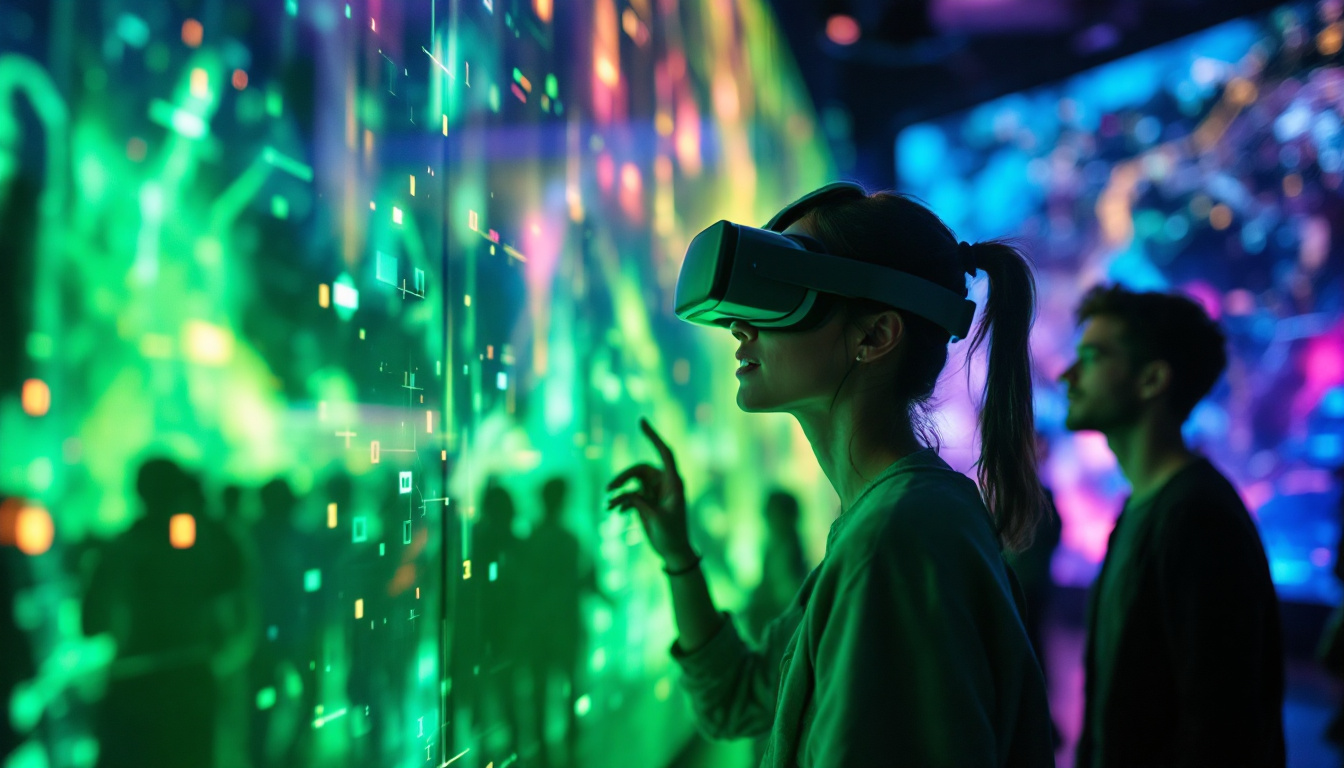
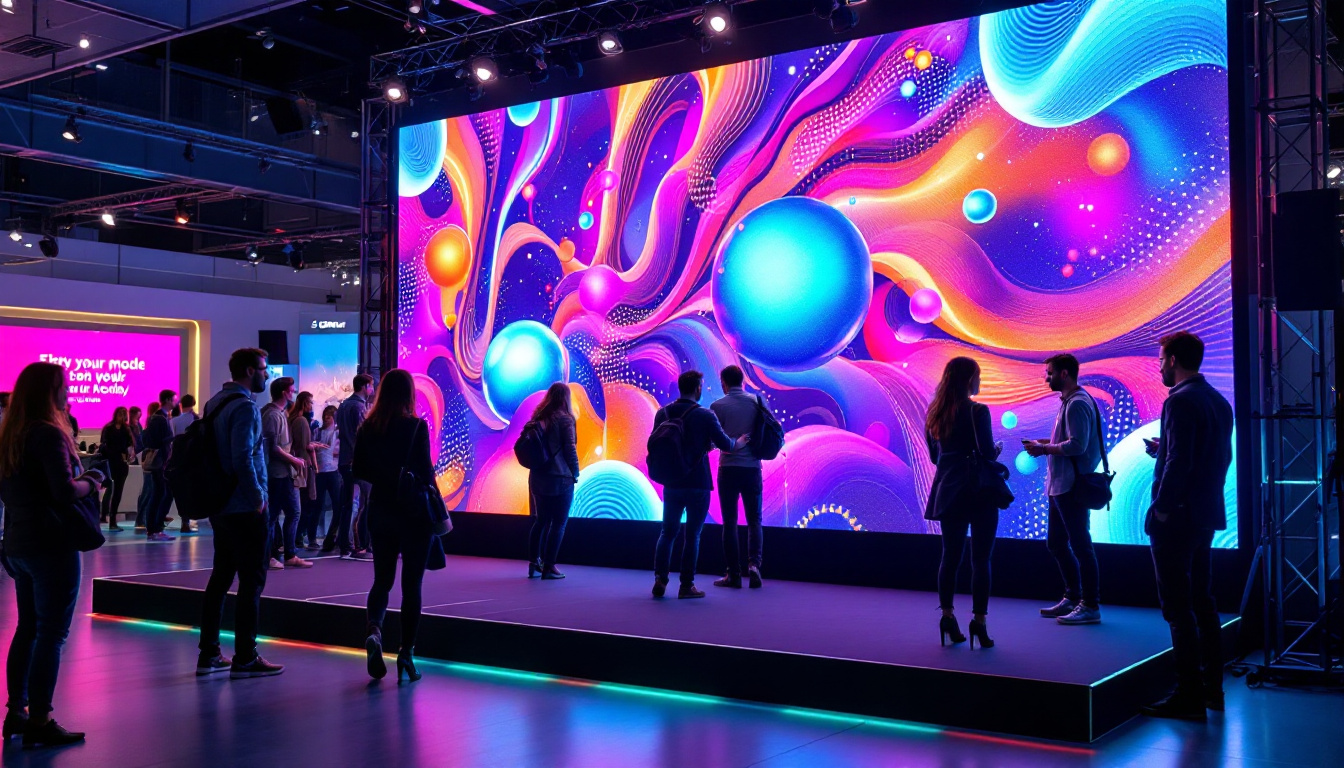
Moreover, the versatility of direct view LED displays extends beyond just advertising; they are also increasingly being utilized in artistic installations and interactive experiences. Artists and designers are leveraging the dynamic capabilities of LED technology to create immersive environments that engage viewers in new and exciting ways. This trend is further enhanced by advancements in software that allow for real-time content updates and interactivity, making LED displays not just a medium for static images but a canvas for creative expression that evolves with audience interaction.
Key Components of LED Displays
Understanding the components that make up an LED display can help in appreciating its capabilities and limitations.
LED Modules and Pixels
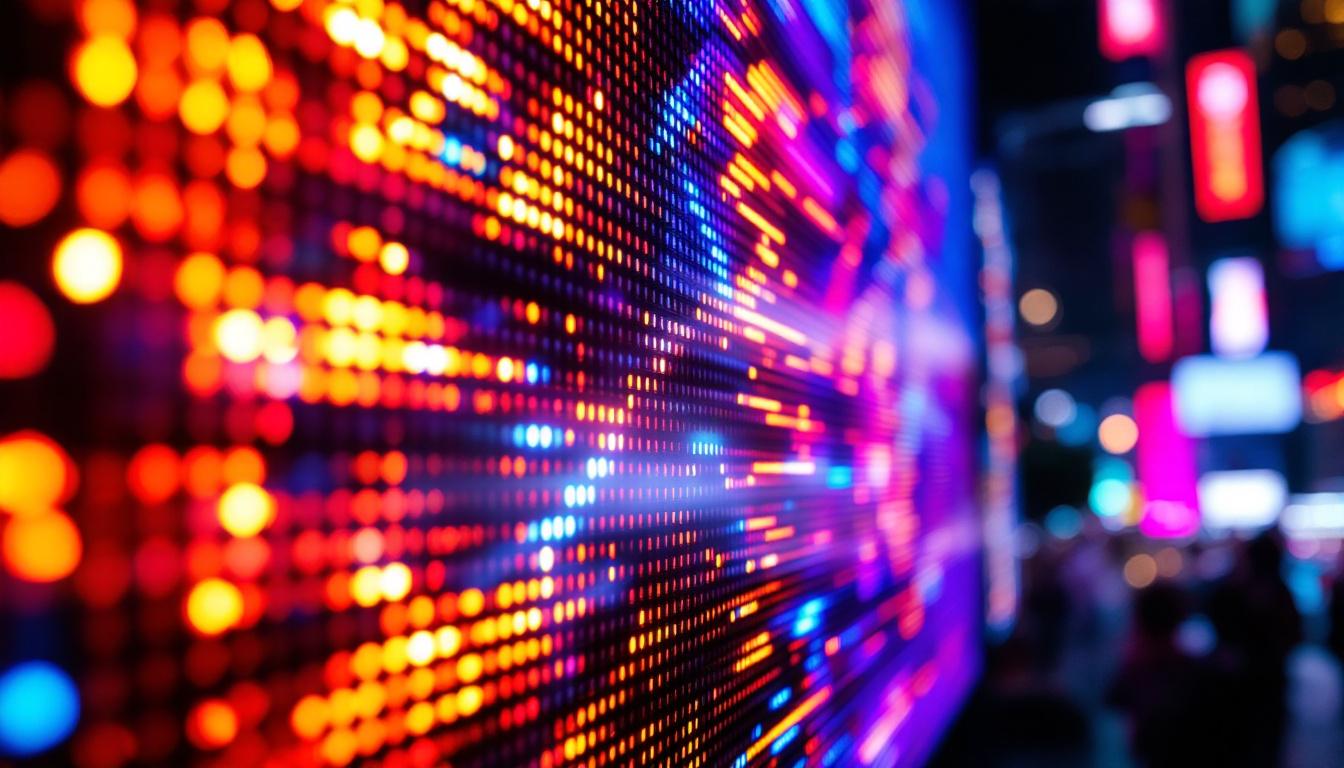
The fundamental building block of an LED display is the LED module, which contains a grid of pixels. Each pixel comprises three LEDs (red, green, blue) that combine to create a wide range of colors. The density of these pixels, measured as pixel pitch, determines the resolution and image clarity. Pixel pitch is the distance in millimeters between the centers of two adjacent pixels — the smaller the pitch, the higher the resolution.
For example, a pixel pitch of 1.5 mm is common in indoor displays where viewers are close to the screen, while outdoor displays often have a pitch of 10 mm or more due to greater viewing distances.
Control Systems and Processors
LED displays require sophisticated control systems to manage the input signals, process video data, and synchronize the LEDs to produce smooth, high-quality images. These systems include video processors, controllers, and power supplies that work together to ensure consistent brightness, color accuracy, and refresh rates.
Cabinet and Structural Design
The physical structure of an LED display includes cabinets that house the LED modules and electronic components. These cabinets are designed for durability, weather resistance, and ease of maintenance, especially for outdoor installations. Proper ventilation and heat dissipation are critical to maintaining performance and longevity.
Applications of LED Displays
LED displays have a broad range of applications across industries, driven by their adaptability and visual impact.
Advertising and Marketing
One of the most prominent uses of LED displays is in advertising. Digital billboards leverage LED technology to deliver dynamic content that can be updated in real-time, allowing advertisers to tailor messages based on time of day, audience demographics, or special events. According to a 2023 report by Grand View Research, the global digital signage market is projected to grow at a compound annual growth rate (CAGR) of 8.6% through 2030, highlighting the increasing adoption of LED displays in marketing.
LED flyers, or portable LED display units, are becoming popular for event promotions, retail storefronts, and trade shows. Their brightness and mobility make them ideal for attracting attention in crowded environments.
Transportation and Public Information
LED displays are widely used in transportation hubs such as airports, train stations, and bus terminals. Real-time updates on schedules, delays, and safety announcements are communicated effectively through large LED boards. Their high visibility ensures that information is accessible even in challenging lighting conditions.
Entertainment and Sports Venues
Stadiums and concert venues utilize massive LED screens to enhance the spectator experience. These displays provide live footage, replays, advertisements, and interactive content, engaging audiences and creating immersive environments.
Corporate and Educational Settings
In corporate offices and educational institutions, LED displays serve as digital notice boards, presentation screens, and collaboration tools. Their ability to display high-resolution content makes them suitable for meetings, lectures, and events.
Advantages of LED Displays Over Traditional Signage
LED displays offer numerous benefits compared to static or older digital signage technologies.
Brightness and Visibility
LED displays can achieve brightness levels exceeding 5,000 nits, making them visible even in direct sunlight. This is a significant advantage over LCD or projection-based systems, which often struggle with glare and ambient light interference.
Energy Efficiency
Despite their brightness, LEDs are energy-efficient, consuming less power than traditional incandescent or fluorescent lighting. Advances in LED technology continue to improve energy consumption, reducing operational costs and environmental impact.
Durability and Longevity
LEDs have long lifespans, often exceeding 100,000 hours of operation. Their solid-state nature makes them resistant to shock and vibration, suitable for outdoor and high-traffic environments. Additionally, LED displays are designed to withstand harsh weather conditions, including rain, wind, and temperature fluctuations.
Flexibility and Customization
LED displays can be manufactured in various sizes and shapes, from small portable flyers to massive curved screens. Content can be changed instantly, allowing for dynamic messaging and interactive capabilities. This flexibility supports creative marketing strategies and responsive communication.
Considerations When Choosing an LED Display
Selecting the right LED display involves evaluating several factors to ensure it meets the specific needs of the application.
Pixel Pitch and Resolution
The viewing distance is the primary determinant of the appropriate pixel pitch. For close-range viewing, such as indoor retail displays, a smaller pixel pitch (1-2 mm) is ideal for sharp images. For outdoor billboards viewed from afar, a larger pitch (10 mm or more) is sufficient and more cost-effective.
Brightness and Environmental Conditions
Outdoor displays require higher brightness levels to combat sunlight, often exceeding 5,000 nits. Indoor displays typically operate at 800-1,500 nits. Additionally, consider weatherproofing and ingress protection (IP) ratings to ensure durability in the installation environment.
Content Management and Connectivity
Modern LED displays support various input sources and content management systems (CMS), enabling remote updates and scheduling. Wireless connectivity and cloud-based platforms offer convenience and scalability for managing multiple displays across locations.
Budget and Total Cost of Ownership
While LED displays can involve significant upfront investment, their longevity and energy efficiency contribute to lower total cost of ownership over time. It is essential to factor in installation, maintenance, and potential upgrade costs when budgeting.
Emerging Trends and the Future of LED Displays
The LED display industry continues to innovate, driven by advances in materials science, electronics, and software integration.
MicroLED and MiniLED Technologies
MicroLED displays, composed of microscopic LEDs, promise even higher resolution, improved contrast ratios, and lower power consumption. Though currently expensive, MicroLED is expected to disrupt markets such as smartphones, televisions, and augmented reality devices within the next five years.
MiniLED, a technology that uses smaller LEDs for backlighting LCDs, offers improved brightness and contrast at a more accessible price point, bridging the gap between traditional LED and MicroLED displays.
Flexible and Transparent LED Displays
Flexible LED panels allow for curved and foldable displays, opening new possibilities in design and installation. Transparent LED displays, which can be integrated into glass surfaces, are gaining traction in retail and architectural applications, enabling digital content without obstructing views.
Integration with AI and IoT
Artificial intelligence and Internet of Things (IoT) technologies are enhancing LED display capabilities. AI-driven content optimization can tailor messages based on audience demographics and environmental factors. IoT connectivity enables real-time monitoring of display health and performance, facilitating predictive maintenance and reducing downtime.
Conclusion
LED displays have transformed the landscape of visual communication, offering unmatched brightness, flexibility, and durability. Their applications span advertising, transportation, entertainment, and corporate environments, making them indispensable tools for engaging audiences in the digital age.
As technology advances, LED displays will become even more sophisticated, integrating with emerging trends such as MicroLED, flexible panels, and AI-driven content management. For businesses and organizations looking to make a lasting impression, understanding the nuances of LED display technology is essential to leveraging its full potential.
Investing in the right LED display solution can elevate brand visibility, improve information dissemination, and create immersive experiences that resonate with audiences long after the message is delivered.
Discover LumenMatrix’s Advanced LED Display Solutions
Ready to harness the power of LED technology for your brand? LumenMatrix is at the forefront of LED display innovation, offering a diverse range of products that cater to any visual communication need. From Indoor and Outdoor LED Wall Displays to specialized solutions like Vehicle LED Displays, LED Sports Displays, and even Custom LED Displays, we have the technology to bring your vision to life. Embrace the future of digital signage with LumenMatrix and create engaging, memorable experiences for your audience. Check out LumenMatrix LED Display Solutions today and see the difference cutting-edge technology can make.