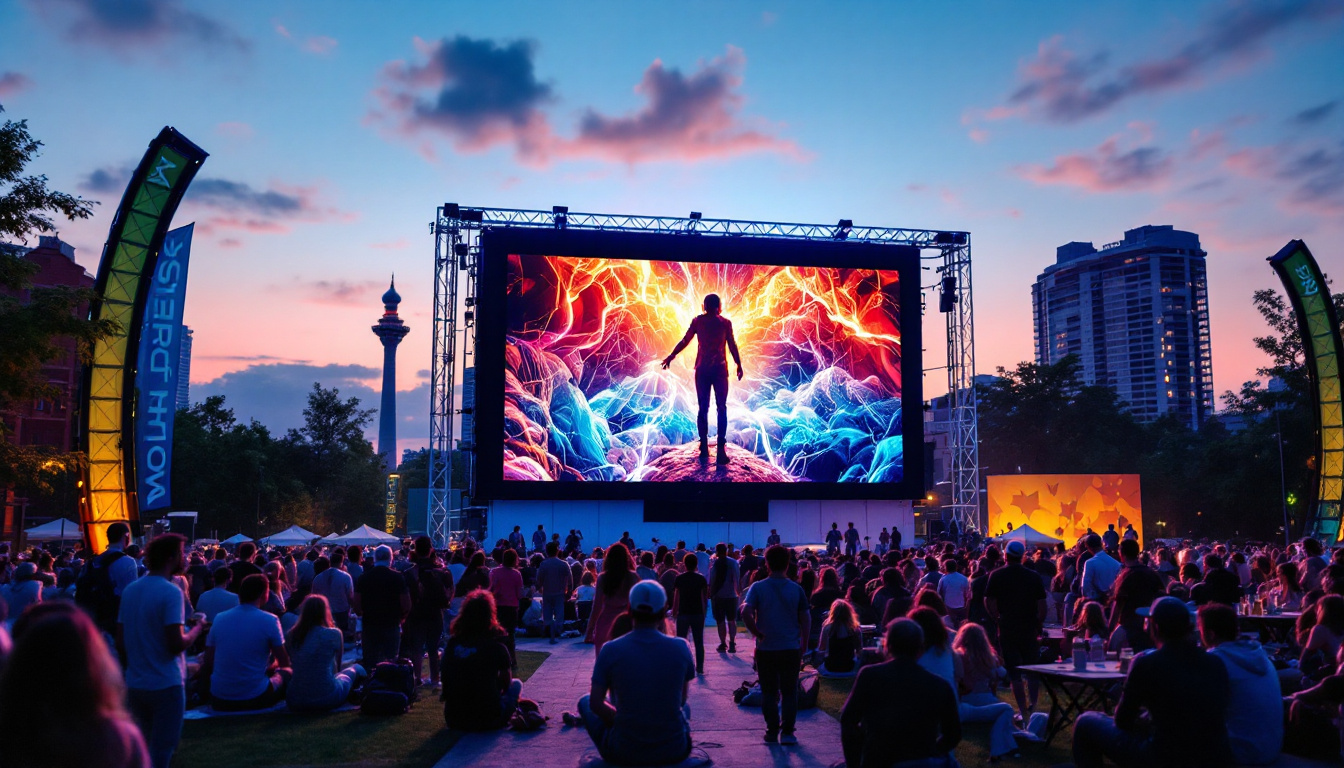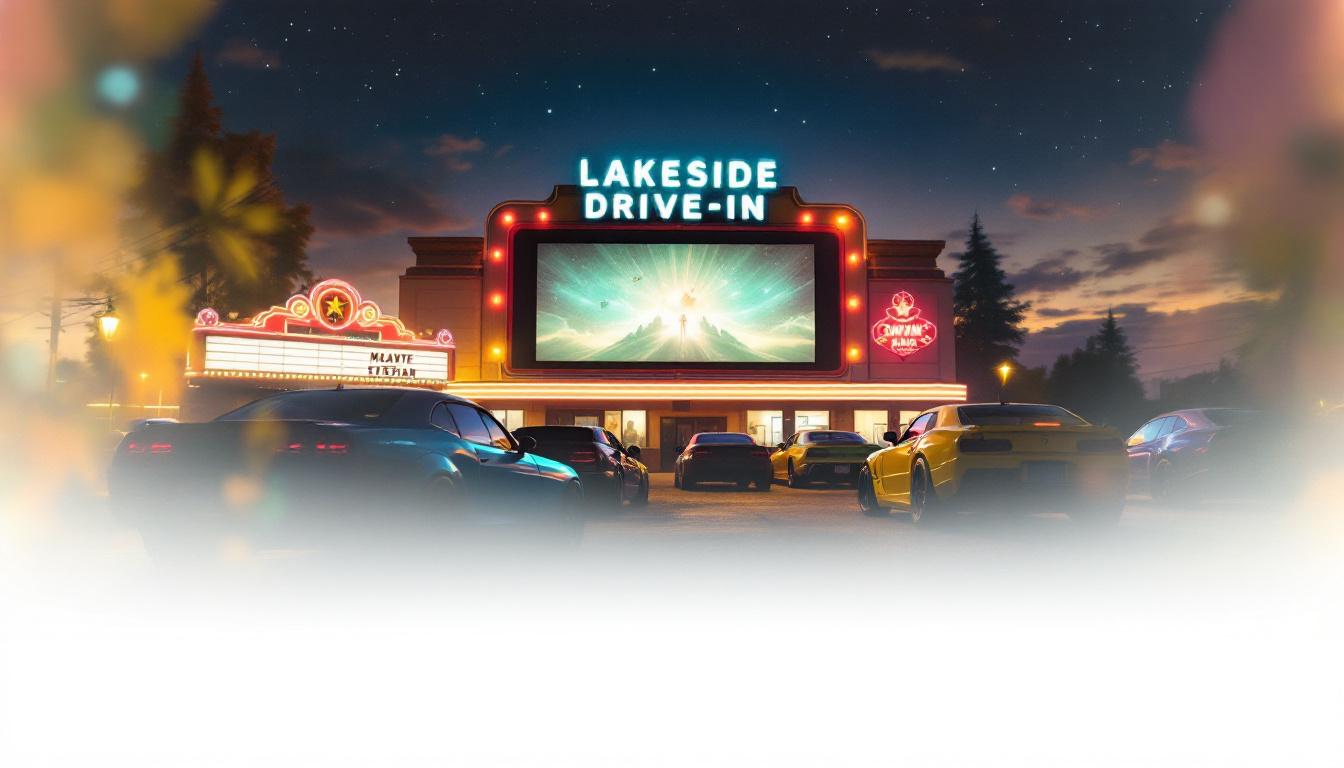
In recent years, drive-in theaters have experienced a remarkable resurgence, blending nostalgia with modern technology to create unique cinematic experiences. One of the most significant advancements fueling this revival is the adoption of LED display technology. The Lakeside Drive In Theater, a beloved community staple, recently upgraded its screen to an LED display, transforming the way audiences enjoy movies under the stars.
This article explores the intricacies of LED displays, focusing on their application at the Lakeside Drive In Theater. From the technology behind the screens to the benefits they bring, this comprehensive guide will illuminate why LED displays are revolutionizing the drive-in movie experience.
The Evolution of Drive-In Theater Screens
Drive-in theaters have traditionally relied on large, reflective white screens paired with powerful projectors to deliver films. This setup, while iconic, comes with limitations such as susceptibility to ambient light, weather conditions, and image degradation over time. The nostalgic charm of these open-air cinemas has captivated audiences for decades, but the inherent challenges of projection technology have often hindered the viewing experience, especially during peak hours when the sun sets late.
As digital technology advanced, many theaters transitioned to digital projectors, improving image quality but still grappling with challenges like brightness and maintenance. The next leap forward has been the integration of LED display technology, which offers a fundamentally different approach to screen design. This shift not only enhances visual fidelity but also reduces the operational costs associated with traditional projection systems, allowing theaters to allocate resources to other areas, such as customer experience and amenities.
From Projection to Direct Emission
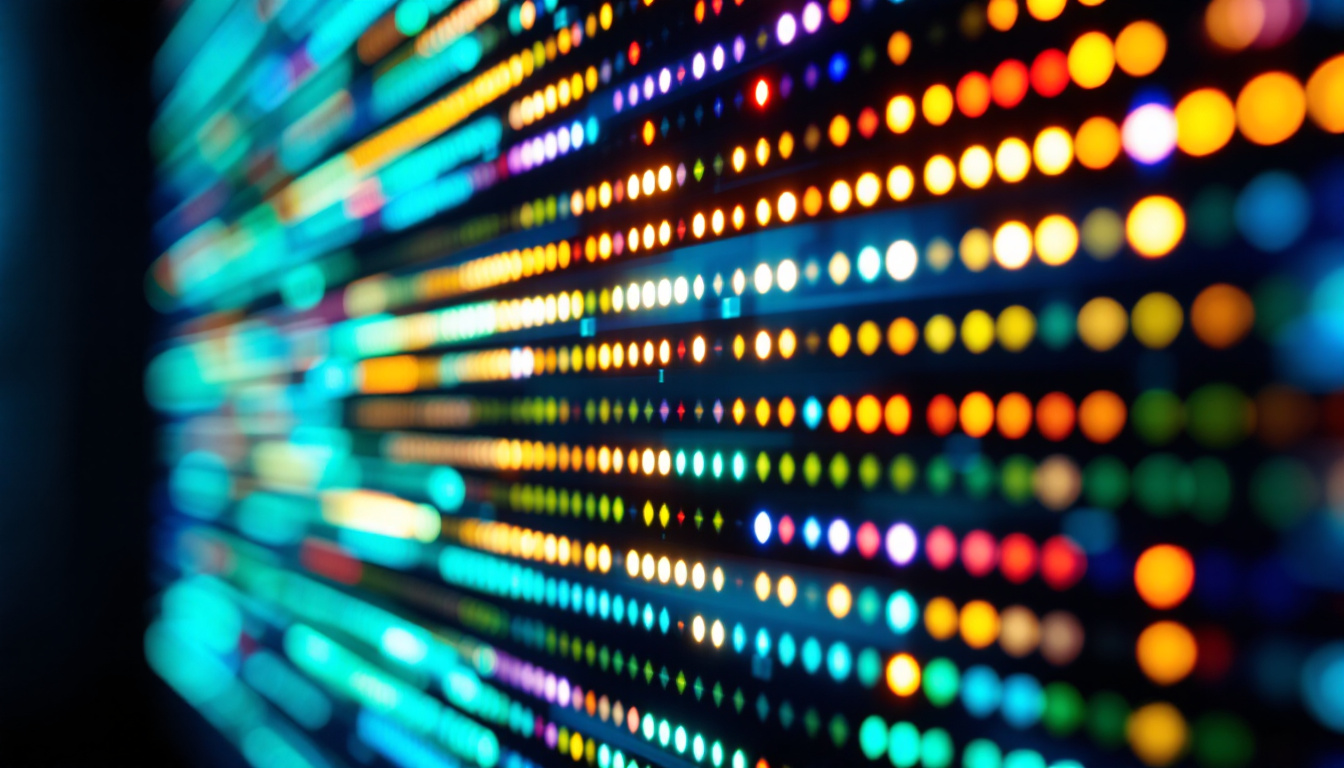
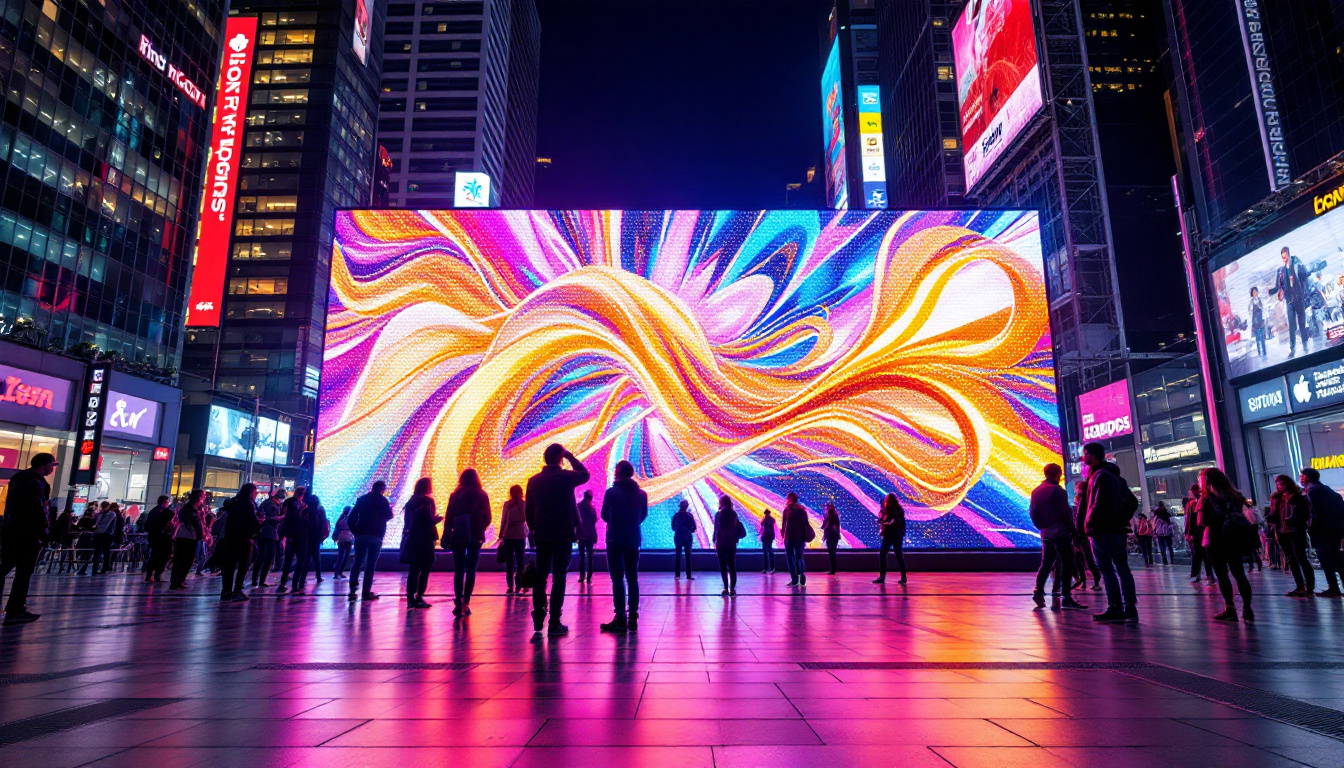
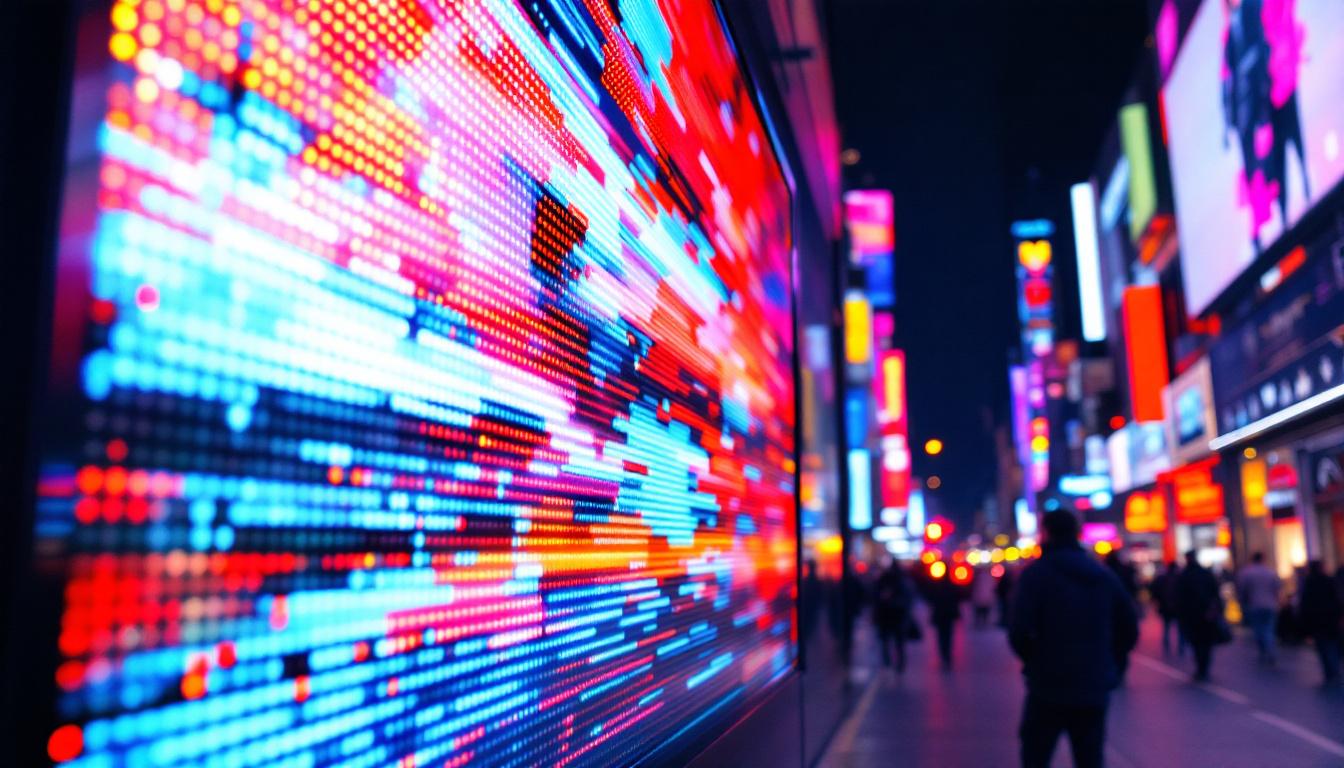
Unlike traditional projection screens that rely on external light sources, LED displays are composed of thousands of tiny light-emitting diodes that produce their own light. This direct emission method results in brighter images, higher contrast ratios, and vibrant colors that remain consistent regardless of ambient lighting. The technology also allows for more flexible screen sizes and shapes, catering to the unique layouts of various drive-in theaters and enhancing the overall aesthetic appeal of the venue.
At Lakeside Drive In Theater, the switch to an LED display means the screen is no longer dependent on a projector’s light output, enabling clearer images even during twilight or in areas with light pollution. This transformation has not only improved the viewing experience but has also attracted a new generation of moviegoers who appreciate the crisp visuals and immersive sound quality. Moreover, the LED technology is energy-efficient, contributing to a more sustainable operation while also allowing for creative programming, such as hosting live events or concerts, further diversifying the entertainment offerings at drive-in theaters.
Understanding LED Display Technology
LED, or Light Emitting Diode, displays consist of an array of semiconductor diodes that emit light when an electric current passes through them. These displays can be configured in various pixel densities and sizes, making them suitable for large-format applications like outdoor cinema screens. The versatility of LED technology allows for a wide range of applications, from small indoor screens to massive outdoor billboards, catering to different audiences and settings.
Key Components of an LED Display
An LED display is made up of several essential components:
- LED Modules: These are the building blocks containing clusters of LEDs arranged in pixels.
- Control System: Manages the input signals and ensures the correct image is displayed by synchronizing the LEDs.
- Power Supply: Provides consistent electrical power to the LED modules.
- Cabinet Structure: Houses the modules and protects them from environmental elements.
At Lakeside Drive In Theater, the LED display is engineered to withstand outdoor conditions such as rain, wind, and temperature fluctuations, ensuring durability and reliable performance throughout the year. The cabinets are often designed with weatherproof materials and features like drainage systems to prevent water accumulation, further enhancing their longevity. Additionally, the modular design allows for easy maintenance and repairs, ensuring that the theater can quickly address any technical issues without significant downtime.
Pixel Pitch and Resolution
One of the critical factors in LED display quality is pixel pitch, which refers to the distance between the centers of two adjacent pixels. A smaller pixel pitch means higher resolution and sharper images, which is essential for large screens viewed from varying distances. This characteristic is particularly important in environments where viewers may be positioned at different angles and distances, as it ensures that everyone has a great viewing experience.
The Lakeside Drive In Theater’s LED screen utilizes a pixel pitch optimized for typical viewing distances in a drive-in setting, balancing cost and visual clarity. This ensures that moviegoers in cars parked at different spots enjoy crisp, immersive visuals. Furthermore, advancements in LED technology have led to the development of fine-pitch displays that offer even greater detail and color accuracy, making it possible to showcase a wide array of content, from vibrant movie trailers to live events, all while maintaining the engaging atmosphere of the drive-in experience. The theater’s commitment to high-quality visuals not only enhances the enjoyment of films but also elevates the overall ambiance, making each visit a memorable occasion for families and friends alike.
Advantages of LED Displays for Drive-In Theaters
Transitioning to LED displays offers several compelling benefits for drive-in theaters, enhancing the overall audience experience while reducing operational challenges.
Superior Brightness and Visibility
LED screens can achieve brightness levels far exceeding those of traditional projection systems, often reaching over 5,000 nits. This intense brightness ensures that images remain vivid even in ambient light conditions, such as during dusk or in urban areas with light pollution.
For Lakeside Drive In Theater, this means extended operating hours and greater flexibility in showtimes, allowing for screenings that start earlier in the evening without compromising image quality.
Improved Image Quality and Color Accuracy
LED technology delivers exceptional color reproduction and contrast ratios, creating lifelike images that captivate audiences. The direct emission of light from each diode allows for deeper blacks and more vibrant colors compared to projection screens, which rely on reflective surfaces.
This enhancement significantly elevates the cinematic experience at Lakeside Drive In Theater, making every movie night memorable.
Durability and Weather Resistance
Outdoor LED displays are designed with robust materials and weatherproofing to withstand harsh environmental conditions. Unlike projection systems that require protective enclosures and are sensitive to moisture and dust, LED screens are inherently more resilient.
This durability reduces maintenance costs and downtime, ensuring the Lakeside Drive In Theater can operate reliably throughout the year.
Energy Efficiency and Cost Savings
Although LED displays can have higher initial costs, they are more energy-efficient than traditional projectors. LEDs consume less power and have longer lifespans, which translates to lower operational expenses over time.
For the Lakeside Drive In Theater, this efficiency supports sustainable operations and helps manage budget constraints without sacrificing quality.
Installation and Technical Considerations
Implementing an LED display at a drive-in theater involves careful planning and technical expertise to optimize performance and integration.
Site Preparation and Structural Support
LED screens are heavy and require sturdy mounting structures capable of withstanding wind loads and other environmental stresses. At Lakeside Drive In Theater, engineers conducted detailed site assessments to design a custom support framework that ensures stability and safety.
Additionally, the screen’s placement was optimized for maximum visibility, considering the theater’s layout and typical vehicle positions.
Signal Processing and Synchronization
High-quality content delivery demands sophisticated control systems to manage signal input, scaling, and synchronization across the LED modules. The theater’s technical team installed advanced processors that handle various video formats, ensuring seamless playback of movies and advertisements.
These systems also facilitate remote monitoring and diagnostics, allowing for quick troubleshooting and maintenance.
Sound System Integration
While LED displays provide stunning visuals, sound remains a critical component of the drive-in experience. Lakeside Drive In Theater complements its LED screen with FM radio broadcast systems, enabling patrons to tune in to the movie’s audio through their car stereos.
This integration ensures synchronized audio-visual delivery, enhancing immersion without disturbing nearby communities.
Community Impact and Audience Reception
The introduction of the LED display at Lakeside Drive In Theater has generated significant excitement among local residents and visitors alike.
Revitalizing a Cultural Landmark
Drive-in theaters hold a special place in American culture, and modernizing the Lakeside Drive In with LED technology preserves this heritage while adapting to contemporary expectations. The upgrade has attracted a new generation of moviegoers, blending nostalgia with cutting-edge entertainment.
Positive Audience Feedback
Patrons have praised the vivid picture quality, improved visibility, and overall enhanced viewing experience. Many have noted the ability to enjoy movies earlier in the evening and in varying weather conditions as a major improvement.
This positive reception underscores the value of investing in LED technology for outdoor cinemas.
The Future of Drive-In Theaters with LED Technology
As LED display technology continues to advance, its role in outdoor entertainment venues like drive-in theaters is poised to expand.
Emerging Innovations
Developments such as higher pixel density, flexible and curved LED panels, and integration with augmented reality (AR) promise to further elevate the cinematic experience. Enhanced energy efficiency and smarter control systems will also make these displays more accessible and sustainable.
Opportunities for Community Engagement
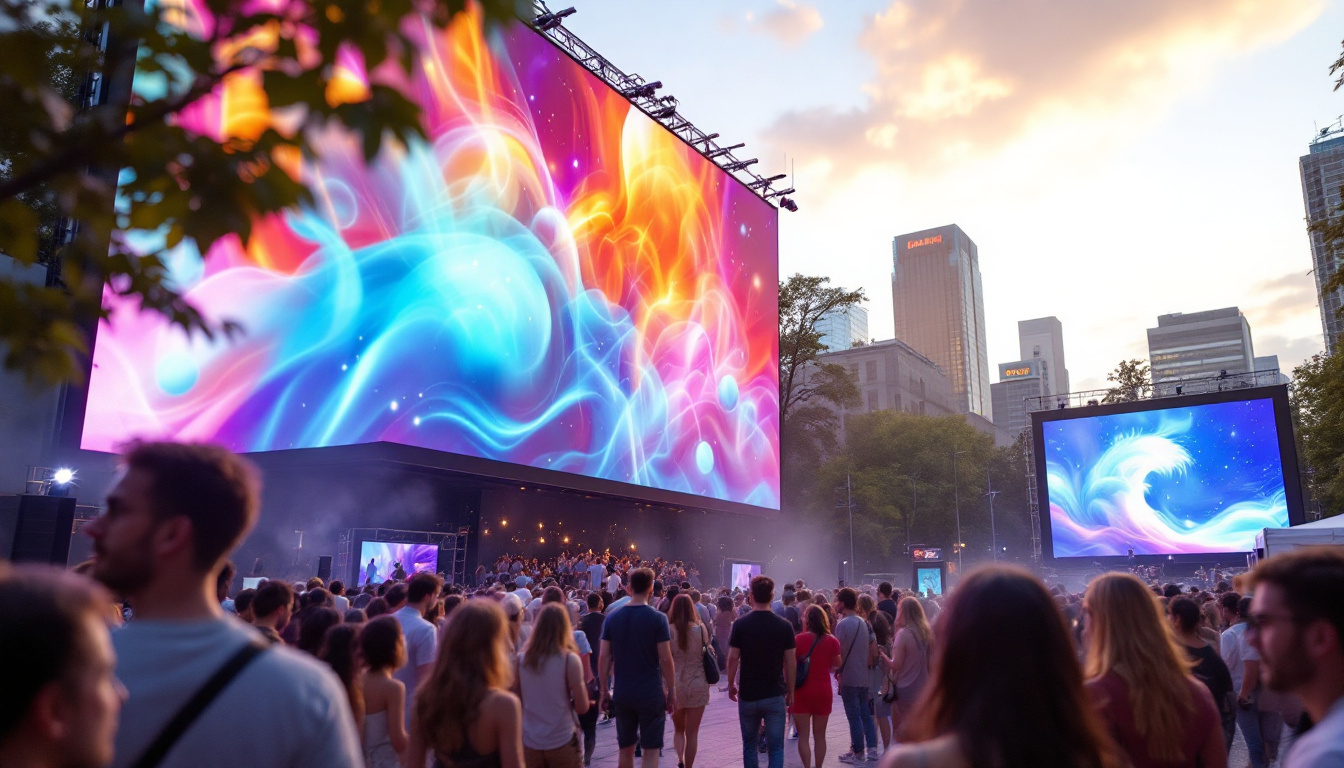
Beyond movies, LED screens can host live events, concerts, and community gatherings, transforming drive-in theaters into versatile entertainment hubs. Lakeside Drive In Theater is exploring such opportunities, leveraging its LED display to diversify programming and increase community involvement.
Conclusion
The adoption of LED display technology at Lakeside Drive In Theater marks a significant milestone in the evolution of outdoor cinema. By embracing this innovative solution, the theater has enhanced image quality, operational efficiency, and audience satisfaction, securing its place as a cherished entertainment venue for years to come.
For drive-in theaters seeking to modernize and thrive in a competitive entertainment landscape, LED displays offer a compelling path forward—combining the magic of movies under the stars with the brilliance of cutting-edge technology.
Illuminate Your Venue with LumenMatrix
Ready to elevate your entertainment space with the same dazzling LED technology featured at Lakeside Drive In Theater? LumenMatrix specializes in a wide array of LED display solutions that promise to transform any venue into a visual spectacle. From Indoor and Outdoor LED Walls to dynamic Vehicle and Sports Displays, our offerings are designed to captivate and engage your audience. Embrace the future of visual storytelling with LumenMatrix and create unforgettable experiences. Check out LumenMatrix LED Display Solutions today and let your brand shine brighter than ever.