In today’s digital age, LED displays have become an essential part of advertising, entertainment, and information dissemination. From vibrant billboards in Times Square to dynamic scoreboards in sports arenas, LED technology offers unparalleled brightness, energy efficiency, and versatility. But one question often arises for businesses and individuals considering this technology: How much does an LED display cost? This article delves into the factors that influence LED display pricing, types of LED displays, and what you can expect when investing in this technology.
Understanding LED Displays: What Are They?
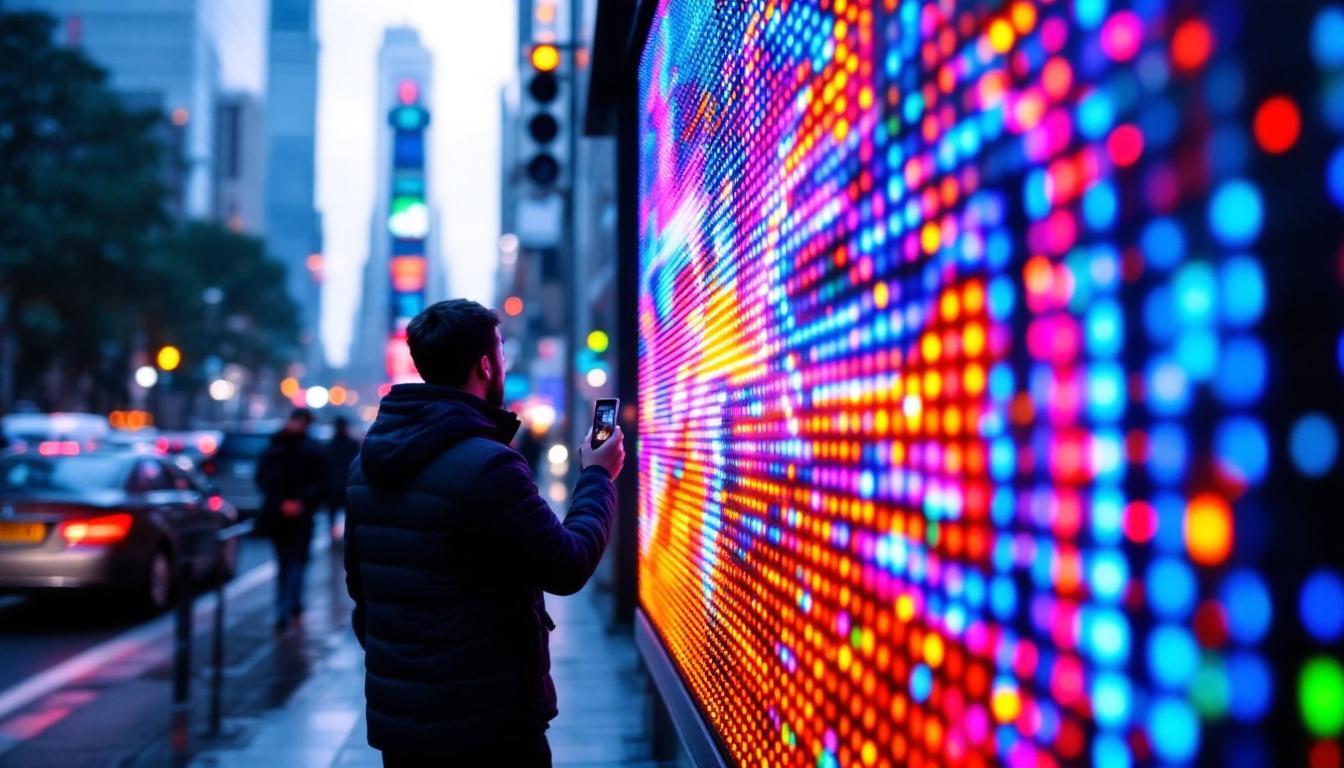
LED stands for Light Emitting Diode, a semiconductor device that emits light when an electric current passes through it. LED displays are composed of numerous tiny LEDs arranged in a matrix to form images, videos, or text. These displays are widely used in various applications due to their brightness, durability, and energy efficiency.
Unlike traditional LCD or plasma screens, LED displays can achieve higher brightness levels, making them ideal for outdoor use where sunlight can wash out other types of screens. Additionally, LEDs have a longer lifespan and consume less power, which contributes to lower operational costs over time. The technology behind LED displays has evolved significantly, leading to advancements such as improved color accuracy and faster refresh rates, which enhance the overall viewing experience.
Moreover, the compact size of LEDs allows for versatile designs and installations that can fit into various spaces, from large stadiums to small retail shops. This adaptability has made LED displays a preferred choice for advertising, entertainment, and information dissemination across multiple platforms. As technology continues to advance, we can expect even more innovative applications of LED displays, such as interactive screens that engage viewers in real-time.
Types of LED Displays
LED displays come in several forms, each suited for different purposes:
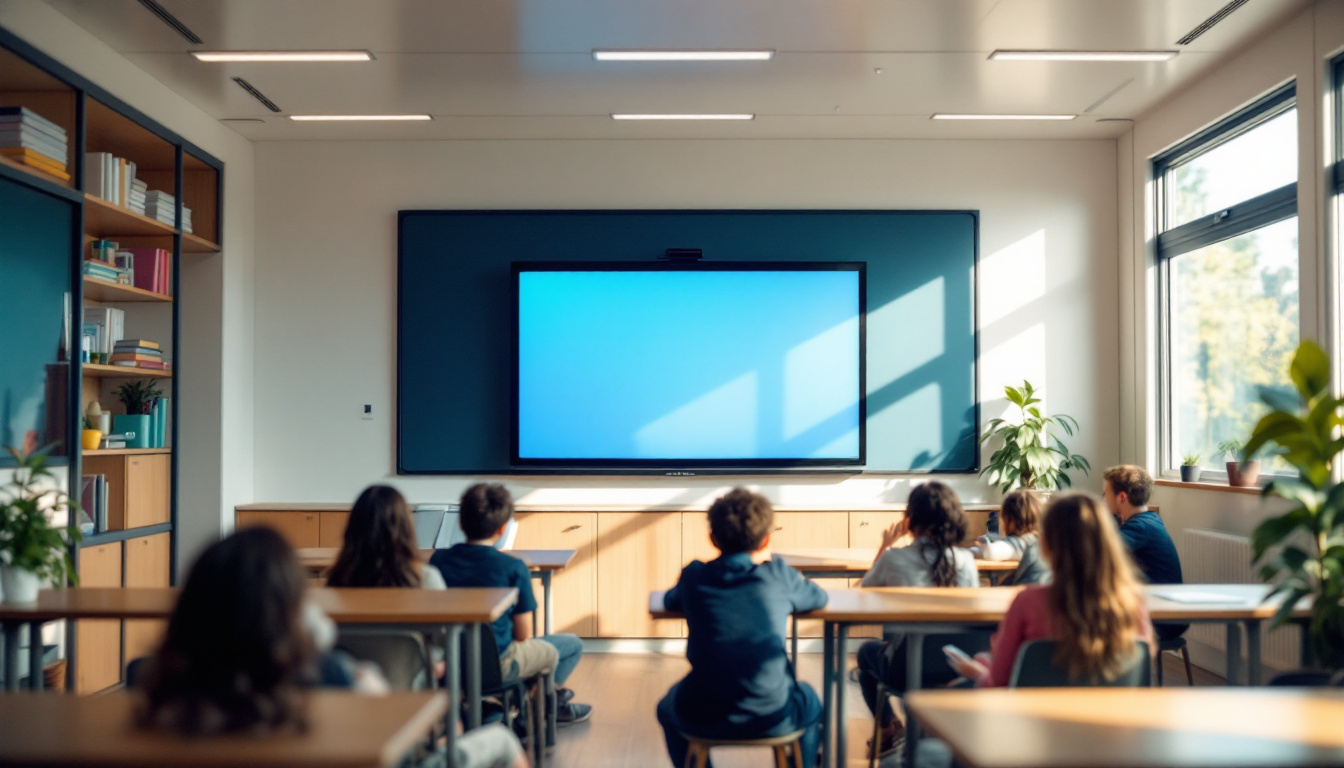
- Indoor LED Displays: Designed for environments with controlled lighting, these displays have smaller pixel pitches (the distance between individual LEDs) for higher resolution and clarity at close viewing distances. They are commonly used in venues such as theaters, conference rooms, and retail environments, where detailed visuals are essential for effective communication.
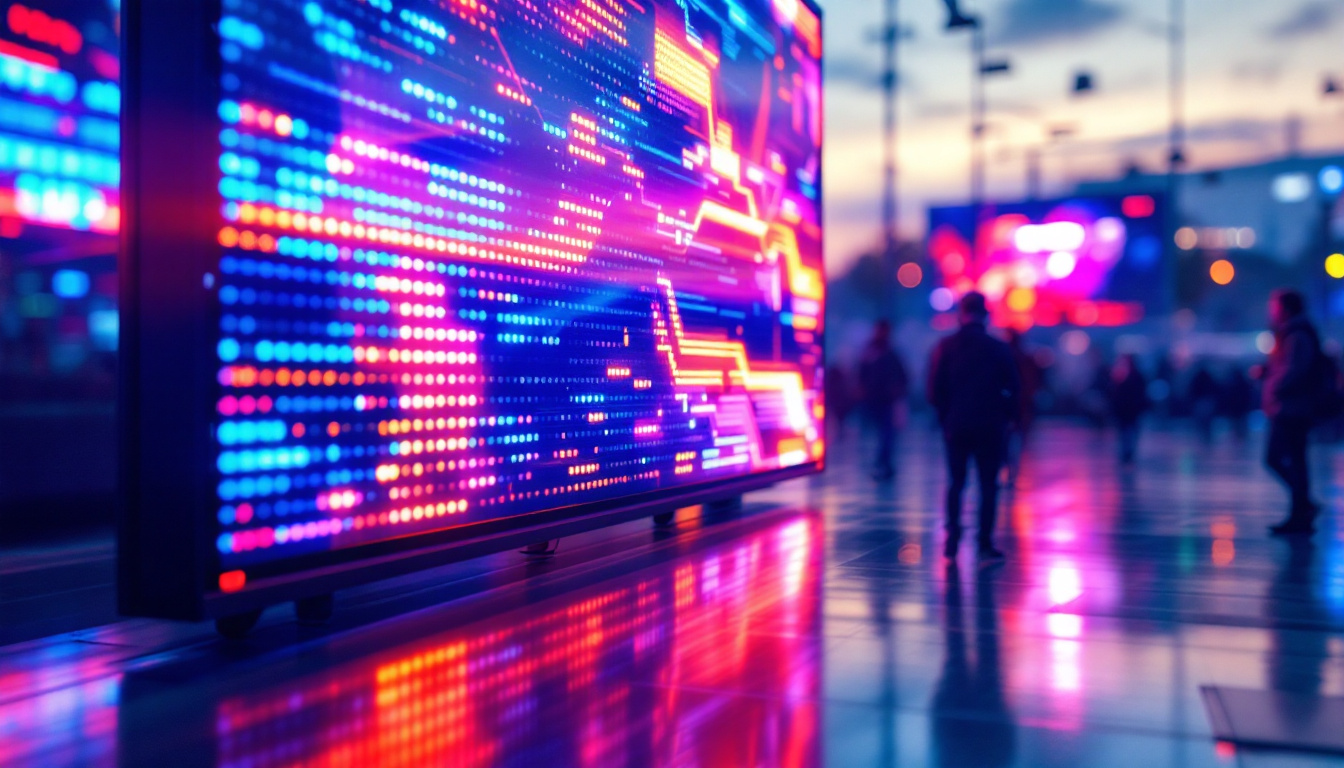
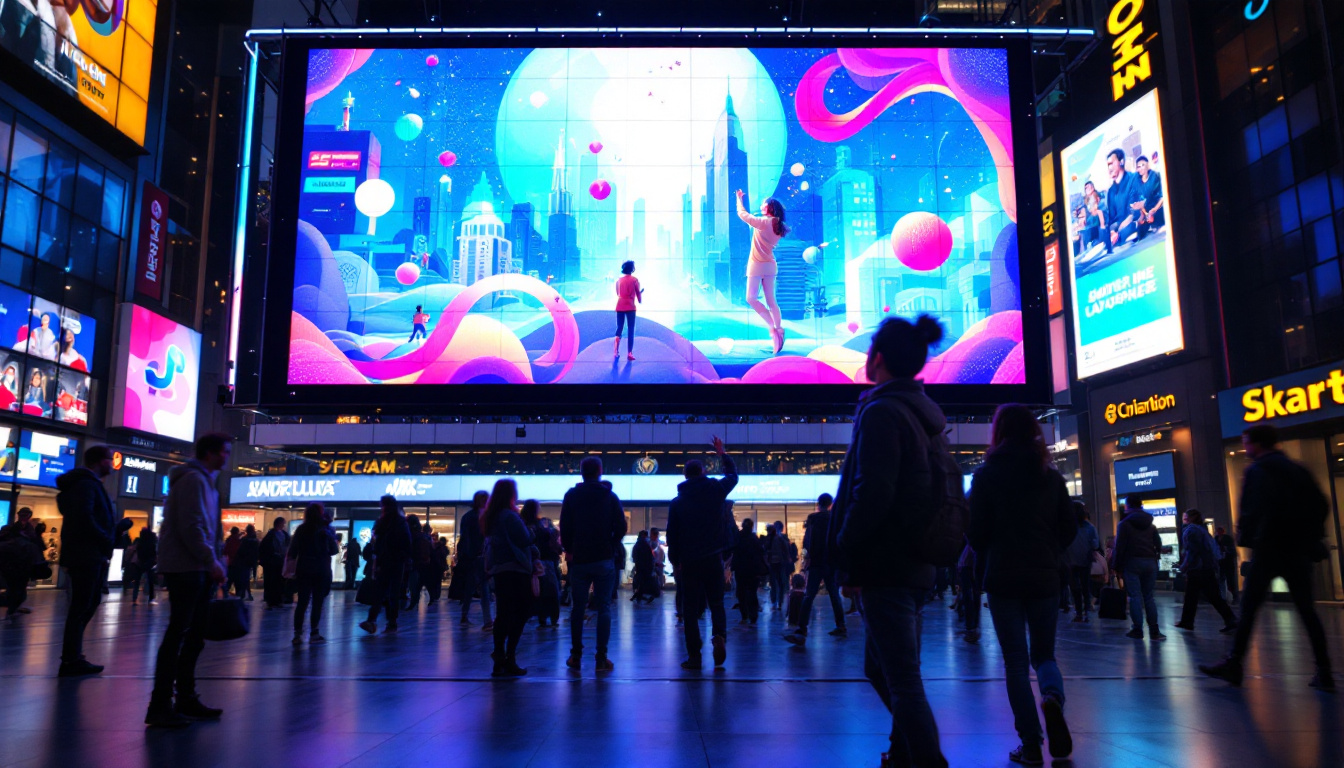
- Outdoor LED Displays: Built to withstand weather elements, these have larger pixel pitches to ensure visibility from greater distances and higher brightness levels to combat sunlight glare. These displays are often seen in public spaces, such as billboards and transportation hubs, where they can capture the attention of passersby and convey messages effectively.
- Flexible and Transparent LED Displays: Innovative designs allow for curved or see-through installations, expanding creative possibilities in architecture and advertising. These displays can be integrated into windows or walls, providing a seamless blend of digital content with the physical environment, thus creating an immersive experience for viewers.
Additionally, advancements in LED technology have led to the development of microLED displays, which offer even greater pixel density and contrast ratios. This emerging technology is poised to revolutionize the display industry by providing ultra-high-definition visuals in a compact form factor. As the demand for high-quality visual experiences continues to grow, the versatility and performance of LED displays will likely play a crucial role in shaping the future of digital communication and entertainment.
Key Factors Influencing LED Display Costs
When evaluating the cost of an LED display, several critical factors come into play. Understanding these will help you make an informed decision tailored to your needs and budget.
1. Pixel Pitch
Pixel pitch is the distance between the centers of two adjacent LEDs, usually measured in millimeters. It directly affects the resolution and clarity of the display. Smaller pixel pitches mean higher resolution and sharper images but come at a higher cost due to the increased number of LEDs and more complex manufacturing.
For example, an indoor LED display with a pixel pitch of 1.2mm will be significantly more expensive than an outdoor display with a 10mm pitch. The former is suitable for close-range viewing, such as conference rooms or retail stores, while the latter is ideal for billboards or stadium screens viewed from afar.
2. Display Size
The overall size of the LED display is a major cost determinant. Larger screens require more LED modules, power supplies, and structural support. Prices typically scale linearly with size but can also increase due to the need for specialized installation and maintenance equipment.
For instance, a 10-foot by 5-foot LED display will cost substantially less than a 50-foot by 20-foot installation. Additionally, very large displays may require custom engineering, which adds to the expense.
3. Resolution and Image Quality
Beyond pixel pitch, factors such as color accuracy, refresh rate, and brightness influence the display’s image quality and cost. High-end LED displays designed for broadcast or cinematic use often feature advanced processing chips and calibration tools, increasing the price.
4. Indoor vs. Outdoor Use
Outdoor LED displays need to be weatherproof, UV-resistant, and capable of operating in extreme temperatures. These requirements add to manufacturing and material costs. Moreover, outdoor displays usually have higher brightness ratings (measured in nits) to remain visible in direct sunlight, which also increases power consumption and cost.
5. Installation and Maintenance
The cost of installation varies depending on the complexity of the setup, location, and structural requirements. Outdoor installations might need scaffolding, permits, or specialized mounting hardware. Maintenance costs, including cleaning, repairs, and software updates, should also be factored into the total cost of ownership.
6. Control Systems and Software
Modern LED displays often come with sophisticated control systems that allow remote content management, scheduling, and diagnostics. Licensing fees for proprietary software or subscriptions for cloud-based content management platforms can add to ongoing costs.
Typical Cost Ranges for LED Displays
While prices can vary widely based on the factors above, it’s helpful to have ballpark figures to guide budgeting.
Indoor LED Displays
Indoor LED displays with pixel pitches ranging from 1.2mm to 4mm typically cost between $1,500 and $3,500 per square meter. For example, a 3m x 2m indoor display (6 square meters) might cost anywhere from $9,000 to $21,000 depending on resolution and brand.
This price generally includes the LED panels, basic control hardware, and standard installation. Higher-end models with advanced features or ultra-fine pixel pitches can exceed this range.
Outdoor LED Displays
Outdoor LED displays are more expensive due to their rugged construction and higher brightness. Prices usually range from $2,000 to $5,000 per square meter. A 10m x 5m billboard-sized display (50 square meters) could cost between $100,000 and $250,000.
Additional costs for installation, structural supports, and permits can add tens of thousands of dollars, especially for large-scale commercial projects.
Rental LED Displays
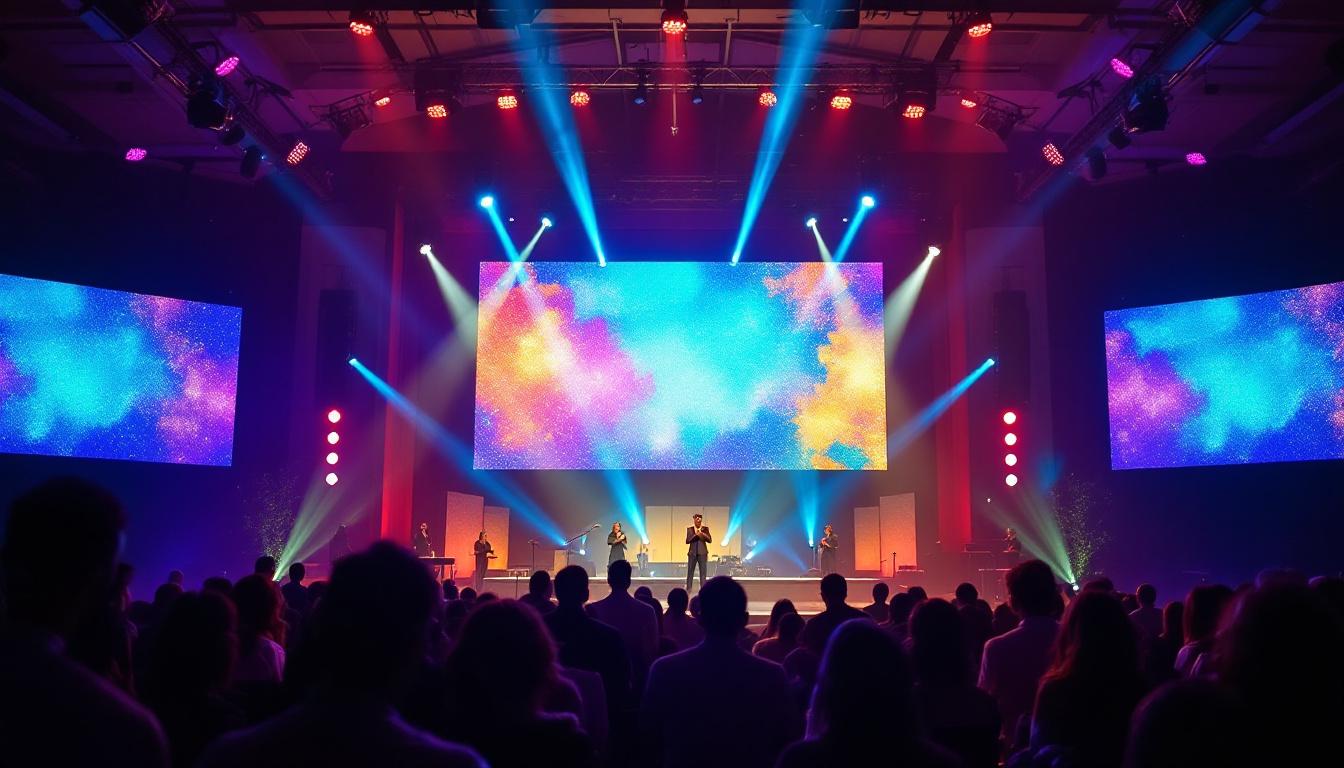
For temporary events such as concerts, trade shows, or sports events, renting LED displays is a popular option. Rental prices typically range from $100 to $300 per square meter per day, depending on resolution and size.
This option eliminates upfront capital expenditure and includes setup and technical support but can become costly for long-term use.
Case Studies: LED Display Costs in Real-World Applications
To better illustrate how these costs manifest in actual projects, here are a few examples from various industries:
Retail Storefront Digital Signage
A mid-sized retail chain installed a 2.5mm pixel pitch indoor LED display measuring 4m x 3m to showcase promotions and interactive content. The total cost, including installation and software, was approximately $30,000. The investment resulted in increased foot traffic and sales, justifying the expense within the first year.
Outdoor Sports Arena Scoreboard
An outdoor sports complex installed a 12mm pixel pitch LED scoreboard measuring 15m x 8m. The total project cost, including structural supports and electrical work, was around $400,000. The high visibility and durability of the display enhanced the spectator experience and opened new advertising revenue streams.
Corporate Event Rental
A multinational company rented a 5m x 3m LED display with a 4mm pixel pitch for a product launch event. The rental cost was $2,500 for the three-day event, including delivery, setup, and technical support. This flexible solution allowed the company to use high-quality digital signage without a permanent investment.
Additional Considerations When Purchasing an LED Display
Energy Consumption and Operating Costs
While LED displays are energy-efficient compared to older technologies, larger and brighter displays can still consume significant power. It’s important to consider ongoing electricity costs, especially for outdoor displays running 24/7.
Many modern LED systems include energy-saving features such as automatic brightness adjustment based on ambient light, which can reduce power consumption and extend the lifespan of the display.
Warranty and Support
Reliable warranty coverage and responsive technical support are critical when investing in LED displays. Most manufacturers offer warranties ranging from one to three years, covering defects and performance issues. Extended warranties and service contracts can provide peace of mind but may increase upfront costs.
Content Creation and Management
Having a high-quality LED display is only part of the equation. Effective content creation and management are essential to maximize the impact of your investment. Budgeting for professional content design or training staff on content management software should be part of your overall plan.
Future Trends Affecting LED Display Costs
LED technology continues to evolve rapidly, which impacts both performance and pricing.
Mini-LED and Micro-LED Technologies
Emerging technologies like Mini-LED and Micro-LED promise even higher resolutions, better contrast ratios, and improved energy efficiency. While currently more expensive, these technologies are expected to become more affordable over the next few years, potentially reshaping pricing structures.
Integration with IoT and AI
Smart LED displays integrated with Internet of Things (IoT) devices and artificial intelligence (AI) enable dynamic content personalization, predictive maintenance, and enhanced interactivity. These features add value but may increase initial costs due to the need for advanced hardware and software.
Environmental and Sustainability Considerations
As sustainability becomes a priority, manufacturers are focusing on eco-friendly materials and energy-efficient designs. Displays with certifications such as Energy Star or RoHS compliance might carry a premium but can reduce environmental impact and operational costs.
Conclusion: Making an Informed LED Display Investment
Determining how much an LED display costs involves evaluating multiple factors including pixel pitch, size, usage environment, and additional features. While upfront costs can be significant, the benefits of enhanced visibility, durability, and energy efficiency often lead to strong returns on investment.
For businesses and organizations considering LED displays, it is crucial to assess specific needs, budget constraints, and long-term goals. Consulting with experienced vendors and requesting detailed quotes can help clarify total costs and ensure the chosen solution aligns with your objectives.
Ultimately, investing in the right LED display can transform communication strategies, captivate audiences, and drive measurable results in today’s competitive landscape.
Discover LumenMatrix’s Advanced LED Display Solutions
Ready to elevate your visual communication with cutting-edge LED technology? LumenMatrix offers a comprehensive range of LED display solutions tailored to meet your specific needs. From vibrant Indoor LED Wall Displays to robust Outdoor LED Wall Displays, and from dynamic Vehicle LED Displays to sleek LED Poster Displays, our products are designed to captivate your audience and amplify your brand’s presence. Embrace the future with our innovative LED Sports Displays, interactive Floor LED Displays, and the versatility of Custom and All-in-One LED Display options, including our stunning LED Transparent Displays. Experience the LumenMatrix difference and revolutionize your messaging with clarity and impact. Check out LumenMatrix LED Display Solutions today and see how we can help you create unforgettable visual experiences.