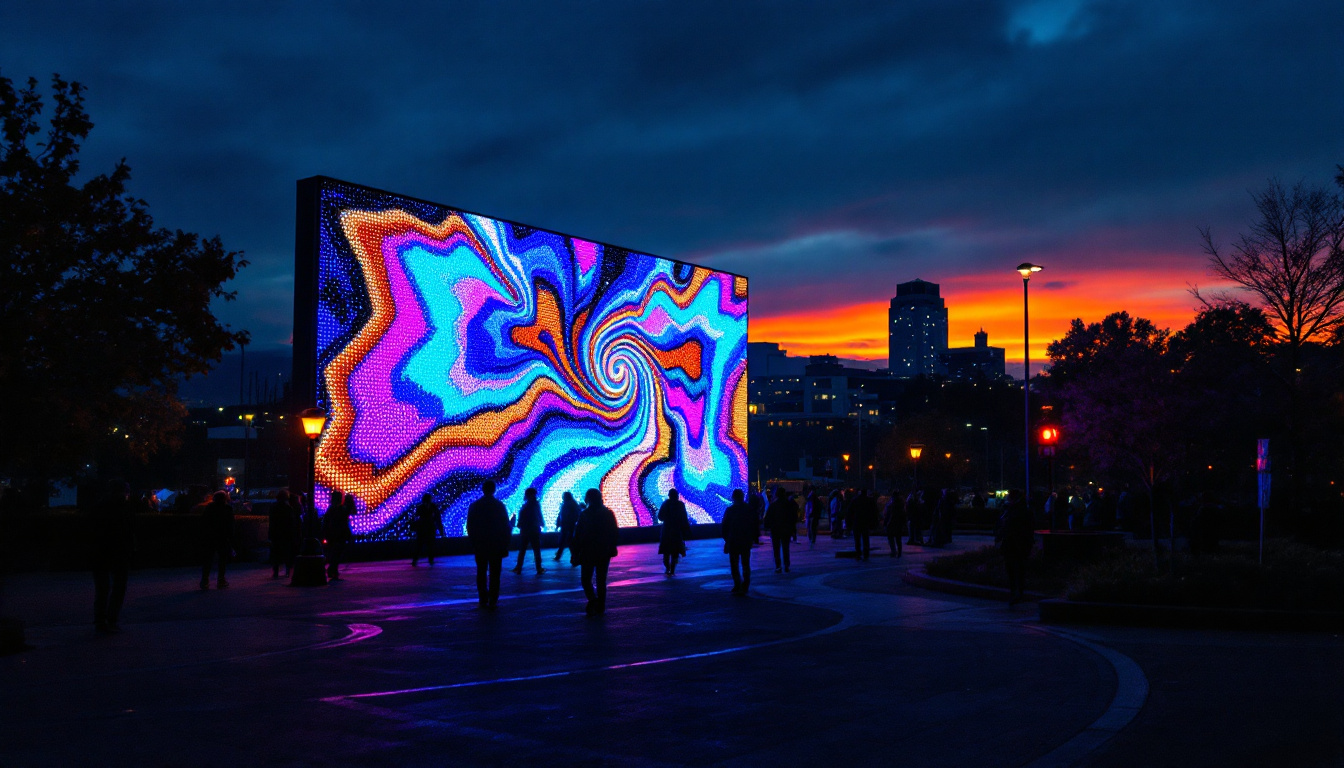
In the rapidly evolving world of digital displays, LED technology stands out as a dominant force, powering everything from smartphones and televisions to massive outdoor billboards. However, a common challenge that users and manufacturers face is managing display brightness and dimming effectively. Understanding how LED displays handle dimming is crucial not only for enhancing visual comfort but also for optimizing energy consumption and extending device lifespan.
This article delves deep into the concept of display dimming in LED technology, exploring the underlying principles, different dimming methods, and their practical applications. Whether you are a tech enthusiast, a display engineer, or simply curious about how your devices adjust brightness, this comprehensive guide will illuminate the subject with clarity and detail.
Understanding LED Display Technology
Light Emitting Diodes (LEDs) are semiconductor devices that emit light when an electric current passes through them. Unlike traditional display technologies such as LCDs that rely on backlighting, LEDs generate light directly, offering superior brightness, contrast, and energy efficiency. This direct emission of light allows for a more dynamic range of colors and deeper blacks, enhancing the overall viewing experience.
LED displays come in various forms, including direct-view LED panels, OLED (Organic LED) screens, and LED-backlit LCDs. Each type utilizes LEDs differently, but the fundamental principle of controlling light emission remains central to all. For instance, OLED displays use organic compounds that emit light when energized, allowing for even more vivid colors and true blacks, as individual pixels can be turned off completely. This technology has revolutionized the way we experience visual media, from televisions to smartphones.
How LEDs Produce Light
At the core of an LED is a p-n junction where electrons recombine with holes, releasing energy in the form of photons. The color and intensity of the emitted light depend on the materials used and the current flowing through the diode. This direct light emission enables LEDs to achieve vibrant colors and high brightness levels. Additionally, advancements in phosphor technology have allowed for the creation of white LEDs, which combine multiple wavelengths to produce a full spectrum of light, making them suitable for a variety of applications, from general lighting to intricate display systems.
Advantages of LED Displays
LED displays offer several advantages over other technologies:
- Brightness: LEDs can achieve very high luminance, making them ideal for outdoor and high ambient light environments.
- Energy Efficiency: LEDs consume less power compared to traditional incandescent or fluorescent lighting, leading to lower energy bills and a reduced carbon footprint.
- Longevity: LEDs have a longer operational lifespan, often exceeding 50,000 hours, which translates to years of maintenance-free operation.
- Thin and Flexible Designs: OLED and micro-LED technologies enable ultra-thin and flexible displays, paving the way for innovative applications such as curved screens and wearable technology.
Furthermore, the rapid evolution of LED technology has led to improvements in color accuracy and refresh rates, making them suitable for high-definition video playback and gaming. The integration of smart technologies has also made LED displays more interactive, allowing users to engage with content in real-time. With the rise of digital signage, LED displays are becoming increasingly prevalent in public spaces, providing dynamic content that can be updated instantly to reflect current events or promotions, thus enhancing communication and engagement in various environments.
The Importance of Display Dimming
Dimming an LED display is more than just reducing brightness; it is a critical feature that affects user experience, device performance, and energy consumption. Proper dimming ensures that the display is comfortable to view in various lighting conditions while preserving image quality and reducing eye strain.
Moreover, dimming plays a vital role in extending the lifespan of LED components. Running LEDs at full brightness continuously can accelerate wear and increase heat generation, which may degrade the display over time.
Impact on Visual Comfort and Health
Excessive brightness, especially in low-light environments, can cause discomfort and contribute to digital eye strain. Studies have shown that adjustable brightness settings can significantly reduce symptoms such as headaches, dry eyes, and blurred vision. Adaptive dimming technologies that respond to ambient light levels help maintain optimal viewing conditions throughout the day.
Energy Consumption and Environmental Considerations
Energy efficiency is a growing concern in consumer electronics and public displays. Dimming LEDs reduces power consumption, which not only lowers electricity costs but also decreases the carbon footprint associated with device operation. For example, dimming an LED display by 50% can reduce energy usage by nearly the same proportion, depending on the dimming method used.
Methods of LED Display Dimming
There are several techniques to dim LED displays, each with its own advantages and trade-offs. The choice of dimming method depends on the application, desired image quality, and hardware capabilities.
1. Analog Dimming
Analog dimming involves adjusting the current supplied to the LEDs. By reducing the current, the light output decreases proportionally. This method is straightforward and commonly used in simple LED lighting setups.
However, analog dimming can affect the color accuracy and uniformity of the display because LEDs may not maintain consistent color output at lower currents. Additionally, it can introduce non-linear brightness changes, which might not be visually smooth.
2. Pulse Width Modulation (PWM) Dimming
PWM dimming controls brightness by rapidly switching the LEDs on and off at a frequency high enough that the human eye perceives a steady light level. The brightness is adjusted by varying the duty cycle—the proportion of time the LED is on versus off.
PWM offers precise control over brightness without altering the LED’s color characteristics. It is widely used in modern LED displays, including smartphones and TVs. However, some users may notice flickering at low dimming levels, which can cause discomfort or headaches for sensitive individuals.
3. Hybrid Dimming
Hybrid dimming combines analog and PWM methods to leverage the benefits of both. It uses analog dimming at higher brightness levels for smooth transitions and switches to PWM dimming at lower brightness to maintain color fidelity and reduce flicker.
This approach is increasingly popular in high-end displays, balancing energy efficiency, visual comfort, and color accuracy.
4. Local Dimming
Local dimming is a technique used primarily in LED-backlit LCDs and some direct-view LED displays. The display is divided into zones, each of which can be dimmed independently based on the content being shown. This enhances contrast by making dark areas darker without affecting bright regions.
Local dimming significantly improves picture quality, especially in scenes with high contrast. It also contributes to energy savings by reducing power to zones displaying darker content.
Applications and Real-World Examples
Understanding dimming methods is essential for various industries and applications. Below are some key areas where LED display dimming plays a pivotal role.
Consumer Electronics
Smartphones, tablets, and laptops rely heavily on PWM and hybrid dimming to adjust screen brightness dynamically. For instance, Apple’s True Tone and Night Shift features adjust brightness and color temperature to reduce eye strain during nighttime use, employing sophisticated dimming algorithms.
Similarly, OLED TVs from leading manufacturers use local dimming and hybrid dimming to deliver stunning picture quality with deep blacks and vibrant colors.
Outdoor and Public Displays
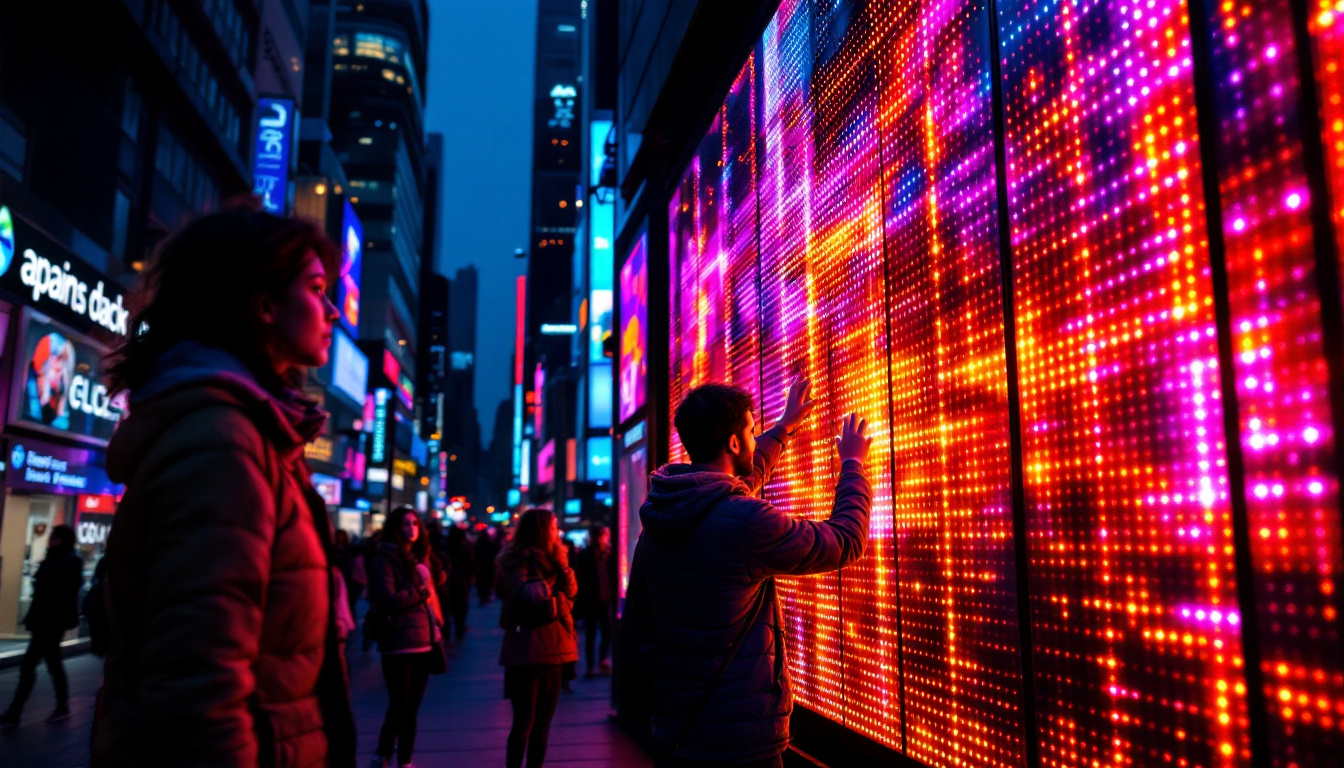
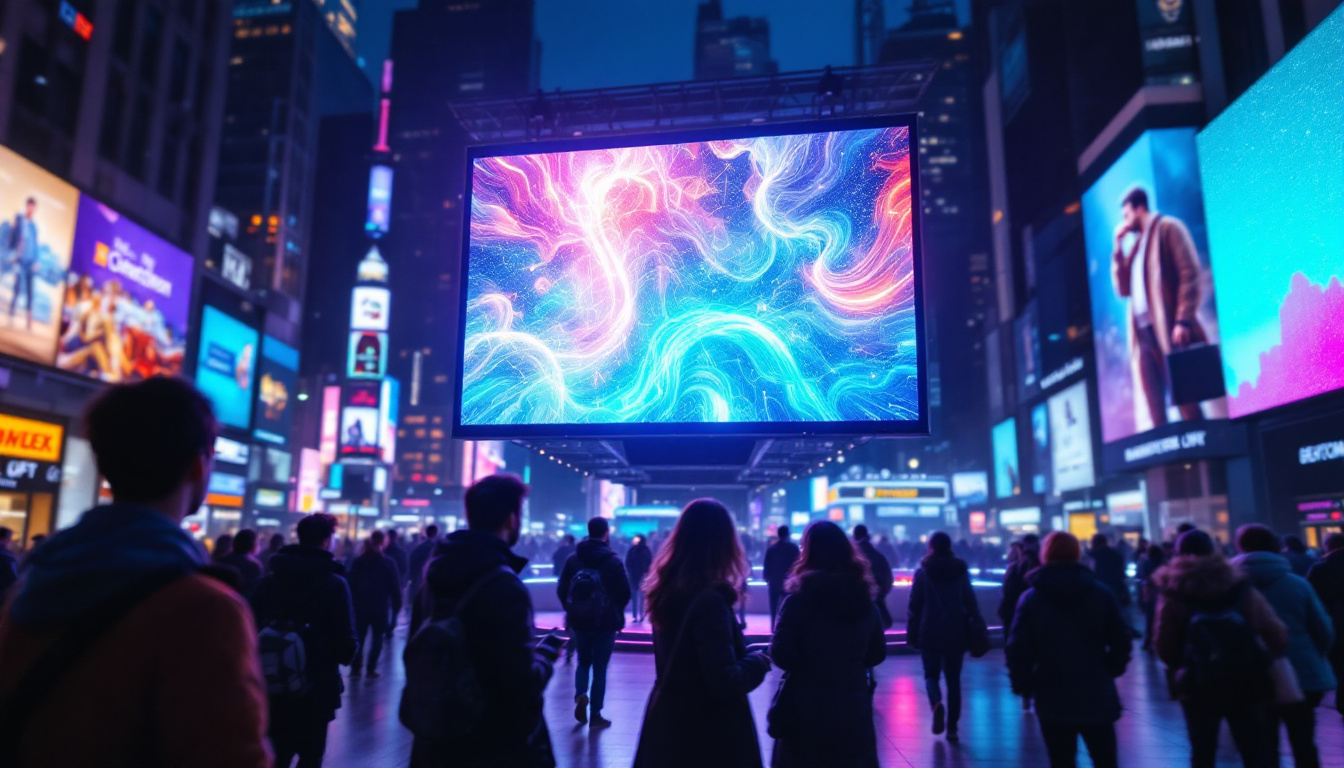
Billboards, stadium screens, and transportation signage must maintain visibility under varying ambient light conditions. High-brightness LEDs combined with adaptive dimming sensors allow these displays to remain legible in direct sunlight while dimming at night to reduce light pollution and energy consumption.
For example, Times Square’s giant LED billboards use advanced dimming controls to balance brightness and energy efficiency, contributing to sustainability goals.
Automotive Displays
Modern vehicles incorporate LED displays in dashboards, infotainment systems, and head-up displays. Dimming is crucial here to prevent glare during night driving and to ensure readability in bright daylight. Automotive displays often use PWM dimming combined with ambient light sensors for seamless brightness adjustment.
Future Trends in LED Display Dimming
The LED display industry continues to innovate, with new dimming technologies emerging to meet increasing demands for energy efficiency, visual quality, and user comfort.
Micro-LED and Mini-LED Technologies
Micro-LED and mini-LED displays feature smaller and more numerous LEDs, enabling finer control over brightness and local dimming zones. This results in improved contrast ratios and lower power consumption. As these technologies mature, they are expected to become mainstream in premium TVs, monitors, and mobile devices.
AI-Driven Adaptive Dimming
Artificial intelligence is being integrated into display systems to optimize dimming based on user habits, ambient conditions, and content type. AI algorithms can predict optimal brightness levels, reducing eye strain and energy use more effectively than traditional sensors alone.
Flicker-Free Dimming Solutions
Addressing the flicker issue associated with PWM dimming remains a priority. Innovations in driver electronics and modulation techniques aim to eliminate perceptible flicker, enhancing comfort for sensitive users and expanding the applicability of PWM dimming.
Conclusion
Display dimming in LED technology is a multifaceted subject that intersects with engineering, human factors, and sustainability. By controlling brightness through various dimming methods—analog, PWM, hybrid, and local dimming—manufacturers can deliver displays that are visually stunning, energy-efficient, and comfortable to use.
As LED technology advances, the integration of micro-LEDs, AI, and flicker-free solutions promises even greater precision and adaptability in display dimming. Understanding these principles helps consumers appreciate the complexity behind the screens they interact with daily and empowers professionals to make informed decisions in design and application.
In a world increasingly dependent on digital displays, mastering the art and science of LED dimming is essential for creating devices that are not only bright and beautiful but also smart and sustainable.
Explore Cutting-Edge LED Display Solutions with LumenMatrix
As you’ve learned about the intricacies of LED display dimming, you might be wondering how to apply this knowledge to create impactful visual displays for your brand or project. LumenMatrix is at the forefront of LED display innovation, offering a wide array of solutions tailored to meet your needs. From Indoor and Outdoor LED Wall Displays to specialized options like Vehicle, Sports, and Floor LED Displays, our products are designed to captivate and engage. Discover how LumenMatrix’s Custom, All-in-One, and Transparent LED Displays can transform your visual communication. Check out LumenMatrix LED Display Solutions and take the first step towards a brighter, more sustainable future in digital signage.