In the ever-evolving world of digital signage and display technology, rear window LED displays have emerged as a versatile and innovative solution for advertising, communication, and entertainment. These displays, which are installed on the inside of vehicle rear windows or glass surfaces, offer a unique blend of visibility, durability, and aesthetic appeal. This article delves into the technology behind rear window LED displays, their applications, benefits, and considerations for choosing the right system.
Understanding Rear Window LED Displays
Rear window LED displays are specialized LED screens designed to be mounted on the interior side of a vehicle’s rear window or other glass surfaces. Unlike traditional LED displays that are viewed from the front, these displays are viewed from the outside through the glass, making them ideal for mobile advertising or informational signage on buses, taxis, and other vehicles.
The key to their functionality lies in their semi-transparent design. The LED modules are engineered to allow light and visibility from inside the vehicle while simultaneously displaying bright, vivid images and text visible from the outside. This balance ensures that the driver’s rear visibility is not compromised, maintaining safety while maximizing advertising impact.
How Rear Window LED Displays Work
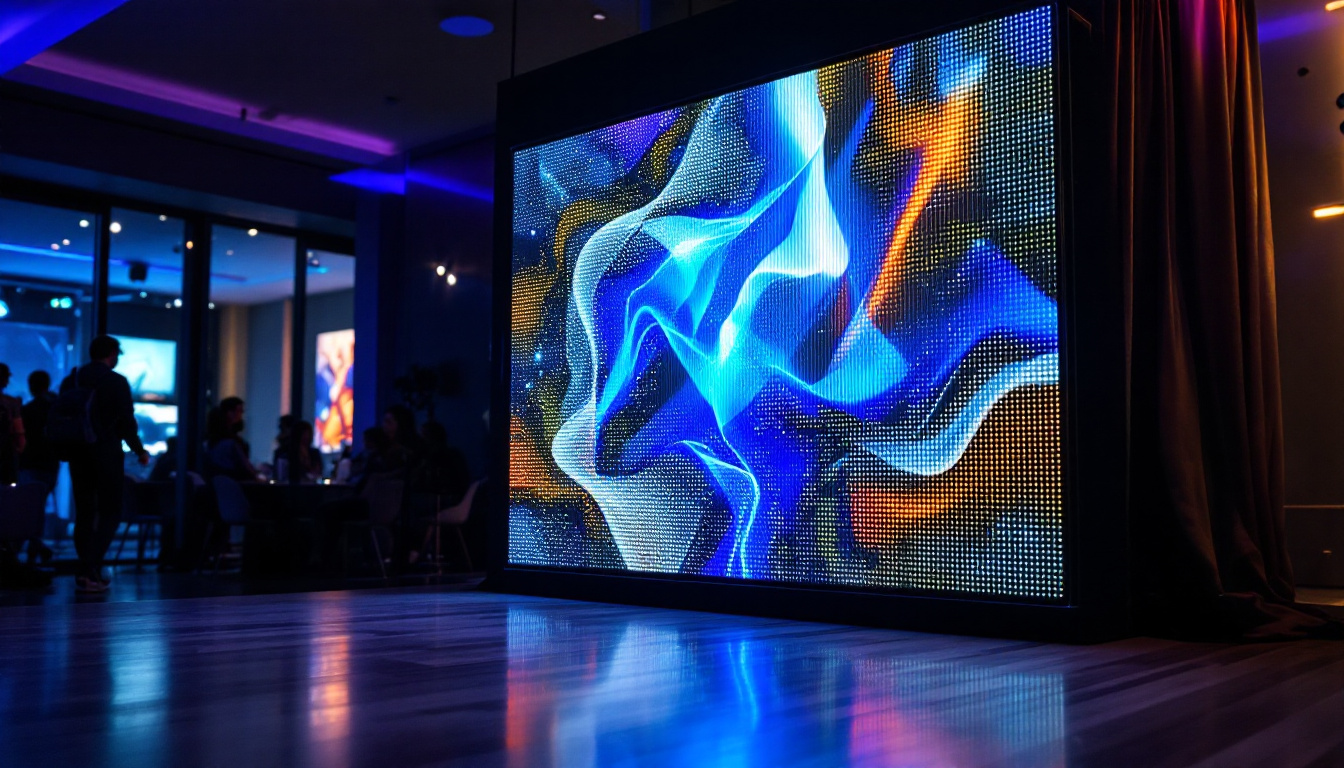
Rear window LED displays use a combination of transparent or semi-transparent LED panels and advanced driver electronics. The panels consist of tiny LED diodes arranged in a grid, which emit light to form images or text. The semi-transparent nature of the panels is achieved through spacing between diodes and the use of clear substrates, allowing light to pass through the display.
These displays operate on the principle of “see-through” LED technology, where the LEDs are bright enough to be visible in daylight and at night, but the gaps between the LEDs allow for visibility through the glass. This technology requires careful calibration of brightness and contrast to ensure legibility without obstructing the view from inside the vehicle.
Moreover, the versatility of rear window LED displays extends beyond mere advertising; they can also serve as dynamic information boards. For instance, public transportation systems can utilize these displays to convey real-time updates about routes, delays, or emergency alerts, enhancing passenger awareness and safety. Additionally, they can be programmed to change messages based on time of day or specific events, providing a tailored communication tool that can adapt to various scenarios.
As technology continues to evolve, the integration of smart features into rear window LED displays is becoming increasingly common. Some models now include sensors that adjust the brightness automatically based on ambient light conditions, ensuring optimal visibility at all times. Furthermore, advancements in connectivity allow these displays to be remotely managed, enabling businesses to update their content instantly from a central location, thereby streamlining operations and enhancing the effectiveness of their advertising campaigns.
Applications of Rear Window LED Displays
Rear window LED displays have found diverse applications across industries, particularly in transportation and advertising. Their unique positioning and visibility make them an effective medium for dynamic messaging.
Mobile Advertising and Branding
One of the most prominent uses of rear window LED displays is in mobile advertising. Companies leverage these displays on taxis, buses, and rideshare vehicles to promote products, services, or events. Unlike static stickers or decals, LED displays can change content dynamically, allowing for targeted advertising based on location, time of day, or audience demographics.
For example, a taxi in a busy urban area can display lunch specials during midday and switch to entertainment promotions in the evening, maximizing engagement with potential customers. This adaptability enhances the return on investment compared to traditional advertising methods.
Public Transportation Information
Public transit agencies utilize rear window LED displays to provide real-time information to passengers and pedestrians. These displays can show route numbers, next stops, service alerts, or safety messages. The high visibility and brightness ensure that the information is clear even in adverse weather conditions or bright sunlight.
Additionally, these displays can be integrated with GPS and scheduling software to update messages automatically, improving communication efficiency and passenger experience.
Safety and Emergency Messaging
Rear window LED displays also serve critical roles in safety and emergency communication. Emergency vehicles such as ambulances and fire trucks can use these displays to broadcast warnings or instructions to drivers behind them, such as “Emergency Vehicle Approaching” or “Clear the Lane.”
In situations like traffic jams or accidents, dynamic messaging can help manage traffic flow and reduce secondary incidents. The ability to update messages instantly is a significant advantage over static signage.
Benefits of Rear Window LED Displays
The adoption of rear window LED displays is driven by several compelling benefits that address both functional and economic needs.
High Visibility and Brightness
LED technology inherently provides bright, vibrant displays that are visible in a wide range of lighting conditions, including direct sunlight. Rear window LED displays maintain this brightness while allowing visibility from inside the vehicle, ensuring safety is not compromised.
This high visibility increases the effectiveness of advertising and informational content, capturing attention even in busy urban environments.
Dynamic Content Flexibility
Unlike traditional rear window advertisements, which are static and fixed, LED displays enable dynamic content updates. This flexibility allows businesses and transit authorities to tailor messages in real-time, respond to changing conditions, and run multiple campaigns without physical replacements.
For advertisers, this means greater engagement and the ability to test and optimize messaging based on performance data.
Durability and Weather Resistance
Rear window LED displays are designed to withstand the rigors of outdoor environments, including rain, dust, and temperature fluctuations. The panels are typically sealed and treated to resist corrosion and damage, ensuring long service life with minimal maintenance.
This durability is essential for vehicles that operate daily in various weather conditions, reducing the total cost of ownership.
Energy Efficiency
Modern LED technology is highly energy-efficient compared to other lighting and display technologies. Rear window LED displays consume relatively low power, which is crucial for vehicles relying on battery power or limited electrical systems.
Energy efficiency also contributes to lower operating costs and supports sustainability initiatives, an increasingly important consideration for fleet operators and advertisers.
Key Considerations When Choosing Rear Window LED Displays
Selecting the right rear window LED display system involves evaluating several technical and practical factors to ensure optimal performance and return on investment.
Transparency and Pixel Pitch
Transparency is a critical parameter that determines how much light passes through the display. Higher transparency means better visibility from inside the vehicle but may reduce the display’s brightness and resolution. Pixel pitch—the distance between individual LEDs—affects image clarity and transparency. A smaller pixel pitch offers higher resolution but may reduce transparency.
Balancing these factors depends on the specific use case. For example, a taxi may prioritize transparency for driver safety, while a bus advertising system might emphasize image quality.
Brightness and Contrast Ratio
Brightness levels must be sufficient to ensure readability in various lighting conditions, especially direct sunlight. Contrast ratio—the difference between the brightest and darkest parts of the display—also affects image clarity and visual impact.
Choosing a display with adjustable brightness controls can help maintain optimal visibility while conserving energy and reducing glare.
Installation and Maintenance
Rear window LED displays require professional installation to ensure secure mounting, electrical connections, and integration with vehicle systems. The design should allow for easy maintenance, including module replacement and cleaning, without extensive disassembly.
Considering the installation environment and maintenance accessibility can prevent costly downtime and extend the display’s lifespan.
Control Systems and Connectivity
Effective content management is essential for maximizing the benefits of rear window LED displays. Systems that support remote content updates via Wi-Fi, cellular networks, or Bluetooth enable real-time control and scheduling.
Integration with GPS and data analytics platforms can further enhance targeting and performance measurement, providing valuable insights for advertisers and operators.
Future Trends in Rear Window LED Display Technology
The rear window LED display market continues to evolve rapidly, driven by advancements in materials, electronics, and software integration.
Higher Resolution and Transparency
Emerging LED technologies are pushing the boundaries of pixel density and transparency, enabling displays that offer near-perfect see-through clarity without sacrificing image quality. Innovations in micro-LED and mini-LED technologies promise even greater brightness and energy efficiency.
Integration with Smart Vehicle Systems
As vehicles become increasingly connected and autonomous, rear window LED displays are expected to integrate with onboard sensors and communication systems. This integration will allow displays to adapt content based on traffic conditions, weather, or passenger preferences, enhancing safety and user experience.
Augmented Reality and Interactive Displays
Future rear window displays may incorporate augmented reality (AR) features, overlaying digital information onto real-world views for passengers or pedestrians. Interactive capabilities could enable touch or gesture controls, opening new possibilities for engagement and communication.
Conclusion
Rear window LED displays represent a cutting-edge solution that blends technology, safety, and marketing effectiveness. Their unique ability to deliver dynamic, high-visibility content without compromising driver visibility makes them an invaluable tool for advertisers, transit agencies, and emergency services alike.
When selecting a rear window LED display, it is essential to consider factors such as transparency, brightness, installation requirements, and content management capabilities to ensure the display meets specific operational needs. As technology advances, these displays will become even more sophisticated, offering new opportunities for innovation in mobile communication and advertising.
For businesses and organizations looking to enhance their visibility and engagement in a crowded marketplace, rear window LED displays offer a compelling, future-ready solution.
Discover LumenMatrix’s Innovative LED Solutions
Ready to elevate your mobile advertising and communication strategy with the latest in LED technology? Look no further than LumenMatrix. As a pioneer in the field, we offer an extensive range of LED display solutions tailored to meet your unique needs. From eye-catching vehicle LED displays to immersive transparent screens, our products are designed to captivate your audience and amplify your message. Don’t miss the opportunity to transform your brand’s visibility. Check out LumenMatrix LED Display Solutions today and step into the future of digital signage.