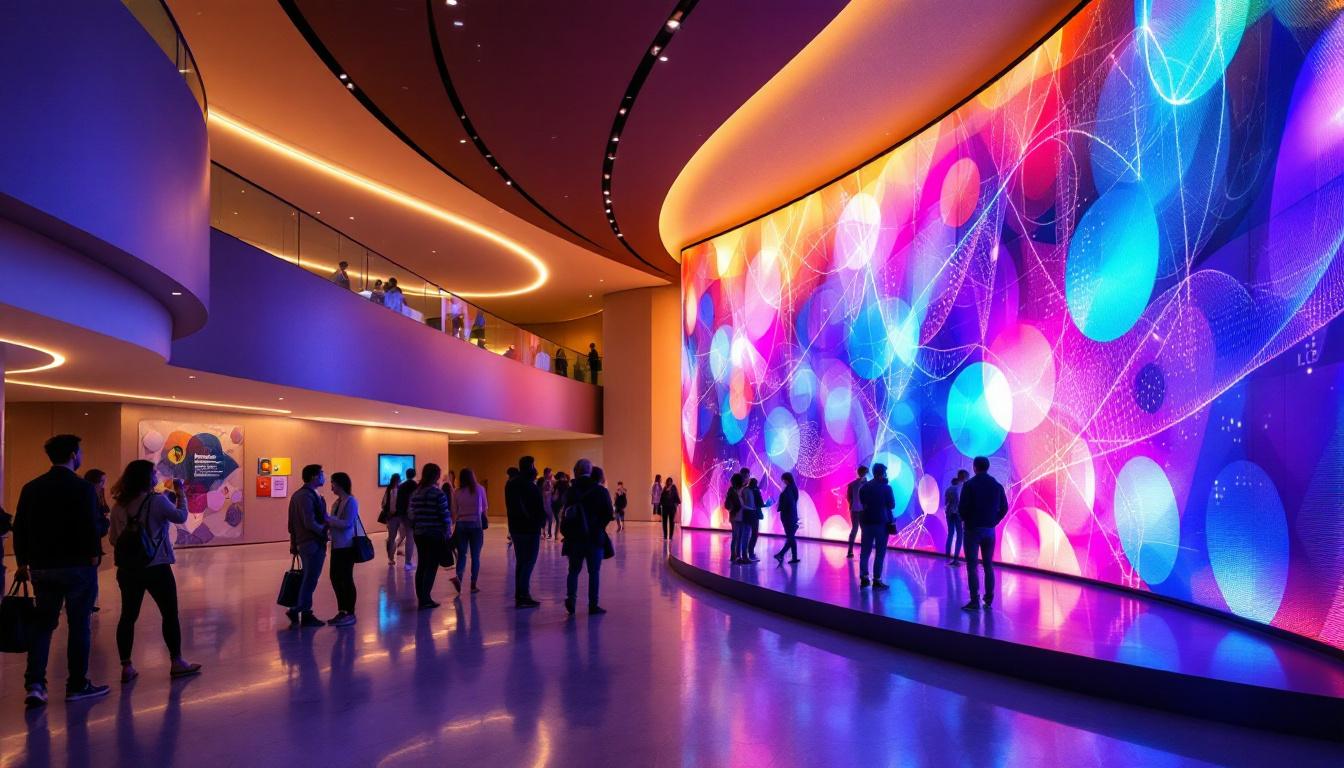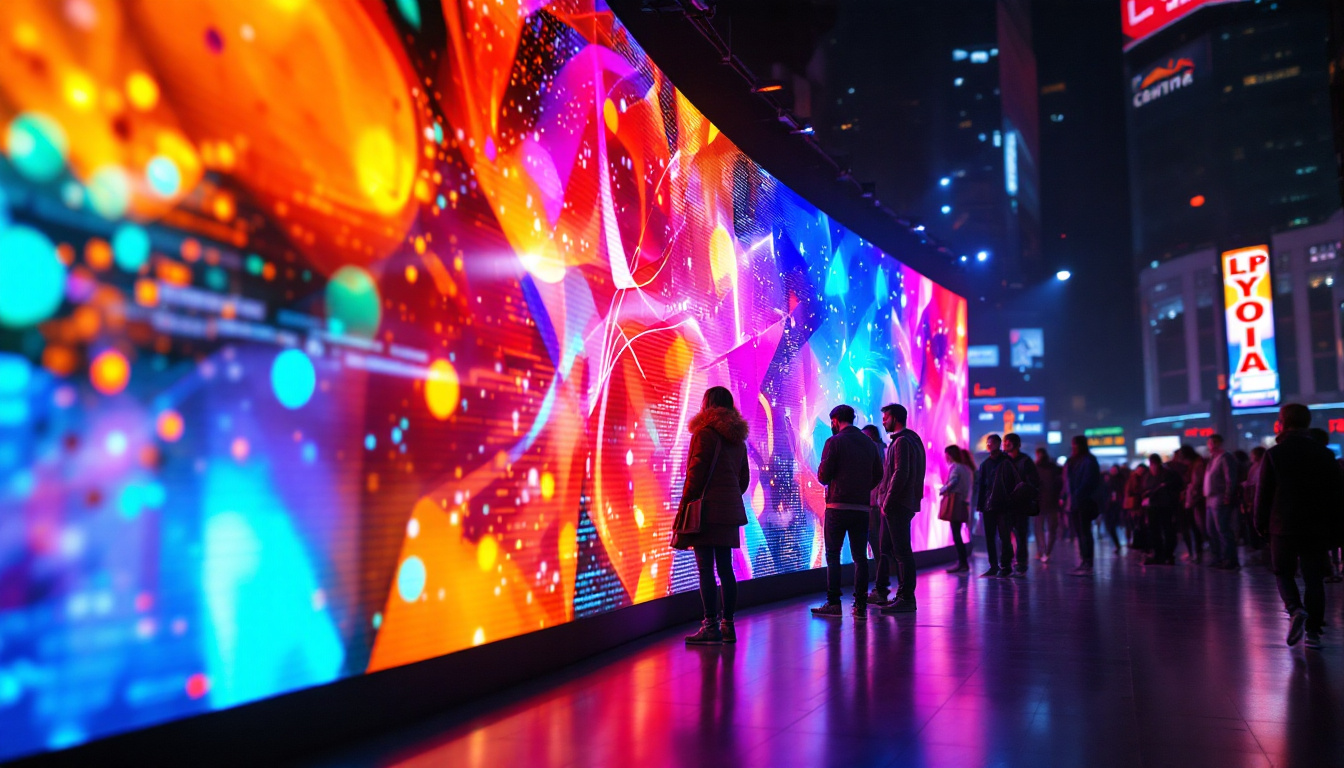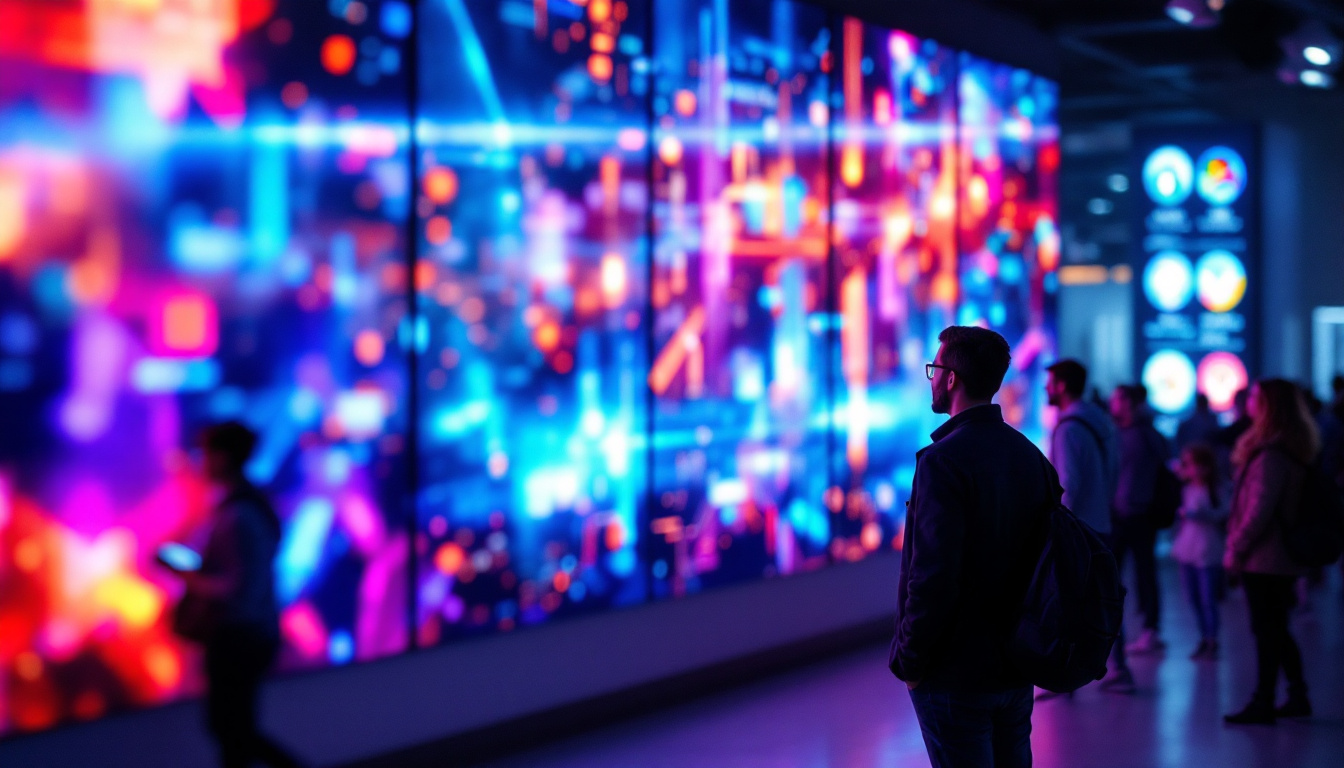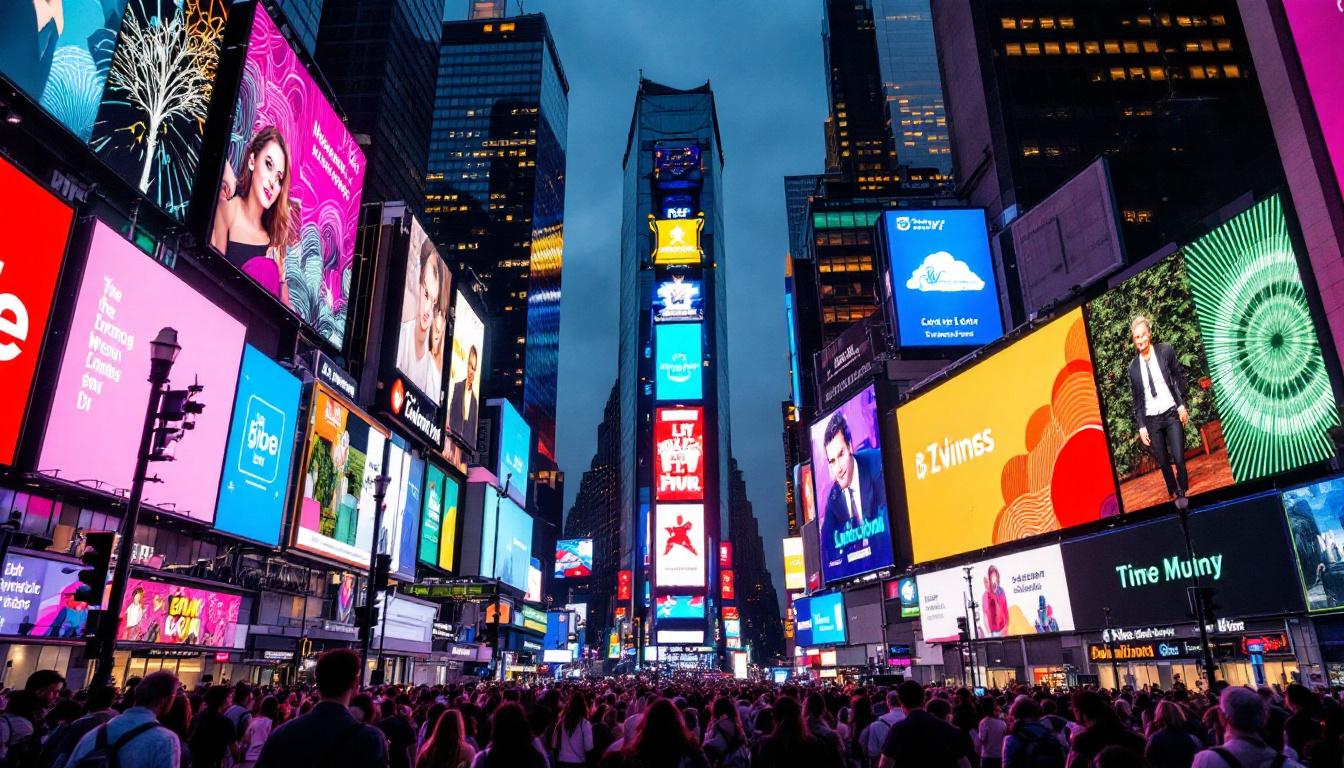
Times Square in New York City is synonymous with dazzling lights, vibrant billboards, and a sensory overload of visual displays. Among its many attractions, the 3D LED displays stand out as a marvel of modern technology, combining cutting-edge engineering with creative artistry to captivate millions of visitors each year. This article delves into the intricacies of Times Square’s 3D LED models, explaining how they work, their significance, and the technology that powers these spectacular installations.
The Evolution of Times Square’s LED Displays
Times Square has long been a hub for advertising innovation. From the early days of neon signs in the 1920s to today’s ultra-high-definition LED screens, the area has continually pushed the boundaries of visual communication. The transition from traditional billboards to LED displays marked a significant leap, allowing for dynamic content, brighter visuals, and more engaging advertisements.
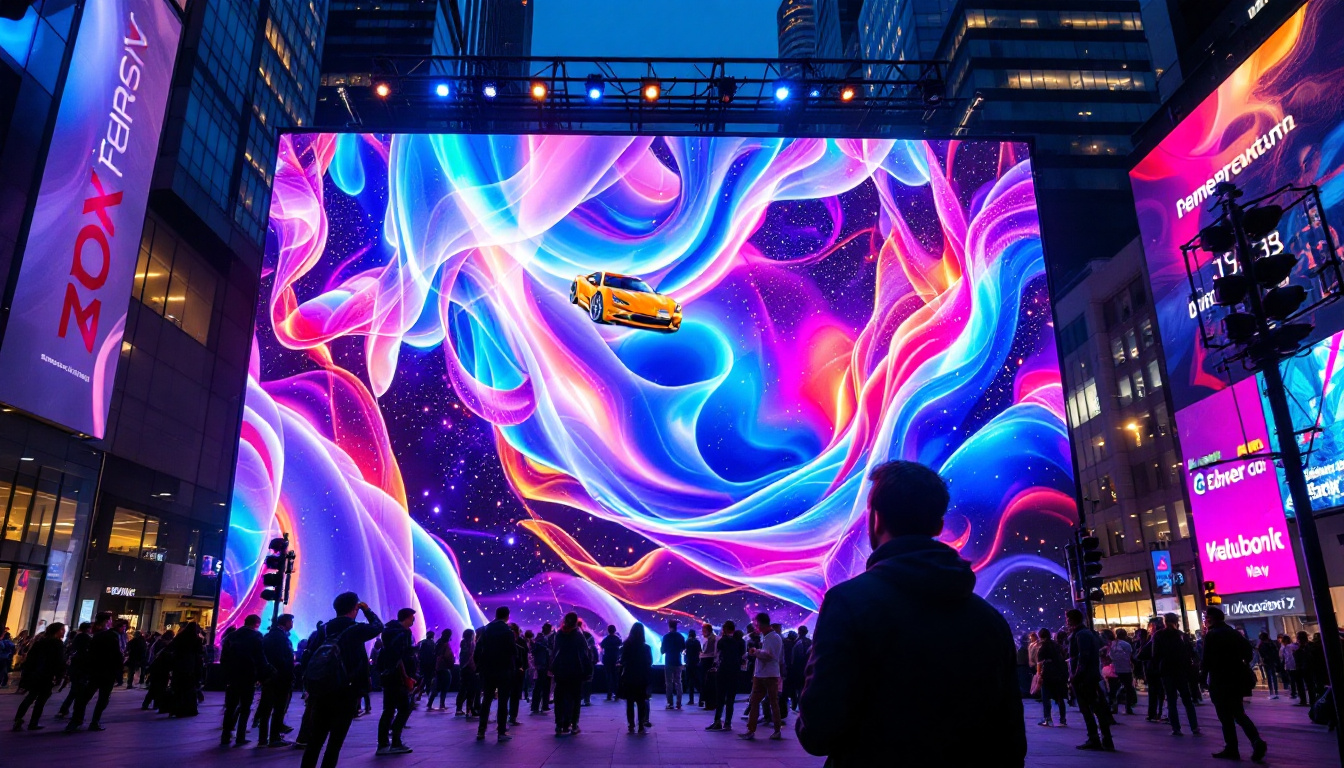
In recent years, the introduction of 3D LED models has transformed the landscape even further. These displays create the illusion of depth and movement, making advertisements appear as though they are popping out of the screens. This technology not only grabs attention but also enhances brand storytelling by providing immersive experiences that static images cannot match.
From 2D to 3D: A Technological Leap
Traditional LED billboards rely on flat screens that display two-dimensional images and videos. The 3D LED displays in Times Square, however, incorporate advanced visual techniques such as lenticular lenses, layered LED panels, and motion parallax effects. These methods manipulate light and perspective to trick the human eye into perceiving three-dimensional shapes and movements.
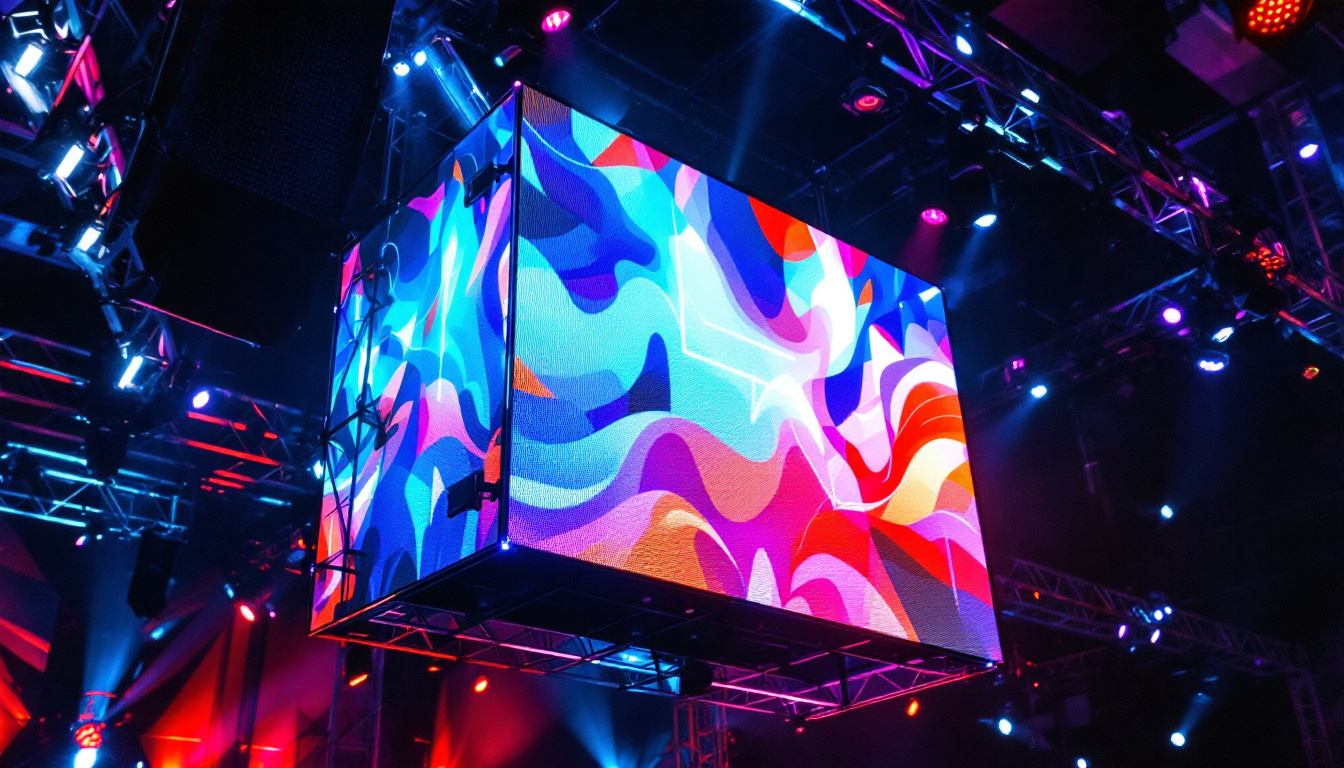
For example, the use of layered LED panels allows different images to be displayed at varying depths, creating a sense of spatial separation. When combined with precise viewing angles and motion tracking, the display can simulate objects floating or moving in space, providing a captivating experience for pedestrians and drivers alike.
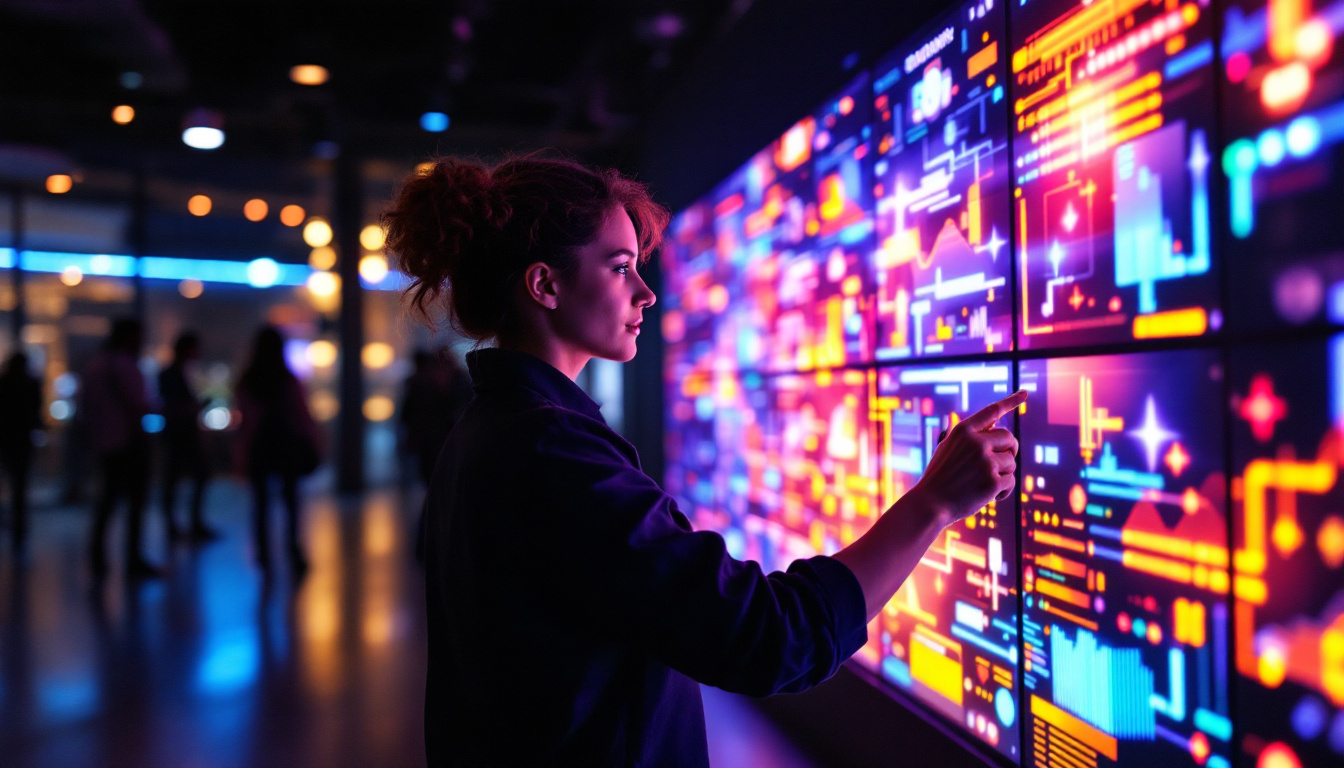
Moreover, the integration of interactive elements into these LED displays has taken engagement to a whole new level. Advertisers are now utilizing touch-sensitive technology and augmented reality (AR) features, allowing passersby to interact with the content in real-time. This interactivity not only enhances consumer engagement but also fosters a deeper connection between brands and their audiences. For instance, campaigns that allow users to take selfies with virtual characters or participate in live polls create memorable experiences that resonate long after the initial encounter.
Additionally, the environmental impact of these LED displays cannot be overlooked. With advancements in energy efficiency, modern LED screens consume significantly less power than their neon predecessors. Many displays are now equipped with smart technology that adjusts brightness based on ambient light, further reducing energy consumption. This shift not only aligns with sustainability goals but also demonstrates how innovation in advertising can coexist with environmental responsibility, making Times Square a leader in both visual spectacle and eco-consciousness.
How Times Square’s 3D LED Displays Work
Understanding the technology behind Times Square’s 3D LED displays requires a look at the components and principles that make these installations possible. The key elements include LED modules, pixel density, brightness control, and software algorithms that coordinate the visual effects.
LED Modules and Pixel Density
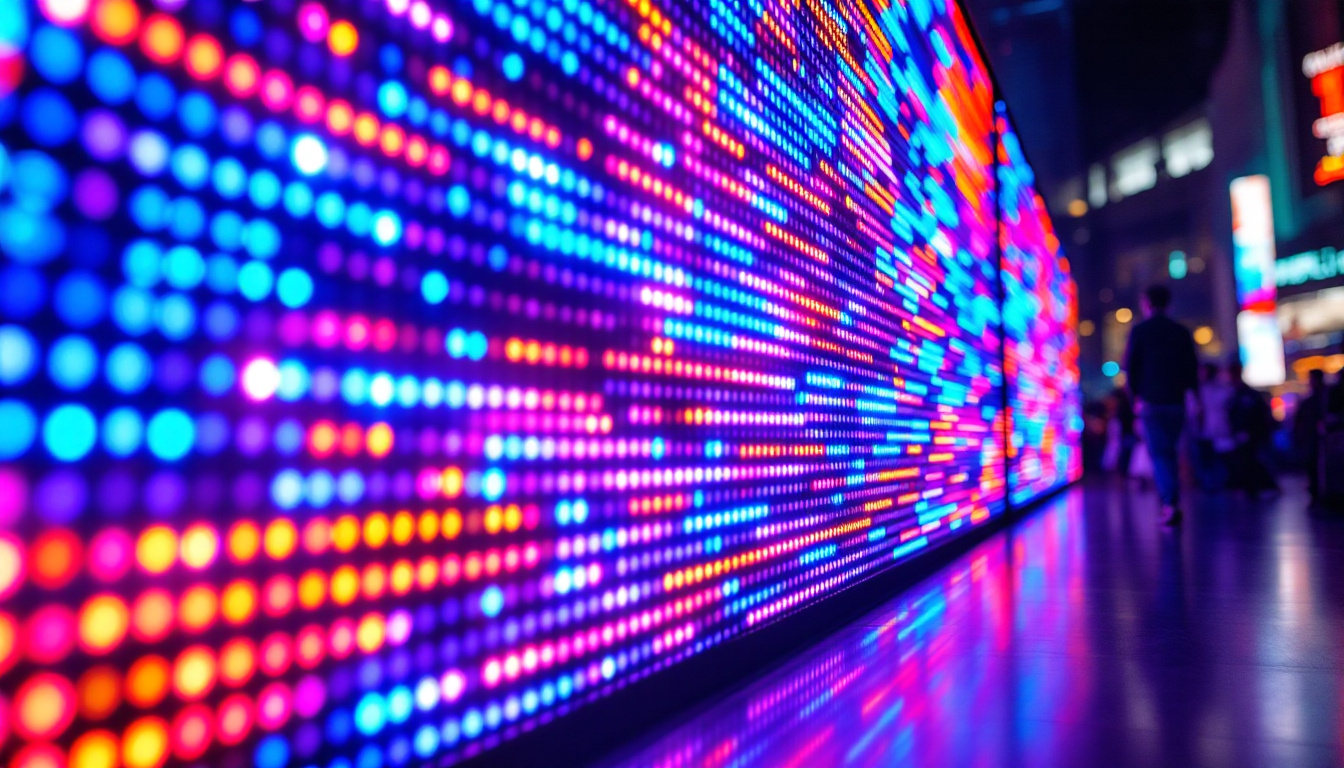
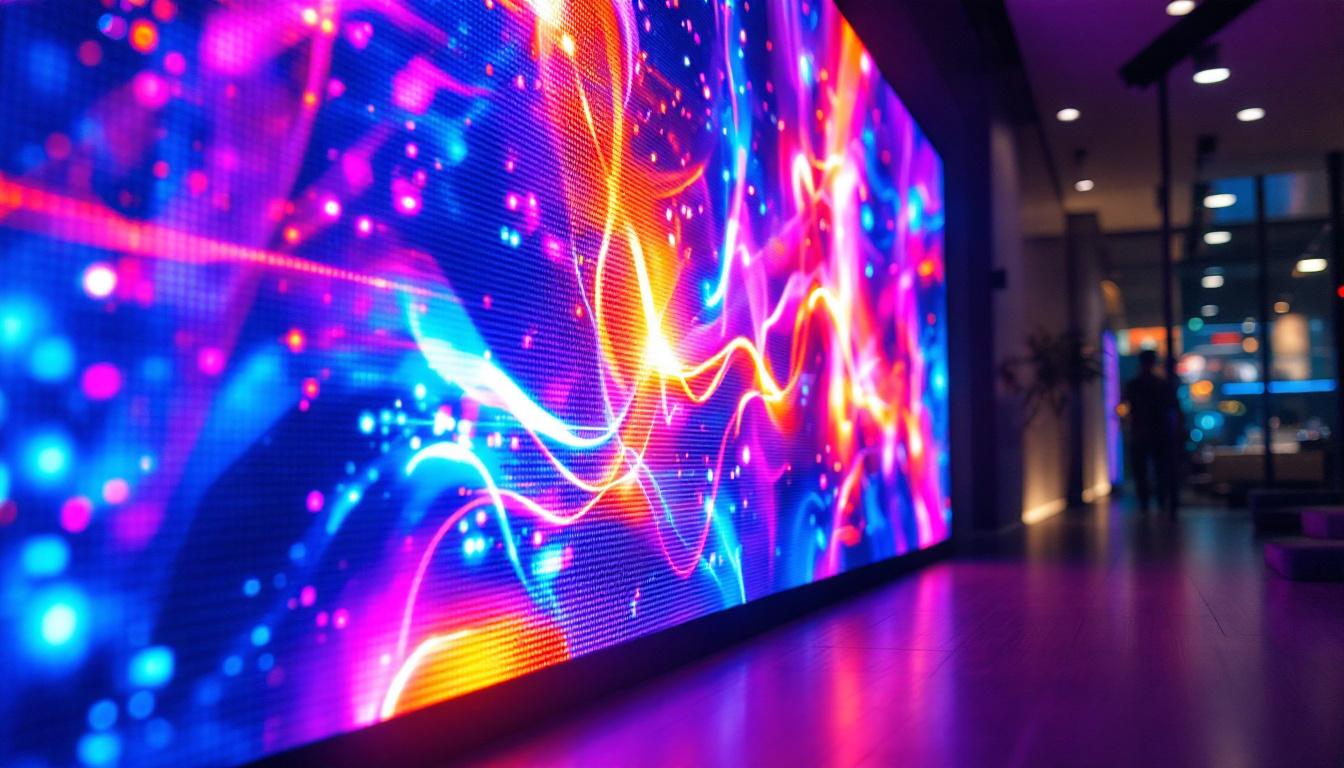
At the heart of every LED display are thousands of tiny light-emitting diodes (LEDs). These LEDs are grouped into modules, which are then assembled to form the entire screen. The resolution and clarity of the display depend heavily on the pixel pitch—the distance between individual LEDs. A smaller pixel pitch means higher pixel density, resulting in sharper images and more detailed 3D effects.
Times Square’s 3D displays often feature pixel pitches as low as 2 to 3 millimeters, which is exceptional for outdoor screens of their size. This high resolution ensures that even intricate 3D animations appear smooth and lifelike, even from a distance. Additionally, the modular design of the displays allows for easy maintenance and upgrades, ensuring that the technology remains cutting-edge as new advancements emerge in LED technology.
Brightness and Color Calibration
One of the biggest challenges for outdoor LED displays is maintaining visibility in direct sunlight. Times Square’s 3D models use high-brightness LEDs capable of producing up to 5,000 nits or more, ensuring the images remain vivid and clear regardless of ambient lighting conditions.
Color calibration is equally important. Advanced sensors continuously monitor ambient light and adjust the display’s brightness and color balance in real time. This automatic calibration maintains consistent image quality and prevents colors from washing out or appearing overly saturated. The technology also incorporates a wide color gamut, allowing for a richer and more diverse palette that enhances the overall viewing experience, making the displays not just functional but also visually stunning.
Software and Content Management
The magic behind the 3D effect is largely driven by sophisticated software. Content creators design animations and visuals specifically tailored to the unique geometry of the LED display. These designs take into account viewing angles, depth cues, and motion to maximize the illusion of three-dimensionality.
Content management systems (CMS) then control the timing, sequencing, and synchronization of the visuals across multiple LED panels. This coordination is essential for creating seamless 3D animations that flow naturally and maintain their impact from various vantage points around Times Square. Moreover, the CMS can also facilitate real-time updates, allowing advertisers and event organizers to change content on-the-fly, keeping the displays fresh and engaging for the millions of visitors who flock to the area every year. This dynamic capability not only enhances the user experience but also allows for targeted advertising, making the displays a powerful tool for marketers looking to capture the attention of a diverse audience.
Significance and Impact of 3D LED Displays in Times Square
Beyond their technological sophistication, Times Square’s 3D LED displays have a profound impact on advertising, tourism, and urban culture. They represent a fusion of art and technology that transforms the cityscape into a dynamic canvas.
Revolutionizing Advertising
For advertisers, 3D LED displays offer a powerful tool to capture consumer attention in a crowded market. Studies show that dynamic, visually engaging ads can increase brand recall by up to 70% compared to static images. The immersive nature of 3D content encourages longer viewing times and higher engagement levels, which translates into better marketing outcomes.
Major brands competing for visibility in Times Square invest millions in creating bespoke 3D campaigns that leverage the display’s capabilities. These campaigns often become viral sensations, extending their reach far beyond the physical location through social media and digital sharing.
Enhancing the Visitor Experience
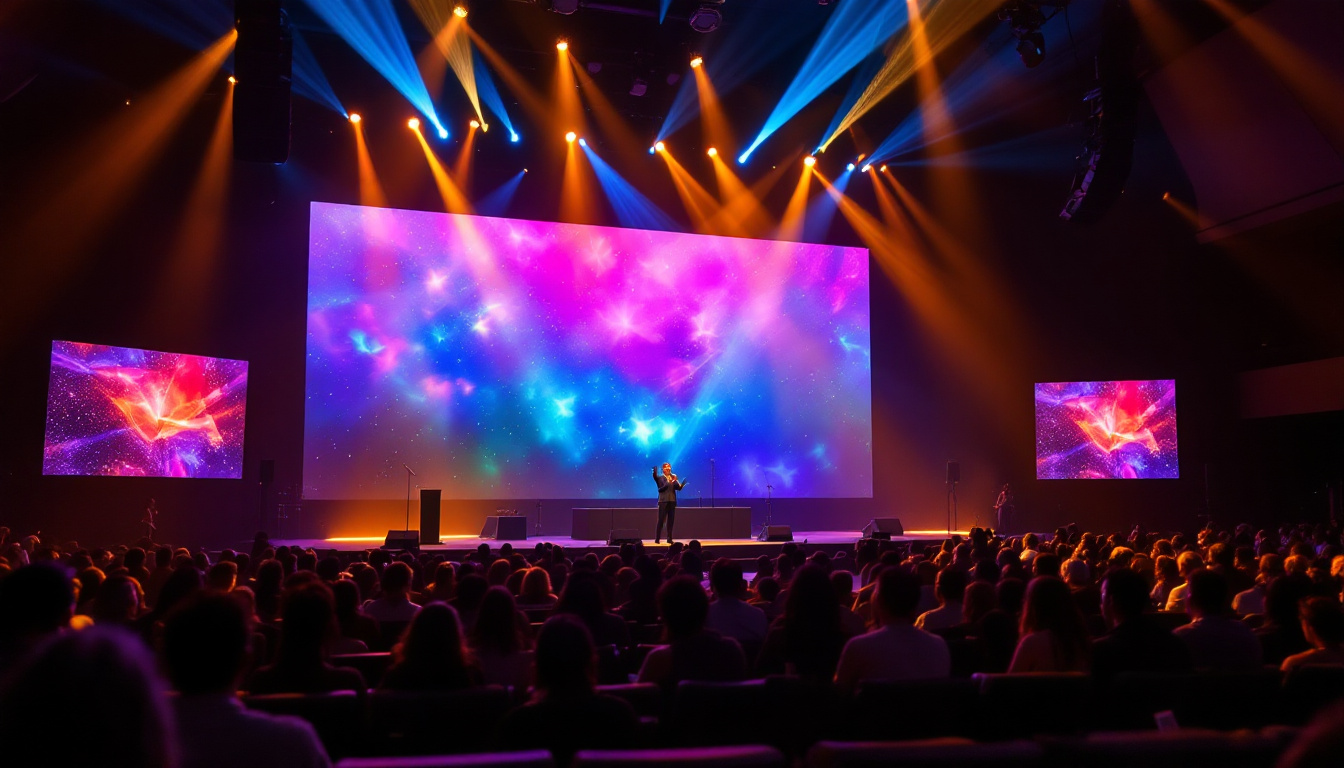
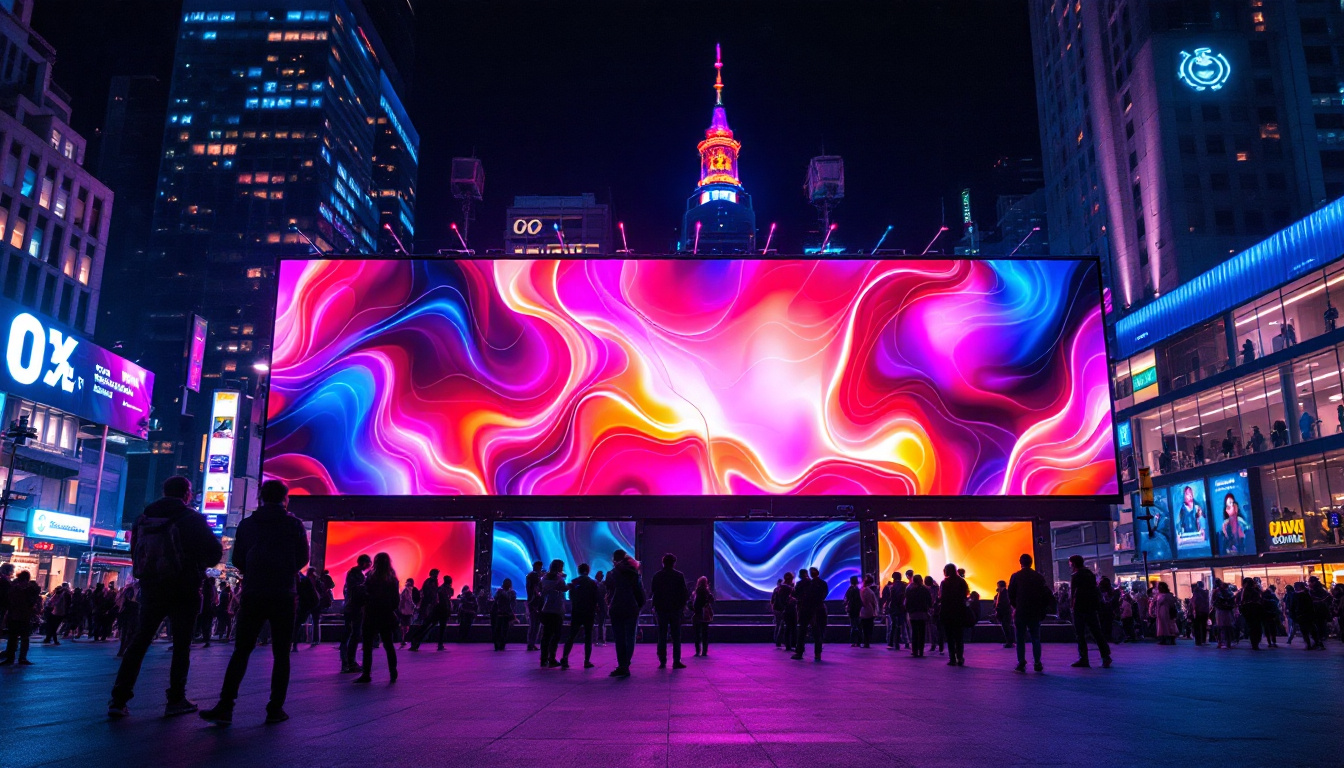
Times Square attracts over 50 million visitors annually, many of whom come specifically to experience its iconic lights and displays. The 3D LED models add a layer of wonder and excitement, turning the area into an interactive spectacle. Visitors often pause to photograph and share these displays, contributing to the location’s reputation as a must-see destination.
Moreover, these displays contribute to the nighttime economy by encouraging longer stays and increased foot traffic, benefiting local businesses such as restaurants, theaters, and retail stores.
Urban Identity and Cultural Expression
Times Square’s LED displays are more than advertisements; they are a form of urban art that reflects the city’s energy and diversity. The 3D models often feature collaborations with artists, filmmakers, and designers, showcasing creative expressions that resonate with a global audience.
This blend of commerce and culture helps maintain Times Square’s status as a symbol of innovation and modernity, reinforcing New York City’s image as a world leader in technology and creativity.
Challenges and Future Trends in 3D LED Display Technology
While the current 3D LED displays in Times Square are impressive, the technology continues to evolve. However, there are challenges that developers and city planners must address to sustain and enhance these installations.
Technical and Environmental Challenges
One of the primary technical challenges is managing heat dissipation from densely packed LEDs, especially in large-scale displays exposed to varying weather conditions. Efficient cooling systems and durable materials are essential to ensure longevity and consistent performance.
Environmental concerns also play a role. The energy consumption of massive LED installations is significant, prompting a push toward more energy-efficient LEDs and renewable power sources. Additionally, light pollution and its impact on surrounding neighborhoods and wildlife are factors that require careful consideration.
Emerging Technologies and Innovations
Looking ahead, several emerging technologies promise to enhance the capabilities of 3D LED displays. MicroLED technology, for example, offers even higher brightness, improved color accuracy, and lower power consumption compared to traditional LEDs. This could lead to more vibrant and sustainable displays in the future.
Augmented reality (AR) integration is another exciting frontier. By combining 3D LED displays with AR apps, visitors could interact with the content in real time through their smartphones or wearable devices, creating personalized and immersive experiences.
Expanding Beyond Times Square
The success of 3D LED displays in Times Square has inspired other cities worldwide to explore similar installations. From Tokyo’s Shibuya Crossing to London’s Piccadilly Circus, urban centers are adopting advanced LED technologies to revitalize their public spaces and attract tourism.
This global trend underscores the importance of innovation in urban advertising and entertainment, with Times Square continuing to serve as a benchmark for excellence and creativity.
Conclusion
Times Square’s 3D LED displays represent a remarkable convergence of technology, art, and commerce. These installations not only redefine outdoor advertising but also enhance the cultural fabric and visitor experience of one of the world’s most iconic urban spaces.
By understanding the technology behind these displays—from LED modules and pixel density to software-driven 3D effects—one can appreciate the complexity and ingenuity involved in creating such awe-inspiring visuals. As the technology advances, the future promises even more immersive and sustainable displays that will continue to captivate audiences and shape the urban landscape.
For businesses, tourists, and city planners alike, the 3D LED displays in Times Square offer a glimpse into the future of digital communication and urban engagement, setting a high standard for innovation and creativity worldwide.
Illuminate Your Brand with LumenMatrix
As you marvel at the technological marvels of Times Square’s 3D LED displays, imagine the possibilities for your own brand. LumenMatrix stands at the forefront of LED display innovation, offering a wide array of solutions that bring your advertising to life. From Indoor and Outdoor LED Wall Displays to specialized options like Vehicle, Sports, and Floor LED Displays, LumenMatrix tailors to your unique needs. Embrace the future of digital signage with our Custom, All-in-One, and Transparent LED Displays, designed to captivate and engage. Ready to transform your visual communication? Check out LumenMatrix LED Display Solutions and share your message with the world in a way that’s impossible to ignore.