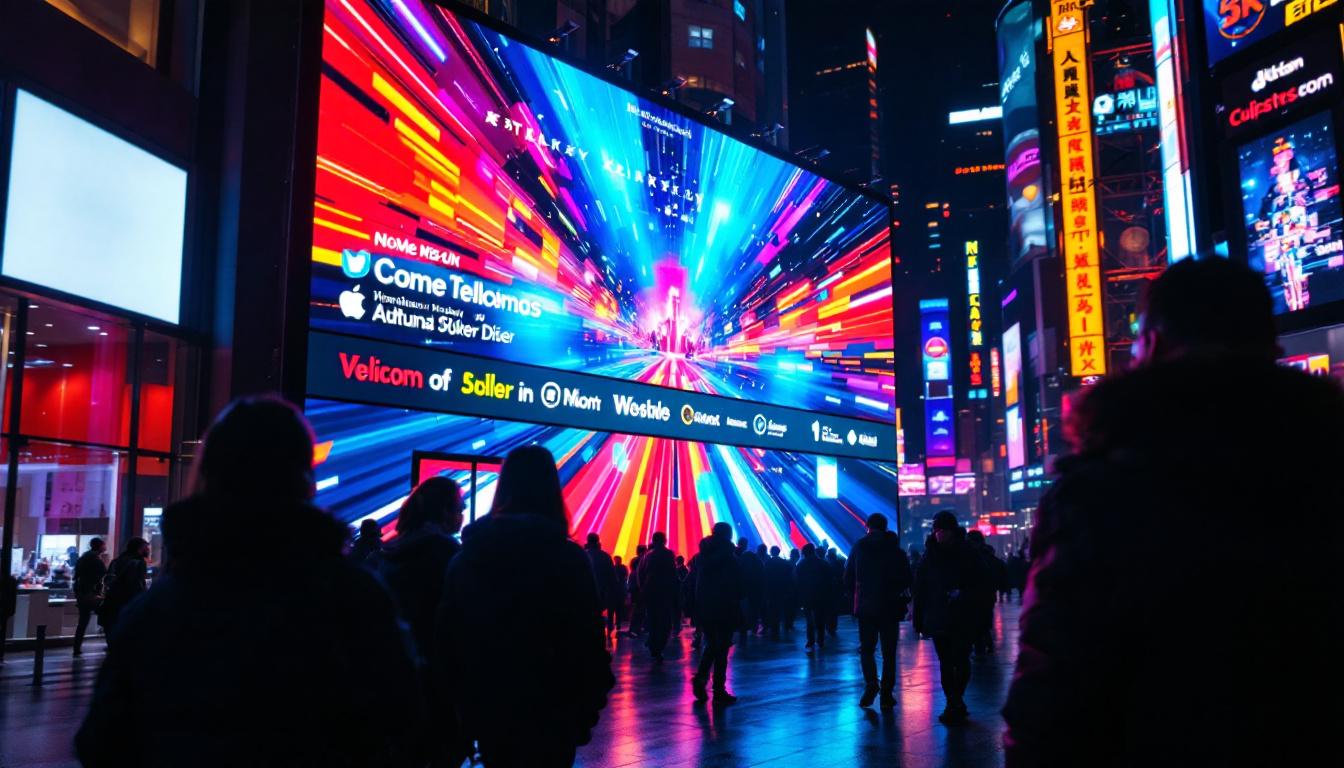
In today’s fast-paced digital world, businesses and organizations are constantly seeking innovative ways to capture attention and communicate effectively. LED displays have become a cornerstone of modern signage solutions, offering vibrant visuals, dynamic content, and unparalleled visibility. For companies specializing in LED signage, understanding the technology, applications, and benefits of LED displays is essential to delivering impactful and reliable products.
This article delves into the fundamentals of LED displays, exploring how they work, their various types, key advantages, and considerations when choosing an LED signage company. Whether you’re a business owner looking to invest in digital signage or a professional in the signage industry, this comprehensive guide will provide valuable insights into the world of LED displays.
What is an LED Display?
Understanding the Basics of LED Technology
LED stands for Light Emitting Diode, a semiconductor device that emits light when an electric current passes through it. Unlike traditional lighting technologies such as incandescent or fluorescent bulbs, LEDs are highly energy-efficient, durable, and capable of producing bright, vivid colors. These characteristics make LEDs ideal for use in digital displays.
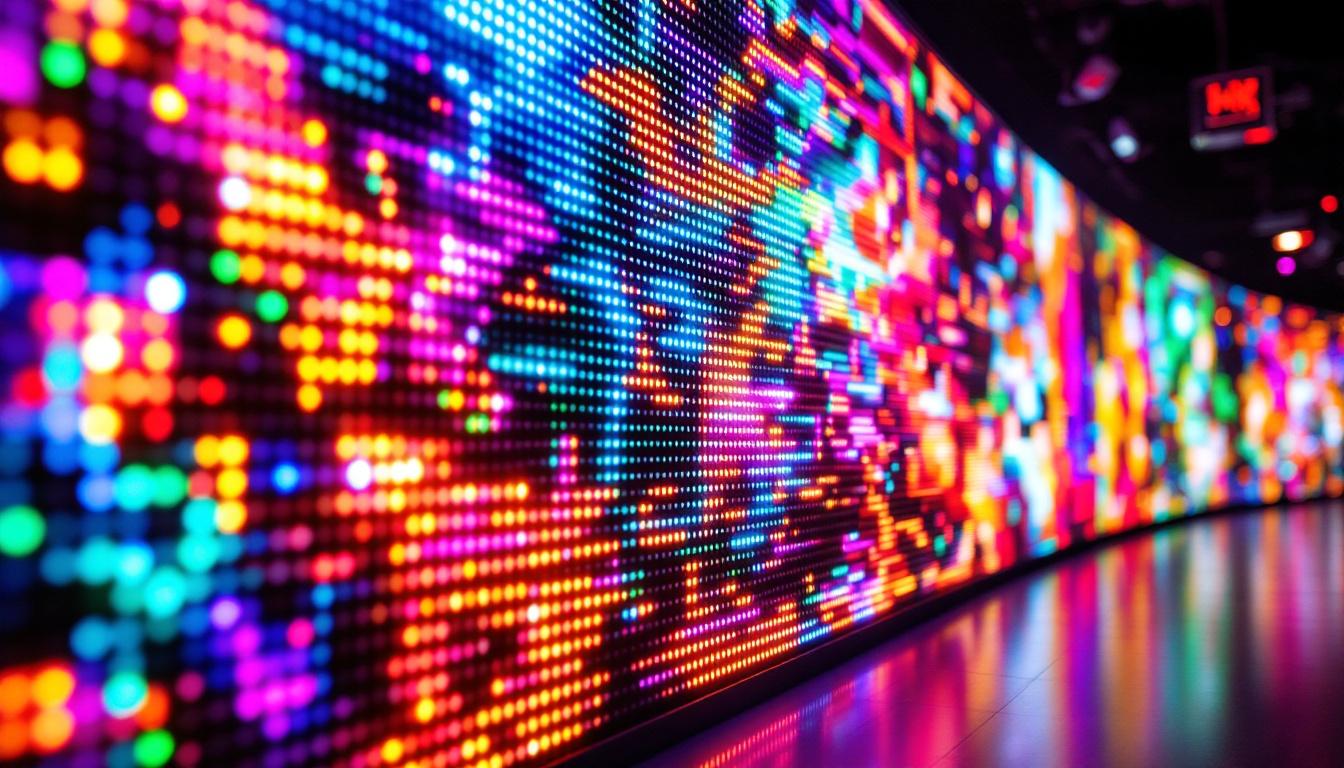
An LED display is essentially a flat panel or screen made up of thousands to millions of tiny LEDs arranged in a grid. Each LED acts as a pixel, illuminating in different colors and intensities to form images, videos, or text. The display is controlled by sophisticated electronics that manage the brightness, color, and timing of each LED to create seamless visual content. This technology allows for rapid refresh rates, ensuring that fast-moving images are rendered smoothly without blurring, which is particularly important in dynamic environments like sports arenas or concerts.
Additionally, the lifespan of LED displays is significantly longer than that of traditional displays, often exceeding 100,000 hours of operation. This longevity not only reduces maintenance costs but also minimizes the environmental impact associated with frequent replacements. The compact size of LEDs allows for innovative designs, enabling displays to be thinner and lighter, which is advantageous for both installation and transport.
How LED Displays Differ from Other Digital Screens
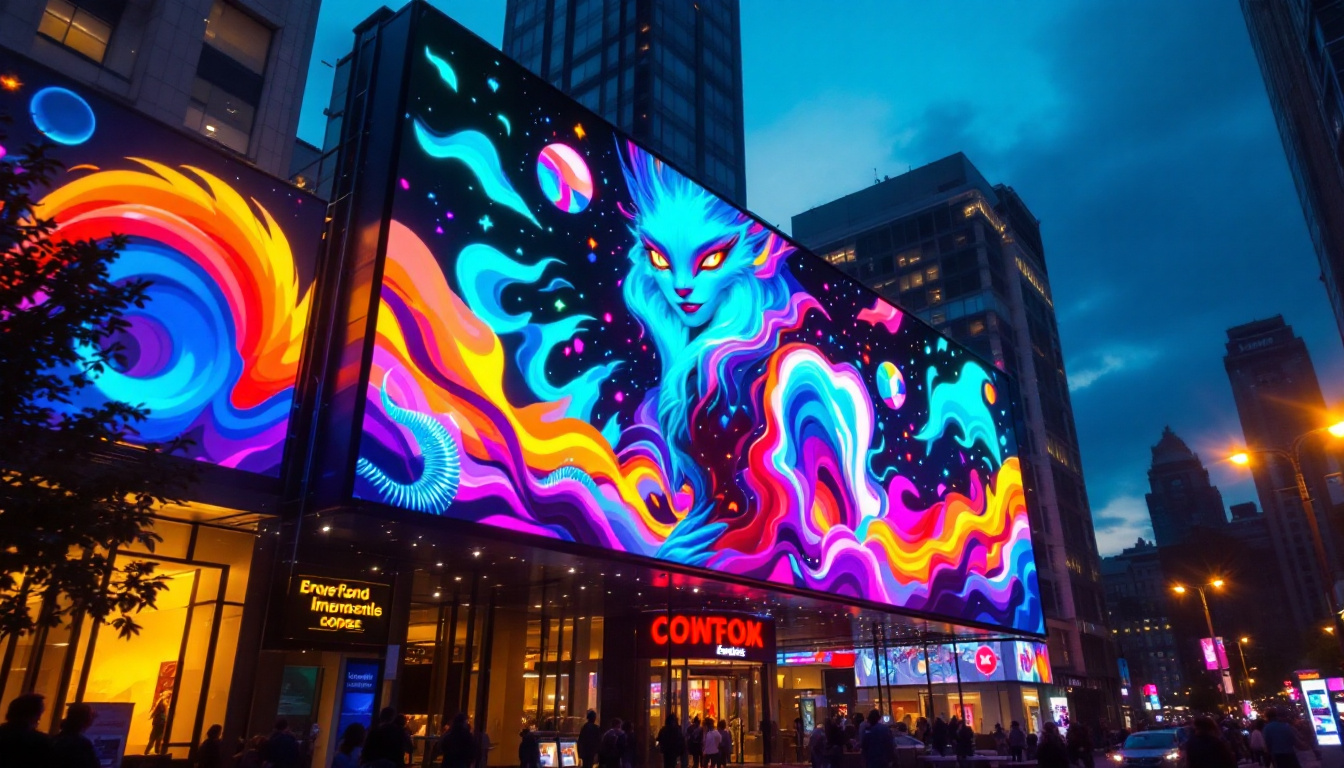
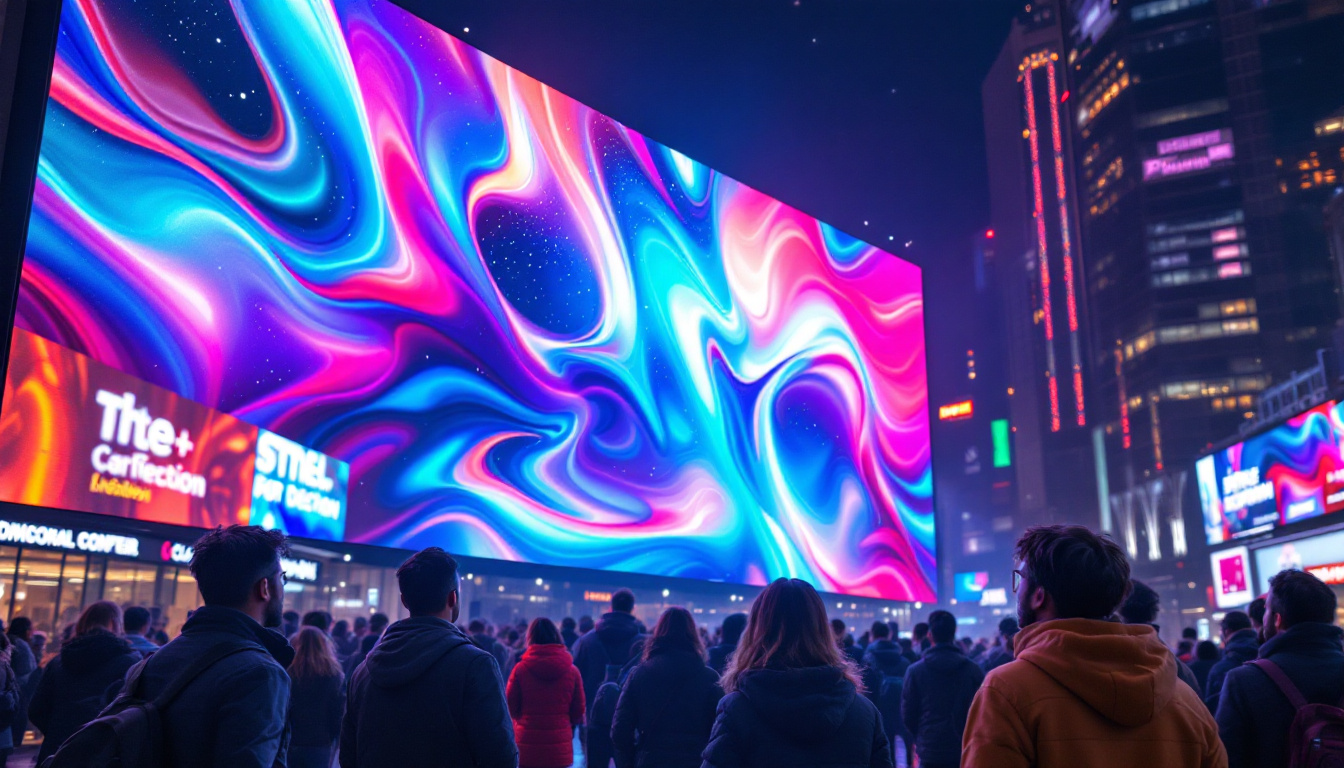
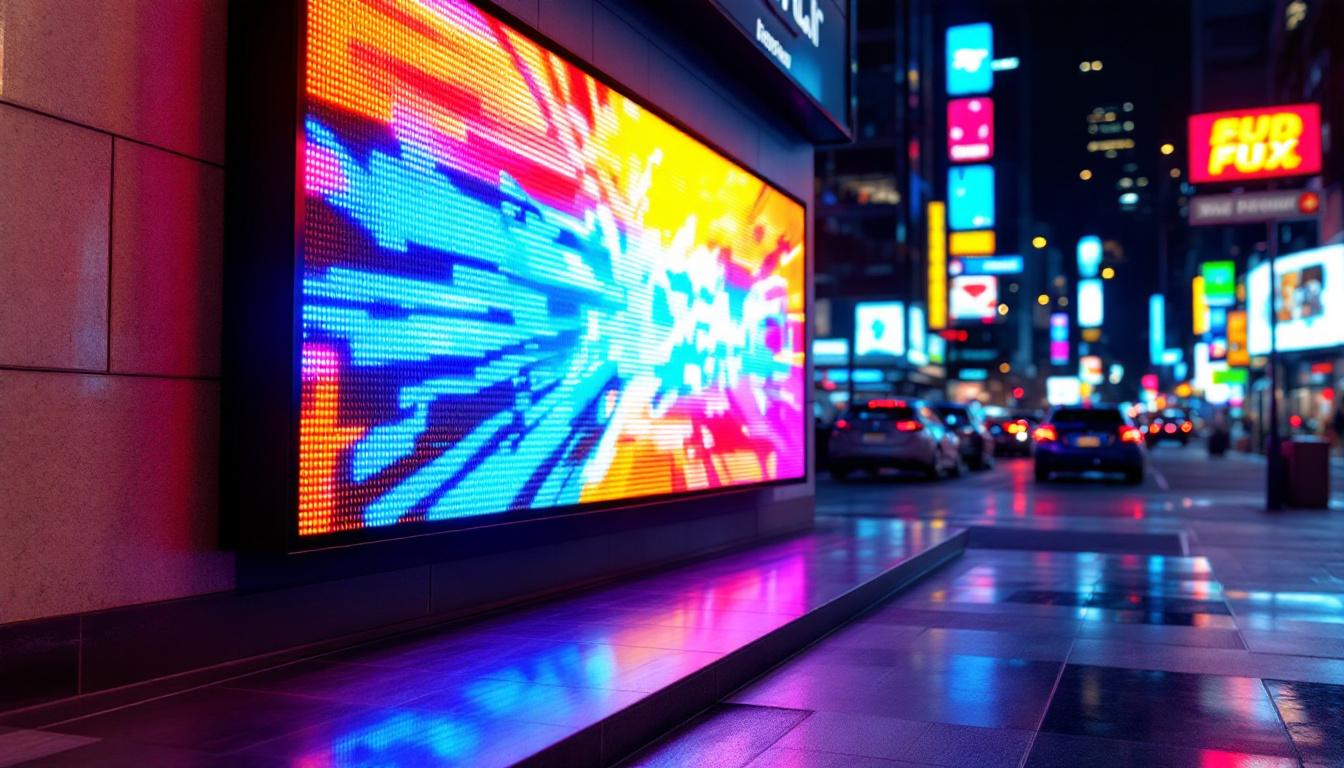
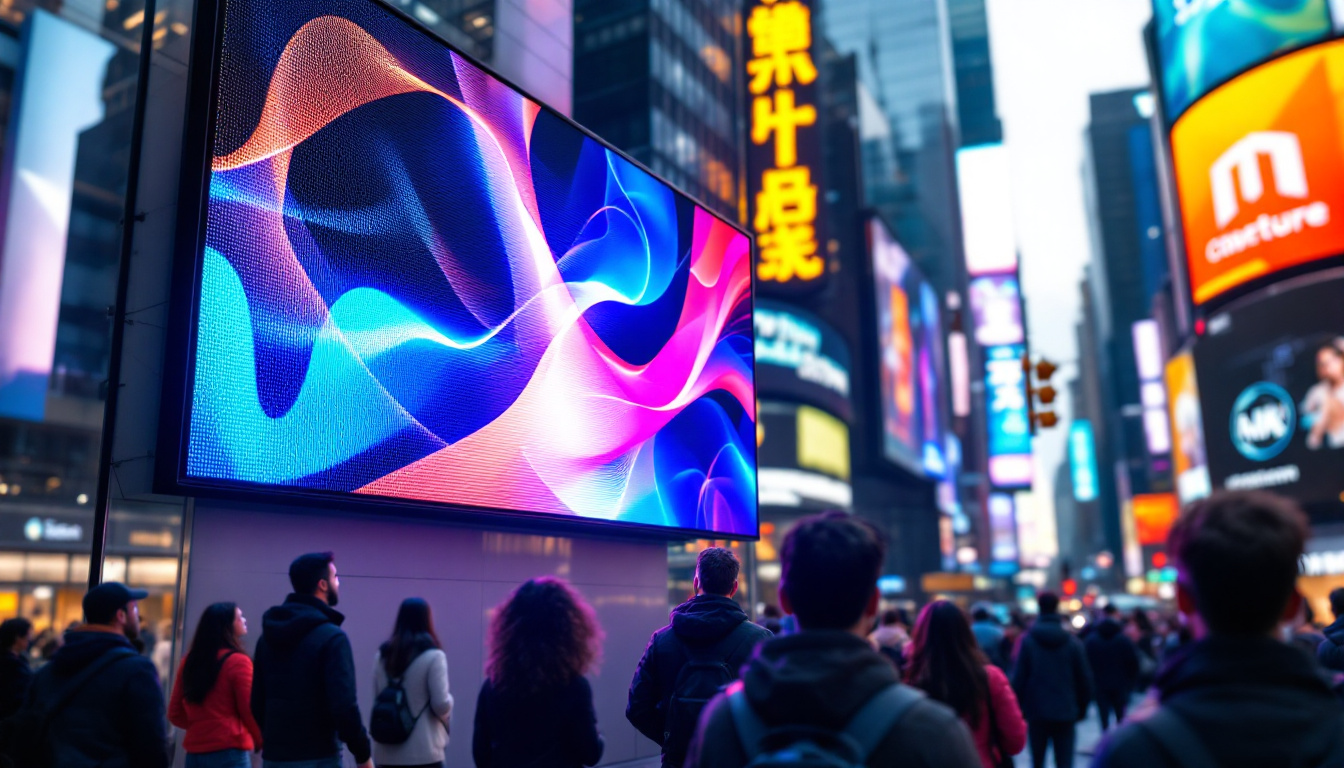
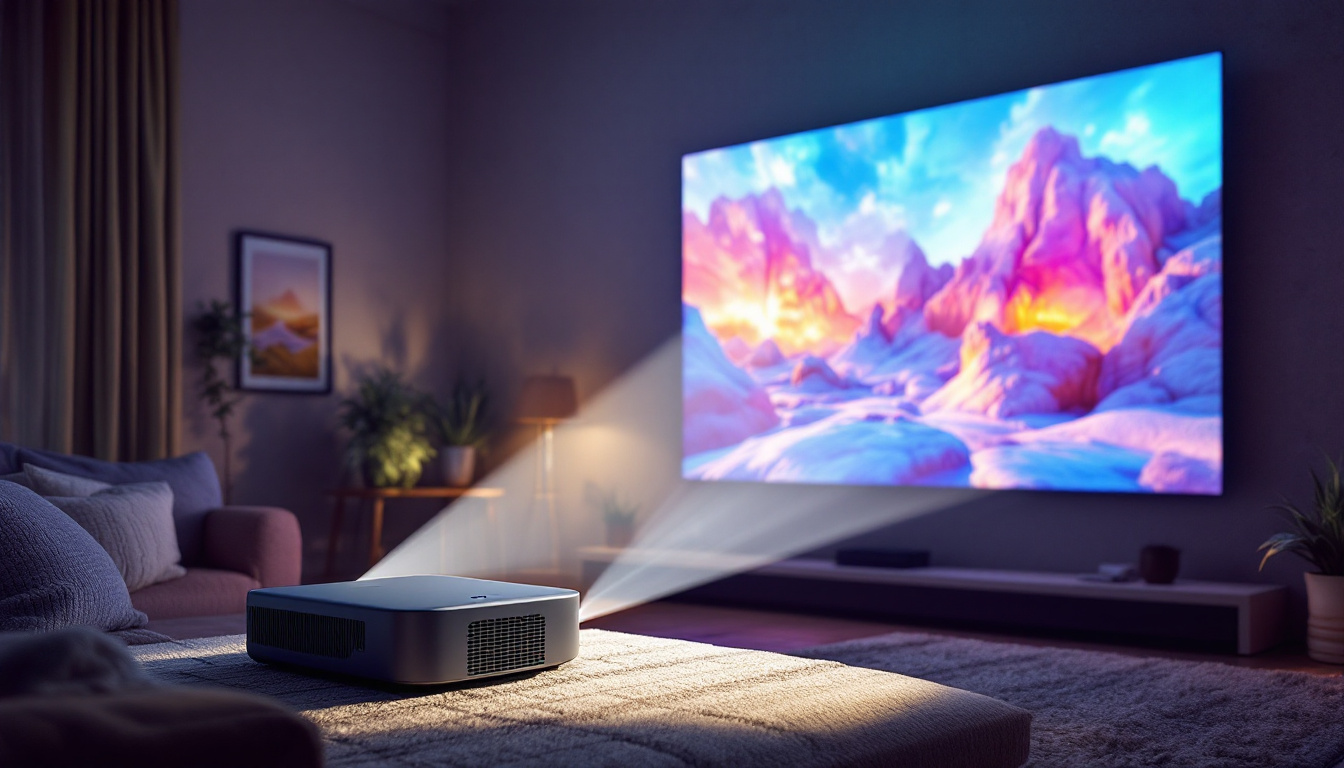
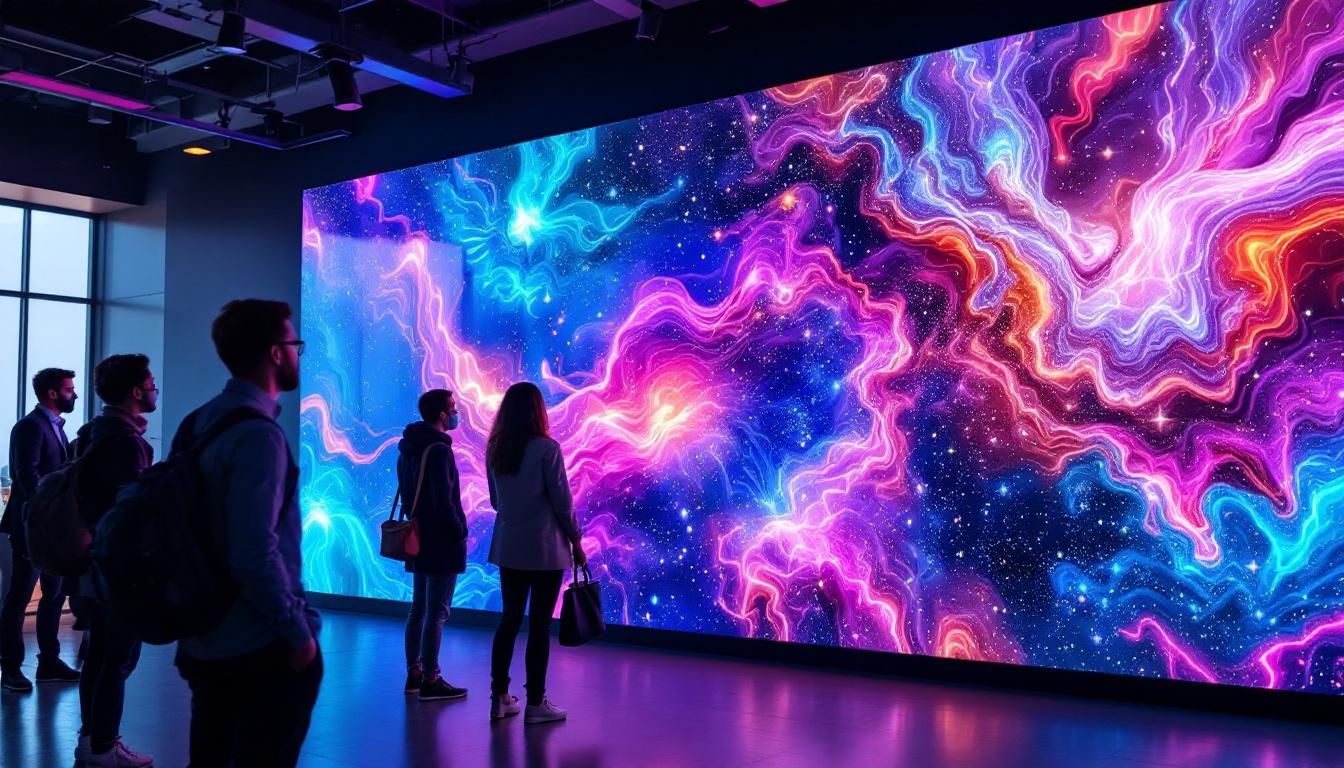
Compared to LCD (Liquid Crystal Display) or OLED (Organic Light Emitting Diode) screens, LED displays are often used in large-scale applications such as outdoor billboards, stadium screens, and commercial signage. This is because LED displays offer superior brightness levels, making them visible even in direct sunlight, and they can be manufactured in very large sizes without loss of image quality.
While LCDs and OLEDs are common in consumer electronics like smartphones and televisions, LED displays are specifically designed to handle the demands of public and commercial environments. Their modular design allows for flexible configurations, including curved or irregular shapes, which is a significant advantage for creative signage solutions. Furthermore, LED displays can be easily integrated with advanced technologies such as video walls and interactive displays, enhancing viewer engagement through dynamic content that can be tailored to specific audiences or events.
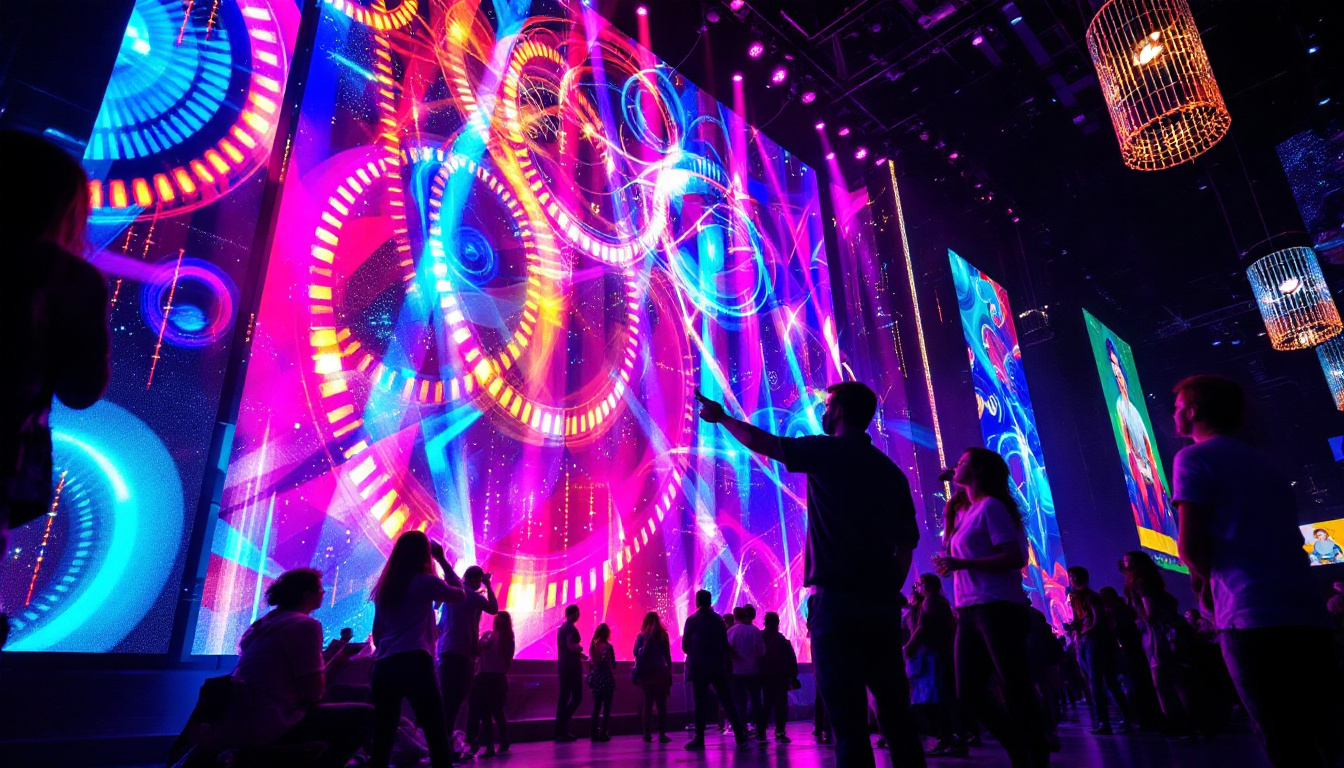
Moreover, the versatility of LED technology extends beyond just visual displays. Many LED systems are equipped with smart capabilities, allowing for real-time updates and remote management. This means that businesses can change advertisements, announcements, or information instantly, maximizing their impact and relevance. The ability to synchronize multiple displays also opens up opportunities for large-scale visual experiences, such as coordinated light shows or immersive environments that captivate audiences and enhance brand messaging.
Types of LED Displays
Indoor vs. Outdoor LED Displays
LED displays are broadly categorized into indoor and outdoor types, each tailored to specific environmental conditions and viewing distances.
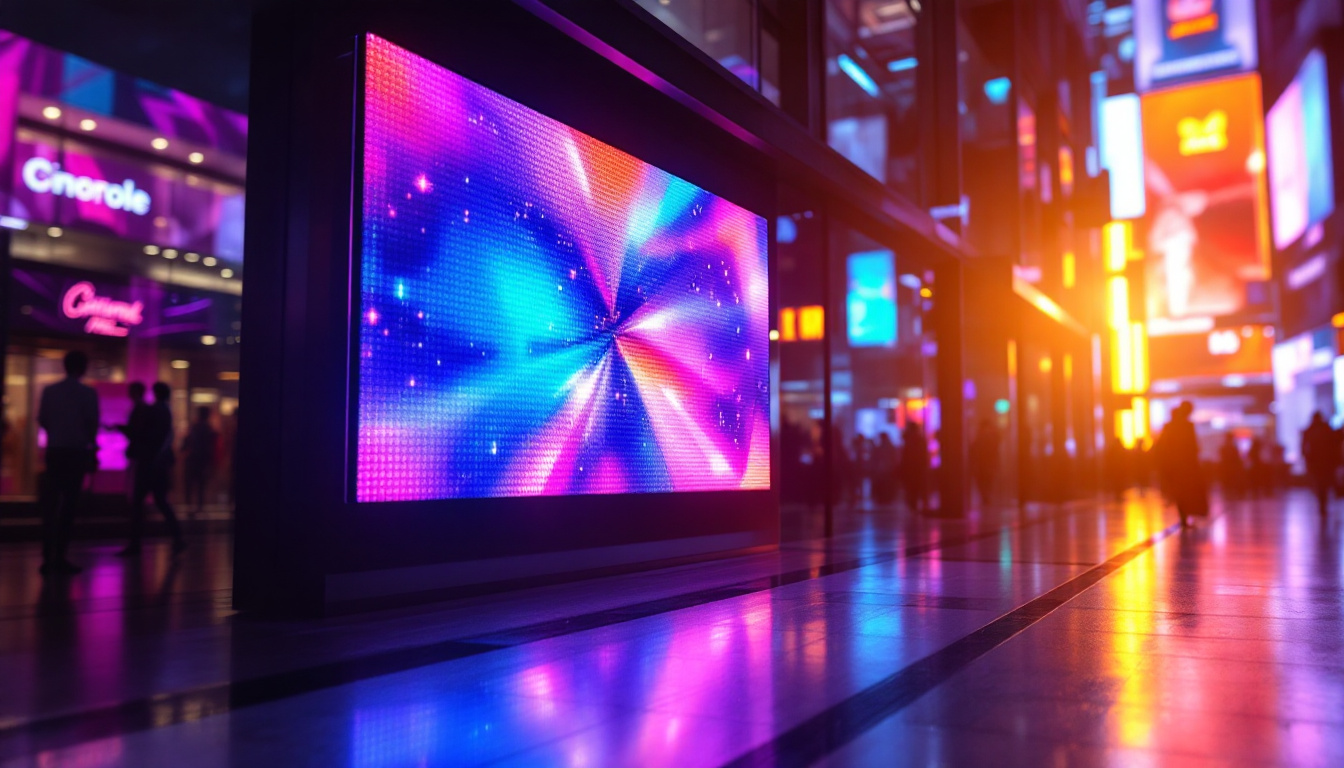
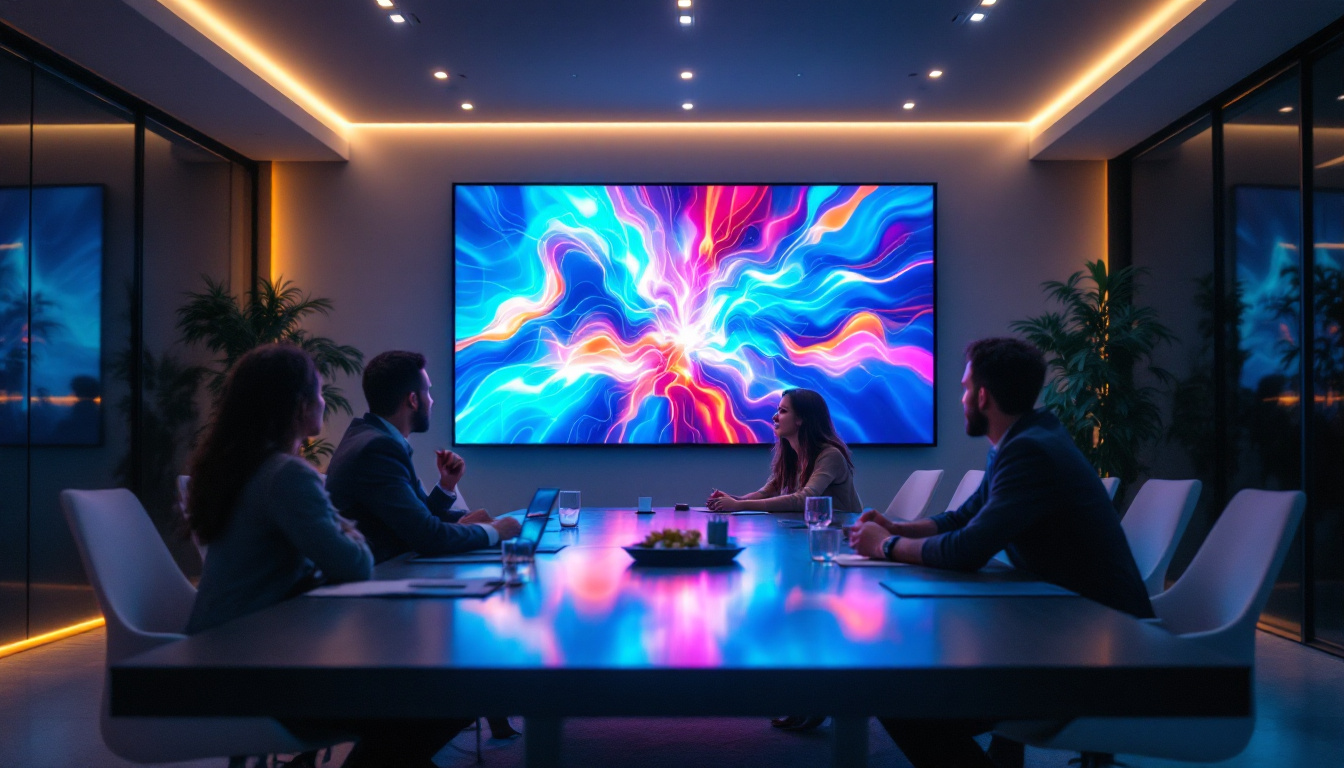
Indoor LED Displays: These are designed for controlled environments such as retail stores, conference rooms, airports, and shopping malls. Indoor displays typically have a higher pixel density (smaller pixel pitch), which means the LEDs are packed closer together, resulting in sharper images that can be viewed up close.
Outdoor LED Displays: Built to withstand harsh weather conditions, outdoor LED displays feature weatherproof casings and higher brightness levels to combat sunlight glare. They usually have a larger pixel pitch since viewers tend to observe them from greater distances, such as on highways or building facades.
Fixed vs. Rental LED Displays
Another distinction is between fixed and rental LED displays:
- Fixed LED Displays: Permanently installed in one location, these displays are ideal for businesses or venues that require continuous digital signage. Examples include storefront signage, stadium scoreboards, and transportation hubs.
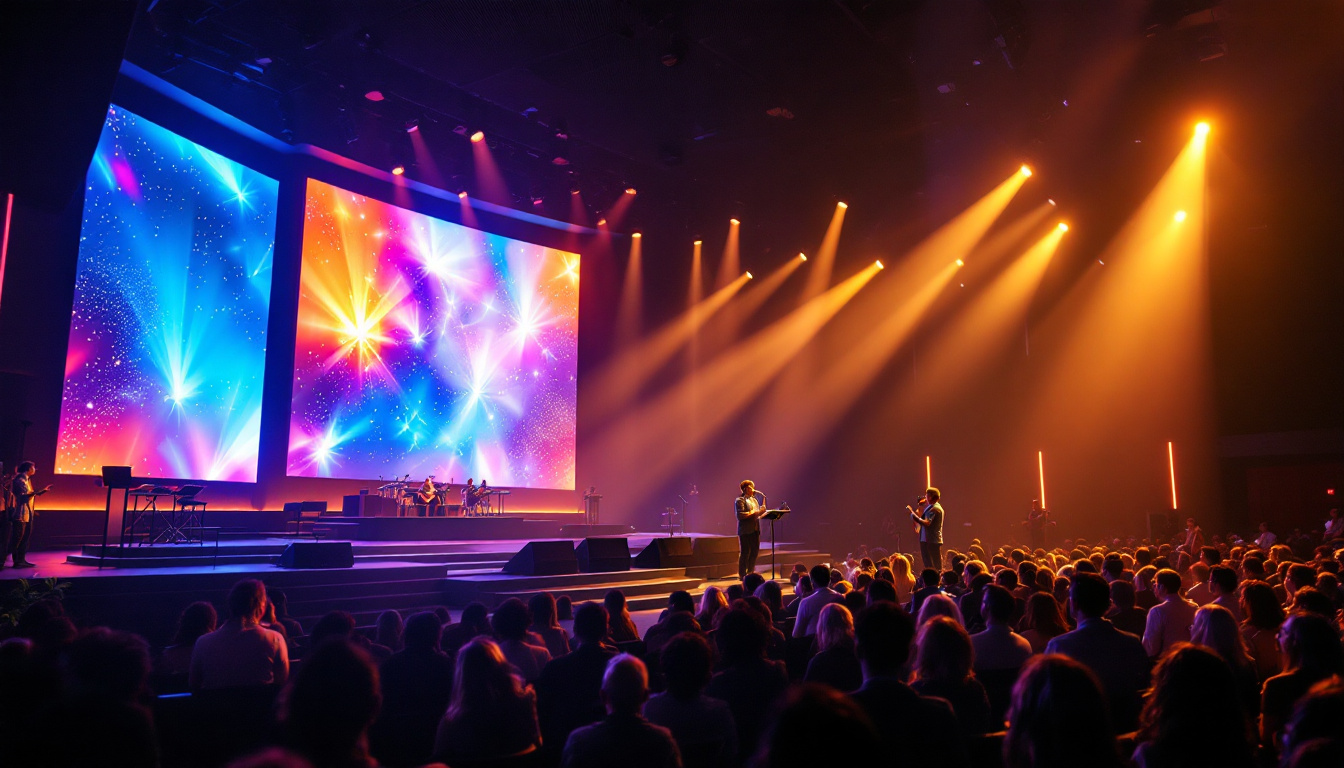
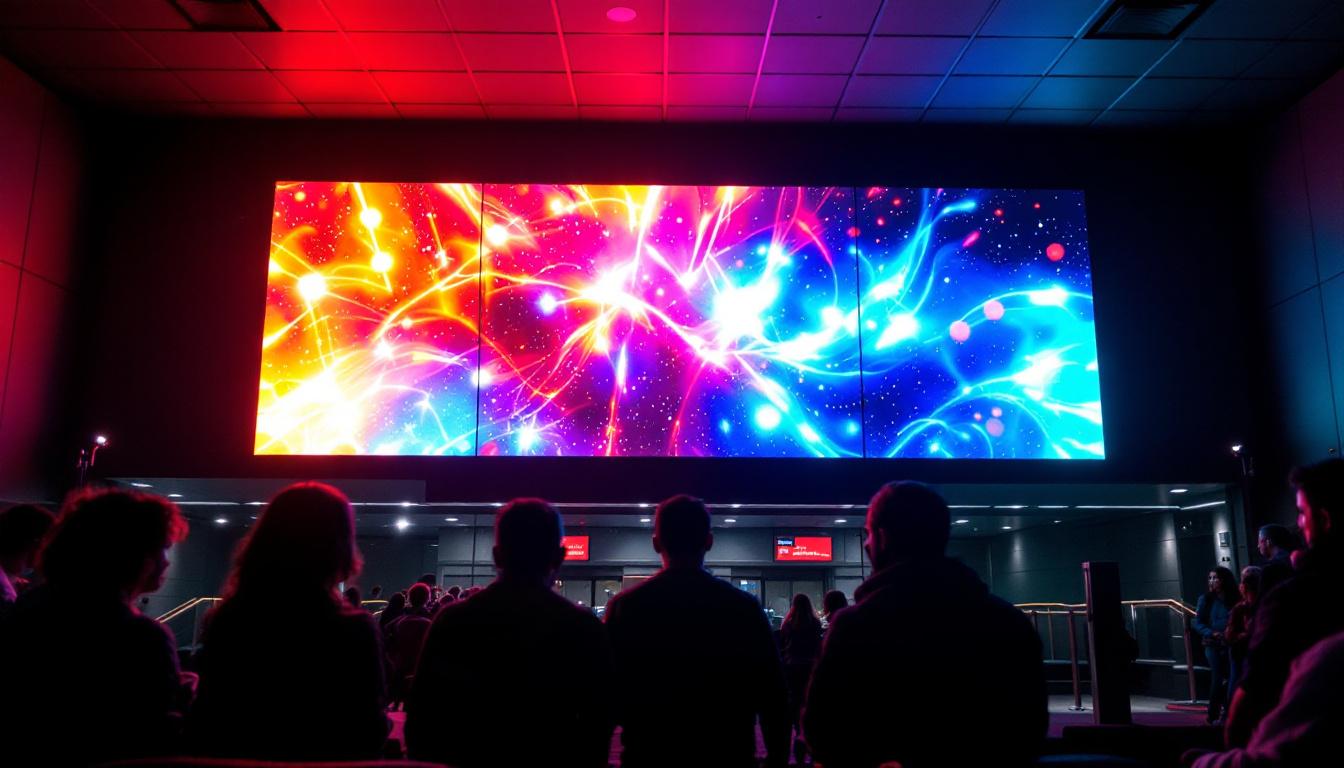
- Rental LED Displays: Designed for temporary use, rental displays are modular and easy to assemble and disassemble. They are popular for events, concerts, exhibitions, and trade shows where flexibility and portability are crucial.
Transparent and Flexible LED Displays
Innovations in LED technology have led to the development of transparent and flexible LED displays. Transparent LED screens allow light to pass through, making them perfect for glass windows or storefronts where visibility both inside and outside is desired. Flexible LED displays can bend and curve, enabling creative installations on irregular surfaces or architectural features.
Key Benefits of LED Displays for Businesses
Enhanced Visibility and Engagement
One of the primary advantages of LED displays is their ability to attract attention effectively. Their brightness and vibrant colors make content stand out, even in bright daylight or dim indoor settings. This increased visibility translates into higher engagement from potential customers or audiences.
Studies have shown that digital signage can boost customer engagement by up to 47.7%, according to a report by the Digital Signage Federation. This engagement often leads to increased foot traffic, brand awareness, and ultimately, sales.
Dynamic Content and Real-Time Updates
Unlike static signs, LED displays enable businesses to update content instantly and remotely. This flexibility allows for timely promotions, event announcements, or emergency messages without the need for physical replacements. The ability to display videos, animations, and interactive content further enhances the user experience.
Energy Efficiency and Longevity
LED technology is renowned for its energy efficiency. LED displays consume significantly less power compared to traditional neon or fluorescent signage, reducing operational costs. Additionally, LEDs have a long lifespan, often exceeding 100,000 hours, which minimizes maintenance and replacement expenses.
Customization and Scalability
LED displays can be customized in size, shape, resolution, and functionality to suit diverse business needs. Whether it’s a small menu board or a massive outdoor billboard, LED signage companies can tailor solutions accordingly. The modular nature of LED panels also allows for future scalability, enabling businesses to expand or upgrade their displays as needed.
Choosing the Right LED Signage Company
Evaluating Technical Expertise and Experience
Selecting a reputable LED signage company is crucial to ensure the quality and reliability of the display. Companies with extensive experience understand the nuances of LED technology, installation challenges, and maintenance requirements. They can provide valuable guidance on the best type of display for specific applications and environments.
Look for companies that offer comprehensive services, including design consultation, installation, programming, and after-sales support. A knowledgeable partner can help maximize the return on investment by delivering a display that meets performance expectations and regulatory standards.
Assessing Product Quality and Warranty
High-quality LED components are essential for durability and consistent performance. When evaluating suppliers, inquire about the source of LED modules, control systems, and protective enclosures. Certifications such as IP65 or higher for outdoor displays indicate resistance to dust and water.
Warranty terms also reflect the manufacturer’s confidence in their products. A robust warranty covering parts and labor can provide peace of mind and reduce long-term costs.
Installation and Maintenance Services
Proper installation is critical to the longevity and effectiveness of LED displays. Professional installation ensures optimal alignment, electrical safety, and weatherproofing. Additionally, ongoing maintenance services such as cleaning, software updates, and repairs help maintain display quality over time.
Some LED signage companies offer remote monitoring and diagnostics, enabling quick detection of any issues and minimizing downtime.
Applications of LED Displays Across Industries
Retail and Advertising
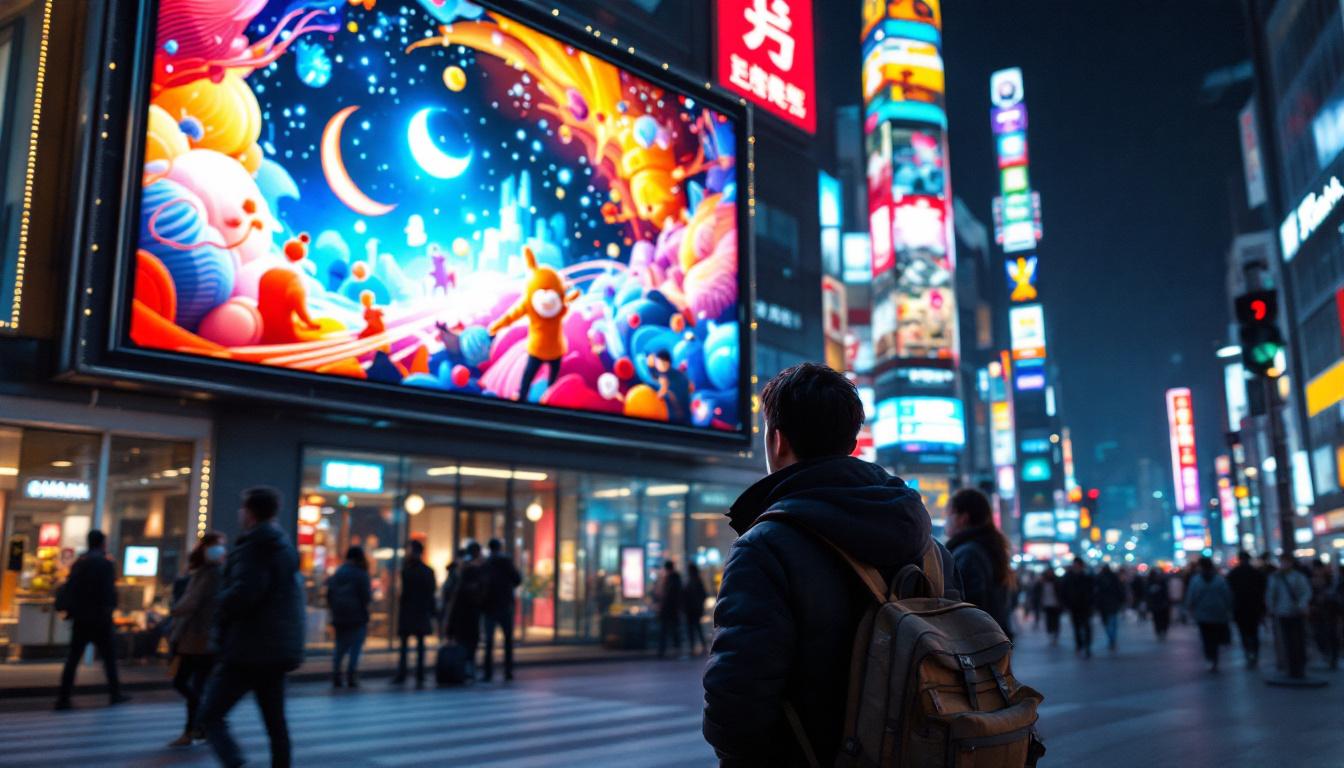
Retailers leverage LED displays to showcase promotions, new products, and brand messages. Digital signage enhances the shopping experience by providing engaging visuals and interactive content. Outdoor LED billboards are also a powerful tool for advertisers aiming to reach large audiences.
Transportation and Public Spaces
LED displays are widely used in airports, train stations, and bus terminals to provide real-time information such as schedules, delays, and directions. Their high visibility and reliability help improve passenger experience and operational efficiency.
Sports and Entertainment Venues
Stadiums and arenas utilize massive LED screens for live game broadcasts, scoreboards, and advertising. The immersive visual experience created by LED displays enhances fan engagement and opens new revenue streams through sponsorships.
Corporate and Educational Environments
Businesses and educational institutions deploy LED displays for presentations, digital notice boards, and event promotions. These displays facilitate communication and collaboration in modern work and learning spaces.
Future Trends in LED Display Technology
Higher Resolution and Miniaturization
Advancements in LED manufacturing are driving smaller pixel pitches, resulting in ultra-high-definition displays that can be viewed at closer distances without loss of clarity. This trend expands the use of LED displays into areas traditionally dominated by LCD or OLED technologies.
Integration with IoT and AI
The integration of LED displays with Internet of Things (IoT) devices and artificial intelligence (AI) enables smarter signage solutions. For example, displays can adapt content based on audience demographics, weather conditions, or inventory levels, creating personalized and context-aware messaging.
Sustainability and Energy Harvesting
Environmental concerns are pushing the development of more sustainable LED displays, including those powered by renewable energy sources or equipped with energy harvesting technologies. These innovations help reduce the carbon footprint of digital signage installations.
Conclusion
LED displays have revolutionized the signage industry by offering vibrant, flexible, and energy-efficient solutions that meet the diverse needs of modern businesses. Understanding the technology behind LED displays, their types, benefits, and applications is crucial for making informed decisions when investing in digital signage.
Partnering with a knowledgeable and experienced LED signage company ensures that installations are tailored to specific requirements, delivering maximum impact and return on investment. As LED technology continues to evolve, it promises even greater opportunities for innovation and engagement across industries.
For businesses aiming to enhance their visibility and communication, LED displays represent a powerful tool that combines cutting-edge technology with creative potential.
Discover LumenMatrix’s Innovative LED Solutions
Ready to elevate your brand’s presence with the latest in LED display technology? Look no further than LumenMatrix, where innovation meets visual excellence. Our comprehensive range of LED display modules, from Indoor and Outdoor LED Wall Displays to specialized solutions like Vehicle LED Displays and LED Sports Displays, is designed to captivate and engage your audience. With LumenMatrix, you can create unforgettable visual experiences that communicate your message with vibrancy and precision. Don’t miss the opportunity to transform your visual communication strategy. Check out LumenMatrix LED Display Solutions today and see your vision come to life.