In today’s digital age, display technology plays a vital role in how information is presented and consumed. Among the various types of display technologies, LED displays have become increasingly popular due to their versatility, brightness, and energy efficiency. From smartphones to massive outdoor billboards, LED displays are everywhere, revolutionizing visual communication. This article delves into the different types of LED displays, explaining their features, applications, and advantages to help you understand why LED technology is so prevalent in the modern display landscape.
Understanding LED Display Technology
LED stands for Light Emitting Diode, a semiconductor device that emits light when an electric current passes through it. Unlike traditional LCD or plasma displays, which rely on backlighting or gas plasma, LED displays use individual diodes to produce light directly. This fundamental difference provides several benefits, including higher brightness, better contrast, and improved energy efficiency.
LED displays can be broadly categorized into two main types: direct view LED displays and LED-backlit LCD displays. While both use LED technology, their structure and applications differ significantly.
Direct View LED Displays
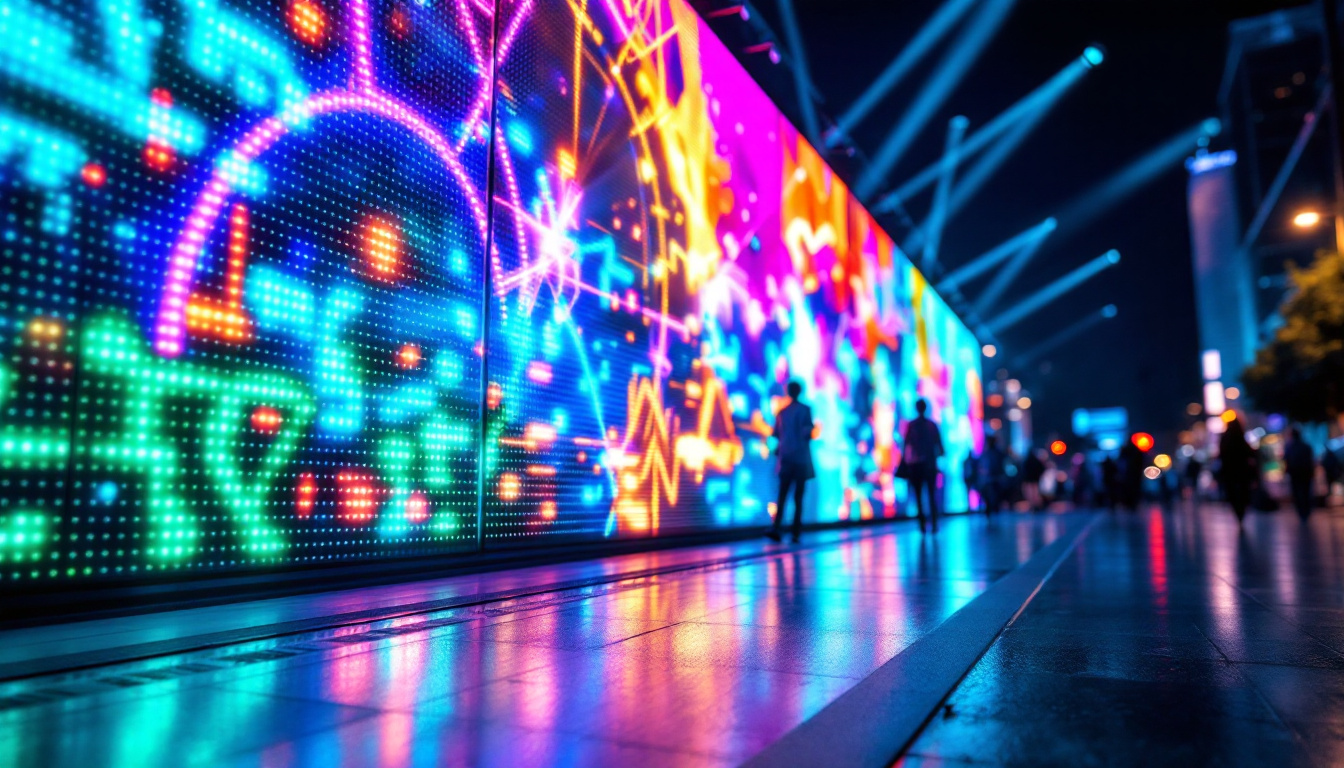
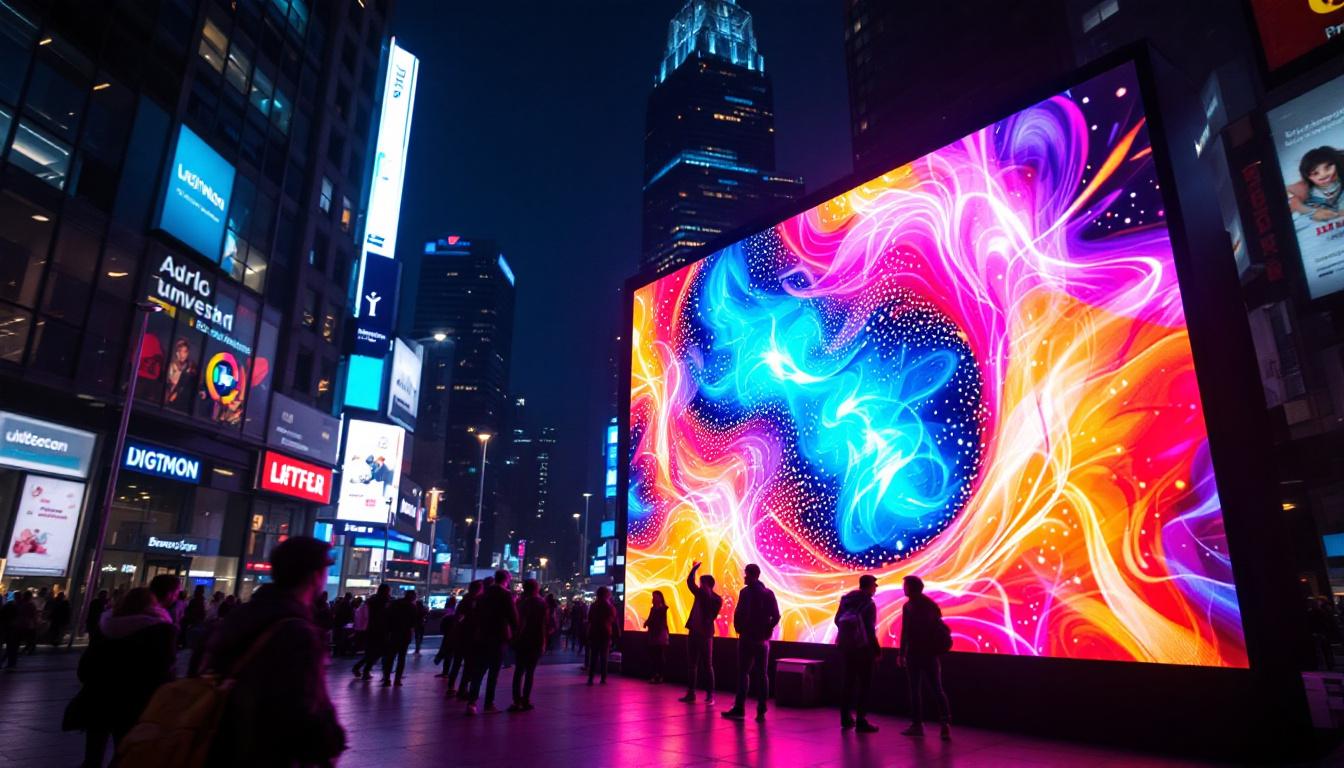
Direct view LED displays are composed of thousands or millions of tiny LEDs arranged in a matrix. Each LED acts as a pixel, emitting its own light and color. This type of display is commonly used in large-scale installations such as stadium screens, digital billboards, and indoor video walls. Because each pixel emits its own light, direct view LED displays offer excellent brightness and contrast, making them visible even in bright outdoor environments.
LED-Backlit LCD Displays
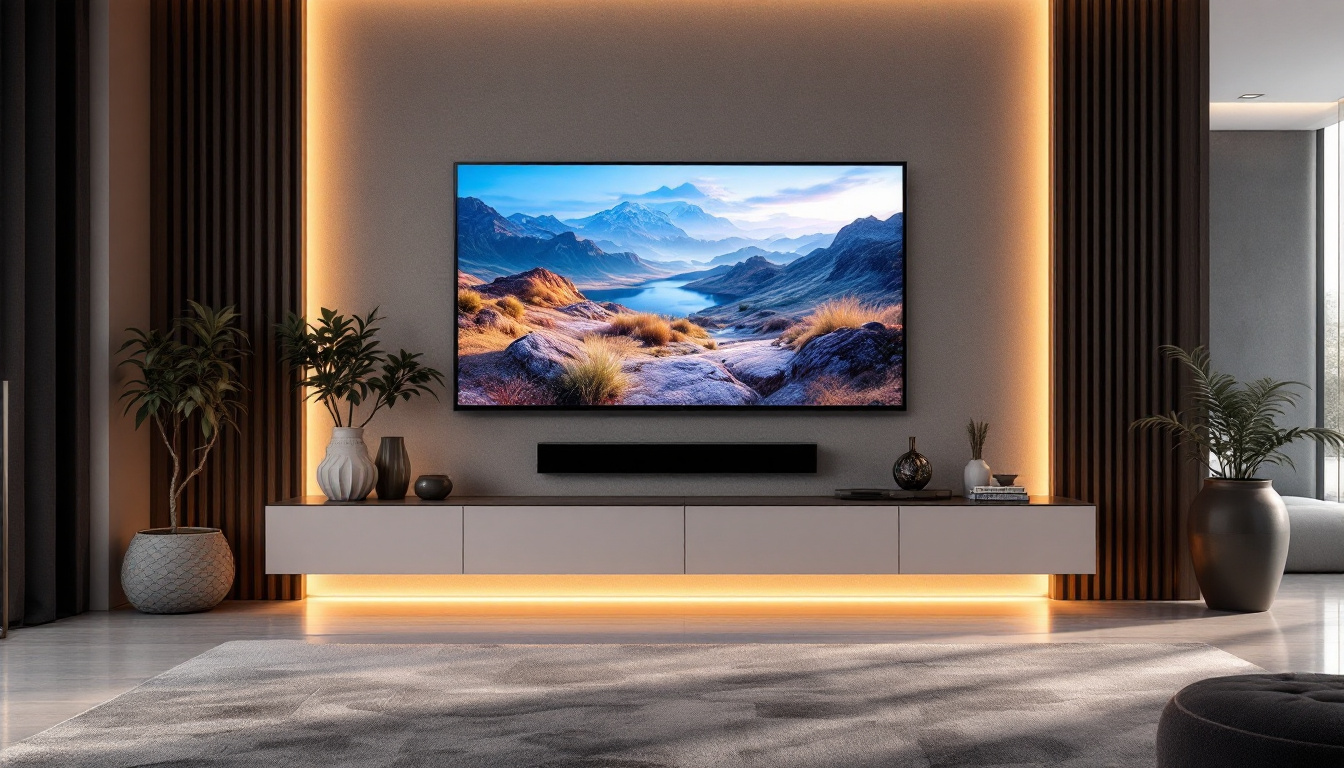
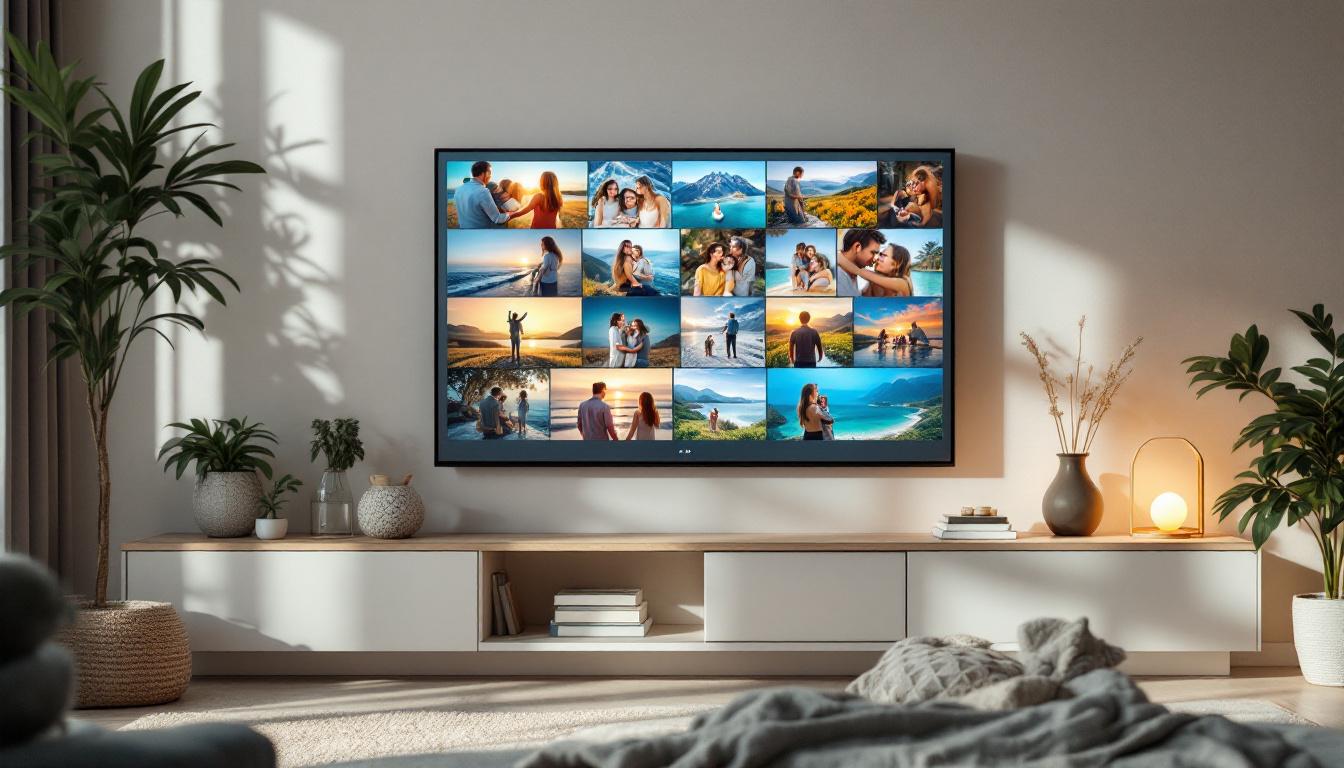
In contrast, LED-backlit LCD displays use LEDs as a backlight source behind an LCD panel. The LCD panel itself controls the image by blocking or allowing light to pass through colored filters. This approach improves the color accuracy and energy efficiency of traditional LCDs but does not provide the same level of brightness or contrast as direct view LED displays. LED-backlit LCDs are commonly found in consumer electronics such as laptops, televisions, and monitors.
Types of Direct View LED Displays
Direct view LED displays come in various types, each designed to meet specific needs based on pixel pitch, color capability, and installation environment. Understanding these types helps in selecting the right display for a particular application.
1. Indoor LED Displays
Indoor LED displays are designed for use in controlled environments such as conference rooms, retail stores, and indoor arenas. They typically have a smaller pixel pitch—ranging from 0.9mm to 4mm—which means the LEDs are packed closely together. This results in high resolution and sharp images when viewed from short distances.
Because indoor environments do not require extremely high brightness, indoor LED displays usually operate at brightness levels between 800 to 1,200 nits. This brightness is sufficient to produce vivid images without causing eye strain or glare. Additionally, indoor LED displays often feature fine color calibration and wide viewing angles to ensure consistent image quality from various perspectives.
2. Outdoor LED Displays
Outdoor LED displays are built to withstand harsh weather conditions, including rain, dust, and extreme temperatures. They have a larger pixel pitch—typically between 4mm and 20mm—because they are viewed from greater distances, such as across streets or from vehicles.
One of the key characteristics of outdoor LED displays is their high brightness, often exceeding 5,000 nits. This ensures clear visibility even under direct sunlight. Outdoor displays also incorporate robust protective casings and waterproofing to maintain performance and durability over time.
3. Transparent LED Displays
Transparent LED displays are an innovative type of direct view LED that allows for see-through visuals. These displays use specially designed LED modules with gaps between the diodes, enabling light to pass through. They are frequently used in retail windows, museums, and architectural installations where maintaining visibility behind the screen is important.
While transparent LED displays offer unique aesthetic advantages, they generally have lower brightness and resolution compared to traditional LED displays. However, their ability to blend digital content with physical surroundings makes them increasingly popular in creative marketing and design applications.
4. Flexible LED Displays
Flexible LED displays are made using bendable substrates that allow the screen to curve or wrap around surfaces. This flexibility opens up new possibilities for creative installations, such as curved video walls, wearable displays, and unconventional shapes.
Though still emerging, flexible LED technology is gaining traction due to its lightweight design and adaptability. These displays maintain the brightness and color quality of traditional LEDs while offering greater design freedom.
Key Factors to Consider When Choosing an LED Display
Selecting the right LED display depends on several factors, including the intended use, viewing distance, environment, and budget. Understanding these considerations ensures optimal performance and return on investment.
Pixel Pitch and Resolution
Pixel pitch refers to the distance between the centers of two adjacent LEDs and is measured in millimeters. A smaller pixel pitch means more LEDs per unit area, resulting in higher resolution and sharper images. For example, a 1.5mm pixel pitch display will have much finer detail than a 10mm pitch display.
Choosing the correct pixel pitch depends largely on the typical viewing distance. For close-up viewing, such as in retail or conference settings, a pixel pitch between 0.9mm and 3mm is ideal. For large outdoor billboards viewed from hundreds of feet away, a pixel pitch of 10mm or more is sufficient.
Brightness and Contrast
Brightness is critical for visibility, especially in outdoor environments. LED displays can achieve brightness levels ranging from a few hundred nits to over 10,000 nits. Contrast ratio, the difference between the darkest black and the brightest white, also affects image quality and legibility.
High brightness and contrast are essential for displays exposed to direct sunlight or brightly lit areas. Conversely, indoor displays benefit from moderate brightness to reduce eye fatigue and preserve color fidelity.
Durability and Weather Resistance
For outdoor installations, durability is paramount. LED displays must be rated for water resistance (often IP65 or higher), dust protection, and temperature tolerance. The casing materials should be corrosion-resistant, and the modules should be designed for easy maintenance and repair.
Indoor displays, while less exposed to environmental hazards, still require robust construction to withstand frequent use and potential impact.
Energy Efficiency
LED technology is inherently energy-efficient compared to older display types, but variations exist among different models. Energy-efficient displays reduce operational costs and environmental impact, which is increasingly important for businesses and public installations.
Applications of LED Displays
LED displays have become integral to numerous industries due to their adaptability and performance. Some of the most common applications include:
Advertising and Digital Signage
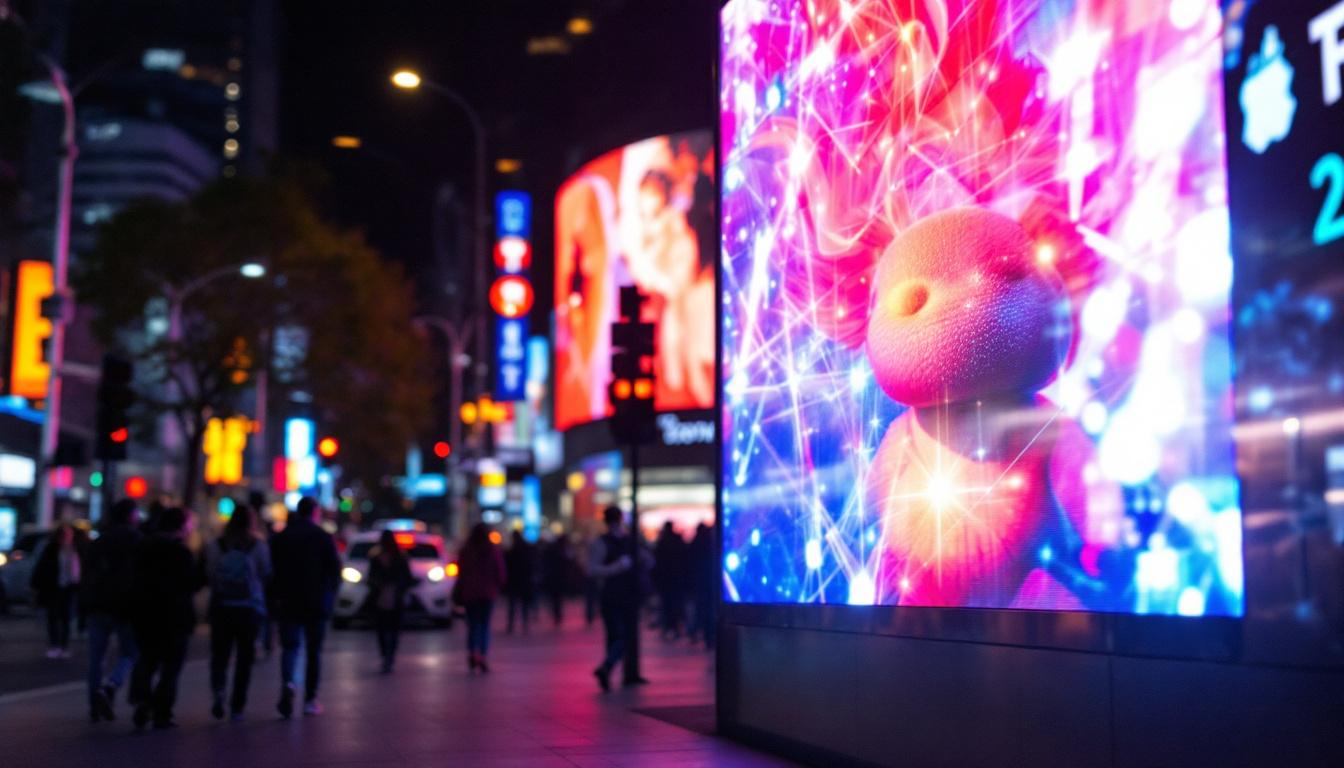
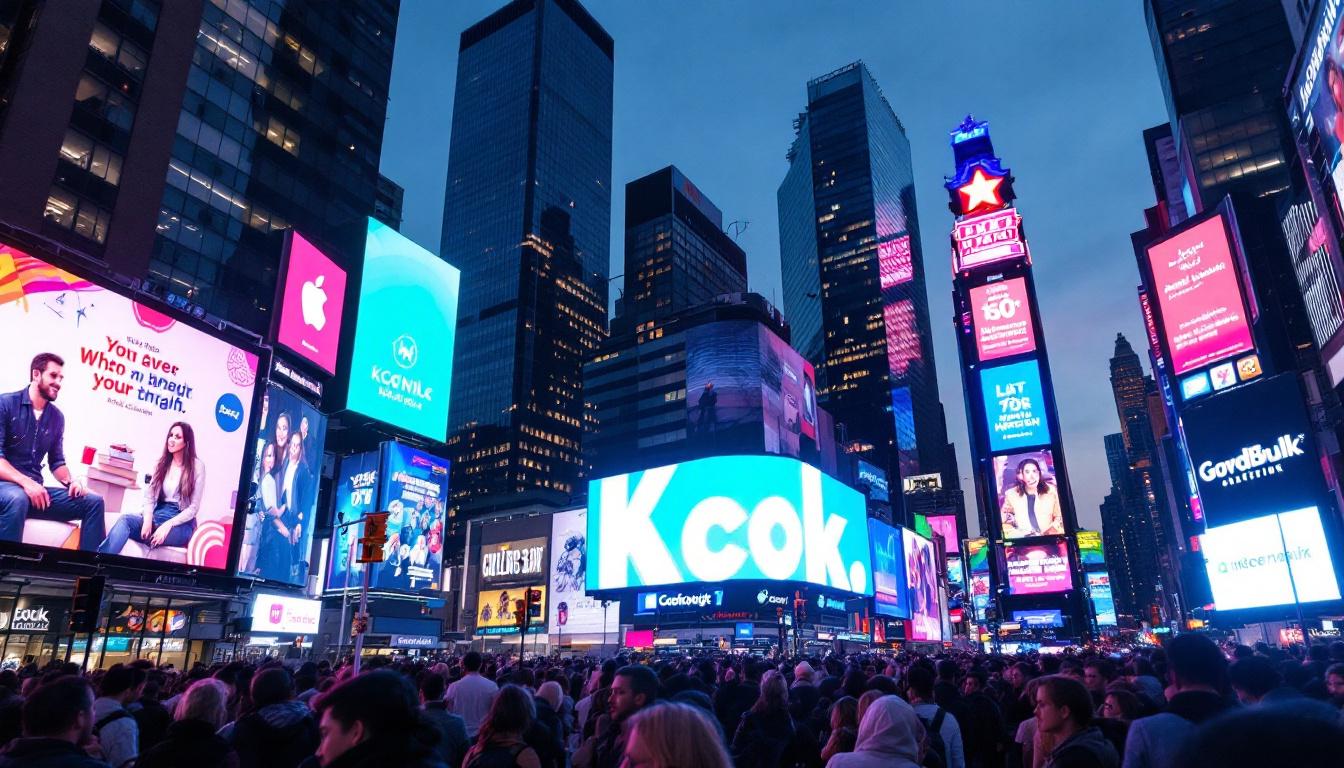
One of the most widespread uses of LED displays is in advertising. Digital billboards and signage capture attention with dynamic content, outperforming static posters. The ability to update messages remotely and instantly makes LED signage a powerful marketing tool.
Entertainment and Sports Venues
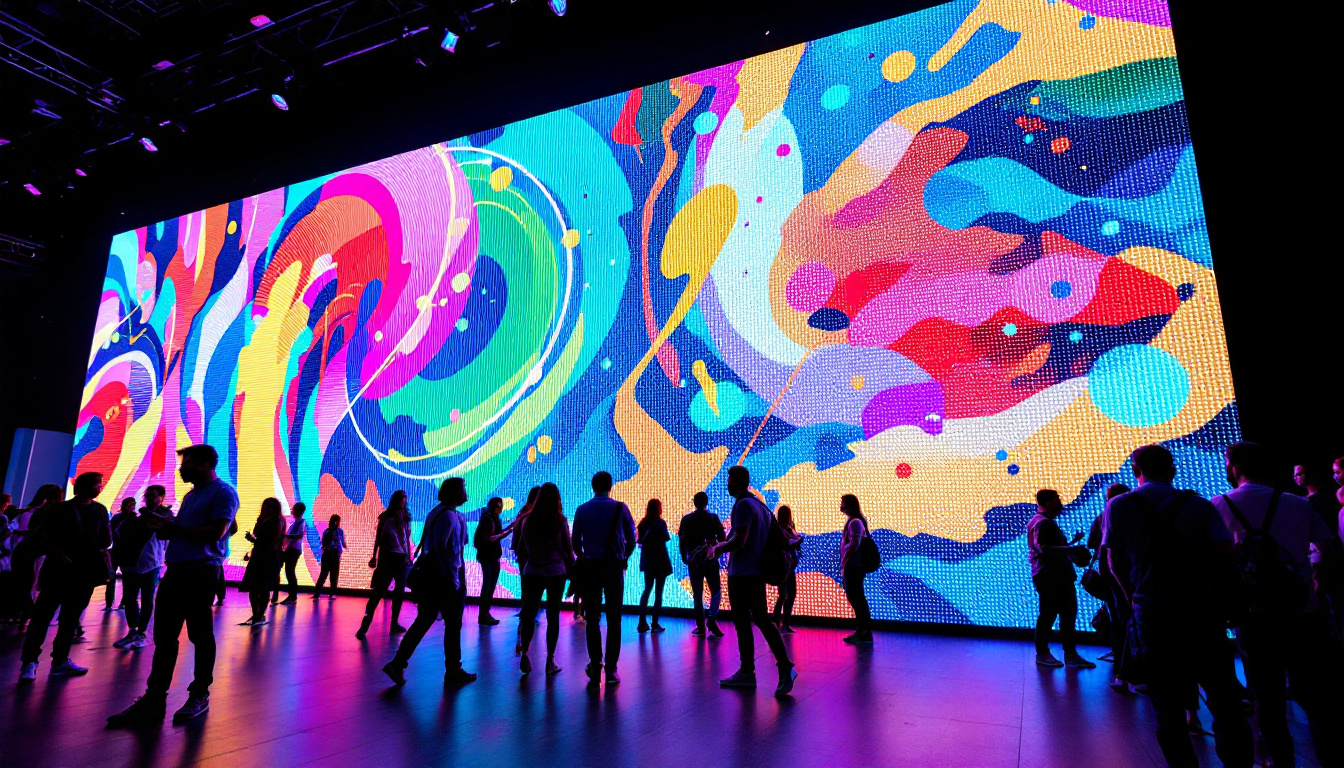
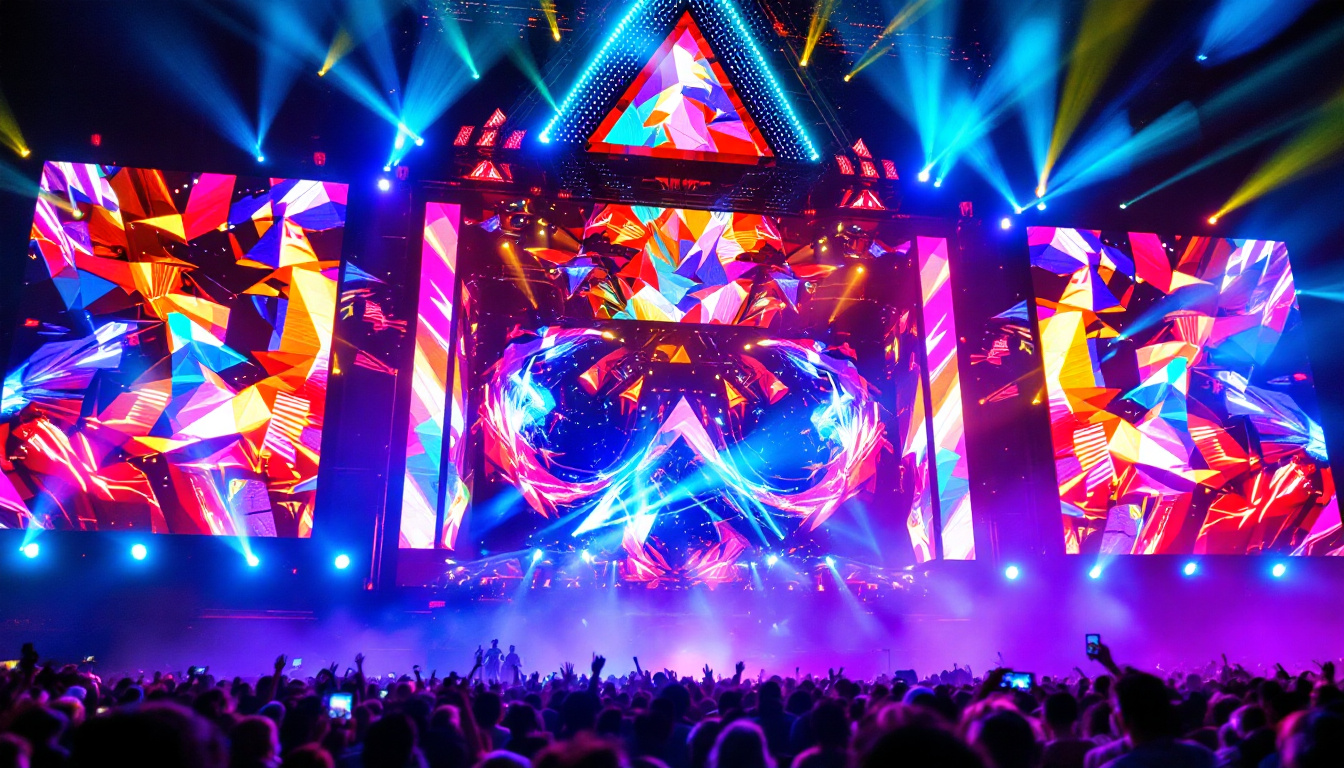
Stadiums, concert halls, and theaters use large LED video walls to enhance the spectator experience. These displays provide real-time information, instant replays, and immersive visuals that engage audiences.
Retail and Hospitality
Retailers use LED displays to create eye-catching window displays, interactive kiosks, and in-store promotions. Hotels and restaurants leverage LED screens for digital menus, event information, and ambiance lighting.
Transportation and Public Information
LED displays are essential in airports, train stations, and bus terminals for schedule updates, wayfinding, and emergency alerts. Their clarity and brightness ensure information is accessible even in crowded or outdoor environments.
Corporate and Educational Settings
In offices and classrooms, LED video walls and monitors facilitate presentations, video conferencing, and collaborative work. Their high resolution and color accuracy improve communication and engagement.
Future Trends in LED Display Technology
The LED display industry continues to evolve rapidly, driven by advances in materials, manufacturing, and software integration. Several trends are shaping the future of LED displays:
MicroLED Technology
MicroLED is an emerging technology that uses microscopic LEDs to create displays with exceptional brightness, contrast, and energy efficiency. Unlike OLEDs, MicroLEDs are inorganic and less prone to burn-in, making them promising for next-generation TVs, smartphones, and large-scale displays.
Higher Resolution and Smaller Pixel Pitch
As manufacturing techniques improve, LED displays with pixel pitches below 1mm are becoming more accessible. This enables ultra-high-definition displays suitable for close viewing distances, such as in medical imaging or control rooms.
Integration with IoT and AI
Smart LED displays integrated with Internet of Things (IoT) devices and artificial intelligence (AI) can deliver personalized content, optimize energy use, and enable interactive experiences. This integration enhances the functionality and value of LED displays in public and commercial spaces.
Flexible and Transparent Displays Expansion
The development of flexible and transparent LED displays is opening new creative possibilities in architecture, fashion, and advertising. These displays blur the line between physical and digital environments, offering immersive and dynamic visual experiences.
Conclusion
LED displays have transformed the way information and entertainment are delivered across numerous sectors. Understanding the different types of LED displays—from indoor and outdoor to transparent and flexible—enables businesses and individuals to select the most appropriate technology for their needs. With ongoing innovations like MicroLED and smart integration, LED displays will continue to enhance visual communication, making content more vibrant, accessible, and engaging than ever before.
Whether you are considering an LED display for advertising, entertainment, or corporate use, knowing the key factors such as pixel pitch, brightness, durability, and application environment is essential. LED technology offers a future-proof solution that combines performance, efficiency, and versatility, ensuring it remains a cornerstone of modern display technology for years to come.
Discover LumenMatrix LED Display Solutions
Ready to elevate your visual communication with the latest in LED display technology? Look no further than LumenMatrix, where innovation meets excellence. Our comprehensive range of LED display modules, from Indoor and Outdoor LED Walls to specialized solutions like Vehicle and Sports Displays, is designed to captivate and engage your audience. Whether you’re looking to enhance brand visibility, create immersive experiences, or convey your message with unparalleled clarity, LumenMatrix is your partner in revolutionizing your space. Check out LumenMatrix LED Display Solutions today and see how we can illuminate your world.