In the rapidly evolving world of display technology, understanding the differences and functionalities of LED and LCD screens is essential for consumers, businesses, and tech enthusiasts alike. Whether you’re shopping for a new television, upgrading digital signage, or simply curious about how your devices work, this comprehensive guide will clarify what LED displays are, how they relate to LCD technology, and why these distinctions matter.
Understanding the Basics: What Are LCD and LED Screens?
Liquid Crystal Display (LCD) Technology
Liquid Crystal Display, or LCD, is a widely used screen technology that forms the foundation of many modern displays, including computer monitors, televisions, and smartphones. LCD screens operate by manipulating liquid crystals sandwiched between two layers of polarized glass or plastic. These crystals do not emit light themselves; instead, they control the passage of light from a backlight source to create images.
The backlight, traditionally a cold cathode fluorescent lamp (CCFL), shines through the liquid crystals, which twist and align to either block or allow light to pass through colored filters. This process produces the colors and images seen on the screen. LCD technology is prized for its relatively low power consumption, slim profile, and ability to produce sharp images. Furthermore, advancements in LCD technology have led to the development of various types, such as In-Plane Switching (IPS) and Twisted Nematic (TN), each offering unique benefits like wider viewing angles and faster response times, catering to different user needs and preferences.
Moreover, the versatility of LCD technology extends beyond just screens; it has found applications in various fields, including medical imaging, automotive displays, and even wearable devices. The ability to produce high-resolution images has made LCDs a staple in industries that require precise visual representation, such as graphic design and video editing. As technology continues to evolve, researchers are exploring new materials and techniques to enhance the performance of LCDs, potentially leading to even more vibrant displays in the future.
Light Emitting Diode (LED) Technology
LED, or Light Emitting Diode, technology refers to a type of lighting used as a backlight for LCD screens. It’s important to clarify that when people talk about LED screens, they are often referring to LED-backlit LCD displays rather than screens made entirely of LEDs.
LEDs are semiconductor devices that emit light when an electric current passes through them. They are more energy-efficient, longer-lasting, and capable of producing brighter and more vibrant light compared to traditional CCFL backlights. By replacing CCFLs with LEDs, manufacturers improved LCD displays in terms of color accuracy, contrast, and energy efficiency. Additionally, the use of edge-lit and full-array local dimming techniques in LED displays allows for enhanced contrast ratios, making blacks appear deeper and colors more vivid, which is particularly beneficial for watching movies or playing video games.
The impact of LED technology extends beyond just display quality; it has also influenced the design and form factor of screens. The slim and lightweight nature of LED-backlit displays has enabled the creation of ultra-thin televisions and portable devices, revolutionizing how we interact with technology. Furthermore, the integration of smart features in LED displays has paved the way for innovations like high dynamic range (HDR) imaging and smart TV capabilities, enhancing the overall viewing experience. As the demand for more immersive and interactive displays grows, LED technology continues to evolve, promising exciting advancements in the years to come.
The Relationship Between LED and LCD Screens
LED as a Backlighting Method for LCDs
Most modern LCD screens use LED backlighting, which is why the term “LED screen” is often used interchangeably with “LED-backlit LCD screen.” This distinction is crucial: the display panel itself remains an LCD, but the illumination source changes from fluorescent lamps to LEDs.
There are two main types of LED backlighting used in LCD displays:
- Edge-lit LED: LEDs are placed around the edges of the screen, and light is distributed across the display using light guides. This design allows for thinner screens but can sometimes cause uneven brightness.
- Direct-lit or Full-array LED: LEDs are placed directly behind the screen in a matrix, providing more uniform lighting and enabling local dimming—turning off LEDs in dark areas to improve contrast.
Why the Confusion Between LED and LCD?
The marketing terminology often blurs the lines between LED and LCD. When manufacturers advertise “LED TVs” or “LED monitors,” they typically mean LCD panels with LED backlighting. This can mislead consumers into thinking the display is fundamentally different from traditional LCDs, when in fact the core technology remains the same.
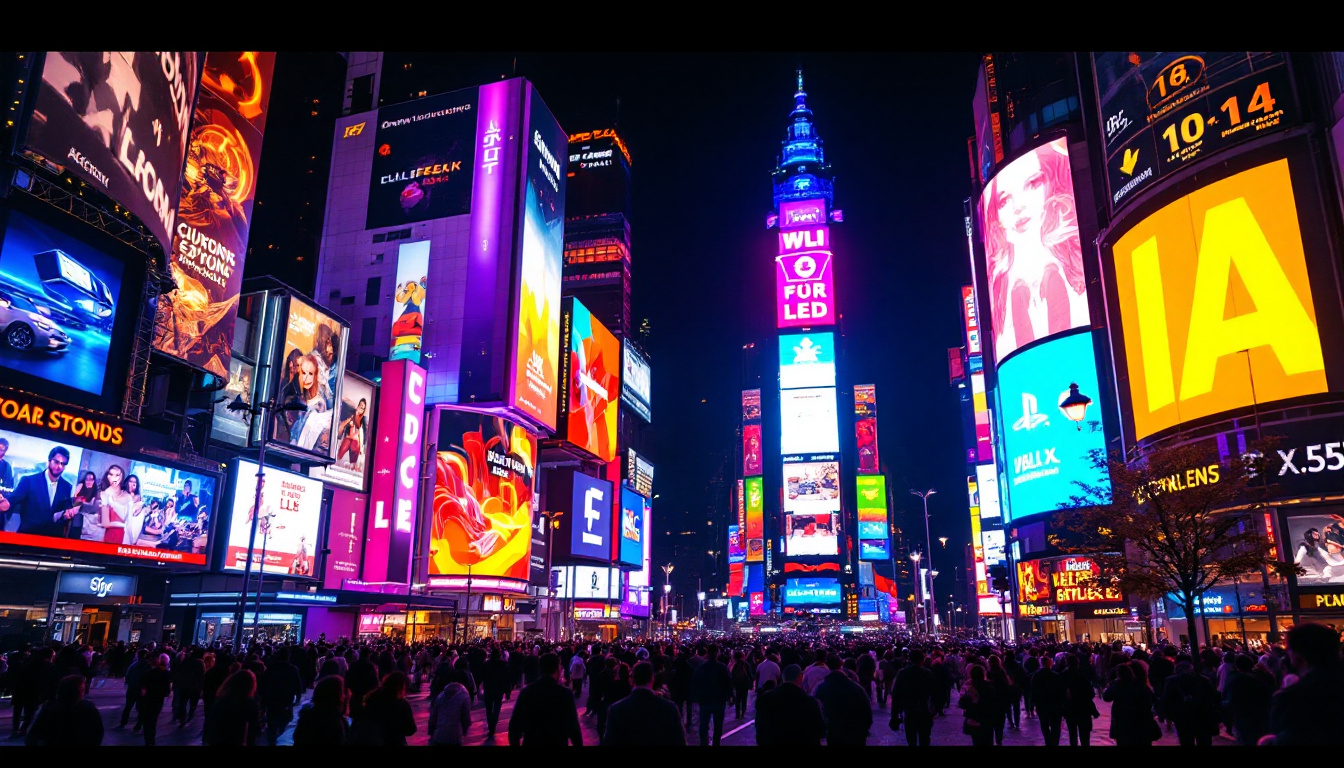
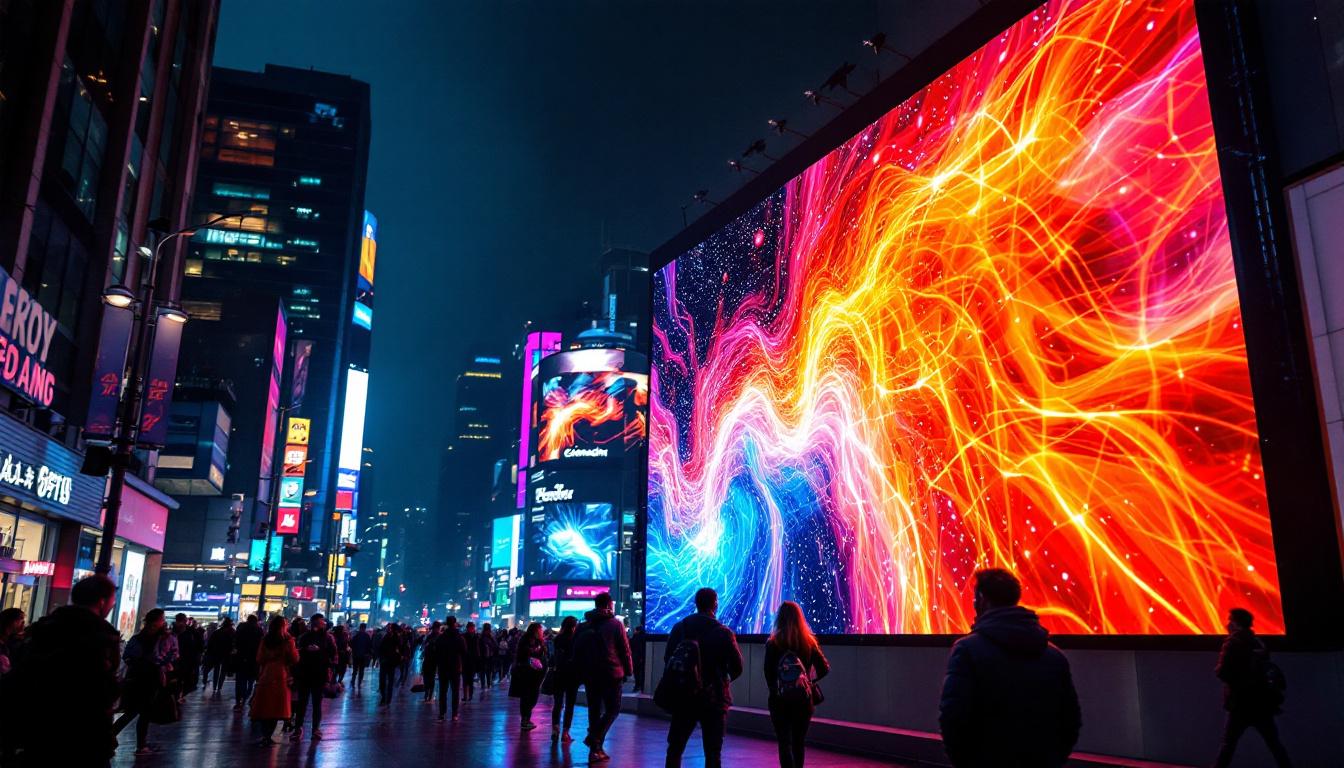
True LED displays, such as those used in large outdoor billboards or stage screens, consist of individual LEDs that act as pixels themselves, without the need for an LCD panel. These are known as direct-view LED displays and are a separate category from LED-backlit LCD screens.
Understanding the nuances of these technologies can enhance consumer knowledge and help in making informed purchasing decisions. For instance, while LED-backlit LCDs offer improved energy efficiency and color accuracy compared to their fluorescent counterparts, they still rely on the liquid crystal technology that defines LCDs. This means that while they can produce vibrant colors and deeper blacks, they may not achieve the same level of contrast and brightness as true OLED displays, which utilize organic compounds to emit light directly. As a result, consumers should consider their specific needs—such as viewing angles, brightness levels, and color reproduction—when choosing between these display types.
Moreover, the advancements in LED technology continue to evolve, with innovations like Mini-LED and Micro-LED emerging on the market. Mini-LED technology uses smaller LEDs to create more precise lighting control, which enhances the overall picture quality by improving contrast and reducing blooming effects. Micro-LED, on the other hand, represents a significant leap forward, as it combines the benefits of both OLED and traditional LED technologies, offering self-emissive pixels that can deliver exceptional brightness and color accuracy without the drawbacks of burn-in. This evolution in display technology promises to redefine the viewing experience, making it an exciting time for consumers and tech enthusiasts alike.
Advantages of LED-Backlit LCD Screens Over Traditional LCDs
Improved Energy Efficiency
One of the most significant benefits of LED backlighting is energy efficiency. LEDs consume less power than CCFLs, which translates into lower electricity bills and reduced environmental impact. For instance, a typical LED-backlit LCD television can use up to 30-40% less power than a comparable CCFL-backlit model.
Enhanced Picture Quality
LED backlighting enables better control over brightness and contrast. Full-array LED backlights with local dimming can produce deeper blacks and more vivid colors, improving overall image quality. This is particularly noticeable in HDR (High Dynamic Range) content, where the contrast between bright and dark areas is essential.
Thinner and Lighter Design
Because LEDs are smaller and more flexible in placement than CCFLs, manufacturers can create thinner and lighter displays. This has led to the sleek, slim designs popular in modern TVs, monitors, and laptops.
Longer Lifespan and Reduced Heat
LEDs generally have a longer operational lifespan and generate less heat compared to fluorescent lamps. This enhances the durability and reliability of LED-backlit LCD screens, making them a more sustainable choice for long-term use.
Direct-View LED Displays: A Different Breed
What Are Direct-View LED Displays?
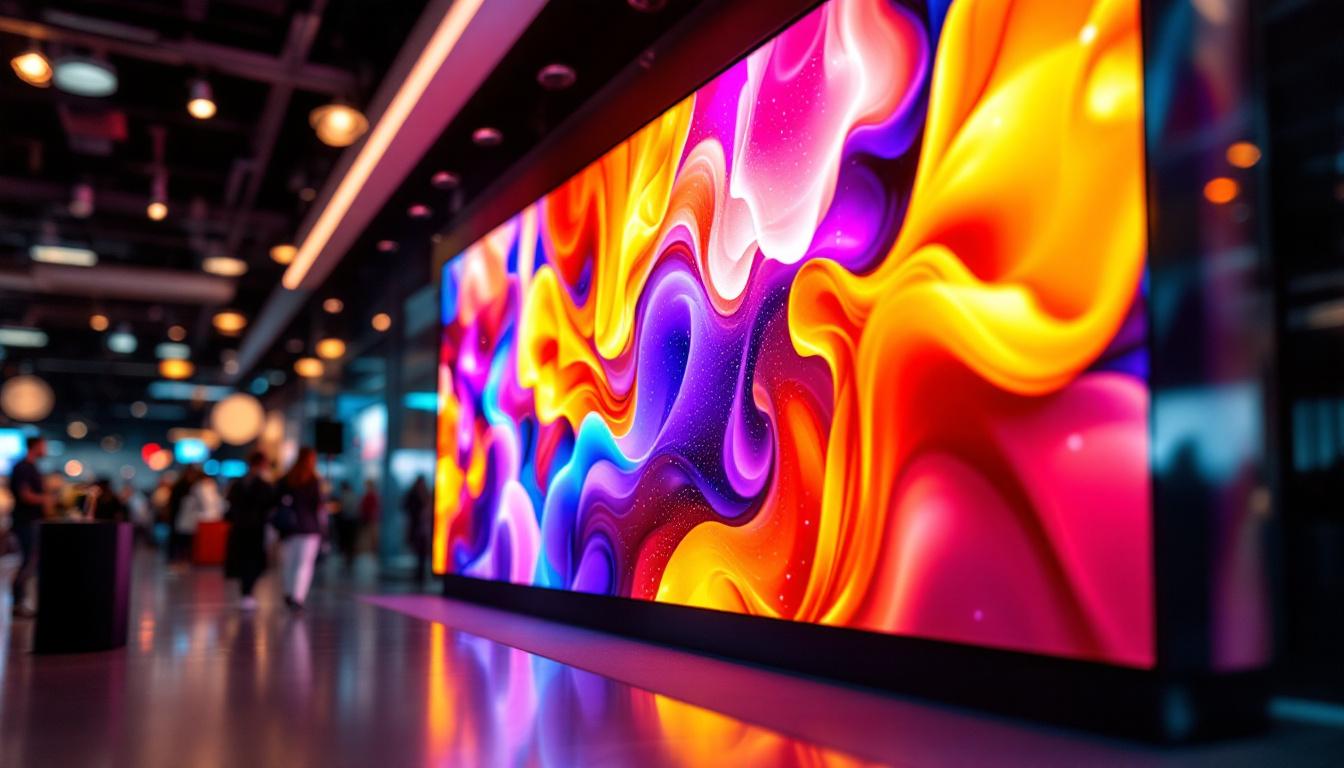
Unlike LED-backlit LCDs, direct-view LED displays consist of millions of tiny LEDs that serve as individual pixels. Each LED emits its own light and color, eliminating the need for a backlight or liquid crystal layer. This technology is commonly used in large-scale digital signage, stadium screens, and video walls.
Advantages of Direct-View LED Displays
Direct-view LED displays offer several benefits, including:
- High Brightness: These displays can achieve extremely high brightness levels, making them suitable for outdoor use in direct sunlight.
- Wide Viewing Angles: Since each pixel emits light independently, color and brightness remain consistent from almost any angle.
- Scalability: Modular LED panels can be combined to create displays of virtually any size and shape.
Limitations and Considerations
Direct-view LED displays tend to be more expensive and consume more power than LED-backlit LCDs. They are also less common for consumer electronics but dominate commercial and professional display markets where size and brightness are critical.
Choosing Between LED-Backlit LCD and Other Display Technologies
Comparing LED-Backlit LCDs to OLED
Organic Light Emitting Diode (OLED) technology is often compared to LED-backlit LCDs. OLED displays feature self-emissive pixels that can turn on and off independently, allowing for perfect blacks and excellent contrast ratios.
While OLEDs generally provide superior picture quality, they are more expensive to produce and can suffer from issues like burn-in. LED-backlit LCDs remain popular due to their affordability, brightness, and longevity.
When to Choose LED-Backlit LCD Screens
For most consumers and businesses, LED-backlit LCD screens offer an excellent balance of performance, cost, and energy efficiency. They are ideal for:
- Everyday television and computer use
- Office and commercial monitors
- Digital signage requiring moderate brightness and size
Understanding the specific needs—such as viewing environment, budget, and desired image quality—will guide the best choice.
The Future of LED and LCD Display Technologies
Advancements in Mini-LED and Micro-LED
Emerging technologies like Mini-LED and Micro-LED are pushing the boundaries of LED display performance. Mini-LED uses thousands of tiny LEDs for backlighting, allowing even finer local dimming and improved contrast. Micro-LED takes this further by creating displays from microscopic LEDs that function as individual pixels, similar to OLED but with greater brightness and durability.
These innovations promise to combine the best features of LED-backlit LCDs and OLEDs, offering brighter, more efficient, and longer-lasting displays in the near future.
Integration with Smart Technologies
As display technologies evolve, integration with smart features such as AI-driven image processing, adaptive brightness, and energy-saving modes will become standard. This will enhance user experience and further optimize power consumption.
Conclusion
LED and LCD technologies are closely intertwined, with LED backlighting revolutionizing the performance and efficiency of traditional LCD screens. Understanding the distinction between LED-backlit LCDs and direct-view LED displays is key to making informed decisions whether purchasing consumer electronics or deploying commercial display solutions.
With continuous advancements like Mini-LED and Micro-LED on the horizon, the future of display technology looks brighter and more vibrant than ever. Staying informed about these technologies helps consumers and businesses choose the right display for their needs, ensuring optimal performance, longevity, and value.
Discover LumenMatrix’s Innovative LED Display Solutions
As you consider the future of display technology for your personal or commercial needs, LumenMatrix stands at the forefront of this vibrant evolution. With a commitment to revolutionizing visual communication, LumenMatrix offers an extensive range of LED display modules, including Indoor and Outdoor LED Wall Displays, Vehicle LED Displays, LED Poster Displays, LED Sports Displays, Floor LED Displays, Custom LED Displays, All-in-One LED Displays, and LED Transparent Displays. Elevate your brand visibility and create immersive visual experiences by choosing LumenMatrix. Check out LumenMatrix LED Display Solutions today and step into a world where clarity and engagement redefine the visual landscape.