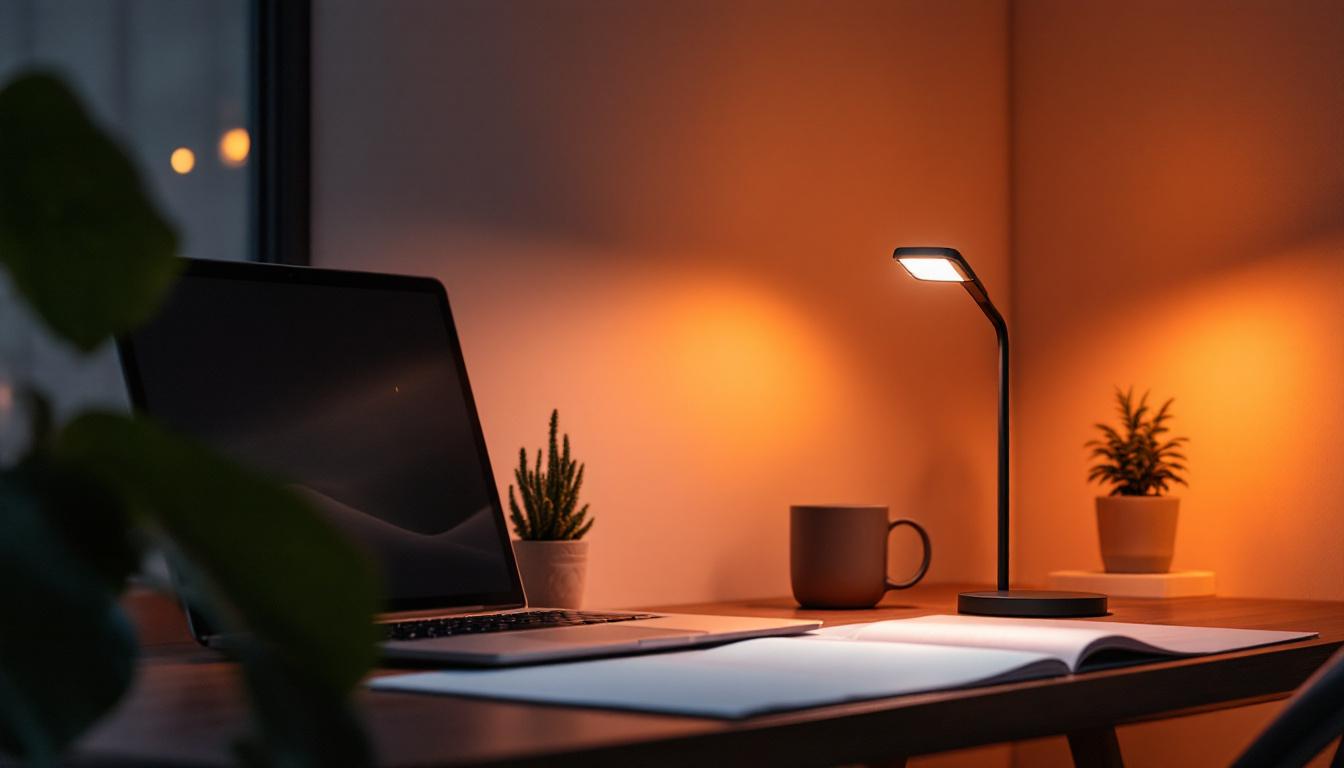
In recent years, LED technology has revolutionized the lighting industry, offering energy-efficient, long-lasting, and versatile lighting solutions. Among the myriad of LED products available, the 3W LED lamp stands out as a compact yet powerful option for various applications. This article delves into the specifics of the 3W LED lamp, focusing on its LED display characteristics, functionality, and practical uses.
Understanding the Basics of 3W LED Lamps
What Does 3W Mean in LED Lamps?
The term “3W” in a 3W LED lamp refers to the lamp’s power consumption — specifically, it consumes three watts of electrical power. This wattage is a measure of how much energy the lamp uses to produce light. Compared to traditional incandescent bulbs, which can consume 25 to 40 watts for similar brightness levels, a 3W LED lamp offers significant energy savings.
LEDs (Light Emitting Diodes) are semiconductor devices that emit light when an electric current passes through them. The efficiency of LEDs allows a 3W lamp to produce a brightness equivalent to a 20-25 watt incandescent bulb, making it an excellent choice for energy-conscious consumers and businesses.
Key Components of a 3W LED Lamp
A typical 3W LED lamp consists of several integral components: the LED chip, a heat sink, a driver circuit, and the lamp housing. The LED chip is the core light-emitting element, often made from gallium nitride or similar materials. The heat sink dissipates heat generated during operation, ensuring the LED remains cool and maintains longevity.
The driver circuit regulates the electrical current to the LED chip, providing a stable and consistent light output. Finally, the lamp housing protects the internal components and may include diffusers or lenses to shape the light beam. Together, these components ensure that the 3W LED lamp operates efficiently and reliably.
Exploring LED Display Features in 3W LED Lamps
What is an LED Display in the Context of LED Lamps?
While the term “LED display” often refers to screens made up of multiple LEDs used for visual information, in the context of LED lamps, it refers to the visible light output characteristics and how the lamp’s light is presented. This includes brightness, color temperature, beam angle, and color rendering index (CRI).
Understanding these display features is crucial for selecting the right 3W LED lamp for specific lighting needs. For example, the color temperature affects the ambiance of a space, while the beam angle determines how the light spreads.
Brightness and Luminous Efficacy
Brightness in LED lamps is measured in lumens. A 3W LED lamp typically produces between 200 to 300 lumens, depending on the manufacturer and design. Luminous efficacy, measured in lumens per watt (lm/W), indicates how efficiently the lamp converts electrical power into visible light. Modern 3W LEDs can achieve efficacies of 80-100 lm/W, which is significantly higher than traditional lighting technologies.
This high efficacy means that 3W LED lamps not only consume less power but also deliver sufficient brightness for many residential and commercial applications, such as accent lighting, task lighting, and decorative lighting.
Color Temperature and Its Impact
Color temperature is measured in Kelvins (K) and describes the hue of the light emitted by the lamp. Common color temperatures for 3W LED lamps range from warm white (2700K-3000K) to cool white (5000K-6500K). Warm white light creates a cozy and inviting atmosphere, ideal for living rooms and bedrooms, while cool white light is more suitable for workspaces and areas requiring bright, clear illumination.
Choosing the right color temperature is essential for enhancing the functionality and mood of a space. Some 3W LED lamps also offer adjustable color temperatures, allowing users to customize lighting based on their preferences and needs.
Beam Angle and Light Distribution
The beam angle of an LED lamp determines how the light spreads from the source. Narrow beam angles (15°-30°) focus light into a tight spot, perfect for highlighting artwork or architectural features. Wider beam angles (60°-120°) disperse light over a larger area, suitable for general room illumination.
3W LED lamps come with various beam angle options, making them versatile for different lighting scenarios. Selecting the appropriate beam angle helps optimize light distribution and enhances the visual appeal of the illuminated area.
Color Rendering Index (CRI)
CRI measures a light source’s ability to reveal the true colors of objects compared to natural light. It is rated on a scale from 0 to 100, with higher values indicating better color accuracy. Most quality 3W LED lamps have a CRI of 80 or above, which is sufficient for most indoor applications.
High CRI lighting is particularly important in settings such as retail stores, art galleries, and kitchens, where accurate color perception is critical. When selecting a 3W LED lamp, considering the CRI ensures that colors appear vibrant and natural under the light.
Applications and Advantages of 3W LED Lamps
Common Uses of 3W LED Lamps
Due to their compact size and efficient performance, 3W LED lamps are widely used in various applications. They are popular in residential lighting for accentuating architectural details, illuminating shelves, and providing task lighting in kitchens and study areas. Their low heat emission also makes them ideal for use in enclosed fixtures and small spaces.
In commercial settings, 3W LED lamps are employed in display cases, signage backlighting, and decorative lighting. Their precise beam control and color options allow businesses to create appealing visual presentations that attract customers.
Energy Efficiency and Environmental Benefits
One of the most significant advantages of 3W LED lamps is their energy efficiency. Consuming only a fraction of the power required by incandescent or halogen bulbs, they contribute to reducing electricity bills and lowering carbon footprints. According to the U.S. Department of Energy, LED lighting can reduce energy consumption by up to 75% compared to traditional lighting.
Additionally, 3W LED lamps have a longer lifespan, often exceeding 25,000 hours, which means fewer replacements and less waste. They also contain no hazardous materials like mercury, making them safer for the environment and easier to dispose of responsibly.
Durability and Maintenance
3W LED lamps are known for their robust construction and resistance to shock and vibration, making them suitable for both indoor and outdoor use. Their solid-state design means they are less prone to breakage compared to fragile incandescent bulbs.
Maintenance requirements are minimal due to their long operational life and consistent performance. This reliability is particularly beneficial in commercial environments where frequent bulb replacements can be costly and disruptive.
Technical Considerations When Choosing a 3W LED Lamp
Compatibility with Fixtures and Drivers
When selecting a 3W LED lamp, it is important to ensure compatibility with existing fixtures and driver circuits. Some LED lamps come with integrated drivers, while others require external drivers to regulate power. Mismatched components can lead to flickering, reduced lifespan, or suboptimal light output.
Additionally, checking the lamp’s base type (such as E27, GU10, or MR16) ensures it fits the intended fixture. Proper installation and compatibility are key to achieving the best performance from a 3W LED lamp.
Thermal Management and Heat Dissipation
Although 3W LED lamps generate less heat than traditional bulbs, effective thermal management remains critical. Excessive heat can degrade LED chips and reduce lifespan. Lamps equipped with efficient heat sinks or made from materials with good thermal conductivity help maintain optimal operating temperatures.
When installing 3W LED lamps in enclosed or recessed fixtures, it is essential to consider ventilation to prevent heat buildup. Proper thermal management ensures consistent brightness and longevity.
Quality Standards and Certifications
Choosing 3W LED lamps that comply with recognized quality standards and certifications guarantees safety and performance. Look for certifications such as CE, RoHS, UL, or Energy Star, which indicate that the lamp meets regulatory requirements and has undergone rigorous testing.
High-quality lamps typically offer better color consistency, stable light output, and longer warranties, providing peace of mind and value for money.
Future Trends in 3W LED Lamp Technology
Smart LED Lamps and Connectivity
The integration of smart technology into LED lamps is an emerging trend. Some 3W LED lamps now feature wireless connectivity, allowing users to control brightness, color temperature, and scheduling via smartphone apps or voice assistants. This adds convenience and customization to lighting solutions.
Smart 3W LED lamps can also contribute to energy savings by enabling automated lighting controls based on occupancy or daylight availability, optimizing energy use without compromising comfort.
Advancements in LED Materials and Efficiency
Ongoing research in LED materials aims to improve luminous efficacy and color quality further. Innovations such as quantum dot LEDs and improved phosphor coatings promise to enhance the performance of low-wattage lamps like the 3W LED, delivering brighter and more natural light with even lower power consumption.
These advancements will expand the applications of 3W LED lamps and reinforce their position as a sustainable lighting choice.
Environmental and Regulatory Developments
Global initiatives to reduce energy consumption and carbon emissions continue to drive the adoption of LED lighting. Governments and organizations are implementing stricter regulations and incentives to encourage the use of energy-efficient lighting solutions, including 3W LED lamps.
As these policies evolve, consumers and businesses can expect increased availability of high-quality, affordable LED products that meet environmental standards and contribute to a greener future.
Conclusion
The 3W LED lamp represents a perfect blend of efficiency, versatility, and performance in modern lighting technology. Understanding its LED display characteristics, such as brightness, color temperature, beam angle, and CRI, empowers consumers and professionals to make informed lighting choices tailored to their needs.
With benefits ranging from significant energy savings and environmental friendliness to durability and design flexibility, 3W LED lamps are well-suited for a wide array of applications. As technology advances and smart features become more accessible, these compact lamps will continue to illuminate homes, workplaces, and public spaces with greater efficiency and style.
Investing in quality 3W LED lamps not only enhances lighting quality but also contributes to sustainable living and operational cost reduction, making them a smart choice for the present and future.
Illuminate Your Space with LumenMatrix
Ready to experience the pinnacle of lighting innovation? LumenMatrix invites you to explore our comprehensive range of LED display solutions, designed to bring your visual communications to life. Whether you’re looking to enhance your brand’s visibility with an Indoor LED Wall Display, captivate passersby with an Outdoor LED Wall Display, or create dynamic visual experiences with our Custom LED Displays, we have the technology to meet your needs. Embrace the future of lighting with LumenMatrix and check out our LED Display Solutions today.