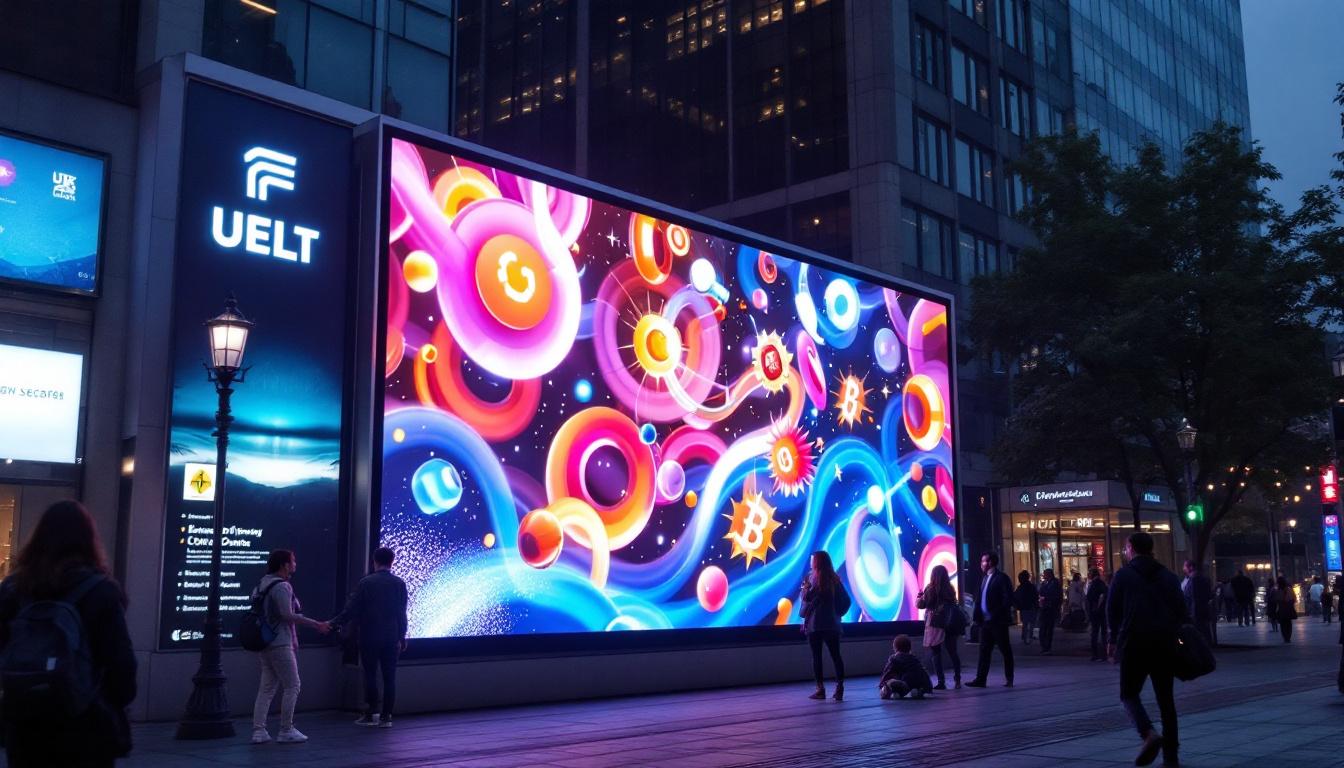
In the fast-evolving world of advertising, outdoor displays have become a cornerstone for brands seeking high visibility and impactful engagement. Among the various technologies available, LED displays stand out for their brightness, versatility, and dynamic content capabilities. This article delves into the fundamentals of outdoor LED advertising displays, exploring their technology, advantages, applications, and future trends.
Understanding Outdoor LED Displays
What Is an LED Display?
LED stands for Light Emitting Diode, a semiconductor device that emits light when an electric current passes through it. An LED display is composed of many such diodes arranged in a matrix to form pixels, which collectively display images, videos, or text. Outdoor LED displays are specifically designed to withstand environmental factors such as sunlight, rain, and temperature variations, making them ideal for external advertising. The versatility of these displays allows them to be used in a variety of settings, from bustling city streets to sports arenas, enhancing the visual experience for viewers and advertisers alike.
How Do Outdoor LED Displays Work?
Outdoor LED displays use clusters of red, green, and blue LEDs to create full-color images through a process called additive color mixing. Each pixel consists of these three LEDs, and by adjusting their brightness, the display can produce a wide color gamut. The display is controlled by sophisticated software that manages content scheduling, brightness adjustment, and image rendering. This software allows for dynamic content changes, enabling advertisers to tailor messages based on time of day, weather conditions, or audience demographics, thereby maximizing engagement and effectiveness.
One key feature of outdoor LED displays is their high brightness levels, often exceeding 5,000 nits, which ensures visibility even in direct sunlight. Additionally, these displays are designed with weatherproof casings and cooling systems to maintain performance and longevity under harsh outdoor conditions. The technology behind these displays also includes advanced pixel mapping and calibration techniques, which ensure that colors remain consistent and vibrant across the entire screen, regardless of viewing angle. This capability is crucial for maintaining the quality of advertisements and information being displayed, particularly in high-traffic areas where clarity and impact are paramount.
Furthermore, outdoor LED displays are often equipped with sensors that can automatically adjust brightness based on ambient light levels, ensuring optimal visibility at all times. This not only enhances the viewer’s experience but also contributes to energy efficiency, as the display can reduce power consumption during nighttime or overcast conditions. The integration of smart technology into these displays allows for real-time analytics, enabling businesses to track engagement metrics and adjust their advertising strategies accordingly. As outdoor LED technology continues to evolve, we can expect to see even more innovative features that enhance interactivity and user engagement, making these displays a cornerstone of modern advertising strategies.
Benefits of Using LED Displays for Outdoor Advertising
High Visibility and Brightness
Outdoor LED displays are renowned for their exceptional brightness, which can surpass traditional billboard lighting by a significant margin. This brightness ensures that advertisements are visible from long distances and remain clear during daytime, even under direct sunlight. According to industry data, LED displays can be up to 10 times brighter than conventional printed billboards, making them highly effective for capturing attention.
Dynamic and Flexible Content
Unlike static billboards, LED displays allow advertisers to showcase dynamic content such as videos, animations, and real-time updates. This flexibility enables brands to tailor messages to different times of day, seasons, or events, increasing relevance and engagement. For example, a retail store can promote morning coffee specials during early hours and switch to evening discounts later in the day without changing any physical materials.
Cost Efficiency Over Time
While the initial investment in LED displays may be higher than traditional billboards, the long-term cost benefits are substantial. LED technology reduces the need for printing and installation of new advertisements, lowering operational expenses. Additionally, energy-efficient LEDs consume less power compared to older lighting technologies, contributing to reduced electricity costs.
Environmental Sustainability
LED displays are more environmentally friendly than traditional advertising methods. They eliminate the waste generated by printed materials and use less energy, which reduces carbon footprints. Many LED displays also incorporate recyclable materials and are designed for durability, minimizing the need for frequent replacements.
Key Components of Outdoor LED Displays
LED Modules and Pixels
The core of any LED display is the LED module, which contains numerous pixels. The pixel pitch—the distance between the centers of two adjacent pixels—determines the display’s resolution and image clarity. Outdoor displays typically have a pixel pitch ranging from 4mm to 20mm, balancing visibility at various viewing distances with cost considerations.
Cabinet and Enclosure
The LED modules are housed within cabinets that provide structural support and protection. These enclosures are engineered to be weatherproof, dustproof, and impact-resistant. High-quality cabinets also include ventilation or cooling systems to prevent overheating, which is crucial for maintaining consistent performance and extending the lifespan of the display.
Control System and Software
A sophisticated control system manages the content displayed on the LED screen. This includes hardware components such as sending cards and receiving cards, as well as software platforms that allow users to upload, schedule, and monitor content remotely. Modern LED display software often supports real-time data integration, enabling dynamic content like news, weather, or social media feeds.
Power Supply and Connectivity
Reliable power supply units ensure stable operation, while connectivity options such as Ethernet, Wi-Fi, or cellular networks facilitate remote control and content updates. Redundant power and data systems are often incorporated in large-scale installations to prevent downtime.
Applications of Outdoor LED Displays in Advertising
Billboards and Digital Signage
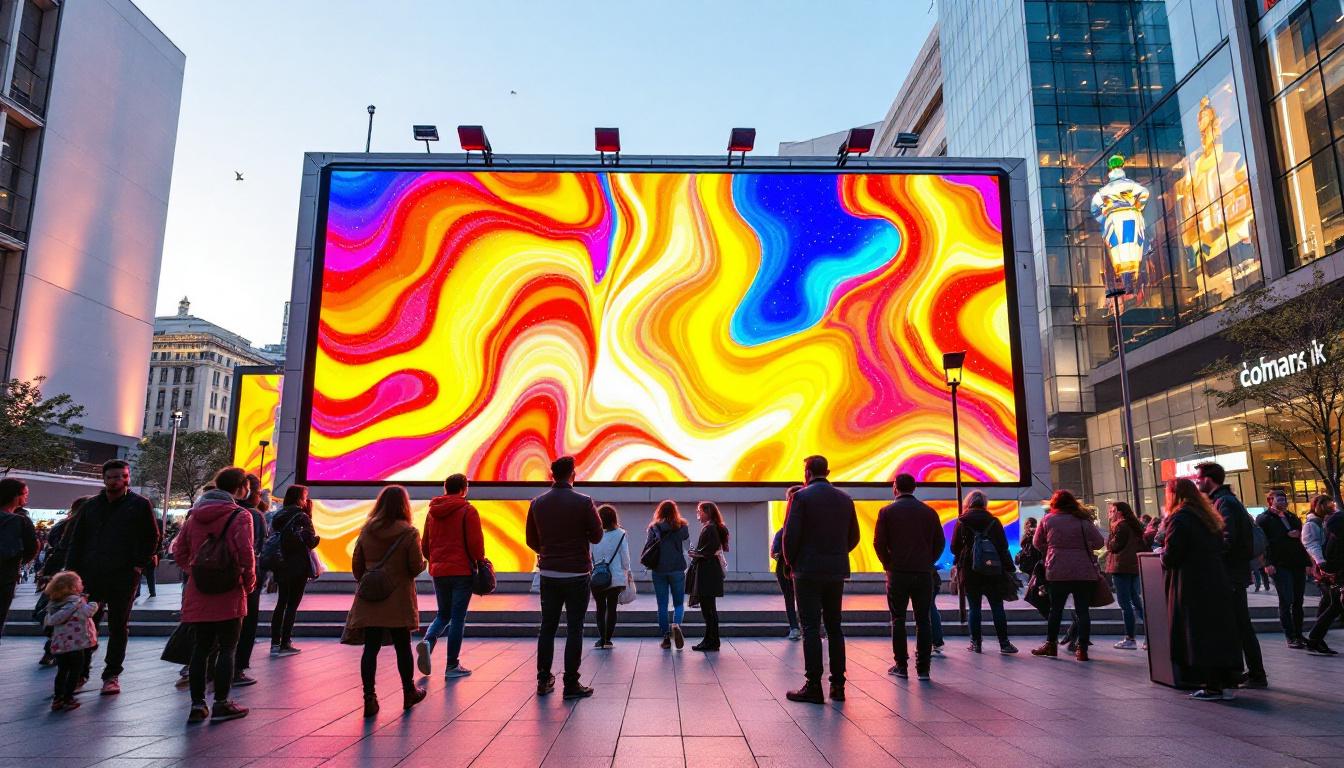
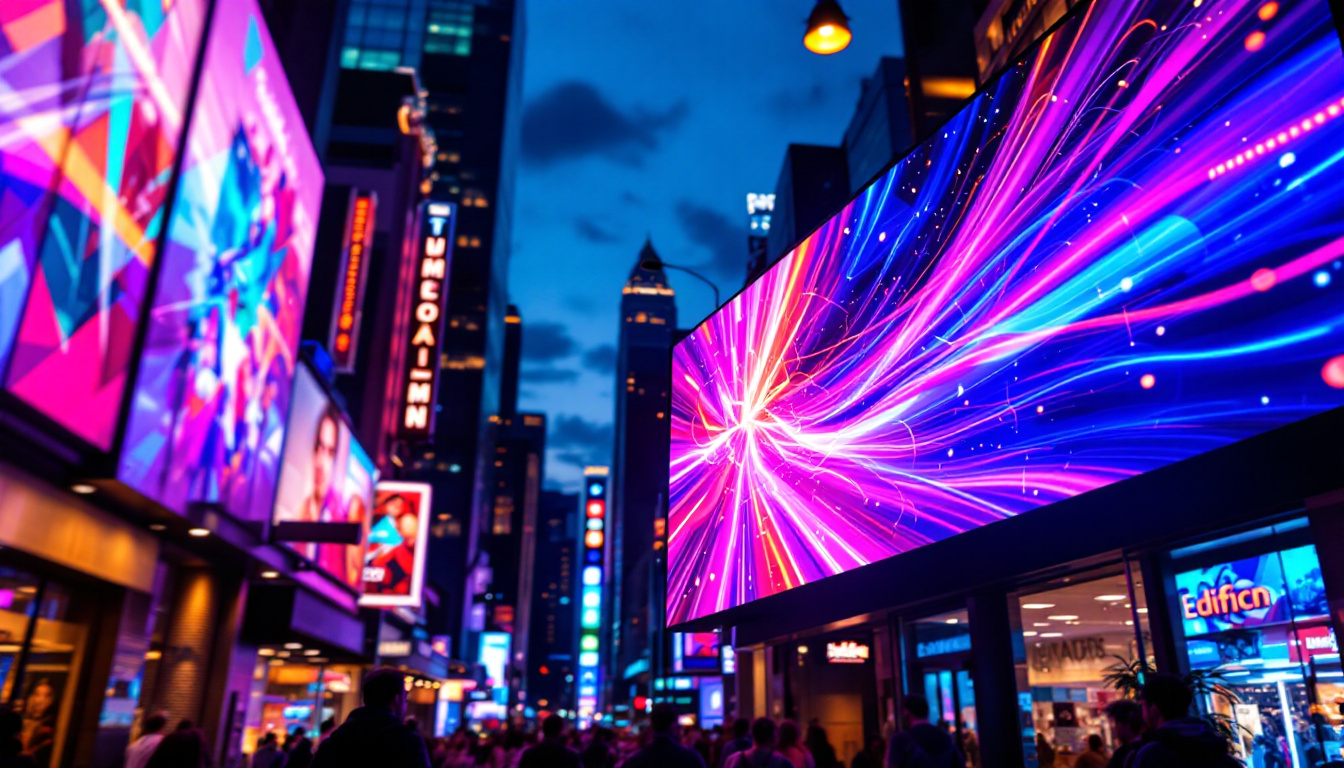
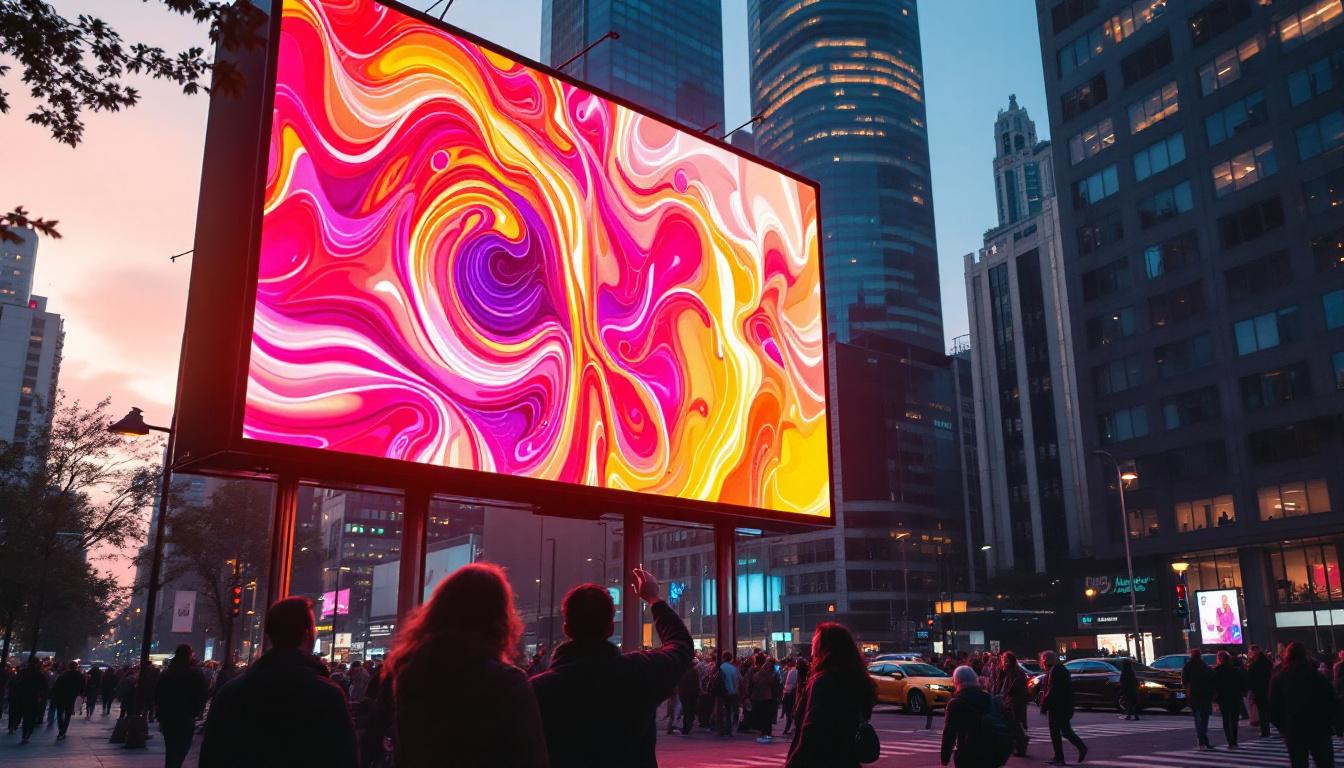
One of the most common uses of outdoor LED displays is in digital billboards. These large-format screens are typically installed along highways, busy streets, and urban centers to reach broad audiences. The ability to rotate multiple advertisements on a single display maximizes revenue for advertisers and landlords alike.
Retail and Shopping Centers
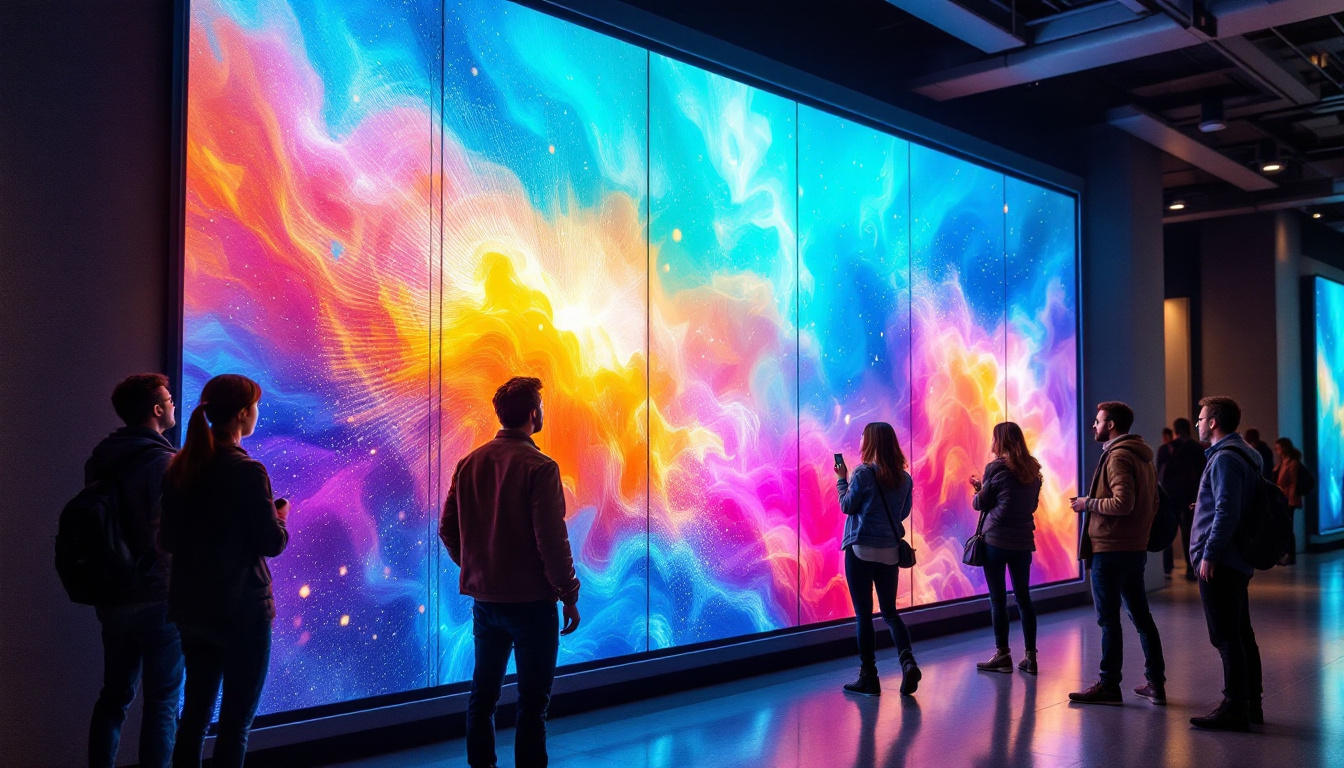
Retailers leverage outdoor LED displays to attract customers and promote products or sales events. Positioned at store entrances or on building facades, these displays enhance brand visibility and create engaging shopping experiences. Interactive LED screens also allow passersby to interact with content, further increasing engagement.
Transportation Hubs and Public Spaces
Airports, train stations, and bus terminals utilize LED displays for both advertising and informational purposes. These displays can provide travelers with real-time updates while simultaneously serving as platforms for targeted advertising campaigns. The high traffic in such locations ensures significant exposure for advertisers.
Event and Entertainment Venues
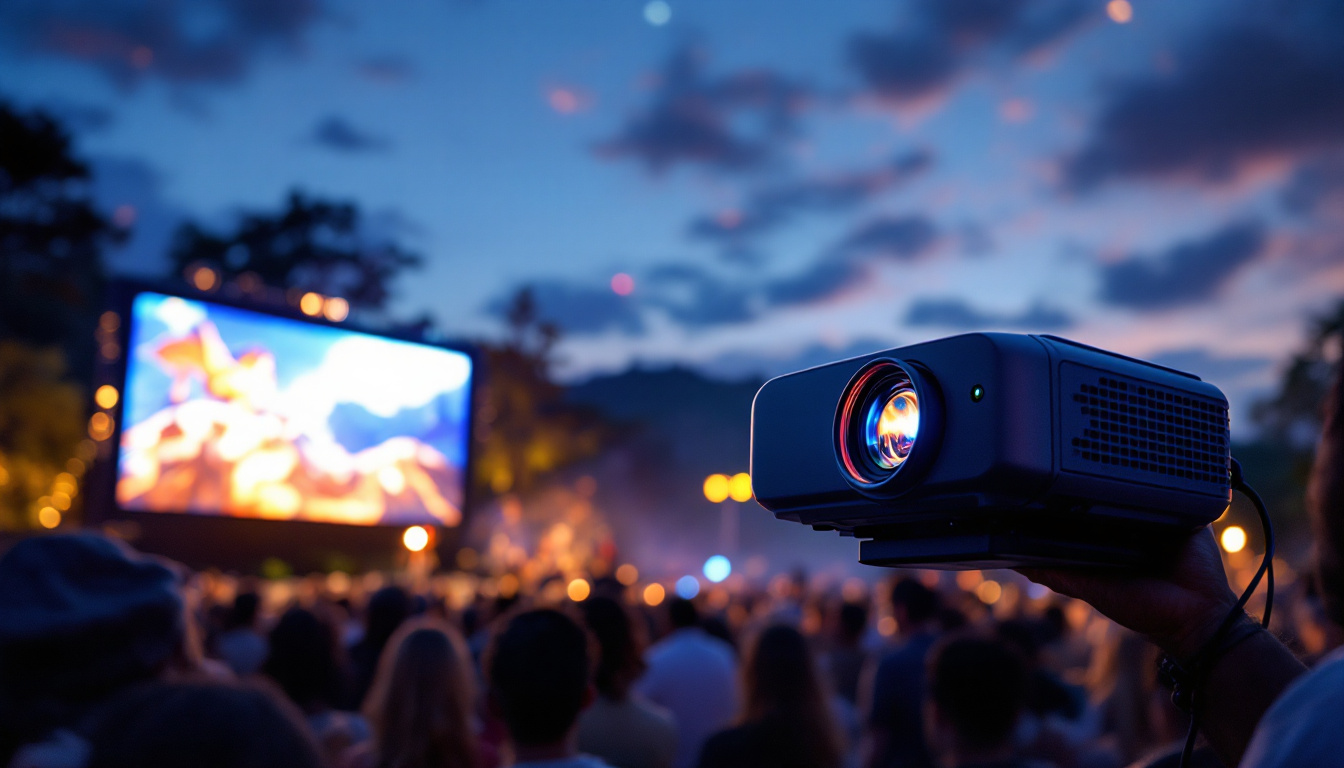
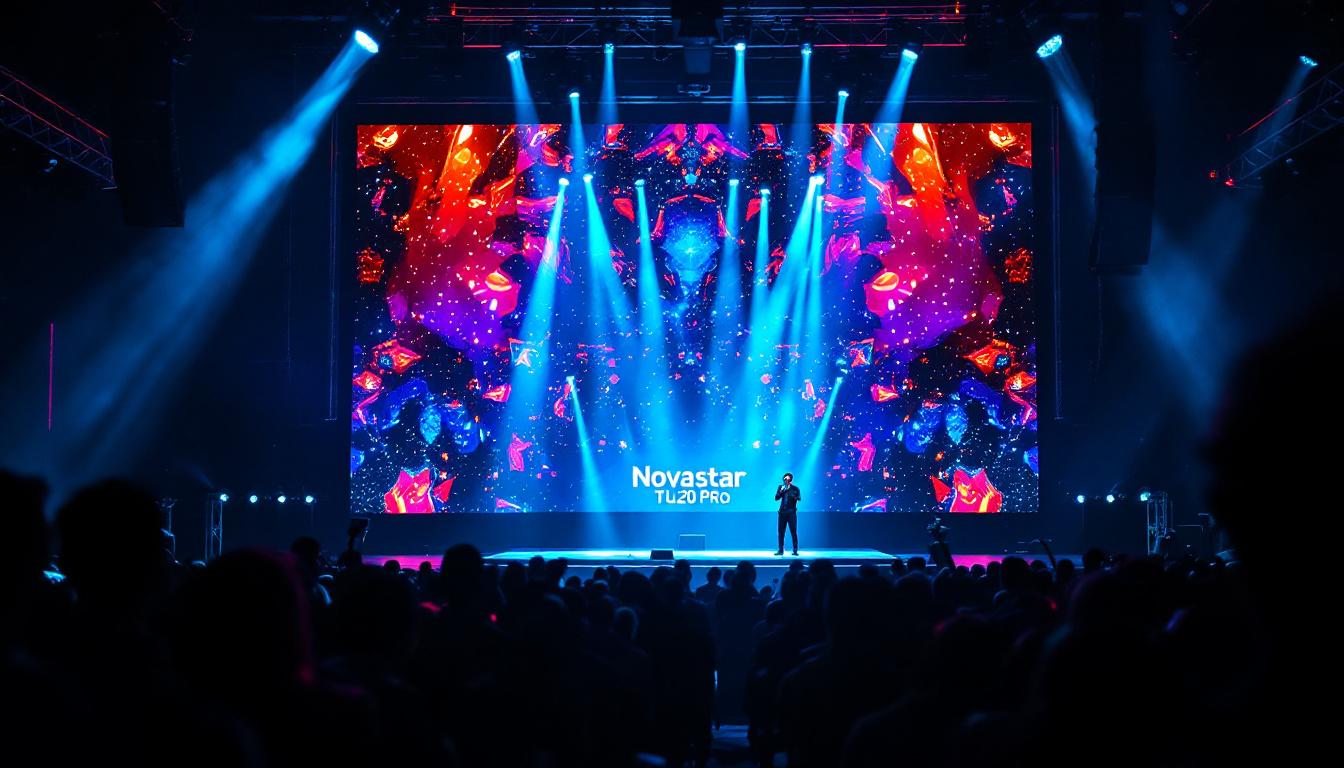
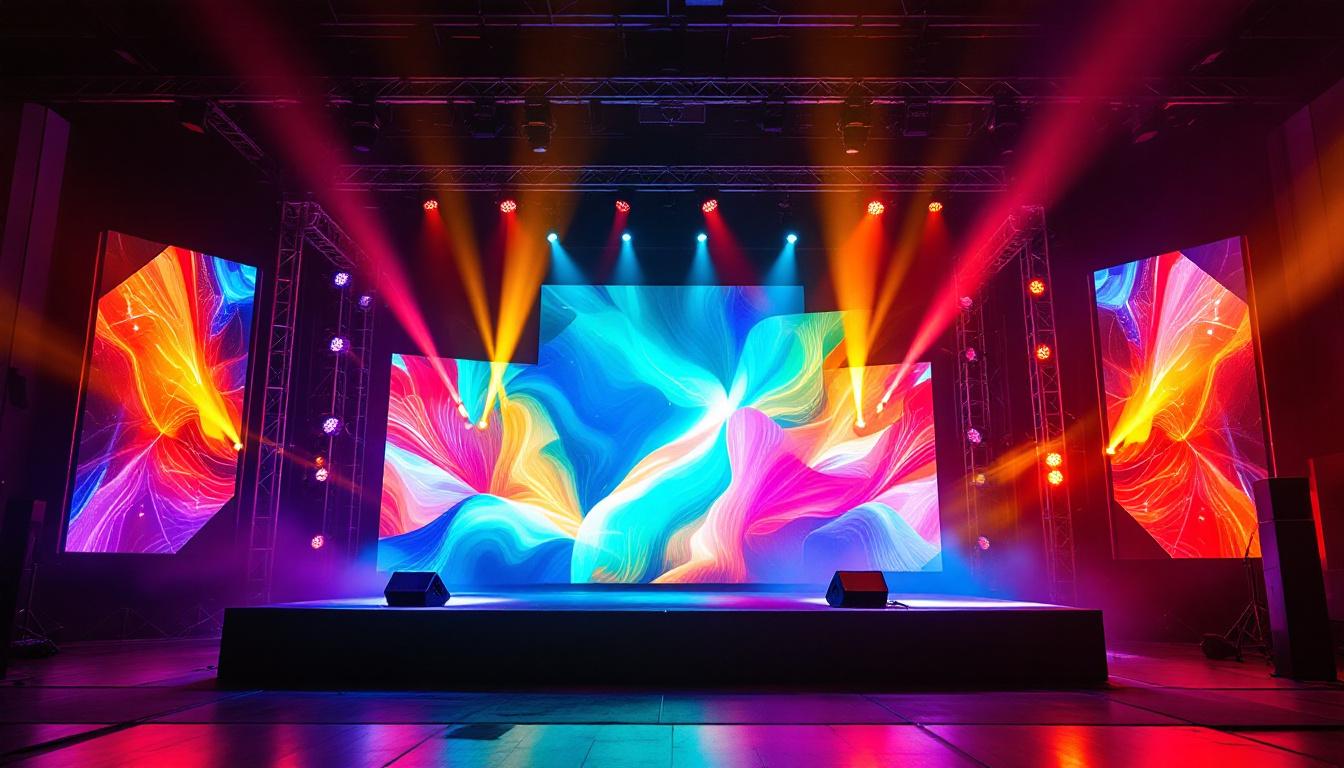
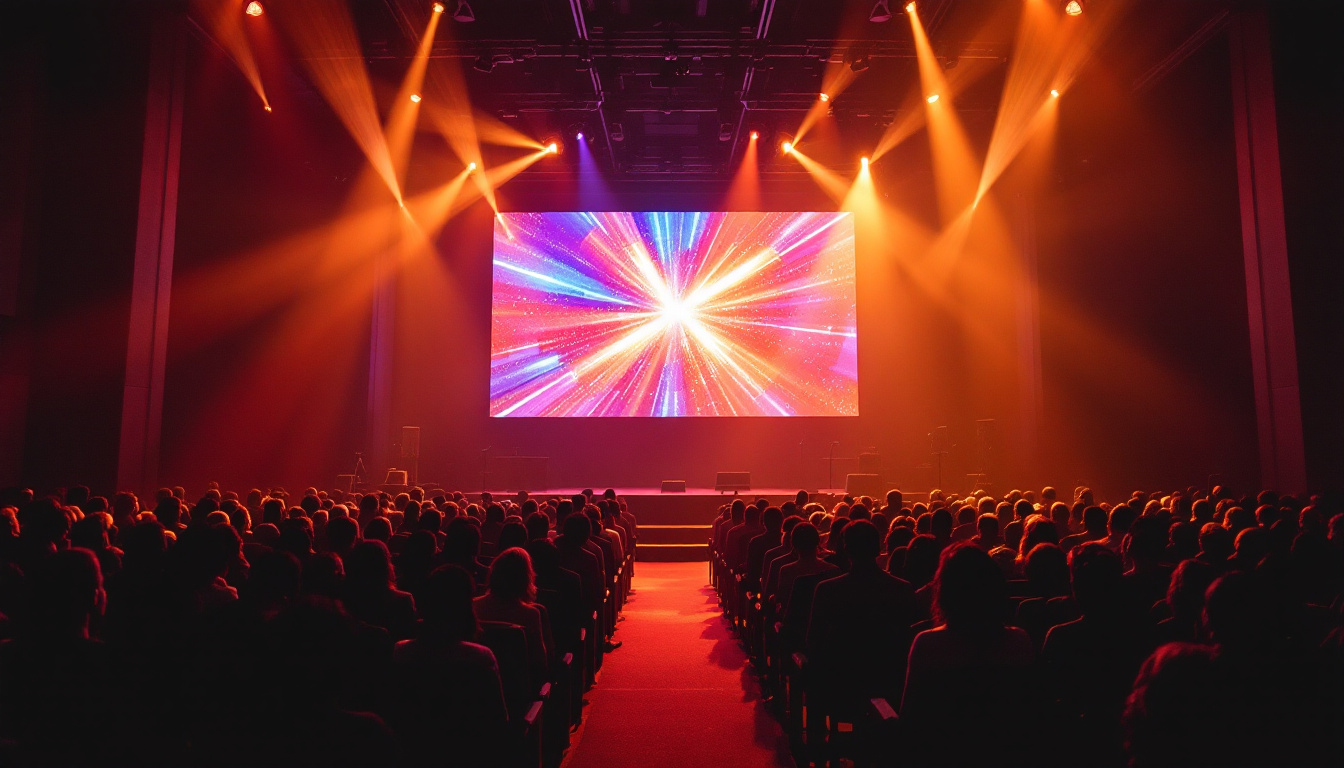
Concerts, sports arenas, and festivals often incorporate LED displays to broadcast live footage, advertisements, and sponsor messages. Their dynamic nature allows event organizers to customize content on the fly, enhancing the overall experience for attendees and creating valuable promotional opportunities.
Challenges and Considerations When Using Outdoor LED Displays
Initial Investment and Installation
Despite their benefits, outdoor LED displays require a considerable upfront investment. Costs include not only the display hardware but also installation, structural supports, and electrical work. Proper site assessment and planning are essential to ensure the display is optimally positioned and compliant with local regulations.
Maintenance and Technical Support
Maintaining outdoor LED displays involves regular cleaning, software updates, and occasional repairs. Exposure to weather and pollution can degrade components over time. Partnering with experienced service providers ensures timely maintenance and minimizes downtime, preserving the display’s effectiveness.
Regulatory Compliance
Many municipalities have strict regulations governing outdoor advertising, including restrictions on brightness, size, and placement. Advertisers must navigate these rules carefully to avoid fines or forced removal. Additionally, some areas limit animated or changing content to prevent driver distraction, which can impact content strategy.
Content Strategy and Audience Targeting
Maximizing the impact of outdoor LED advertising requires thoughtful content planning. Advertisers should consider the demographics, traffic patterns, and viewing distances of their target locations. Content that is too complex or fast-moving may be ineffective if viewers only have a few seconds to see the display.
Future Trends in Outdoor LED Advertising
Advancements in LED Technology
Emerging innovations such as microLED and miniLED promise even higher resolution, improved energy efficiency, and thinner displays. These advancements will enable more immersive and visually striking advertisements, pushing the boundaries of what outdoor signage can achieve.
Integration with Smart Technologies
Outdoor LED displays are increasingly being integrated with sensors, cameras, and artificial intelligence to create interactive and personalized advertising experiences. For instance, displays can adjust content based on weather conditions, audience demographics, or real-time events, enhancing relevance and engagement.
Sustainability and Energy Efficiency
As sustainability becomes a priority, manufacturers are focusing on reducing the environmental impact of LED displays. This includes using recyclable materials, improving energy efficiency, and developing solar-powered or battery-backed solutions for remote locations.
Augmented Reality and Immersive Experiences
Future outdoor advertising may incorporate augmented reality (AR) elements, allowing viewers to interact with digital content through their smartphones or AR glasses. This fusion of physical and digital advertising could revolutionize how brands engage with audiences in public spaces.
Conclusion
Outdoor LED displays have transformed the advertising landscape by offering vibrant, flexible, and highly visible platforms for brand messaging. Their ability to deliver dynamic content, withstand challenging environmental conditions, and provide measurable engagement makes them an invaluable tool for marketers worldwide. As technology continues to advance, outdoor LED advertising will become even more sophisticated, interactive, and sustainable, offering exciting opportunities for businesses to connect with their audiences in meaningful ways.
For companies considering outdoor advertising, understanding the capabilities and considerations of LED displays is essential to making informed decisions that maximize return on investment and brand impact.
Illuminate Your Brand with LumenMatrix
Ready to elevate your outdoor advertising strategy with cutting-edge LED technology? LumenMatrix is at the forefront of innovation, offering a diverse range of LED display solutions that bring your brand to life. From the bustling city streets to the heart of sports arenas, our Indoor and Outdoor LED Wall Displays, Vehicle LED Displays, LED Poster Displays, and more are designed to captivate and engage your audience. Embrace the future of visual communication with LumenMatrix and let your message shine with unparalleled clarity and impact. Check out LumenMatrix LED Display Solutions today and transform your advertising approach.