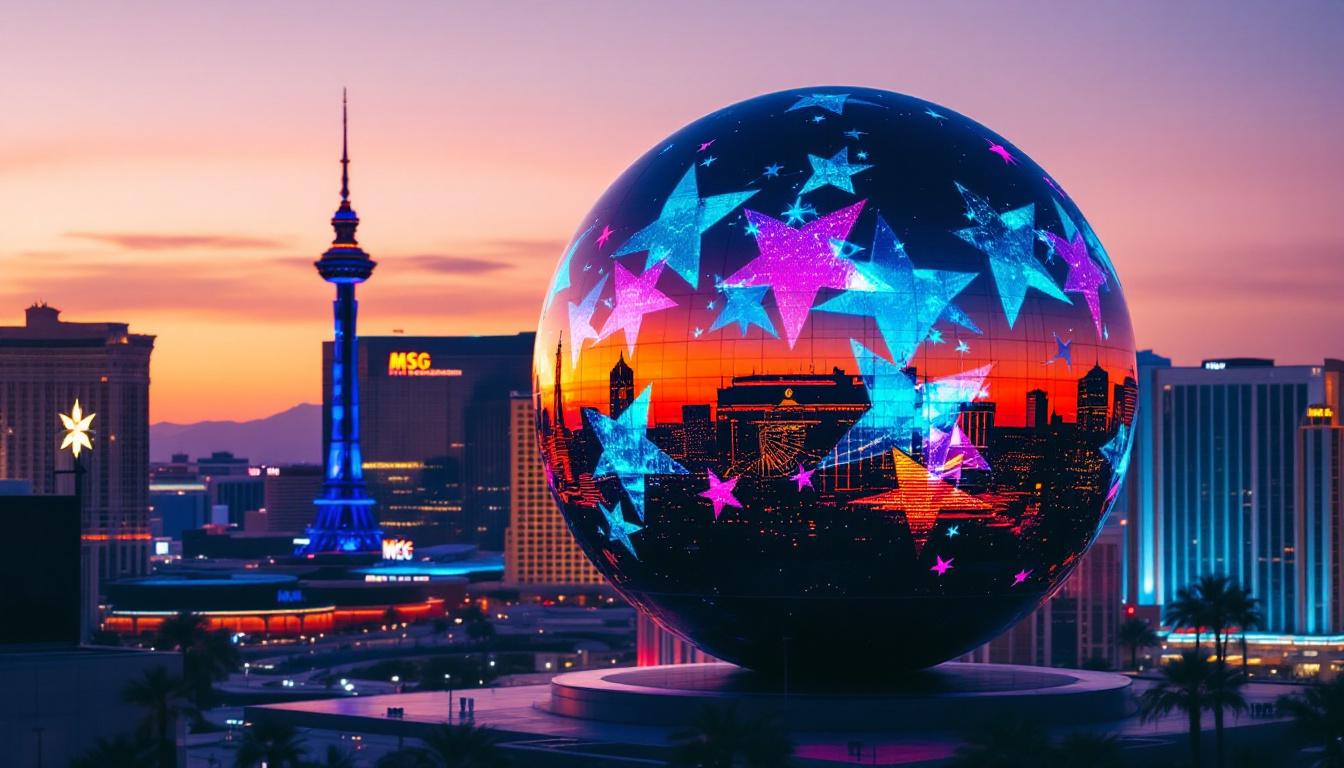
In the vibrant world of modern advertising and event production, LED displays have become a cornerstone technology. From dazzling billboards on the Las Vegas Strip to immersive stage backdrops at MSG venues, LED displays offer unmatched brightness, flexibility, and visual impact. This article delves into the fundamentals of LED displays, their applications in venues like Madison Square Garden (MSG) and Las Vegas entertainment hubs, and the technological advancements shaping their future.
Understanding LED Display Technology
LED, or Light Emitting Diode, technology has revolutionized digital displays by providing energy-efficient, high-brightness solutions that outperform traditional screens. Unlike LCD or projection systems, LED displays emit their own light, resulting in superior contrast ratios and visibility even under direct sunlight.
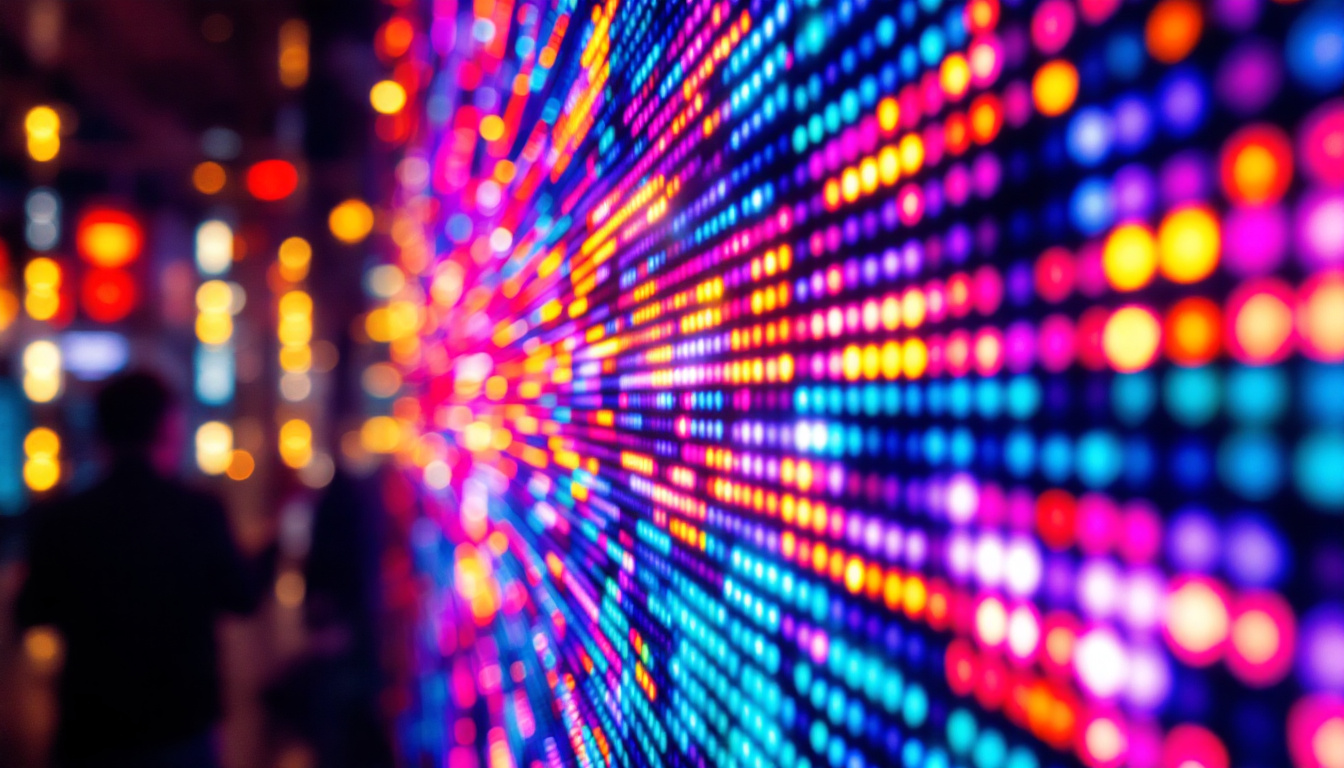
At its core, an LED display consists of thousands to millions of tiny diodes arranged in a grid. Each diode emits light in a specific color—red, green, or blue—and by adjusting the intensity of these diodes, the display can produce a broad spectrum of colors and images. This pixel-level control enables vivid, dynamic visuals that captivate audiences.
Types of LED Displays
LED displays come in various forms tailored to different environments and purposes. The two primary categories are:
- Indoor LED Displays: Designed for controlled lighting environments, these displays typically have a higher pixel density (smaller pixel pitch) to deliver crisp images at close viewing distances. They are commonly used in arenas, conference centers, and retail spaces.
- Outdoor LED Displays: Built to withstand weather conditions and extreme brightness levels, outdoor LEDs have larger pixel pitches and higher brightness (often exceeding 5,000 nits) to ensure visibility in daylight. These are widely used for billboards, stadium scoreboards, and urban signage.
Pixel Pitch and Resolution
Pixel pitch, measured in millimeters, refers to the distance between the centers of two adjacent LEDs. A smaller pixel pitch means more LEDs per square meter, resulting in higher resolution and sharper images. For example, a 1.5mm pixel pitch is ideal for close-up viewing, while a 10mm pitch suits large outdoor displays viewed from a distance.
In venues like Madison Square Garden or Las Vegas casinos, selecting the appropriate pixel pitch is crucial. It balances visual clarity with cost and installation logistics, ensuring that audiences experience stunning visuals without unnecessary expense.
Applications of LED Displays in MSG and Las Vegas
Madison Square Garden and Las Vegas are iconic entertainment hubs where LED displays play a pivotal role in enhancing the visitor experience. Their applications span advertising, live event production, and architectural aesthetics.
Advertising and Digital Signage
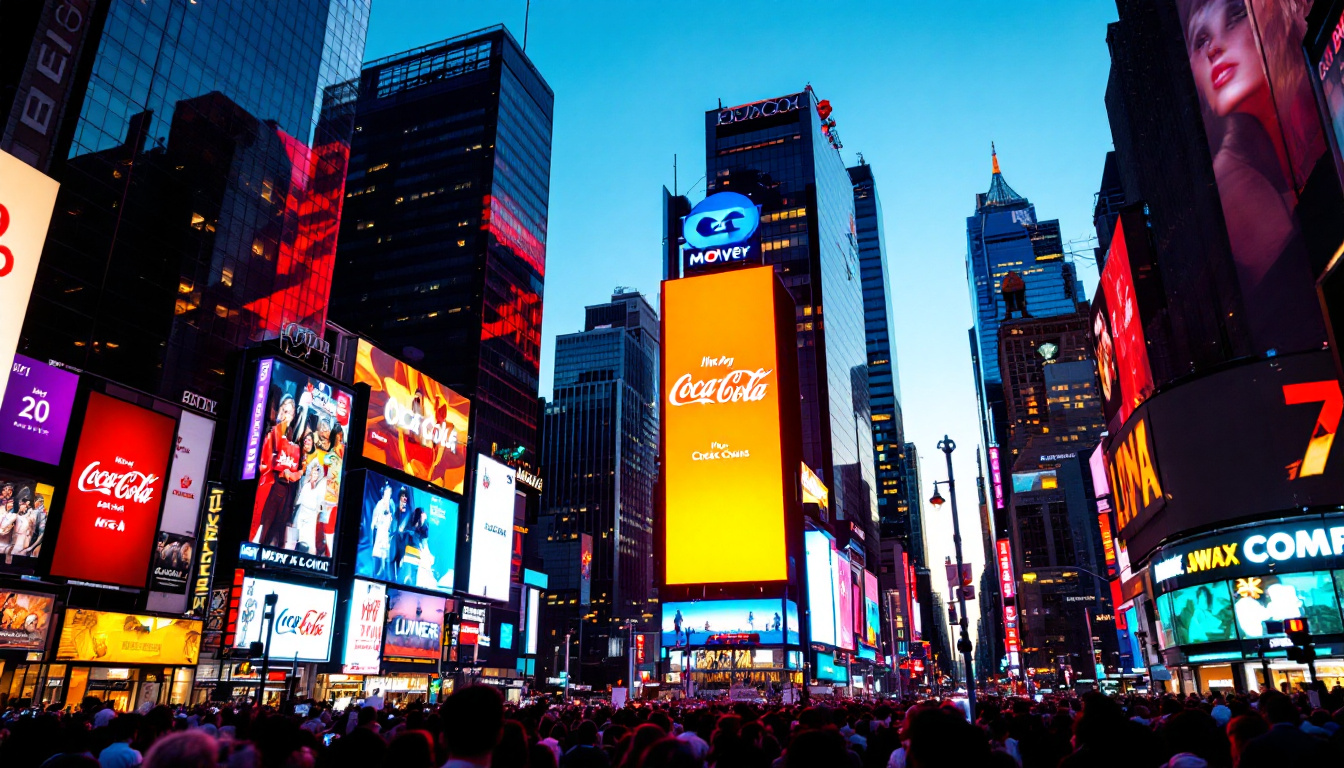
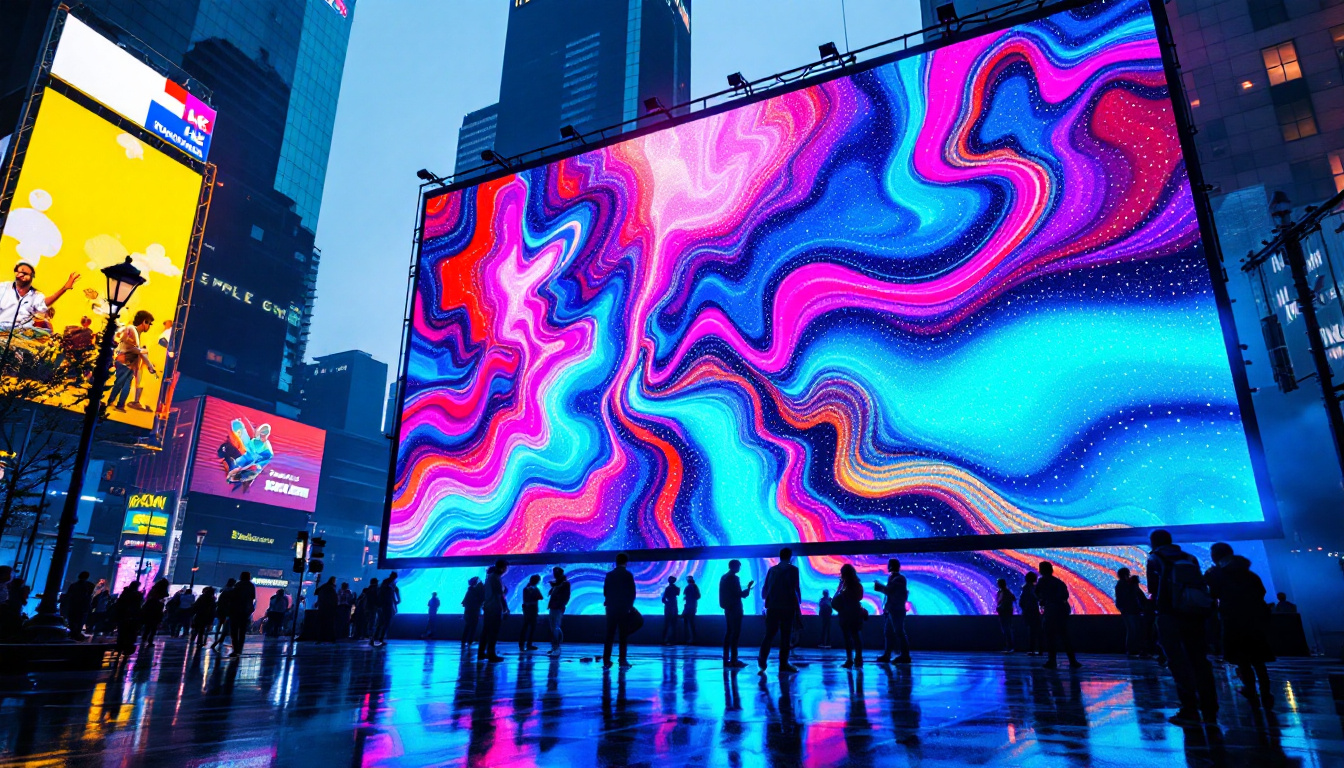
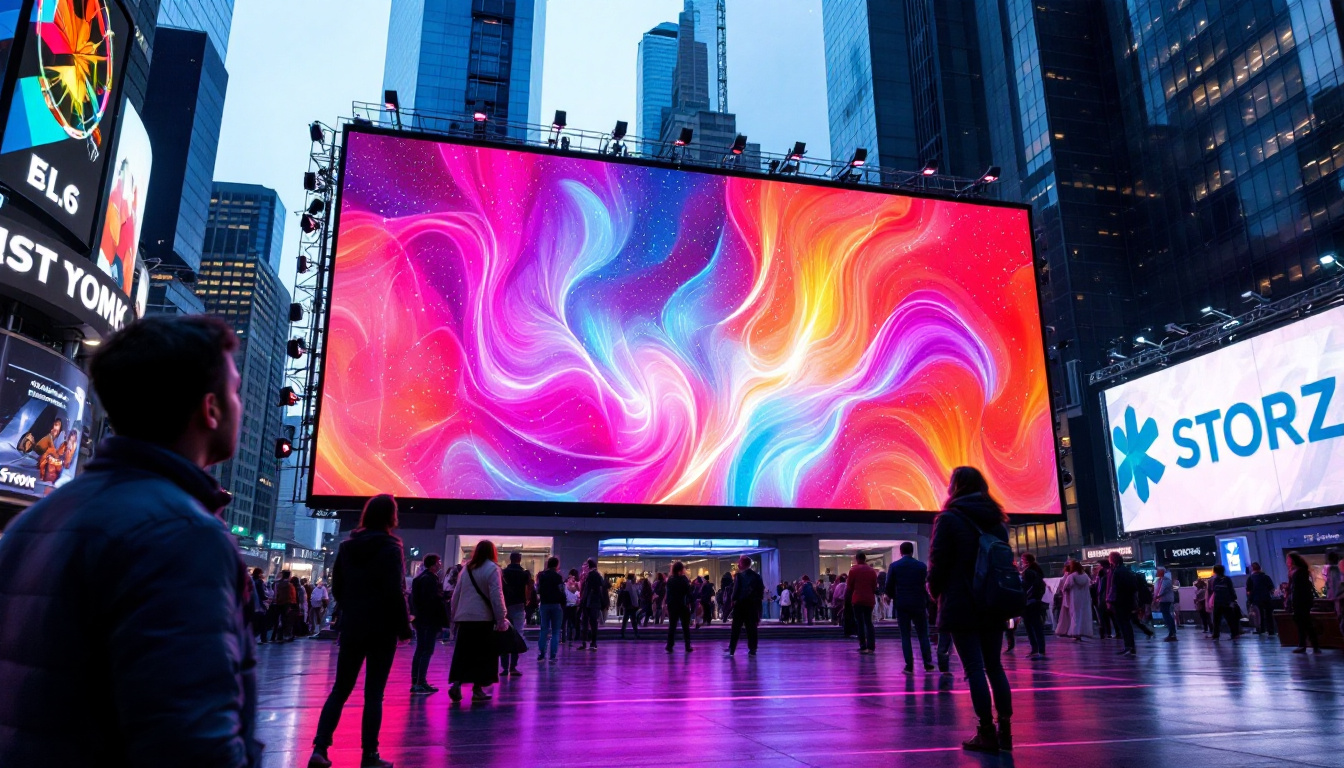
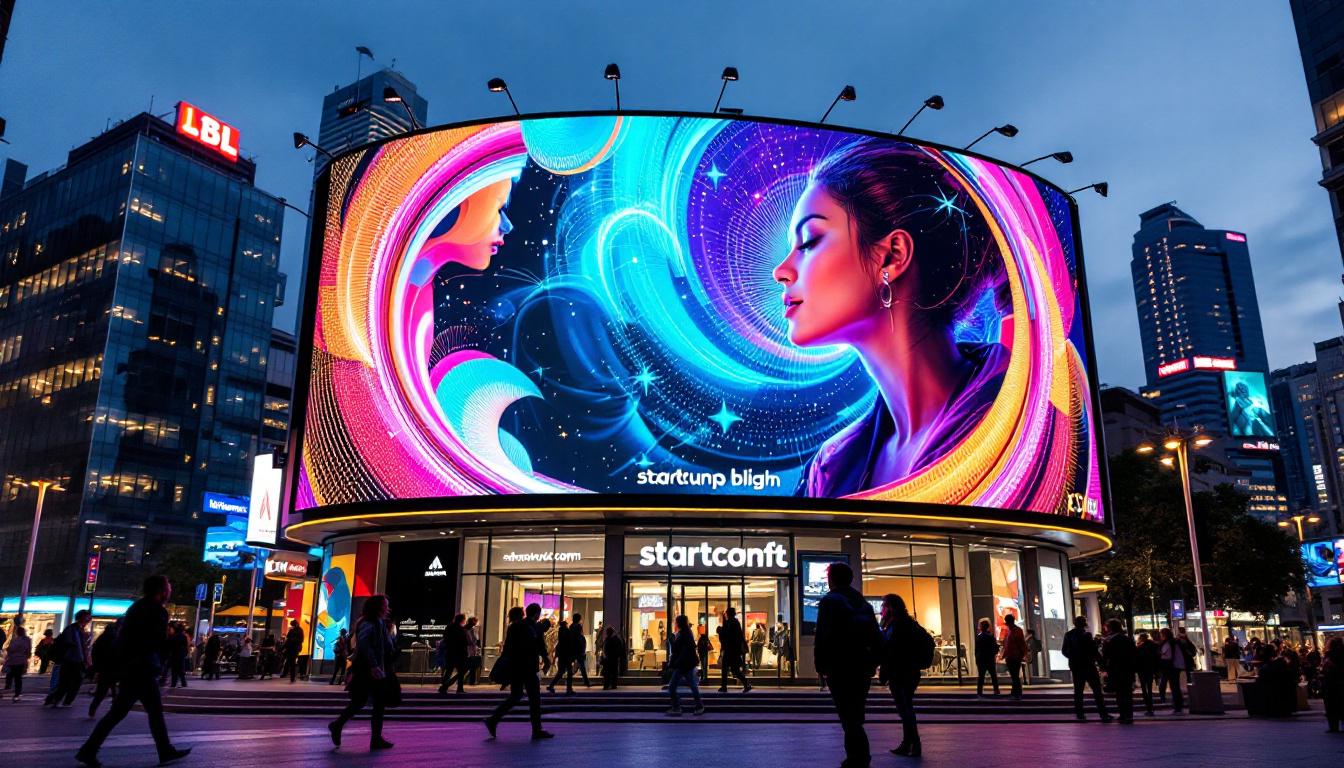
Las Vegas is renowned for its dazzling digital billboards that light up the Strip 24/7. These LED displays are not only large but also incredibly bright, often reaching 10,000 nits or more to remain visible in direct sunlight. They provide advertisers with dynamic content capabilities, allowing for real-time updates, animations, and interactive features.
Similarly, MSG employs LED signage throughout its complex to promote upcoming events, provide wayfinding assistance, and engage fans with live statistics and social media feeds. The ability to quickly change content ensures that messaging stays fresh and relevant.
Live Event Visuals
At MSG, LED video walls and ribbon boards are integral to the live event experience. These displays wrap around the arena, delivering immersive visuals that complement performances and sporting events. For concerts, LED screens can project high-definition video, lighting effects, and graphics synchronized with the music, creating a multi-sensory spectacle.
In Las Vegas, LED displays are often part of elaborate stage designs for residencies and shows, contributing to the city’s reputation for cutting-edge entertainment technology. The flexibility of LED panels allows for creative configurations, including curved and flexible screens that transform the stage environment.
Architectural Integration
Beyond advertising and events, LED displays are increasingly integrated into architectural designs to enhance building facades and public spaces. In Las Vegas, several casinos and hotels feature massive LED installations that serve as digital art pieces and landmarks. These installations use programmable LEDs to create dynamic light shows that attract tourists and elevate the city’s nighttime ambiance.
MSG has also embraced this trend by incorporating LED lighting and displays into its exterior and interior design, reinforcing its brand identity and creating a visually engaging environment for visitors.
Technological Innovations Driving LED Display Evolution
The LED display industry is rapidly evolving, with innovations that improve image quality, energy efficiency, and installation versatility. Understanding these advancements is essential for venues and advertisers aiming to stay ahead in a competitive market.
Mini-LED and Micro-LED Technologies
Mini-LED and Micro-LED represent the next generation of LED technology, featuring significantly smaller diodes than traditional LEDs. Mini-LEDs typically measure less than 0.2mm, while Micro-LEDs can be as small as a few microns. These smaller LEDs enable higher pixel densities, deeper contrast ratios, and better color accuracy.
Micro-LED displays, in particular, promise near-OLED levels of picture quality with the added benefits of longer lifespan and higher brightness. Although still emerging in large-scale commercial applications, these technologies are poised to redefine visual experiences in venues like MSG and Las Vegas entertainment centers.
Flexible and Transparent LED Displays
Recent developments have introduced flexible LED panels that can bend and curve, allowing for innovative display shapes and installations. This flexibility enables designers to create immersive environments that were previously impossible with rigid screens.
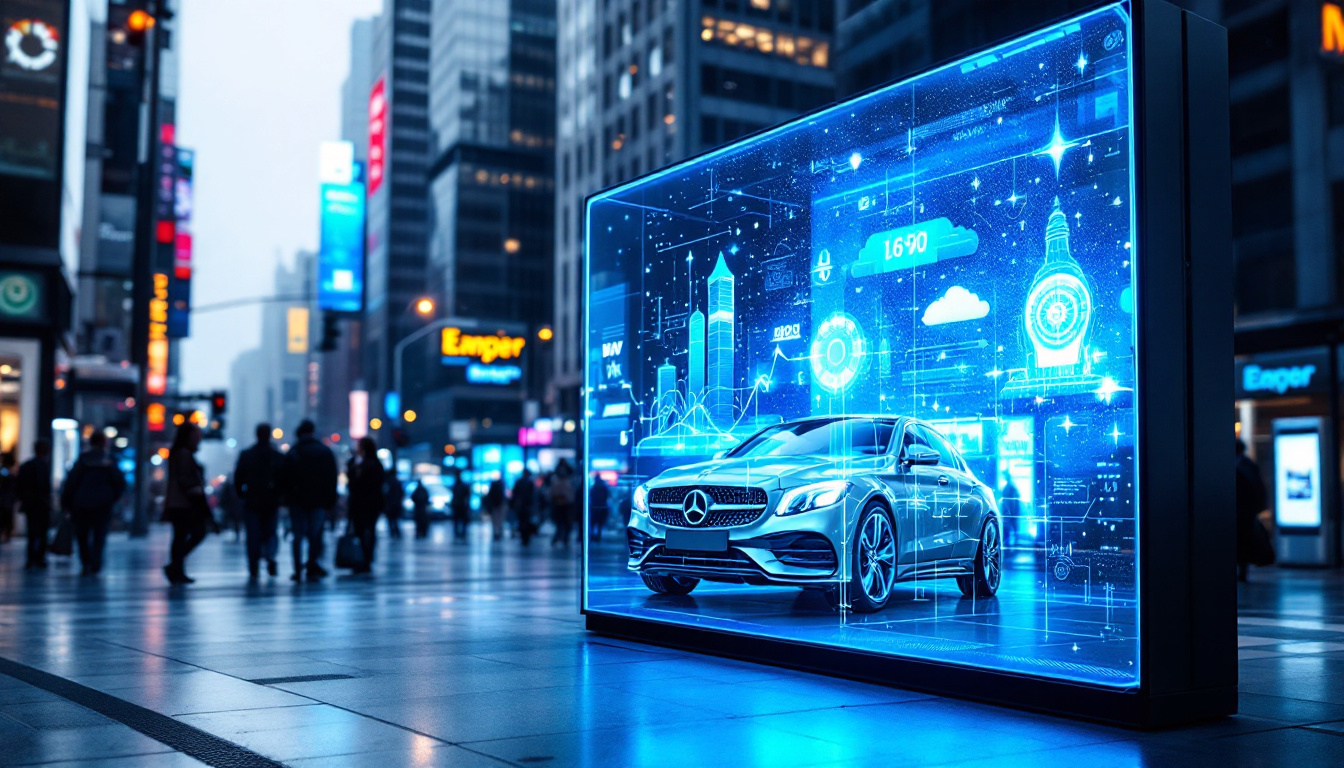
Transparent LED displays are another breakthrough, allowing screens to be embedded in glass surfaces without obstructing views. This technology is ideal for storefronts, atriums, and architectural facades, blending digital content with physical environments seamlessly.
Improved Energy Efficiency and Sustainability
Energy consumption is a critical consideration for large LED installations. Advances in LED chip design and power management have led to displays that consume significantly less electricity while maintaining brightness and color fidelity. This is particularly important for venues operating 24/7, such as Las Vegas casinos and MSG arenas, where operational costs and environmental impact are key concerns.
Many LED manufacturers now emphasize sustainability by using recyclable materials and designing products for easier maintenance and longer service life, aligning with global efforts to reduce carbon footprints in the entertainment and advertising industries.
Choosing the Right LED Display for Your Venue or Event
Selecting an LED display involves balancing multiple factors to meet specific needs and budgets. Whether outfitting a concert stage, a sports arena, or an outdoor billboard, understanding these considerations ensures optimal performance and return on investment.
Viewing Distance and Audience Size
One of the most critical factors is the typical viewing distance. Displays intended for close-up viewing require higher resolution and smaller pixel pitch, while those meant to be seen from afar can use larger pixel pitches without sacrificing perceived image quality. For example, an LED screen above a stage in MSG might have a pixel pitch of 3mm, while a billboard on the Las Vegas Strip could use 10mm or more.
Brightness and Environmental Conditions
Outdoor displays must contend with variable lighting conditions, including direct sunlight. Therefore, they require higher brightness levels, often exceeding 5,000 nits, to remain visible. Indoor displays can operate at lower brightness but may prioritize color accuracy and contrast.
Environmental durability is also crucial for outdoor installations, which must resist weather, dust, and temperature extremes.
Content Flexibility and Control Systems
Modern LED displays are only as effective as the content they show. Investing in advanced control systems that allow real-time content updates, remote management, and integration with other media sources is essential. Venues like MSG utilize sophisticated software platforms to synchronize visuals with live events, social media, and advertising campaigns.
Installation and Maintenance
Ease of installation and ongoing maintenance impact total cost of ownership. Modular LED panels that can be quickly replaced or serviced reduce downtime and labor expenses. Additionally, lightweight and flexible panels simplify installation in complex architectural settings.
The Future of LED Displays in Entertainment and Advertising
As technology continues to advance, LED displays will become even more integral to entertainment and advertising landscapes. Emerging trends suggest a future where digital and physical worlds blend seamlessly, creating immersive environments that engage audiences like never before.
Integration with Augmented and Virtual Reality
Combining LED displays with augmented reality (AR) and virtual reality (VR) technologies will open new creative possibilities. For instance, LED screens could serve as dynamic backdrops that interact with AR elements, enhancing live performances and interactive advertising.
AI-Driven Content Personalization
Artificial intelligence (AI) is poised to transform how content is delivered on LED displays. By analyzing audience demographics, behavior, and preferences in real-time, AI systems can tailor advertisements and visuals to maximize engagement and effectiveness.
Smart Cities and Connected Infrastructure
LED displays will play a vital role in smart city initiatives, providing real-time information, emergency alerts, and interactive services. In entertainment districts like Las Vegas, these connected displays will enhance visitor experiences while contributing to urban management and sustainability goals.
Conclusion
LED display technology stands at the forefront of visual communication in venues such as Madison Square Garden and the entertainment capital of Las Vegas. Its ability to deliver bright, dynamic, and flexible visuals makes it indispensable for advertising, live events, and architectural innovation. As advancements like Micro-LED, flexible panels, and AI-driven content emerge, the possibilities for immersive and engaging experiences will only expand.
For venue operators, advertisers, and event producers, understanding the nuances of LED displays—from pixel pitch to environmental requirements—is key to harnessing their full potential. Investing in the right technology today ensures captivating audiences and staying competitive in a rapidly evolving digital landscape.
Illuminate Your Space with LumenMatrix
Ready to elevate your venue’s visual experience with the latest in LED display technology? LumenMatrix is at the forefront of innovation, offering a wide range of LED display solutions tailored to your unique needs. From the vibrant atmosphere of Las Vegas to the iconic stages of Madison Square Garden, our state-of-the-art LED display modules are designed to captivate and engage. Discover how our Indoor and Outdoor LED Wall Displays, Vehicle LED Displays, LED Poster Displays, LED Sports Displays, Floor LED Displays, Custom LED Displays, All-in-One LED Displays, and LED Transparent Displays can transform your space. Check out LumenMatrix LED Display Solutions and join the revolution in visual communication.