Transparent OLED Display Price: LED Display Explained
In recent years, transparent OLED displays have emerged as a groundbreaking technology, revolutionizing how we interact with digital content in retail, automotive, architecture, and entertainment sectors. Their ability to combine transparency with vivid, high-contrast visuals opens up innovative applications that were previously unimaginable. However, understanding the pricing dynamics of transparent OLED displays, as well as how they compare to traditional LED displays, is crucial for businesses and consumers considering investment in this technology.
This article delves into the factors influencing transparent OLED display prices, explores the underlying technology, and compares it with LED displays to provide a comprehensive understanding of this rapidly evolving market.
Understanding Transparent OLED Technology
What is a Transparent OLED Display?
Transparent OLED (Organic Light Emitting Diode) displays are a type of screen technology that allows light to pass through the display panel when it is turned off or showing transparent content. Unlike traditional LCD or LED screens, which rely on backlighting, OLEDs generate their own light through organic compounds that emit light when an electric current is applied. This self-emissive property enables the display to be ultra-thin, flexible, and capable of producing deep blacks and vibrant colors.
The transparency factor allows these displays to be integrated into glass surfaces, such as windows, showcases, or windshields, without obstructing the view behind them. This unique feature makes transparent OLEDs ideal for augmented reality applications, retail advertising, and futuristic automotive dashboards. For instance, in retail environments, transparent OLED displays can showcase promotional content while still allowing customers to see the products behind the glass, creating an engaging shopping experience that blends digital and physical elements seamlessly.
Moreover, the potential applications of transparent OLED technology extend beyond commercial use. In smart homes, these displays can be integrated into kitchen windows to provide cooking instructions or nutritional information while maintaining the natural light and view of the outdoors. In urban architecture, buildings can incorporate transparent OLEDs to create interactive facades that change with the time of day or season, enhancing the aesthetic appeal and functionality of urban spaces.
How Transparent OLEDs Work
At the core of transparent OLED technology is the organic emissive layer sandwiched between two transparent electrodes, typically made from indium tin oxide (ITO). When voltage is applied, the organic layer emits light. Because the electrodes and substrate materials are transparent, the display can show images while allowing light to pass through the panel.
Unlike LCDs, which require a backlight and polarizers that reduce transparency, OLEDs can achieve transparency levels of up to 40-50%. This balance between display brightness and see-through clarity is a key metric in evaluating transparent OLED quality. The manufacturing process of these displays also plays a significant role in their performance; advancements in material science and fabrication techniques have led to improvements in the longevity and efficiency of the organic compounds used, which in turn enhances the overall user experience.
Furthermore, the integration of transparent OLEDs into various devices is being explored in innovative ways. For example, in the automotive industry, manufacturers are experimenting with transparent displays that can provide real-time information to drivers without obstructing their view of the road. This could revolutionize how information is presented in vehicles, making navigation and safety alerts more intuitive and less distracting. As research continues, we may also see developments in energy efficiency, allowing these displays to consume less power while maintaining high-quality visuals, making them even more appealing for widespread adoption.
Factors Influencing Transparent OLED Display Price
Manufacturing Complexity and Yield Rates
One of the primary reasons transparent OLED displays command a premium price is the complexity involved in their manufacturing process. Producing transparent OLED panels requires precise layering of organic materials and transparent electrodes on glass substrates, which is more challenging than producing traditional OLED or LED panels.
Yield rates—the percentage of usable panels produced from a manufacturing batch—are typically lower for transparent OLEDs due to the delicate nature of the materials and the stringent quality requirements for transparency and display uniformity. Lower yields increase production costs, which are passed on to buyers.
Panel Size and Resolution
As with most display technologies, larger panel sizes and higher resolutions increase costs. Transparent OLED displays are often produced in smaller sizes compared to conventional OLEDs, partly due to current manufacturing limitations and market demand. Larger sizes require more material and present greater challenges in maintaining uniform transparency and brightness, which drives up prices.
Higher resolution panels also require more precise deposition of organic materials and finer electrode patterning, further increasing production complexity and cost.
Material Costs and Supply Chain Factors
The organic compounds used in OLEDs, as well as the indium tin oxide electrodes, are relatively expensive materials. Indium, in particular, is a rare metal with fluctuating prices influenced by global supply and demand. Additionally, the glass substrates must meet high standards for optical clarity and durability, adding to material costs.
Supply chain disruptions, such as those experienced during the COVID-19 pandemic, have also impacted component availability and pricing, contributing to fluctuations in transparent OLED display costs.
Technological Advancements and Market Maturity
Transparent OLED technology is still in a relatively early stage of commercial adoption compared to traditional LED displays. As research and development continue, manufacturers are working to improve efficiency, yield, and scalability, which is expected to lower prices over time.
However, cutting-edge features—such as flexible transparent OLEDs or those with enhanced brightness for outdoor use—carry additional R&D and production expenses, maintaining higher price points for premium models.
Transparent OLED Display Price Range and Market Trends
Current Price Estimates
As of 2024, transparent OLED displays typically range from approximately $1,000 to $3,000 per square foot, depending on size, resolution, and supplier. For example, a 55-inch transparent OLED display suitable for retail or exhibition purposes might cost between $15,000 and $25,000.
This price range is significantly higher than that of traditional LED or LCD displays of comparable size, reflecting the specialized nature and limited production scale of transparent OLEDs.
Price Comparison with LED Displays
Traditional LED displays, especially those using direct-view LED technology, are generally more affordable and widely available. For instance, a 55-inch LED display can cost between $500 and $1,500, depending on resolution and brand. However, LED displays are typically opaque and cannot achieve the transparency that OLEDs offer.
Transparent LED displays do exist, but they rely on different technology—often using a mesh or pixelated LED arrangement to allow light to pass through. These displays tend to have lower resolution and brightness compared to transparent OLEDs and are priced variably depending on pixel pitch and size. Transparent LED panels can be more cost-effective for large-scale installations but may sacrifice image quality and transparency.
Market Growth and Adoption
The transparent OLED market is projected to grow at a compound annual growth rate (CAGR) of around 20% over the next five years. This growth is driven by increasing demand in sectors such as retail, automotive, smart homes, and public transportation.
Major electronics manufacturers and startups alike are investing in transparent OLED R&D, aiming to reduce costs and expand applications. As production scales and technology matures, prices are expected to decrease, making transparent OLEDs more accessible for a broader range of uses.
Applications of Transparent OLED Displays
Retail and Advertising
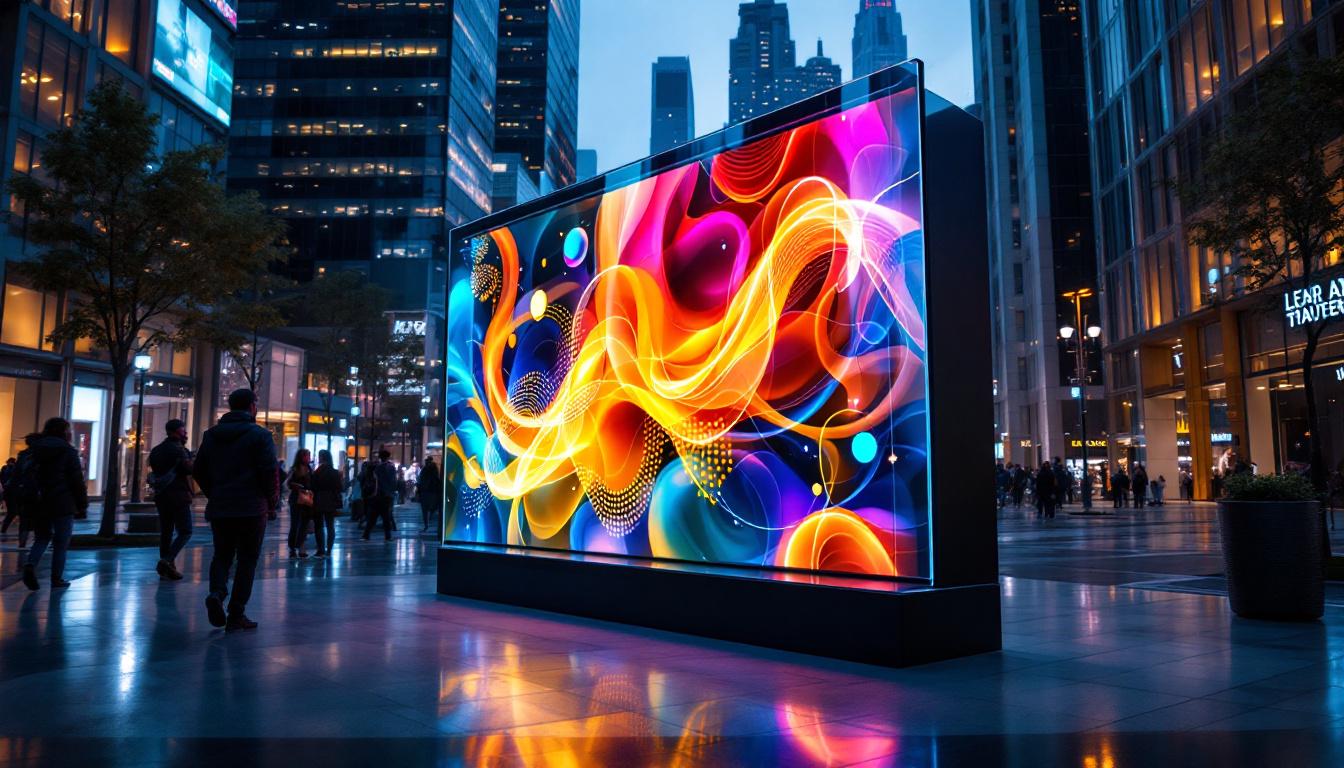
Transparent OLED displays are transforming retail environments by enabling digital signage that does not obstruct product visibility. Storefront windows equipped with transparent OLEDs can display dynamic advertisements while allowing customers to see inside the store, creating an engaging and futuristic shopping experience.
Brands are leveraging this technology to create interactive showcases and enhance customer engagement through augmented reality overlays and real-time content updates.
Automotive and Transportation
In the automotive industry, transparent OLEDs are being integrated into windshields and windows to provide heads-up displays (HUDs) that show navigation, speed, and safety alerts without blocking the driver’s view. This enhances safety and user experience by delivering critical information seamlessly.
Public transportation systems are also exploring transparent OLEDs for information panels and advertising inside buses and trains, combining transparency with high visibility.
Architecture and Interior Design
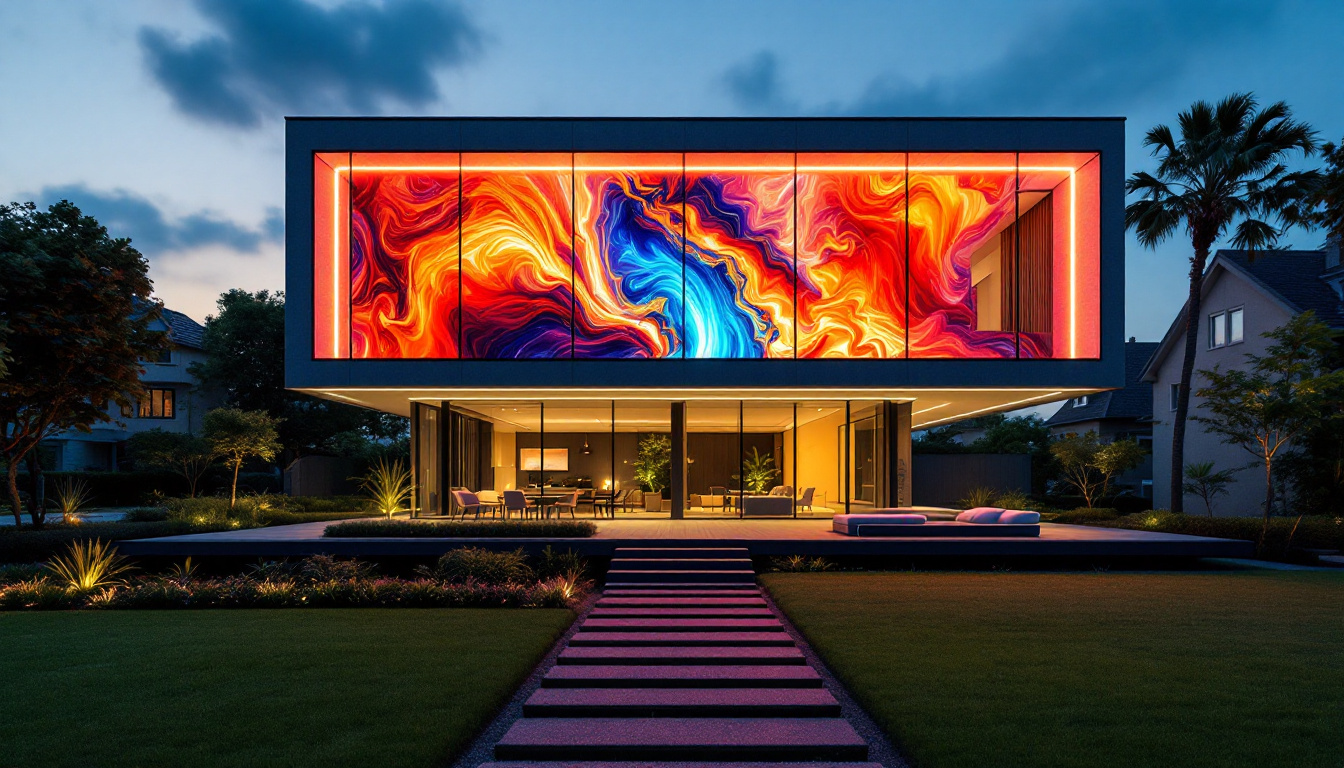
Architects and interior designers use transparent OLED panels to create smart glass walls and partitions that can switch between transparent and display modes. This enables multifunctional spaces that can serve as digital canvases or privacy screens on demand.
Such applications are particularly popular in corporate environments, museums, and luxury residences.
Choosing Between Transparent OLED and LED Displays
Key Considerations
When deciding between transparent OLED and LED displays, several factors must be evaluated:
- Transparency Needs: If high transparency and image quality are paramount, transparent OLEDs are superior.
- Budget Constraints: LED displays generally offer more cost-effective solutions for larger or less transparency-critical applications.
- Viewing Environment: OLEDs perform better in controlled lighting environments, while LEDs can offer higher brightness suitable for outdoor or brightly lit spaces.
- Durability and Lifespan: LED displays often have longer lifespans and greater resistance to environmental factors.
Future Outlook
As transparent OLED technology continues to mature, its price is expected to decrease, narrowing the gap with LED displays. Innovations such as flexible and rollable transparent OLEDs may unlock new use cases and further drive adoption.
Meanwhile, LED technology will continue evolving with improvements in pixel density and transparency, maintaining its relevance in cost-sensitive and large-scale applications.
Conclusion
Transparent OLED displays represent a fascinating intersection of display technology and design innovation, offering unparalleled visual experiences with their unique transparency and vibrant image quality. While current prices remain relatively high due to manufacturing complexities and material costs, ongoing advancements promise greater affordability and broader adoption in the near future.
Understanding the distinctions between transparent OLED and LED displays, along with their respective price points and applications, is essential for businesses and consumers aiming to leverage these technologies effectively. Whether for retail, automotive, or architectural purposes, transparent OLEDs provide a compelling option where aesthetics and functionality converge.
As the market evolves, staying informed about pricing trends and technological developments will empower stakeholders to make strategic decisions that maximize value and innovation.
Explore Cutting-Edge LED Solutions with LumenMatrix
As you consider the potential of transparent OLED and LED displays for your business, LumenMatrix stands at the forefront of LED display technology, ready to elevate your visual communication. With a diverse range of products from Indoor and Outdoor LED Wall Displays to innovative LED Transparent Displays, LumenMatrix is committed to transforming your brand’s presence. Experience the difference in clarity, engagement, and impact with our advanced LED solutions. Check out LumenMatrix LED Display Solutions today and step into the future of digital signage.